REVIEW · MARRAKESH
Climb Mount Toubkal: 3-Day Trek from Marrakech
Book on GetYourGuide →Operated by Toubkal Ascent · Bookable on GetYourGuide
Mount Toubkal has a way of grabbing your attention fast. This 3-day trek to Jebel Toubkal, the highest peak in Northern Africa, pairs big mountain effort with classic High Atlas scenery, Berber villages, and a sunrise summit that’s hard to forget. I like that the plan mixes acclimatisation time around Imlil with a guided push to the refuge, then an early start for the final ascent.
Two things I also like: you’ll travel from Marrakech into the mountains with organized minibus/4×4 transfers, and you get a real support team on the trail—local mountain guides, muleteers, and a cook—plus all meals. The main drawback to consider is that the refuge night can be tough: it may be crowded, sleep can be hard, and the summit day starts brutally early in cold, steep conditions.
In This Review
- Key Things to Know Before You Go
- What Makes a 3-Day Toubkal Trek Worth It
- From Marrakech to Imlil: Starting With the Correct Kind of Travel
- Day 1 in Imlil: A Warm-Up That Feels Like Part of the Story
- Day 2: Imlil to the Toubkal Refuge via Aremd and the Mizane Valley
- What I’d watch for on Day 2
- The Refuge Night: Crowded, Cold, and Still Part of the Win
- Day 3: Summit Day at 4 a.m. and the Ride Back to Marrakech
- The descent is still work
- Guides, Mules, and Food: The Real Value Add Here
- Local guides and safety on the trail
- Muleteers and carrying less than you expect
- Food you can count on
- Price and Value: Is $294 Fair for This Kind of Climb?
- Who This Trek Fits Best (And Who Might Want a Different Option)
- Booking Smarts: How to Prepare Without Overbuying
- Should You Book Climb Mount Toubkal: 3-Day Trek from Marrakech?
- FAQ
- FAQ
- How long is the Mount Toubkal trek?
- What does the $294 per person price include?
- Where do you sleep during the trek?
- Is crampons, ice axe, or a sleeping bag included?
- What are the main trail highlights during the 3 days?
- What language options do you get for the guide?
- Are meals included?
Key Things to Know Before You Go
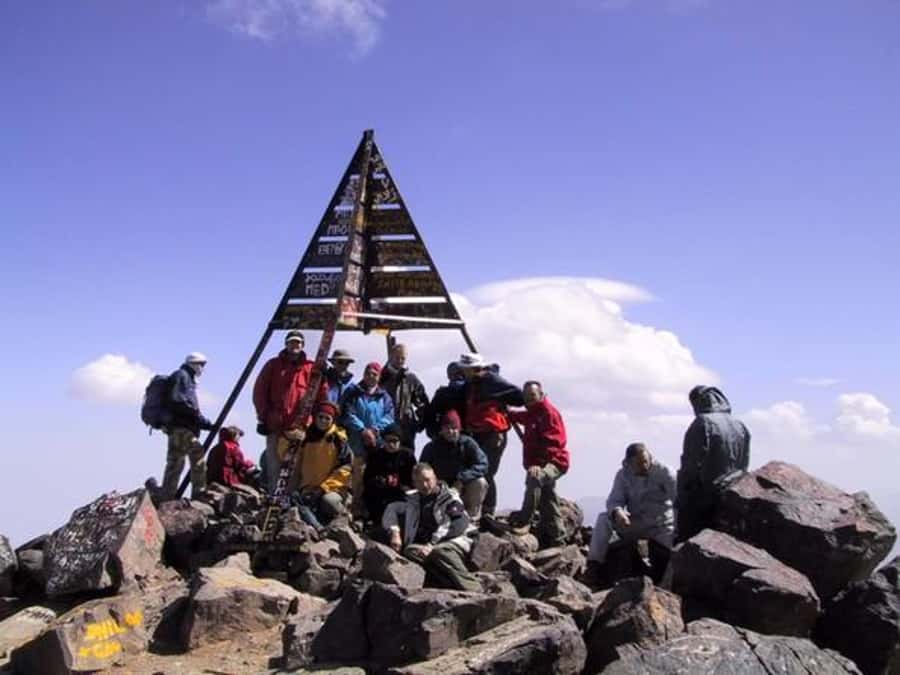
- A sunrise summit: the last push typically begins around 4 a.m., aiming for the top at sunrise.
- Good support on the hike: local guides plus muleteers and a cook mean less hassle with food and gear.
- Route highlights are built in: you pass through the Mizane Valley, villages like Aremd, and stop at the shrine of Sidi Chamarouch.
- Two different overnight vibes: one night in Imlil, then a night at the Toubkal Refuge (or tents if weather requires).
- Equipment costs can be your surprise expense: crampons, ice axe, and sleeping bags aren’t included.
- The trek is challenging, not just scenic: the final day includes cold altitude work around high elevations.
What Makes a 3-Day Toubkal Trek Worth It
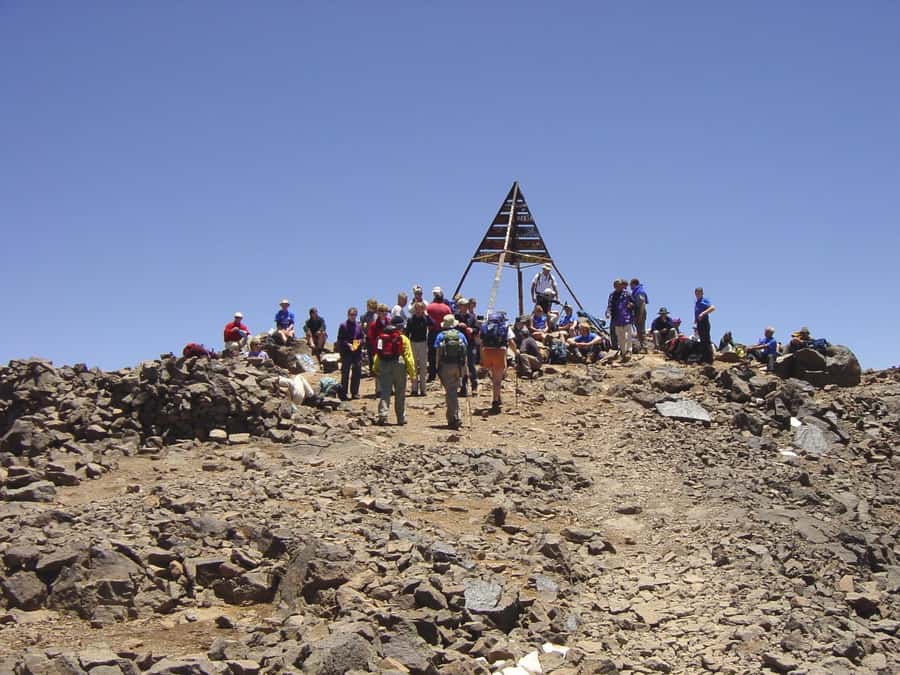
A 3-day Mount Toubkal climb is the kind of trip that rewards you for showing up with effort, not comfort. You’re walking through the High Atlas world where valleys fold into rocky slopes, and the mountain forces you to slow down and breathe smarter. The payoff is the summit at Jebel Toubkal, plus wide views that stretch in multiple directions—from the Marrakech Plain area to the wider High Atlas region and beyond.
The best part is that the trek doesn’t feel random. Day 1 eases you into altitude and terrain around Imlil. Day 2 steadily climbs toward the Toubkal Refuge through valleys and villages, including the spiritual stop at Sidi Chamarouch. Then Day 3 is the big day: early, cold, steep, and built for sunrise.
This is also an experience where local people matter. You’ll hike with an English/French/Arabic-speaking guide, and you’ll be eating food cooked by the team. One review highlighted cooking as a standout: it wasn’t just fuel, it felt like a key part of the mountain rhythm.
You can also read our reviews of more hiking tours in Marrakesh
From Marrakech to Imlil: Starting With the Correct Kind of Travel
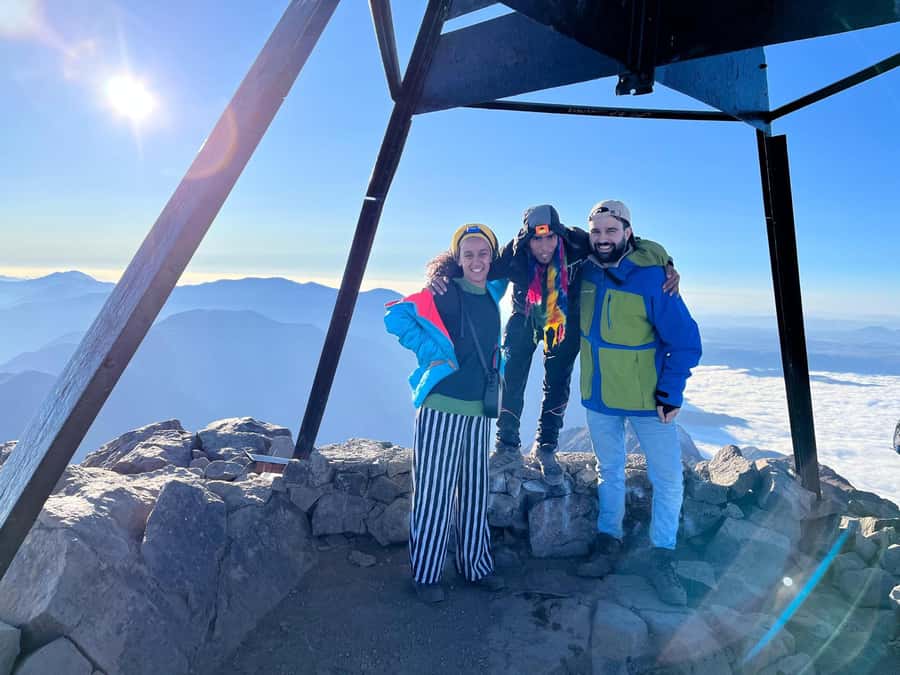
Your trip begins with a transfer from Marrakech toward Imlil, which takes up to 4 hours. This timing matters. You’re not “teleporting” into the mountains—you’re getting a gradual shift from city life into High Atlas terrain.
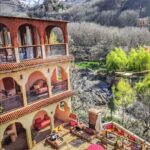
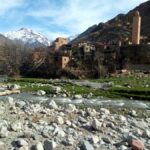
Expect a scenic ride south, leaving the craggy peaks and plunging valleys of the Toubkal area behind your window. When you reach Imlil, you’re set up for a rest night in local accommodation. Reviews describe the Imlil stay as unique and authentic, with welcoming staff and good meals.
Practical note: if you’re sensitive to altitude or long travel, plan to keep Day 1 low-key. This is your buffer day. You’ll be much happier on the trail if you treat it like recovery, not a second sightseeing day.
Day 1 in Imlil: A Warm-Up That Feels Like Part of the Story
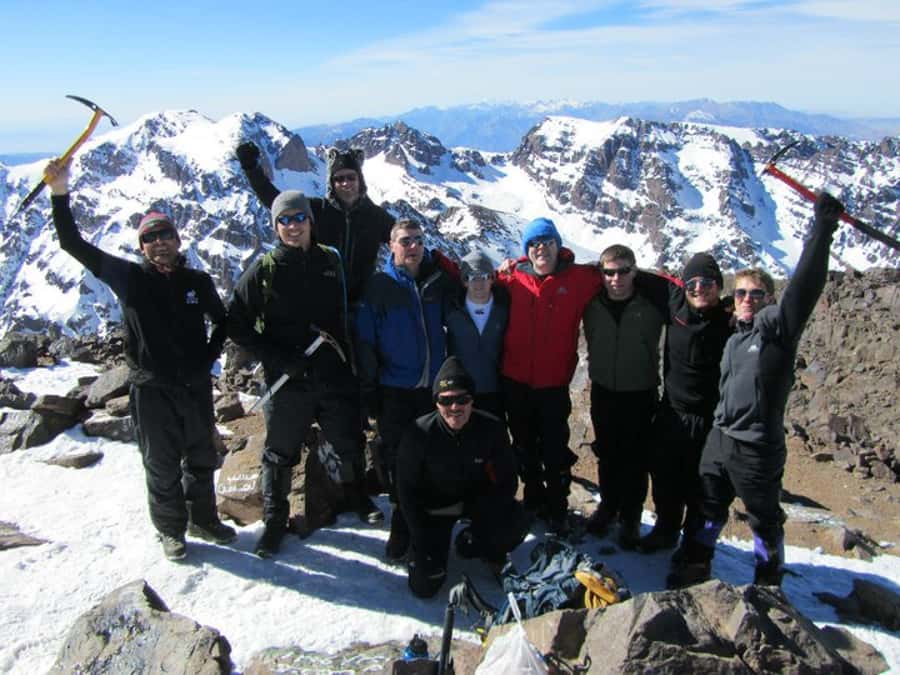
Day 1 is about getting your legs used to the mountains without spending the whole day grinding uphill. In the schedule, you arrive in Imlil, settle into lodging, and rest. Many trekkers also use this day to get oriented with the area.
One review specifically described an acclimatisation hike of about 3 hours to around 2200 metres. That’s the right idea: you’re not trying to “win” Day 1. You’re helping your body adapt and letting your guide explain local nature and culture along the way.
This is also the day when the guide sets the tone. You’ll meet your team, confirm how fast you should move, and get reminders on pacing for the harder days. One guide name you may hear in this journey is Hassan, who handled communication quickly and stayed involved in the experience flow. Other guides mentioned include Brahim, Sabir, and Abdulratif/Abdul (spelling varies by review).
If you want my straightforward advice: keep your effort controlled on Day 1. Save energy for the refuge climb and the early summit start.
Day 2: Imlil to the Toubkal Refuge via Aremd and the Mizane Valley
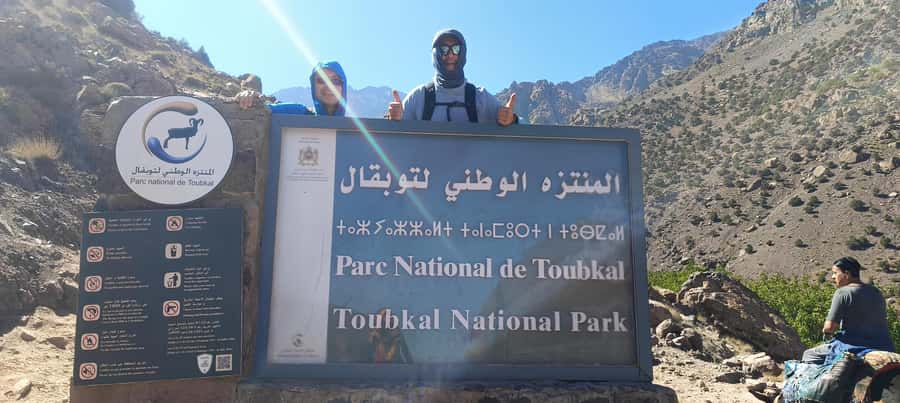
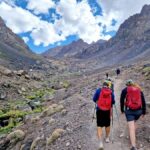
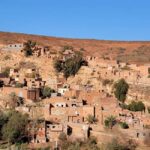
Day 2 is where the trek locks into a true mountain rhythm. You leave the city behind and head toward the Toubkal Massif. The route includes a ride south, then walking along the Mizane Valley with scenery shaped by the Oued Rhirhaia valleys.
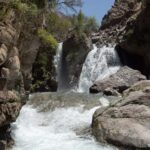
Along the way, you stop at the shrine of Sidi Chamarouch. The shrine visit matters more than you might expect. It’s a chance to slow down, respect a local waypoint, and see how people connect faith and landscape in daily life. Reviews also mention a waterfall beside the shrine, so it’s not just a quick religious stop—it’s a nature and culture moment.
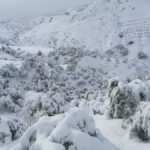
Then comes the walking: your path snakes and zigzags uphill toward the snowline and onward to the Toubkal Refuge, where you’ll spend the night. The walking time is typically about 4–5 hours.
What I’d watch for on Day 2
- Pace and breath: if you’re not used to altitude, you’ll feel it quickly. Guides in these trips are used to pacing different fitness levels.
- Weather changes: Day 2 climbs toward higher ground, so conditions can shift. The refuge sleep situation will reflect that.
- Refuge logistics: one review described the refuge as crowded and difficult for sleep. That doesn’t mean you should panic—it means you should expect “mountain reality” and plan to rest anyway.
A highlight from reviews: guides like Abdul were praised for setting a perfect pace and looking after everyone. Another guide, Omar and Nourdin, were described as punctual and focused on safety.
A few more Marrakesh tours and experiences worth a look
The Refuge Night: Crowded, Cold, and Still Part of the Win
The overnight at the Toubkal Refuge is the bridge between “you’re hiking” and “you’re climbing to the top.” Depending on weather, the plan may switch to tents. Either way, you’re sleeping close to the altitude you’re aiming for on summit day.
Here’s the honest piece: comfort is not the main feature. One review said the refuge conditions were tough—very crowded and hard to sleep. That lines up with what you should expect at a high mountain shelter where trekkers stack up on similar schedules.
Still, the refuge night can make the final day easier because you’re already in position. And reviews also suggest that lodging quality can affect how you feel. One trekker was happy to be booked into the lodge specifically because a good night of sleep helps for the final leg.
If you’re someone who hates imperfect sleep, you’ll want to treat this like a mission night, not a hotel night.
Day 3: Summit Day at 4 a.m. and the Ride Back to Marrakech
Day 3 begins early. Your final push starts around 4 a.m., when it’s cold and steep. This is where the climb earns its reputation.
From the high start, you cross river streams and head over mountain fields with rocks and boulders—so your footing matters. Then you work your way across the rocky terrain toward a ridge line, and eventually crest onto a plateau.
At the plateau, you pause to admire the views before the summit moment. Reviews highlight the scale of what you can see: unrestricted views from the Marrakech Plain area up into the High Atlas direction, with sights as far south as the Anti-Atlas and even toward the Sahara region in clear conditions.
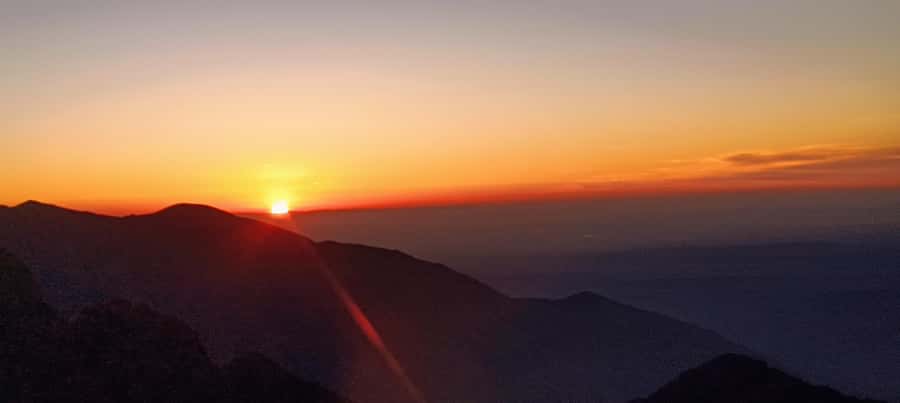
Then you reach Jebel Toubkal. Multiple reviews mention summit sunrise as a defining memory—people described it as unforgettable, emotional, and worth the toughest hours.
The descent is still work
After the summit, you start descending carefully back down toward Imlil. Reviews mention struggles coming down for some trekkers, so don’t underestimate the downhill. It’s physically demanding and mentally tiring because you’re still managing your legs and balance, even after the big emotional payoff.
Once you finish the descent, you transfer back to Marrakech.
Guides, Mules, and Food: The Real Value Add Here
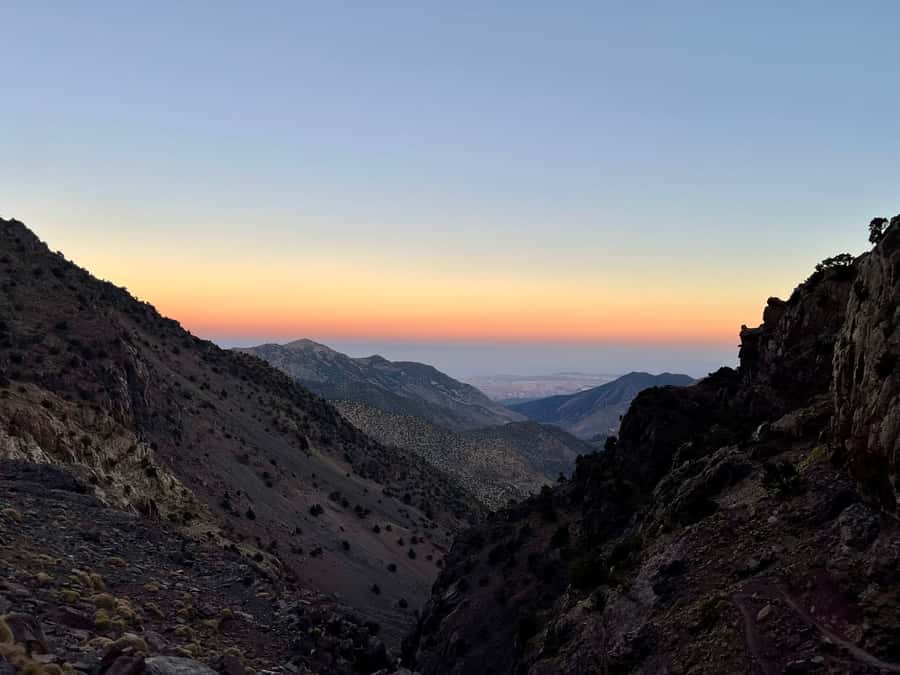
When people talk about Toubkal, they often focus on the summit. That’s fair. But the smoother you make the trip, the more you enjoy the summit.
Local guides and safety on the trail
This tour is run with local mountain guides and a live guide who speaks English, French, and Arabic. Guide names praised in reviews include Abdul, Abdulratif, Brahim, Sabir, and Nourdin, with Hassan mentioned as an organized point of contact.
The key point for you: guides aren’t just leading you to a waypoint. They set pace, provide encouragement, and help with breathing tips on the steep, high sections. One review mentioned that at around 4000m, a few people struggled and the guide’s encouragement and tips made a difference.
As a solo female traveller, one review specifically said they felt safe, which is exactly the kind of thing I’d want you to know if safety and confidence matter to you.
Muleteers and carrying less than you expect
One review described mule support in a very practical way: mule takes care of belongings, so hikers often carry only essentials like water, sun cream, and some snacks. That can make a big difference on Day 2 and Day 3 because it reduces the weight you feel every step.
Food you can count on
All meals are included. Reviews call out great food on the trek and even a cooking experience in Morocco that goes beyond basic camp meals. If you’ve done treks elsewhere, you’ll recognize the value: good food helps you climb, not just survive.
Price and Value: Is $294 Fair for This Kind of Climb?
The price is $294 per person for a 3-day climb. That number only makes sense if you understand what’s inside the package.
Included:
- Local mountain guide, muleteers, and a cook
- Accommodation: 1 night in Toubkal Refuge (or tents depending on weather) and 1 night in Imlil
- All meals
- Transport with minibus or 4×4 for transfers to and from the High Atlas
Not included:
- Soft drinks
- Gratuity
- Personal travel insurance
- Crampons, ice axe
- Sleeping bags
Here’s the value logic I’d use to decide. If you want a guided climb with meals and a proper mountain team, the package covers the big cost areas: people, food, and the high-mountain overnight. The exclusions are mostly about gear you’re expected to bring (or pay for separately), plus soft extras and insurance.
A review also mentioned an equipment extra cost, with the complaint that other treks can be cheaper while including gear. So yes, you might face a gear-related add-on depending on how the operator handles your specific kit needs.
If you already own the key winter/ice gear, the price looks more attractive. If you don’t, budget extra for what’s required once weather shows up.
Who This Trek Fits Best (And Who Might Want a Different Option)
This climb is for you if:
- You want a real mountain summit goal, not just a walk in the hills
- You’re okay with early starts and cold conditions on summit day
- You want local guidance, mule support, and included meals
- You like structured days: Imlil for acclimatisation, refuge for the overnight, sunrise push for the top
This trek might be a tougher fit if:
- You strongly dislike crowded sleeping conditions at altitude
- You’re expecting a gentle hike only. The final ascent is steep and starts very early, and some people struggle around high elevations like 4000m.
- You’re not prepared for the fact that key equipment (crampons/ice axe/sleeping bag) isn’t included.
Booking Smarts: How to Prepare Without Overbuying
Because crampons, ice axe, and sleeping bags aren’t included, the smartest move is to confirm what you’ll need based on conditions at the time of your trek. Weather can mean a refuge night shifts to tents, and that’s a big hint that cold gear matters.
Also, plan your Day 1 mindset. That warm-up in Imlil is not optional if you want your body to cooperate later. One review praised the guide’s advice the day before the summit push—energy management is part of the success story.
Finally, don’t ignore the descent. It’s often where people feel the fatigue catch up, even after a great summit experience.
Should You Book Climb Mount Toubkal: 3-Day Trek from Marrakech?
I’d book this trek if you want the classic, high-impact Toubkal experience with real mountain support: guides who set pace, mule help so you’re not dragging everything up, and included meals that keep you functioning through altitude.
Skip it or switch plans if you need maximum comfort at the refuge, hate early morning starts, or you’re not ready for possible extra equipment costs on top of the $294 rate.
If you do book, your best strategy is simple: treat Day 1 as acclimatisation, follow your guide’s pacing advice closely, and show up mentally prepared for a cold, steep summit day.
FAQ
FAQ
How long is the Mount Toubkal trek?
The trek runs for 3 days.
What does the $294 per person price include?
It includes a local mountain guide, muleteers and a cook, accommodation (1 night in Imlil and 1 night at Toubkal Refuge or tents depending on weather), all meals, and transport to and from the High Atlas by minibus or 4×4.
Where do you sleep during the trek?
You’ll sleep 1 night in Imlil, and 1 night at the Toubkal Refuge (or in tents depending on weather).
Is crampons, ice axe, or a sleeping bag included?
No. Crampons, ice axe, and sleeping bags are not included.
What are the main trail highlights during the 3 days?
You’ll trek toward the summit of Jebel Toukbal, visit Imlil, hike through the Toubkal Massif via the Mizane Valley and Aremd, and visit the shrine of Sidi Chamarouch along the way.
What language options do you get for the guide?
The live tour guide is available in English, French, and Arabic.
Are meals included?
Yes. All meals are included.