REVIEW · MARRAKECH
Atlas Valleys & Mount Toubkal Private 3 Days Trek From Marrakech
Book on Viator →Operated by Atlas Mountain Trekking - Day Tours · Bookable on Viator
Three days up to North Africa’s roof.
This private Mount Toubkal trek from Marrakech is a clean route out of city life and into the High Atlas, starting in Imlil Valley and building you up step by step toward the 4,167m summit. I like that you get a local English-speaking guide who handles the mountain rhythm and the cultural context as you pass through villages and pilgrimage sites, not just a checklist.
You also get real comfort for a 3-day climb: accommodation, meals, and a mule to carry your bags, plus coffee and/or tea along the way. One thing to watch before you book: this trek asks for moderate physical fitness and includes no winter crampons or ice axes, and water is not included—so pack like someone who expects cold mornings and long walking days.
In This Review
- Key things that make this trek work
- Marrakech to Imlil: the climb starts before you start climbing
- Day 1 Trail to Ait Souka: acclimation with views and village life
- Day 2 toward the Toubkal Refuge: pilgrims, a steady climb, and a real basecamp feel
- Day 3 summit of Mount Toubkal (4,167m): early start, long hours, big payoff
- What’s included (and what that means for your budget)
- The guides and team: what you should expect on the ground
- Gear and fitness: how to prepare so day three doesn’t surprise you
- Weather, safety, and the long-day reality
- Who this trek is best for
- Should you book this Mount Toubkal private 3-day trek?
- FAQ
- How long is the Mount Toubkal trek from Marrakech?
- Where does the trek start?
- Is hotel pickup and drop-off included?
- Is this a private tour?
- Are meals included?
- Is there accommodation included?
- Is a mule included?
- Do I need to bring a passport?
- What fitness level do I need?
- What gear is not included?
- FAQ
- Can I get a refund if my plans change?
- Is there a vegetarian option?
Key things that make this trek work
- Private guide, private group: only your party with an English-speaking local guide.
- Bag support with a mule: you hike more comfortably because the mule carries your luggage.
- Culture stops that matter: you pass a marabout shrine tied to Moroccan pilgrimage traditions.
- A realistic summit day plan: very early start, long day on foot, then a return to Imlil the same day.
- Food is planned: breakfast and lunch/dinner are included so you’re not hunting along the trail.
Marrakech to Imlil: the climb starts before you start climbing
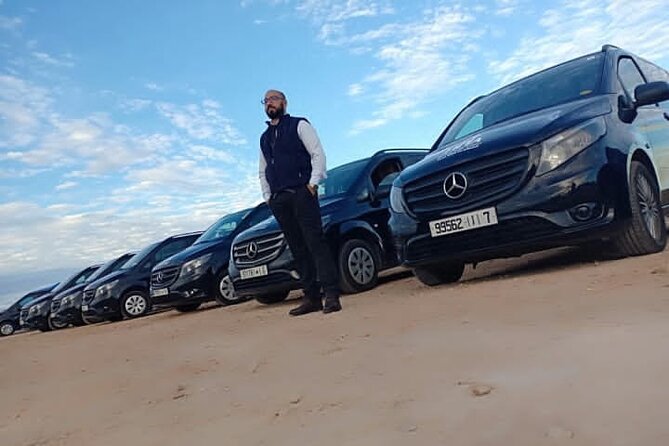
The day begins with hotel pickup in Marrakech, then a private-vehicle transfer out toward the Imlil Valley, the standard launch point for Mount Toubkal treks. The tour start time is listed as 9:00am, so plan on a morning that feels a bit like a field trip: you’re leaving the city behind, and the air starts to change.
Once you meet the trekking team, you begin with a steady hike designed to get your legs working without turning day one into a suffering contest. Your first walking segment is about 4 hours to reach Ait Souka, where you overnight in a guest house. There’s also a tea break early on (you’ll know it when you see it): that stop matters because it’s where you reset, rehydrate, and start learning the local pace.
What I like here is the balance. You’re not thrown straight into steep altitude gains all at once, which makes day one feel like preparation instead of punishment. If you’re coming from Marrakech, even the drive can feel like a warm-up—then the valley trail does the rest.
One practical downside: you’ll still want to start day one with a good breakfast in you. If your breakfast is light or you forget to drink water before the tea stop, day two can feel harder than it needs to be.
You can also read our reviews of more private tours in Marrakech

Day 1 Trail to Ait Souka: acclimation with views and village life
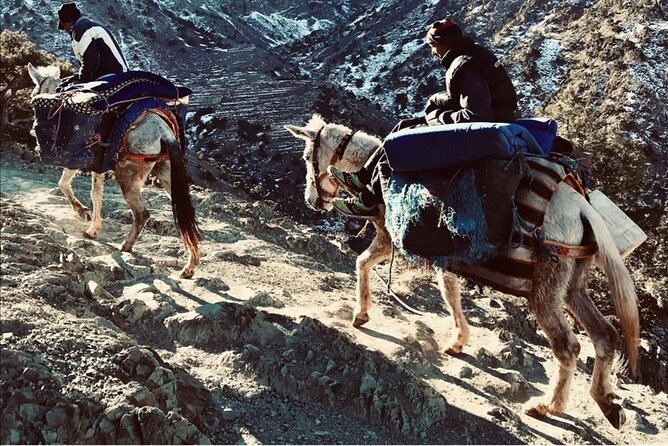
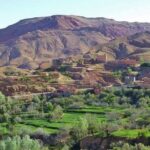
Day 1 is the long “get moving” day. You hike for roughly 4 hours from Imlil to Ait Souka, and the route is built around the idea that you’ll begin feeling the altitude and mountain conditions before the big summit push.
Along the way, you’re hiking in mountain terrain where small differences in pace matter. Your guide’s job is to keep you consistent—slower when the air is thin, steady when the trail allows it. This is one of the reasons a private guide helps: if your walking style is faster or slower than the group average, you don’t get stuck matching someone else’s rhythm.
Ait Souka is where you sleep in a guest house, and that matters more than it sounds. In the Atlas, your day three success depends partly on how well you recover. A basic room, a real meal, and a night with less stress usually beats “improvising lodging” every time.
If you’re the type who likes to plan your gear carefully: day one is the moment to check you have everything you’ll want for the early starts ahead. You’ll likely be hiking more than walking around, so keep layers easy to reach.
Day 2 toward the Toubkal Refuge: pilgrims, a steady climb, and a real basecamp feel
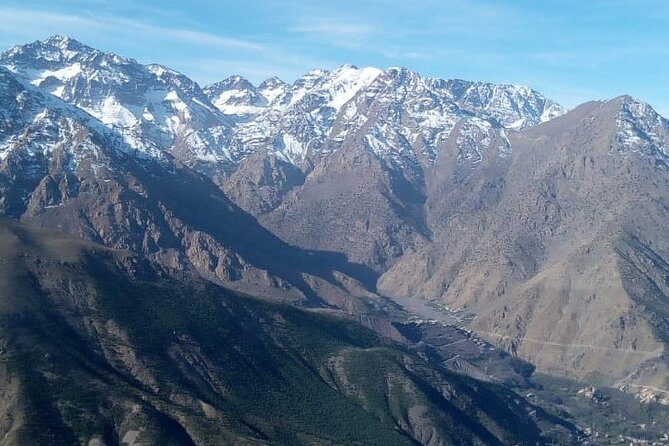
Day two starts with the kind of cultural stop that changes the trek from scenery into story. You climb toward the Marabout Sidi Chamharouch, described as a place tied to pilgrims from across Morocco who come for healing rituals associated with spirits and illness. Even if you’re not there for the religious part, it’s a powerful pause: you’re seeing why the mountains are not just a hiking backdrop.
After that shrine stop, you continue south toward the Toubkal Refuge, with an overall walking time listed at about 5 hours. Lunch happens along the way, and then you install your luggage at the refuge. That detail is huge for summit day. You don’t want to be hauling everything you brought; you want to hike with what you need for cold air, sun glare, and changing conditions.
This is also the day where you’ll start to feel the “mountain math.” A steady climb plus fewer distractions equals better legs by the time you reach the refuge. The refuge stop is where your group becomes focused: rest, food, and early sleep. If you’ve ever done anything demanding that’s also early-heavy, you know the pattern—day two sets day three.
A consideration: day two is still a full hiking day, so if you come in undertrained, you may feel it. This trek is listed as suitable for people with good physical fitness and “moderate physical fitness,” so take the conservative view and be honest with yourself about recent activity levels.
Day 3 summit of Mount Toubkal (4,167m): early start, long hours, big payoff
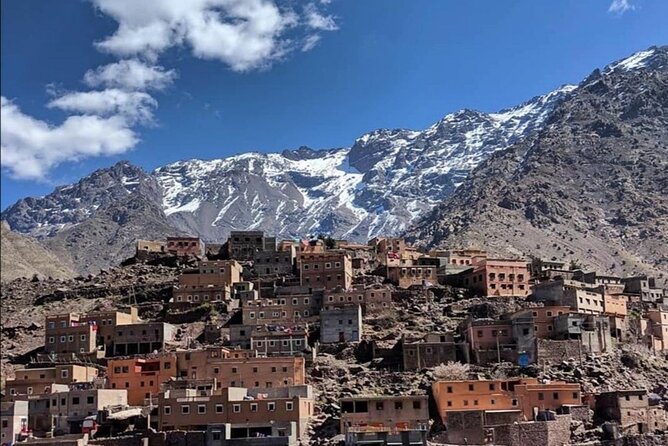
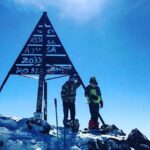
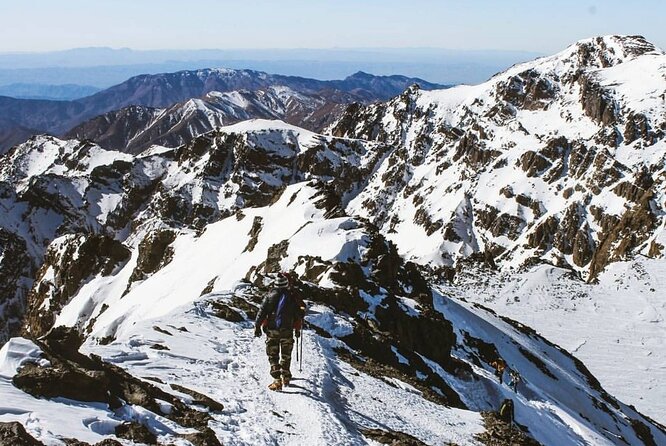
Day three is the headline. You start very early in the morning to climb Mount Toubkal, the highest peak in North Africa at 4,167m. Then it’s back down the same day.
The hike is long—listed at 8 to 9 hours walking total—so this is not a quick nature walk. The upside is that the route is structured: summit effort, lunch back at the refuge, then a return toward Imlil and the drive back to Marrakech.
You’ll get a wide panorama described as the southern part view, with mention of the Siroua massif and, on clear brightness days, the plain of Haouz. Even when the weather isn’t perfect, the point is that you’re moving through different altitude zones, and the sense of scale grows as you go.
What makes summit day feel rewarding is the pacing. With a private guide, your pace can be controlled so you’re not burning out too early. In multiple experiences described by guide-led groups, the strongest theme is how professional guides keep people moving, call out breaks, and manage the long effort so it stays doable.
After the lunch at the refuge, you have about 3 hours back to Imlil, then down and transfer back to Marrakech. That means you’re not just “tagging the top”—you’re completing the mountain loop in one day, which helps the whole trip feel like a full circuit instead of a single dramatic moment.
What’s included (and what that means for your budget)
At $255.52 per person for a 3-day private trek, the value comes from what’s packaged rather than just the price tag. You’re not just paying for a guide; you’re paying for logistics that can eat your time and energy.
Included in the tour:
- Hotel pickup and drop-off in Marrakech
- 2 nights accommodation (guest house/refuge style lodging on the trek)
- English local guide
- Transport by private vehicle
- Mule to carry your bags
- Coffee and/or tea
- Meals: breakfast (2), lunch (3), dinner (2)
Not included:
- Bottle of water (bring your own)
- Soft drinks
- Personal travel insurance
- Crampons and ice axes for winter time
For most people, this package is worth it if you want to avoid the “what now” moments. When you’re hiking at altitude, being able to focus on food, layers, and your walking rhythm beats managing vendors and schedules.
Price fairness check: if you were to piece together transport, guide time, mule support, and meals yourself, you’d likely spend similar money once you add the time cost and the hassle. This trek keeps those pieces together.
You can also read our reviews of more hiking tours in Marrakech

The guides and team: what you should expect on the ground
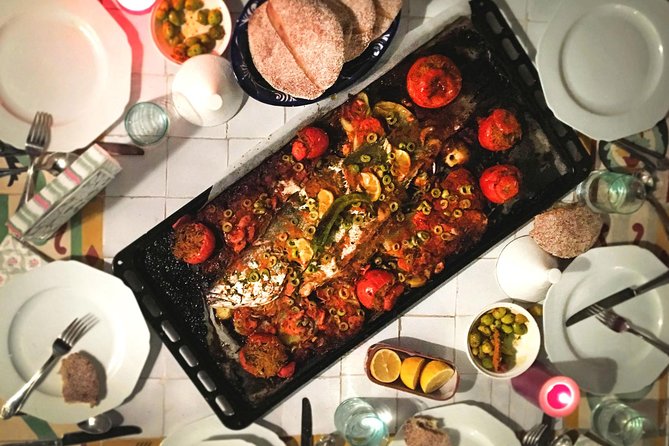
You’ll work with a local team built around mountain guiding and camp logistics. Names that come up across successful summit treks with this operator include Jamal for organization and communication, and guides such as Mohammed, Ahmed, and Mustafa. Meals are often credited to cooks like Mohammed, with traditional food and tajines mentioned as part of the daily rhythm.
Here’s what that usually signals for you as a hiker:
- Communication before the trek is handled (so you’re not guessing where to meet or what to bring).
- The guiding style is built for summit success, not just showing up.
- Food quality and timing are treated as part of the plan, not an afterthought.
You can also expect practical support like taking care of extra luggage during the trip, which helps if you’re carrying more than you want on your back.
Gear and fitness: how to prepare so day three doesn’t surprise you
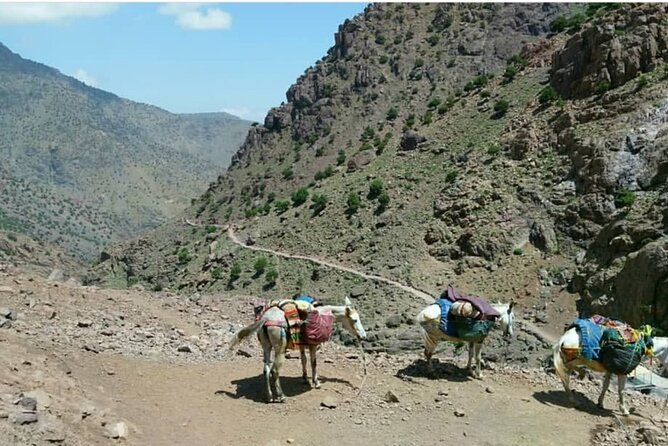
This trek runs in all weather conditions, so “perfect day” expectations won’t be fair. Dress appropriately, and plan for changing conditions. Even in warmer months, early mornings at altitude can feel cold.
Based on what’s explicitly not included, here’s what you must handle:
- Bring your own bottle of water
- In winter time, plan on having crampons and ice axes yourself if conditions require them
For fitness, the trek says it’s suitable for those with good physical fitness and a minimum age of 12. That doesn’t mean you need mountain-athlete endurance, but it does mean you should be comfortable with long, steady walking.
A practical prep checklist:
- Wear broken-in hiking shoes with solid traction
- Pack layers so you can handle cold starts and warmer afternoons
- Keep essentials accessible: water, snacks if you prefer, lip balm/sun protection
- Don’t overpack. The mule carries luggage, and your job is to carry yourself comfortably
Weather, safety, and the long-day reality
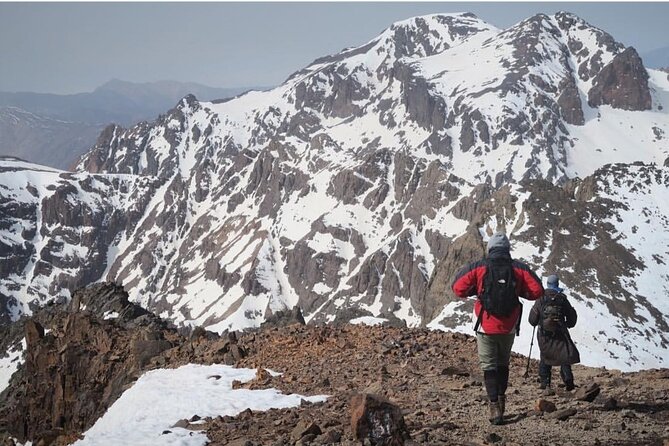
The tour is designed to operate in all weather conditions, and you’re hiking in mountain terrain where conditions can change quickly. That’s why your guide’s pacing and decision-making matters.
Day three in particular is the reality test: very early start, summit effort, then the full return. If you feel unwell, the right call is to speak up early rather than pushing through pain or exhaustion. Good guiding is as much about listening as it is about walking.
If poor weather cancels the experience, you’ll be offered a different date or a full refund. That’s the kind of backup you want on a trek where visibility and footing are key.
Who this trek is best for
This is a strong choice if you want:
- A private, guided trek with English support
- A structured route that includes lodging and meals
- The chance to experience mountain village life and a pilgrimage shrine, not only summits
- Mule support so you can hike without hauling everything
It’s also a good option for families or groups that want a guided plan and don’t want to manage transport and food on their own—just be ready for the physical demands of a summit day.
If you’re a brand-new hiker with no long-walking experience, you might find the pace and timing challenging. If that’s you, focus on training and talk honestly with your guide about expectations once you’re on the ground.
Should you book this Mount Toubkal private 3-day trek?
I’d book it if you’re aiming for a straightforward, well-organized Mount Toubkal experience where your energy goes into hiking—not logistics. The combination of pickup from Marrakech, 2 nights of lodging, meals, and mule bag support makes it feel like a real expedition plan rather than a loose idea.
Skip it or think twice if:
- you’re not comfortable with 8–9 hours of walking on summit day,
- you’re traveling in winter and don’t plan to have the right ice gear,
- or you hate cold mornings and long days without exceptions.
If you want the best odds of a smooth climb, this trek’s structure does most of the heavy lifting for you. Then you just show up, follow the pace, drink your tea, and hike like the mountain is the whole point.
FAQ
How long is the Mount Toubkal trek from Marrakech?
It’s a 3-day trek, with walking times listed as about 4 hours on day one, 5 hours on day two, and 8 to 9 hours on day three.
Where does the trek start?
The hike starts in Imlil Valley, with transport from Marrakech to Imlil arranged as part of the tour.
Is hotel pickup and drop-off included?
Yes. The tour includes hotel pickup and drop-off in Marrakech.
Is this a private tour?
Yes. It’s listed as a private tour/activity, meaning only your group participates.
Are meals included?
Yes. Meals included are breakfast (2), lunch (3), and dinner (2), plus coffee and/or tea.
Is there accommodation included?
Yes. You get 2 nights of accommodation during the trek.
Is a mule included?
Yes. A mule is included to carry your bags.
Do I need to bring a passport?
A current valid passport is required on the day of travel.
What fitness level do I need?
The trek is suitable for travelers with good physical fitness, and the additional info says travelers should have a moderate physical fitness level.
What gear is not included?
Soft drinks are not included, bottle of water is not included, and crampons and ice axes are not included for winter time.
FAQ
Can I get a refund if my plans change?
Free cancellation is available. You can cancel up to 24 hours in advance for a full refund.
Is there a vegetarian option?
Yes. A vegetarian option is available if you advise the provider at booking.