REVIEW · AGADIR
Agadir: Souss National Park Wildlife Half-Day Tour
Book on GetYourGuide →Operated by Okeytours agadir · Bookable on GetYourGuide
Dunes and birds teach conservation fast. From Agadir, you ride about an hour into Souss-Massa National Park, where endangered Saharan animals and an on-site museum set the pace early. It’s a nice way to see the wild side of Morocco without committing to a full day in transit.
What I like most is the combo of education and real viewing time. You don’t just get animal names—you learn why the park was created and what survives there. And if your group is guided by Abdul, you’ll likely appreciate how he ties the sightings to the bigger conservation story.
One possible drawback: the vehicle setup can make a difference. If you end up in a “boot” seating area, expect tight space, limited window views, and it may be harder to catch what the guide says.
In This Review
- Key highlights that make this tour worth your morning
- Why Souss-Massa feels wilder than the Agadir coastline
- Pickup, timing, and the vehicle reality (seat choice matters)
- Museum first: understanding the park’s 1991 conservation mission
- Endangered species you can realistically expect to learn about and see
- Bird-and-wildlife spotting from the park roads
- Rules that affect your view: staying in the car
- Bring your own snacks: what the half-day actually includes
- Price and value: is $76 fair for this kind of wildlife time?
- Who this tour suits best (and who should pick something else)
- Should you book this Agadir to Souss-Massa wildlife half-day tour?
- FAQ
- Where does the tour start?
- What time does the tour depart from Agadir?
- About how long is the drive to Souss-Massa National Park?
- What time are we back in Agadir?
- Is lunch included in the tour price?
- What’s included in the tour?
- Will we visit the museum inside the park?
- Are we allowed to step out of the car everywhere?
- What languages are available for the guide?
- Are pets or unaccompanied children allowed?
Key highlights that make this tour worth your morning
- Hotel pickup and drop-off keeps things simple in Agadir
- Souss-Massa museum stop gives context before you go spotting wildlife
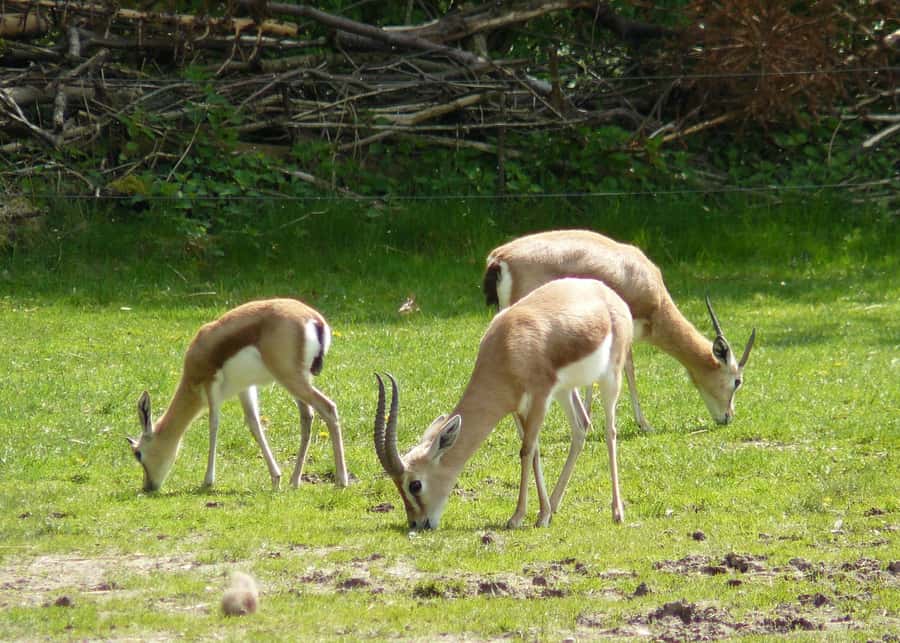
- Endangered-species focus covers animals like scimitar-horned oryx and bald ibis
- Vehicle-based viewing can be efficient for bird and mammal spotting
- Seat comfort varies by vehicle layout, so choose where you sit when you can
Why Souss-Massa feels wilder than the Agadir coastline
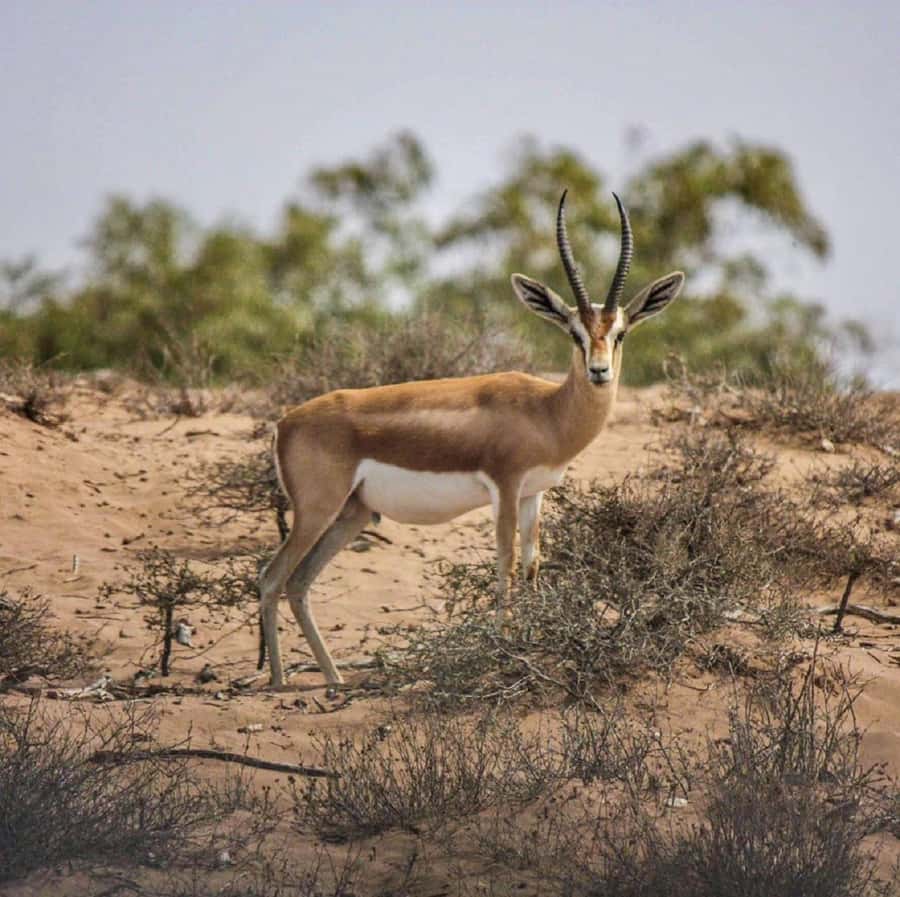
Agadir is beach-city relaxed. Then, in about an hour, Souss-Massa National Park brings you into a different mood: wide skies, open ground, and that Atlantic-coast feeling that the land is bigger than any road you’ll ever drive.
The park is also built around a serious mission. Created in 1991 and spanning 33,800 hectares, it was designed to help restore Saharan fauna in southern Morocco. That matters because it turns your sightseeing into something more practical. You’re not only asking what’s alive today—you’re learning what the park is trying to protect for tomorrow.
And because the tour includes a museum stop before the main viewing, you’re more prepared to notice details. Instead of seeing movement and hoping it’s the right species, you learn what you’re looking for first. That boosts your odds and makes photos come out better.
A few more Agadir tours and experiences worth a look
Pickup, timing, and the vehicle reality (seat choice matters)
This is a morning-to-early-afternoon style half-day: pickup starts around 8:30 am, and you’re typically back near the hotel by around 2:30 pm. The schedule is tight enough to feel efficient, but not so rushed that you’re sprinting between stops.
The drive from Agadir to the park takes about one hour, which is long enough to get settled and short enough that you still feel like you’re doing something outdoors. You’ll be on an air-conditioned vehicle, which is a real comfort when the day starts warming up.
Now for the part that can make or break the experience: vehicle seating. One traveler specifically noted a Mitsubishi Pajero configuration where the rear/boot seats were uncomfortable, windows were small and didn’t open, and it was tough to hear the guide. If that’s your vehicle setup, you can reduce the pain by:
- choosing a seat where you can see clearly through the main openings
- positioning yourself so you can listen during narration (not just watch out a tiny window)
If you’re sensitive to sound or cramped space, sit near the front where possible. It’s the easiest upgrade you can make without paying extra.
Museum first: understanding the park’s 1991 conservation mission
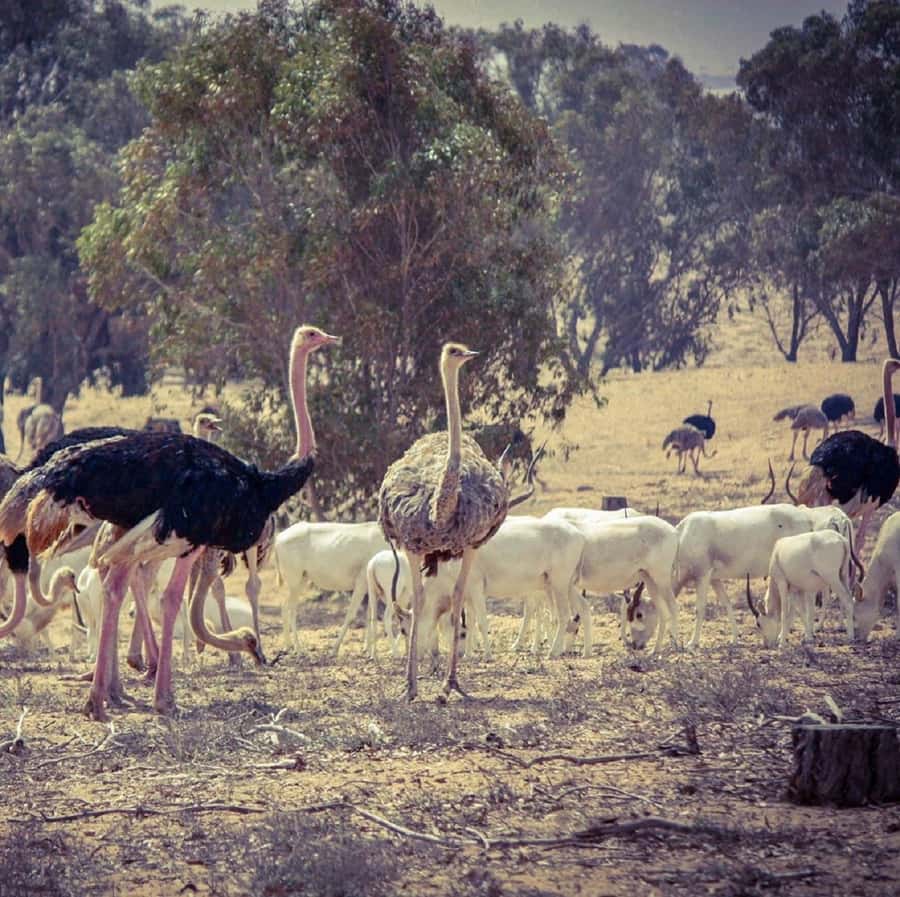
When you arrive, the tour begins with the park’s on-site museum. This isn’t a throwaway room of labels. It’s the place where the park’s purpose becomes clear—why Souss-Massa exists and why certain animals show up in the story again and again.
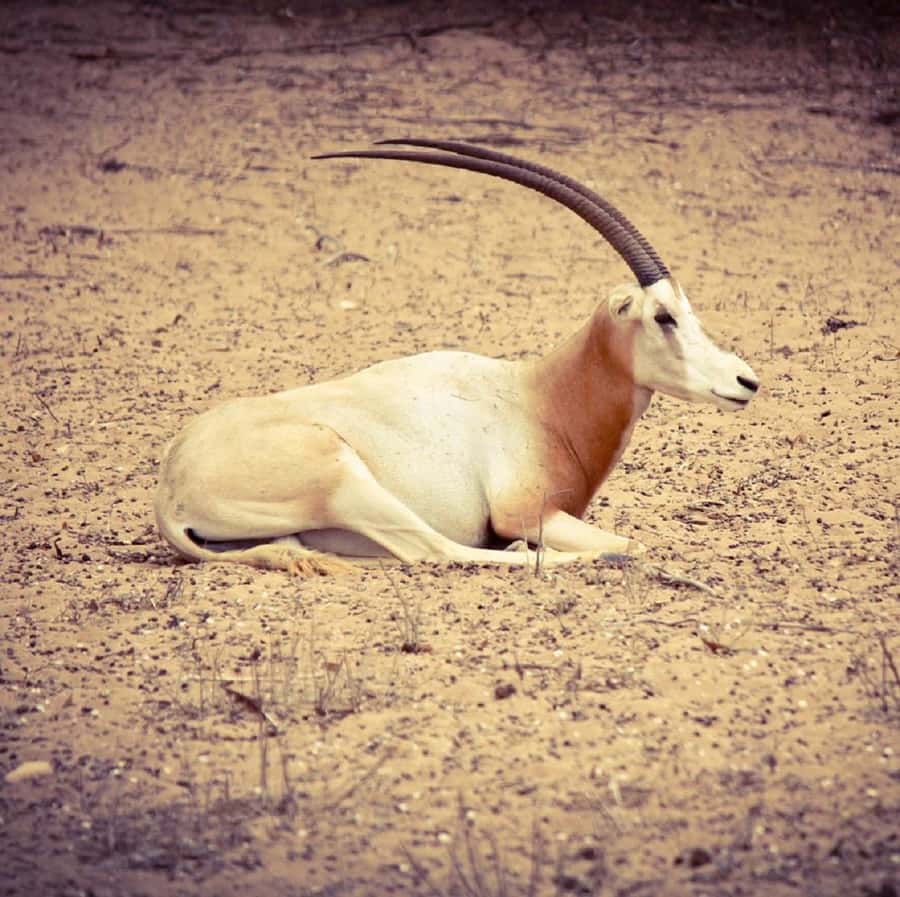
The museum focuses on the endangered species living there, including:
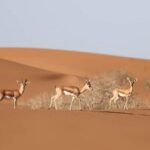
- scimitar-horned oryx
- addax
- dama gazelle
- dorcas gazelle
- ostrich
- bald ibis
You also get a feel for the park’s biodiversity. The numbers given for the area are impressive: around 250 bird species, 30 mammals, and 35 amphibians and reptiles. Even if you don’t spot everything in a half day, those stats change your mindset. You start scanning with purpose rather than hoping for a single big moment.
For me, that museum stop is what turns the tour from a quick drive into something you remember. You leave knowing the names, but also knowing what those names represent.
Endangered species you can realistically expect to learn about and see
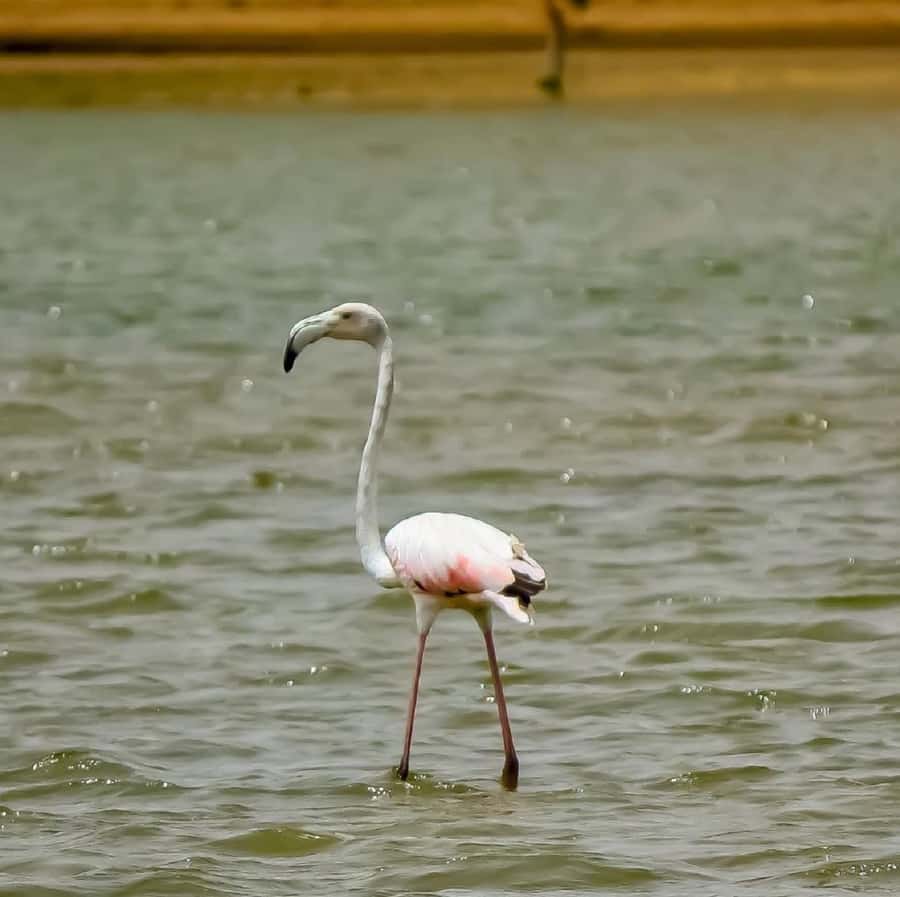
Your time in the park is short enough that you should stay realistic about spotting every headline animal. But this tour is built around the animals the park is working to protect, so you’ll at least cover the species the park highlights.
From what’s been shared by guides and visitors, the animals most connected to the experience include the ones listed during your museum visit—especially scimitar-horned oryx, addax, dama gazelle, and dorcas gazelle. You may also encounter birds like the bald ibis, plus larger animals such as ostrich.
Here’s the practical takeaway: plan for good viewing, not guaranteed sightings. On an active wildlife day, you might get closer looks and more variety. On a quieter day, you’ll still come away with learning and a sense of the park’s rhythms—tracks, movement, and the way the habitat supports these species.
Bird-and-wildlife spotting from the park roads
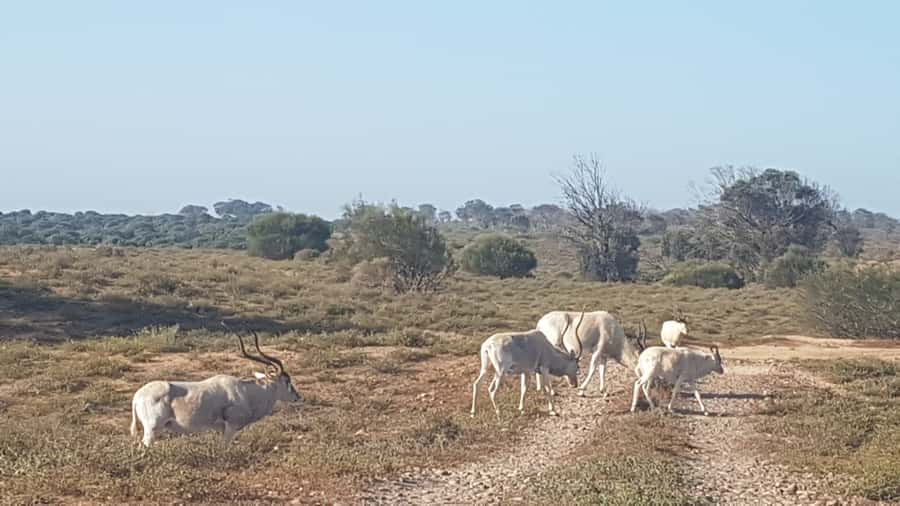
Souss-Massa is a place where wildlife spotting is as much about patience as it is about luck. Since you’re exploring with a guide, you’re not stuck guessing what’s worth attention. The goal is to help you notice animals at a distance and interpret what you’re seeing.
With 250 bird species in the park, birds are a big deal here. If you’re the type who likes scanning with your eyes before you lift your camera, you’ll probably enjoy this format. Birds can be there even when the mammals are harder to pick out, and the guide’s commentary can help you catch what matters.
If your guide is Abdul, the vibe described in feedback is consistent: he’s on time, friendly, and makes the info feel connected to what you’re observing in the moment. That kind of guide turns “spotting” into something like a living lesson.
And yes, it’s okay if your highlight isn’t the rarest animal. In wildlife areas, a memorable moment can come from simply seeing how animals use the space—where they pause, how they move, and how the habitat shapes their behavior.
A few more Agadir tours and experiences worth a look

Rules that affect your view: staying in the car
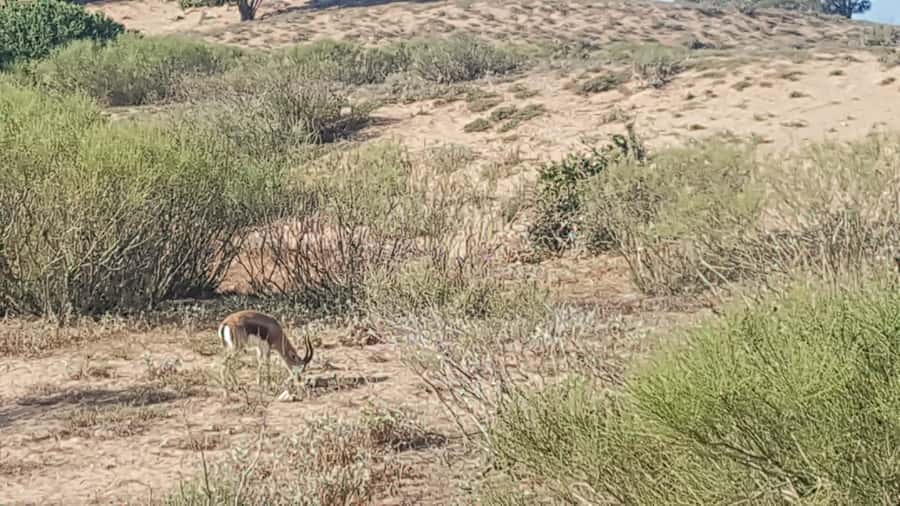
One important detail: you are not allowed to step out of the car in some parts of the park. That’s common in conservation areas where certain zones need protection or where wildlife viewing is meant to stay controlled.
So what does that mean for you?
- Bring a camera you can use quickly from your seat.
- Wear comfortable clothes and shoes because you may still be repositioning or moving slightly, even if you’re not leaving the vehicle.
- Keep your expectations aligned: this is primarily a drive-and-view style tour, not a free-roam hike.
If you’re someone who loves getting off a vehicle for a close look, this limitation could feel restrictive. But it’s also part of what keeps the viewing efficient and protects sensitive areas.
Bring your own snacks: what the half-day actually includes
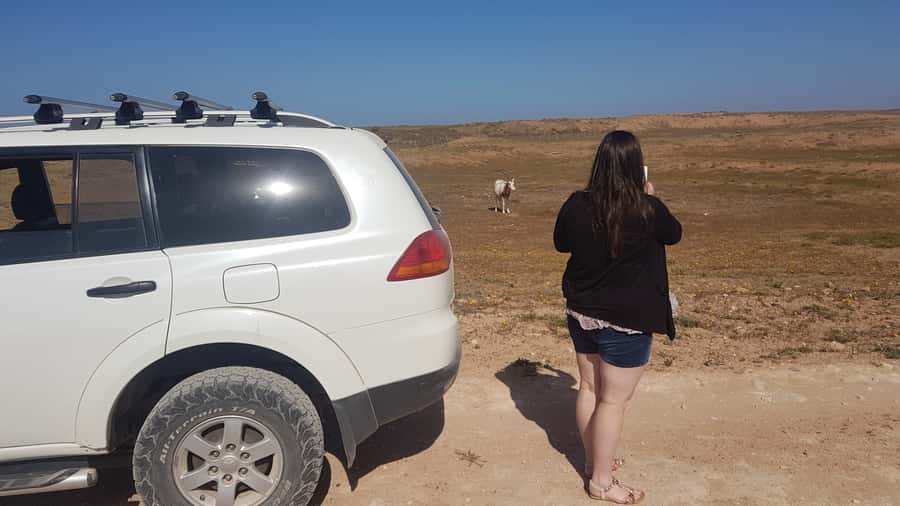
Food and drinks are not included, so you’ll want to pack your own. Since you’re picked up early and you’re out most of the day until around 2:30 pm, plan for a real snack break rather than hoping you can grab something last-minute.
The most useful packing list looks simple:
- water
- snacks or small food you’ll actually eat
- comfortable shoes
- sunglasses and sun hat
- sun cream
- your camera
You don’t want to do wildlife spotting while dehydrated or distracted by hunger. This is one of those tours where the comfort choices you make before you leave matter more than you’d think.
Price and value: is $76 fair for this kind of wildlife time?
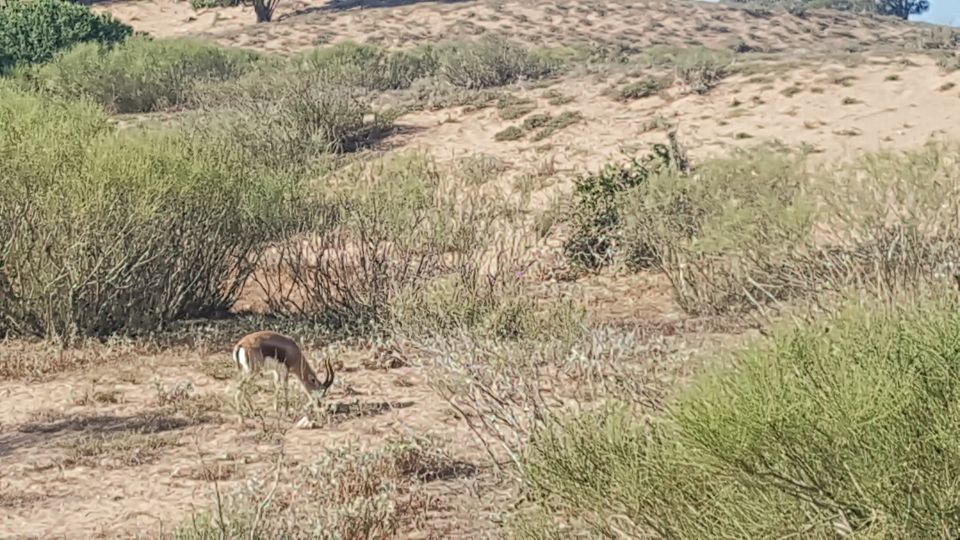
At $76 per person, you’re paying for a real set of basics: hotel pickup and drop-off, an air-conditioned vehicle, and a half-day tour of the park that includes an on-site museum visit.
Is it a bargain? It can feel like one if you value:
- guided wildlife interpretation (not just self-driving)
- museum context about endangered species
- the convenience of pickup/drop-off
It’s not the cheapest way to pass a half-day, but it’s also not pretending to be a full safari. The value lives in the structure: you get transportation, a guide, and targeted time in the park’s key areas.
The hidden cost is what you bring yourself—mostly food and drinks. If you show up unprepared, that part turns into a hassle. If you show up with water and snacks, the experience stays smooth and focused.
Who this tour suits best (and who should pick something else)
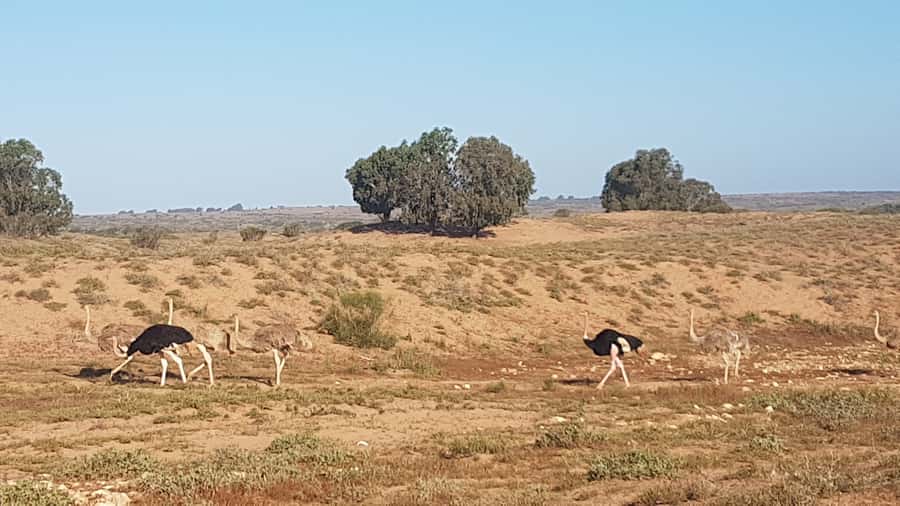
This tour is a good fit if you want wildlife and education in a short time. It’s especially well-suited for:
- nature lovers who like birds and open habitat spotting
- people who prefer guided interpretation over wandering
- anyone staying in Agadir who wants an easy route to the wild side
It’s less ideal if you:
- need wheelchair access (this tour is unfortunately not wheelchair accessible)
- dislike car-based viewing and prefer hiking trails
- are very sensitive to cramped seating areas in the vehicle
It also has a clear rule set: pets are not allowed, smoking is not allowed, and children under 17 must be accompanied by an adult. If your trip matches those conditions, you’re set up for a calmer experience.
Should you book this Agadir to Souss-Massa wildlife half-day tour?
I’d book it if you want a focused wildlife outing with museum context and a guided plan, without losing half your day to logistics. The combination of endangered-species learning, a quick drive into the park, and enough time to scan for animals makes it a strong option for a half-day slot from Agadir.
I’d think twice if you know you’ll be unhappy in tight vehicle seating or if you’re counting on frequent walking stops. Seating comfort can vary, and you’ll be staying in the car in some parts, so this is best for people who enjoy viewing from a vehicle.
If you decide to go, pack for sun and bring your own snack-and-water plan. Then, when you’re in the park, scan steadily and let the guide’s explanations guide your eyes. That’s where the tour becomes more than just a drive—it becomes a real wildlife read of the Souss-Massa landscape.
FAQ
Where does the tour start?
You start by meeting the guide outside the main entrance to the Port.
What time does the tour depart from Agadir?
The tour departs Agadir at around 8:30 am.
About how long is the drive to Souss-Massa National Park?
The drive is about one hour.
What time are we back in Agadir?
You’re back to your hotel around 2:30 pm.
Is lunch included in the tour price?
No. Food and drinks are not included.
What’s included in the tour?
It includes hotel pickup and drop-off, an air-conditioned vehicle, and a half-day tour of the park.
Will we visit the museum inside the park?
Yes. The itinerary includes visiting the park’s on-site museum.
Are we allowed to step out of the car everywhere?
No. You are not allowed to step out of the car in some parts of the park.
What languages are available for the guide?
The tour languages include English, French, and German.
Are pets or unaccompanied children allowed?
Pets are not allowed, and children under 17 must be accompanied by an adult.