REVIEW · MARRAKESH
4-Day Marrakech To Sahara Desert Atlas & Monkey Fingers Trek
Book on GetYourGuide →Operated by Desert Family Tour · Bookable on GetYourGuide
Morocco changes fast in four days. You’ll move from Marrakech’s bustle to Tizi n’Tichka Pass viewpoints, then into the stark beauty of the Sahara, with a camel trek and a star-filled desert night.
I also like how this route pairs major sights with hands-on culture: UNESCO Ait Ben Haddou is more than a photo stop when you explore it with a local guide. The possible drawback: desert nights can get cold, and the desert tents may have shared bathrooms.
Key highlights worth your time
- Crossing Tizi n’Tichka (2260 m): big mountain views and dramatic scenery change as you climb.
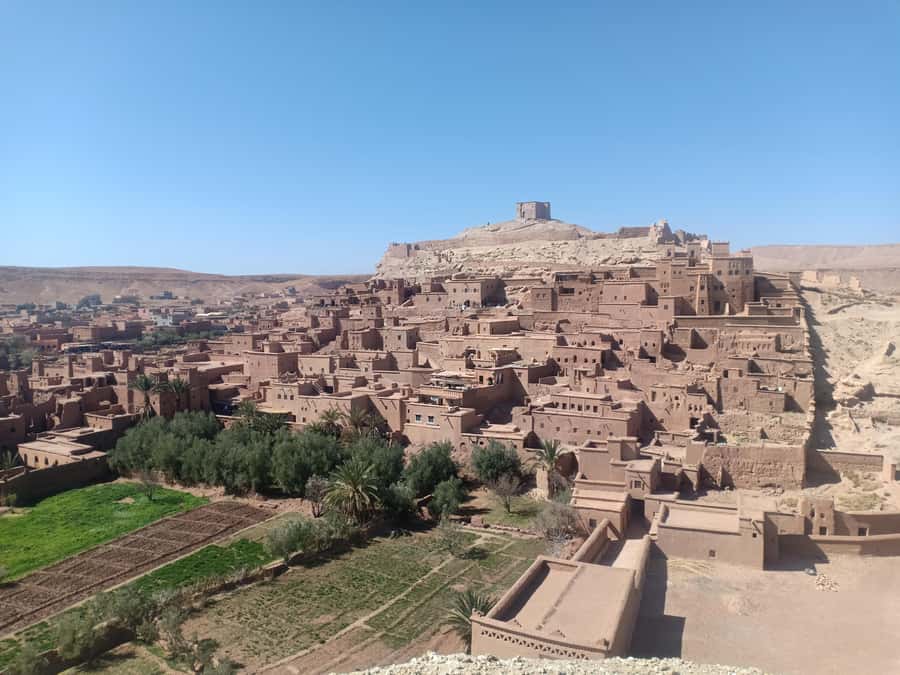
- Ait Ben Haddou UNESCO visit: a fortified Berber village tied to world-famous films and explained by a local guide.
- Todgha Gorge walk in the oasis shade: canyon time plus palm-tree calm with a local guide.
- Erg Chebbi camel trek to sunset: you trade your day pack for a small overnight bag and head into the dunes.
- Monkey Fingers trek in the Dades Valley: a short (1–2 hour) walk among rock formations built for photos.
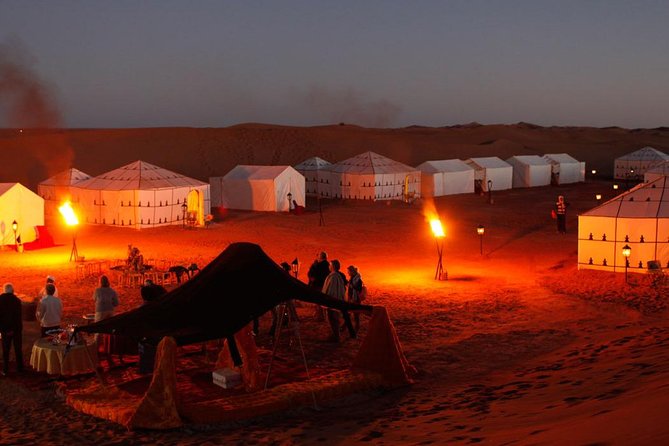
- Desert camp dinner and breakfast: sleeping in traditional nomadic Berber tents under the stars.
In This Review
- Why this Marrakech-to-Sahara route feels like real Morocco
- Day 1: Marrakech to Dades with Tizi n’Tichka and Ait Ben Haddou
- Day 2: Todgha Gorge to Merzouga, then camel trek into Erg Chebbi
- The camel trek night: sunset, drums, and stars
- Day 3: Sunrise camel return and the Monkey Fingers trek in Dades
- Day 4: Dades back to Marrakech over the Atlas
- Price and value: why $182 can make sense (and when it won’t)
- What’s included each day (so you can plan your budget)
- Who this tour suits best (and who should skip it)
- How the guides make a difference on the ground
- Should you book this Atlas & Sahara 4-day trip?
- FAQ
- What’s the duration of the Marrakech to Sahara trip?
- Where does the pickup happen in Marrakech?
- What languages are used by the driver?
- What’s included in the price?
- What’s not included?
- Do you eat vegetarian meals?
- Will the desert tents have private bathrooms?
- Is the desert experience cold at night?
- Is the tour suitable for people with mobility impairments?
Why this Marrakech-to-Sahara route feels like real Morocco
If you only have a few days, Morocco can feel like a blur of car rides and quick stops. This itinerary tries to avoid that by stacking experiences that naturally belong together: mountain roads, kasbah towns, canyon walks, and then the Erg Chebbi dunes. You’re not just “seeing” places, you’re traveling through the same kind of routes Moroccans have used for generations.
I especially like the pacing between the big travel day and the slow-down moments. You get long scenic drives on days 1 and 4, then you get walking time in places like Todgha Gorge and the Monkey Fingers rock formations. By the time you reach Merzouga, you’re ready for the simpler life of sand, silence, and night skies.
One more practical upside: the trip is built around included meals and lodging. You won’t be hunting for dinner at the exact moment you’re most tired, especially on the camel trek night where timing matters.
Day 1: Marrakech to Dades with Tizi n’Tichka and Ait Ben Haddou
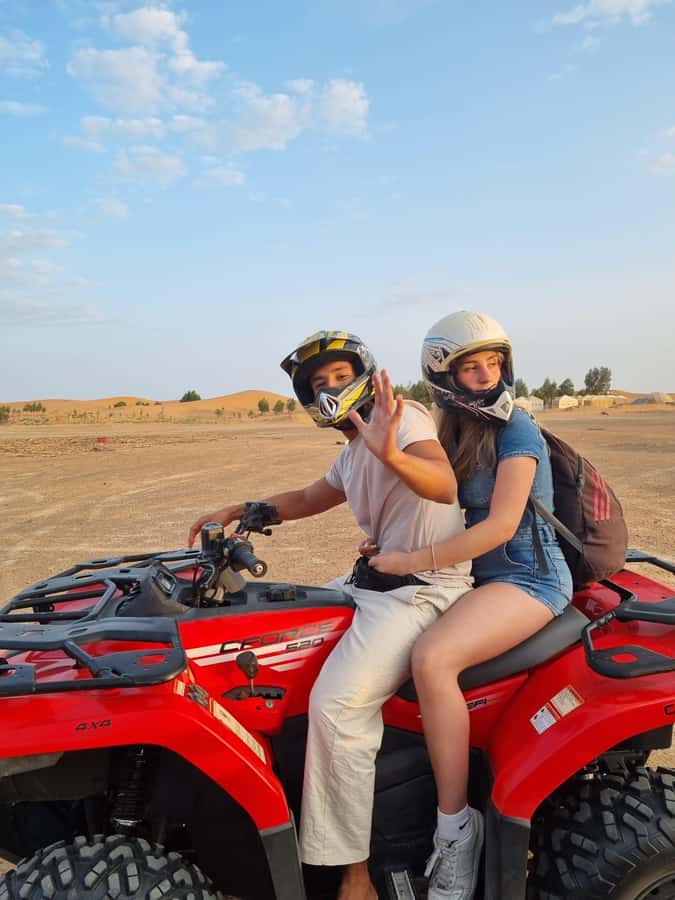
Day 1 starts early with pickup from your hotel or riad (or the nearest accessible spot if your street is too narrow for the car). You’ll leave Marrakech for the Atlas Mountains and cross the famous Tizi-n’Tichka Pass, which rises to 2260 meters. That altitude shift is part of the fun. The air feels different, the vegetation changes, and the views start to look bigger with every kilometer.
Along the way, you’ll have photo stops plus time to stretch and grab coffee. This isn’t a “no stops” sprint. It’s slower and more scenic, and it matters because the road itself is one of the key experiences.
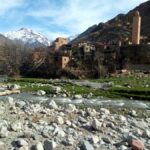
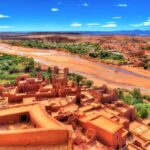
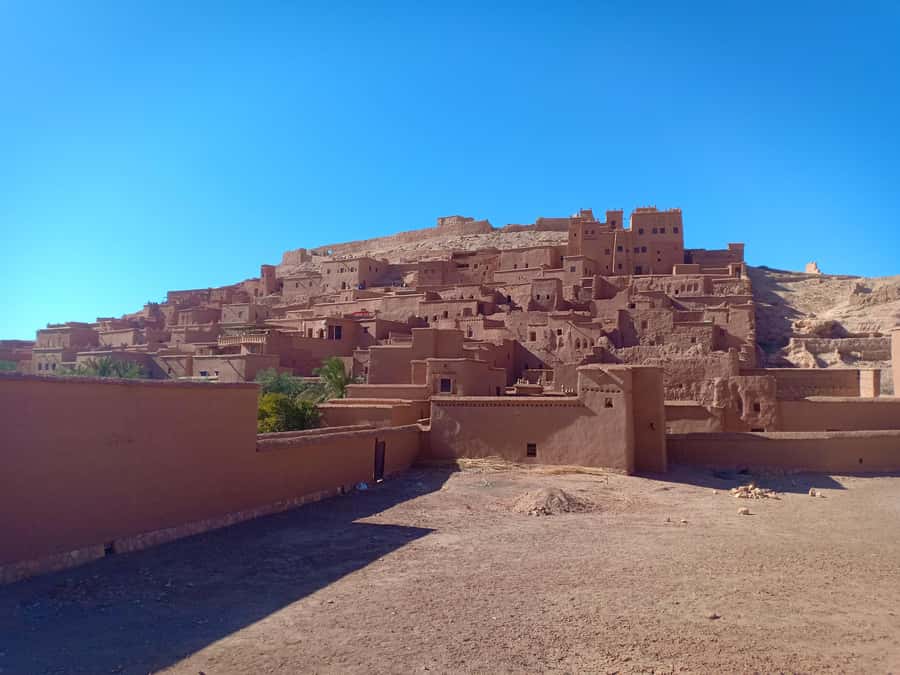
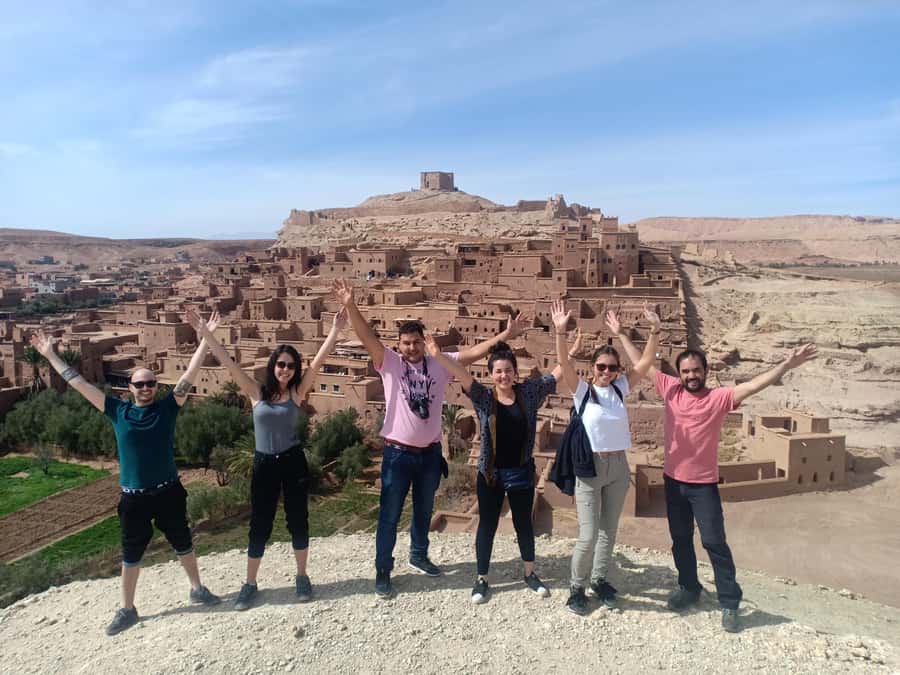
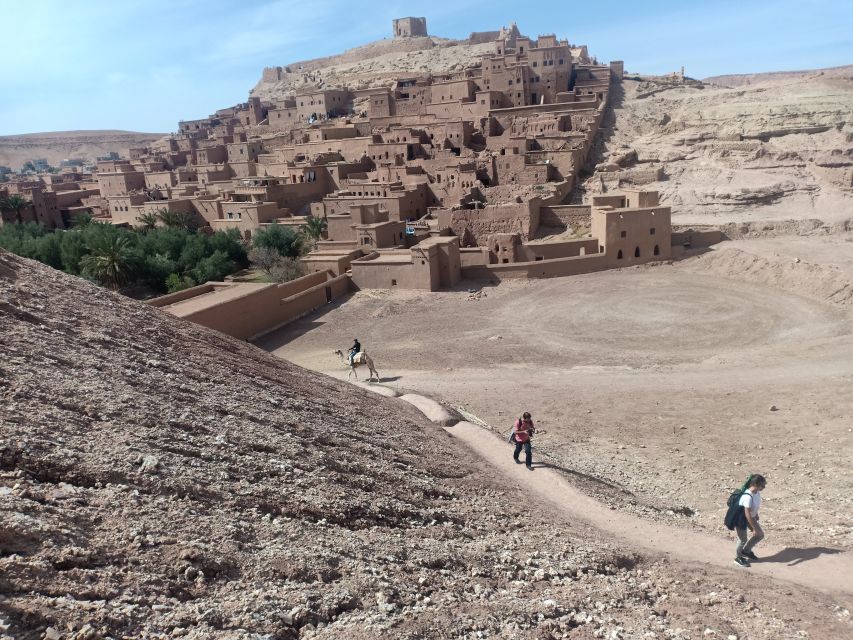
Then comes the cultural anchor: Ait Ben Haddou, a fortified Berber village and UNESCO World Heritage Site. You’ll explore the village with a local guide (there’s an extra local guide fee mentioned around €2–2.5 per person, depending on the stop). Ait Ben Haddou is known worldwide from film sets, but the best part is still how it feels in person: thick earthen walls, tight streets, and the sense of a place designed for defense and survival.
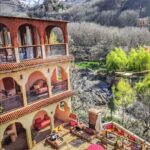
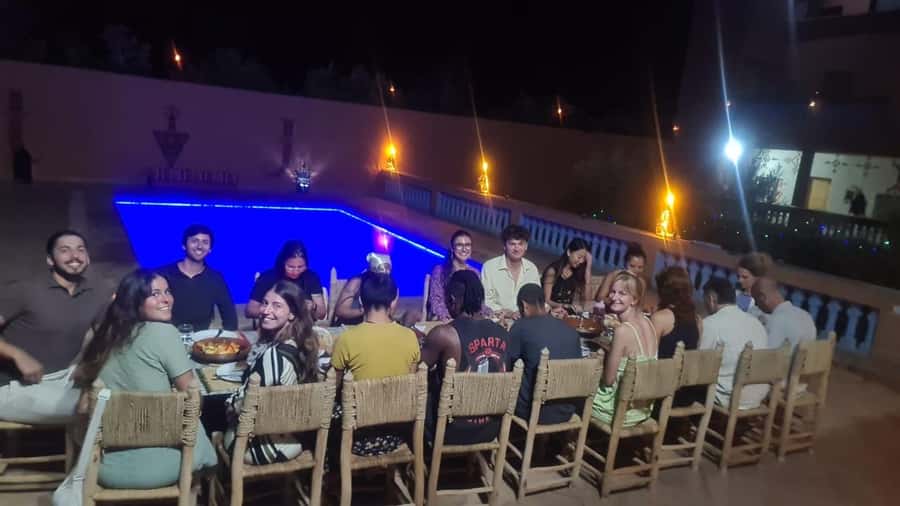
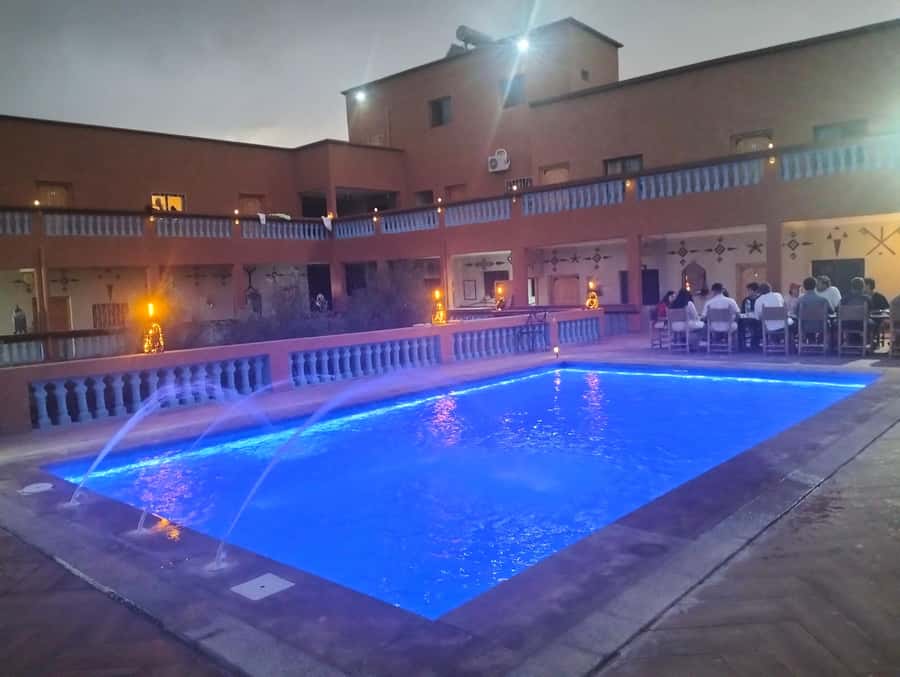
From there, you continue toward Dades Valley, passing through Ouarzazate and Kalaa Mgouna. Dinner and your first overnight stay are at the Kasbah Safari Rose Dades (or a similar property). If you want one small comfort after a long driving day, that kasbah setting includes a swimming pool.
What to watch for on Day 1
- You’ll be in a car for most of the day, so good sunglasses and water help.
- If you’re hoping for maximum walking, Day 1 is lighter on steps. The walking comes later in Todgha and Dades.
You can also read our reviews of more hiking tours in Marrakesh
Day 2: Todgha Gorge to Merzouga, then camel trek into Erg Chebbi
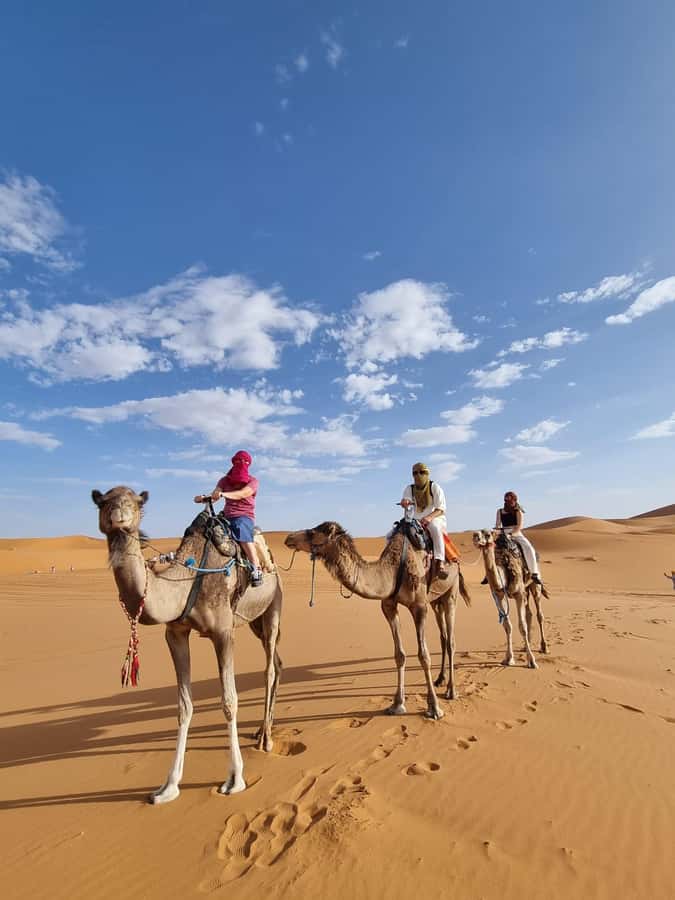
After breakfast, you’re off toward the Sahara: Erg Chebbi in Merzouga. The route keeps showing Berber villages scattered along the road, and you’ll have stops that work for quick photos and local scenes rather than long detours.
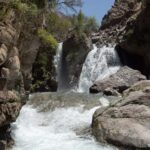
The day’s first “stand up and stretch” highlight is Todgha Gorge. You’ll walk through the area with a local guide, and there’s also time to enjoy an oasis walk under palm trees in the shade. It’s one of those rare moments where the scenery shifts from “hot and wide” to “cooler and sheltered,” and the canyon walls make great natural photo backdrops.
You’ll also stop at Cooperative Nomades in Tinghir. This kind of stop can be a helpful pause to understand how rural communities organize and add value beyond just selling raw products. It’s also a chance to see what’s being made locally before you reach the sand.
From there you head toward Tinjdad for lunch (at leisure) and then continue on to Erfoud and Erg Chebbi.
Once you arrive in Merzouga, you’ll relax before you pack a small overnight bag for the dunes. The camel trek is set up as a transition: leave the hard comforts of the town behind and move into a traditional camp experience.
The camel trek night: sunset, drums, and stars
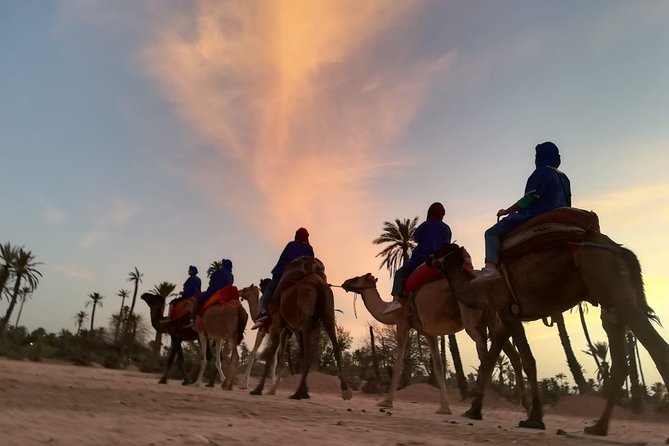
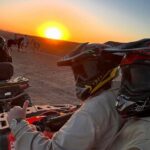
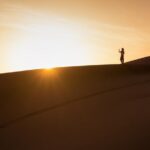
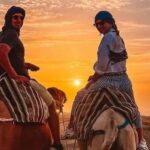
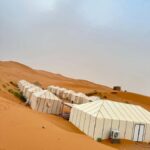
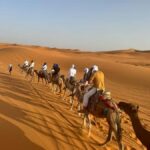
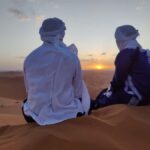
This is the heart of the trip. You’ll ride one camel each, then trek to the highest dunes to watch the sunset. After that, you’ll sleep in nomadic Berber tents in the desert, with dinner and breakfast included.
You’re going to want warm layers here. Even if daytime temperatures feel fine, desert nights can cool fast. The info specifically notes that desert nights can be cold, especially November–February.
What I’d plan for mentally
- This part of the day changes from sightseeing mode to “simple living” mode. You’ll appreciate that more if you’re not expecting big entertainment beyond the rhythm of camp life.
- Your phone battery may die faster than usual if you keep snapping photos constantly. Bring a power plan.
Day 3: Sunrise camel return and the Monkey Fingers trek in Dades
Day 3 starts with another early moment: sunrise over the Sahara. Then you’re back on camels to return toward Dades. Sunrise trips can feel a bit repetitive if you’re tired, but here it works because you’re watching the dunes shift from quiet darkness into soft light. It’s a different kind of view than sunset.
Once you transition back off the dunes, the big walking highlight returns: the Monkey Fingers rock formations in the Dades Valley area. Your walk is usually 1–2 hours, with time for photos. It’s not described as a hardcore hike, but it’s enough effort that you’ll feel like you actually did something instead of just getting driven around.
If you want extra context on the rocks and the area, there’s an optional local guide fee mentioned (around €3 per person). In places like this, a good local guide can help you read the forms in the same way you’d read a landscape map.
After the trek, you’ll spend your third night at the same type of Dades kasbah accommodation as before: Kasbah Safari Rose Khmis Dades or similar.
Day 3 reality check
- You’ll be walking on sand/rock-adjacent ground, so comfortable shoes matter.
- If you’re prone to back or knee discomfort, the camel-to-walk transition is still usually manageable, but don’t plan intense extras the same evening.
Day 4: Dades back to Marrakech over the Atlas
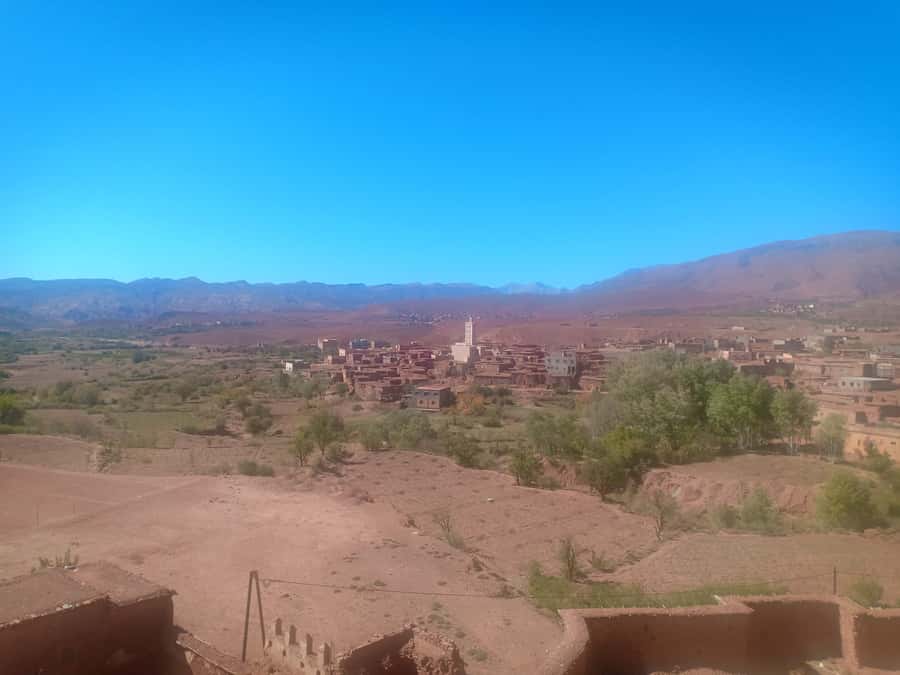
On the final day, you’ll head back toward Marrakech by crossing the Atlas again via Tizi N’Tichka Pass. The pass hits about 2260 meters, so you still get those high-mountain views even on the way home.
There are plenty of photo stops and chances to see Berber villages along the way. Lunch is at leisure, and you’ll arrive back in Marrakech around 7 or 8 PM.
One important practical detail: pickup/drop style can vary depending on your riad access. On day 4, the itinerary says departures start from your hotel/riad at 08h30, and you’ll be asked to be ready a bit early so you don’t delay the group.
What this last day is best for
- It’s best for people who enjoy road scenery and want one final dose of Atlas mountain views without rushing.
- If you hate long drives, this might feel like the longest day in terms of time seated in a vehicle.
A few more Marrakesh tours and experiences worth a look
Price and value: why $182 can make sense (and when it won’t)
At $182 per person for a 4-day / 3-night trip, the value mostly comes from what’s bundled: pickup, transportation throughout, multiple nights of lodging (including a desert camp with dinner and breakfast), plus a camel ride (one camel each).
This price also includes:
- Your first night at a Dades kasbah property (dinner + breakfast)
- Your second night in the Merzouga desert camp (dinner + breakfast)
- Your third night again at a Dades kasbah property (dinner/breakfast indicated as part of the accommodation package)
- Breakfast daily
- Towels in accommodation
- A swimming pool at the kasbah (nice for recovery time)
- Dinner and breakfast with a vegetarian option available
What’s not included is also clear:
- Lunches and soft drinks
- Any private spending
- Local guide fees for certain parts (amounts mentioned as roughly €2–3 per person depending on the attraction)
So when does it feel like a good deal? When you’d otherwise pay extra for:
- separate desert lodging plus a camel trek
- guided stops at major sights
- transport that saves you from piecing together buses and private transfers on a short timeline
When it might not be as good? If you already have a desert camp or camel trek booked separately, or if you plan to spend more nights in Marrakech and want less driving time.
What’s included each day (so you can plan your budget)
Here’s how the included pieces usually line up across the 4 days:
- Breakfast: included daily
- Dinners: included on the nights at kasbah/portions as specified, plus the desert camp dinner
- Lunch: not included (one lunch is mentioned around Tinjdad as part of the driving day)
- Camel ride: included, one camel each
- Local guides: optional extras, with small fees mentioned for certain stops like Ait Ben Haddou and Monkey Fingers
Also note: drinks are generally not included unless stated. If you’re a tea and coffee person all day, you’ll want to budget for bottled water and soft drinks.
Who this tour suits best (and who should skip it)
This experience is a strong fit if you want:
- A short timeline to see Marrakech, the Atlas, Ait Ben Haddou, Todgha Gorge, and the Sahara
- A mix of driving + walking, not only one or the other
- An authentic-feeling desert night with traditional camp basics and stars
It’s less suitable if:
- You have mobility impairments (explicitly noted as not suitable)
- You hate early mornings, since the itinerary includes early starts and a sunrise
- You want heavy luxury. This is standard accommodation in kasbahs and traditional desert tents. Desert tents may have shared bathrooms.
If you’re traveling as a couple, solo, or a group of friends, the shared pace usually works well. The key is going in with the right expectation: Morocco by road is part of the story here.
How the guides make a difference on the ground
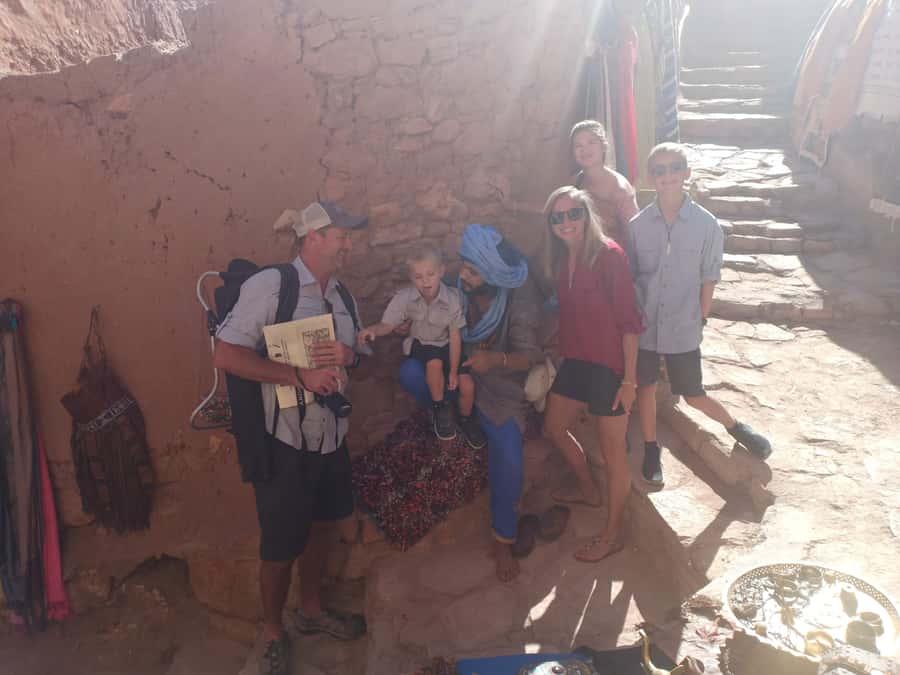
Even with one fixed route, the trip’s feel can shift a lot based on the person driving and explaining. Recent groups have been led by guides/drivers named Hassan, Abrid, Abdel Majid, Said, and Jably.
What you can take from that for your planning: when the guide is active, you get more than dates and place names. You get context for Berber village life, the meaning of kasbah architecture, and why the stops are chosen. It’s also why the local guide add-ons can be worth it for the moments that need extra explanation, like Ait Ben Haddou or Monkey Fingers.
One more practical note: communication can depend on WhatsApp messaging and pickup timing. The trip info stresses being ready about 10 minutes before the scheduled pickup time so there’s no scramble.
Should you book this Atlas & Sahara 4-day trip?
Book it if you want a focused, value-minded route that trades long planning for a real sequence of Morocco: Atlas Mountains → Ait Ben Haddou → Todgha Gorge → Merzouga dunes → Monkey Fingers → Marrakech. The included camel trek and desert camp night are the biggest reasons this works, and the short walking moments keep it from feeling like nonstop driving.
Skip or rethink if you:
- want a fully accessible itinerary
- plan to stay in the desert only for a quick photo stop (this trip gives you the full night, so it takes time)
- dislike cold nights and shared-basic accommodation in tents (you can prepare, but you can’t ignore it)
If you’re flexible, comfortable with early starts, and excited by the idea of trading city lights for desert stars, this is the kind of trip that leaves you with photos and a stronger sense of how Morocco’s regions connect.
FAQ
What’s the duration of the Marrakech to Sahara trip?
It lasts 4 days and 3 nights.
Where does the pickup happen in Marrakech?
Pickup is available from your hotel or riad in Marrakech, or from the nearest location accessible by car if your accommodation is in a narrow street.
What languages are used by the driver?
The driver speaks English or French.
What’s included in the price?
Pickup, transportation, English/French-speaking driver, lodging (first night in Dades kasbah and second night in the Merzouga desert camp, plus a third night in Dades kasbah or similar), breakfast and dinners as specified, towels, swimming pool access, and a camel ride (one camel each).
What’s not included?
Lunch and soft drinks, any private expenses, and optional local guide fees (mentioned around €2–3 per person for certain parts).
Do you eat vegetarian meals?
Yes, there is a vegetarian option available for dinners.
Will the desert tents have private bathrooms?
The information says desert tents may have shared bathrooms.
Is the desert experience cold at night?
Desert nights can be cold, especially from November to February, and the mountains can also be cooler.
Is the tour suitable for people with mobility impairments?
No, it’s not suitable for people with mobility impairments.