REVIEW · MARRAKECH
3 Days Safari Desert Tour From Marrakech to Merzouga
Book on Viator →Operated by Pro Voyage Morocco · Bookable on Viator
Three days, one camel, big Morocco.
This route strings together the best bits of southern Morocco: crossing the High Atlas over the Tizi-n-Tichka pass, touring earthen fortresses like Ait Benhaddou, and then finishing with the dunes of Merzouga and a night in a Berber tent in the Sahara. It also has practical touches like pickup being offered and a mobile ticket for a smoother start.
What I really like are two things: first, the guide-driver experience gets real praise, especially for Adil’s calm competence and on-time driving, plus the way he handles lots of little comfort stops along the way. Second, it’s not just a road trip with a photo at the end—the day structure mixes major sights (Dadès and Todra gorges, kasbahs/ksars) with hands-on moments like riding a camel on the dunes.
One consideration: it’s a road-heavy itinerary. You spend serious hours driving between viewpoints and attractions, and some of the signature stops are brief (like the short pass stop at Tizi-n-Tichka), so if you hate transit time, this may feel like more time in the van than you expect.
In This Review
- Key Highlights You’ll Actually Feel
- From Marrakech to Merzouga: Why This Route Works
- Day One: Dadès Gorges, Tizi-n-Tichka, and Ait Benhaddou
- Dadès Valley and gorge time that actually helps you see the region
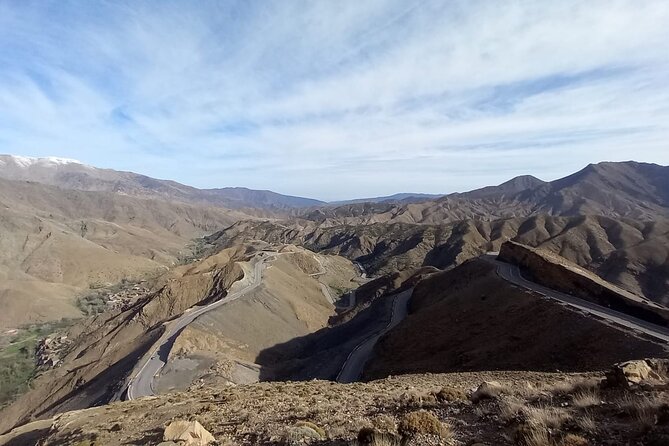
- Tizi-n-Tichka: short stop, big altitude moment
- Ait Benhaddou: fortified ksar architecture you can understand fast
- Day Two: Todra Gorge, Ksar El Khorbat Oujdid, and the Road to Merzouga
- Todra Gorge: limestone canyon walls and easy walking
- Ferkla oasis and Ksar El Khorbat Oujdid: small, meaningful, and very specific
- Heading into Merzouga: landscapes change before you even reach the dunes
- Merzouga Desert Night: Berber Tent + Camel Ride on Erg Chebbi
- Sleeping in a Berber tent in the Sahara
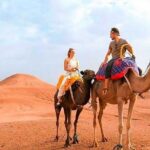
- Camel ride from the dunes of Merzouga
- What makes Erg Chebbi special for this stop
- Day Three: Kelaat M’Gouna and the Atlas Finish
- Price and What You’re Actually Buying at $117.80
- Comfort, Pace, and the Role of Adil (Why It Matters)
- Who This 3-Day Marrakech to Merzouga Trip Suits Best
- Should You Book This Desert Tour
- FAQ
- Where does the tour start and where does it end?
- Is pickup offered?
- What’s included in the price?
- Do I sleep in a Berber tent?
- What’s included for Merzouga?
- Is lunch included?
- What size groups does the tour have?
- Can I cancel for free, and what about weather?
- Is a service animal allowed?
Key Highlights You’ll Actually Feel
- Berber tent night in the Sahara at Merzouga
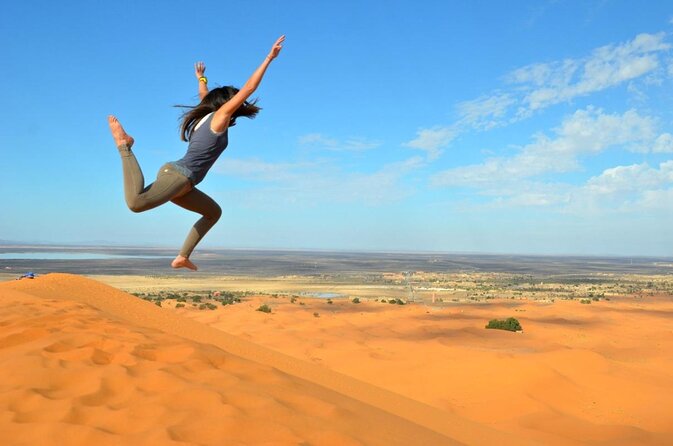
- Camel ride on Erg Chebbi dunes from the edge of the desert village
- High Atlas crossing via Tizi-n-Tichka (a mountain pass at 2,260 meters)
- Ksar + kasbah architecture day with Ait Benhaddou and its defensive walls and towers
- Gorges focus with both Dadès and Todra canyon time (Dadès admission included)
- Adil’s guiding style: on-time, informative, and flexible with comfort stops
From Marrakech to Merzouga: Why This Route Works
This is the kind of trip that makes Morocco feel like one big story, not separate “checklist” stops. You start in Marrakech, then climb into the High Atlas, move through the valleys and canyons that shaped southern life, and finally hit the Sahara where the scale suddenly changes.
The value here is that you’re getting both iconic sites and the in-between places that make them matter. Ait Benhaddou isn’t just a pretty fortress from a distance—you get the sense of why the buildings were designed for defense and community living.
And the pacing is designed for people who want to see a lot without having to plan every turn themselves. With an air-conditioned vehicle included, you have a basic comfort level while you’re in transit, which matters when you’re doing multiple long legs.
A few more Marrakech tours and experiences worth a look
Day One: Dadès Gorges, Tizi-n-Tichka, and Ait Benhaddou
Day one is built around a classic southern Morocco arc: valleys and kasbahs, a major mountain crossing, then a fortified village stop that feels like stepping into the past.
Dadès Valley and gorge time that actually helps you see the region
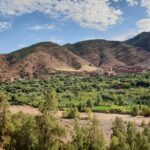
The Dadès area is often described as a place of mudbrick palaces and oases, and you’ll understand why once you’re there. You’re guided through a stretch where rose valleys and two-tone kasbahs give the region its “Valley of a Thousand Kasbahs” nickname, and it’s the kind of scenery where you benefit from slow attention.
A key detail: Dadès Gorges admission is included, which removes one more small hassle from your day. The time you spend here is also a good reminder that these valleys are used by real people, not just filmed for tourism.
A minor reality check: the best views often show up as you move along—so it helps if you’re comfortable walking a bit rather than expecting everything to be right at the roadside.
Tizi-n-Tichka: short stop, big altitude moment
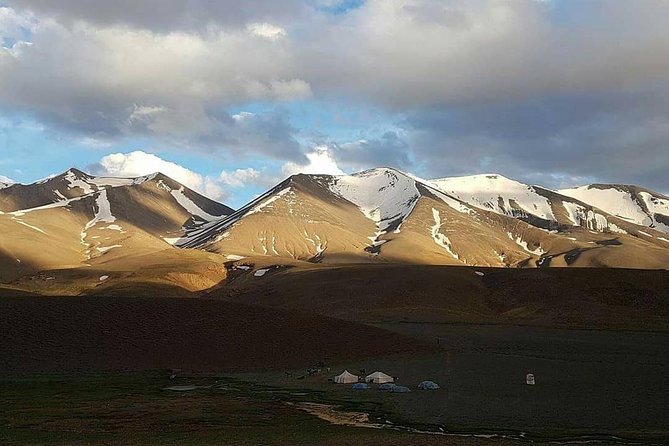
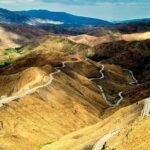
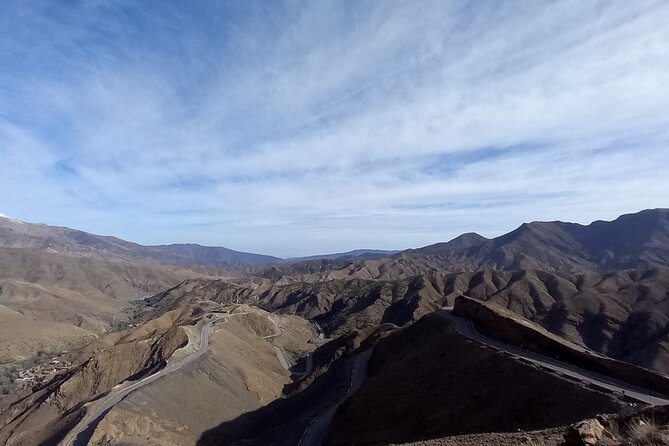
Then comes the Tizi-n-Tichka pass, which connects the route between Marrakech and Ouarzazate. The pass sits at an altitude of 2,260 meters, and even with a short scheduled stop, it’s one of those places that makes you feel the mountains changing under you.
You get about 15 minutes here, so think of it as a photo-and-breathe stop. If you want a slower view, you’ll probably wish you had more time on the road at the highest points—but for many people, a quick stop is exactly what keeps the whole 3-day schedule working.
Ait Benhaddou: fortified ksar architecture you can understand fast
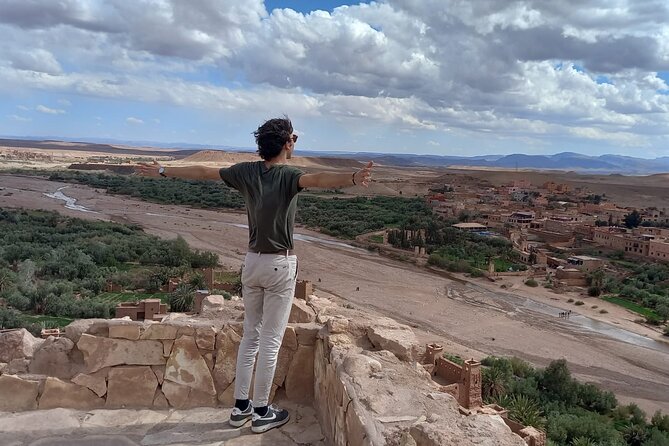
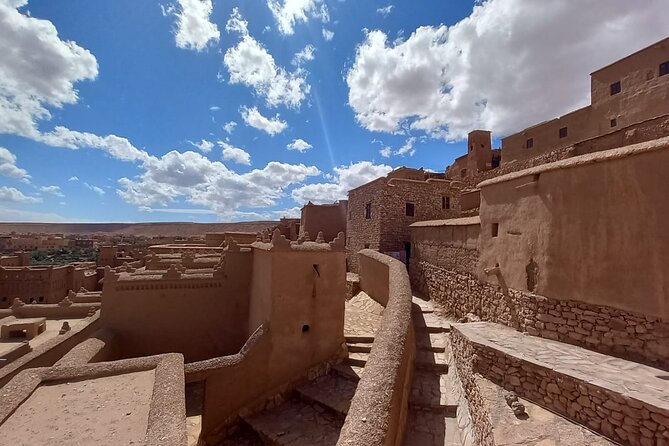
Ait Benhaddou is the kind of place where the physical layout teaches you the story. You’re looking at an earthen ksar: buildings clustered inside high walls, reinforced by corner towers, built for defense and communal living in a pre-Saharan world.
You’ll have around 2 hours here, which is enough to walk through the core and pick up details like how crowded housing becomes a protective advantage. Even if you’re not focused on architecture, you’ll likely enjoy how easy it is to orient yourself: the walls and towers give you structure, not chaos.
Practical note: earthen sites can be dusty and uneven, so keep your shoes in good shape.
A few more Marrakech tours and experiences worth a look
Day Two: Todra Gorge, Ksar El Khorbat Oujdid, and the Road to Merzouga
Day two is where the trip starts turning more desert-forward. You trade broad valley views for canyon walls, then move through a smaller oasis-and-ksar moment before heading for the dunes of Merzouga.
Todra Gorge: limestone canyon walls and easy walking
Todra Gorge is a series of limestone river canyons in the eastern High Atlas. If you like the feeling of water-carved rock, you’ll get it here. There’s time for a short walk, and it’s described as comfortable because it’s built for visitors who want the sound of the gorges and the nearby murmuring water.
Admission is listed as free for this stop, which is a nice bonus. Still, the main thing to watch is crowd flow and how you time your walk inside the gorge area. If you’re trying to get that “I can hear the canyon” effect, going at a calm pace helps.
Ferkla oasis and Ksar El Khorbat Oujdid: small, meaningful, and very specific
This part is easy to miss if you only care about big-name sights, but it’s one of the more interesting stops because it’s so precise. You visit Ksar El Khorbat Oujdid in the Ferkla oasis. It was built in the nineteenth century and is being restored by a local association with help from international institutions and private investors.
What makes it stand out is the covered streets: they’re absolutely rectangular, with shafts of light at intersections. That design detail means you don’t just pass through dark corridors—you can actually see why the streets feel structured rather than cramped.
It’s also a living space in the sense that the association runs activities inside the ksar, including female crafts and literacy courses for women, plus preschool courses and art exhibitions. The takeaway for you: you’re not only looking at old walls; you’re seeing a community trying to keep the place functional.
Heading into Merzouga: landscapes change before you even reach the dunes
Once you’re on the way to Merzouga, the route builds anticipation. The destination village sits at the gates of the desert, about 50 km from Erfoud, and it’s famous mainly for Erg Chebbi dunes, which extend right to the village edge.
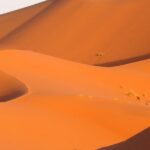
After crossing varied landscapes, you get an unforgettable panorama: the dunes can shift color from yellow to ocher depending on the light. This is one of those moments where it helps to slow down, because your brain keeps trying to compare it to everything you saw that morning.
Merzouga Desert Night: Berber Tent + Camel Ride on Erg Chebbi
This is the heart of the tour, and it’s handled in a way that feels practical rather than theatrical.
Sleeping in a Berber tent in the Sahara
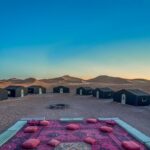
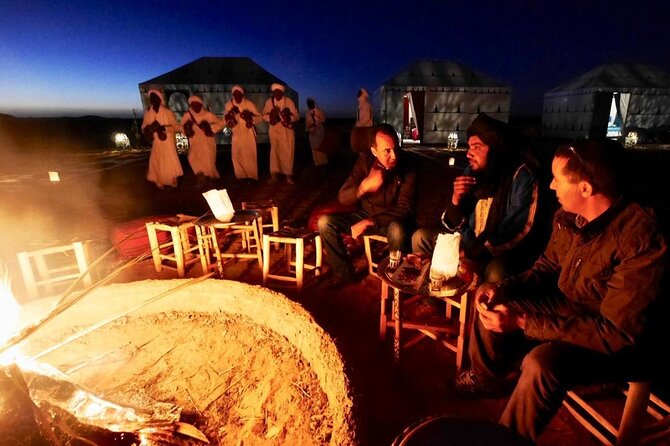
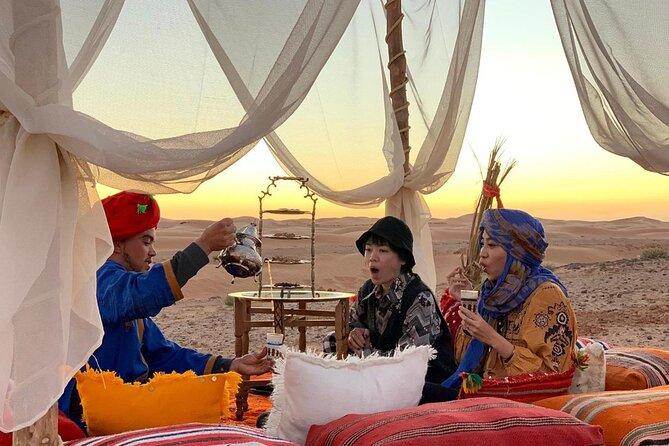
You spend the night in a Berber tent in the Sahara Desert. It’s a direct way to change setting—after two days of valleys, kasbahs, and gorges, you’re suddenly surrounded by open space and dark sky energy once the day cools.
Dinner and breakfast are included (2 dinners, 2 breakfasts total on the tour), so you don’t have to hunt for meals once you’re out in the desert area. That’s a real convenience, and it also helps the schedule stay clean and calm.
Camel ride from the dunes of Merzouga
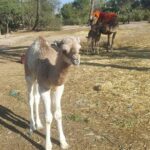
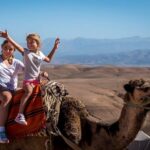
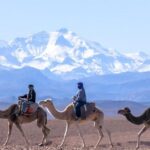
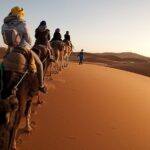
You’ll experience the dunes of Merzouga from the back of a camel. The point isn’t just the novelty. It’s the way camel travel changes your sense of scale—you move with the rhythm of the sand rather than racing over it.
You should expect it to be a proper ride, not a quick trot. If you have sensitive knees, plan for a slower mount-and-dismount and wear clothing that won’t rub uncomfortably. (This is general desert-ride advice, not a complaint about the tour.)
What makes Erg Chebbi special for this stop
Erg Chebbi is a Mecca for adventure tourism in Morocco, and the dunes are famous for their size and presence. When you arrive, the color shift you see through the day is part of why people keep coming back—light really does change the feel of the dunes.
If you’re the type who wants “less time driving, more time breathing the place,” this is where the trip delivers.
Day Three: Kelaat M’Gouna and the Atlas Finish
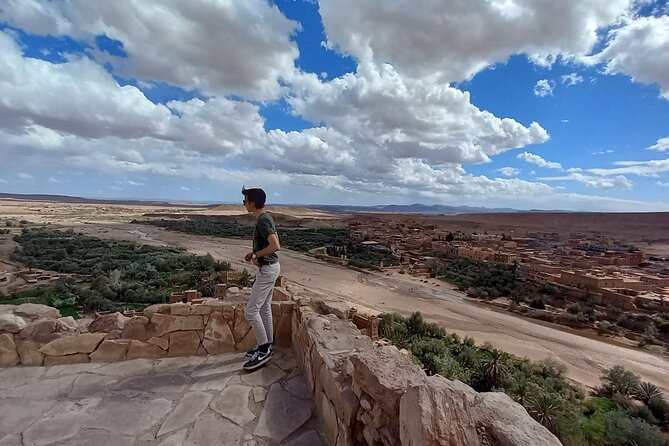
Day three is a lighter wrap-up day compared to the action of day two. You head toward Kelaat M’Gouna (also known as Tighremt n’Imgounen), in the Drâa-Tafilalet region near Tinghir.
It’s inhabited mainly by an Amazighophone population, and the place name ties to the local ighil N’ Imgoun and the assif of the same name. That gives you a sense of how the area’s identity is tied to the land and water systems.
The other “finish” idea on day three is the Atlas massif itself. You learn how the Atlas stretches across northwest Africa and separates the Atlantic and Mediterranean coasts from the Sahara Desert. Even if you’re not a geography nerd, it helps you connect the dots between why you started in the mountains and ended in sand.
This final day can feel like a transition out of desert mode. If your body clock is already tired, focus on what you can learn in small doses rather than trying to cram in every photo angle.
Price and What You’re Actually Buying at $117.80
At $117.80 per person for a 3-day trip, you’re paying for three things that would be expensive to assemble yourself: guided transport, multiple major stops, and included meals for two full days (2 breakfasts and 2 dinners).
You’re also getting:
- air-conditioned vehicle
- camel ride in Merzouga area
- the Berber tent night
- included admission for Dadès Gorges
- mobile ticket and pickup offered
What’s not included is lunch and tips. That’s normal for this style of tour, but it affects your day-to-day budgeting. If you’re trying to travel on a tight budget, plan to buy lunch separately and keep a small tip budget ready for guides/driver.
The best value move for you: treat this as a “planning shortcut.” You’re not just buying sights—you’re buying time you would otherwise spend coordinating transport, timings, and stop logistics across long distances.
Comfort, Pace, and the Role of Adil (Why It Matters)
Here’s what stands out most from the people who praise this trip: Adil is repeatedly singled out as the best guide and driver, and the reasons are practical. He’s described as efficient, funny in a good way, and consistently on time. More importantly, he makes a good number of stops so the group stays comfortable during long stretches in the car.
That’s not small stuff. On a route like this, your enjoyment often depends less on the destination name and more on whether someone handles the “in-between” well: bathroom breaks, stretching stops, and time buffers so you don’t feel rushed.
Group size is capped at a maximum of 100 travelers. That’s big on paper, but the tour style is still built around scheduled stops and a shared vehicle rhythm. If you want total quiet and zero crowd contact, you might still find some busy moments at major sites like Todra or Ait Benhaddou.
Who This 3-Day Marrakech to Merzouga Trip Suits Best
This tour fits you well if:
- you want a guided way to get from Marrakech to Merzouga in a short time
- you like mixing big landmarks (Ait Benhaddou, gorges) with a true desert night
- you prefer included meals over planning every lunch
- you appreciate a guide-driver who keeps things moving and handles comfort stops
It may be less ideal if:
- you dislike long driving days and short stop windows
- you want deep, unhurried time inside every site (2 hours at Ait Benhaddou and short pass stops are realistic, not slow travel)
This is a good choice for first-time desert visitors who want the essentials done well: mountains, kasbahs, canyons, dunes, and sleep under canvas.
Should You Book This Desert Tour
If your goal is a smart 3-day package that gets you to Erg Chebbi dunes with a Berber tent night and a camel ride, I’d say this is an easy yes—especially if you’re the type who enjoys a guided flow rather than DIY logistics.
Book it if you value:
- included air-conditioned transport
- real guided structure across multiple regions
- a guide like Adil who’s known for being punctual and taking comfort into account
Skip it or reconsider if you need more time at fewer stops. This trip packs a lot into a short window, and the tradeoff is road time.
FAQ
Where does the tour start and where does it end?
The tour starts at Hôtel Ali, Rue Moulay Ismail, Marrakech 40000, Morocco. It ends back at the same meeting point.
Is pickup offered?
Pickup is offered.
What’s included in the price?
Included are an air-conditioned vehicle, camel ride, breakfast (2), and dinner (2). Admission is included for Dadès Gorges.
Do I sleep in a Berber tent?
Yes. You spend the night in a Berber tent in the Sahara Desert.
What’s included for Merzouga?
You visit Merzouga and experience the dunes of Erg Chebbi, including a camel ride. Dinner and breakfast are also included as part of the tour meals.
Is lunch included?
No. Lunch is not included.
What size groups does the tour have?
The tour has a maximum of 100 travelers.
Can I cancel for free, and what about weather?
Free cancellation is available up to 24 hours in advance for a full refund. The experience requires good weather, and if it’s canceled due to poor weather you’ll be offered a different date or a full refund.
Is a service animal allowed?
Yes, service animals are allowed.