REVIEW · MARRAKECH
3 Days Merzouga desert tour
Book on Viator →Operated by Fajga Travel · Bookable on Viator
Sahara sand, Atlas passes, and real Berber nights. This 3-day route links Marrakech with the Erg Chebbi dunes for camel time, desert sunset, and a night in a Berber-style tent, with big-name stops along the way like Ait Benhaddou and Todra Gorge. If you want the classic South Morocco hit-list without micromanaging transfers, this kind of guided circuit makes it easier.
I love how the day is structured around real places you can picture later. The drive over Tizi n’Tichka gives you that high-pass mountain panorama, then you hit Ait Benhaddou for the UNESCO kasbah atmosphere and movie-set vibe. I also like that your desert night is not just a photo stop—you do a camel crossing, then reach camp with time for sunset, sandboarding, and the camp’s drum music.
One thing to weigh: it’s a long, full-day format. You’ll spend a lot of time in the van between scenery stops, and the tour ends around 7:30 PM on day 3, so plan your energy and pack for early mornings.
In This Review
- Key things that make this tour work
- Marrakech to Merzouga: what you’re really signing up for
- The big-picture route: Atlas to kasbahs to Todra to the dunes
- Day 1 over Tizi n’Tichka: the quick high-altitude photo stop
- Ait Benhaddou: the UNESCO kasbah stop that feels like a movie set
- Ouarzazate and the film-town feel
- Rose Valley (Vallée des Roses): palm gardens and scent-season vibes
- Tinghir and the Dades hotel night: where long days end
- Day 2 Todra Gorge to Merzouga: the shift from canyon to dunes
- The Merzouga handoff: hotel, luggage switch, then camel time
- Camel trek across Erg Chebbi: sunset, sandboarding, and camp drums
- Day 3 sunrise and back to Merzouga, then the long return to Marrakech
- Guides and the human side: why service quality shows up in reviews
- Price and value: what $191.71 buys you (and what it doesn’t)
- Who should book this and who might want a different style?
- FAQ
- What time does the 3-day Marrakech to Merzouga tour start?
- How long is the tour, and when do you return to Marrakech?
- Do you sleep in a hotel and in the desert?
- What desert activities are included in Merzouga?
- What meals are included?
- Is this tour weather dependent?
- Should you book this 3-day Merzouga desert tour?
Key things that make this tour work
- Erg Chebbi camel trek: open dunes, plus sunset time and sandboarding at the highest sand sections
- Ait Benhaddou UNESCO: a standout kasbah stop on the cross-country route
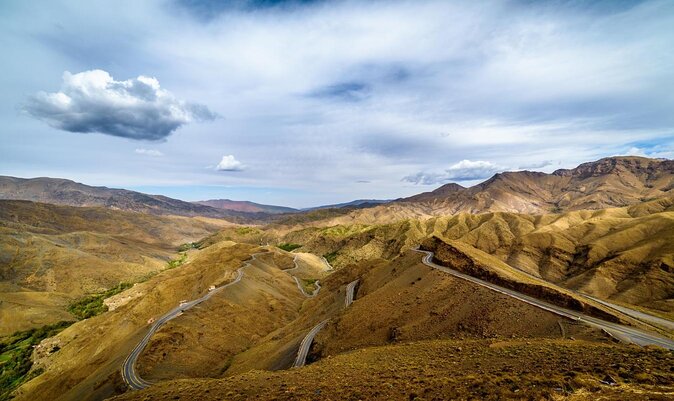
- Atlas Mountain pass views (Tizi n’Tichka): quick photo-friendly break at 2,212m elevation
- Two different sleeping styles: first night at a Dades hotel, second night in Berber nomad tents
- Driver-guide focus: names that come up in the feedback include Said, Youness, Abdellilah, and Abdoul
- Smallish group: maximum 15 travelers, which usually keeps the pace from feeling chaotic
Marrakech to Merzouga: what you’re really signing up for
This is a classic “highlights + desert night” package from Marrakech, built around one big payoff: arriving at Merzouga and spending real time in the sand dunes. The rest of the itinerary is essentially the scenic ladder that gets you there—Atlas Mountains, kasbah territory, then oasis and gorge scenery before you step into the Sahara at Erg Chebbi.
The value here is that the core elements are handled for you: transportation with a driver-guide, at least part of the required admissions for certain stops, meals during the two included overnights, and the camel trek itself. You’re also not stuck dragging luggage everywhere in the desert night. Once you reach Merzouga, you move with only what you need for the overnight, while the rest stays back at the hotel.
That said, you’re doing a lot in three days. If you hate riding in cars and prefer slow travel, you might find the schedule intense. But if you want South Morocco’s major landmarks and a proper desert camp experience, the timing is built for exactly that.
A few more Marrakech tours and experiences worth a look
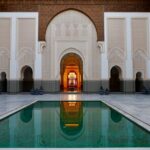
The big-picture route: Atlas to kasbahs to Todra to the dunes
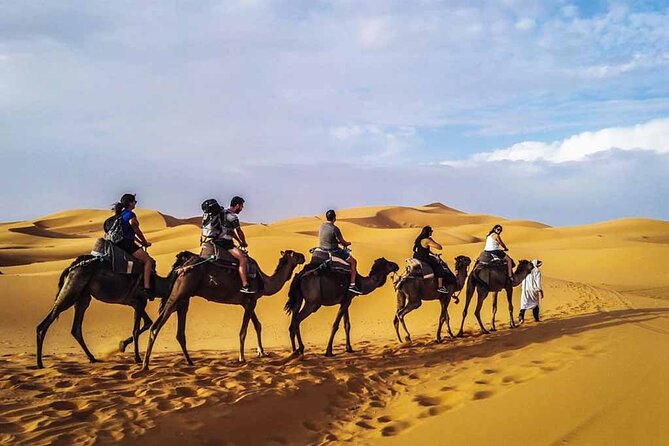
Here’s the flow you should expect:
- Day 1 climbs from Marrakech area up through the Tizi n’Tichka pass, then heads to Ait Benhaddou, Ouarzazate, and the Rose Valley (Vallée des Roses) region. You continue via the Tinghir area and overnight at a Dades hotel.
- Day 2 starts with Todra Gorge and then continues to Merzouga, where you switch from vehicle travel to camels and spend the night in desert camp.
- Day 3 wakes up for sunrise in the dunes area, returns by camel to Merzouga, then drives back through Ouarzazate and on to Marrakech, finishing with drop-off around 7:30 PM.
You can think of it like three chapters: mountains and kasbahs, gorge and oasis palms, then Sahara at night.
Day 1 over Tizi n’Tichka: the quick high-altitude photo stop
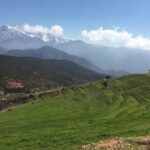
The itinerary starts with a morning departure timed around 7:00 AM, and the first major pause is Tizi n’Tichka (Col du Tichka). This mountain pass sits at 2,212m (7,257ft), which is why the views feel big even during a short stop. The plan is simple: you get time for pictures, and there’s a refreshment break.
Why I like this stop for first-time visitors: it’s an easy way to understand Morocco’s Atlas geography fast. You don’t need hiking gear or hours of walking—you just get a high vantage point and move on.
The only “watch out” is the timing. This is a photo stop, not a long linger, so if you’re the type who needs time to stretch your legs, you’ll want to use the break actively but efficiently.
Ait Benhaddou: the UNESCO kasbah stop that feels like a movie set
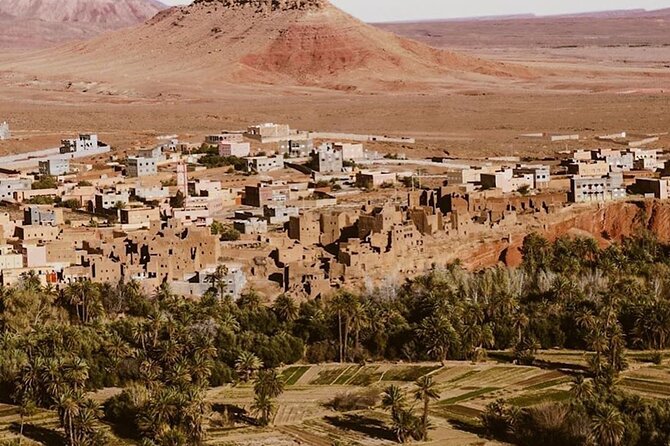
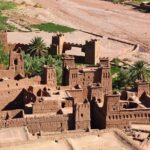
From the mountains you drop into the kasbah world with Ait Benhaddou, a UNESCO World Heritage Site. The village is described as fortified, built around roughly a thousand years ago, and it sits on an old caravan-route vibe. Today it’s also one of the most visited stops for a reason: the architecture looks dramatic and the place has ambience even when you’re standing still.
You’re given about 2 hours here, and the access is free. That matters because Ait Benhaddou is one of those locations where your time is best spent wandering at your own pace—peeking at textures, walking through the kasbah feel, and noticing how everything is clustered.
Tip for getting more out of it: bring an eye for details. The mud-brick shapes and layered walls look better the closer you get. Also, wear shoes with grip because the surfaces can feel uneven.
Ouarzazate and the film-town feel
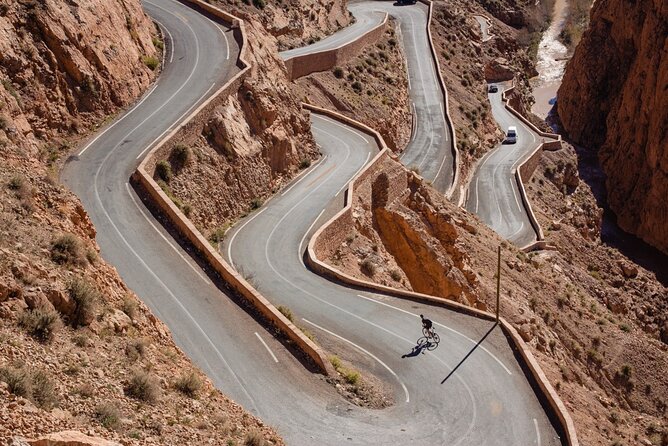
Next you hit Ouarzazate, which is known for its film studios and for Kasbah Taourirt (noted as well-preserved and viewable from inside). Your stop is shorter, about 30 minutes, with no admission cost mentioned.
This is a “drive-by with purpose” moment. If your priority is film history, you might feel a little time-short. If your priority is using Ouarzazate as a road checkpoint into the next scenic valley areas, it works fine.
Rose Valley (Vallée des Roses): palm gardens and scent-season vibes
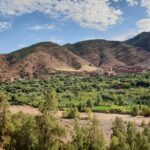
Then comes Vallée des Roses, connected to the Kelaat Mgouna area and the Mgoun River route. You’re scheduled for about 30 minutes, and admission is included for this stop.
Even with the short time window, the idea here is worth it: this is one of the places that shows Morocco’s South isn’t all sand dunes and rock. It’s also palms, gardens, and water systems that help make the valleys livable.
If you’re sensitive to the pace, treat this as a quick “stretch and look” stop. You’ll get a feel for the valley environment, then you’ll move on.
Tinghir and the Dades hotel night: where long days end
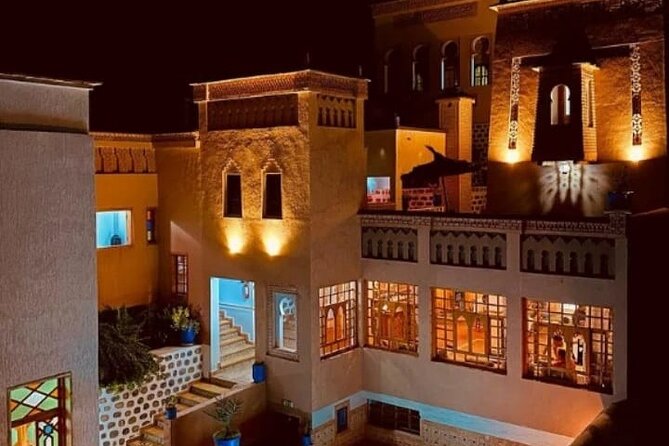
By evening you reach Tinghir, linked with long palm groves and smaller kasbahs and ksars stretching along the sides of the area. The timing for the day is long—about 10 hours—and you end with your first included night at a luxury Dades hotel.
This is a smart placement in the itinerary. Dades is a good reset point before Todra Gorge and the desert crossing. After a full day on the road, that hotel night is your chance to recharge, shower, and eat without rushing.
Also, since this is a shared tour with a small group (max 15), hotel logistics can be smoother than giant bus circuits.
Day 2 Todra Gorge to Merzouga: the shift from canyon to dunes
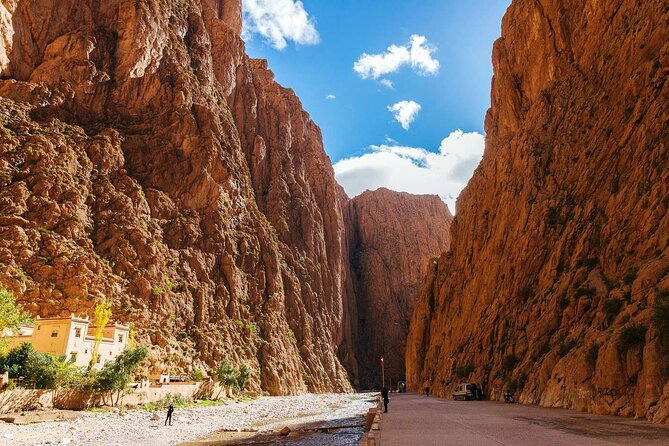
Day 2 is where the scenery starts getting dramatic fast, with Todra Gorge first. The gorge is located in the eastern Atlas Mountains, starting near the Tinghir oasis and palm gardens. You’ll drive past clay villages and ancient kasbahs before arriving to huge rock faces that create a canyon feel. Your time here is about 1 hour, with admission free.
What you should know: Todra is popular for a reason, and the walls can reach tall heights (noted up to 300 meters for climbing context). Even if you’re not climbing, the gorge creates a powerful sense of scale. The short timing works well because you get to see it without turning it into a long physical activity day.
The Merzouga handoff: hotel, luggage switch, then camel time
After Todra, you continue to a Merzouga hotel, where you’ll have time to relax. Then the itinerary makes an important, practical change: you take a small bag with what you need for the night in the desert, while the rest of your luggage is left at the hotel.
That luggage split is one of those details that makes the overnight feel easier. It means you don’t drag suitcases through sand logistics, and it keeps the camel trek manageable.
Camel trek across Erg Chebbi: sunset, sandboarding, and camp drums
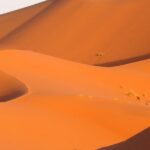
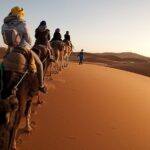
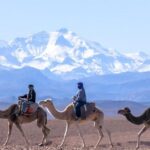
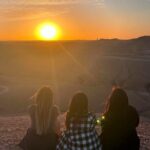
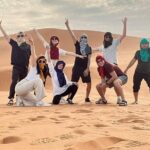
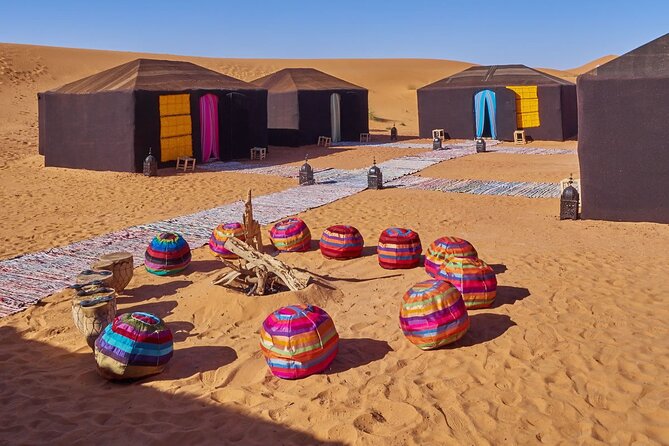
This is the moment most people remember. You’ll ride camels across the Erg Chebbi sand dunes. The plan includes time for sunset and taking photos, then reaching camp and heading toward the highest sand dunes for sandboarding and watching the sunset.
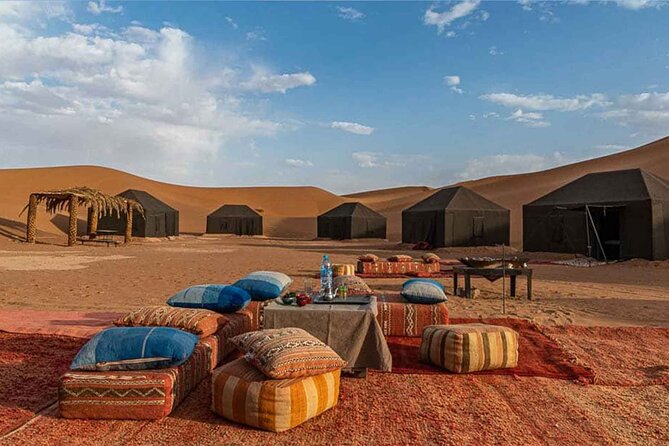
Then you spend the night in Berber nomad tents, with drums music during the camp experience. Dinner (2 included dinners total on the trip) is part of that overnight package.
A few practical notes so you enjoy it:
- Sand gets everywhere. Pack a plan for protecting your phone/camera and for covering up when the wind picks up.
- Wear something you can handle outdoors because desert air can feel cool early and warm later.
- Keep expectations realistic: camel time is part adventure, part transport. It’s not a spa ride.
Day 3 sunrise and back to Merzouga, then the long return to Marrakech
You start early again to catch sunrise in the desert. The payoff is that you get the dunes quieter and more atmospheric at morning light, then you enjoy the views before returning to Merzouga.
Once you reach Merzouga, you have time at camp for breakfast and a shower before you head back. That shower stop matters more than it sounds. You’ll be glad you can reset after sand and early wake-ups.
Then it’s the return drive to Marrakech, passing through Berber villages and scenic stretches, and retracing the route through Ouarzazate before arriving. The tour concludes in the afternoon, around 7:30 PM, with drop-off at your hotel or the nearest accessible point to your riad.
Guides and the human side: why service quality shows up in reviews
The experience quality often comes down to the driver-guide. In the feedback for this operator, several names come up often: Said, Youness, Abdellilah, and Abdoul. The common thread isn’t just friendliness—it’s that drivers are described as helpful with communication and practical during the trip.
One review highlights that communication and feeling safe was a big deal. Another points to solid driving, comfort (including air conditioning mentioned), and staying on schedule. That fits what you need on a long 3-day road-and-desert itinerary: someone who drives smoothly, organizes stops, and keeps the day running.
One caution: at least one review is extremely negative with a strong warning, though details weren’t provided in the excerpt. With any tour, I’d follow up with the operator for clarity on timing and pickup, and I’d make sure you understand what’s included versus optional costs.
Price and value: what $191.71 buys you (and what it doesn’t)
At about $191.71 per person, the biggest value drivers are the things that usually cost extra when you book separately:
- Transportation with a driver-guide
- Camel ride in open dunes
- Two included meals at overnights: 2 dinners and 2 breakfasts
- Sleep split into a hotel night plus a desert camp night in Berber tents
- Entry costs are not all listed as included, but some stops do mention included admission (Tizi n’Tichka and Rose Valley)
What’s not included: a local guide and tips. That matters because many travelers underestimate how often tips are expected in Morocco-style hospitality. If you don’t plan a tipping budget, it can feel like a surprise at the end.
Also, your time is limited. You’re not doing long guided walks with local guides at every stop. You’re getting a guided circuit with major sights and a desert night.
So who is this price best for? People who want the whole arc—from Marrakech to Merzouga—handled in one package, without coordinating separate drivers, separate desert camp bookings, and separate transfers.
Who should book this and who might want a different style?
This tour fits well if you:
- Want the classic route: Ait Benhaddou, Todra Gorge, Rose Valley, and Erg Chebbi
- Like your desert time to include both sunset and sunrise, plus sand activities
- Prefer a guided plan with a small group size (max 15)
- Would rather pay for convenience than spend your days arranging transport
You might reconsider if you:
- Hate long drive days and want slower pacing
- Are very sensitive to early mornings and full schedules
- Need guaranteed personal time at each landmark beyond short stop windows
FAQ
What time does the 3-day Marrakech to Merzouga tour start?
The tour starts at 7:00 AM.
How long is the tour, and when do you return to Marrakech?
It’s about 3 days. On day 3, the shared tour ends in the afternoon around 7:30 PM, with drop-off at your hotel or the nearest accessible point to your riad.
Do you sleep in a hotel and in the desert?
Yes. The first night is included at a luxury Dades hotel, and the second night is included in a Berber tent in the desert camp.
What desert activities are included in Merzouga?
You’ll ride camels over the sand dunes, watch sunset, and have time for sandboarding and camp time with drums music.
What meals are included?
You get 2 breakfasts and 2 dinners included.
Is this tour weather dependent?
Yes. It requires good weather. If it’s canceled due to poor weather, you’ll be offered a different date or a full refund.
Should you book this 3-day Merzouga desert tour?
I think you should book it if you’re aiming for an efficient, big-sights route with a genuine desert camp night, plus camel time at Erg Chebbi. The included meals and the two different overnights make it feel like more than just a day trip, and the small-group cap (max 15) is a plus.
Before you commit, do a quick reality check: you’re signing up for long road days and early wake-ups. If that fits your travel style, this tour is a strong way to connect Marrakech with the Sahara without doing the logistics yourself. If you hate packed schedules, you might get more satisfaction from a slower option with fewer driving hours.