REVIEW · ARGANA
3 Days Trek Atlas Mountains Berber Villages from Marrakech
Book on GetYourGuide →Operated by Mouslih tour · Bookable on GetYourGuide
One foot, two worlds: the High Atlas on foot. This 3-day trek from Marrakech is built for real Berber village life, with mint-tea pauses, mule support for your pack, and hiking through valleys that feel both lush and dry at the same time. I like how the days are structured but not rushed, and I also love that you actually get time in Toubkal National Park instead of just a quick look.
What I like most is the rhythm: start in Imlil, climb toward Tizi Mzik (2500m), reach the Tamsoult waterfalls, then come back through Ait Aissa via Oudit Pass (2200m). The one drawback to consider is that communication and meeting-point details can be inconsistent, so you’ll want to confirm pickup and location clearly before you head out.
In This Review
- Quick highlights
- Why the High Atlas starts in Imlil
- Day 1: Imlil valley villages and your first night
- Day 2: Tizi Mzik pass (2500m) to Tamsoult waterfalls
- Day 2 evening: where your trek really “lands”
- Day 3: Tamsoult to Ait Aissa via Oudit Pass (2200m)
- Guides: calm pace, real local detail, and language help
- Packing light: mule carry helps, but bring the right day kit
- Food and tea: included meals are the real safety net
- Accommodation nights: riads and village guesthouses
- Toubkal National Park trekking: the meaning behind the time on trail
- Price and value: is $129 fair for what’s included?
- Who this trek suits best (and who might want a different plan)
- Should you book this Atlas trek?
- FAQ
- How long is the trek?
- Where does the trek start?
- Is pickup and drop-off included in the price?
- Are meals included?
- Are drinks included?
- Will my luggage be carried for me?
- What does the walking look like each day?
- What languages do guides speak?
- How big is the group?
- Is free cancellation available?
Quick highlights
- 3 days / 15-person max: small group energy, more chance for your guide to match your pace
- Mule carry for bags: you hike lighter while still feeling the full trail effort
- Tizi Mzik (2500m) to Tamsoult: pass views, then the big waterfall in the park
- Oudit Pass (2200m) on Day 3: another high crossing with village routes
- Included food + tea: breakfasts, lunches, dinners, plus repeated tea stops
- Multi-language guides: routes explained in Arabic, French, English, and many others
Why the High Atlas starts in Imlil
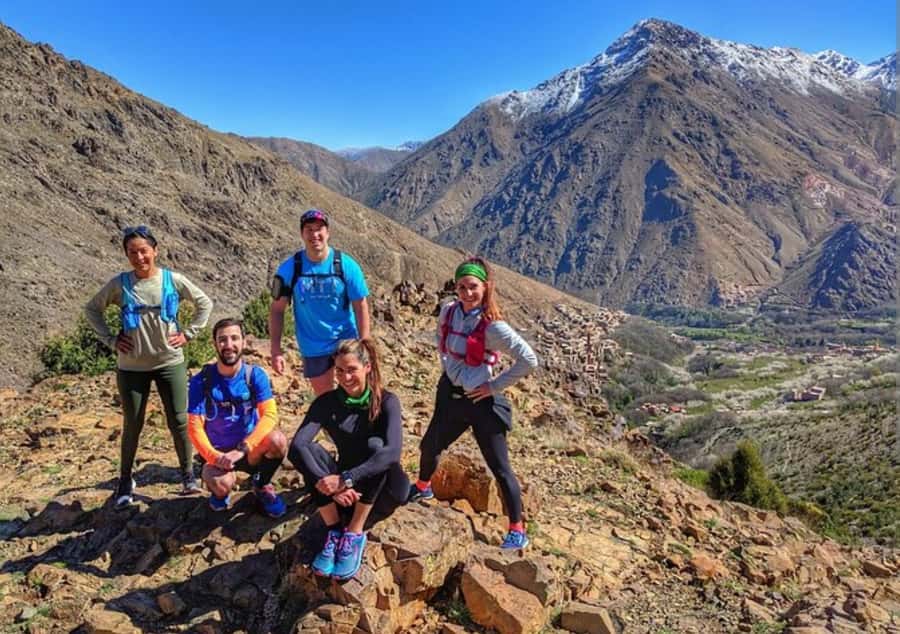
Marrakech is loud. The Atlas is quiet. On this trek, you leave Marrakech around 9am and roll into Imlil, the common gateway to Berber villages under the High Atlas.
I like that your first day doesn’t just mean “walk to a viewpoint.” You begin with a welcome drink and a real transition into village time. That matters because the trek isn’t only about the summit fantasy. It’s about seeing how people live across the mountain slopes.
Then you ease into it with a roughly 4-hour walk in the Imlil valley, passing villages and meeting friendly Berber people. You’ll also stop for a glass of mint tea in a traditional home, which is the kind of moment you remember later when you’re back in the city.
You can also read our reviews of more tours and experiences in Argana.

Day 1: Imlil valley villages and your first night
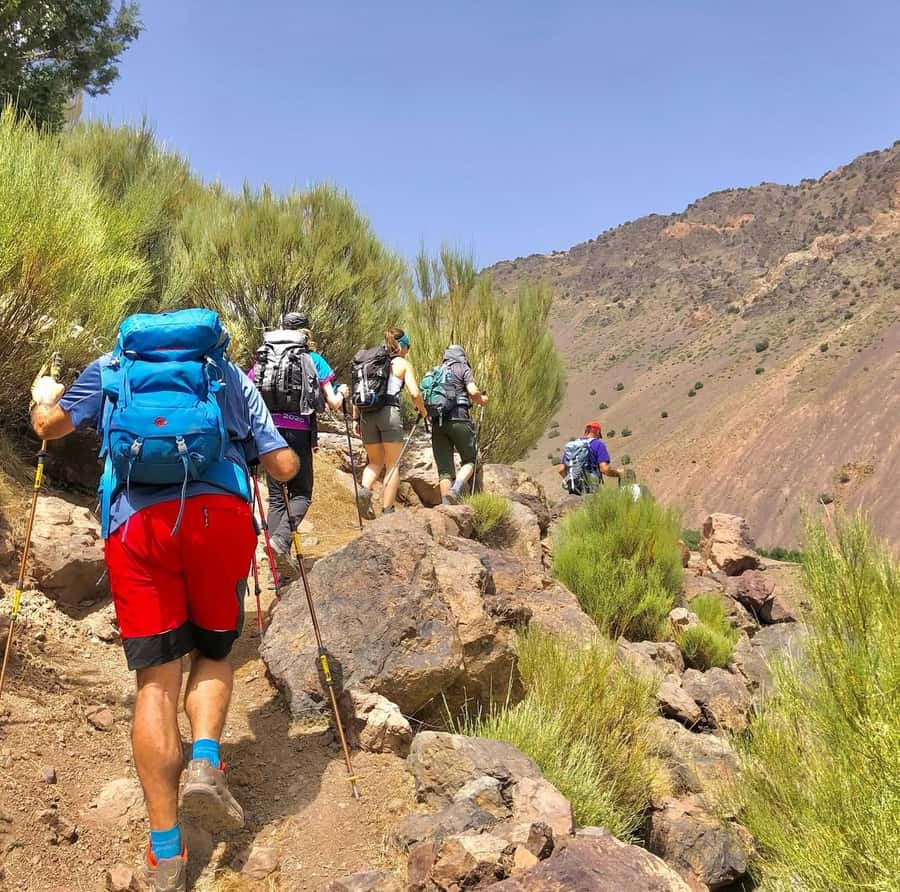
Day 1 is about getting your legs working and your head quiet. After you leave Imlil, you’ll hike through the valley with views that shift constantly as the trail turns.
The walking time is listed as about 4 hours, which usually feels manageable if you’re reasonably fit. Still, the ground can be uneven, and the mountain air changes fast. You’ll enjoy the day more if you dress in layers and accept that you’ll feel warm, then cooler, then warm again as you climb and descend.
Lunch isn’t spelled out as a specific stop for Day 1 in the outline, but meals are included over the full 3 days. What you can expect is that Day 1 ends with an overnight in Imlil—typically a riad-style setup according to the way these treks often run there. Some stays include extras like warm showers and towels, and occasionally even a pool or terrace depending on the property used.
That first night is also a chance to do one smart thing: keep your trekking kit simple. You’re going to have mule support for your bags, so you can carry only what you truly need—water, a light layer, and something to keep sun off your face.
Day 2: Tizi Mzik pass (2500m) to Tamsoult waterfalls
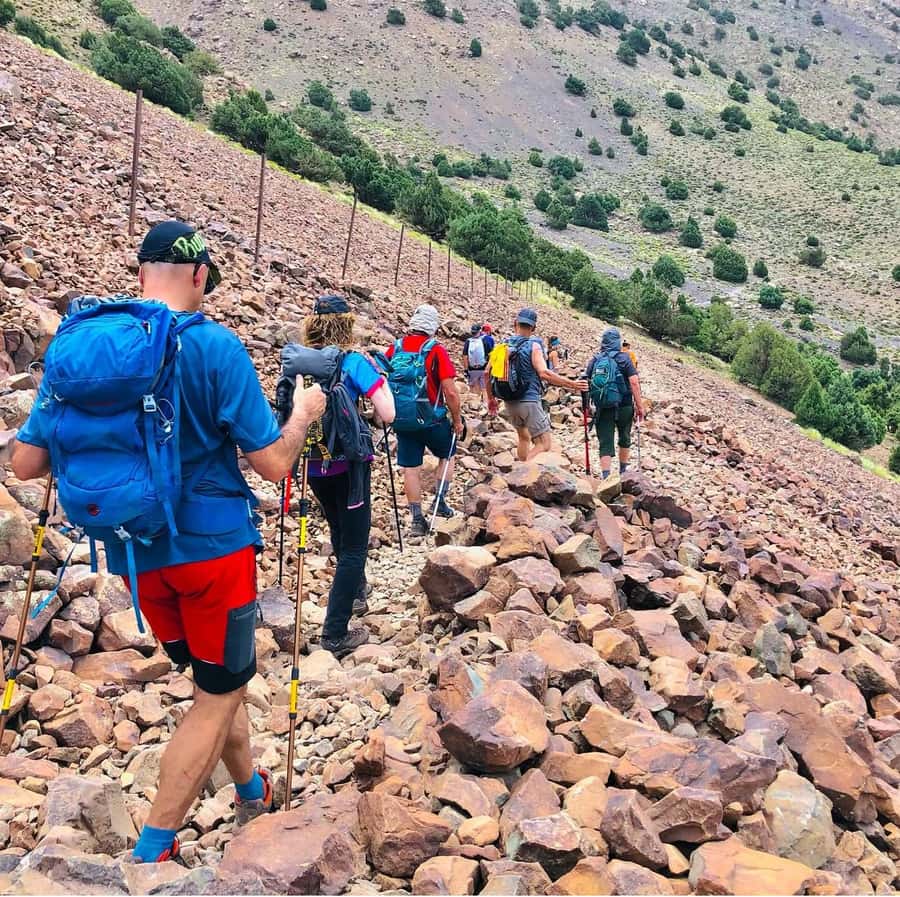
Day 2 is the big hiking day in this itinerary. You’re in for about 6 hours of walking, starting with the route toward Tizi Mzik and the Tamsoult waterfalls.
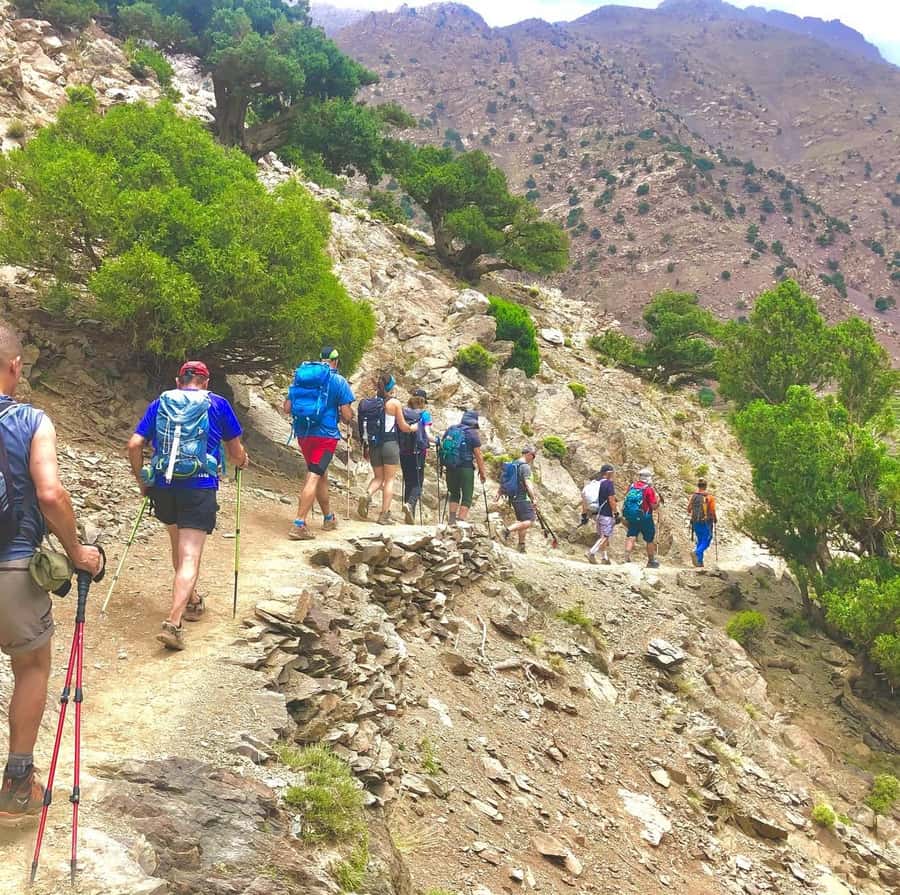
You’ll join the path that goes over Mzik pass at around 2500m. That altitude alone can change your pace. Even if you’re fit, breathing gets more noticeable at elevation. Don’t fight it. Let your guide set a steady rhythm.
This is also the day for the best “valley-to-peak” views. The route looks out over the Ait Mizan valley, and those perspectives are the point: you get to see the scale of the High Atlas rather than just the nearest hill.
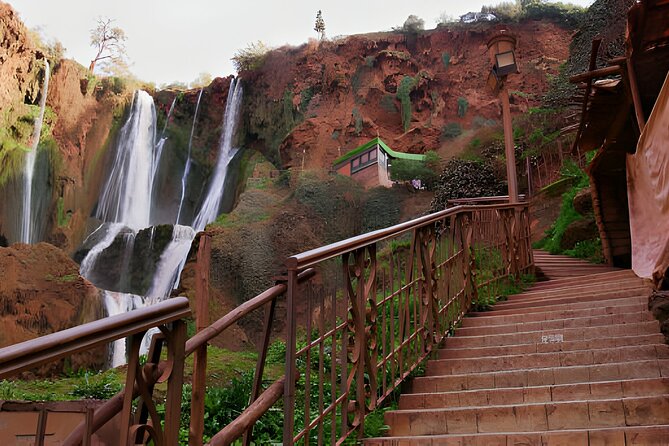
Lunch is planned around the pass area (the outline says lunch in Mzik), and then you continue to reach Tamsoult. The highlight here is the biggest waterfall in Toubkal National Park on the route. If you’ve only seen waterfalls in a single season photo, the real one is different. You feel the sound, you see how the valley carries water, and you understand why people built homes where they did—because water is life.
Practically, bring good boots or shoes with grip. This kind of trail often mixes rocky sections with dusty paths. Wet feet aren’t always a dealbreaker, but slipping is. You’ll have a better time if you trust your footing.
Day 2 evening: where your trek really “lands”
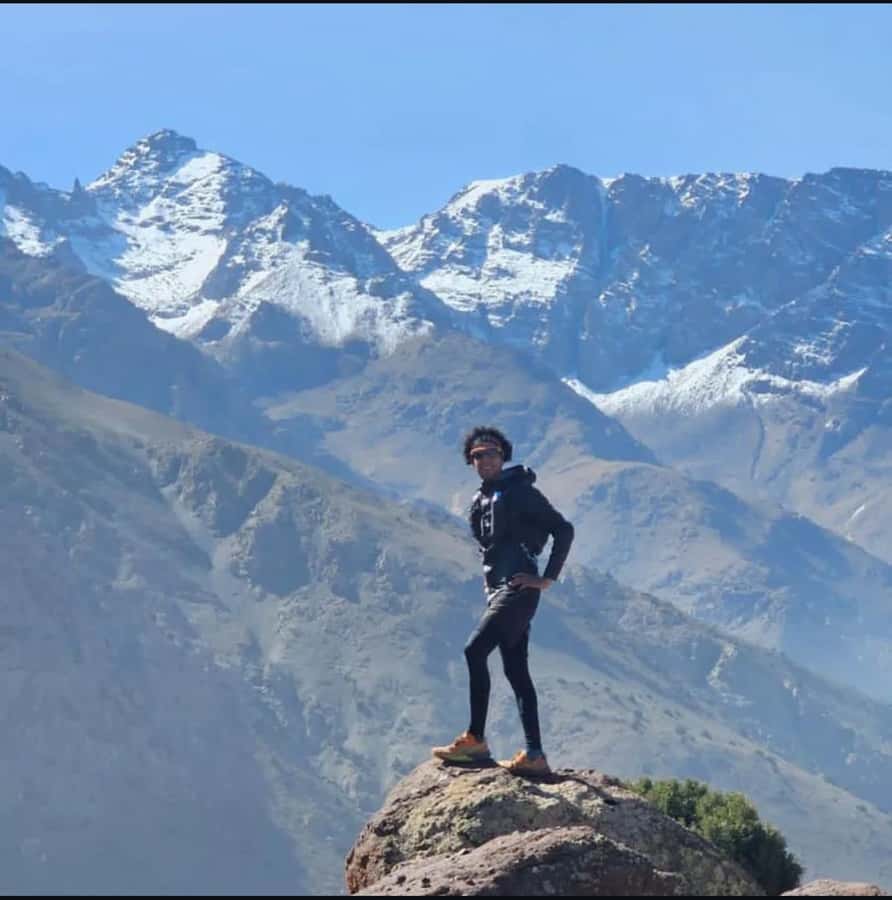
What I like about having a full day on the trail is that your night doesn’t feel like a random stop. It feels earned. Accommodation on Day 2 is typically in a different village-style setting than Day 1—more basic than Imlil’s riad setup, but often still comfortable and focused on feeding you well.
Food is included for all three days, and tea stops are part of the rhythm. One reason this matters: trekking in the Atlas is as much about staying steady as it is about speed. A good dinner helps you sleep. A warm tea helps your body recover.
And you’ll likely appreciate that meals are adjusted for different diets. Vegetarian and vegan options have been handled well on this kind of itinerary, including tagine-style meals.
Day 3: Tamsoult to Ait Aissa via Oudit Pass (2200m)
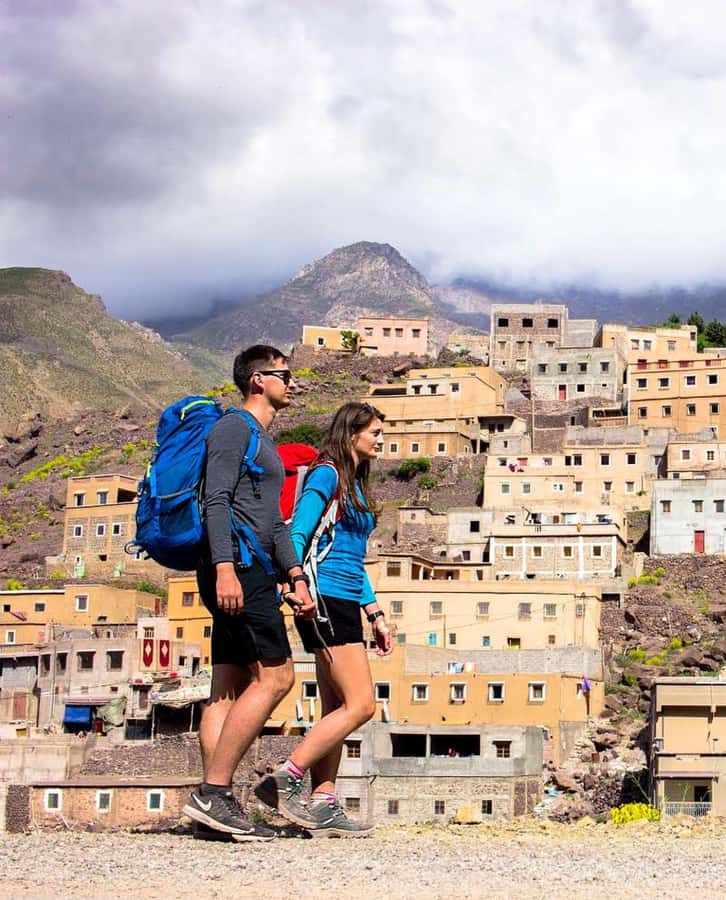
Day 3 brings you back with another high crossing, but the pace is usually calmer than Day 2. The hike is listed as about 5 hours, starting from Tamsoult to Matat and onward to Ait Aissa.
The route takes you along picturesque villages and over Oudit Pass (around 2200m). This is another “feel the altitude” moment. You’re not climbing to the highest peak in the world, but you’re still moving high enough to notice cold air on exposed sections.
Lunch is planned outdoors during the Day 3 landscape time. Then, after lunch, you meet the driver in Matat and transfer back to your Marrakech hotel.
If you want the practical takeaway: Day 3 is a good day to slow down and enjoy. You’ve already done the hardest pass. By now, you’ll know how your body reacts to the trail, how your legs feel on descents, and how long you can comfortably walk before needing a rest.
Guides: calm pace, real local detail, and language help
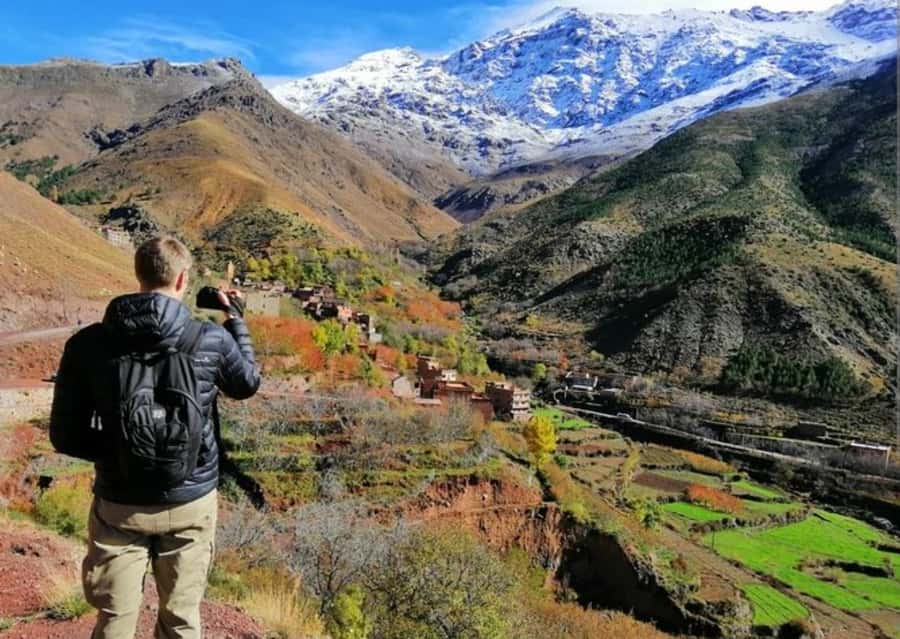
This trek runs with a live guide and supports a lot of languages, including Arabic, French, English, Spanish, plus several others. That’s a real comfort factor because the mountain has lots of small details—plants, village life, and terrain—that you miss when you can’t ask questions.
I also like the human side of these guides. Different guides have different styles, but common themes show up: they adapt to your fitness and they handle transitions smoothly—like arranging a pickup if someone has to slow down, or taking you for tea at the right moment.
Names you may see associated with these tours include Mohammed, Zakaria (Ziko), Musstapha, Hassan Benzidane, Hanan (a female guide in at least one case), Yussef, Nidali Abdull, and Lahcen. Even when language skills vary, a strong guide still helps you focus on safety, pacing, and making the day feel doable.
One thing to keep in mind: communication can be a pain point. Some people get pickup details late the night before, and sometimes the meeting location shown in an app map doesn’t match where you’ll actually be met. My advice is simple—message for confirmation of pickup time and exact meeting point the day before, and if the company uses chat systems, use them. If you prefer, ask them to confirm in the channel you’re most likely to see quickly.
Packing light: mule carry helps, but bring the right day kit
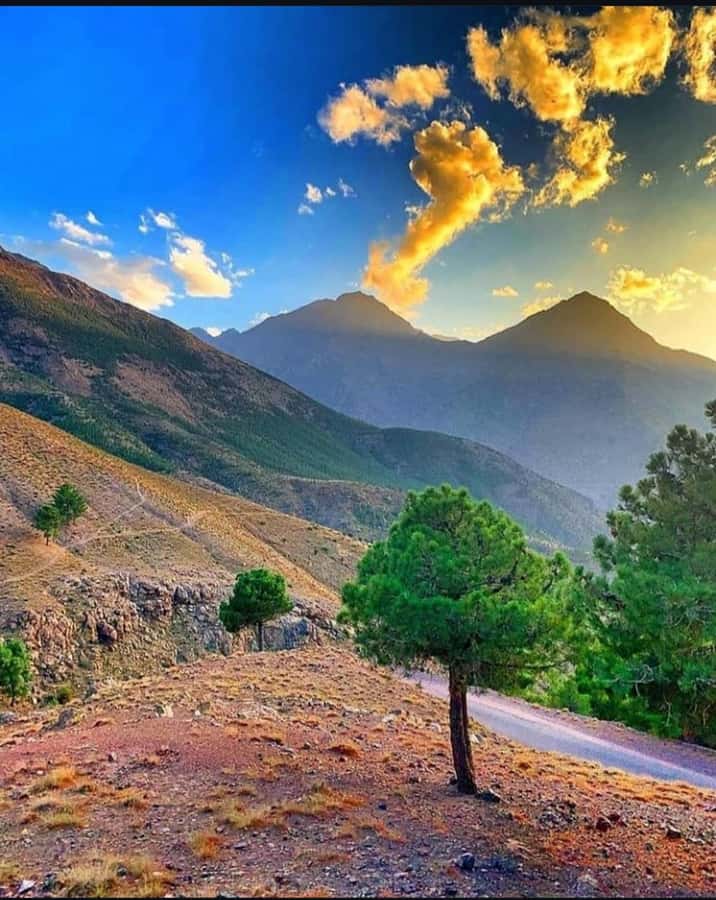
The trek includes mule carry for your bags, which is one of the biggest value items on short mountain trips. It means you can pack smarter instead of heavier.
What you still need to plan for is the day kit you’ll carry yourself: water, sun protection, layers, and anything small you’ll use often. Reviews also point out that storage can be limited, so don’t assume you can drop a big suitcase somewhere. If you’re bringing bulky luggage, ask ahead what’s possible—or plan to only bring what you can keep with you.
Also, dress for temperature swings. Day trekking can feel warm under sun. Early morning and higher-altitude sections can feel colder, especially when the breeze hits. A light layer is usually the difference between feeling fine and feeling grumpy.
Food and tea: included meals are the real safety net
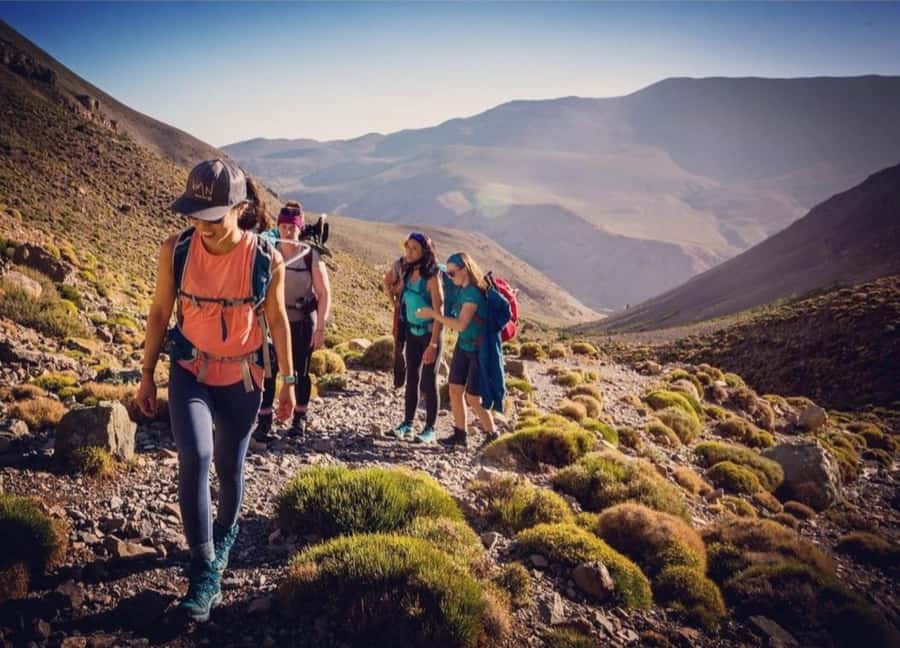
This tour includes food for 3 days, plus water and tea. Drinks are not included.
That setup matters on the Atlas because food timing affects your energy. You’ll walk for hours. You need calories that are reliable and easy to eat after exertion. The included meals tend to be hearty: tagine-style dishes, bread, and seasonal mountain staples.
It’s also worth knowing that vegetarian and vegan needs have been handled, which is a big deal when you’re far from big supermarkets. Tea stops are frequent, and those pauses are not only cultural. They’re practical. You cool down, hydrate, and regroup before the next stretch.
Accommodation nights: riads and village guesthouses
You get two nights of accommodation during the trek. The exact property can vary, but the pattern is usually:
- First night in/around Imlil with a riad-style feel
- Second night in a more basic guesthouse or inn in the route area
In many cases, accommodations include practical comforts like warm showers and towels. Some places have views from terraces, and in at least one setup there’s even a swimming pool and sundeck for starry nights.
Don’t expect luxury. Do expect cleanliness, warm hospitality, and a focus on getting you fed and rested. If you’re sensitive to comfort levels, choose your packing thoughtfully (sleeping layers, earplugs if you’re a light sleeper).
Toubkal National Park trekking: the meaning behind the time on trail
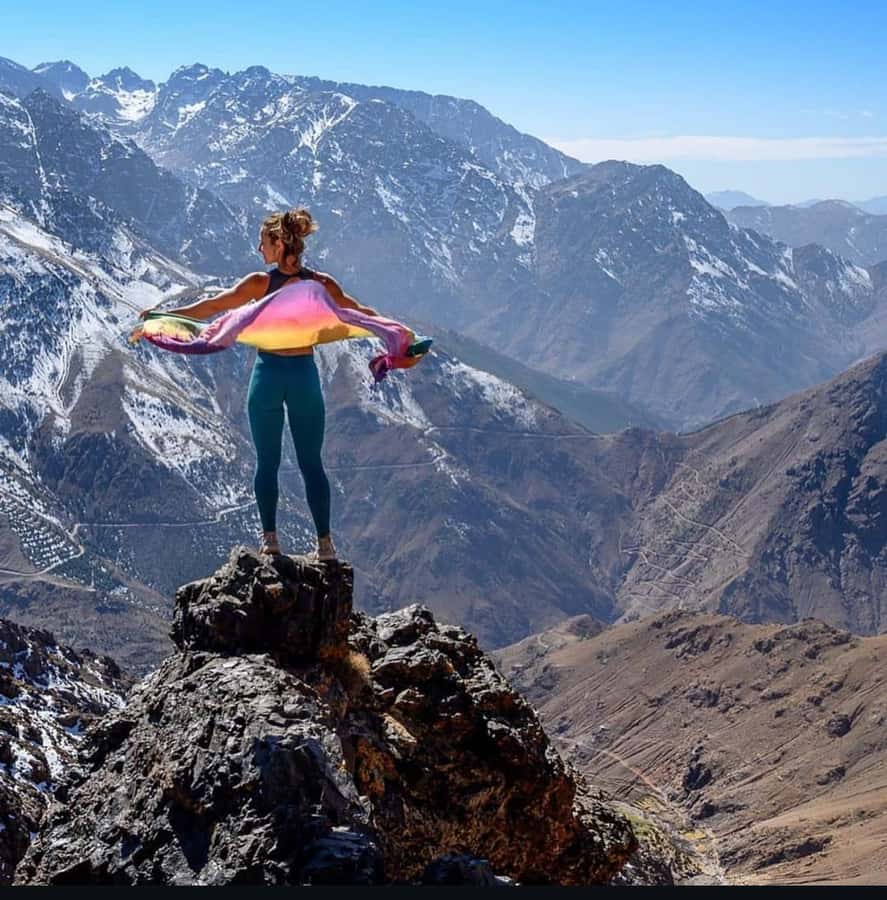
The tour highlights include Toubkal National Park trekking, and in practice that means you’re hiking through a protected mountain zone with trails that locals use. You’ll see how village life connects to the broader park area—valleys where water matters, passes where winds hit, and paths that skirt between ridges.
This itinerary isn’t built as a summit challenge. It’s built as a three-day circuit of passes, villages, and major waterfall scenery. That’s great if your goal is to feel the High Atlas, not just check altitude boxes.
If you want the top-end challenge, you’d add a summit effort like Toubkal itself. But for a first Atlas trek, this plan hits the sweet spot between scenic walking and manageable duration.
Price and value: is $129 fair for what’s included?
At $129 per person for 3 days, the question isn’t just the number. It’s what’s bundled.
You’re getting:
- pickup and drop-off from Marrakech
- transportation to the start area and back
- a guide
- two nights lodging
- food for all 3 days
- water and tea
- mule carry for your bags
The only listed omission is drinks.
In many cases, that’s why this trek feels like good value compared to DIY. If you had to hire a guide, arrange transport, and line up meals and lodging separately, the cost quickly grows. The mule support also saves your energy for the trail instead of turning the trip into a carry-heavy packing exercise.
Who this trek suits best (and who might want a different plan)
This trek is best for hikers who want a challenging but doable mountain experience. Expect rocky paths and high-altitude sections. Shoes with grip are not optional if you want confidence on descents and switchback-like sections.
It’s also a good match if you like cultural contact. The itinerary includes tea in a traditional home and regular village passing. You’re not just walking through scenery; you’re walking through life.
One consideration: the guide mix can vary. If you’re a solo woman traveling and you strongly prefer a female guide, ask ahead. In one documented case, a female guide (Hanan) was assigned and the experience worked well.
Should you book this Atlas trek?
If your goal is a first solid Atlas trek with villages, passes, and the park’s waterfall scenery, I’d book it. The combination of included meals, mule support, and a guide-led route makes it feel like a mountain trip you don’t have to overthink.
If you hate uncertainty, you should still book—but do your prep. Confirm pickup time and meeting point the day before. Pack light and smart. And be realistic about fitness: Day 2’s long walk over a 2500m pass is the day that decides how you feel for the rest of the trek.
FAQ
How long is the trek?
It’s a 3-day trek from Marrakech into the High Atlas and back.
Where does the trek start?
You’ll depart Marrakech around 9am and travel to Imlil for the first walking day. You can meet at the meeting point or be picked up from your hotel.
Is pickup and drop-off included in the price?
Yes. Pick and drop off and transportation to and back from Marrakech are included.
Are meals included?
Yes. The trip includes food for 3 days, plus water and tea.
Are drinks included?
No. Drinks are not included.
Will my luggage be carried for me?
Yes. The trek includes mule carry for your bags.
What does the walking look like each day?
Day 1 is about 4 hours walking in the Imlil valley. Day 2 is about 6 hours over Mzik pass to the Tamsoult waterfalls. Day 3 is about 5 hours walking from Tamsoult toward Matat and Ait Aissa, then back to Marrakech.
What languages do guides speak?
Guides can work in Arabic, French, English, Spanish, German, Dutch, Danish, Greek, Irish, Romanian, Slovak, and others listed by the operator.
How big is the group?
It’s a small group limited to 15 participants.
Is free cancellation available?
Yes. You can cancel up to 24 hours in advance for a full refund.