REVIEW · MARRAKECH
3 Days Desert Tour in Marrakech to Merzouga Dunes and Camel Trek
Book on Viator →Operated by Tour and Travel Morocco · Bookable on Viator
Three days, and the desert changes your pace. This shared tour strings together the best of Morocco between Marrakech mornings and Erg Chebbi camel rides, with UNESCO stops and Berber villages along the way. I like that the itinerary is active but not chaotic, and that you’re sleeping in both a regular hotel and a desert camp.
I also like the practical setup: round-trip transfers by air-conditioned minibus and included dinners/breakfasts mean you don’t have to think about logistics every hour. The one thing to consider is that this is a shared route with set timing, so you’ll move on even when you could linger a bit in a place.
In This Review
- Key highlights at a glance
- A Quick Reality Check on This 3-Day Sahara Route
- Day 1: Marrakech to Tizi-n-Tichka Views, Ait Benhaddou, and Dades Valley
- Over the Tizi-n-Tichka Atlas Pass
- Kasbah Ait Benhaddou (UNESCO) as your anchor stop
- Ouarzazate market stop and the drive through roses and Dades Valley
- Sleeping night 1: Hotel Saghro or similar
- Day 2: Merzouga Road via Todra Gorges, Oasis Villages, and Erg Chebbi
- Todra Gorges and the switch toward Saharan terrain
- Merzouga hotel reset and the small-bag system
- Camel ride: sunset first, then sunrise
- Getting to the camp and settling in
- Day 2 Night: Berber Camp Life Under the Stars
- Day 3: Sunrise Dunes, Shower at Camp, and the Return to Marrakech
- End time around 7:30 pm
- Price and Value: What You’re Actually Paying For
- What Worked Best on This Tour (From Real-World Signals)
- Practical Tips So Your Dunes Night Stays Comfortable
- Should You Book This 3-Day Sahara Tour or Pass?
- FAQ
- What time does the tour start from Marrakech?
- Does the tour include camel rides?
- Where do you sleep during the 3 days?
- Are meals included?
- Is a guide included at Ait Benhaddou?
- How many people are on the tour?
Key highlights at a glance
- Early 7:00 am departure from your Marrakech hotel/riad keeps the day efficient
- UNESCO Ait Benhaddou is worked into the day with time to visit
- Todra Gorges and Tafilalet oasis route add variety before Merzouga
- Sunset and sunrise camel ride (one camel each) is a true desert moment
- Hotel + Berber camp contrast lets you experience two different sleeping styles
- Driver support matters; Nourreddine was singled out for answering questions and helping out
A Quick Reality Check on This 3-Day Sahara Route
If you’re going to do the Sahara from Marrakech, you need a plan that gets you out fast and keeps the days moving. This tour runs exactly that kind of rhythm: long drives punctuated by worthwhile stops, then the dunes at the center of it all.
You’ll start around 7:00 am, cross the High Atlas on the way to big sights like Ait Benhaddou, and then spend Day 2 and Day 3 focused on Merzouga and Erg Chebbi. The group size can be up to 100, so yes, you’ll likely be sharing the experience and the timing with other people.
The upside is value. For $105.02 per person, you’re paying for transportation, two nights of lodging (hotel and camp), and the main desert activity—camels—without having to book everything separately. Lunch is not included, but the meals you do get (two breakfasts and two dinners) help balance the cost.
You can also read our reviews of more hiking tours in Marrakech
Day 1: Marrakech to Tizi-n-Tichka Views, Ait Benhaddou, and Dades Valley
Day 1 is about getting out of the city quickly and switching on that Morocco road-trip feeling. Pickup happens from your hotel or riad in Marrakech, then the minibus heads toward the High Atlas.
Over the Tizi-n-Tichka Atlas Pass
The ride includes the Tizi-n-Tichka Atlas Pass. This is one of those stretches where the scenery changes constantly, and you get far-reaching views across mountains. If you’ve only seen Morocco from city streets, this is your first real taste of altitude and scale.
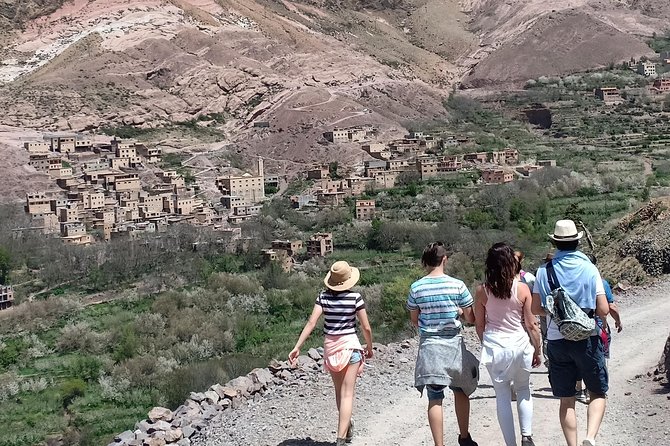
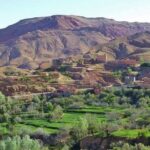
As the road climbs, you’ll pass through traditional High Atlas Berber villages, which helps break up the drive. Even if you don’t stop for long, it gives context for where the region’s people live and how the land shapes travel.
Kasbah Ait Benhaddou (UNESCO) as your anchor stop
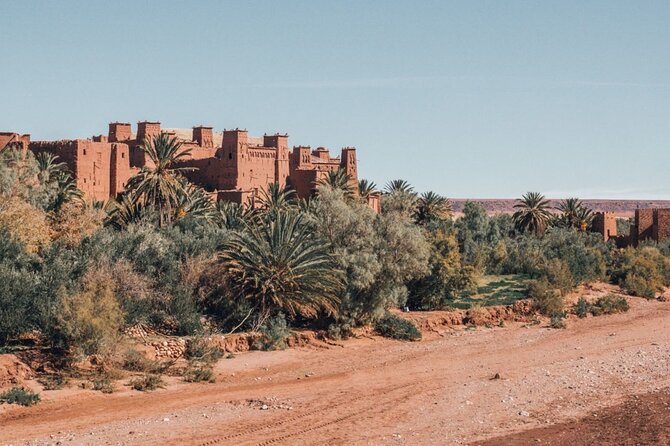
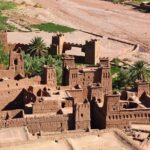
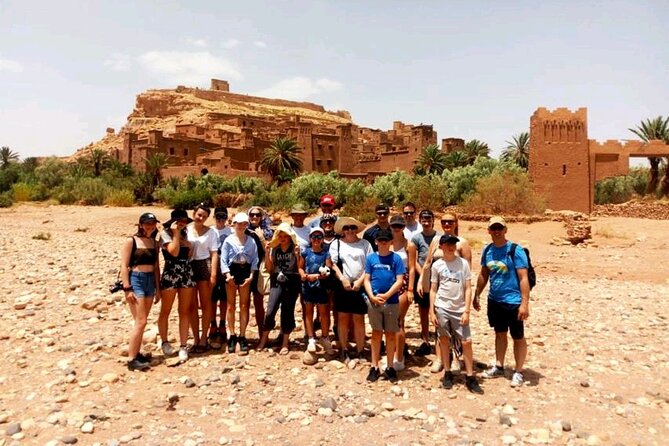
Then comes Kasbah Ait Benhaddou, a UNESCO World Heritage site. This is the big visual payoff of Day 1. The kasbah is the kind of place you can see from a distance and still feel like you need time to understand—mud-brick walls, old pathways, and the sense that the architecture was built for defense and climate.
Lunch is included after visiting Ait Benhaddou. And if you want more detail, there is an optional local guide available for about €2 per person.
One practical note: Ait Benhaddou is scenic, but it’s also a busy stop in a route like this. Wear shoes you don’t mind getting dusty, and don’t plan on every photo being a quiet moment.
Ouarzazate market stop and the drive through roses and Dades Valley
After lunch, there’s a stop in a supermarket in Ouarzazate. This is handy for grabbing water, snacks, or anything you forgot for the next day.
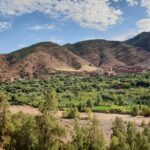
Then you continue toward Tinghir, going through the Dades Valley area. The route includes the stretch described as roads through roses and valley scenery—good for a change of pace before you settle in for the night.
A few more Marrakech tours and experiences worth a look
Sleeping night 1: Hotel Saghro or similar
You’ll spend the night in a hotel such as Hotel Saghro or similar, with breakfast and dinner included. The key comfort point: these rooms have toilets and showers inside, which matters because Day 2 involves a camp style setup.
If you’re deciding what to pack, Day 1 is a good time to keep your “desert-ready” stuff separate so you’re not scrambling later.
Day 2: Merzouga Road via Todra Gorges, Oasis Villages, and Erg Chebbi
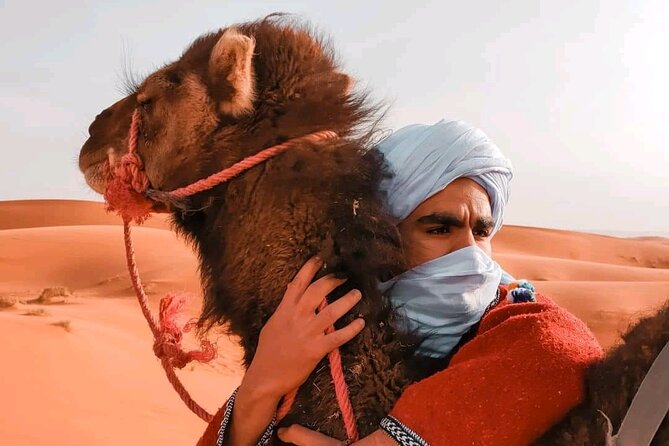
Day 2 starts after breakfast and turns into the approach toward Merzouga. This is not just a drive to the dunes; the route is designed to add stops that feel different from the Atlas pass of Day 1.
Todra Gorges and the switch toward Saharan terrain
You’ll pass through Todra Gorges and then continue along the way through oasis areas and towns like Tinjdad, Jorf, and Erfoud.
As you travel, you’ll feel the beginning of the Saharan oasis of Tafilalet. Even without a long explanation stop, the change in the environment is real—less mountain-road feeling and more of that desert-edge vibe.
Merzouga hotel reset and the small-bag system
When you arrive in Merzouga, you’ll have a hotel stay for a bit of downtime. Then you do something that’s smart and common for this kind of desert night: you take a small bag with your overnight needs, and leave the rest at the hotel.
This matters because it keeps you from hauling everything on the camel. It also reduces the stress of organizing your stuff around the ride and camp.
Camel ride: sunset first, then sunrise
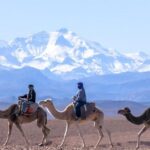
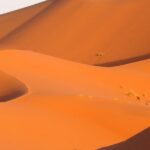
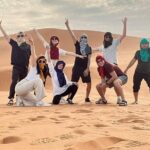
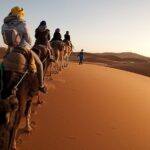
After that reset, it’s time for the camel ride across the Erg Chebbi sand dunes.
The tour runs the camel ride around sunset for the first ride, with another chance around sunrise on Day 3. If you’ve never ridden across the dunes before, it’s one of those experiences where the timing is everything—sunlight shifts fast, and the colors on the sand change as the day moves.
Each person gets one camel, so you’re not forced into tiny compromises or awkward shared arrangements.
Getting to the camp and settling in
Once you reach the camp area, you leave the camels and walk to the camp. The exact pacing and how long the walk is can vary by camp logistics, but the overall idea is consistent: you transition from riding to the slower rhythm of the camp.
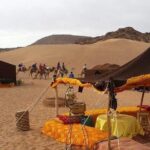
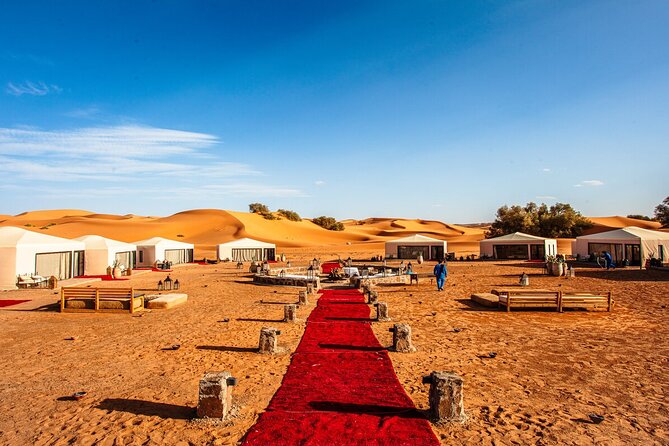
You’ll sleep at the Berber camp for the night with breakfast and dinner included, and the vibe is exactly what people hope for when they picture Erg Chebbi: night outside, stars overhead, and a change from hotel life.
And yes, expect a different bathroom setup: toilets are outside, while showers are available in the lodge. It’s not a deal-breaker, but it’s good to know before you arrive so you can plan for a “camp mindset.”
Day 2 Night: Berber Camp Life Under the Stars
The night is where this tour stops being a bus schedule and becomes an atmosphere.
You’re in the desert, so bring expectations that are realistic. It can be cooler at night than you expect, even if the day felt warm. That’s not a guess pulled out of thin air—it’s desert basics. So layer up for comfort, and keep something warm accessible for after dinner.
Meals are included, and that’s part of the value. It means you can focus on the camp experience rather than hunting for food and trying to coordinate with everyone’s timing.
Also, this kind of camp night is where the shared format can help. The tour gives you a built-in chance to make new friends since everyone arrives on a similar schedule and shares the camel-to-camp transition.
Day 3: Sunrise Dunes, Shower at Camp, and the Return to Marrakech
Day 3 begins with sunrise in the dunes. That’s the payoff of the whole camel plan: you don’t just visit the desert once—you get to see it as morning arrives.
You ride back to Merzouga afterward, then enjoy breakfast. A shower at the camp is included before you start the long drive back.
Then the return route follows a similar path: Berber villages, and then the drive toward Ouarzazate before continuing on to Marrakech.
End time around 7:30 pm
The shared tour finishes in the afternoon/evening, with drop-off at your hotel or the nearest accessible point to your riad, and the return time is listed around 7:30 PM.
It’s a full-circle day. You’ll probably feel the riding the day before in your body, but the morning dunes tend to make up for it fast.
Price and Value: What You’re Actually Paying For
At $105.02 per person, this price looks low enough to raise eyebrows. But when you look at what’s included, it makes more sense.
You get:
- Air-conditioned minibus transport and fuel included
- Two accommodations: hotel with in-room facilities and a desert camp
- Two dinners and two breakfasts
- Camel ride at sunset and sunrise (one camel each)
- Tips/gratuities included
The main “extra” is obvious: lunch is not included, and a local guide inside Ait Benhaddou is optional (about €2 per person). That’s it. Everything else is already built into the tour.
So the real question isn’t just the number. It’s whether you want someone to do the heavy lifting: driving, timing, lodging, camel organization, and meals. For a 3-day window, that’s often the difference between seeing the Sahara and just thinking about it.
If you’re trying to cut costs, you’ll still want to budget for lunch and a few small purchases, like water or snacks from the supermarket stop in Ouarzazate.
What Worked Best on This Tour (From Real-World Signals)
The best part of this trip is the way it balances big sights with actual desert time. The UNESCO kasbah stops you up for something historical-looking, and then the dunes deliver the sensation you came for.
Also, the group structure helps. People tend to remember the logistics when they work, and this tour is designed to keep you moving without constant repacking. The hotel night with indoor showers is a smart staging point. It helps you recover before the desert camp night.
And one detail worth taking seriously: the driver experience. In at least one account, Nourreddine was highlighted as the best part of the trip, specifically for answering questions and being helpful. Good drivers make long days easier, especially when you’re dealing with early starts and winding roads.
Practical Tips So Your Dunes Night Stays Comfortable
A few things to think about before you go, since the tour includes a camp setup and camel rides.
- Pack a separate small overnight bag you won’t regret carrying. Keep essentials easy to grab.
- Wear shoes you don’t mind in dust. Desert mornings mean the ground can be gritty.
- Bring a layer. Even if daytime feels warm, the desert night can feel cooler once you’re out of the sun.
- For Ait Benhaddou, if you care about the details, consider the optional local guide. It’s inexpensive and can help you read the place faster.
- Plan for lunch not being included. The supermarket stop in Ouarzazate can help, so don’t wait until you’re hungry to figure it out.
If you do these simple things, you’ll spend more time enjoying and less time solving problems.
Should You Book This 3-Day Sahara Tour or Pass?
Book it if you want:
- A guided, low-friction way to reach Merzouga from Marrakech
- Sunset and sunrise camel time, not just a quick photo stop
- A split stay: hotel comfort first, desert camp night after
- Included meals that reduce extra planning
Consider another style if you:
- Hate fixed schedules and wish you could linger longer at each stop
- Prefer private transport where timing is fully adjustable
- Want lunch fully included without any extra budgeting
For most people, this is a strong value bet because it bundles the big pieces—transport, lodging, meals, and camels—into one price. And if your priority is actually reaching Erg Chebbi and doing it the classic way, the structure here supports that goal.
FAQ
What time does the tour start from Marrakech?
It starts at 7:00 am with pickup from the Marrakech hotel/riad area. The meeting point is Hôtel Restaurant Café de France near Jamaa el-fnna.
Does the tour include camel rides?
Yes. You get a camel ride on Day 2 for sunset and then Day 3 for sunrise, with one camel each.
Where do you sleep during the 3 days?
You sleep one night in a hotel (toilets and showers inside rooms) and one night in a Berber desert camp (toilets outside, showers in the lodge).
Are meals included?
Yes. The tour includes two breakfasts and two dinners. Lunch is not included.
Is a guide included at Ait Benhaddou?
A local guide at Kasbah Ait Benhaddou is not included, but it’s available for an extra charge of about €2 per person.
How many people are on the tour?
This is a shared tour with a maximum of 100 travelers.