REVIEW · MARRAKECH
3 Days Desert Tour From Marrakech To Merzouga Dunes & Camel Trek
Book on Viator →Operated by morocco trip ismail · Bookable on Viator
Sand dunes and kasbahs, in three days. This is a fast, scenic run from Marrakech into the southern Sahara, with a UNESCO stop, Berber villages along the way, and a real camel trek to a desert camp. I like how the route strings together big-name places and lived-in moments, plus the payoff of a night under Berber tents with drums around the fire.
One thing to consider: the days are long and packed, and lunches aren’t included, so you’ll want to plan for meals and breaks during the drive.
In This Review
- Key Highlights at a Glance
- What You Get in This Marrakech to Merzouga 3-Day Circuit
- Day 1: Marrakech to Ait Benhaddou, Ouarzazate, and Dades Valley
- Day 2: Dades Gorges, Tinghir Oasis, Rissani Dates, and Erg Chebbi Dunes
- Desert Camp Night in Merzouga: Drums, Stars, and Sandboarding
- Day 3: Sunrise in the Sahara, Camel Ride Back, and Arrival in Marrakech
- Price and Value: Is $110 a Fair Deal for This Route?
- Who This Tour Fits Best (and Who Should Skip It)
- Practical Tips That Will Make the Trip Smoother
- Should You Book This Marrakech to Merzouga Tour?
- FAQ
- How long is the Marrakech to Merzouga desert tour?
- Where do I meet for the tour?
- What’s included in the price?
- Are lunches included?
- What’s the maximum group size?
- What happens if the weather is poor?
Key Highlights at a Glance
- High Atlas + Tizi-n-Tichka pass views: big mountain scenery that turns the trip into more than just a transfer.
- Ait Benhaddou UNESCO kasbah: a cinematic-style stop at a world heritage site you’ll recognize from film sets.
- Dades Valley and the road of 1001 kasbahs: steady roadside “wow” as you cross varied regions.
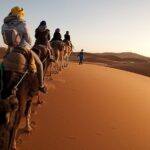
- Erg Chebbi camel trek: a proper sand crossing to the desert camp, not just a quick ride.
- Merzouga evening with Berber drums: campfire music and a night in Berber tents under the stars.
What You Get in This Marrakech to Merzouga 3-Day Circuit
This tour is built for people who want the Sahara without committing to a week. You’ll leave Marrakech, cross the High Atlas, sleep at least one night in normal lodging before the desert, then switch gears to a camel trek and a night in a desert camp near Merzouga.
The core experience is a mix of scenery, culture, and activity. You’ll see classic Moroccan stops like Ait Benhaddou and the Tinghir area, then reach the Erg Chebbi dunes for camel time, sandboarding (included in the overall tour features), and that unforgettable evening around the campfire.
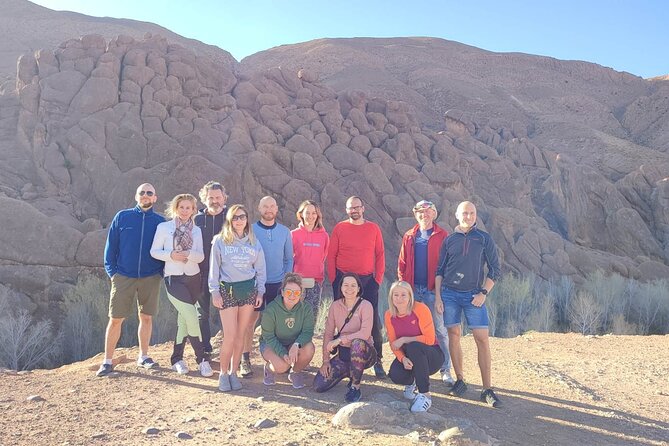
Group size stays limited, with a maximum of 17 travelers. It’s a shared trip, so the pace and timing follow the group, but smaller groups usually feel easier to manage when you’re moving between villages, viewpoints, and hotels.
You can also read our reviews of more hiking tours in Marrakech
Day 1: Marrakech to Ait Benhaddou, Ouarzazate, and Dades Valley
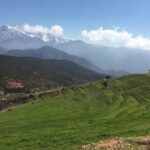
Day 1 is your “get oriented” day—big drives, major sights, and a gradual shift from city Morocco toward mountain terrain and kasbah country. You depart Marrakech in the morning, heading toward the High Atlas and the Tizi-n-Tichka pass.
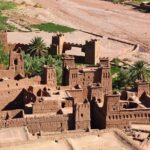
A main reason to love this day is the stop at Ait Benhaddou Kasbah, a UNESCO site known for movie scenes. Even if you’ve never seen Gladiator, you’ll still appreciate the stacked mud-brick structure and the way it sits in the valley like it belongs to the landscape. The tour includes time to visit, and it’s the kind of place that feels best at human walking speed instead of a quick bus pass.
You also pass through Ouarzazate, with lunch at a restaurant overlooking the kasbah area. After that, the route continues through the Valley of Roses and toward Boumalne Dades, then you finish the day with dinner and an overnight hotel stay.
What to watch for on Day 1
This is a driving-heavy day. If you’re sensitive to long van rides, bring water, snacks, and a little patience for Morocco’s road timing. Also note that lunches aren’t included, even though lunch is mentioned during the day.
Day 2: Dades Gorges, Tinghir Oasis, Rissani Dates, and Erg Chebbi Dunes
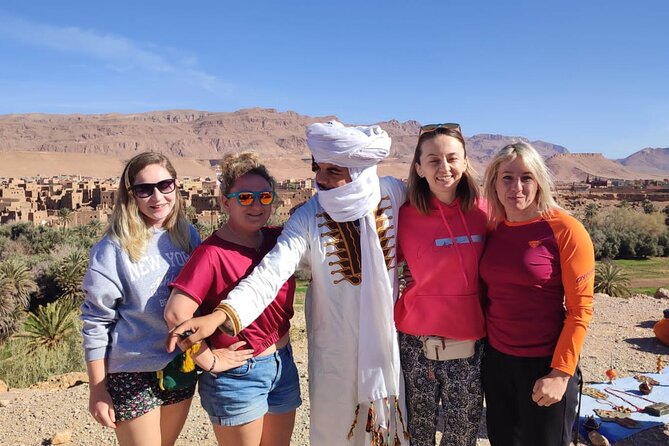
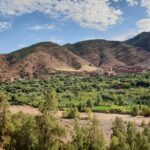
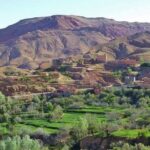
Day 2 is where the tour starts feeling like a journey instead of a checklist. After breakfast, you head across the road of 1001 kasbahs, moving toward the Oasis of Tinghir and getting picture-worthy views along the way.
Then you connect to Rissani, described as the biggest date market in the country. You’re not going there just for a quick look either; the market stop helps explain the region’s rhythm and food culture, and it’s a good reminder that the Sahara isn’t just dunes—it’s also trade routes and local life.
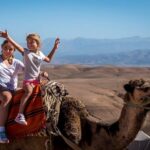
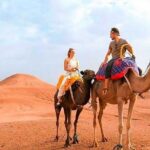
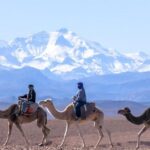
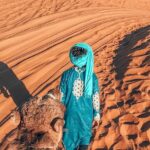
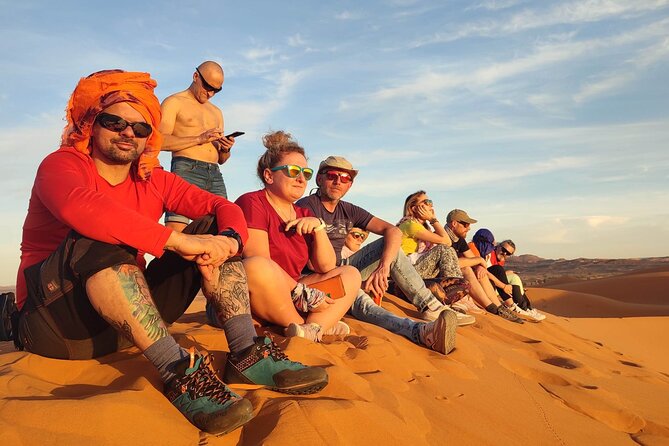
From Rissani, you drive to the edge of Erg Chebbi dunes in Merzouga. This is the moment the trip changes from road travel to sand travel. Your camels are waiting, and you begin the trek through the dunes to reach the desert camp.
The trek isn’t described as all-day marathon time. You’ll ride and hike through the sand to get to camp, then you settle in for dinner, Berber drum music around the campfire, and your night under the stars in Berber tents.
What’s great about Day 2
I love how Day 2 mixes human stops with the desert finale. The market and oasis give context, so Merzouga feels earned when you arrive, not like you popped out of a van and landed in a theme park.
Possible drawback
Again, lunch isn’t included, and you’ll want cash for water and whatever snacks you prefer. Also, you’ll be spending a full day outdoors—plan for sun, and expect sand that sticks to everything.
Desert Camp Night in Merzouga: Drums, Stars, and Sandboarding
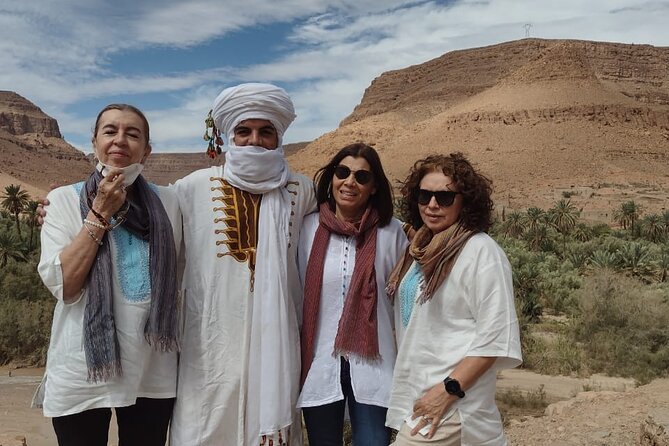
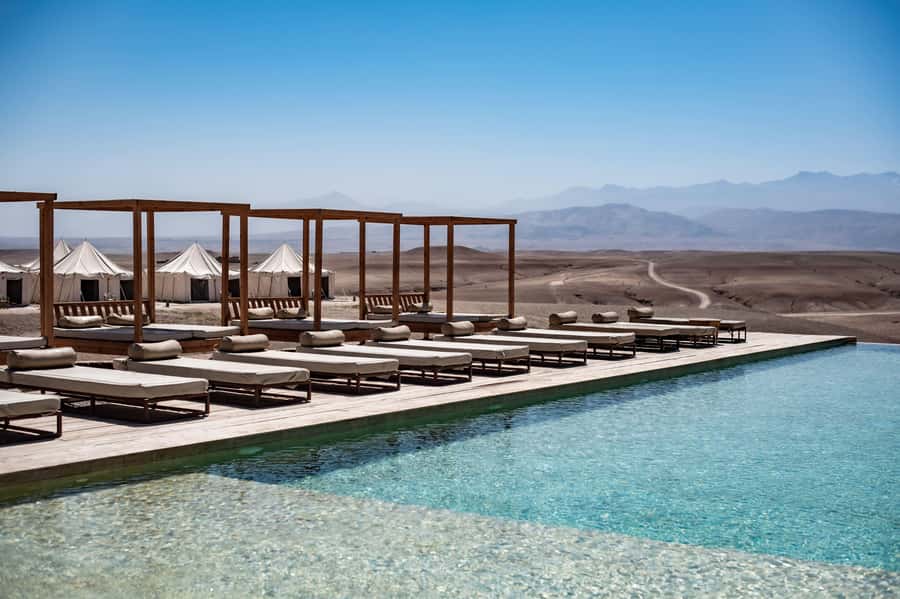
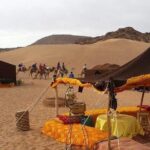
The desert camp portion is the main payoff of the whole tour, and you can feel it in the way the timing is built. Once you reach camp, you get dinner and a cultural evening with drums and Berber music around the fire.
This is also where many people remember the “small moments.” In the experiences shared, guides and drivers connected the evening to star-watching time, and one of the big compliments is how guides keep the atmosphere fun while still sharing Berber culture and history. If you end up with the guide style described in those accounts, expect more than silence and photos—you’ll likely get stories, guidance, and conversation.
The overall tour features also include sandboarding in the Merzouga desert. Even if you’re not a thrill-chaser, it’s a great way to understand the dunes beyond standing still and taking pictures. Since equipment details aren’t specified, I’d treat sandboarding as something you’ll do during your Merzouga activity window and confirm on the day whether boards and timing are organized right there.
What the night is likely like
You’ll be sleeping in Berber tents and you’ll get a clear view of the sky. The tour explicitly notes sleeping under the stars, and that matches what people find most memorable. Expect simple desert-camp comfort, not hotel luxury.
Bring for comfort
Pack layers. Even in desert regions, nights can feel cooler than the day. A hat, sunglasses, and a way to cover your mouth from dust will make the camp evening more comfortable.
Day 3: Sunrise in the Sahara, Camel Ride Back, and Arrival in Marrakech
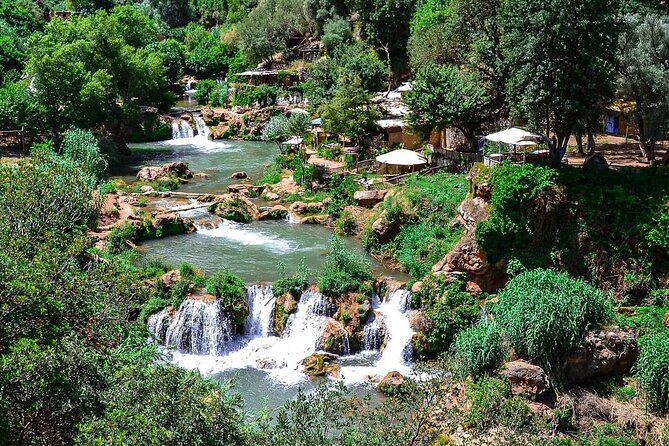
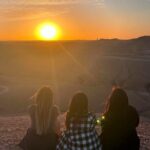
Day 3 starts early to catch the desert sunrise. You’ll wake up to the sunrise moment, then have breakfast at the camp.
Then comes the return to the road: you mount your camels again for about an hour and a half before meeting your driver. After that, it’s a long drive back toward Marrakech, with the day running roughly 9 hours.
This day is simple, but it’s not short. If you hate early starts, this part will challenge you. The upside is that the sunrise window is one of the only times people slow down in the desert. You’re leaving with a sunrise memory, not just a daytime photo.
My practical advice for Day 3
Plan for tired legs. Even if the camel trek isn’t described as extremely long, you’ll still use different muscles in sand than you do on city streets. If you’re prone to motion sickness, consider bringing something before the long ride.
A few more Marrakech tours and experiences worth a look
Price and Value: Is $110 a Fair Deal for This Route?
At $110 per person, the value depends on what you compare it to. If you’re considering doing this on your own, you’re paying for a lot of real logistics: transport from Marrakech, multiple major stops across regions, two included breakfasts and two included dinners, camel trekking, sandboarding, and the camp night.
Even without obsessing over every line item, the price looks fair if you want the entire arc: High Atlas passes, a UNESCO kasbah, Dades/Ouarzazate region scenery, then Erg Chebbi dunes with an actual overnight camp experience.
What you should watch is what’s not covered. Lunches aren’t included, and bottled water also isn’t included. That’s normal for shared tours in Morocco, but it means your day budget should include at least a bit of spending along the way. If you plan your own lunches ahead of time, you’ll keep the budget under control.
Group size (up to 17) also matters. Smaller groups usually feel easier when you’re switching between viewpoints and waiting for the next pickup.
Who This Tour Fits Best (and Who Should Skip It)
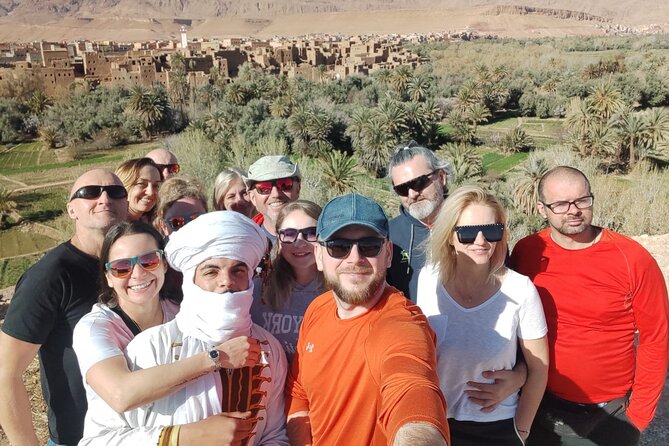
This is a strong fit if you want a classic route from Marrakech to the Sahara with a camel trek and a desert night. It also helps if you like learning through real conversation. In the best feedback, the guide/driver is praised for being present, careful with safety, and engaged—one person even noted star-watching time, which can make the desert evening feel personal.
It also suits people with moderate physical fitness. The camel trek includes time walking through dunes, but it’s not described as an extreme endurance event. Still, sand is tricky, so if you have mobility limits, you should think carefully.
This may be less ideal if you hate long drives. The itinerary has full road days, including a return day that’s around nine hours. If your dream is more time in the desert and less time in transit, you may prefer a longer itinerary with fewer stops.
Practical Tips That Will Make the Trip Smoother
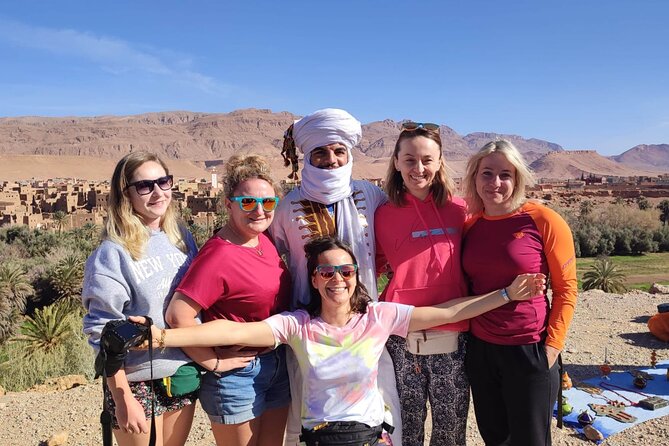
Here’s what I’d do before you go, based on how this tour runs in real time.
- Start early mentally: you’ll be traveling in the morning and moving through multiple regions in one day.
- Double-check exact pickup timing: the meeting point lists 9:30 am, while the first day’s departure is scheduled at 7:30 am. When you confirm your booking, ask for the exact pickup time so you’re not stuck guessing.
- Budget for lunches and water: lunches aren’t included, and bottled water isn’t included.
- Pack for sun and sand: sunglasses, a hat, and something to protect your mouth from dust help more than you’d think.
- Bring cash for small purchases: markets and stops along the route often lead to little buys.
- Expect simple desert lodging: you’re sleeping in Berber tents, so pack like you’re camping rather than hotel-hopping.
If you’re hoping to chat with your guide, be open. In the feedback, language and storytelling were a big part of the experience. If you speak Spanish, you might find the explanations and stories come through nicely, based on how guides were described.
Should You Book This Marrakech to Merzouga Tour?
I’d book this tour if your goal is the full Marrakech-to-Merzouga desert arc: Ait Benhaddou, mountain driving via Tizi-n-Tichka, scenery in Dades/Tinghir, then a real Erg Chebbi camel trek with an overnight camp.
I’d think twice if you’re very sensitive to early mornings and long van days. This is a tight, efficient route, not a slow, restful retreat. Also plan your budget for lunches and water, since those aren’t included.
If you want your desert night to feel cultural (drums, campfire, Berber tents) and not just scenic (photos only), this is the kind of tour that tends to deliver.
FAQ
How long is the Marrakech to Merzouga desert tour?
The tour runs about 3 days.
Where do I meet for the tour?
You meet at Café de France, 72 Rue des Banques, Marrakech 40000, Morocco.
What’s included in the price?
Dinner is included for 2 nights, and breakfast is included for 2 mornings.
Are lunches included?
No. Lunches are not included.
What’s the maximum group size?
The tour has a maximum of 17 travelers.
What happens if the weather is poor?
This experience requires good weather. If it’s canceled due to poor weather, you’ll be offered a different date or a full refund.