REVIEW · MARRAKESH
3 Days Desert Tour from Fez to Marrakech via Merzouga
Book on GetYourGuide →Operated by El ouarti voyagistes et-Tourisme · Bookable on GetYourGuide
A long drive? Yes. A long day? Usually. But this Fez to Marrakech desert route feels fun because it mixes Moroccan cities, dramatic desert dunes in Merzouga, and UNESCO stops on the back road to Marrakech. I like how the experience is built around real highlights: a camel trek at sunset and an overnight night where the sky actually takes over.
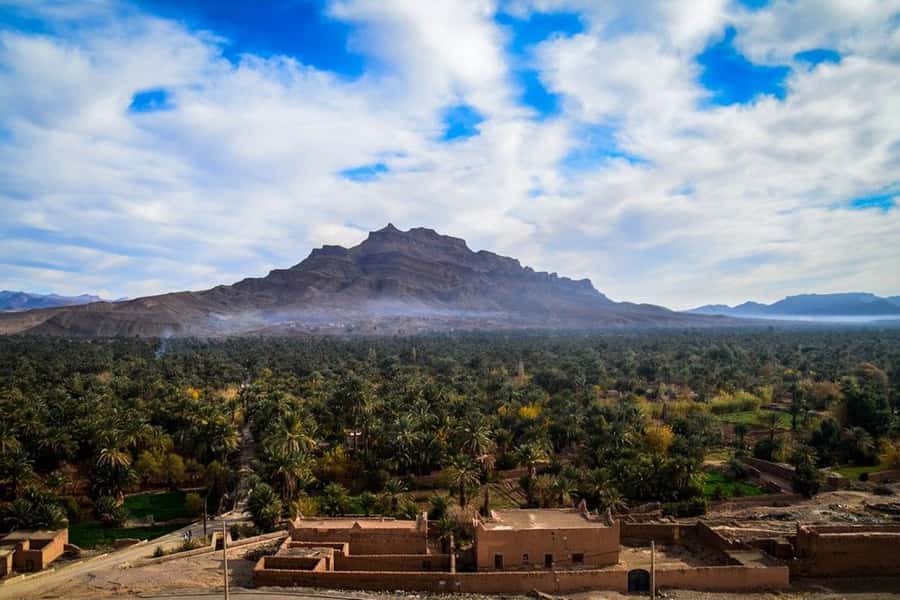
I also really like the way the trip threads together Morocco’s mood changes, from cedar forests and a monkey break near Ifrane, through Ziz Valley, to kasbah country and then toward the Atlas views. The biggest consideration is that you’re covering distance each day, so you’ll want a comfortable mindset and a little patience for the road.
In This Review
- Key Highlights Worth Planning For
- Day 1 from Fez to Merzouga: cedar forests, Ziz Valley, and a sunset camel ride
- The Merzouga camel trek and Berber camp night: the stars are the point
- Day 2 in Merzouga: sunrise dunes, Rissani culture, and the drive toward Ouarzazate
- Todra Gorges, Dades Valley, and Skoura: where the road slows down
- Day 3 from Ouarzazate to Marrakech: Ait Benhaddou, Tizi n’Tichka, and Atlas views
- Price and value: why this can feel worth it at $170
- Transportation comfort and the pacing that keeps it enjoyable
- Shopping stops: rose water, carpets, and how not to get pushed
- Who this Fez to Marrakech Sahara tour is best for
- Should you book this 3-day Fez to Marrakech Sahara tour?
- FAQ
- What is the duration of the Fez to Marrakech Sahara tour via Merzouga?
- What’s included in the price?
- Are lunches included?
- Are camel rides included?
- Which UNESCO World Heritage sites are visited?
- Do I need cash for water at the desert camp?
- What languages will the driver speak?
- Is pickup included, and when should I be ready?
Key Highlights Worth Planning For
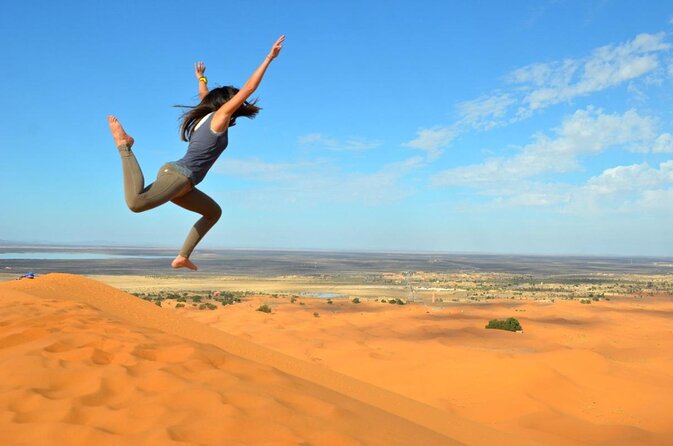
- Camel rides at both sunset and sunrise with Merzouga dunes as the main stage
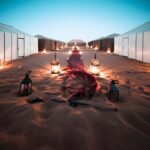
- Luxury-style desert camp night with dinner and a real break from hotels
- UNESCO focus on Ait Benhaddou (plus Ouarzazate as listed)
- Big culture stops like Todra Gorges and Moulay Ali Sherif’s tomb area
- Rose-water culture in Kelaat Mgouna if you’re traveling near May (festival timing can matter)
Day 1 from Fez to Merzouga: cedar forests, Ziz Valley, and a sunset camel ride
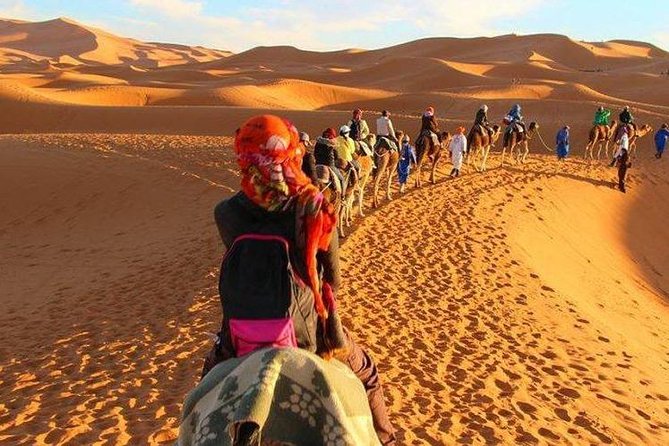
Day one starts early, around 07:30, and that’s your first clue about the pacing: you’ll be on the move, with stops that keep the journey interesting. You’re not just driving straight to the desert. You’re getting Morocco in chunks, which helps the long-distance feel less like a chore.
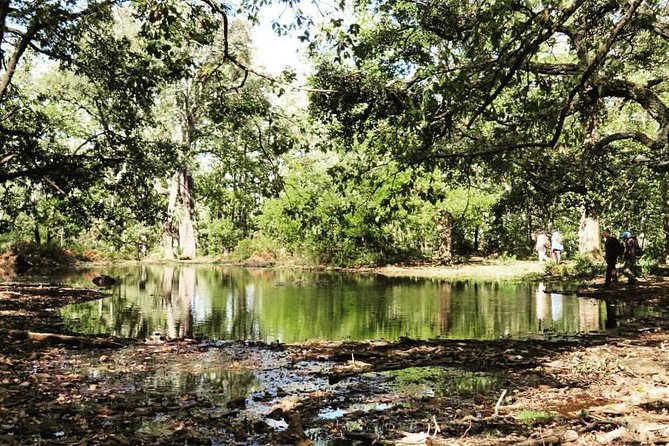
You’ll first reach Ifrane, famous for its alpine-style look and cedar forests in Morocco’s Middle Atlas region. One stop here is to watch for the Barbary monkeys—and yes, that also means you should keep things calm and follow your driver’s lead so you don’t end up with random chaos near the animals.
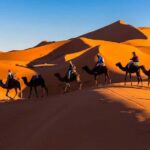
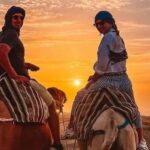
Next comes Midelt for lunch (lunch is not included, so budget for it). Then you continue through the Ziz Valley, a green-to-dry transition corridor that makes the approach to the desert feel earned. Finally, you arrive in Merzouga, drop luggage, and shift gears fast: camels are waiting for you for about a 45-minute trek.
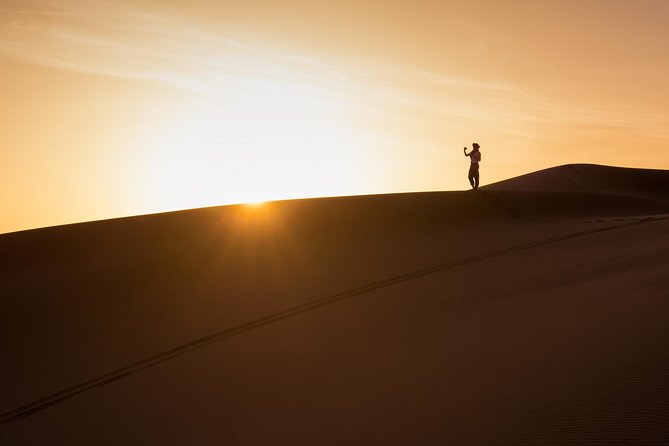
That sunset ride is the emotional payoff of day one. You get out of the “tour van rhythm,” and you’re suddenly walking to music you can’t really find anywhere else—wind, sand, and the quiet that comes right before night.
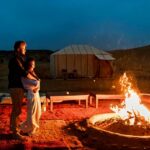
At the end of the trek, you reach the Berber camp area for dinner and a Berber folklore show. You sleep under the stars, and your day closes with that classic Sahara feeling: the world gets very wide.
A few more Marrakesh tours and experiences worth a look
The Merzouga camel trek and Berber camp night: the stars are the point
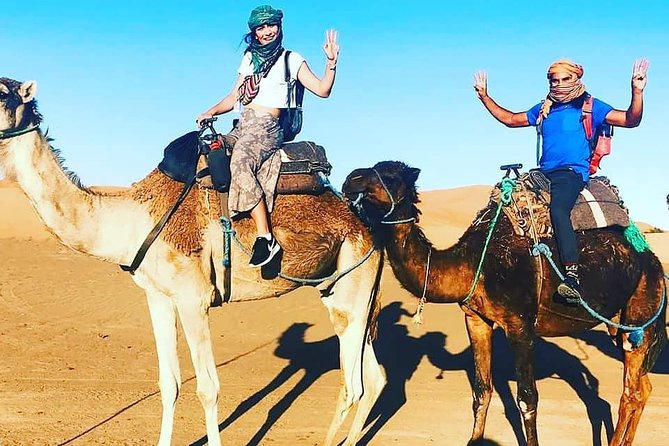
The included experience isn’t just a photo moment. The design is simple: camel ride at sunset, camp dinner, sleep in the desert, then sunrise camel ride the next morning. That’s a lot more satisfying than doing a quick “see the dunes, leave” stop.
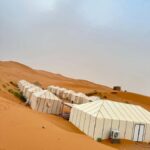
In camp, you’ll have dinner and breakfast included, and you can expect the desert version of comfort rather than a city hotel. One detail that matters for your expectations: dinner and breakfast are described as simple but good, and the campset-up can include practical creature comforts like private bathrooms in the tents (at least in the style experienced on this route).
Also plan around the reality that you’re far from shops. The tour says water at the camp is not included, so bring what you need for the night. If you like staying hydrated while walking around the dunes, this is one of those small planning steps that saves frustration.
Folklore at the camp can be fun, but keep it grounded: think of it as part story, part performance, and part chance to slow down. If you’re the type who wants quiet time, you can still get it after dinner—just don’t schedule “too many big feelings” right after the sunset ride. Your body is doing work.
Day 2 in Merzouga: sunrise dunes, Rissani culture, and the drive toward Ouarzazate
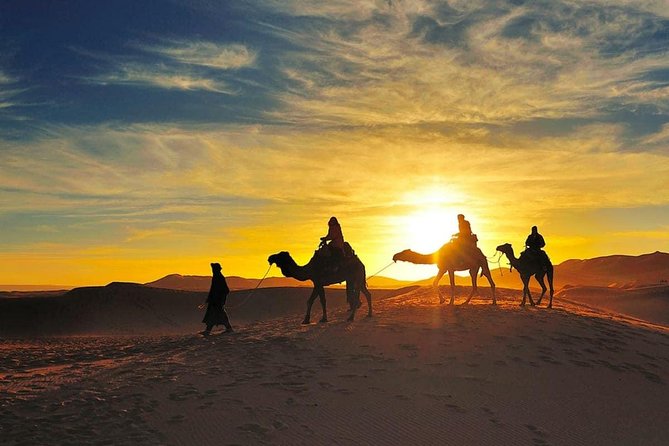
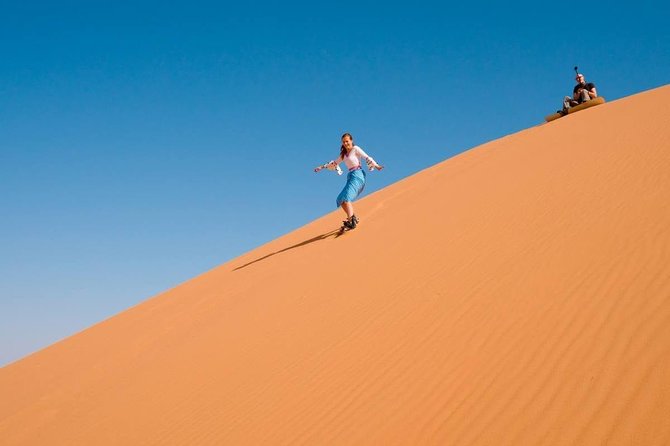
Day two begins with that classic Sahara move: sunrise over the sand dunes. You’ll have breakfast and shower back at the hotel/riad after the morning camel experience. This is one of the smart parts of the schedule because it gives you a clean reset before you tackle the day’s driving.
Then you leave Merzouga and head toward Rissani. Here, the focus is on kasbah and old palace vibes, plus a cultural stop connected to the tomb of Moulay Ali Sherif. This is one of those stops that helps you understand that the Sahara isn’t just sand and scenery. It’s also families, history, and religious tradition woven into daily life.
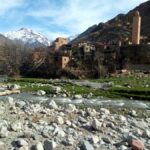
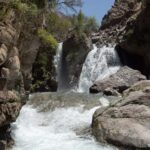
From there, the route continues toward Tinghir and into Todra Gorges. Todra is one of Morocco’s dramatic “stand back and look” places—rock walls, narrow canyons, and a sense of scale that makes you stop talking for a minute. There’s also time in the valley to learn about local culture and the way people manage life in the tribal setting.
Lunch is included only where the day says it is. In the provided flow, lunch is during the Todra valley stop, but you should still assume meal pricing can vary by location and group handling. When you’re on a desert route, food moments can be either straightforward or slightly pricey depending on where you stop.
After Todra, you move on toward Dades Valley and then Skoura, where the trip keeps the scenery shifting before it reaches Ouarzazate. You finish the day with hotel/riad dinner and overnight in Ouarzazate.
If you want a more local flavor, one stop on the way is Kelaat Mgouna, a Berber town known for celebrating roses (and rose-water products made from the rose used for face and body) with a festival typically held in May. Even if you’re not traveling in May, you’ll likely see rose-related shops and products if the timing lines up.
Todra Gorges, Dades Valley, and Skoura: where the road slows down
If day one is about “getting there,” day two is about “feeling Morocco on the way.” Todra Gorges is the physical highlight, but the real value is how the stops give you context, not just viewpoints.
In Todra, you’re not only looking up at rock. You’re getting a sense of how a tribal chief/sheik figure helps manage community life—at least at a general level. That kind of explanation changes how you see the buildings and patterns around you.
In the Dades Valley and Skoura stretch, the driving brings more of that travel rhythm: short stops, quick photos, and a slower feel when the scenery asks for it. It’s also where you benefit from having a driver who can explain what you’re seeing without turning it into a lecture.
On this route, the driver quality really matters. From past experiences on this tour, you may end up with drivers like Pedro, Mounir, Aziz, or Ismail, and the best ones do two things well: they manage timing for desert light, and they help you read what’s around you.
Day 3 from Ouarzazate to Marrakech: Ait Benhaddou, Tizi n’Tichka, and Atlas views
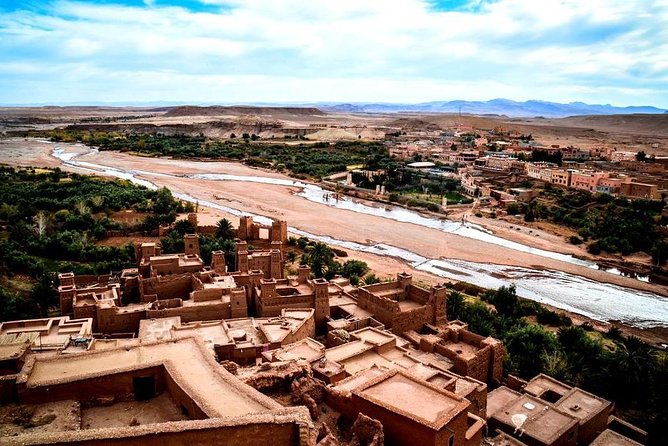
After breakfast, you head toward Marrakech and the Sahara story ends in a very Moroccan way: you shift from sand and gorges to kasbahs and high passes. One of the biggest wins on day three is Ait Benhaddou, listed as a UNESCO site and widely known for its kasbah architecture and film history.
You’ll likely stop where the scenery and the kasbah can both be seen clearly, which matters for photos. And because this location has appeared in movies, it’s a stop where you may recognize the look instantly even if you didn’t memorize details before arriving.
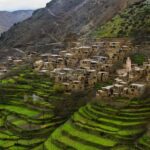
The route then heads over Tizi n’Tichka Pass in the High Atlas. This is the “look around” portion of the trip. You’ll pass through mountain scenery with short stops for air and views, plus chances to see Berber villages along the way. If you like driving roads with big viewpoints, this is where your camera gets used.
Lunch is scheduled around the Tizi n’Tichka area. After that, you continue down into Marrakech for your transfer to your hotel/riad, ending the 3 days.

Price and value: why this can feel worth it at $170
At $170 per person for 3 days, the value depends on what you’d otherwise pay if you booked pieces separately.
This price includes comfortable A/C transportation, a professional driver who speaks English/French/Spanish, and key meals: breakfast and dinner plus a shower on the Merzouga and Ouarzazate nights. It also includes the camel rides (sunset and sunrise) and a night in a luxury desert camp at Merzouga, plus the camp/road taxes included in the package.
That’s the big deal. The desert portion can be expensive when booked alone. Combining transport + the desert night + both camel treks tends to be the reason this route works.
Now the trade-off: lunches are not included, and water at the camp is not included. So if you’re a “buy drinks constantly” person, your real cost climbs fast. For the day-by-day math, plan for lunches and keep a small water strategy for camp.
One extra note from real-world experience on this kind of route: lunch quality and pricing can vary by stop. Some meals can be reasonable, others can feel overpriced. Your best move is to ask your driver what’s included at the lunch stop and whether you’re expected to pay per person for buffet-style options.
Transportation comfort and the pacing that keeps it enjoyable
This tour is built on long-distance road time, and that’s why the vehicle comfort matters. The package includes A/C transportation, and having a driver who’s comfortable speaking multiple languages helps a lot when you’re tired and just want clear directions.
The other pacing trick: luggage handling. Instead of carrying everything onto camels, you’ll typically store your heavier bags at your lodging point and only bring what you need for one night on the desert side. That makes day one and day two feel easier than the “full pack on camelback” scenario.
Still, don’t treat this as a “sit and relax” trip the whole way. It’s a mix: drive, stop, walk around, then drive again. If you’re prone to motion sickness, consider packing something for the road and scheduling a slower lunch.
Shopping stops: rose water, carpets, and how not to get pushed
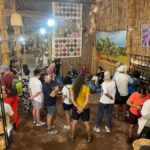
This route includes cultural stop opportunities that also come with shopping. Kelaat Mgouna is tied to roses and rose-water products, so you might see demonstrations and sales for face and body products made from the rose used for that purpose.
You should also know that the desert route often includes a chance to buy rugs and other crafts. On this kind of day, sales pressure can happen. One practical piece of advice: set a budget before you walk in. If you don’t want to buy, say no clearly and move on without debate.
If you’re interested in shopping, the good approach is to ask simple questions, compare quickly, and don’t let the process drag you into a tense mood. You’re on a once-in-a-while route. Don’t let one store steal your energy.
Who this Fez to Marrakech Sahara tour is best for
This is a strong fit if you want:
- A 3-day route that actually includes the desert night at Merzouga
- A clear hit list of Sahara + kasbah + gorges + Marrakech
- A trip where the driver actively explains what you’re passing
It’s also a good match for first-timers to Morocco who want structure without locking you into one city. On the other hand, if you hate long drives, you’ll feel the pace. This is a “see a lot” trip, not a slow wander.
Should you book this 3-day Fez to Marrakech Sahara tour?
Yes, if you want the Sahara experience in one clean package and you’re okay with paying extra attention to lunch and water. The reason to book is the combination: Merzouga camel treks at sunset and sunrise, a desert camp night, plus Ait Benhaddou and Atlas pass as your day-three finale.
Skip this or reconsider if you’re very sensitive to schedule pressure. You’ll be on the road a lot, and some parts of Morocco travel include shopping or sales energy. If that stuff can annoy you, go in prepared with boundaries and a small plan for where you’ll spend money.
FAQ
What is the duration of the Fez to Marrakech Sahara tour via Merzouga?
The tour runs for 3 days.
What’s included in the price?
The price includes A/C transportation, a professional EN–FR-speaking driver (also listed with Spanish), breakfast and dinner, shower on the Merzouga–Ouarzazate nights, camel rides (sunset & sunrise), a luxury desert camp night in Merzouga, an Ouarzazate hotel/riad, and application taxes.
Are lunches included?
No. Lunches are not included.
Are camel rides included?
Yes. You get camel trekking at sunset and camel trekking at sunrise, with about 45 minutes noted for the camel experience.
Which UNESCO World Heritage sites are visited?
The tour highlights Ait Ben Haddou and Ouarzazate as UNESCO World-Heritage sites.
Do I need cash for water at the desert camp?
Yes. Water at the camp is not included, so it’s smart to bring some.
What languages will the driver speak?
The driver is listed as speaking English, French, and Spanish.
Is pickup included, and when should I be ready?
Yes. Pickup is included, and you should wait in the hotel lobby about 10 minutes before the scheduled pickup time.