REVIEW · MARRAKECH
From Marrakech: 3-Day Merzouga and Sahara Desert Tour
Book on Viator →Operated by Morocco First Gate · Bookable on Viator
Three days, two deserts, one big road trip. I love how this trip is already put together: pickup at 8:00 am, overnight stays arranged, and meals planned so you can focus on the views. I also love the desert payoff, with a camel trek for sunset in Merzouga and time on the dunes for sandboarding.
Another strong reason to consider it is the Atlas-to-oasis route: you get the dramatic drive over the High Atlas and a UNESCO stop at Ait Benhaddou. You’ll also pass through places like Tinghir and the Todra area that feel more “real Morocco” than a quick photo stop.
The main trade-off is time in the van and the fact that desert camps are standard. Windy weather can blow sand into tents, and if you’re very language-dependent, you should double-check guide language for your preferred day.
In This Review
- Key things to know before you go
- From Marrakech to Ait Benhaddou: the High Atlas drive that sets the tone
- Ait Benhaddou: UNESCO kasbah views plus the option for deeper context
- Argan co-op and Atlas villages: small stops that break up a long travel day
- Todra Gorge and Berber villages: culture stops that feel like a route, not a show
- Merzouga desert camp: camel trek at sunset and sandboarding in Erg Chebbi
- Campfire night with live Saharan music: what the desert evening actually delivers
- Day three: breakfast, shower, optional sunrise dunes, then home to Marrakech
- Price and what you get for about $174 per person
- Group size, comfort level, and who this tour suits best
- When to be cautious: long driving, language, and camp conditions
- Should you book this Marrakech to Merzouga desert tour?
- FAQ
- What time does the tour start from Marrakech?
- Does the tour include pickup and drop-off?
- Where do you sleep overnight during the trip?
- Is the camel ride included, and how long is it?
- Are meals included?
- Is there an extra cost for Ait Benhaddou?
- What’s the cancellation policy?
Key things to know before you go
- 8:00 am pickup and fixed route: you’re on the move early, with most timing already built in
- Ait Benhaddou UNESCO stop: a must-see kasbah setting with optional add-ons if you want more context
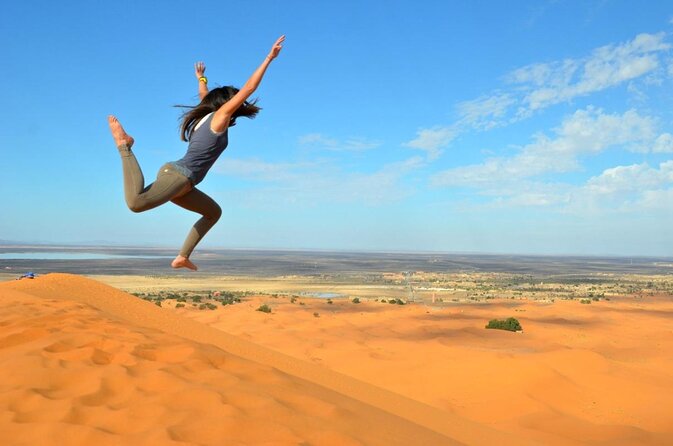
- Erg Chebbi in both light changes: sunset camel trek, plus an optional early dunes moment
- Camel trek + sandboarding time: you’re not just watching the desert—you’re on it
- Group size up to 16: small enough for smoother logistics in a busy region
From Marrakech to Ait Benhaddou: the High Atlas drive that sets the tone
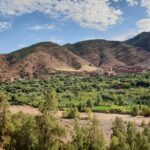
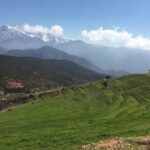
This tour starts with pickup from your accommodation in Marrakech around 8:00 am, which matters because you’re going to miss a lot of Morocco if you begin late. The drive takes you across the High Atlas region, with big viewpoints along the way and that “climb-then-open-up” feeling that makes the day memorable even before you reach the UNESCO site.
You’ll travel through classic Atlas scenery and pass over the Tichka Pass area, where the road often feels like a moving panorama. It’s not a short transfer. You should expect a long day and plan to treat it like part of the experience, not just the trip to the next stop.
A few more Marrakech tours and experiences worth a look
Ait Benhaddou: UNESCO kasbah views plus the option for deeper context
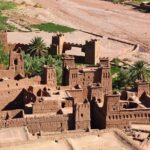
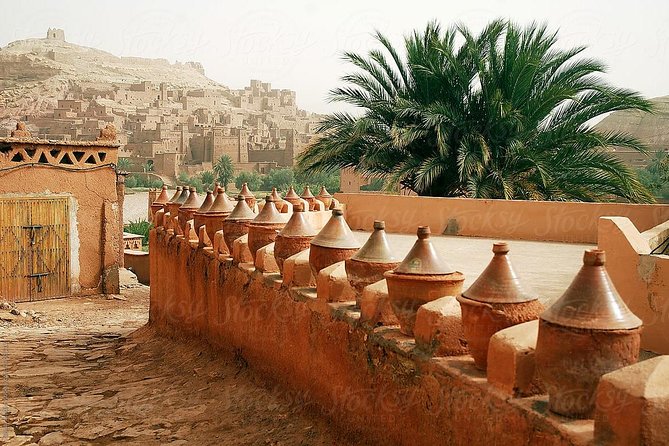
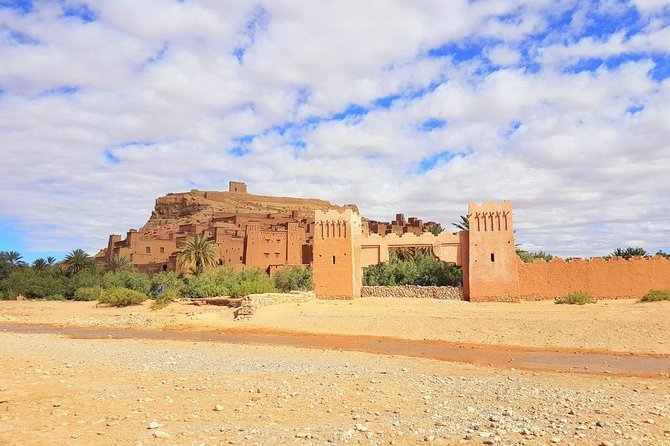
Ait Benhaddou is the kind of place that makes you understand why filmmakers keep returning. The kasbah sits like a fortress of layered earth tones, and even without being overly technical about it, you can see the logic: defensive walls, narrow passages, and a setting that looks built for survival.
You’ll stop close to the Kasbah, have lunch nearby, and then visit the UNESCO area. There’s also an optional site tour with a small additional fee if you want someone to explain the kasbah’s layout and how communities live in and around it. If you’re the type who likes to know what you’re looking at, this add-on is worth considering, especially since the tour itself notes that you might benefit from a guide to understand the culture and history linked to the people who live in the kasbah.
A practical tip: wear closed shoes. Streets can be uneven, and you’ll likely spend more time walking than you expect for a quick UNESCO stop.
Argan co-op and Atlas villages: small stops that break up a long travel day
On day one, there’s an optional visit connected to an argan oil cooperative. This is one of those detours that can feel “extra” until you see how the cooperative format works and how local production ties into jobs for families. If you’re curious about how women’s cooperatives support communities, it’s a good use of time.
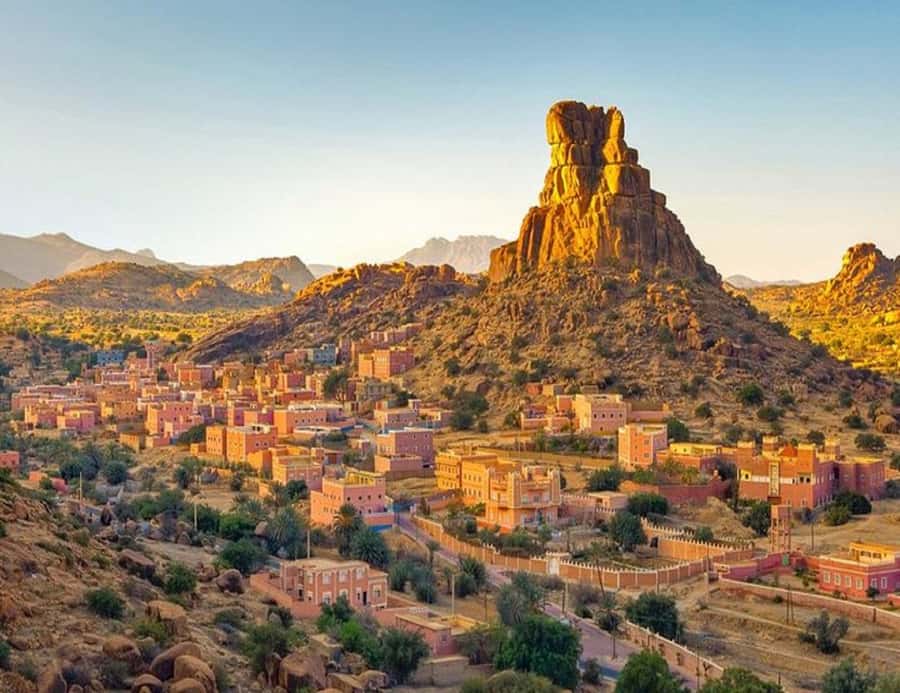
You’ll also pass through the Dades and rose-route areas as you work your way toward Tinghir. The drive through valleys and along village stretches gives you more texture than a single straight-line transfer. It’s also where the tour earns its pace: you get movement, viewpoints, and a realistic sense of distance, instead of pretending the desert is close.
You’ll overnight in standard accommodation in Tinghir or the Dades area (the exact wording can vary), which is helpful because it keeps you from rushing straight into sand the same day.
Todra Gorge and Berber villages: culture stops that feel like a route, not a show
Day two begins with breakfast and then heading back onto the road toward the desert region. You pass through the Todra Gorge, one of Morocco’s dramatic narrow valleys. If you like “scale,” this is where you’ll notice it: steep rock walls and a sense of being funneled through a natural corridor.
From there, the route includes lunch in a Berber village on the way to the Sahara. This is a useful structure because it keeps you from only eating in big tourist zones. The tour notes that Berber villages are scattered along the way, so you’re not just seeing one curated town. You’re seeing the idea of settlement and agriculture in the region.
A realistic consideration: these stops are time-efficient. You won’t get endless wandering. Instead, you’ll get the essentials—enough to understand why the scenery matters and enough time saved for what you came for: Merzouga dunes.
Merzouga desert camp: camel trek at sunset and sandboarding in Erg Chebbi
Eventually, you arrive in Merzouga in the early to mid-afternoon range and shift from road trip mode to desert mode. After settling in, you’ll move your luggage into a smaller bag. That small detail matters because it keeps the process simple when you transition to camels.
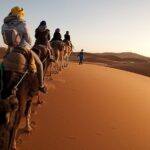
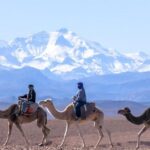
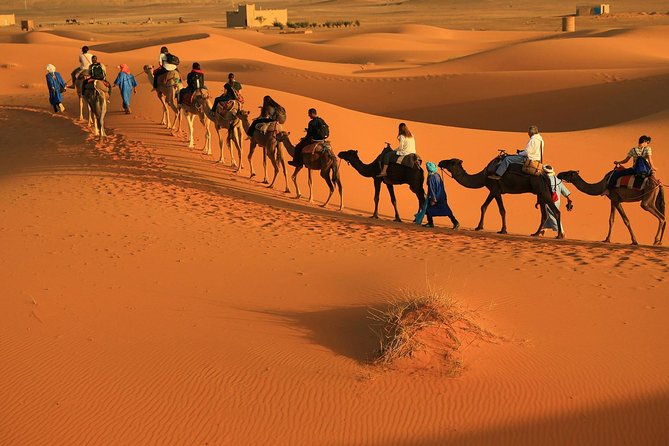
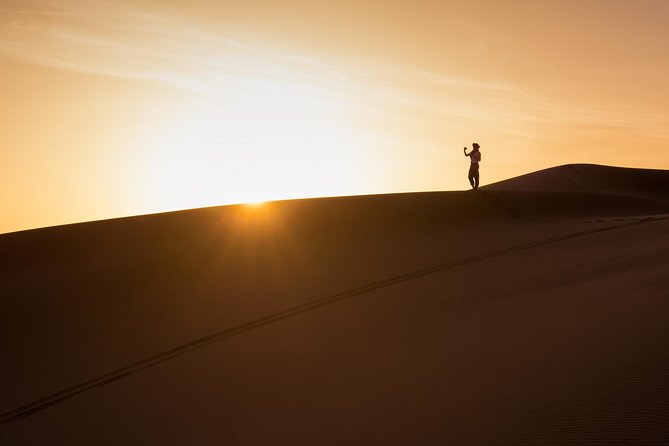
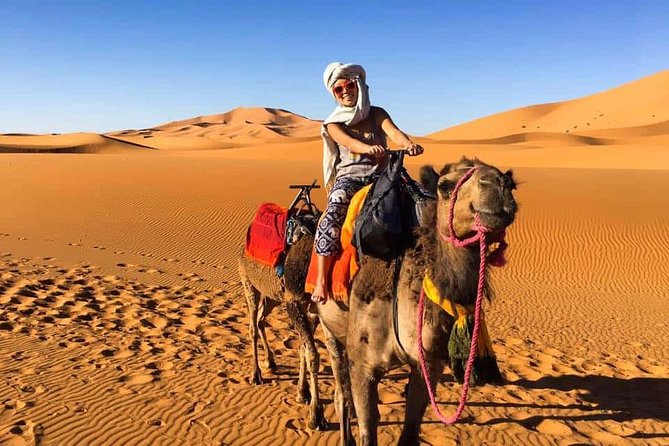
Late afternoon brings the camel meet-up and your trek into the desert camp. The camel trek is about one hour, and it’s timed for sunset. This is one of the big reasons the trip is popular: you’re not just arriving at dunes, you’re traveling into them as the light changes. It feels like a gradual switch from modern roads to open sand.
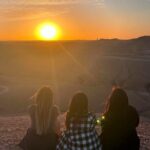
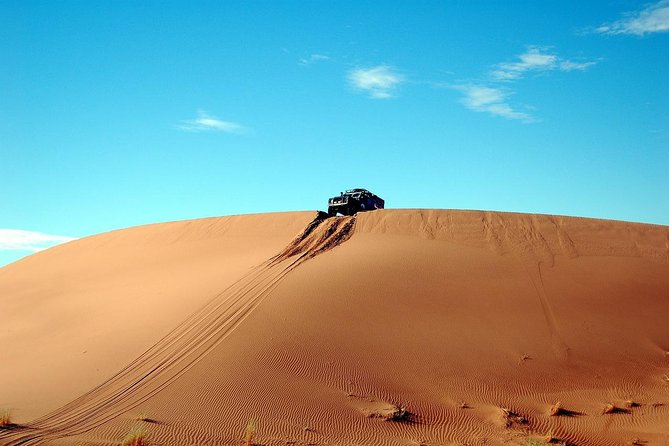
The experience continues with time crossing the dunes in the Erg Chebbi area. You’ll reach a large dune to watch the sunset from a summit, then leave the camels and walk to the highest sands for sandboarding. That sandboarding piece is key because it adds motion and fun, not only photos.
And yes—this is the kind of day where your camera will work overtime. The tour explicitly builds in good opportunities for pictures during sunset and again at sunrise (there’s an optional early dune climb on day three).
Campfire night with live Saharan music: what the desert evening actually delivers
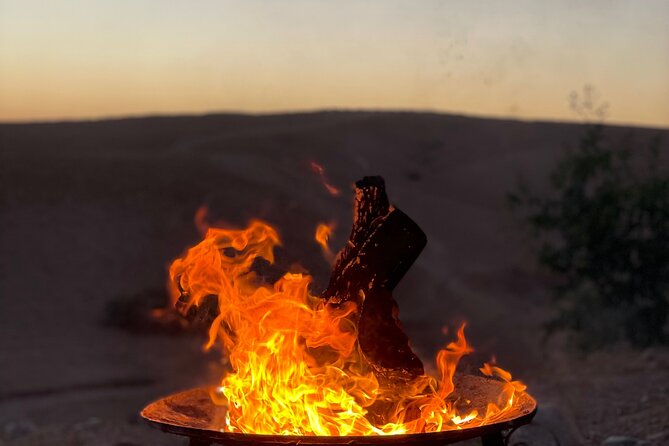
Dinner happens at camp, and the evening includes traditional live Saharan music around a campfire. This is one of those experiences where the “wow” comes from the setting more than any single song—open air, darkness, and the steady rhythms that travel well in the silence.
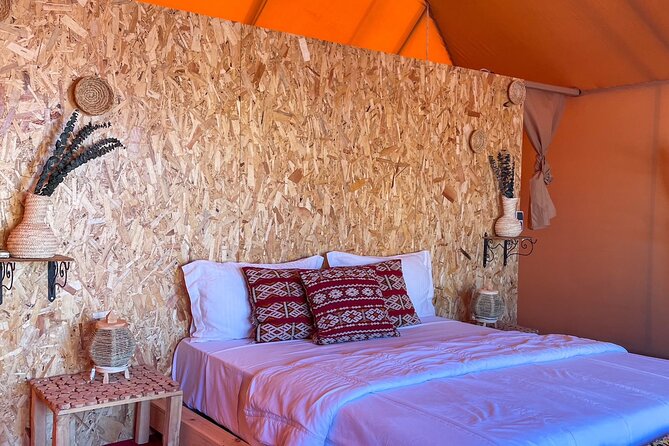
You’ll likely notice that the camp is described as standard rather than five-star. That’s not automatically a deal-breaker, but it’s something to understand clearly. If you’re expecting pristine, desert-cleanliness-level tents, adjust your expectations.
There’s also a real-world factor: the operator has pointed out that windy desert weather can blow sand inside standard tents. On a calm night, it won’t be as noticeable; on a windy one, you’ll feel the desert in your bedding and gear. Pack with that in mind, especially if you’re traveling with electronics or light-colored clothes.
Day three: breakfast, shower, optional sunrise dunes, then home to Marrakech
Day three starts with breakfast at camp. There’s also an optional early sunrise climb of the dunes if you want one more go at that light change. If you’re the type who wakes up anyway, it’s a great match: you’ll see the desert shift from dark to gold before the road takes over.
You’ll then head back toward the edge of the dunes and continue by vehicle into Morocco’s mountain-village scenery. Expect a long travel day: the drive back to Marrakech is about 10 hours, and the tour is explicit that you should be ready for it.
Before arriving, there’s a stop at the Musee des Arts Et Traditions de la Vallee de Draa. If you like cultural context, this helps break up the nonstop driving with something indoor and structured. It’s also a way to understand the broader region beyond dunes and kasbah walls.
Finally, you arrive back in Marrakech in the early evening and the tour drops you at Jamaa Lafna Square, which is very convenient for sorting dinner and finding your bearings.
Price and what you get for about $174 per person
At $174.22 per person for three days, the value hinges on what’s included and how much transportation and coordination you’re offloading. Here’s the practical math:
- Pickup and drop-off in Marrakech are included. That alone saves you time and hassle.
- An air-conditioned vehicle handles long transfers across mountains and valleys.
- You get two dinners and three breakfasts included, which reduces daily budget stress.
- Lodging is included for one night in Tinghir/Dades and one night in a standard tent in Merzouga.
- You also get a camel ride/trek (one camel each), plus the desert camp setup.
What’s not included is just as important: lunches and drinks are on you. So if you tend to eat at comfortable, tourist-priced cafés, you’ll want to budget for at least one lunch (plus drinks) during the trip.
My value take: if you want a ready-made route with overnights and desert logistics done for you, this price can be fair. If you’re the type who prefers fully independent travel or already knows how to arrange desert transport with no package, you may find cheaper options. But for most people, the included transfers and overnights reduce the stress that makes desert trips expensive in the first place.
Group size, comfort level, and who this tour suits best
The group maximum is 16 travelers, which is a sweet spot. Big enough to keep things efficient, small enough to avoid that chaotic “herd” feeling at stops.
Comfort-wise, you’ll be in an air-conditioned vehicle, and the trip includes an overnight in standard accommodation plus a standard tent camp in the dunes. That means you’re booking an experience, not a resort. If you want soft beds and a quiet lounge, you’ll likely be happier with a more “hotel-based” desert package. If you’re okay with simple lodging in exchange for the desert nights and sunrise/sunset moments, you’re in the right place.
This tour is a strong match for:
- First-timers who want a structured route without figuring out connections
- People who care about the contrast: kasbah, Atlas valleys, gorge, then dunes
- Travelers who enjoy the practical side of touring—walking inside kasbah streets, not only riding to the next view
When to be cautious: long driving, language, and camp conditions
The biggest consideration isn’t the desert. It’s the schedule. The third day includes a very long return drive to Marrakech (about 10 hours). If you dislike long hours on the road, plan for comfort: water, sun protection, and a way to pass the time on the drive.
The second caution is language clarity and guide coverage. The operator’s own explanation points to a specific scenario: during Eid, the Spanish guide may be unavailable, and desert weather can be windy—both can affect your experience, especially the clarity of explanations and the feel of the camp.
So here’s how you can protect yourself:
- If you need explanations in a specific language, ask before you go which language you’ll have most of the time.
- If you’re sensitive to dust, pack earplugs for wind nights and bring something to protect electronics and bedding (even a plastic bag for chargers helps).
None of that cancels the fact that the desert portion is the star. It just means you should go in with open eyes.
Should you book this Marrakech to Merzouga desert tour?
I think you should book it if you want a three-day route that hits the key “wow” locations—Ait Benhaddou, Atlas valleys and gorges, and then Merzouga dunes with camel trek at sunset plus sandboarding. The included meals, overnights, and transportation lower the planning burden, and that’s the real value of a packaged desert trip.
Skip or reconsider if you strongly prefer flexible, independent travel, or if you know long driving days will drain you. Also reconsider if you’re extremely picky about tent cleanliness and expect a calm, dust-free campsite every night.
If you do book: pack for wind, bring a backup plan for the long return day, and treat the standard camp as part of the trade-off for getting out into the desert.
FAQ
What time does the tour start from Marrakech?
Pickup starts at 8:00 am.
Does the tour include pickup and drop-off?
Yes. Hotel pickup and drop-off in Marrakech are included, with the final drop-off at Jamaa Lafna Square.
Where do you sleep overnight during the trip?
You’ll have one overnight in Tinghir or the Dades area (standard hotel) and one night in a standard tent in Merzouga.
Is the camel ride included, and how long is it?
Yes. The tour includes camel ride/trek (one camel each), with an approximate 1-hour camel trek into the desert camp.
Are meals included?
Yes. The tour includes two dinners and three breakfasts. Lunches and drinks are not included.
Is there an extra cost for Ait Benhaddou?
There’s an optional guided visit/tour cost mentioned (around 3€ per person). There’s also an optional guide fee in Ait Benhaddou noted as 2€/person.
What’s the cancellation policy?
You can cancel for a full refund if you cancel at least 24 hours before the experience’s start time.
If you want, tell me your travel dates and whether you prefer more time in one place (Ait Benhaddou vs. dunes). I can suggest how to plan your day around sunrise/sunset options.