REVIEW · ERFOUD
3-Day Sahara Tour Marrakech to Agadir + Camel & Quad
Book on GetYourGuide →Operated by MARRAKECH EXPRESS TOUR · Bookable on GetYourGuide
A trip like this moves fast, but it pays off. You’ll cross the High Atlas to Ait Ben Haddou, then swing all the way to Merzouga for a camel trek and a night under desert stars. I really like how the route stacks famous sights with real-feeling desert time, not just a quick photo stop, and how the driving team often acts like a guide—people I heard from included Yassin, Mustafa, Simo, Ali, and Muha. One thing to keep in mind: in 3 days you rack up a lot of hours in the car, and lunches aren’t included, so some stops can feel a bit fixed.
If you want Morocco’s big contrasts—mountains, kasbahs, canyon walls, then dunes—you’ll get it here. I also like that you’re not left guessing what happens in the desert: you get a sunset camel trek, sandboarding, and a proper camp night with dinner and live drumming. The possible drawback is practical, not scenic: you’ll likely spend more time at set meal stops where choices can feel limited, and the day-by-day pace may not suit if you prefer slow travel.
In This Review
- Key Things I’d Highlight Before You Go
- Marrakech to the Atlas: the start that sets the tone
- Ait Ben Haddou: postcard-famous, but worth slowing down
- Skoura Oasis and the Rose Valley: the breather before the next stretch
- Dades Valley to Todra Gorges to Merzouga: where the canyon steals the show
- Erfoud: fossils, dates, and a quick desert-city feel
- Arriving at Merzouga: the dunes are your evening plan
- Camp night: dinner, drumming, stars
- Quad biking and sandboarding: the fun you can actually plan around
- Day 3: Merzouga to the Draa Valley to Ouarzazate, then Agadir
- Value and what you’re really paying for ($181 for 3 days)
- Comfort, group rhythm, and the long-hours reality
- Practical tips that will save you headaches
- Should you book this Sahara tour from Marrakech to Agadir?
- FAQ
- How long is the Marrakech to Agadir Sahara tour?
- Does this tour include a camel trek and a desert camp night?
- What desert activities are included?
- What are the accommodation options for the desert camp?
- Is quad biking included?
- What should I budget for since lunches aren’t included?
Key Things I’d Highlight Before You Go
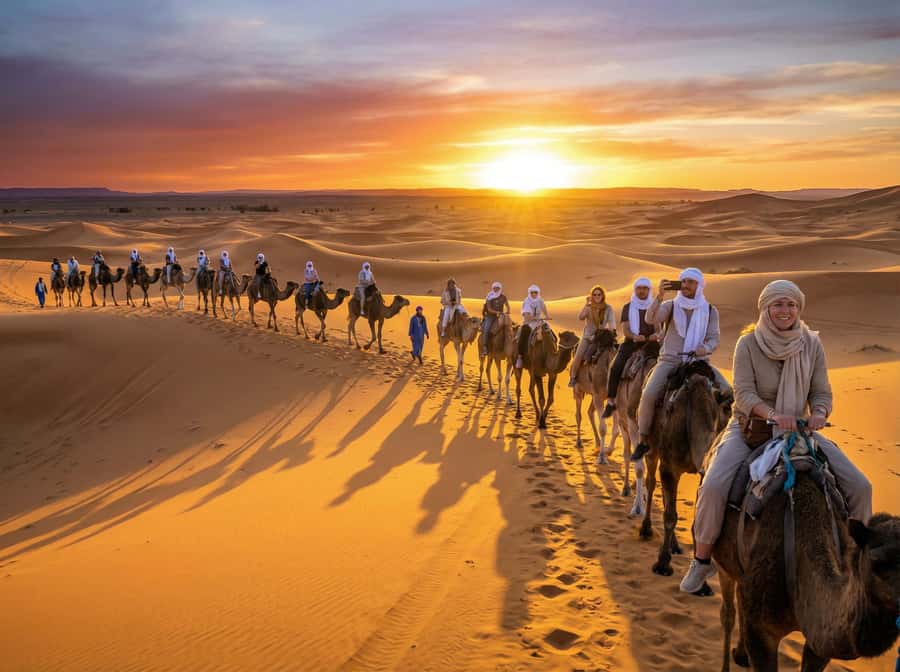
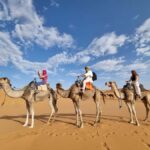
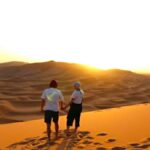
- Erg Chebbi dunes at sunset: you ride in as the light turns gold, which is exactly when photos look best
- Ait Ben Haddou and Taourirt Kasbah area: kasbah stops give you context for why southern Morocco mattered historically
- Todra Gorges time window: those canyon walls are dramatic, and the schedule gives you a real chance to walk and photograph
- Desert camp night with live music: dinner plus Berber drumming makes the evening feel like a cultural moment, not just a hotel swap
- Optional quad biking for an extra hit: if you want speed on sand, it’s listed as a €40, 1-hour activity (minimum 2 people)
- Long drive days: the route is packed, so expect lots of kilometers and plan for comfort
Marrakech to the Atlas: the start that sets the tone
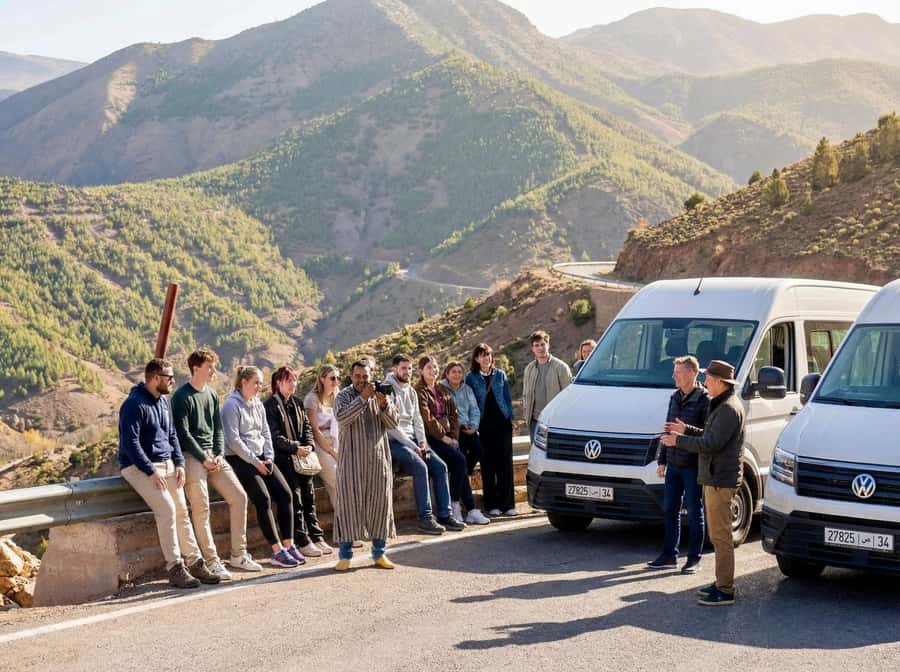
Your day starts early, around 7:00 AM from Marrakech. You’ll head straight toward the High Atlas Mountains, crossing the Tizi n’Tichka pass, which is one of those drives where the view keeps getting better as the road climbs.
This part matters because it flips your Morocco mood. Instead of going straight to the “big desert moment,” you build up the landscapes first—remote Berber villages, steep roads, and wide mountain views that make the later dunes feel even more dramatic. If you’re the type who likes your scenery to come with context (where you’re going and why it looks the way it does), this day is a good foundation.
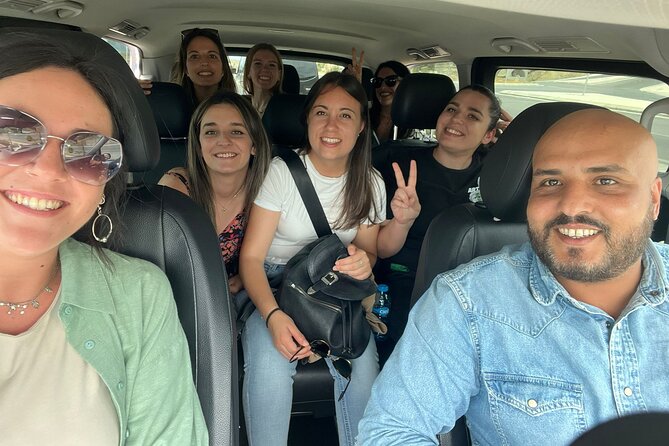
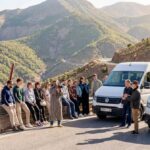
Expect comfortable, air-conditioned transport and a professional driver-guide during the journey. In reviews, names like Yassin and Mustafa came up for being calm and helpful with practical info—so don’t be shy about asking questions while you’re moving.
A few more Erfoud tours and experiences worth a look
Ait Ben Haddou: postcard-famous, but worth slowing down
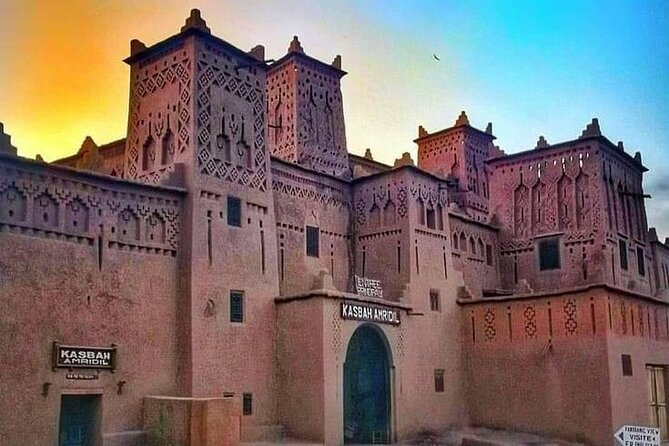
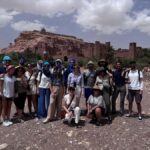
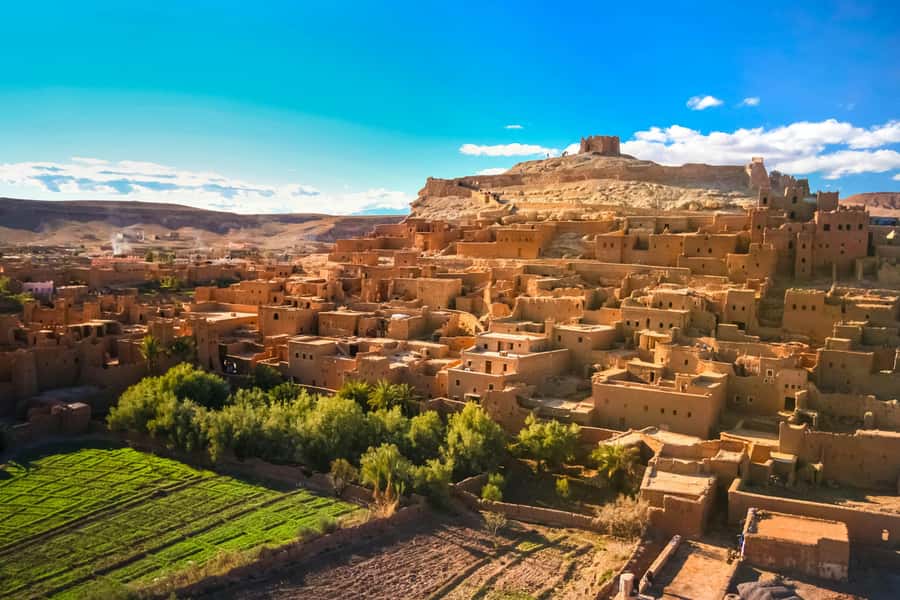
After the Atlas crossing, you’ll visit Ait Ben Haddou Kasbah, a UNESCO-listed site that’s become a Moroccan movie-set favorite for a reason: the architecture looks like it belongs to the landscape.
What I like about stopping here on a road tour is timing. You get daylight to walk around and actually see the kasbah’s layout, not just a quick “stop-and-go” at dusk. If you have time, look for the way the earthen walls and openings shape light and shadow. It’s not just a place you pass through; it’s a visual lesson in how communities built in this region.
After that, the itinerary typically continues toward Ouarzazate, often described as a gateway to the desert, with mention of the Taourirt Kasbah area. This helps connect the Atlas story to the later desert story.
Skoura Oasis and the Rose Valley: the breather before the next stretch
You’ll travel through the Skoura Oasis and the Rose Valley area before reaching the Dades Valley for dinner and an overnight stay in a hotel or riad with a private bathroom.
This is the kind of “in-between” stop that can be easy to skip in your head when you’re chasing dunes and camels, but it’s actually useful. You’re not just collecting sights—you’re moving through climates. By the time you’re in the Dades Valley, you’ve had a taste of palms and gentler valleys, which makes the transition to Todra and Merzouga feel more believable.
Dades Valley to Todra Gorges to Merzouga: where the canyon steals the show
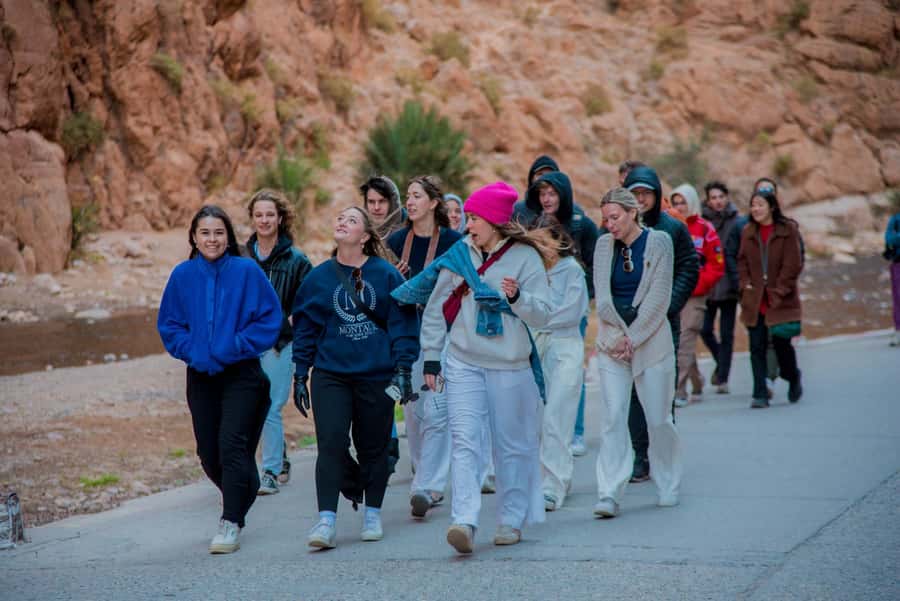
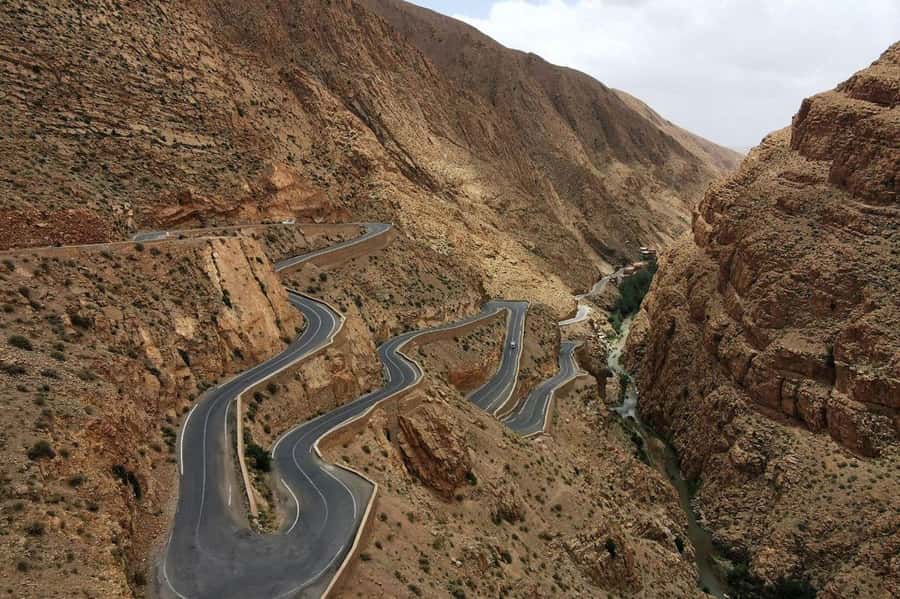
Day 2 starts after breakfast and then leans into the dramatic parts. You’ll head to Todra Gorges, famous for towering canyon walls and a narrow, intense river valley.
This stop is one of the most memorable moments on the route because it’s the opposite of the desert. Instead of open space and sand, you get tight corridors of rock. It also tends to be the moment when your walking boots actually get a workout—if the day’s schedule fits you, you’ll be glad to have comfortable shoes.
A key practical note: canyon time is time-limited. If you want photos, it helps to move early in the exploration window rather than waiting until the middle of it. And if you’re sensitive to heat, bring a hat and sunscreen because the gorges don’t always offer the kind of shade you might expect.
Erfoud: fossils, dates, and a quick desert-city feel
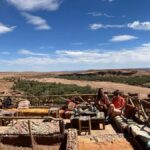
From Todra, you head toward Erfoud, a desert town known for fossils and date palms. This is not a “stay here all day” type of stop, but it does help you understand the region’s economy and day-to-day life.
In a tour like this, Erfoud is the bridge between canyon and dunes. It’s your last check-in with civilization before you shift into that deeper desert rhythm.
Arriving at Merzouga: the dunes are your evening plan
In the afternoon you reach Merzouga, at the edge of the Erg Chebbi dunes. This matters because it’s not just about seeing dunes—you’re arriving at the right time for sunset riding.
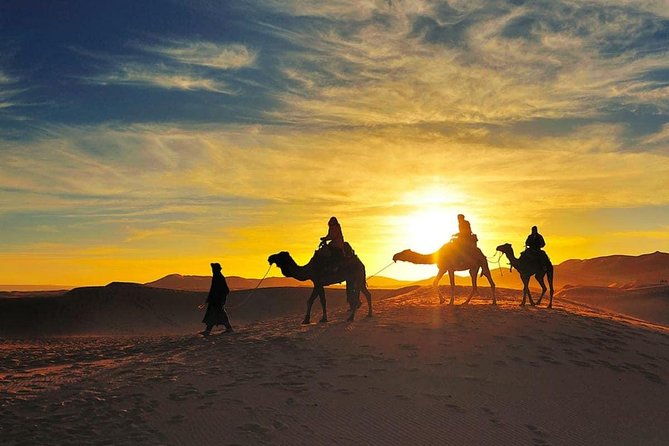
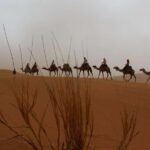
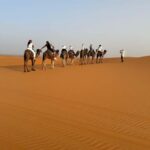
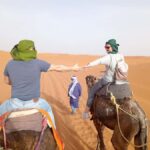
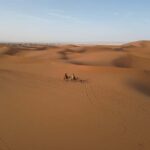
Then comes the highlight: a camel trek at sunset across the golden sands. You’ll ride as the sky shifts colors, and that’s when the dunes look their most sculpted. The camel trek is also the moment where the pace slows down on purpose, giving your body a breather after long driving hours.
Camp night: dinner, drumming, stars
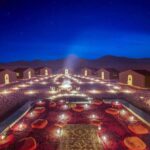
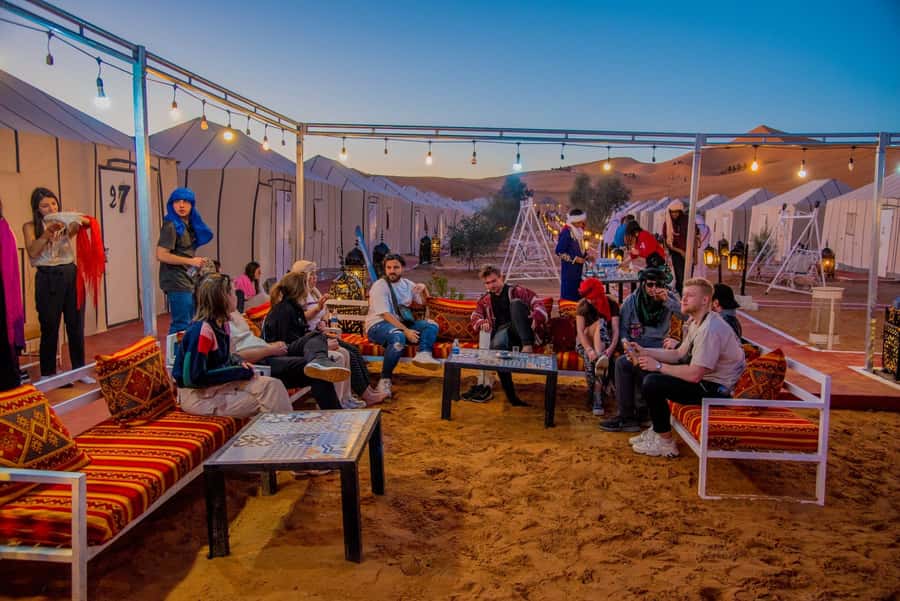
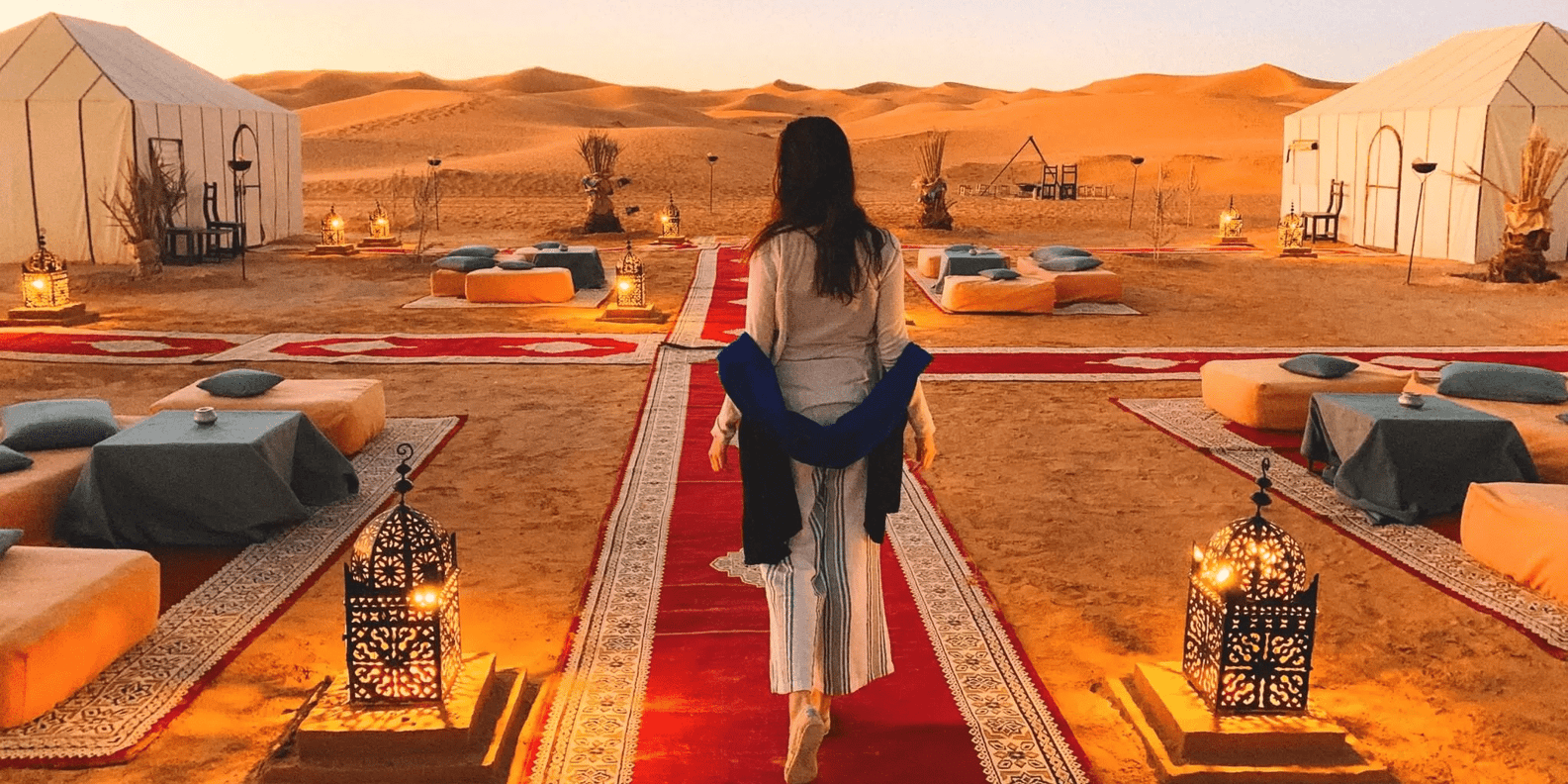
You’ll spend the night in a Sahara desert camp at Erg Chebbi. Dinner is included, along with traditional Berber drumming and music, and you’ll sleep in tents.
Here’s what you should know about the camp options: you can choose standard or luxury. Standard typically means shared bathrooms, while luxury comes with a private bathroom. That’s one of the few “comfort levers” you can control on this itinerary.
I also like that the tour includes luggage transport to and from the camp. That removes one of the biggest headaches of desert overnights.
And yes, nights can get cold in winter and hot in summer. The tour info explicitly flags that—so pack a jacket even if the day felt warm. Sand may be cool at night, and you don’t want to be improvising with what you brought.
Quad biking and sandboarding: the fun you can actually plan around
This tour includes sandboarding in the Sahara. It’s a big part of why the desert doesn’t feel like “just sitting and listening.” If you’ve never sandboarded, expect a short learning curve—balance matters, and you’ll want to go at the pace set by the crew.
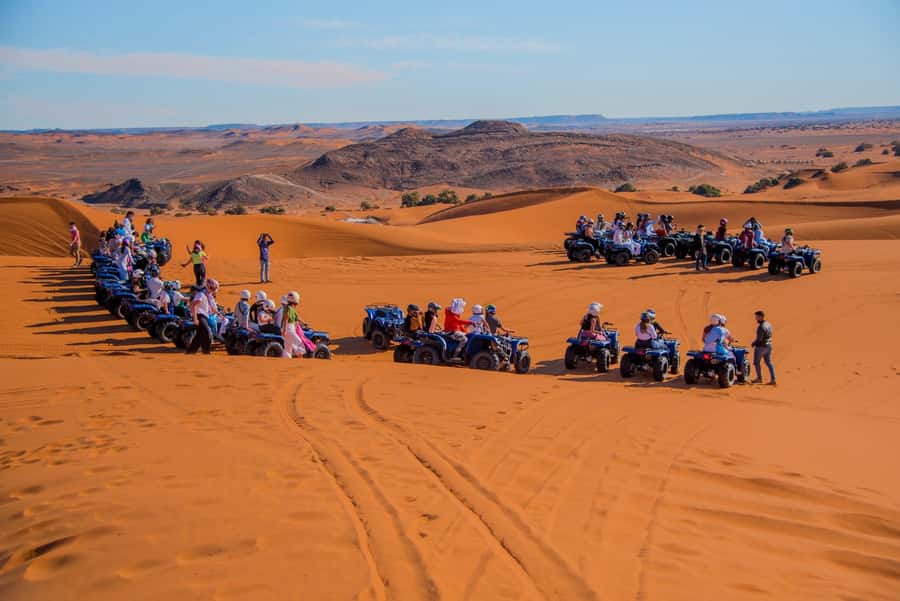
Then there’s the optional quad biking. The listing notes it as €40 per person for 1 hour, with a minimum of 2 people. If you’re traveling solo, this might depend on how the day’s group dynamics shake out, so don’t assume it’s guaranteed unless there’s at least one other rider in your booking group.
Should you do the quad? If you’re the kind of person who likes active moments and you’re comfortable riding on uneven sand, it can be a great add-on. If you prefer a calmer, more traditional pace—camel trek, sunset, stars—it’s totally reasonable to skip it and protect your energy for the camp night.
Day 3: Merzouga to the Draa Valley to Ouarzazate, then Agadir
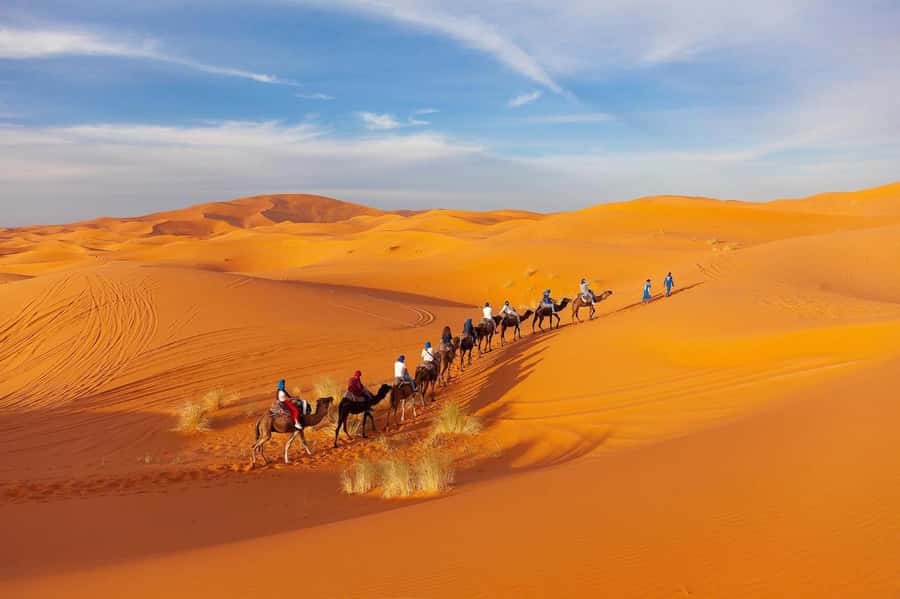
You’ll wake early for sunrise over the dunes. This is often the quietest moment of the trip, and it’s the best time to see the dunes before the heat and wind pick up.
After sunrise, you’ll have breakfast at the camp and then head out toward the Draa Valley, passing palm groves and ancient kasbahs. This part brings you back toward Morocco’s lived-in south, rather than the “end of the road” feeling you get once you’re fully in the dunes.
From there, you’ll pass through Taznakht and Taliouine, regions known for Berber carpets and saffron. Even if you’re not buying anything, it’s a useful cultural waypoint because it reminds you that southern Morocco isn’t only scenery—it’s craft and trade too.
Eventually, you’ll continue back toward Ouarzazate, then finish with a drop-off in Agadir around 8:00 PM. Expect a long final travel day, but it’s also the day when you can mentally switch from “safari mode” to “coast mode.”
If Agadir is where you’ll recover, plan something easy the evening you arrive. You’ve earned downtime.
Value and what you’re really paying for ($181 for 3 days)
For $181 per person for a 3-day route, the value comes from stacking multiple major categories of experience:
- Two nights with lodging: one in a hotel/riad in Dades Valley (private bathroom) and one in a desert camp (standard or luxury)
- Included meals in big chunks: you have 2 breakfasts and 2 dinners
- Hands-on desert time: sunset camel trek, sandboarding, and a full night with drumming
- Major driving route: Atlas crossing plus kasbah/canyon/dunes stops
What you should factor in is what’s missing: lunches and drinks aren’t included. In practice, that can add up, and it can also affect how “free” your day feels during lunch stops. One review specifically flagged that lunch stops can feel like there’s little choice besides a fixed-price menu, so budget extra for food and keep a small snack plan in mind if you’re picky.
So is $181 fair? For Morocco, this is the kind of rate that usually means you’re paying for transportation, lodging, and the included headline activities. If you’re okay with long days in a vehicle and you don’t mind managing lunch expectations, the deal can feel solid.
Comfort, group rhythm, and the long-hours reality
This tour is built around efficient driving. Multiple reviews mention long kilometers, and it’s the biggest “consideration” in plain terms. If you’re prone to travel fatigue, this is the part to take seriously: pack a water bottle, bring something for sun coverage, and choose clothes that don’t make you miserable in a car for hours.
The good news is that the driver-guide experience can make the long hours feel less dead. People reported a calm, helpful style from guides such as Yassin, practical support from Mustafa and Simo, and strong knowledge from Ali and Muha. If your driver is actively explaining what you’re seeing, the trip can feel more alive than a silent transfer.
Also note the language options. The tour runs with guides in French, English, Spanish, Arabic, and Portuguese, which is helpful if you want clear communication on stops and schedules.
Practical tips that will save you headaches
A few things make a big difference on a trip like this:
- Bring closed-toe shoes for canyon walking and camp movement at night
- Pack sunglasses, sunscreen, a hat, and a jacket for colder desert evenings
- Bring cash since the tour doesn’t include lunches and drinks
- Have your phone ready for the pickup details: you’ll get the exact pickup time and location via WhatsApp/email the day before by 5:00 PM
If you’re hoping for maximum spontaneity, this isn’t the best match. But if you want a straightforward route that hits the big Morocco highlights with an organized flow, it’s a practical way to do it.
Should you book this Sahara tour from Marrakech to Agadir?
I’d book it if you want the classic Morocco arc in one shot: Atlas mountains + UNESCO kasbahs + Todra canyon + Erg Chebbi dunes + camel trek + desert night, ending in Agadir instead of backtracking.
I’d think twice if you hate long drive days, or if you’re very sensitive to lunch choices and want lots of restaurant freedom. The pace is real, and lunches aren’t part of the included package.
If you’re the kind of traveler who likes structure, appreciates good guidance, and wants authentic desert time without spending days figuring logistics out, this is a strong value option.
FAQ
How long is the Marrakech to Agadir Sahara tour?
It runs for 3 days. The first day starts around 7:00 AM in Marrakech, and the tour ends around 8:00 PM in Agadir on day 3.
Does this tour include a camel trek and a desert camp night?
Yes. You’ll do a sunset camel trek across the dunes of Erg Chebbi and then spend the night in a Sahara desert camp.
What desert activities are included?
Included activities are camel trekking, a sandboarding experience, and dinner at the desert camp with live Berber drumming and music.
What are the accommodation options for the desert camp?
You can choose standard or luxury camp. Standard camp typically has shared bathrooms, while luxury camp includes a private bathroom.
Is quad biking included?
Quad biking is optional. It’s listed as €40 per person for 1 hour, with a minimum of 2 people.
What should I budget for since lunches aren’t included?
Lunches and drinks are not included. The tour includes breakfasts (2) and dinners (2), so you’ll want extra money for midday meals during lunch stops.