REVIEW · ERFOUD
4 days Sahara Desert Tour From Marrakech To Merzouga dunes
Book on GetYourGuide →Operated by Desert Family Tour · Bookable on GetYourGuide
Atlas roads to desert stars in four days.
I really like how this route mixes high-mountain scenery with classic desert drama, and it does it without rushing the best stops. Two things I love most: the ride over Tizi n Tichka for those huge Atlas views, and walking around UNESCO Ait Ben Haddou at Ait Ben Haddou. One heads-up: you’ll spend a lot of time in the vehicle, and the desert camp can feel busy during peak weeks.
The best parts of the trip feel practical, not just scenic. You get a comfortable kasbah night with a pool to recover, then a camel trek with a night under nomadic tents in the Erg Chebbi dunes, plus Berber-led moments along the way. If your guide is on his game, you’ll also get helpful local storytelling and well-timed photo stops (and yes, warm clothes matter here).
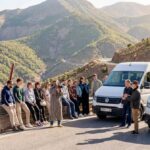
This is built as a small group tour (up to 18), with pickup in central Marrakech or at the nearest vehicle-accessible meeting point. That small size helps keep the days manageable, even when the schedule is full.
In This Review
- Key things to know before you go
- Marrakech to the Atlas: the drive you’ll remember
- Ait Ben Haddou: UNESCO fortress vibes, not just a photo stop
- A small reality check
- Dadès Valley and Kasbah Safari Rose: your decompression night
- Todra Gorges to Merzouga: from canyon cool to desert heat
- Erg Chebbi camel trek: sunset, stars, and what to pack
- Monkey Fingers and Dadès rock formations: the walking day that adds depth
- Third night at Kasbah Safari Rose Khmis Dadès: comfort before the ride home
- Last day back to Marrakech: Tizi n Tichka again, with different light
- Price and value: what $182 really buys
- Who should book this 4-day Marrakech to Merzouga tour
- Should you book this tour
- FAQ
- How long is the tour?
- What’s included in the price?
- What’s not included?
- Are guides available in English and French?
- Where does pickup happen?
- Is lunch included?
- Can I eat vegetarian?
- What should I know about luggage and the camel ride?
Key things to know before you go
- Tizi n Tichka pass views: long climbs, big sightlines, and frequent photo stops.
- UNESCO Ait Ben Haddou: fortress streets you explore with a local guide.
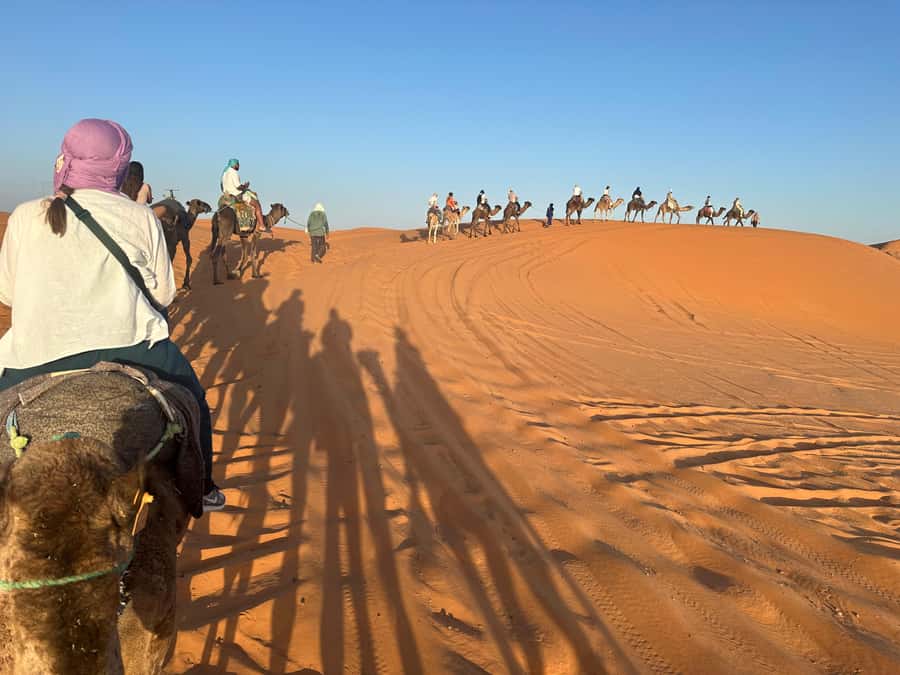
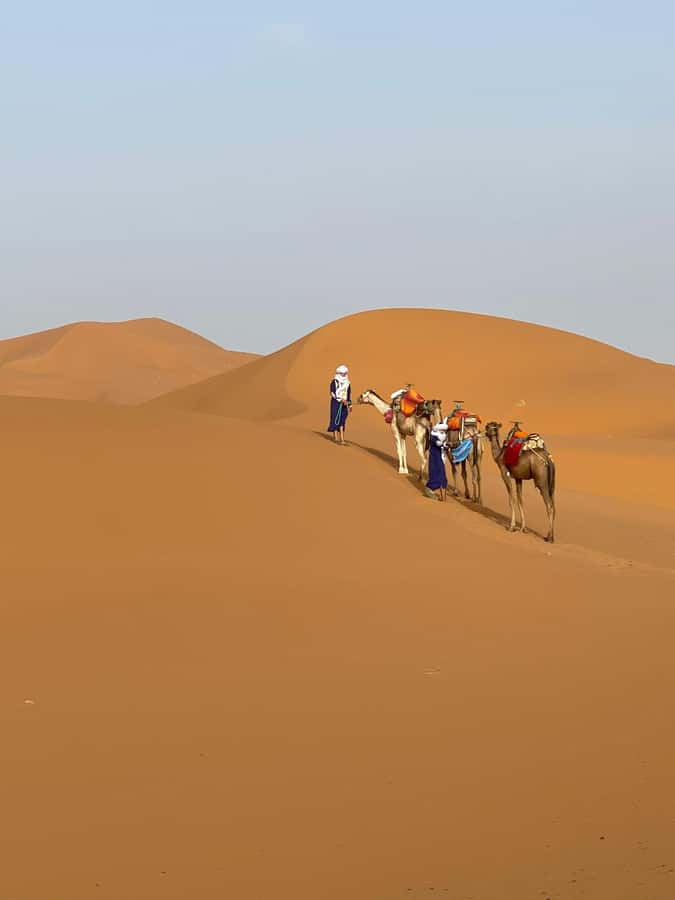
- Erg Chebbi camel trek: sunset from the dunes and a night under stars.
- Gorges day(s): Todra’s canyon walk and Dadès rock formations (Monkey Fingers area).
- Kasbah Safari Rose comfort: dinner and breakfast included, plus a swimming pool for downtime.
- Plan for extra local guide fees: some spots include optional local-guided walks.
Marrakech to the Atlas: the drive you’ll remember
The day starts early, because the Atlas Mountains don’t wait. You’ll be picked up from your accommodation in central Marrakech, or from the closest point a car can reach. Aim to be ready about 30 minutes before pickup. Then you settle in and watch the scenery change in layers: city energy fades, hills rise, and Berber villages start dotting the slopes.
One of the highlights is crossing Tizi n Tichka, the highest road pass in North Africa. As you climb, the light changes fast, and the views open wide enough that your phone camera will feel inadequate. This is also when a good driver matters: the route is winding, and you want smooth pacing so you can actually enjoy the panoramas.
You’ll make several scenic stops along the way for coffee and photos. I like this style of travel day because it avoids the all-or-nothing vibe. You get the big moment (the pass) without pretending you can do it all in one straight shot.
Practical note: if you’re prone to motion sickness, it’s worth taking something before you start. The driving is part of the experience, but you still want to feel human for the gorges and desert days.
A few more Erfoud tours and experiences worth a look
Ait Ben Haddou: UNESCO fortress vibes, not just a photo stop
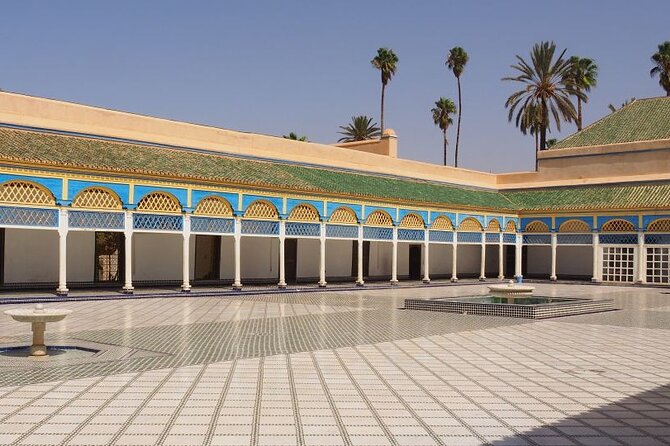
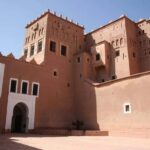
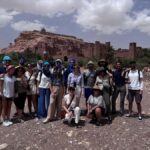
Ait Ben Haddou is one of those places that feels like it’s holding its breath. The fortified kasbah sits above the valley, with mudbrick walls and tight streets that can make you slow down automatically. This is also a film location, so you may spot recognizable settings—but the real magic is walking through the village layout and imagining daily life behind the walls.
You’ll explore Ait Ben Haddou with a local guide. This matters because you’re not just touring buildings; you’re learning how the kasbah functions, why the settlement is where it is, and how the architecture was built to work with the environment. There’s an extra local guide fee here (2.5€ per person), so if you’re budget-focused, plan for it.
Afterward, lunch is typically at one of the local cafés. Expect a mix of simple Moroccan options—enough to refuel without turning the day into a restaurant hunt. Then you head toward Ouarzazate and continue on to the Dadès Valley.
A small reality check
Ait Ben Haddou is popular. If you hate crowds, go with a flexible mindset. The upside is that even with other people around, the walls and the viewpoints still deliver. You’ll still get great photos at the edges where the valley opens up.
Dadès Valley and Kasbah Safari Rose: your decompression night
Dadès Valley is the place where the scenery turns from dramatic to sculpted. As you approach, you’ll start seeing the rock formations and layered hills that make this region so photogenic. The pace continues, but you’re moving toward a real break point: your first included hotel night at Kasbah Safari Rose Dades or similar.
Dinner and breakfast are included. That’s not a minor detail in a tour like this; it prevents you from starting the evening hungry or spending time searching for food while the group gets tired. Another reason I like this stop: the kasbah has a swimming pool. After long hours in the vehicle and warm daylight stops, the pool becomes a genuine reset button. Plus, you’ll have towels provided.
As for the room itself, these kasbah-style places often have a simple, comfortable vibe. Don’t expect luxury-city standards, but do expect a relaxed atmosphere that helps you recharge before the Sahara night.
Who this night suits best: anyone who wants the desert without sacrificing comfort completely. You’re not camping on the first night, and you’ll feel it when you get back in the dunes.
Todra Gorges to Merzouga: from canyon cool to desert heat
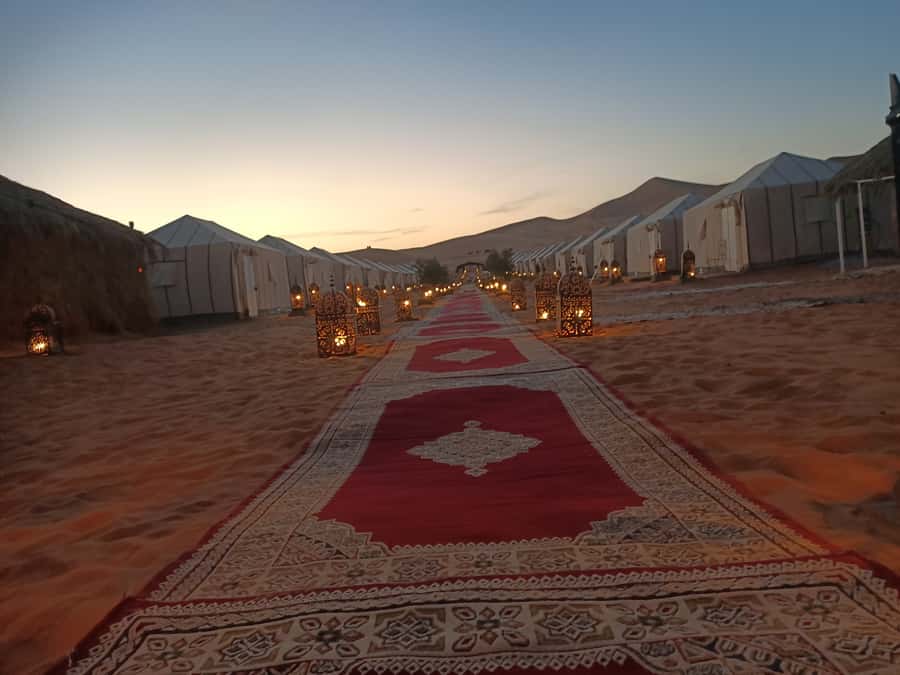
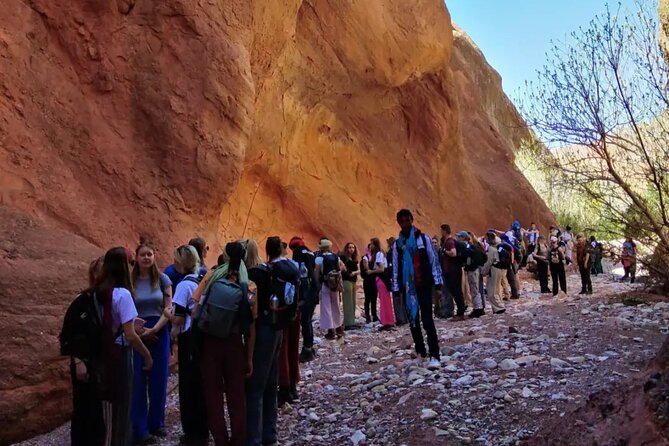
After breakfast, the tour shifts into canyon country. You’ll head toward Todra Gorges, a canyon with tall limestone walls and a narrow feel that changes the soundscape instantly. You’ll visit with a local guide. Again, there’s usually an added local-guiding fee here since these walks are more interesting with someone who knows the terrain and viewpoints.
On the way, you’ll pass through Berber villages and stop in the oasis areas. One of the stops I’d highlight is walking through the palm-shaded oasis environment around Tinghir. This is a nice balance to the road and the desert later—more green, more shade, and a different rhythm.
You’ll also visit a cooperative (listed as Cooperative Nomades in Tinghir). It’s a good moment to connect the dots between daily local life and the region’s economy. Even if you don’t buy anything, you’ll likely understand more about how community work supports livelihoods around the Valley.
Then the road continues toward Erfoud and into Merzouga. This is when the desert energy starts to feel real. Merzouga itself is the gateway, but it’s not only about the dunes—it’s about how everything around you pivots toward sand, horizon lines, and the idea of tomorrow’s camel trek.
Erg Chebbi camel trek: sunset, stars, and what to pack
Once you reach Merzouga, you’ll relax and then prepare for the camel ride. This part is included: one camel ride per person. You’ll pack a small overnight bag for the trek, because you must leave your larger luggage in the bus. During the camel ride, you can bring only a backpack.
Here’s the key: pack for the night, not for the drive. Desert mornings and nights can be cold, even when daytime feels warm. A lot of people underestimate this and then regret it. Bring layers you can actually move in, not just a light jacket that looks good on camera.
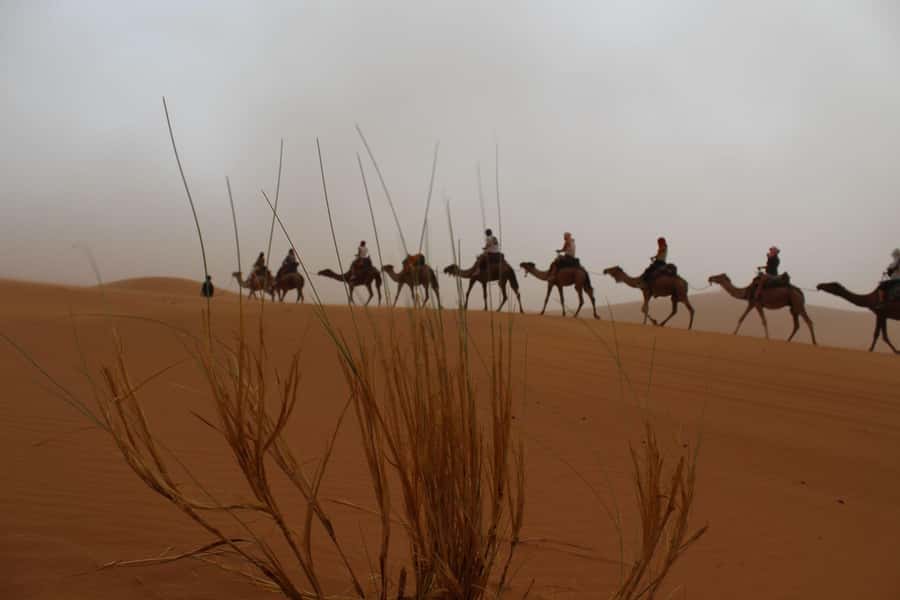
You’ll ride into the Erg Chebbi dunes, aiming for the higher dunes for sunset. That timing is smart: the light at dusk turns the sand into sculpted waves, and the horizon looks endless in a way that feels different from any “scenic viewpoint” outside the desert.
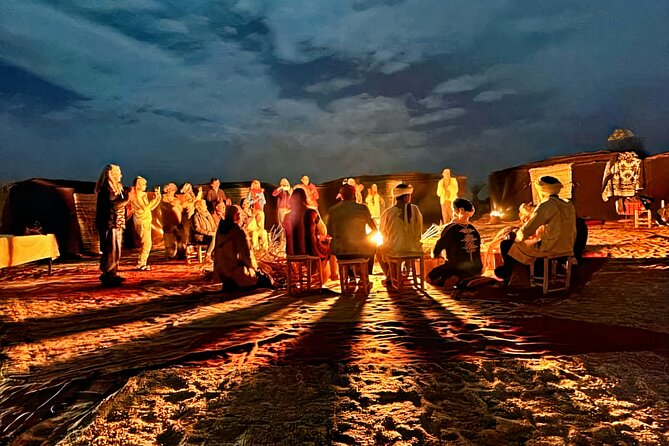
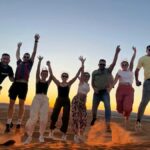
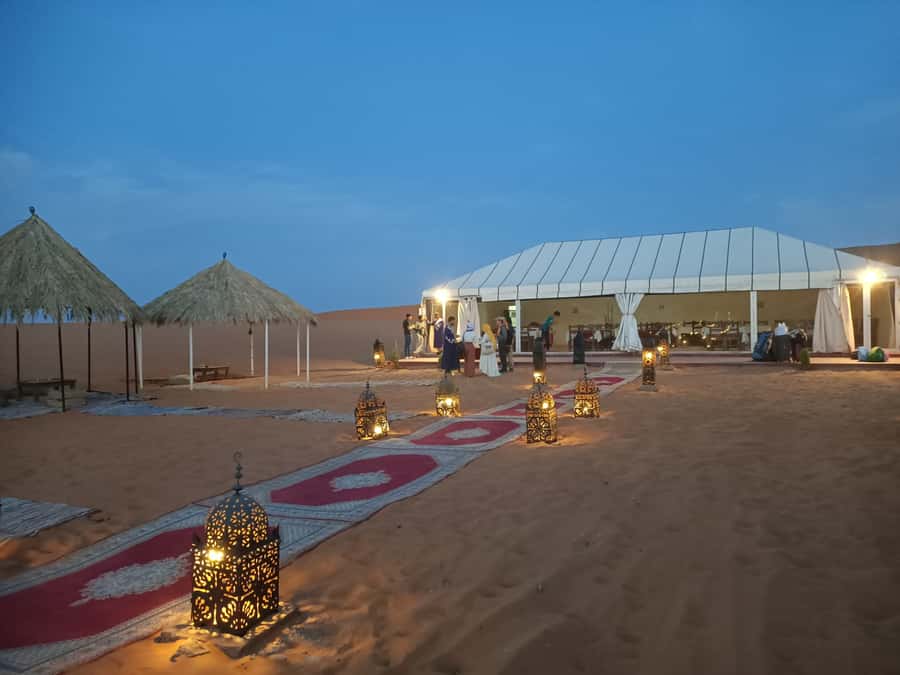
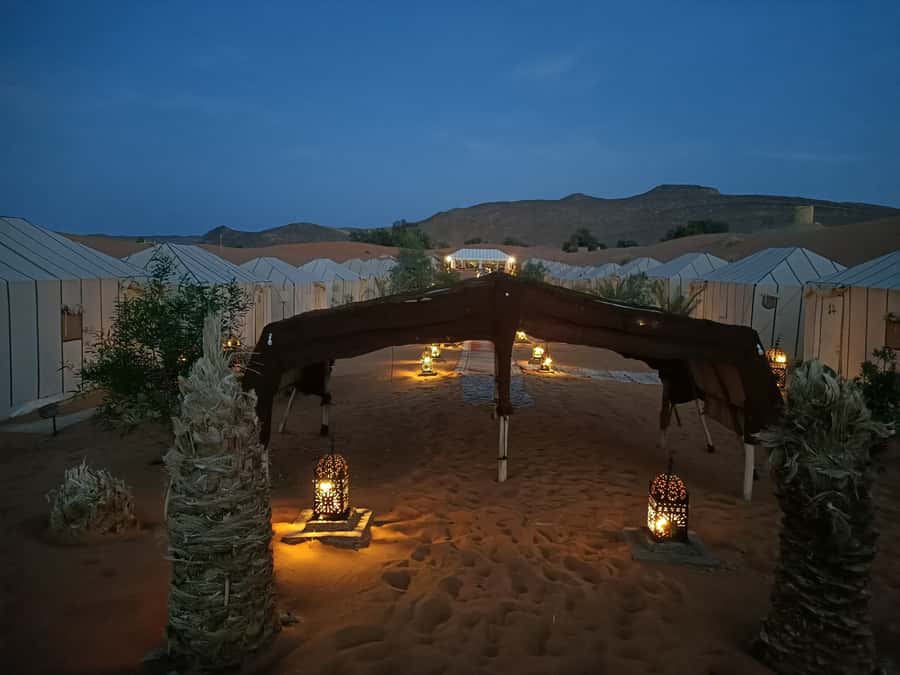
Then you sleep in traditional Berber camp tents under the stars. Dinner and breakfast are included for this second night. The camp experience is often described as magical, but for me the best part is how it slows everything down: you stop thinking about logistics and start paying attention to sounds, sky, and the simple rhythm of camp life.
Possible drawback to remember: during busy seasons, desert camps can be overcrowded. If your idea of romance includes solitude, you’ll want to choose your travel week carefully. The upside is that the dune sunset still works no matter how many people are around.
Monkey Fingers and Dadès rock formations: the walking day that adds depth
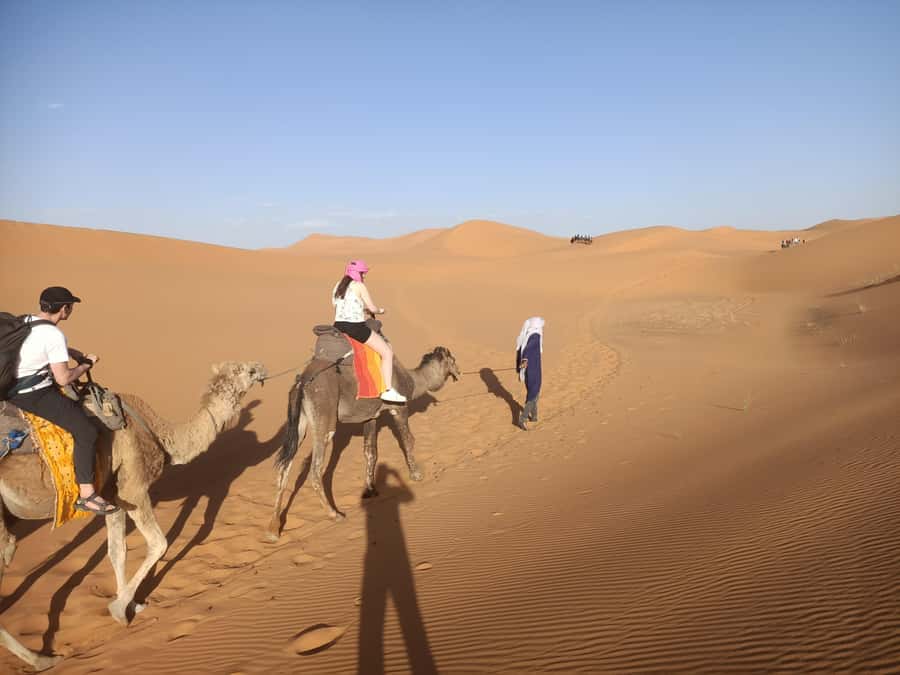
Day three is an early start. You’ll watch sunrise over the dunes and get back onto camels for the journey back. Sunrise here is a totally different experience than sunset—less showy, more quiet, with the sand cooling down and light arriving slower.
Then the tour moves back toward the Dadès area. One of the standout activities is exploring the Monkey Fingers rock formations. The guide-led walking is typically 1–2 hours. If you’re even halfway comfortable on uneven terrain, this is one of those excursions that makes the trip feel more than just driving and photos.
The “Monkey Fingers” name comes from the rock shapes—odd, curved formations rising like knuckles from the valley floor. With a local guide, you also get better context about where to look and how the landscape was shaped over time. There’s an added local guide fee mentioned here (3€ per person), so plan for it if you want the guided version.
On this day you’ll also get more Dadès Valley time—green traces and arid slopes mixing in the same view. It’s a helpful contrast right after the desert night.
Third night at Kasbah Safari Rose Khmis Dadès: comfort before the ride home
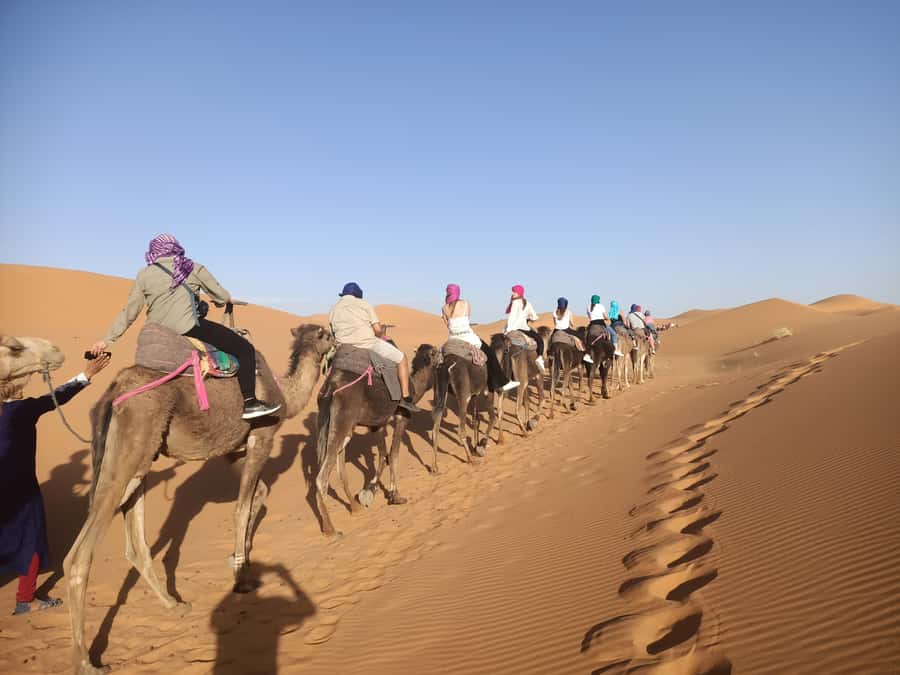
After walking, you’re back on the road with a tired-but-happy feeling, which is exactly when a decent place to sleep matters. Your third included night is again at Kasbah Safari Rose Khmis Dades or similar, with dinner and breakfast included.
This is the night that turns the trip from “sweep through highlights” into “actually enjoy the region.” You’ve already done the desert and the big gorges; this last base helps you come down from the high-adrenaline days and focus on rest.
If your group has pool time again, it’s a lifesaver. Even a short soak can make the return journey feel easier.
Last day back to Marrakech: Tizi n Tichka again, with different light
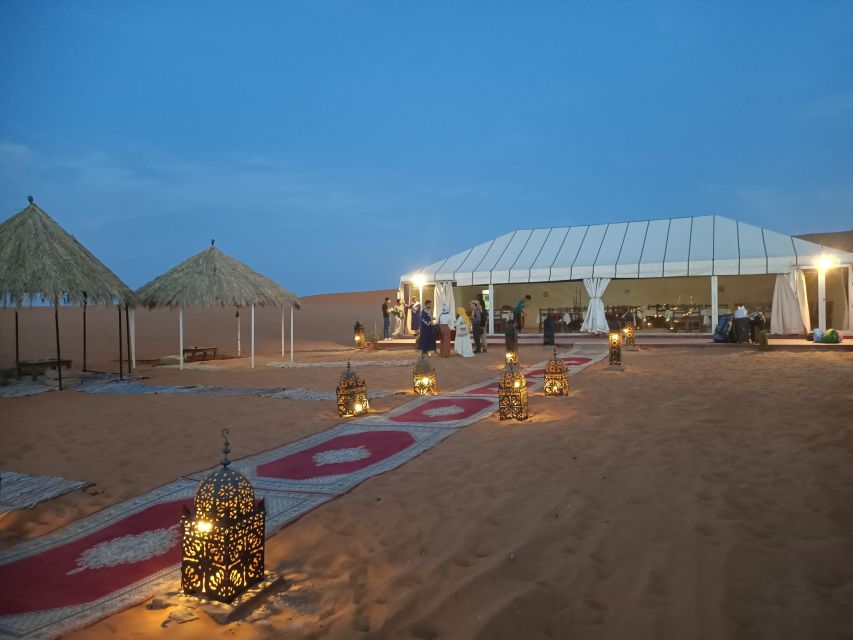
The final day is the Atlas loop back to Marrakech. You’ll go from Dadès through Ouarzazate, then back over Tizi n Tichka. The pass is worth seeing twice, not because it’s the same view, but because the light and mood change. The first crossing feels like arrival into the journey; the second feels like you’re closing it out.
You’ll make plenty of stops for scenery and photography, and lunch is at leisure (not included). By late afternoon you’ll reach Marrakech, usually around 7 to 8 PM.
This arrival timing is practical: it gives you a full day to return without trying to cram it all into a morning. It also means you’ll likely want an easy dinner plan when you get back.
Price and value: what $182 really buys
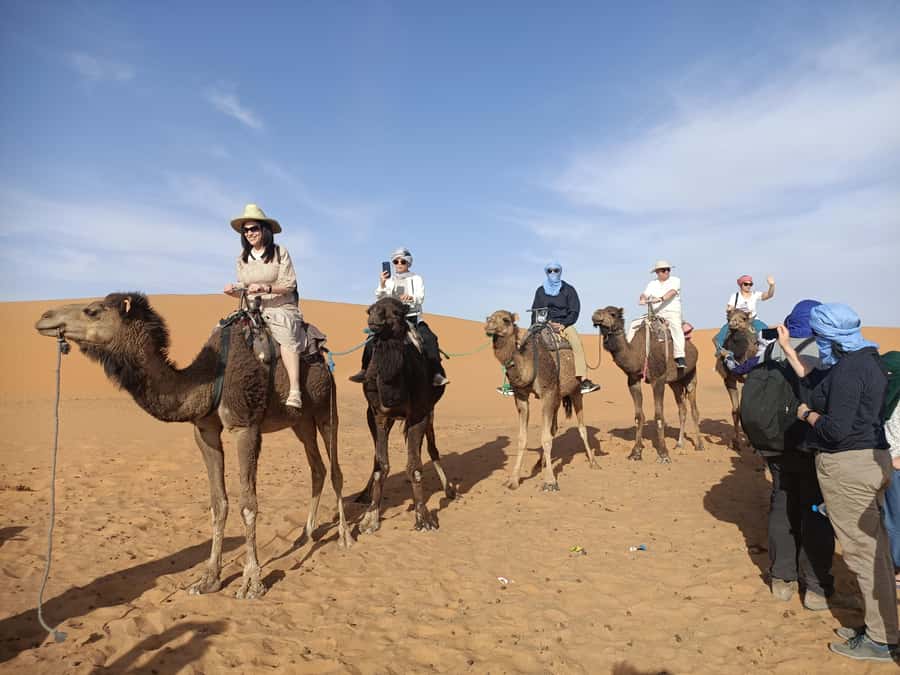
At $182 per person for a 4-day, 3-night route, you’re paying for the heavy lifting: transport with an English or French speaking driver, two included nights plus a kasbah night, camel ride, and meals on those nights. That adds up because the big costs in desert tours are usually transport time and getting logistics right enough that you actually enjoy the experience.
What’s not included is just as important:
- Entrance fees (you’ll handle these as you go)
- Lunches and soft drinks
- Any private expenses
- Local guide fees at certain stops (listed amounts for Ait Ben Haddou and Monkey Fingers)
So the real value question is how you feel about paying small on-top extras for guided moments. If you like having someone local explain what you’re seeing, the extra fees are usually worth it. If you’re strict on budgeting, you can still enjoy the tour, but you’ll likely choose fewer guided walking add-ons.
Also, small group size (up to 18) helps keep the tour from feeling like a cattle call. That’s not “nice to have.” It affects how quickly you can stop for photos and how comfortable the ride feels when you’re tired.
Who should book this 4-day Marrakech to Merzouga tour
Book it if you want:
- A classic Marrakech-to-Erg Chebbi route with both gorges and desert, not just sand
- Two included desert/camp experiences (one desert night under tents) plus comfortable kasbah nights
- A manageable group size and multilingual driver support (English or French)
Consider another option if:
- You dislike long driving days
- You hate crowds and are picky about desert camp atmosphere
- You need accessibility support; the tour isn’t suitable for pregnant women or people with mobility impairments
If you’re traveling with kids or adults who get nervous about the camel ride, don’t assume it’s the same for everyone. In at least one real case from recent groups, the team helped with an alternative for someone who was scared of riding. That may not be guaranteed for every situation, so it’s worth asking before you go.
Should you book this tour
Yes, I’d book it if your goal is the big Morocco contrasts: Atlas pass views, fortress kasbah walking, canyon hikes, then Erg Chebbi dunes with a real overnight camp. The itinerary has enough variety to keep the days interesting, and the included meals and kasbah comfort help you enjoy the desert night instead of just enduring it.
My only caution is simple: plan your packing for cold desert nights and accept that you’ll be in a vehicle a lot. If you go in with that mindset, this tour tends to deliver the kind of memory that lasts.
FAQ
How long is the tour?
It runs 4 days / 3 nights, from pickup in Marrakech to return the evening of day 4.
What’s included in the price?
Pickup and transport are included, along with an English or French speaking driver. You also get the first hotel night in Dades (with dinner and breakfast), the second night in a Merzouga desert camp (with dinner and breakfast), and a third hotel night at Kasbah Safari Rose Khmis Dades or similar (with dinner and breakfast). Camel ride and towels are included, and a vegetarian option is available.
What’s not included?
Entrance fees, lunches and soft drinks, and any private expenses are not included. Local guide fees at certain sites are also not included (for example Ait Ben Haddou and Monkey Fingers).
Are guides available in English and French?
Yes. The live tour guide/driver support is listed as English or French.
Where does pickup happen?
Pickup is from your accommodation in central Marrakech, or from the closest meeting point accessible by car. If you’re staying outside pickup areas or in a private residence/AirBnB where pickup isn’t offered, the meeting point is in front of Hotel restaurant Café France at 7h30.
Is lunch included?
No. Lunch is not included, and you’ll have lunch at leisure on the final day.
Can I eat vegetarian?
Yes. A vegetarian option is available—tell the provider when booking.
What should I know about luggage and the camel ride?
You can bring luggage, but you must leave it in the bus during the excursion. During the camel ride, you can only bring a small backpack.