REVIEW · ERFOUD
Ouarzazate to Marrakech: 3-Day Desert Tour with Camel Trek
Book on GetYourGuide →Operated by MOROCCO TRIP · Bookable on GetYourGuide
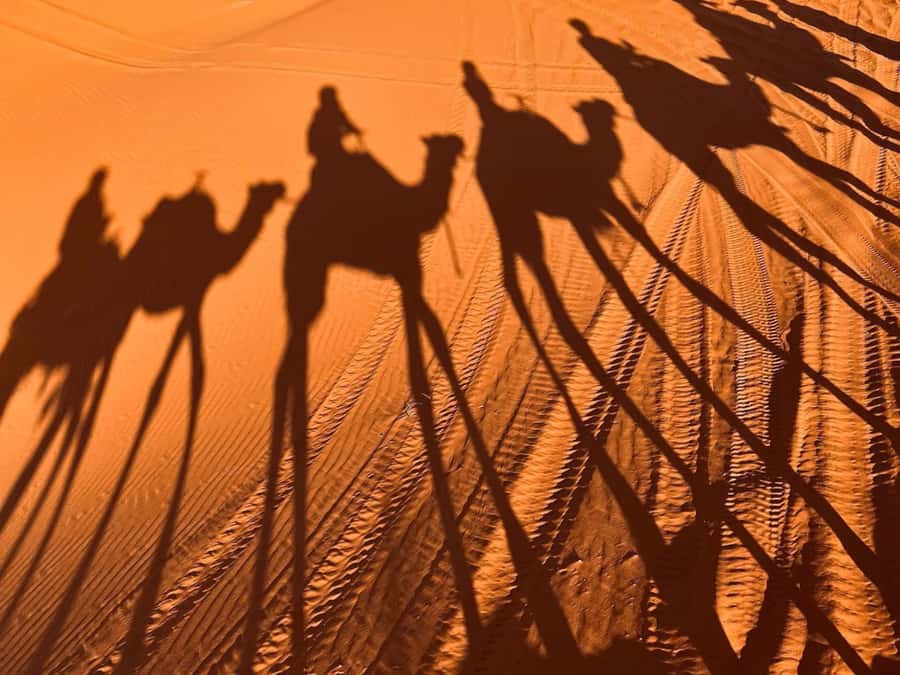
Camel tracks in the Sahara feel unreal. This 3-day Ouarzazazate-to-Marrakech desert tour is built around unforgettable desert moments, with Erg Chebbi camel trekking and a stop at Ait Ben Haddou Kasbah that most people remember years later. One caution: this tour is not suitable for people with mobility impairments.
I like that you travel in comfort for the long stretches, using an A/C modern minibus (max 17 passengers) with an English/French-speaking driver/guide. You also get a multi-language audio guide (Arabic, English, French, Spanish), so even the stops make more sense.
For a short trip, I think the value is strong: you get one full night in the Dades Valley hotel (with dinner and breakfast) plus a night of desert camping with sunrise and sunset camel rides. Just pack smart, because it gets cool at night even when daytime feels warm.
In This Review
- Key highlights that matter (and why)
- What You’re Really Buying: desert nights plus the classic sights
- Day 1: Ouarzazazate pickup, Ait Ben Haddou, then Dades Gorges
- The Road of the Thousand Kasbahs: enjoy the ride, not just the stops
- Day 2: Todra Gorge under 300-meter cliffs, then Merzouga camels
- Camel trekking + sunset and sunrise rides: plan for the cool parts
- Desert camping reality check: tents, stars, and actual facilities
- Day 3: breakfast in camp, return toward Ouarzazazate, then on to Marrakech
- Food on the route: Moroccan dinners and what to do about lunch
- Camel trekking and sandboarding: how to stay comfortable
- Guide quality and the small-group advantage
- Price and logistics: is $124 good value for this route?
- Who this tour fits best, and who should think twice
- Should you book this 3-day Ouarzazazate desert tour?
- FAQ
- How long is the tour?
- What is the price per person?
- Where does the tour start and how do I join the group?
- Is hotel pickup and drop-off included?
- What language options are available for the live guide and audio?
- What camel riding is included?
- Is sandboarding included?
- What meals are included, and what is not?
- Do I have to visit Ait Ben Haddou Kasbah?
- Is free cancellation available?
- Is this tour suitable for people with mobility impairments?
Key highlights that matter (and why)
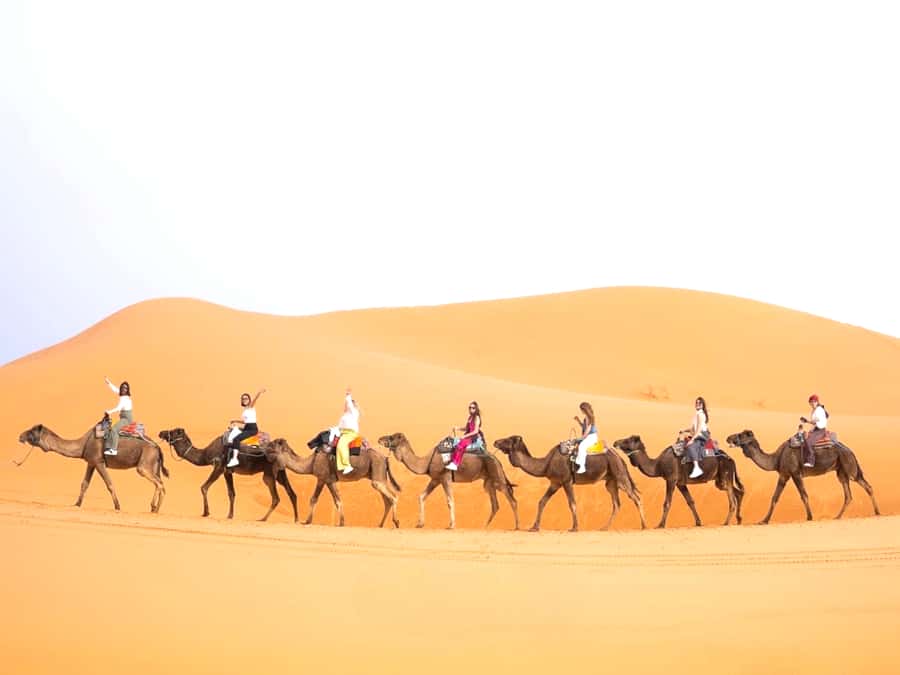
- Camel trekking at Erg Chebbi with sunrise and sunset rides, the part you came for in the first place
- Ait Ben Haddou Kasbah as a UNESCO stop, plus movie-famous photo spots nearby
- Todra Gorge walk under huge cliffs and time in the Tinghir oasis area
- Sandboarding as a fast, fun add-on once you’re in the dunes
- A real camp setup: private tents, and in past stays people noted showers and toilets
What You’re Really Buying: desert nights plus the classic sights
At $124 per person for three days, you’re not just buying a camel ride. You’re buying a whole south-Morocco route that strings together the big, photogenic hits: kasbahs, dramatic gorges, green oasis stops, then real Sahara dunes.
The pacing is also part of the value. You’re not doing tiny sightseeing every hour, then rushing off. Day 1 and Day 2 each have a clear storyline: historical stop and valley overnight, then cliffs and desert dunes, then back to civilization via Ouarzazazate and onward to Marrakech.
You’ll be in a small group (maximum 17), which means fewer headaches with timing and less standing around. And because the driver/guide handles the route in an A/C minibus, you’re free to focus on getting the best views out the window and making it to each stop without stress.
You can also read our reviews of more tours and experiences in Erfoud.
Day 1: Ouarzazazate pickup, Ait Ben Haddou, then Dades Gorges
Most people start from Marrakech and join the group in Ouarzazazate, with the group typically arriving around 13:00. If you’re connecting via Ouarzazazate, the timing is important: you’ll want to plan around that midday arrival so you don’t miss the handoff.
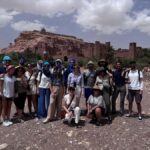
From Ouarzazazate, the big early move is Ait Ben Haddou Kasbah, a UNESCO World Heritage Site. Even if you’re not a film person, this place has that cinematic “layers of time” feel: mud-brick architecture, narrow lanes, and the kind of scale that makes you stop and look up. It’s been featured in big-name movies like Lawrence of Arabia and Game of Thrones, which often explains why it looks instantly familiar in photos.
If you choose to visit Ait Ben Haddou, you’ll arrange a taxi if needed (for example, if you arrive by Ouarzazazate airport), and you’ll meet the guide and the group there. If you don’t visit the kasbah during the day, the tour pickup is arranged from your Ouarzazazate riad/hotel or the closest accessible point.
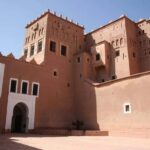
After lunch in Ait Ben Haddou village (lunch isn’t included), you keep moving toward Dades Gorges by way of the Road of the Thousand Kasbahs. This road name isn’t just a cute phrase. It’s a steady string of kasbahs perched on hillsides and valleys, so you get the sense that you’re traveling through a living museum instead of just passing landmarks from a checklist.
You end the day with your first overnight in the Dades Valley, staying in a Hotel/Riad with dinner and breakfast included. From past experiences, some hotels have been better than expected, even with amenities like a pool and bar, which matters because travel days add up fast.
The Road of the Thousand Kasbahs: enjoy the ride, not just the stops
This part is worth slowing down mentally. The minibus ride can feel long, but it’s not wasted time if you use it well.
Here’s how to make it enjoyable:
- Sit on the side with the better view for the direction you’re traveling.
- Take short breaks for photos, but don’t keep your phone glued to your hands.
- When you see kasbahs on ridges, don’t rush past. That’s often where the best angles show up.
Also, remember you don’t have lunch included on Day 1 and you won’t have drinks included either. So if you’re the type who gets cranky when you’re hungry, plan small snack timing before the long road stretches.
Day 2: Todra Gorge under 300-meter cliffs, then Merzouga camels
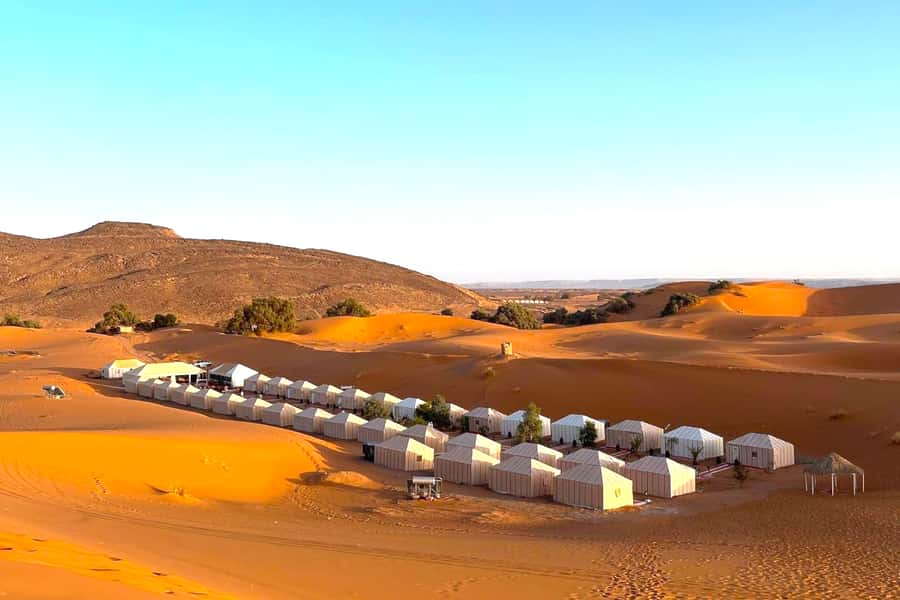
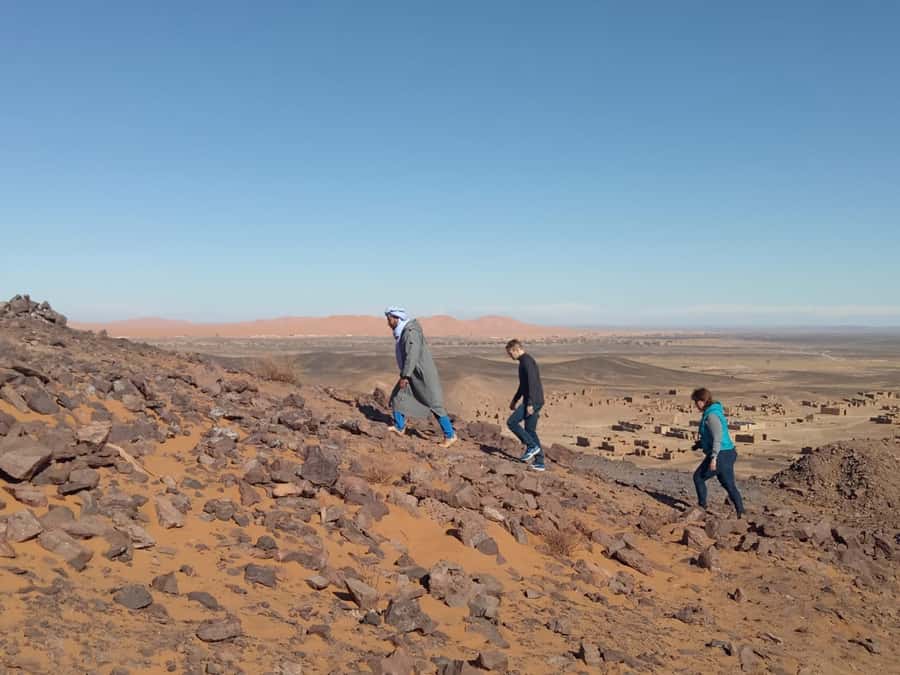
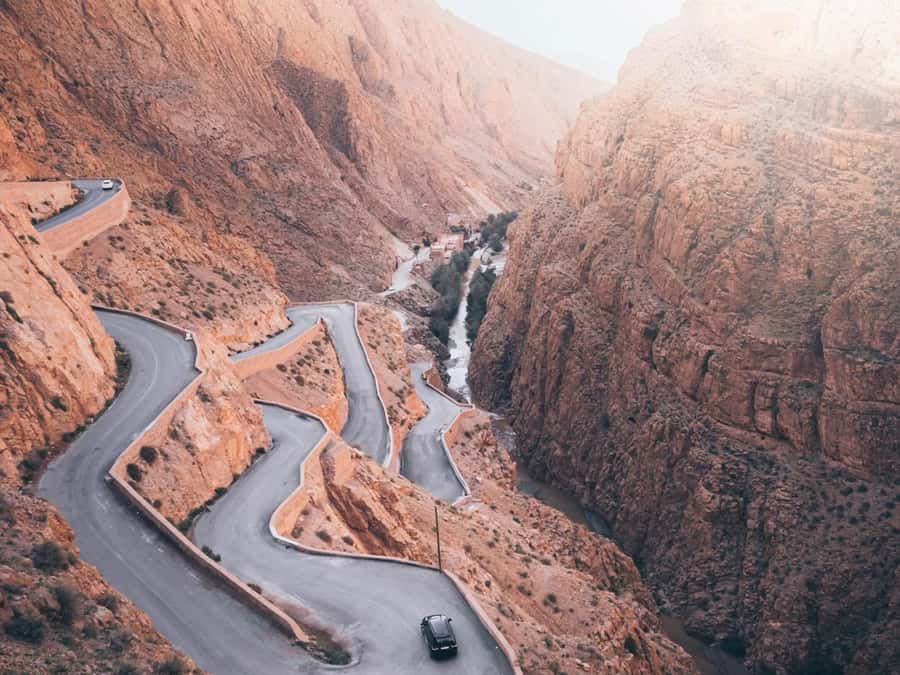
Day 2 is built around scale. You’ll head to Todra Gorges, where you walk beneath towering cliffs, with walls reaching around 300 meters high. That “walk-in-a-canyon” feeling isn’t something a photo can fully capture. The air changes as you enter, sound carries differently, and you start noticing tiny details in the rock face you’d miss from a distance.
After that gorge time, the route continues toward Merzouga, with a Tinghir oasis stop mentioned as lush and green. That contrast is a nice reset. You go from stone walls and narrow canyon light to greener pockets where people can actually slow down and breathe.
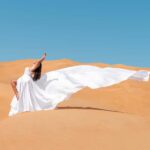
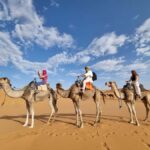
Then comes the big shift: you meet your experienced camel guides and head into the dunes near Merzouga (Erg Chebbi). Past guests consistently highlight that the camel experience is the highlight, and it makes sense. A camel trek isn’t just a transport move. It’s a slow glide across sand where you get time to look, not just get driven.
Camel trekking + sunset and sunrise rides: plan for the cool parts
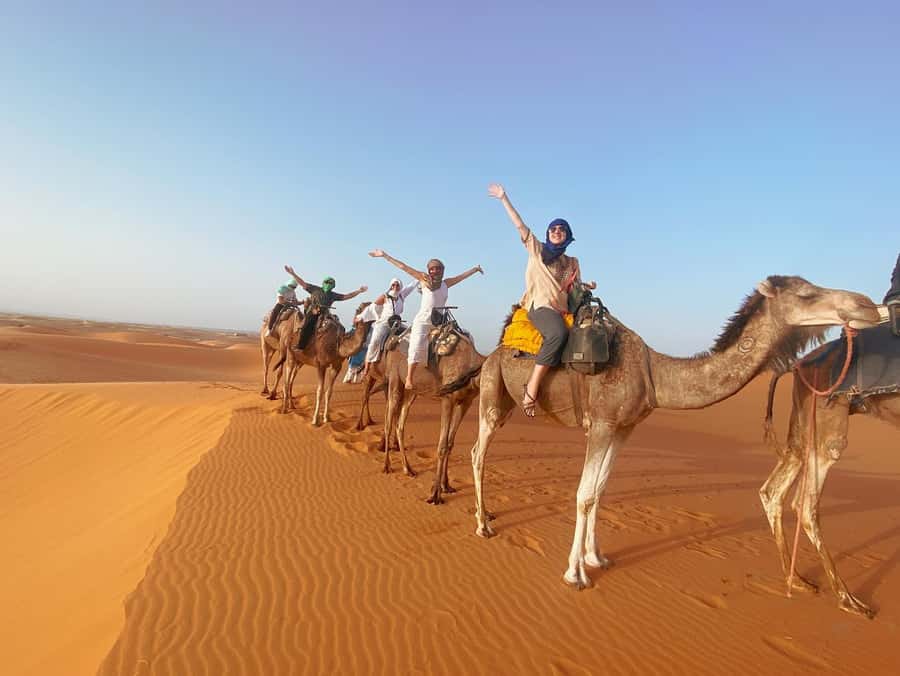
Your tour includes sunrise and sunset camel rides in Erg Chebbi. In plain terms, that means you get two “light shows” instead of just one dramatic moment.
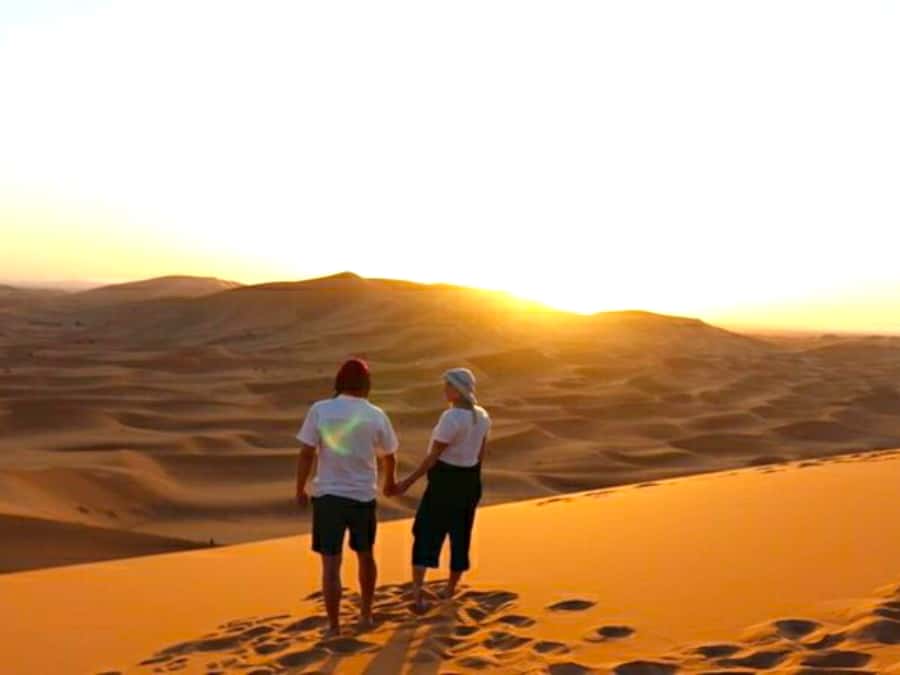
Sunset rides are for warm colors and silhouettes. Sunrise rides are for crisp air and that clean, quiet Sahara feeling. The trick is dressing for both. You’ll want warm clothing even if your daytime layers feel fine, plus sunglasses and sunscreen for the glare on the dunes.
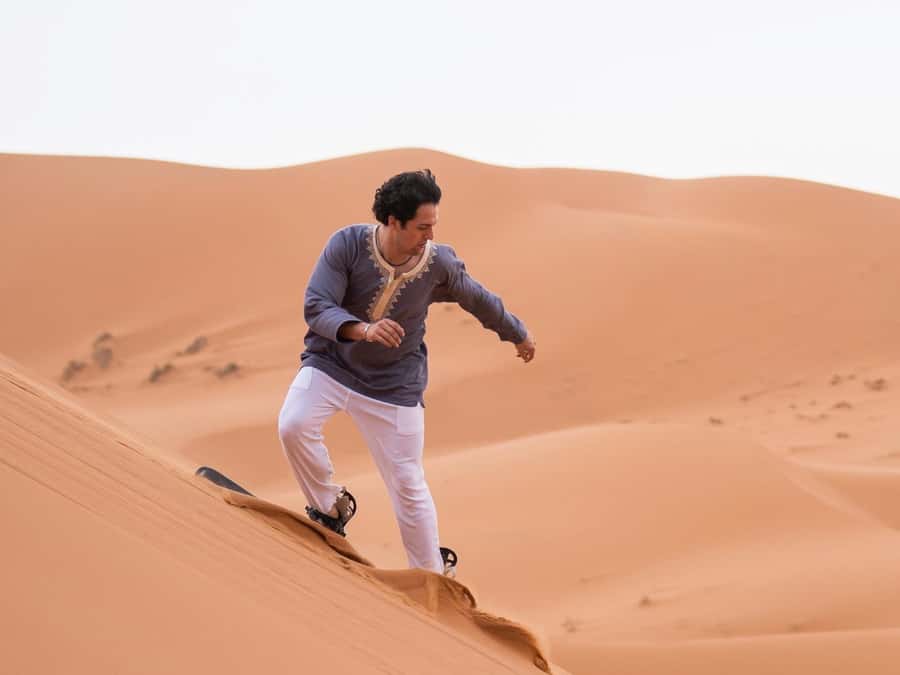
And yes, you can add sandboarding during the desert time. It’s listed as part of the experience, and it’s one of those activities that feels easy at first—until you realize sand doesn’t behave like snow. Stay balanced, follow your guide’s pace, and keep your expectations simple: have fun, then accept you might get sandy.
One small pro-tip from past experiences: some people found quad bike add-ons best when scheduled in the evening. Your tour package here doesn’t list quad bikes as included, so don’t assume it’s part of your timetable, but it’s an example of the kind of optional activity people love while in the dunes.
A few more Erfoud tours and experiences worth a look
Desert camping reality check: tents, stars, and actual facilities
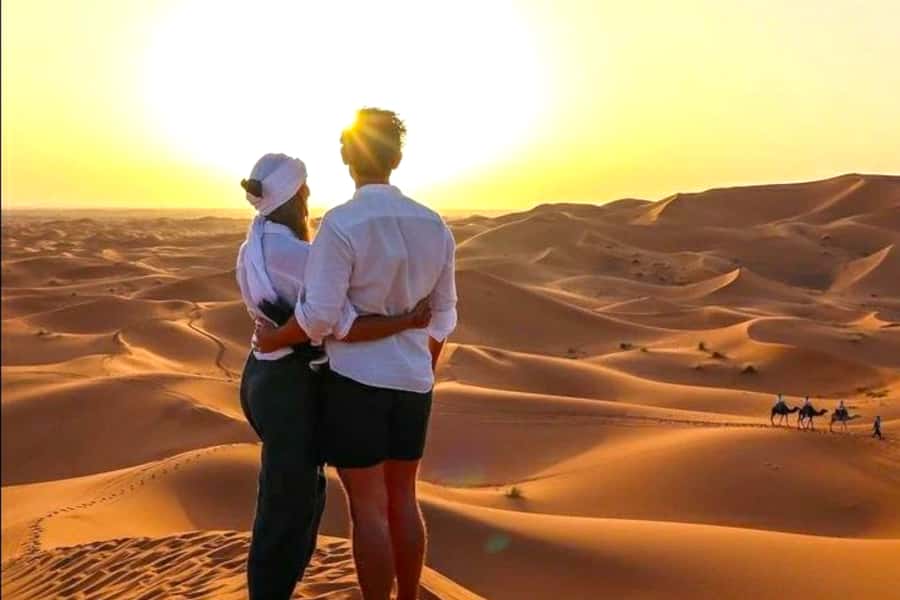
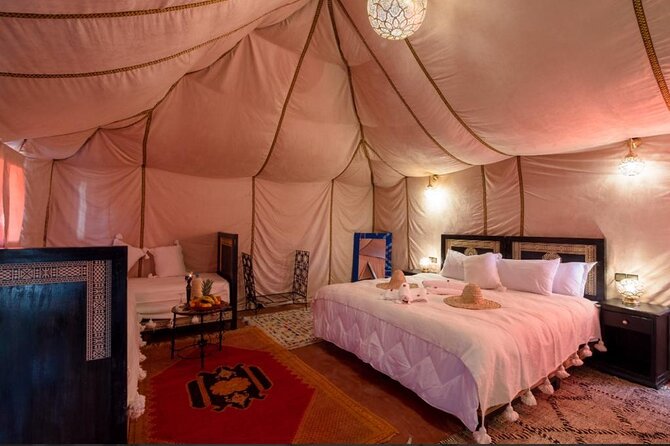
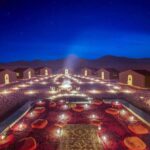
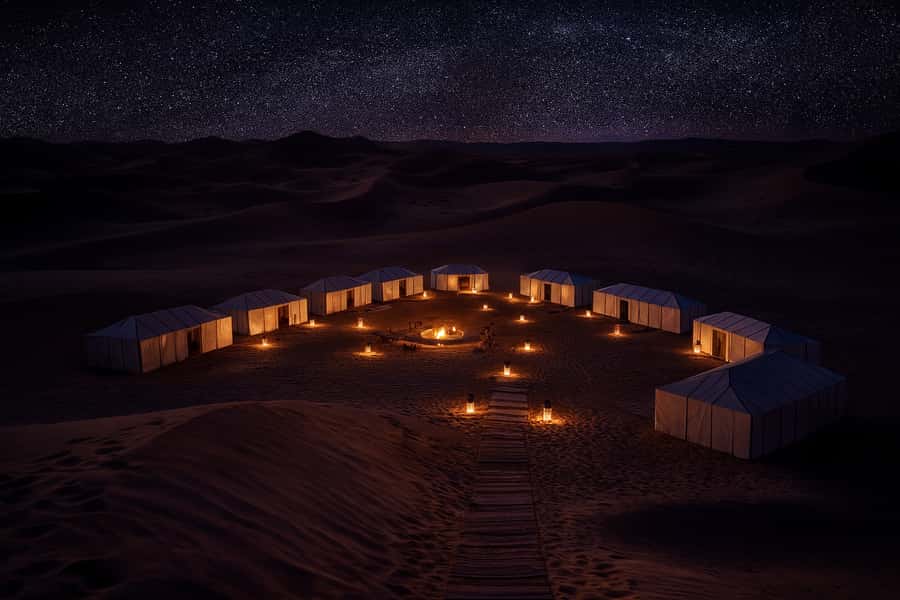
Night in the desert is where the story becomes personal. The tour provides comfortable, private tents for desert camping, plus dinners and breakfasts tied to the plan.
Past guest comments also mention that the Sahara camp setup can include showers and toilets, and that sleeping can be in more private, two-bed-room arrangements. That matters because it turns a “survival-feeling” camp into something you can actually enjoy after a long day.
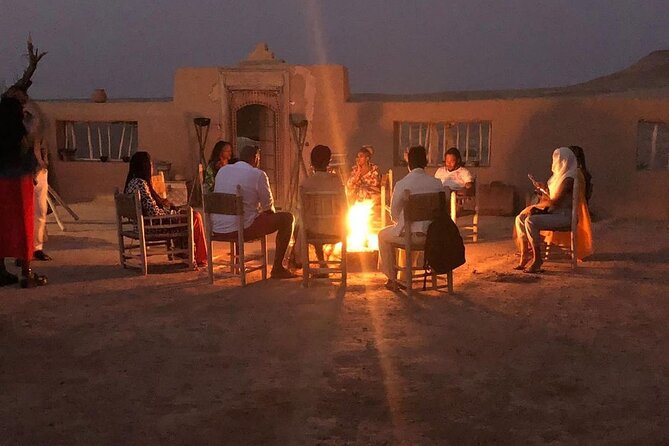
Expect starry skies, a fireside vibe, and music around the fire. One highlight that comes up often is dancing and social energy around the fire with locals and other visitors. Even if you’re not a party person, it’s usually more warm than loud.
Day 3: breakfast in camp, return toward Ouarzazazate, then on to Marrakech
After breakfast at the desert camp, you start heading back. The route goes toward Ouarzazazate first, with stops for scenic views along the way, then continues on to Marrakech for an evening arrival.
This is a smart ending for a short trip. You get the desert, but you’re not stuck in the dunes until late. Instead, you can land in Marrakech while there’s still daylight energy in the day, which helps if you want to walk, eat, or simply decompress.
If you’re planning your Marrakech evening, think practical. You’ll likely be tired from travel and sand. Choose something close to your accommodation or a dinner spot you can reach easily. The best Marrakech plans after the desert are usually the simple ones.
Food on the route: Moroccan dinners and what to do about lunch
Moroccan cuisine is part of the included experience through breakfasts and dinners. Lunches and drinks aren’t included, so you’ll want to budget for at least one on-the-go meal per day that lines up with your schedule.
What I like about this structure is flexibility. You can choose lunch based on hunger and timing, not just whatever the group arrives at first. It also keeps your day from feeling like a forced factory line.
For dinner, you can expect shared Moroccan flavors and proper sit-down meals after travel. If you’re sensitive to spice, just ask for mild options. And if you’re someone who forgets to drink water during travel days, treat this as a reminder: sand and sun can sneak up on you.
Camel trekking and sandboarding: how to stay comfortable
This tour includes camel rides and sandboarding, so your body matters here.
Bring:
- Comfortable shoes (you’ll be walking at kasbahs and gorges)
- Sunglasses and sunscreen (the desert glare is real)
- A hat (shade is your best friend)
- Warm clothing (night can cool down fast)
- Passport or ID card
Also, don’t underestimate the camel ride feeling. You’ll be sitting for long stretches, and dunes don’t have flat footing. If you’re prone to back discomfort, consider packing a thin cushion or wearing something supportive under your outer layer.
For sandboarding, start slow. It’s more fun when you don’t try to go full stunt mode on the first run. Use the instructor’s cues, keep your stance steady, and treat falls as part of the lesson.
Guide quality and the small-group advantage
One of the clearest patterns in feedback is that guides and drivers take care of the group. People specifically called out professionals by name, including Yonis, Moncef, Simo, Youssef, Mourad, Imad, Ridouan, Kiki, Hesham, Abdelkhalek, Abdul, Omar, Iddir, and Ali. The common thread isn’t just friendliness. It’s organization, attention to the group, and smooth driving on long routes.
This matters because a 3-day itinerary is tight. If the driver is calm and precise, you arrive ready for the next stop instead of stressed. And if the guide is proactive, you waste less time figuring out logistics at each new place.
You’ll also benefit from multiple languages: the live tour guide covers Arabic, English, French, and Spanish, plus the included audio guide. If you prefer learning by listening while moving, that can make the route feel smoother.
Price and logistics: is $124 good value for this route?
At $124 per person, this tour is a value play if you want the key highlights without spending extra time organizing transport yourself.
Here’s why the price works:
- Transport is handled in an A/C minibus with a small group.
- You get one included hotel/riad night in the Dades Valley with dinner and breakfast.
- Desert camping comes with provided tents and meals (dinner and breakfast).
- You get both sunrise and sunset camel rides in Erg Chebbi.
- Sandboarding is included.
Lunches and drinks are not included, so you’ll still spend a bit on food, but the big-ticket items are covered.
If you were to piece this together independently—transport, guides, camel arrangements, and a camp night—you’d likely spend more, and you’d spend extra time coordinating. For a short 3-day window, this package saves energy.
Who this tour fits best, and who should think twice
This is a good fit if:
- You want a first-time Sahara experience without complex planning
- You like history stops (Ait Ben Haddou) paired with outdoor time (Todra Gorge)
- You want both desert magic (Erg Chebbi sunrise/sunset) and guided structure
- You’re okay with a long day of driving between regions
You should think twice if:
- You need wheelchair-friendly accessibility (the tour is not suitable for people with mobility impairments)
- You don’t like being in a group setting at all, even though it’s small (max 17)
If your goal is a relaxed, slow travel week with long unstructured time, this might feel like “too much, too fast.” But if your goal is to cover a lot and still enjoy the desert, the structure is a strength.
Should you book this 3-day Ouarzazazate desert tour?
I’d book it if you want the classics of southern Morocco in a tight window, and you care about getting real desert time instead of just a quick stop. The camel trekking with sunrise and sunset is the best reason to choose this, and the combination of Ait Ben Haddou plus Todra Gorge keeps the trip from turning into one long dune day.
I’d also feel comfortable booking if you value organization and care in the details. Past experiences highlight that guides and drivers often go beyond basic routing, and that’s a big deal when your itinerary depends on timing.
If you want one final decision rule: book it if you can handle long drives and you’re ready for cool desert nights. Skip it if accessibility is a concern.
FAQ
How long is the tour?
It runs 3 days.
What is the price per person?
The price listed is $124 per person.
Where does the tour start and how do I join the group?
It typically starts in Marrakech, and you join the group in Ouarzazazate. The group usually arrives in Ouarzazazate around 13:00.
Is hotel pickup and drop-off included?
Yes. Pickup and drop-off are included, or the closest accessible point to your riad.
What language options are available for the live guide and audio?
The live tour guide can speak Arabic, English, French, and Spanish. An audio guide is included in French, Spanish, English, and Arabic.
What camel riding is included?
Sunrise and sunset camel rides are included in Erg Chebbi.
Is sandboarding included?
Yes, sandboarding is included.
What meals are included, and what is not?
Breakfasts and dinners are included. Lunches are not included, and drinks are not included.
Do I have to visit Ait Ben Haddou Kasbah?
No. If you choose not to visit, pickup still happens from your Ouarzazazate riad/hotel (or the closest accessible point). If you want to visit, you’ll need to arrange a taxi if required and meet the local guide and group there.
Is free cancellation available?
Yes. You can cancel up to 24 hours in advance for a full refund.
Is this tour suitable for people with mobility impairments?
No. It is not suitable for people with mobility impairments.
If you want, tell me your month of travel and whether you’re joining from Marrakech or arriving directly in Ouarzazazate, and I’ll suggest what to prioritize for clothing and timing.