REVIEW · ERFOUD
From Marrakech: Private 4-Day Tour to Magic Desert Merzouga
Book on GetYourGuide →Operated by MOROCCO TOURS SAHARA · Bookable on GetYourGuide
The Sahara hits fast. In just four days you’ll go from Marrakech bustle to Erg Chebbi dunes with camel time at both ends of the day. I like that this is a private trip with a driver-guide, so you’re not stuck herding along with strangers. One thing to plan for: the driving days have long stretches, so it helps to be comfortable on the road and patient with stops.
What I really like is the mix of big “wow” moments and cultural stops. You’ll see UNESCO-listed Ait Benhaddou, walk in Todra Gorge, and then sleep in a traditional desert camp with drumming in the evening. The possible drawback is that the desert portion takes a moderate fitness level—there’s walking and camel trekking on sand, plus cool nights after hot days.
In This Review
- Quick hit checklist before you go
- Day 1: High Atlas passes, Ait Benhaddou, and the Dades Valley colors
- Day 2: Todra Gorge to Merzouga, then camel trek into Erg Chebbi
- Day 3: Erg Chebbi sunrise, desert activities, and Berber music around camp
- Day 4: Draa Valley palm groves, kasbahs on the way back, then Marrakech
- Price and logistics: is $783 per person good value?
- The guide factor: why it feels smoother on a private tour
- Who this Marrakech-to-Merzouga trip fits best
- Practical packing and timing tips that actually help
- Should you book this Marrakech to Merzouga private tour?
- FAQ
- Is this a private tour?
- What meals are included?
- Is the Merzouga desert nomad visit included?
- Do you get a local guide for Ait Benhaddou?
- Are camel treks included at sunrise and sunset?
- Where do you sleep during the tour?
- How physically demanding is the trip?
- What should I bring?
Quick hit checklist before you go
- Ait Benhaddou (UNESCO stop): a classic kasbah setting where the old routes still feel real
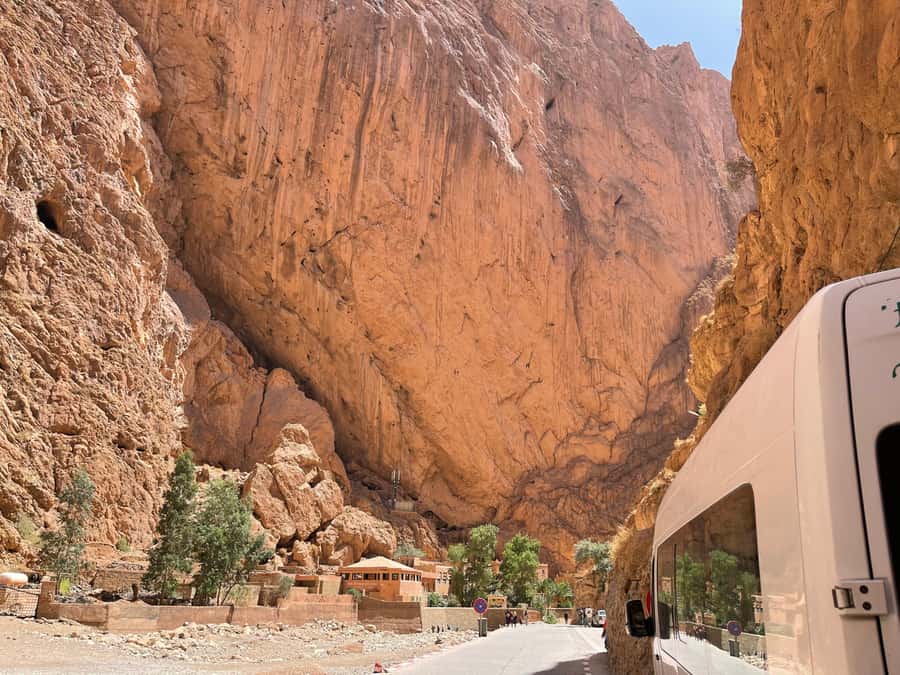
- Todra Gorge walk: dramatic cliffs and a narrow canyon vibe
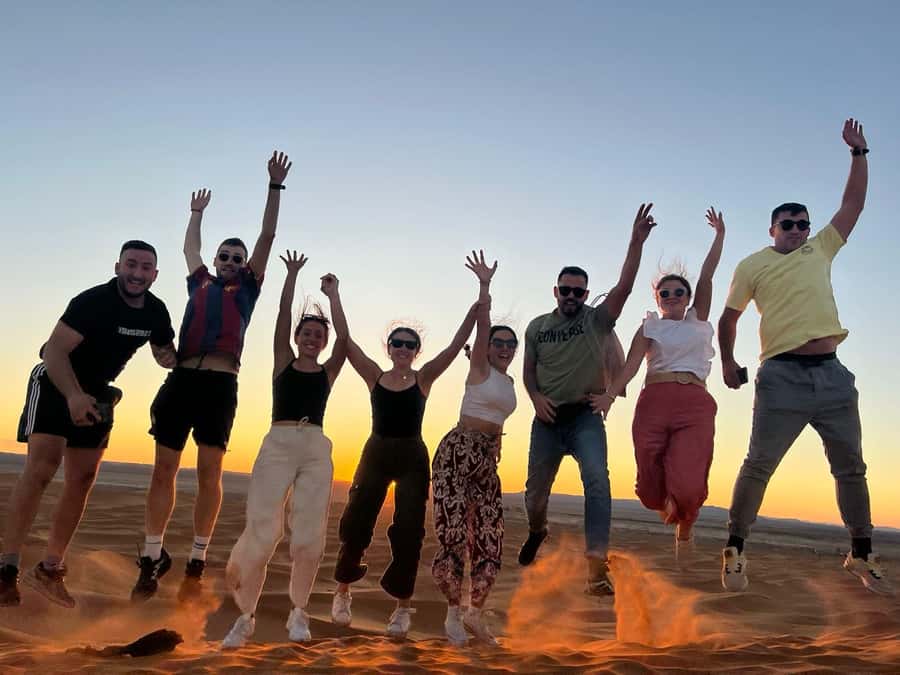
- Erg Chebbi sunrise + sunset camel treks: two different desert moods
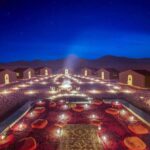
- Traditional desert camp night(s): a Berber-style dinner setting with drumming and music
- Private driver-guide with air-conditioned transport: easier pacing than most group tours
Day 1: High Atlas passes, Ait Benhaddou, and the Dades Valley colors
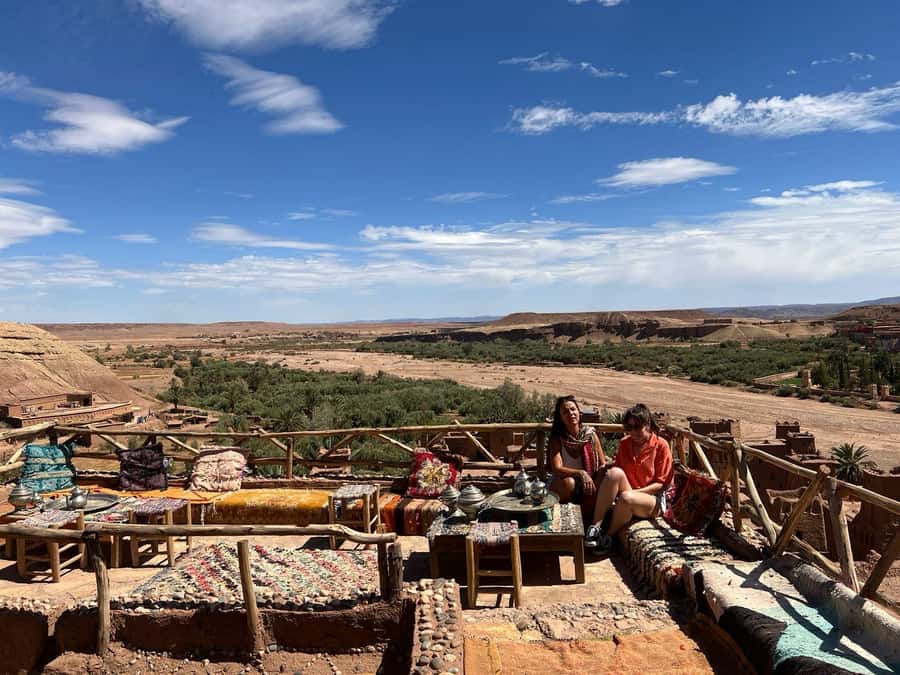
Day 1 is all about getting your eyes adjusted for Morocco at speed. You start in Marrakech and head toward the High Atlas Mountains, winding through mountain passes and stopping in traditional Berber villages along the way. These stops matter more than you might think. Even when you’re just stretching your legs briefly, you see how communities are shaped by roads, valleys, and daily life—not just what’s on postcards.
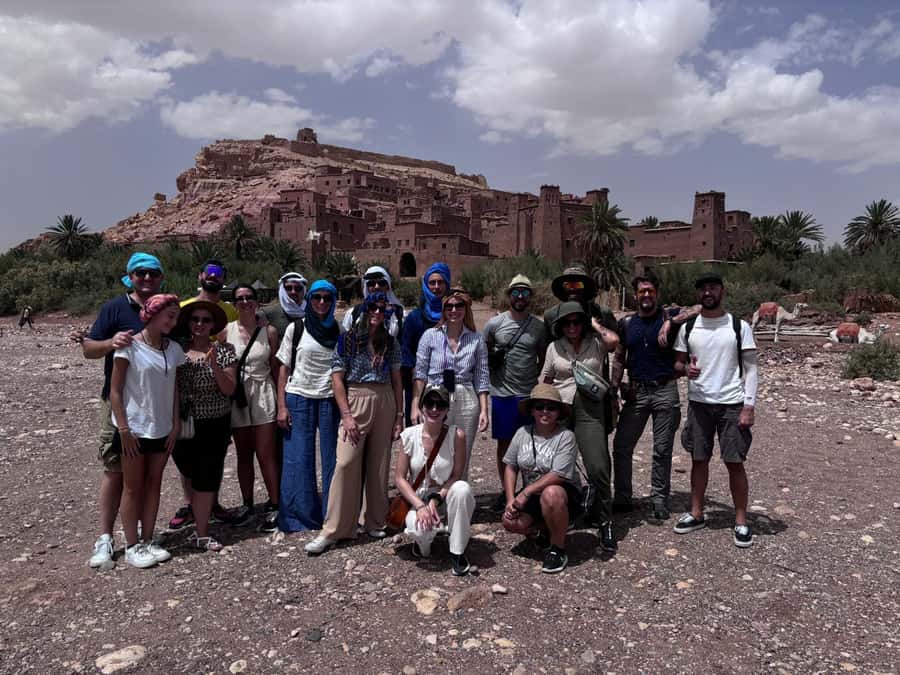
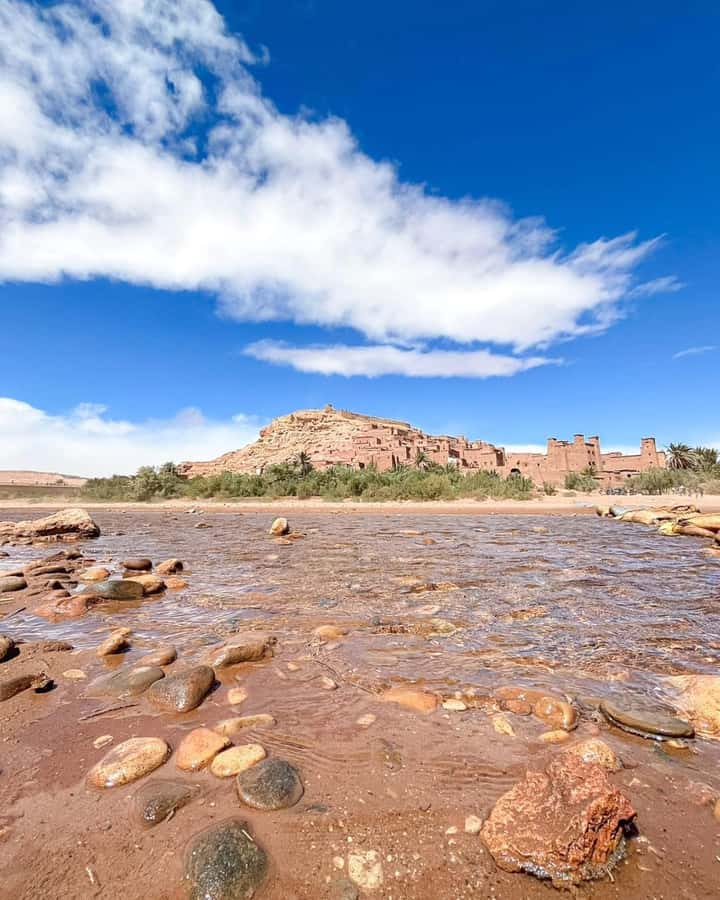
Then comes Ait Benhaddou. This UNESCO World Heritage Site is a well-preserved ancient kasbah, famous for how it looks on film, but it works in real life too. The kasbah’s structure helps you understand why this area was worth defending and trading over centuries. If you want extra context while you’re there, there’s an optional local guide available (listed as an add-on).
After Ait Benhaddou, you continue to Dades Valley. This is where the day turns from “views from the road” into “walking-friendly scenery.” Dades is known for its dramatic rock formations and lush oases, and it’s a good first night base because the pace is manageable after a long travel day. You’ll arrive at your hotel for dinner and sleep, which keeps your evening relaxed instead of dragging you further into the countryside.
What to watch for on Day 1: the day is longer than it looks on paper. The driving is real, but the frequent breaks and village stops help keep it from feeling like nonstop transit.
You can also read our reviews of more private tours in Erfoud
Day 2: Todra Gorge to Merzouga, then camel trek into Erg Chebbi
Breakfast sets you up for Day 2’s two-part rhythm: canyon morning, desert evening.
First stop: Todra Gorge. You’ll find towering cliffs rising on both sides, creating a narrow canyon that’s made for short exploration. You can take a leisurely stroll along the riverbanks and enjoy the way the walls “pinch in” the space. If you’re into active travel, you’ll also have options that can include rock climbing attempts in that setting (depending on comfort and conditions). Even if you don’t climb, the gorge is one of those places where your photos look better than usual because the scale is obvious.
Then you roll into the desert side of Morocco. Merzouga sits on the edge of the Sahara, so you’ll feel the environment shift as you get closer—light changes, roads get quieter, and the air feels different. Once you arrive, the tour pivots to the iconic experience: a camel trek into Erg Chebbi.
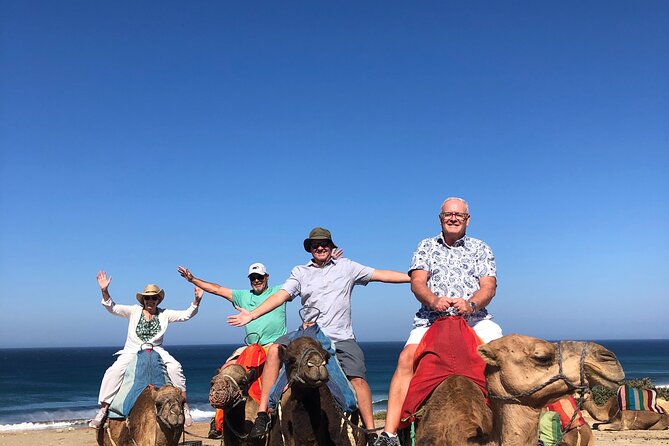
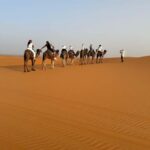
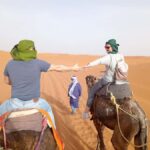
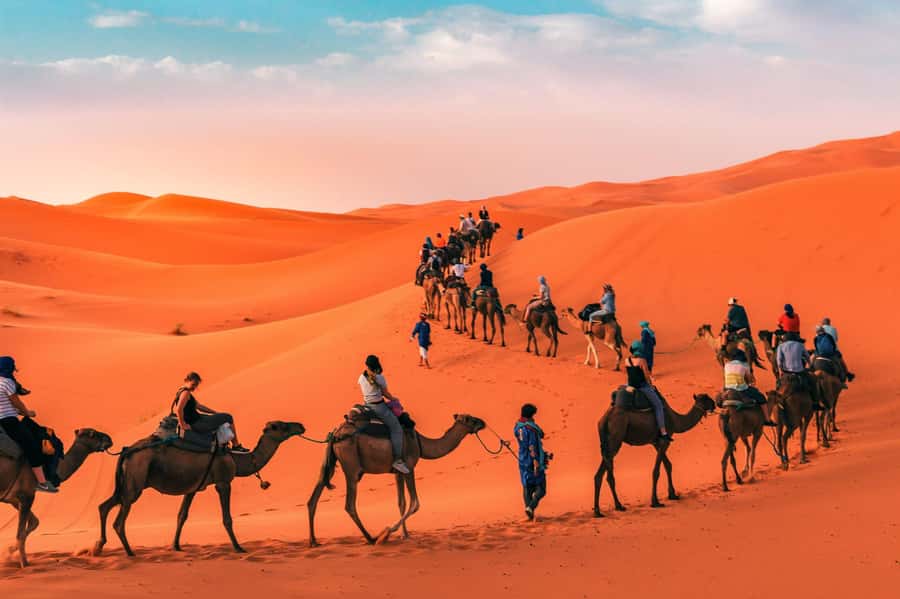
The big moment is the sunset ride. Riding at golden hour changes the whole story. In the daylight, dunes look like sand. At sunset, they turn into smooth shapes with long shadows, and your sense of distance expands fast. You’ll spend the night in a traditional desert camp, with a Berber dinner under the stars.
What to watch for on Day 2: night can cool off quickly. Bring warmer layers than you think you need, even if the daytime feels warm.
Day 3: Erg Chebbi sunrise, desert activities, and Berber music around camp
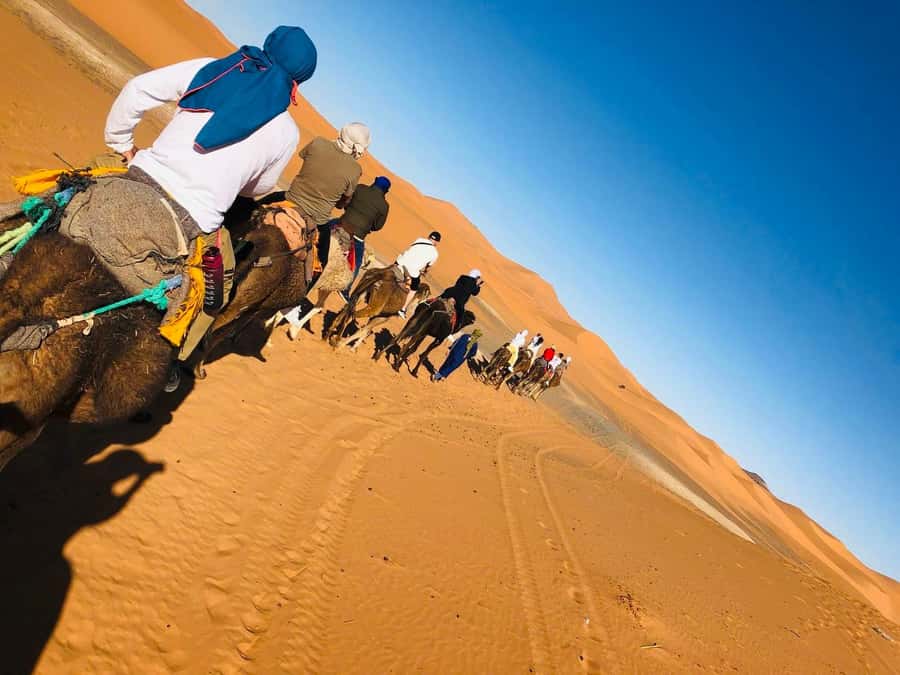
This is the day that most people talk about after the trip: sunrise in the Sahara.
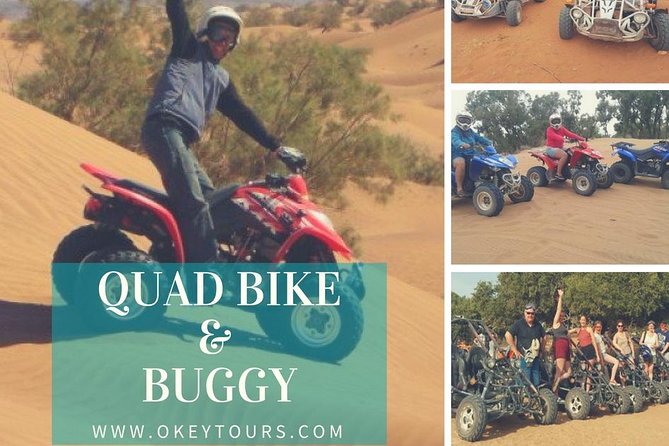
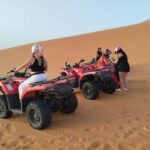
You wake early to catch the desert changing color. Sunrise over Erg Chebbi is special because the dunes are close enough to feel intimate, yet wide enough to feel endless. After the early camel trek, you’ll have breakfast and time in the Erg Chebbi dunes, including ways to explore such as camel riding again or an off-road option (the schedule suggests 4×4-style exploring as a choice during the day’s desert activities).
A highlight I like here is the visit to a nomadic Berber family. The tour info notes this visit as an extra option with an additional fee, so it’s not automatically included. If you do add it, it’s a useful way to connect the dunes to real people—how life works when water, shelter, and travel patterns are built around the environment.
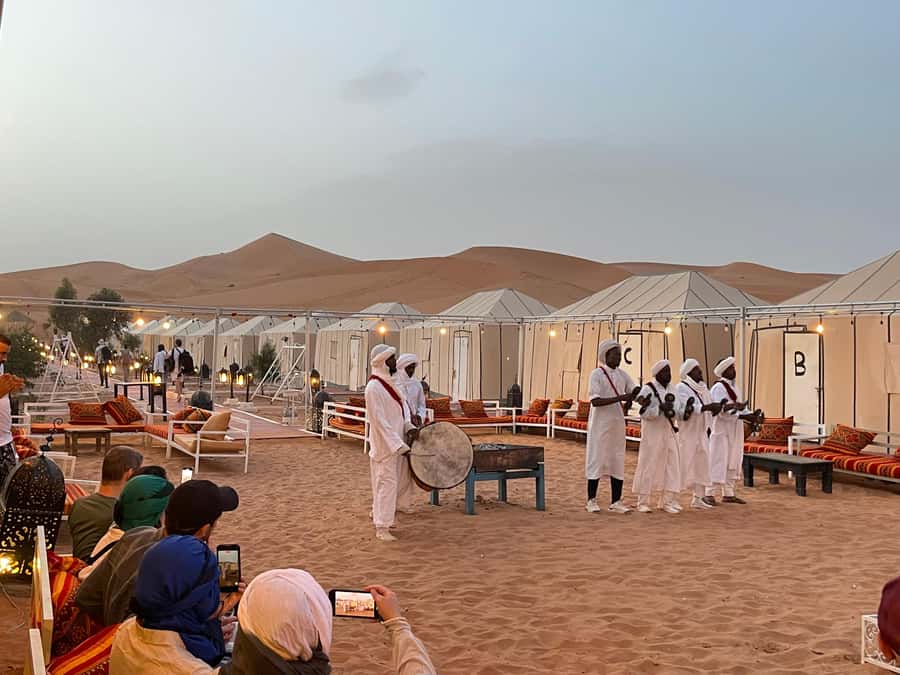
Later, the itinerary leaves room for typical desert play like sandboarding and more time to simply sit with the quiet. In the evening, you’ll have dinner at the camp and enjoy Berber drumming and music around the campfire. That part is included in the package, so you don’t need to hunt for entertainment plans once you’re off the road.
What to watch for on Day 3: sand time is tiring in a good way, but it adds up. Wear shoes you can walk in for real ground, not just for city streets.
Day 4: Draa Valley palm groves, kasbahs on the way back, then Marrakech
Day 4 is the “bring it home” portion. You’re leaving Merzouga behind and heading back toward Marrakech, but you’re not doing it in a straight line.
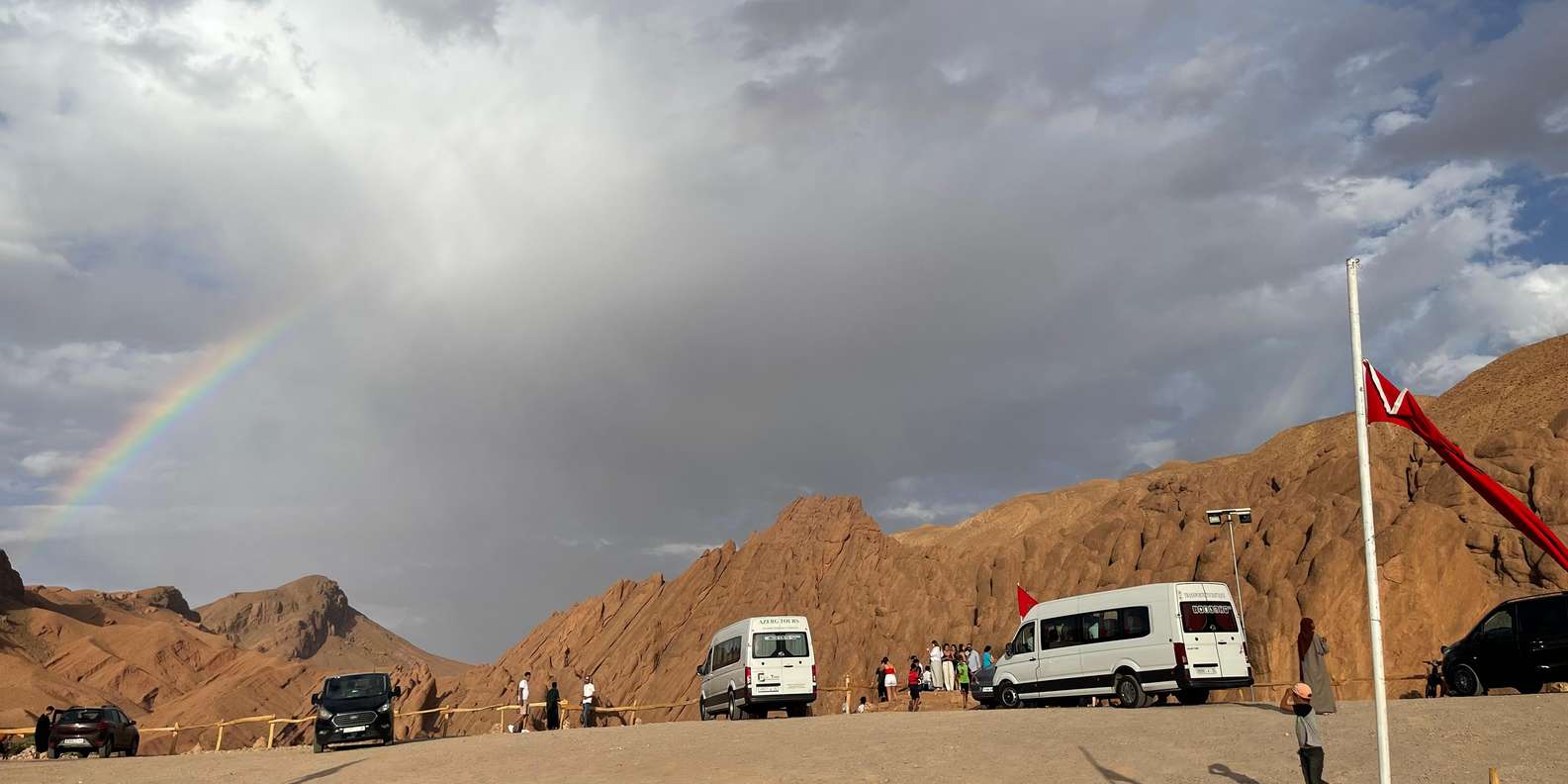
You’ll stop in the Draa Valley, known for lush palm groves and ancient kasbahs. This is a nice contrast after Erg Chebbi. Instead of endless sand, you get a long stretch of settled greenery and architecture. It’s also a reminder that Morocco’s desert edge isn’t only dunes—it’s a borderland shaped by travel, food, and older routes through the Atlas region.
After Draa Valley, you return through the Atlas Mountains again, with photo stops at panoramic viewpoints when timing allows. You finish back in Marrakech in the evening.
What to watch for on Day 4: it’s a long travel finish. Plan for an early-ish dinner and an easier evening after you arrive back in the city.
Price and logistics: is $783 per person good value?
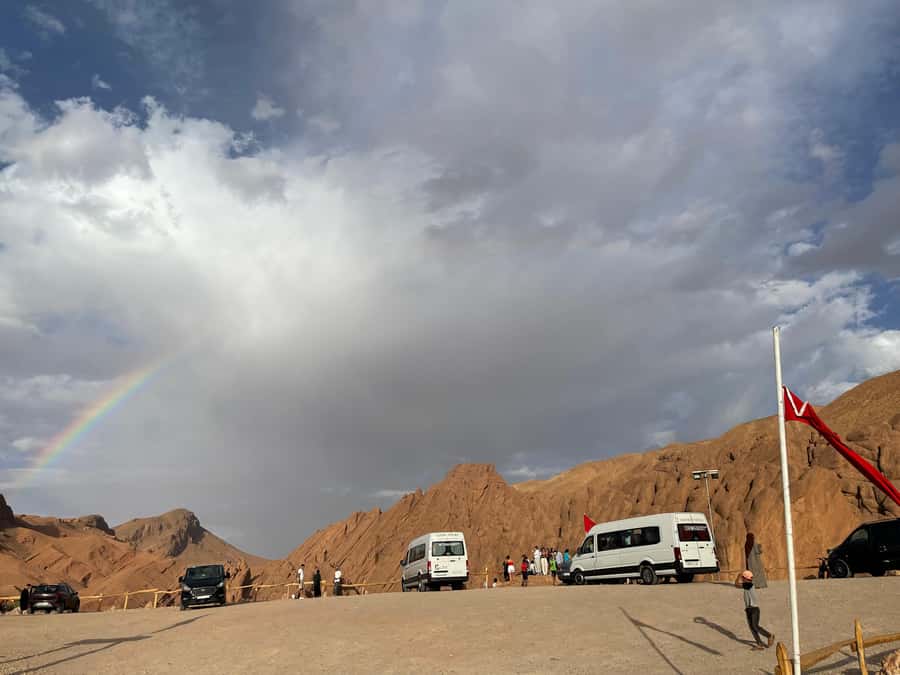
At $783 per person for four days, you’re paying for a full package: private transport, guided driving, and the two most expensive parts of Morocco desert travel—getting out to the dunes and keeping you comfortable once you’re there.
Here’s what you’re getting that usually costs extra elsewhere:
- Pickup and drop-off from Marrakech, with air-conditioned 4×4 or minibus
- A driver-guide handling the route and the day’s transitions
- 1 night in a hotel (Dades Valley) plus 2 nights in a desert camp
- 3 breakfasts and 3 dinners (but lunches aren’t included)
- Sunset and sunrise camel trekking in Erg Chebbi—two full desert sessions, not just one
- Luggage service, so you’re not carrying bags across every step
- Berber drumming and music experience at camp
- Optional upgrade support: a luxury private tent is available if you select that option
Where the value can dip slightly:
- Two popular cultural add-ons are not included by default: the Merzouga desert nomad visit (listed as 60€ per person) and a local guide in Ait Benhaddou (listed as 2€ per person). These are small compared with the whole tour, but they do affect the final total.
- Lunch and drinks are not included, so you’ll budget for those along the road.
In plain terms: if you want a private desert trip that handles transport and the core desert moments (sunrise/sunset camel time plus camp nights), this price looks fair for what’s wrapped in.
A few more Erfoud tours and experiences worth a look
The guide factor: why it feels smoother on a private tour
The quality of desert travel often comes down to the driver-guide. From recent bookings, names like Salem and Youssef show up with praise for making the trip feel personal and well-paced.
On this type of route, a good guide helps in a few practical ways:
- timing stops so you’re not constantly rushed
- keeping your day manageable even with long driving
- answering questions in Ait Benhaddou, Todra Gorge, and around camp so it feels more than just scenery
Because this is a private group, you can also ask for small changes like extra photo time at panoramic viewpoints, as long as it fits the overall schedule.
Who this Marrakech-to-Merzouga trip fits best
This tour is a strong match if you want:
- a private Sahara experience without sorting logistics yourself
- the classics: Ait Benhaddou, Todra Gorge, and Erg Chebbi dunes
- real desert nights with camp dinner and music
- sunrise and sunset camel trekking, which you only get when the schedule is built for it
It may not be the best fit if:
- you hate long travel days and prefer shorter, easier segments
- you don’t feel comfortable with moderate fitness needs (walking plus camel trekking on desert terrain)
- you’re expecting every activity to be included with no add-ons—some visits and optional guides cost extra
Practical packing and timing tips that actually help
The tour suggests bringing:
- passport
- comfortable shoes
- sunglasses, sun hat, sunscreen
I’d add one travel reality: desert nights can cool down. Bring a warm layer, not just summer clothes.
Also, think about your camel trek comfort. You’ll be on sand, so motion and heat matter. Wear practical clothing you don’t mind getting a little dusty, and bring water when you can during the road day segments (since lunches and drinks aren’t included).
Should you book this Marrakech to Merzouga private tour?
If you want a straightforward, high-impact desert route with private care, I’d say yes—this one is built around the moments people actually remember: Ait Benhaddou, Todra Gorge, and Erg Chebbi at sunrise and sunset, plus two nights in a camp with Berber music.
Book it if:
- you’re okay with moderate walking and camel trekking
- you value a handled plan (transport, stays, and key meals)
- you want the desert experience to feel full, not rushed
Skip it or consider a different pace if:
- long driving days will drain you
- you’d rather do fewer transitions and spend more time in one place
If you’re ready for a real circuit through Morocco’s Atlas region into the Sahara, this tour gives you a solid mix of culture, canyon drama, and dune magic—without you needing to manage the moving parts.
FAQ
Is this a private tour?
Yes. This experience is described as a private group, with pickup and drop-off included in the package.
What meals are included?
You get 3 breakfasts and 3 dinners. Lunch and drinks are not included.
Is the Merzouga desert nomad visit included?
No. The visit to the Merzouga desert nomads is available for an additional 60€ per person.
Do you get a local guide for Ait Benhaddou?
A stop at Kasbah Ait Benhaddou is included, but a local guide there is listed as an optional extra of 2€ per person.
Are camel treks included at sunrise and sunset?
Yes. The package includes sunset camel trekking in Erg Chebbi and sunrise camel trekking in Erg Chebbi.
Where do you sleep during the tour?
You’ll have 1 night in a hotel in the Dades Valley and 2 nights in a traditional desert camp in Merzouga. A luxury private tent is available if you select that option.
How physically demanding is the trip?
The trip calls for a moderate level of physical fitness, including walking and camel trekking on desert terrain.
What should I bring?
Bring a passport, comfortable shoes, sunglasses, a sun hat, and sunscreen.