REVIEW · ERFOUD
From Marrakech 3 Days Desert Merzouga with Camel & Quad bike
Book on GetYourGuide →Operated by Desert Family Tour · Bookable on GetYourGuide
Marrakech to Merzouga is a long day stretch done right. You’ll cross the High Atlas and drive up over the Tizi n’Tichka Pass before trading roads for dunes, with camel time and quad thrills in Erg Chebbi. It’s the kind of trip where the scenery keeps changing, fast.
What I love most is how the days feel planned but not rushed. The Kasbah Ait Benhaddou stop is a real highlight, and you’ll also pass dramatic places like the Todra area with its canyon walls and palm valleys.
One thing to keep in mind: it’s a lot of driving in a small amount of time. Also, a few people noted small comfort gaps (like leg room on the bus or whether quad helmets were provided), so if you’re tall or safety-focused, plan for that.
In This Review
- Key highlights worth booking for
- The real value of a Marrakech to Merzouga desert jump
- Day-by-day flow: how the route keeps you moving and seeing
- High Atlas to UNESCO: Tizi n’Tichka Pass and Ait Benhaddou
- Dades and Todra: canyon walls, palm valleys, and the comfort of stops
- Erg Chebbi camel trek: the desert experience you actually remember
- Quad biking at Merzouga: fun, speed, and how to be smart
- Overnight in a Berber tent: why the night matters more than the photos
- Food on the road: what’s included, and what you might want
- Price and logistics: what you’re really paying for
- Guides and the human touch: why names keep showing up
- Who should book this desert trip, and who should rethink it
- Should you book this Marrakech to Merzouga with camel and quad?
- FAQ
- How long is the trip from Marrakech to Merzouga?
- Where do pickup and drop-off happen?
- What does the camel trekking include?
- How does the quad biking work?
- Is there an English-speaking guide?
- What is the cancellation policy?
Key highlights worth booking for
- Tizi n’Tichka Pass views: the big elevation moment early on
- UNESCO Kasbah Ait Benhaddou: about 2.5 hours with a local guide on-site
- Todra area canyon walls and palm valleys: classic Morocco scenery on day two
- Erg Chebbi sunset camel trek: you climb toward the highest dunes by camel
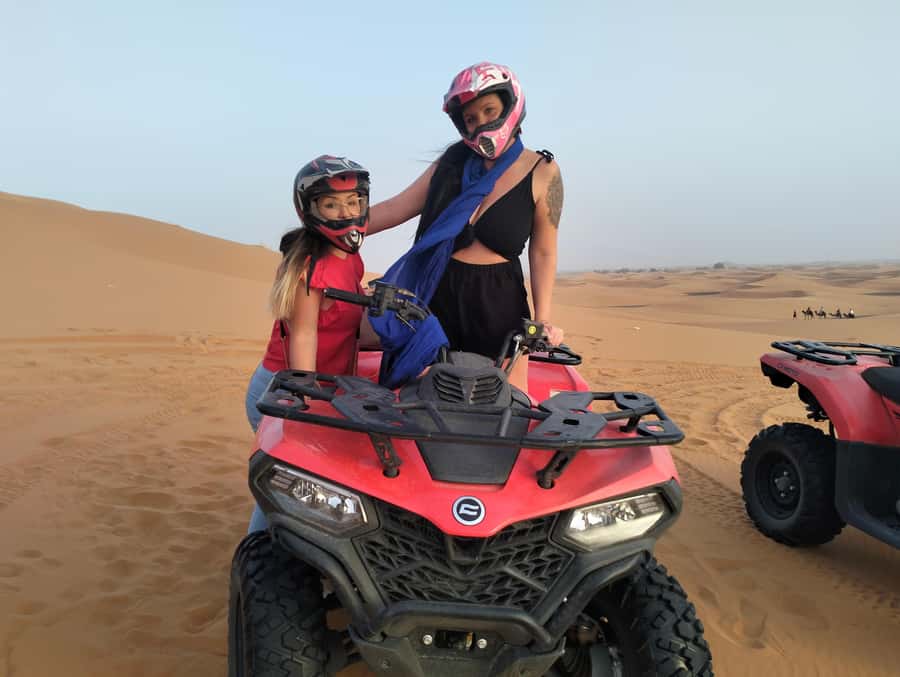
- Quad biking in the Merzouga dunes: about an hour of desert riding time
- Berber tent night under stars: dinner and breakfast included, plus desert music
The real value of a Marrakech to Merzouga desert jump
This is a good “time-efficient” desert trip. Three days is not enough to cover all of Morocco, but it is enough to get the main hit: Atlas Mountains, a UNESCO site, and the Sahara dunes at night.
At $114 per person for 3 days, you’re paying for the big stuff that’s hard to DIY on short notice: an air-conditioned vehicle, a driver/guide, meals across the overnight stops, a real camel experience (one camel per person), and desert camp logistics. Entrance fees and lunches are not included, but most of the core experience is.
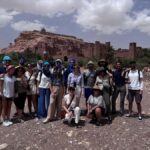
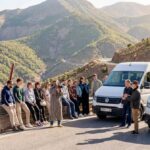
The group size is capped at 17 participants, which matters more than it sounds. Small groups usually mean fewer bathroom stops, less waiting around, and more space to breathe when you arrive somewhere scenic. You’ll also get live English guidance, which helps when you’re bouncing between mountain roads and desert tracks.
You can also read our reviews of more tours and experiences in Erfoud.
Day-by-day flow: how the route keeps you moving and seeing
Day 1 starts early from Marrakech, with pickup at your accommodation or the closest car-accessible meeting point. From there, you’ll head east toward the High Atlas. The driving rhythm is part of the experience here: long stretches on the road, then breaks for photos and stretching, then back on the road again.
You’ll hit the Tizi n’Tichka Pass, the highest road pass in North Africa. Even if you’ve seen mountain roads before, this one has an immediate “wow” effect because the views open up fast and the road curves give you constant angles—mountain slopes to deep valleys.
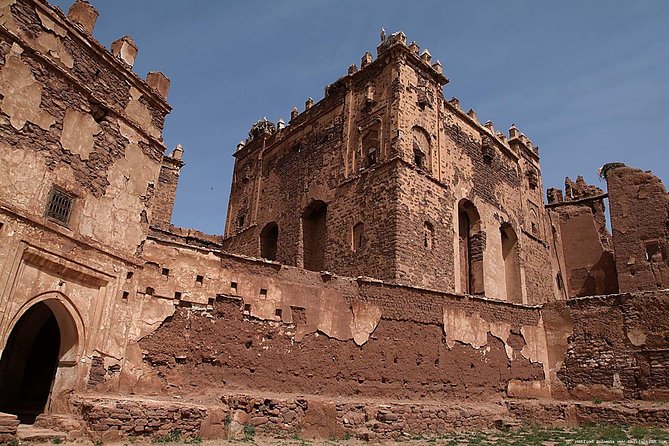
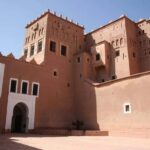
After that big altitude moment, you stop at Kasbah Ait Benhaddou. You’ll spend around 2.5 hours exploring with a local guide on-site. This is not just sightseeing from a bus window. It’s walking inside the place and seeing how the kasbah structure fits the landscape and history of southern Morocco.
Then you continue to the Dades/Tinghir area for the evening. Dinner and breakfast are included at the hotel stop. This part of the trip is meant to get you comfortably positioned for canyon country the next day.
Day 2 switches from Atlas cliffs to desert-edge vibes. You head toward the Erg Chebbi region, with stops in and around places like Tinghir, Todra Gorge, Tinjdad, Jorf, Erfoud, and the Berber villages along the way. These are the “window moments” where you get a sense of how people live outside the tourist main road—small communities, roadside markets, and valleys that look different every turn.
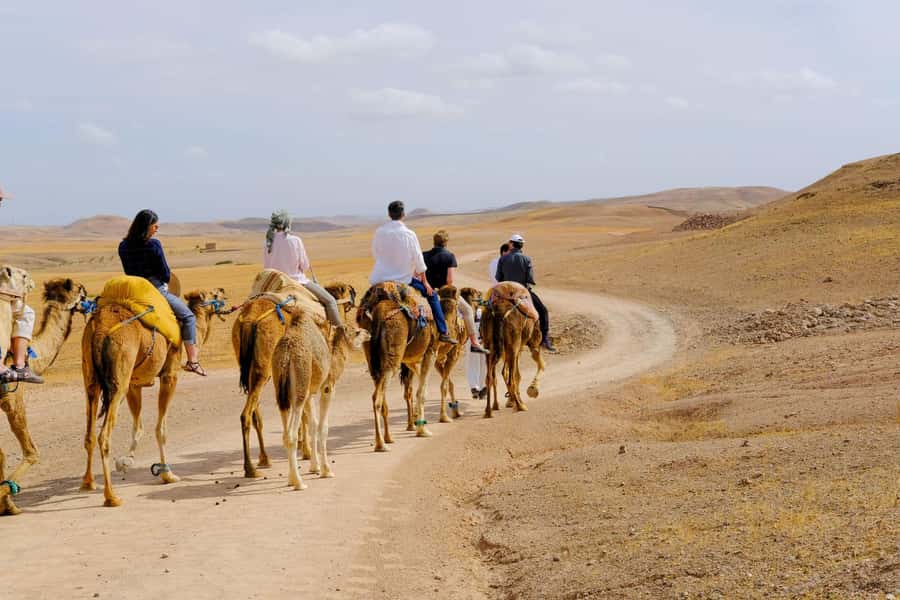
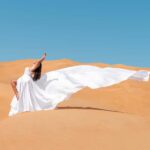
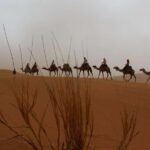
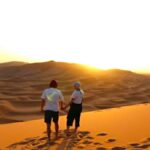
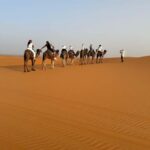
Then comes the star move: after you reach Merzouga, you pack a small overnight bag for the dunes. From there, you’ll ride a camel trek across Erg Chebbi sand dunes to the traditional Berber camp. You’ll arrive in time for sunset, then sleep under a sky full of stars.
Day 3 is sunrise first. You’ll wake up early enough to see the desert light shift over the dunes. Breakfast follows, and then you’re back on a quad bike for the ride portion before heading back toward Marrakech, stopping around Kalaat M’Gouna (Rose Valley) for lunch and a rest break.
High Atlas to UNESCO: Tizi n’Tichka Pass and Ait Benhaddou
If you only cared about dunes, you could skip the mountains. But you’d miss why this trip works so well: the contrasts.
The Tizi n’Tichka Pass is the first contrast. You feel it in the air and the driving: temperatures shift, the road climbs, and suddenly you’re looking down at villages tucked into stone and greenery. Even short photo stops feel worthwhile here because the views keep changing with every turn.
Then you drop into the world of Kasbah Ait Benhaddou, a UNESCO-listed site. This is one of those places where the buildings look like they belong to the landscape, because they were built to live with it. You’ll also learn why it shows up in film history. Time is built in for a proper walk through the kasbah with a local guide, which is important because the place has details that are easy to miss if you’re just wandering.
A practical note: entrance fees aren’t included, and the local guide fee is listed as 2€ (not included). Plan for that so you’re not dealing with money questions on the spot.
Dades and Todra: canyon walls, palm valleys, and the comfort of stops
Between Marrakech and the dunes, Morocco is doing several jobs for you: it’s giving you scale, texture, and a sense of region-to-region change.
The Tinghir/Dades zone is where you start seeing the canyon shapes more clearly. The Todra area in particular is known for its high canyon walls, and the trip also passes palm oases and valley areas. When you look at palm groves against rock walls, it’s easier to understand why settlements grew where they did.
This is also where the trip’s structure helps your body. You’re not driving nonstop. You get planned breaks for stretching and photos. That may sound basic, but in practice it’s what keeps the trip from feeling like a miserable bus slog.
One consideration: you should expect long days. You’re crossing a big distance, so if you’re sensitive to road time, bring distractions (music, downloaded shows) and dress for temperature swings. One thing that came up in feedback is that bus comfort can be inconsistent for taller passengers, so it’s worth dressing in layers and packing a small cushion if you have one.
Erg Chebbi camel trek: the desert experience you actually remember
The desert portion is where this trip earns its keep. You don’t just see dunes. You ride toward them and then walk into the sand world properly.
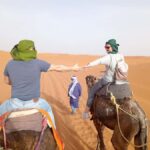
After arriving in Merzouga, you take a camel trek across Erg Chebbi. The setup is simple: leave the camels with the camp, then walk up toward the higher dunes for sunset. That shift from camel pace to walking uphill is part of why sunset feels special—your body slows down, your view opens up, and you’re present for the light change.
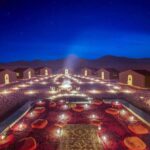
The camp itself is a private desert tent for the night, with dinner and breakfast included. You’re meant to relax, eat, then settle in for the night sky. One of the most praised parts is exactly that: the feeling of sleeping out under the stars, with drum music mentioned in the experience.
A tiny logistics thing: bring a small overnight bag for the dunes. Keep it light. You’ll want your essentials, not a full suitcase lifestyle.
Quad biking at Merzouga: fun, speed, and how to be smart
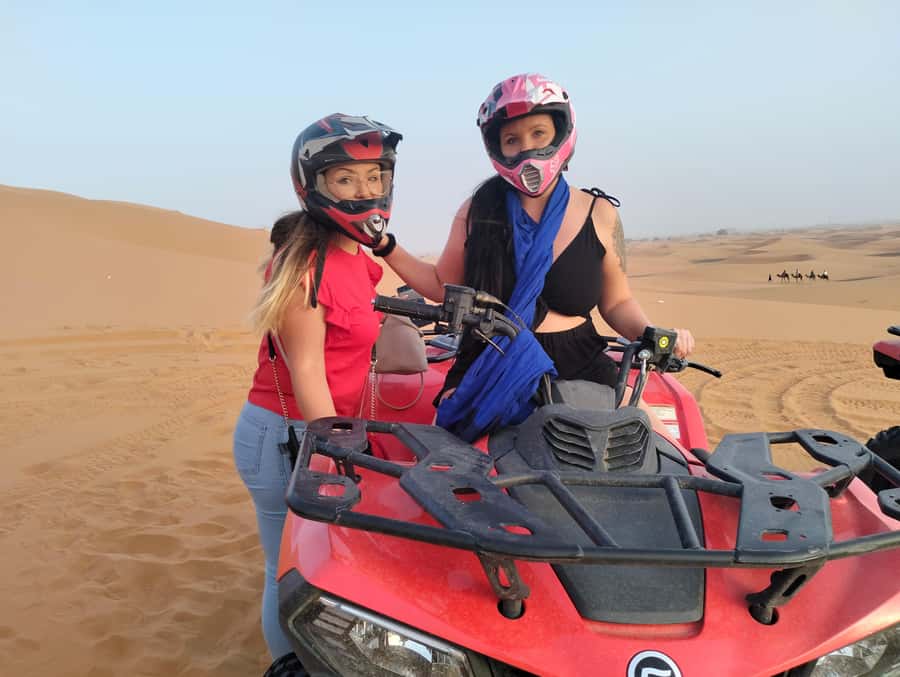
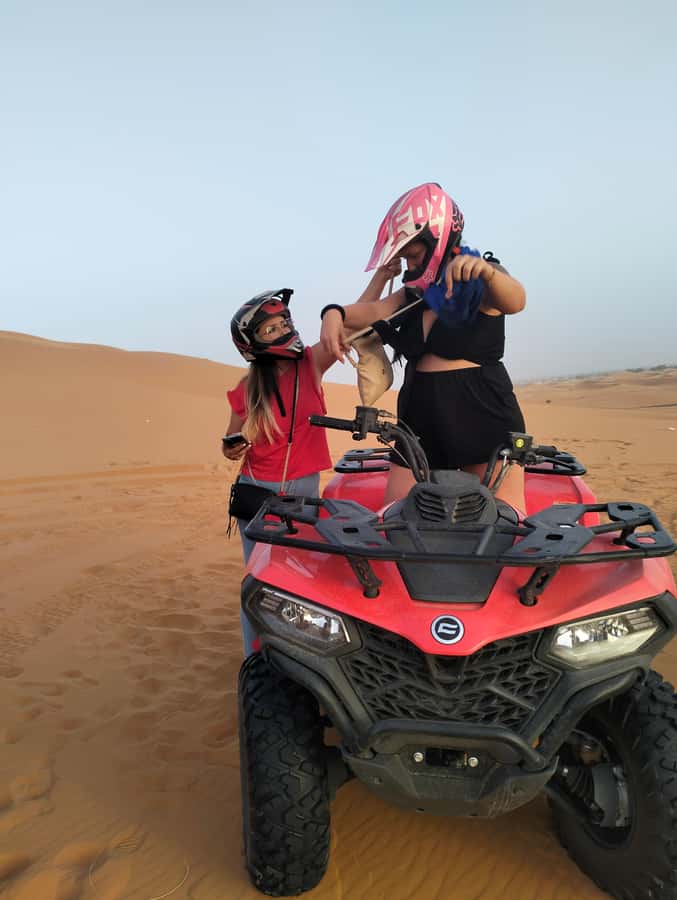
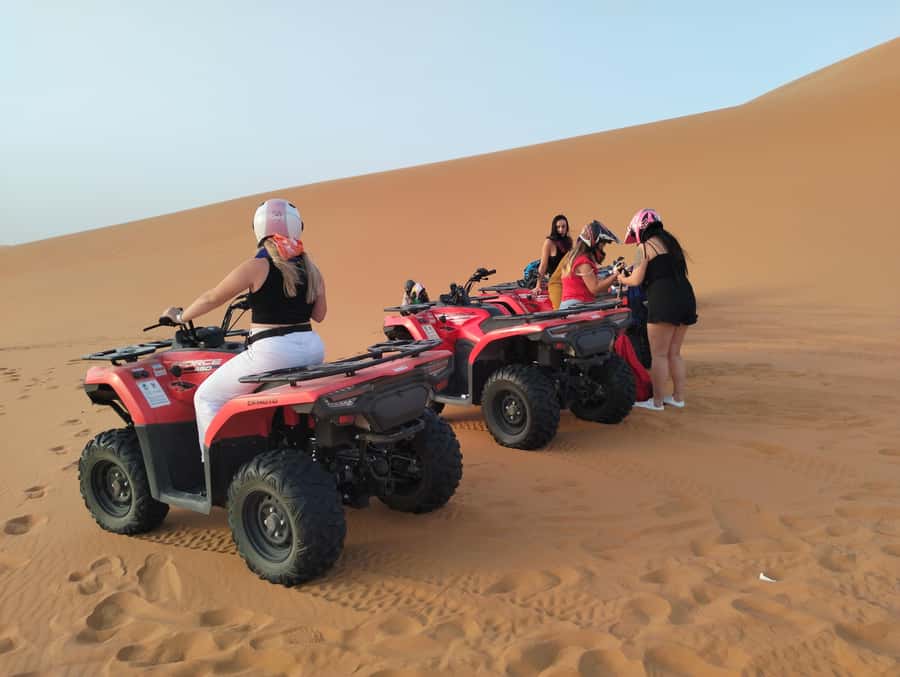
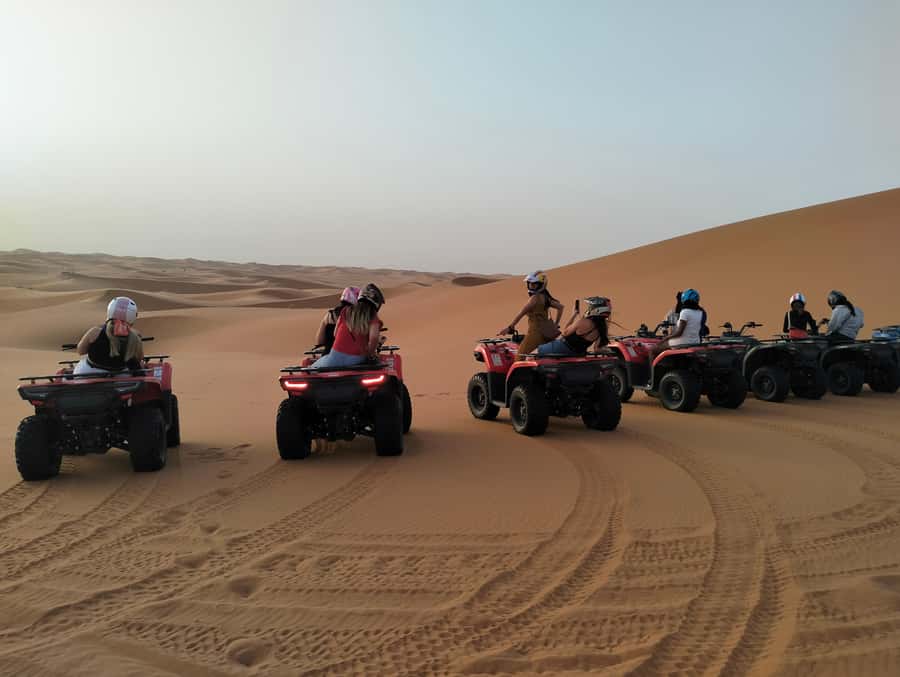
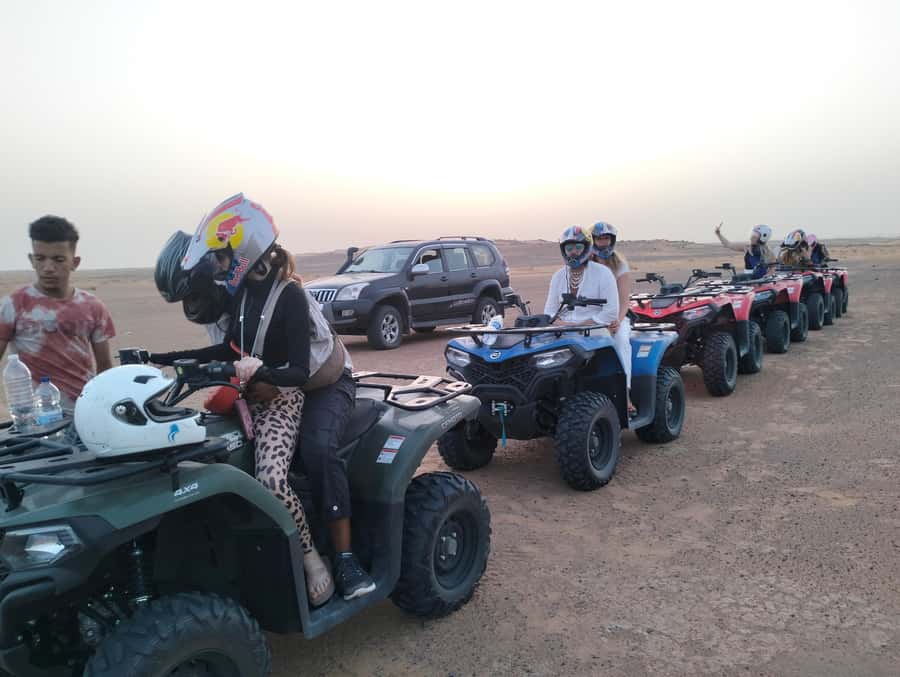
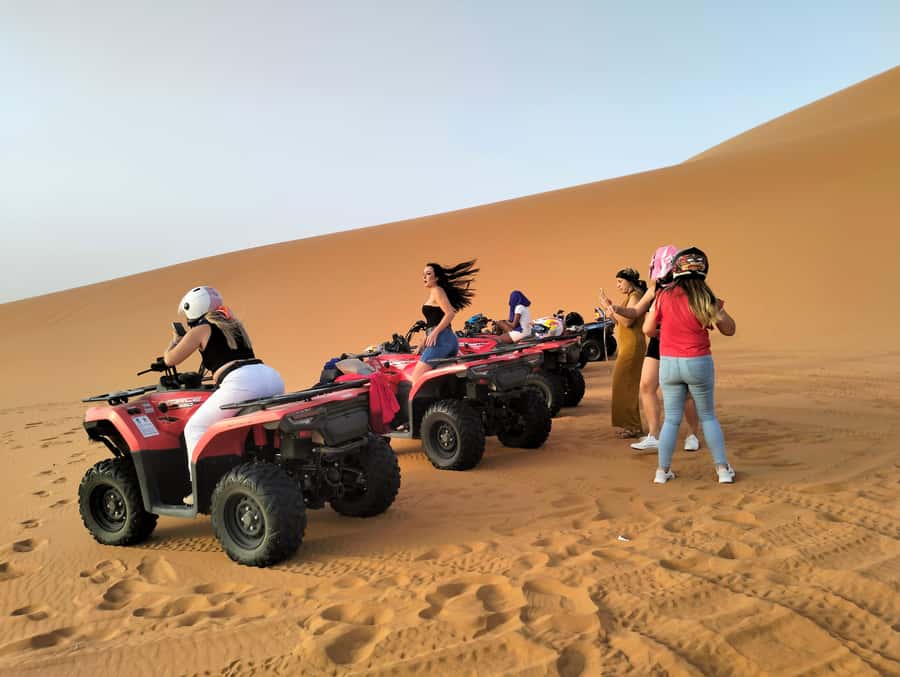
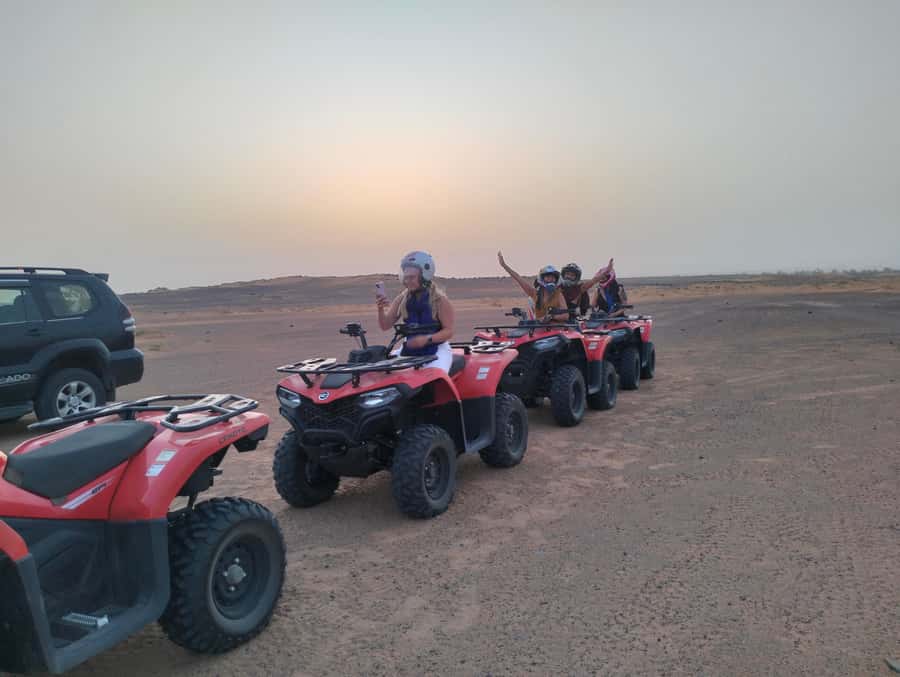
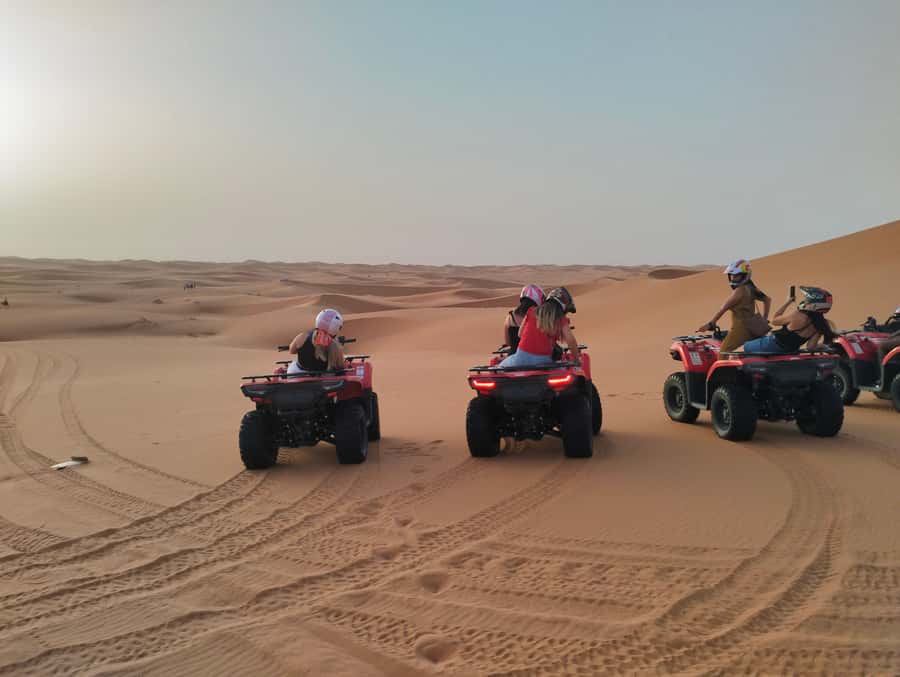
The quad ride is the adrenaline button for the trip. You’ll get about 1 hour of quad biking in the Merzouga dunes, and the listing notes that quads are shared (one quad for two people). That sharing setup changes the pace a bit: you’ll swap experience rather than riding completely solo.
The timing is also a key detail. You’ll ride during the early part of day 3, and sunrise is part of the desert rhythm right before you return to the quad.
Here’s my practical safety advice. One feedback note mentioned no helmet availability for a quad ride. Even if that wasn’t the norm for every departure, treat it as a possibility. If safety gear matters to you, ask ahead or be prepared to manage the ride responsibly even without full gear. In the desert, the best move is calm control over speed.
Also, wear shoes with grip and clothing that can handle sand. Sand gets everywhere fast, and once it’s in your zippers and seams, you’ll be thankful you chose practical layers.
Overnight in a Berber tent: why the night matters more than the photos
It’s easy to treat the desert camp as a backdrop for pictures. But the night experience is usually where people feel it most.
You’re sleeping in a Berber camp setup, with dinner and breakfast provided. The feel is more about atmosphere than luxury. That’s a good thing if you’re going for stars, quiet, and the feeling of being away from phones and traffic.
Some people also mentioned music and cultural moments around the camp night. Even when plans are simple, that’s what makes it feel alive rather than like a roadside stop.
Comfort is the one variable to watch. One person said the first hotel night didn’t feel as luxury-level as advertised, and another mentioned bus leg room. That doesn’t mean the whole trip is uncomfortable, but it does mean you should calibrate expectations: this is a desert adventure that includes comfort where possible, not a resort weekend.
Food on the road: what’s included, and what you might want
You’ll have dinner and breakfast at the included hotel night on day one, and dinner and breakfast again at the desert camp. Vegetarian options are listed as available, and multiple feedback comments praised how vegetarian food was easy to find throughout the trip.
Lunches aren’t included, and soft drinks aren’t included either. That means you’re relying on what’s available during lunch stops, and those can be more basic than dinner.
If you’re hungry for spice, don’t count on every meal matching your ideal heat level. But if you’re open to Moroccan-style meals that are filling and not complicated, you’ll likely be satisfied.
Price and logistics: what you’re really paying for
For $114, the value is in coverage, not in optional add-ons.
Included highlights:
- Air-conditioned transportation with a driver/guide
- Hotel night with dinner and breakfast
- Desert camp night in a private tent, also with dinner and breakfast
- Camel trekking across Erg Chebbi (one camel per person)
- Quad biking (about 1 hour) with shared quad format
- A small-group feel (up to 17)
- Pickup from your accommodation area and drop-off at Jamaa Elfna
Not included:
- Entrance fees
- Lunches and soft drinks
- Any private expenses
- Local guide fee listed as 2€
That balance is important for planning. If you compare this to piecing it together yourself, the cost isn’t just the transportation. You’re also paying for the camel logistics, camp arrangement, and the guided pacing across multiple regions.
Guides and the human touch: why names keep showing up
One surprise lesson from the feedback is how much the trip depends on the people in the vehicle.
Names that came up often include Youssef, Hamza, Karim, Hicham, and Younes. People praised how guides kept things on time and made long road hours feel less painful. Several comments also mentioned music during drives, plus friendly humor and professionalism. That matters because this trip is long-distance by nature. A good guide turns “we drove all day” into “we saw all day.”
Even if you’re not chasing personality, look for consistency and clear planning. The trip is full of small timed moments: photo stops, UNESCO time, canyon valley timing, sunset camel timing, and quad timing. Guides who handle the schedule well help you get the full desert experience rather than arriving after the best light.
Who should book this desert trip, and who should rethink it
You should book if:
- You want three big Moroccan moments in one shot: Atlas pass, UNESCO kasbah, and Erg Chebbi dunes
- You like guided pacing and don’t want to manage camel/camp logistics yourself
- You want a bit of adrenaline with the quad ride, not just walking and sitting
You might rethink if:
- You’re very sensitive to long driving days and tight transport comfort
- You have strict needs for consistent “luxury” accommodations
- You care deeply about quad safety gear availability and want certainty every time
If you’re traveling as a couple or friends, this format often works well because you share a quad (as noted) and you’re in a small group rather than a huge bus.
Should you book this Marrakech to Merzouga with camel and quad?
If your priority is a classic desert experience with camel trekking at Erg Chebbi, a real sunset/sunrise rhythm, and quad time, I think this is a smart booking. The included meals and overnight spots take pressure off planning, and the UNESCO and Atlas highlights make the trip feel like more than just dunes.
Book it if you’re okay with long road hours and you treat comfort as “good enough” rather than “hotel-resort guaranteed.” If you’re tall, safety-minded on quads, or picky about accommodation style, do a quick checklist before you go: ask about quad helmet availability and pack for travel comfort.
Overall, this is a strong value desert route for short time. You’ll leave with sand on your boots, a sunset memory you can’t schedule, and a route across Morocco that actually makes sense in three days.
FAQ
How long is the trip from Marrakech to Merzouga?
It’s a 3-day desert trip.
Where do pickup and drop-off happen?
Pickup is included at your accommodation or the closest meeting point accessible by car. Drop-off is at Jamaa Elfna.
What does the camel trekking include?
Camel trekking is included across Erg Chebbi Merzouga dunes, with 1 camel per person. You’ll also spend the night in a private desert tent with dinner and breakfast.
How does the quad biking work?
You get about 1 hour of quad biking in the Merzouga desert dunes, and the quad is shared (1 quad for 2 people), with shared quad adventure time included.
Is there an English-speaking guide?
Yes. You’ll have a live tour guide in English.
What is the cancellation policy?
Free cancellation is offered up to 24 hours in advance, for a full refund.