REVIEW · ERFOUD
Marrakech To Fes: 3-Day Majestic Desert Sahara Tour
Book on GetYourGuide →Operated by Desert Family Tour · Bookable on GetYourGuide
Golden dunes, then real Morocco driving.
This 3-day Marrakech to Fes route puts the big hits in reach: crossing the High Atlas via Tizi-n-Tichka, visiting the UNESCO Ait Benhaddou kasbah, and ending with a camel trek across Merzouga’s Erg Chebbi dunes. I also love how the trip mixes famous sights with human-scale moments, like walking through Todra Gorge and learning from a local cooperative along the way. One thing to keep in mind: lunches, entrance fees, and drinks aren’t included, so you’ll want a simple budget plan before you go.
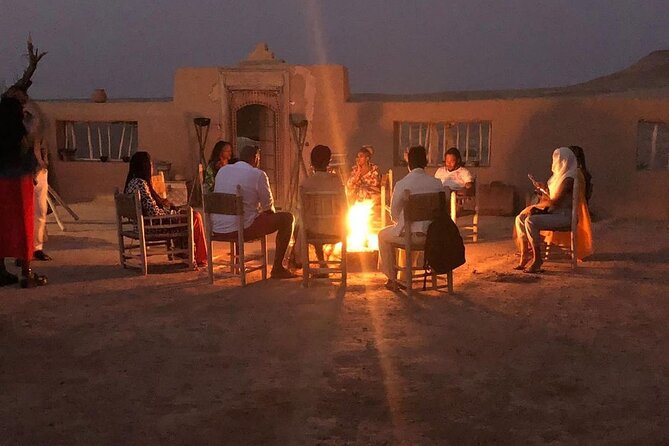
The second thing I like is the pacing of the desert part. You get the camp night under the stars and a proper sunrise, not just a quick photo stop, and the evening dinner includes traditional drum music around the campfire. Still, desert nights can get cold from about November to February, and you’ll be doing walking plus a camel ride and light trekking, so pack warm layers.
In This Review
- Quick Take: What Makes This Tour Worth It
- The Big Picture: Marrakech to Fes, with Atlas mountains and Sahara in between
- Day 1: Marrakech to Ait Benhaddou, then Dades or Tinghir
- Ait Benhaddou: the UNESCO kasbah stop that’s short but meaningful
- Ouarzazate route, then to Dades or Tinghir for the night
- Day 2: Todra Gorge to Merzouga dunes, plus the Berber camp night
- Todra Gorge: walk into the canyon with a local guide
- Cooperative stop and craft learning
- Camel trek to the desert camp in Erg Chebbi
- Day 3: Sunrise camel return, then drive to Fes via Ziz Valley
- Guides and group vibe: what I’d pay attention to
- Comfort and practicalities: what’s included, what to budget, and what to pack
- What you should budget for
- What to bring for a desert night
- The itinerary trade-offs: why you might want this format anyway
- Who this tour suits best
- Should you book this Marrakech to Fes desert tour?
- FAQ
- What is the duration of the Marrakech to Fes desert tour?
- How much does the tour cost?
- What parts of the trip are included?
- Are lunches included?
- Do I need to pay entrance fees?
- Will there be a local guide during the stops?
- What is the expected arrival time in Fes?
- What should I pack for the desert night?
Quick Take: What Makes This Tour Worth It
- Tizi-n-Tichka Pass crossing: dramatic mountain views, on a route that saves you time versus piecing it together alone
- Ait Benhaddou (UNESCO) with a local-guide visit: a short, focused stop that fits a multi-day itinerary
- Todra Gorge walk: canyon steps and cool shade, guided for context
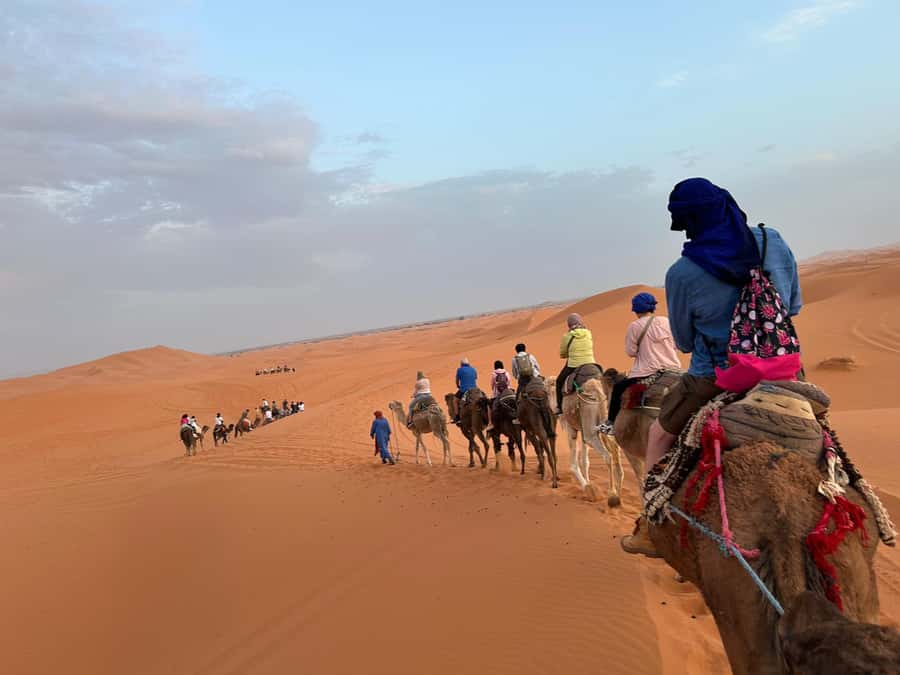
- Erg Chebbi camel trek with sunset: you’ll trade roads for sand the moment you arrive in Merzouga
- Overnight Berber camp: shared tents, dinner, and drum music under the night sky
- Small group (max 17): enough people to keep it lively, small enough to feel personal
The Big Picture: Marrakech to Fes, with Atlas mountains and Sahara in between
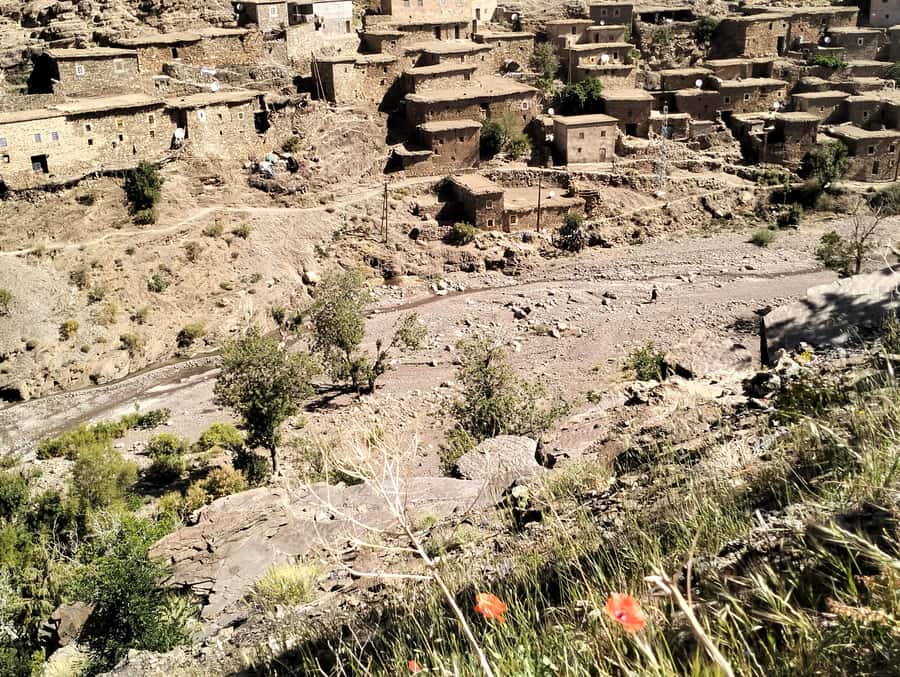
This is a classic “Marrakech to Fes, but make it epic” road journey. In three days, you’ll go from the bustle of Marrakech to High Atlas mountain passes, then to a canyon walk, and finally into the Sahara at Merzouga.
The value comes from what’s bundled in: transport in a comfortable minivan, pickup and drop-off, two nights of lodging (hotel plus desert camp), and two meals each night (breakfast and dinner). At around $111 per person, it’s mostly the logistics you’re buying: time, coordination, and that one-night desert experience that’s hard to arrange solo without a lot of planning.
Your main extra costs are predictable. Expect lunches, entrance fees, drinks, and optional add-ons like a local guide for specific stops.
A few more Erfoud tours and experiences worth a look
Day 1: Marrakech to Ait Benhaddou, then Dades or Tinghir
Day one starts early with pickup from your Marrakech hotel or a nearby accessible meeting point if your riad is on a narrow street. You’ll drive east through villages and viewpoints, with short breaks for photos, stretching your legs, and coffee.
Then comes the star move: crossing the High Atlas Mountains via Tizi-n-Tichka pass. This is one of those roads where the scenery keeps changing—mountain curves, roadside valleys, and weather shifts. If you’re prone to car sickness, it’s still manageable, but bring what helps you personally and sit where you can see forward.
Ait Benhaddou: the UNESCO kasbah stop that’s short but meaningful
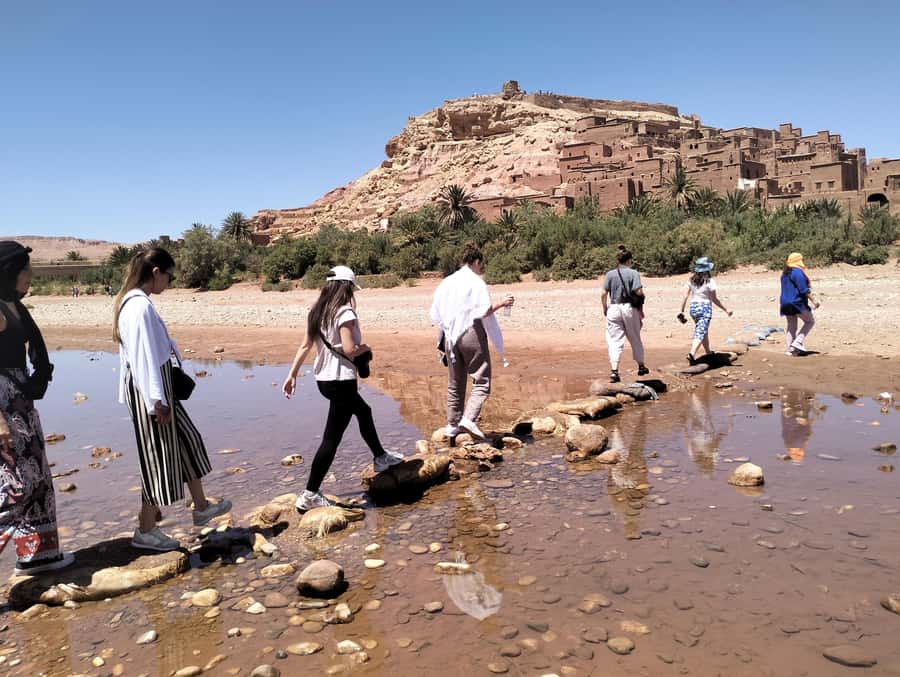
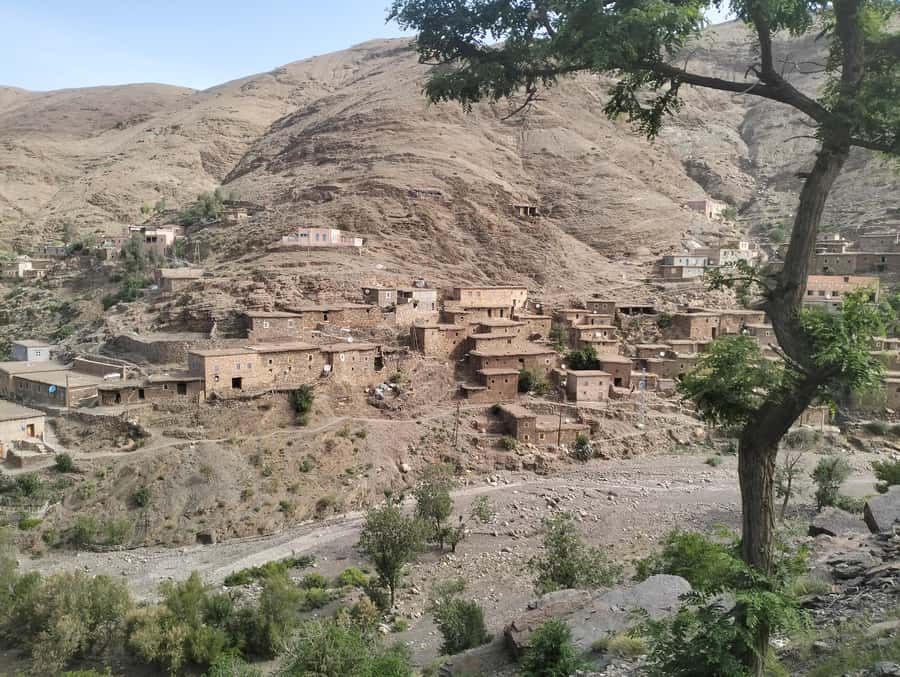
After the pass, you visit Ait Benhaddou, a UNESCO World Heritage Site known for its fortified kasbah. You’ll spend about one hour exploring with a local guide (fees not included), which is a smart length for a multi-day tour: enough time to understand what you’re looking at without losing the whole day to museums.
This place has also been used in major films like Gladiator, Lawrence of Arabia, and Kingdom of Heaven. Even if you don’t care about movies, the kasbah’s layout helps you see how communities adapted to defense, trade, and survival in harsh landscapes.
Ouarzazate route, then to Dades or Tinghir for the night
From there, you drive through areas like Ouarzazate and Kalaa Mgouna, then through the Dades Valley direction toward your hotel in Dades or Tinghir. You arrive late afternoon, with dinner and a chance to wind down before the desert on day two.
One small heads-up: a day with lots of driving means you’ll want good energy. Wear layers for mountain temperature swings, and don’t pack your schedule too tight beyond this tour.
Day 2: Todra Gorge to Merzouga dunes, plus the Berber camp night
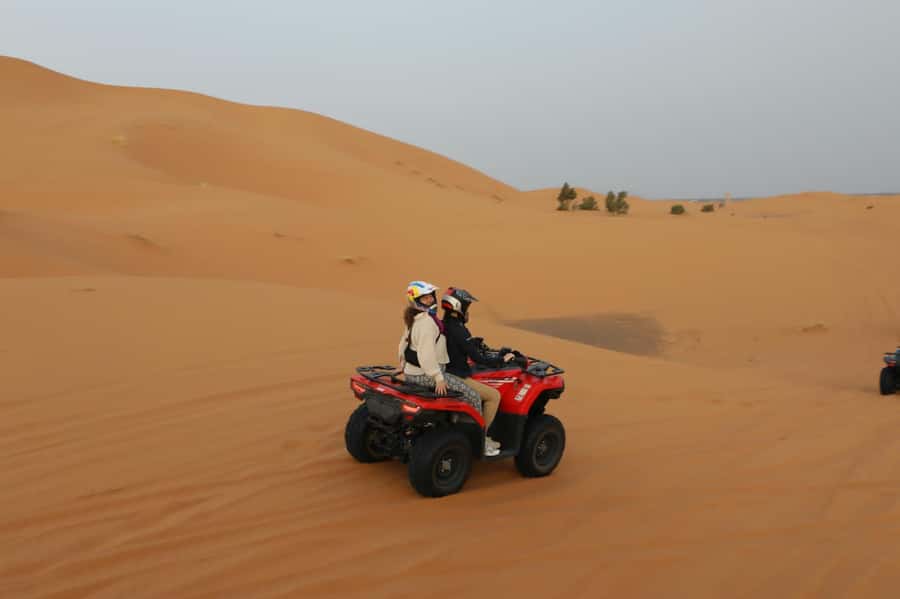
Day two is where the trip officially turns into desert time.
You leave after breakfast toward the Erg Chebbi dunes in Merzouga, stopping along the way through Berber villages and towns like Tinghir, Tinjdad, and Erfoud. The drive isn’t just movement—it’s part of the texture of the journey, with frequent chances to look out at how the terrain shifts.
Todra Gorge: walk into the canyon with a local guide
Next up is Todra Gorge, one of the most dramatic canyon areas in the region. You get a walk through the canyon with a local guide, which matters because the “cool rock walls” are better when someone explains what you’re seeing and how people use the area.
The canyon walk is also your mental reset. You go from open roads to steep stone and shade, and that contrast is memorable.
Cooperative stop and craft learning
Along the way, you’ll visit a local cooperative. You’ll have a chance to learn about regional crafts and products. This is one of those stops that can go either way depending on what you like, but it’s also a good pause that keeps the day from being all driving and waiting.
A note on expectations: one past experience included a long stretch of the first day that felt more like a marketplace pitch than a walk. If you’re sensitive to that kind of stop, go in with a flexible mindset and treat it as part of the local business ecosystem, not a museum-quality experience.
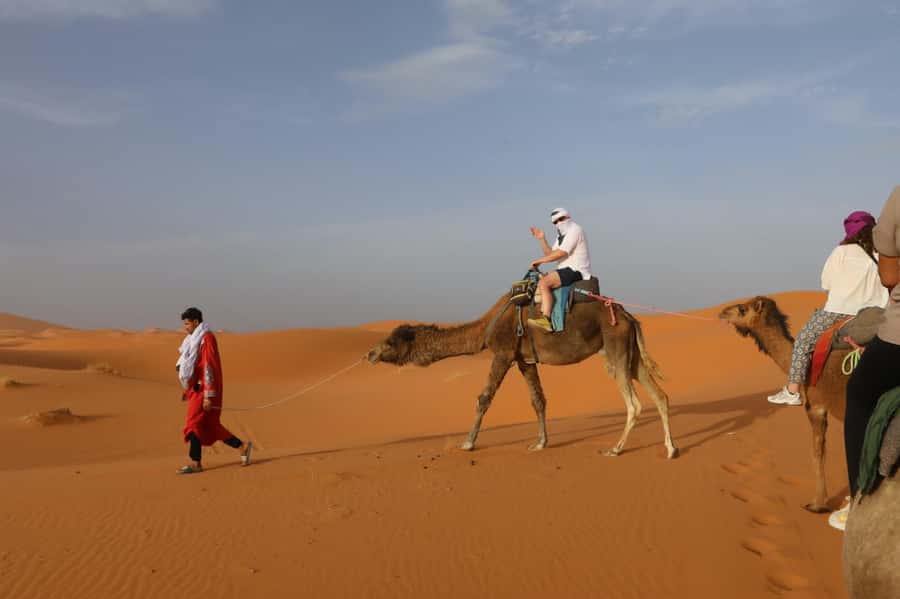
Camel trek to the desert camp in Erg Chebbi
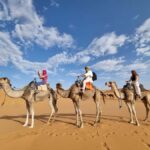
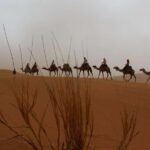
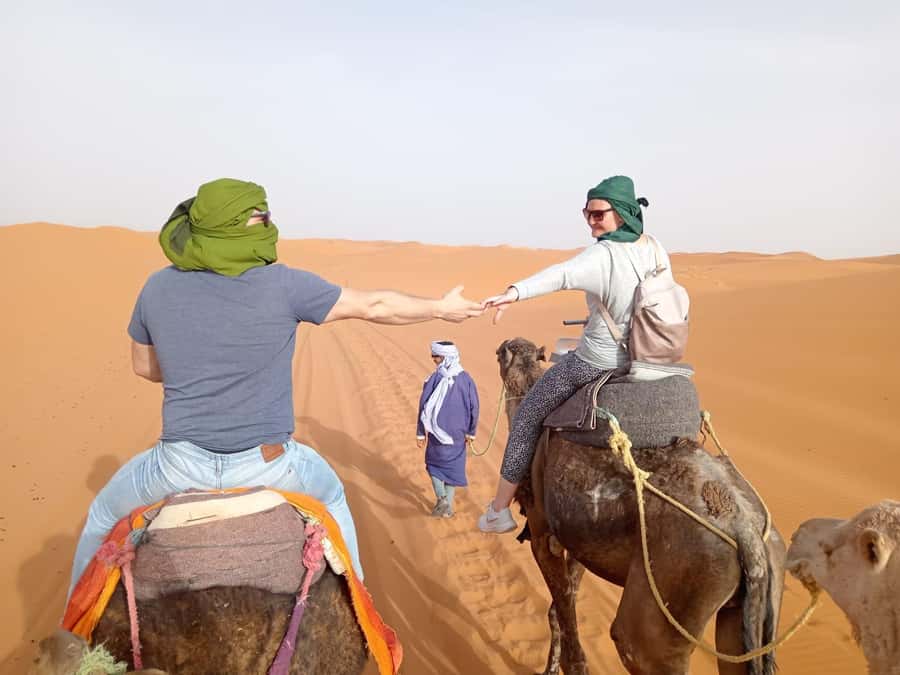
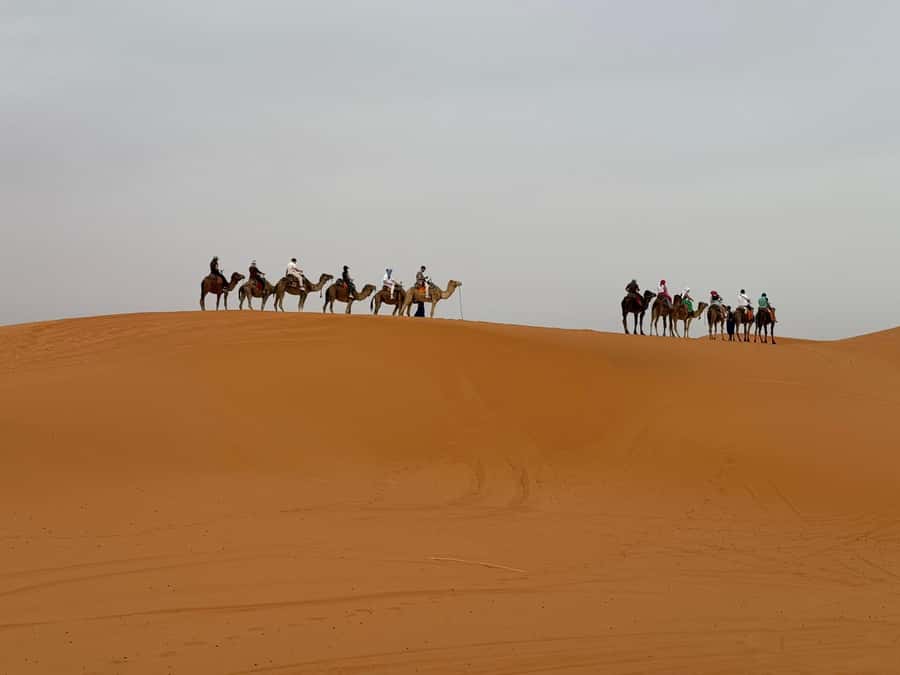
When you reach Merzouga, you don’t just jump on a camel and vanish. You relax first, then pack a small overnight bag, and head out for your camel trek across the golden dunes.
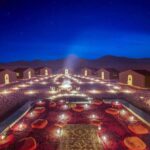
You’ll arrive at the traditional Berber desert camp in time for sunset. After that, you can walk up the dunes for the view, then settle in for dinner with traditional drum music around the campfire. You sleep in shared facilities in standard tents, with the desert night doing most of the work for atmosphere.
This is also where you’ll feel the real difference between “seeing” the Sahara and living in it for a night. The sky is the big star, and the quiet comes in waves once the light fades.
Day 3: Sunrise camel return, then drive to Fes via Ziz Valley
Day three begins early to catch the sunrise over the dunes. It’s a short burst of magic before the routine kicks back in.
After breakfast, you return to Merzouga by camel, then start the long drive toward Fes. You’ll cross the Ziz Valley through Errachidia and then into the Middle Atlas Mountains.
Arriving in Fes is expected around 7:00 PM, depending on traffic and weather. So plan on a late dinner and an easy evening once you’re dropped off at your accommodation or the nearest accessible location.
Guides and group vibe: what I’d pay attention to
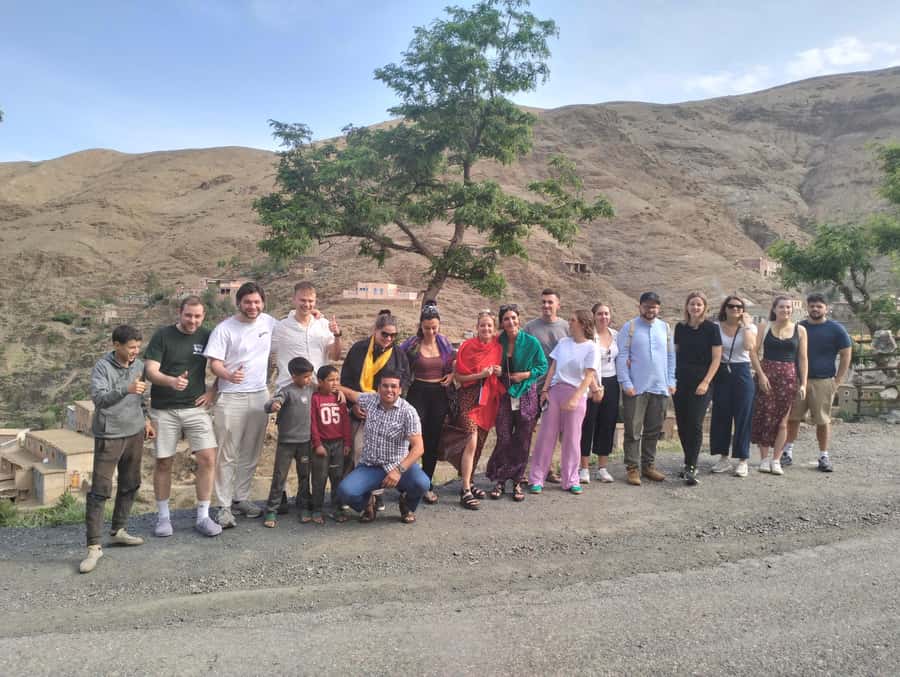
This tour runs with an English-speaking driver/guide (and French too), and the small-group size helps. You’re capped at 17 participants, which makes it easier to keep your questions answered without the whole thing feeling like cattle herding.
The best signal from the feedback is that guides can make or break the mood. In recent accounts, a guide named Hassan was praised for humor and keeping energy up, while another guide named Mohammed/Mohamed was credited for explaining locations thoroughly and keeping things funny.
If you care about stories and context (not just the stop photos), look for a day when your guide is in a talkative mood. And yes, even the funniest guide can’t control road traffic or weather, so bring patience for the drive segments.
Comfort and practicalities: what’s included, what to budget, and what to pack
You’ll sleep two nights—first in a hotel in Dades or Tinghir, then in a traditional Berber desert camp near Merzouga. Breakfast and dinner are included on both nights, but lunches are not included.
What you should budget for
From what’s listed, you’ll likely pay for:
- Entrance fees at sights
- Lunches (not included unless specified)
- Soft drinks/drinks
- Optional tips or extras, like an optional local guide fee (listed as 2€ for a local guide)
This is normal on tours that keep the main price low. Still, if you wait until you’re hungry to decide, costs add up fast.
What to bring for a desert night
Desert nights can be cold, especially November through February. Pack warm layers even if daytime feels comfortable. The tour notes you’ll want:
- comfortable clothes and walking shoes
- hat, sunglasses, sunscreen
- a camera
- warm clothing for desert nights
Also: bring a small personal item bag for your camel trek. You’ll feel calmer if you control where your essentials go instead of leaving everything in the minivan.
The itinerary trade-offs: why you might want this format anyway
The biggest trade-off is time. Three days is just long enough to hit the essentials, which means you’ll do a lot of driving between key stops.
That’s not a flaw—it’s the deal you make to avoid long gaps. You get the High Atlas pass, a UNESCO kasbah, a gorge walk, and then a real Sahara camp night plus sunrise.
If your dream Morocco trip is all slow travel, you might prefer splitting the route into more days. But if you want maximum variety in minimum planning, this format works.
Another trade-off: some stops may feel more sales-driven than you expect. One past experience described a longer walk segment turning into extra time for carpet selling on day one, and also mentioned paid buffet lunches that felt sad. I can’t promise your exact experience will match that, but it’s a useful warning: keep your expectations grounded, and if shopping pitches start, politely stay focused on the tour’s main sights.
Who this tour suits best
This tour fits best if you:
- want a guided route from Marrakech to Fes without coordinating transfers
- like seeing famous sights like Ait Benhaddou and the gorge areas without spending full vacation time on logistics
- are okay with moderate walking and the physical rhythm of camel riding and light trekking
- value a shared-group feel with a small max of 17
It may not be ideal if you hate early starts, dislike sales stops, or need lots of downtime every afternoon.
Should you book this Marrakech to Fes desert tour?
I’d book it if your priority is the big north-to-south travel storyline: Atlas mountains first, then Todra Gorge, then Merzouga dunes with a night under the stars. For the price, the included hotel night, desert camp night, camel ride, and two dinners/two breakfasts are what make it feel reasonable rather than expensive.
Skip or reconsider if:
- you don’t want to pay extra for lunches and entrance fees
- you’re not comfortable with cold desert temperatures in certain months
- you prefer tours with fewer marketplace-style stops
If you do book, set yourself up for success: budget for lunches/drinks, pack warm layers, and go in ready for long scenic drives and one unforgettable desert night.
FAQ
What is the duration of the Marrakech to Fes desert tour?
The tour lasts 3 days.
How much does the tour cost?
It’s listed at $111 per person.
What parts of the trip are included?
The tour includes pickup in Marrakech, minivan transportation, 1 night in a hotel in Dades or Tinghir, 1 night in a traditional Berber desert camp in Merzouga, dinner and breakfast on both nights, a camel ride (one camel each), and sandboarding if available at the camp. It also includes drop-off in Fes at your accommodation or the nearest accessible location.
Are lunches included?
No. Lunches and soft drinks are not included.
Do I need to pay entrance fees?
Entrance fees are not included.
Will there be a local guide during the stops?
You’ll explore Ait Benhaddou for about one hour with a local guide, but local guide fees are not included. There’s also an extra noted local guide 2€.
What is the expected arrival time in Fes?
Arrival is expected around 7:00 PM (19:00), depending on traffic and weather.
What should I pack for the desert night?
Bring comfortable clothes, walking shoes, hat, sunglasses, sunscreen, and warm clothing for desert nights, especially in colder months.