REVIEW · MARRAKECH
3 Day Luxury Tour: Sahara desert & luxury camp from Marrakech
Book on Viator →Operated by Marrakech Tours Excursions · Bookable on Viator
Three days, one long road, and the Sahara arrives. This 3-day luxury group trip picks you up in Marrakech and strings together the big scenic hits: Atlas mountain passes, Ait Ben Haddou, and finally the dunes of Merzouga for a camel ride and desert night. I especially like the small group size (max 20) and the fact the guide handles the camel logistics so you can just show up. One drawback to plan for: you will spend serious time in the car, and the ride back from the desert can feel long.
For about $133.76 per person, you’re paying for the route, the transport, 2 nights of lodging, breakfasts and dinners, plus the desert camel ride. You’ll travel in an air-conditioned vehicle, and the itinerary builds in big stops for photos rather than just passing by. If you’re picky about bathrooms or get car sick, you’ll want to pack smart and temper expectations for the road days.
In This Review
- Key Things I’d Pay Attention To Before You Go
- Marrakech Pickup To The Atlas Pass: Where The Trip Starts
- Ait Ben Haddou Kasbah: UNESCO Views Without The Rush
- Ouarzazate: Taourirt Kasbah And The Cinema Museum
- Roses To Dades Gorges: Photo Stops That Actually Matter
- Tinghir Valleys And Todra Gorges: The Morning Stretch Before The Sand
- Merzouga And Erg Chebbi: Camel Ride, Folk Night, And Stars
- The 7:30 pm Return To Marrakech: Long Road, No Real Shortcut
- Price And Value: Why $133.76 Can Make Sense
- Group Dynamics, Comfort, And The Little Frictions
- Who Should Book This Sahara Luxury Tour (And Who Should Skip It)
- Should You Book The Marrakech To Sahara Luxury Camp Trip?
- FAQ
- How many travelers are on this tour?
- Is pickup from Marrakech included?
- What does the tour include for meals?
- Where do you sleep on this 3-day trip?
- How long is the camel ride?
- What is the approximate schedule for returning to Marrakech?
- What’s the cancellation rule if plans change?
Key Things I’d Pay Attention To Before You Go
- Small group, less chaos: capped at 20 travelers, which usually means the desert camp feels more personal than mass-tour vibes.
- Two different sleeps, two different vibes: a traditional kasbah-style hotel in the Dades area, then desert tents in Erg Chebbi.
- A classic Morocco route, packed into 3 days: Ait Ben Haddou, Ouarzazate, Dades Gorge area, Tinghir/Todra, then Merzouga.
- Camel ride is built in for sunset timing: it’s short (about an hour), but it’s scheduled to catch the light on the dunes.
- Comfort is better than “roughing it,” but not a hotel fantasy: camp setup and roadside stops can be basic.
- Long driving days are part of the deal: bring snacks, water, and a plan for motion sickness if you need one.
Marrakech Pickup To The Atlas Pass: Where The Trip Starts
Pickup in Marrakech is offered, and you’ll leave with an organized plan (not a DIY maze). Then the itinerary heads into the High Atlas, crossing the mountain pass around Tizi-n-Tichka (about 2,260 m altitude). This is one of the best parts of the trip for first-timers because you get that dramatic “Morocco changes fast” feeling in a short time.
The driving here is scenic, but it’s still driving. Expect long stretches between stops, and you’ll likely be in the vehicle more than you’re used to on city trips. If you’re the type who likes to wander freely, this route is more about seeing key sights with guidance than exploring slowly on your own.
One practical tip: keep a layer handy. Even in warmer seasons, mountain mornings and desert nights can cool down, and you’ll feel it most once you’re closer to the dunes.
A few more Marrakech tours and experiences worth a look
Ait Ben Haddou Kasbah: UNESCO Views Without The Rush
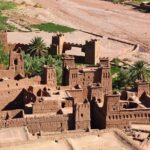
Your first big landmark stop is Ait Ben Haddou, a UNESCO World Heritage kasbah. The plan is built around time to look, not just pose for a quick photo: you’ll spend about three hours total here, with roughly an hour and a half specifically for the kasbah visit and another hour for midday meal. That structure matters, because these places can be confusing if you’re trying to read everything at full speed.
What makes Ait Ben Haddou special is that it feels like you’ve stepped into a living film set, built for wind and sun. The kasbah sits at altitude (around 1,460 m to 1,550 m before you reach it), and your stops along the way add panoramic viewpoints before you get to the main site.
The route also includes a couple of Berber village viewpoints—Ait Berka and Ait Ben Amer—so you get a sense of real settlement patterns rather than only the postcard edge. If you like photos, this is where you’ll want your camera ready.
Ouarzazate: Taourirt Kasbah And The Cinema Museum
From Ait Ben Haddou, the drive continues to Ouarzazate, often called the Hollywood of Morocco. Here, you’ll have about 45 minutes in the old medina area, with stops including the Kasbah of Taourirt and the International Cinema Museum. Even if you’re not a movie buff, the visuals are worth it: you see how the region became a filming hub and you get context for why so many productions chose these backdrops.
This stop is short. That’s not a flaw if you’re traveling in a fixed 3-day window, but it is a reminder: don’t expect a slow, museum-day experience here. It’s a “check it off and keep moving” kind of stop.
Roses To Dades Gorges: Photo Stops That Actually Matter
After Ouarzazate, the trip goes through El Kelaa M’Gouna, known as the flower capital of Morocco. Practically, this segment is about viewpoints and photo moments on the way toward the Dades Gorge area. You’ll make several short stops—so you’re not stuck staring out the window the whole time.
Then you’ll reach Boumalne Dades, where you get a cluster of highlights in a relatively compact area. The itinerary includes stops tied to the Dades Valley, the Kasbah Ait Youl, and the rock formation local nickname about monkeys. (It’s one of those “looks like something” formations that rewards quick observation and photos.)
You’ll sleep your first night at the Kasbah de Tessidrine hotel. The tour info frames it as clean and secure, but don’t treat that as a five-star promise. One of the most useful mindset shifts for this tour: it’s about the route and the desert night. Comfort is improved compared with backpacking, but it’s still a road-trip reality.
Tinghir Valleys And Todra Gorges: The Morning Stretch Before The Sand
Day 2 starts early and stays active. You’ll head toward Tinghir, where you get a guided tour of the valley area for about 1 hour 30 minutes. Then comes Todra Gorges, with lunch in the same village area before you move onward toward Merzouga.
This is a smart sequencing choice. Todra is the kind of place where you want daylight and time to look up and notice the walls. In a desert trip, you can’t linger too long, so getting Todra early helps you see its scale instead of arriving after the light has dropped.
As you leave Tinghir and continue through places like Tin-n-Jdad, Rissani, and Erfoud, the scenery starts shifting from green valleys to earth tones. The dunes are still coming, but the route gives you that gradual build.
A few more Marrakech tours and experiences worth a look

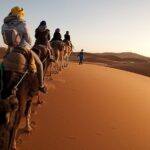
Merzouga And Erg Chebbi: Camel Ride, Folk Night, And Stars
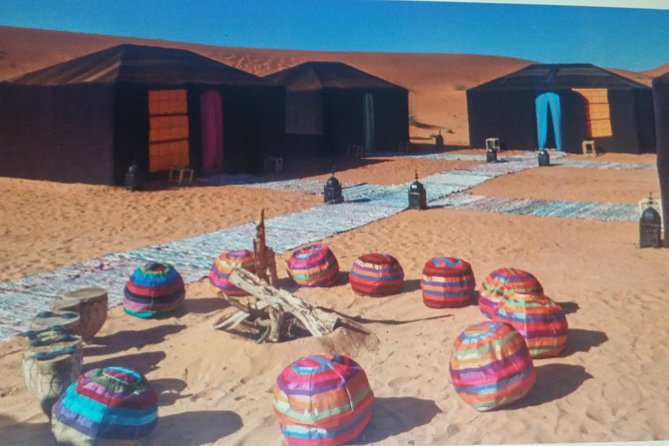
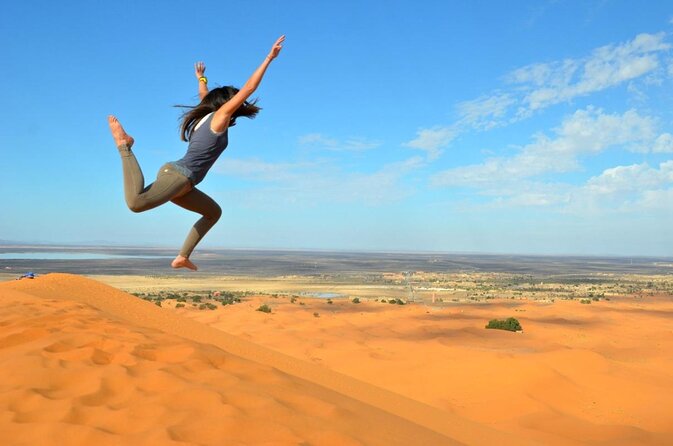
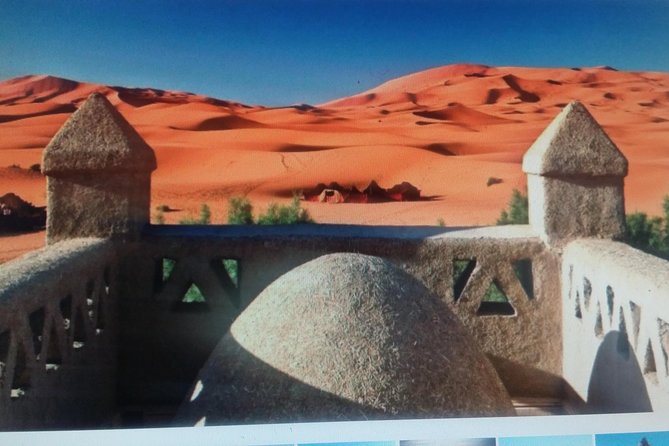
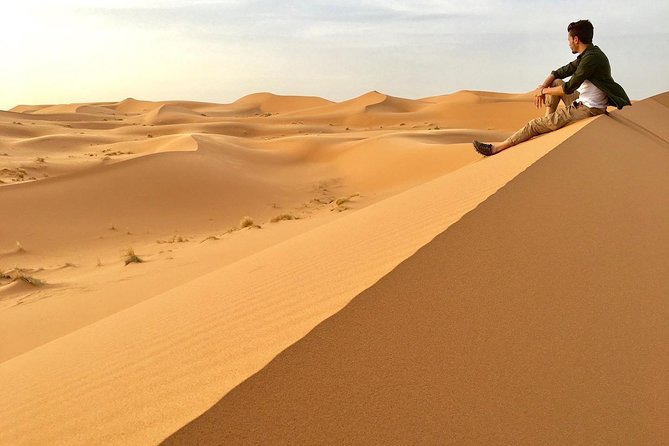
Eventually, you arrive in Merzouga and the dunes of Erg Chebbi—this is the reason most people book. You’ll spend the night in desert tents in the middle of the dunes. The evening setup includes folk dances and traditional music, and you’ll get time for panoramic star views over the sand.
A key detail: you’ll likely switch from sitting/arranging in the camp area into sleeping arrangements (beds inside the camp setup). The goal is to keep the vibe authentic—music, night air, and those wide-open skies—without forcing you to live like a nomad with no comforts at all.
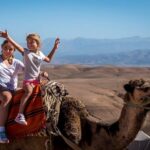
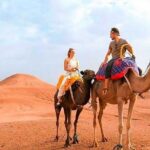
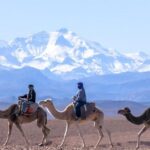
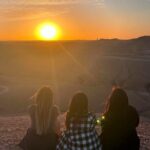
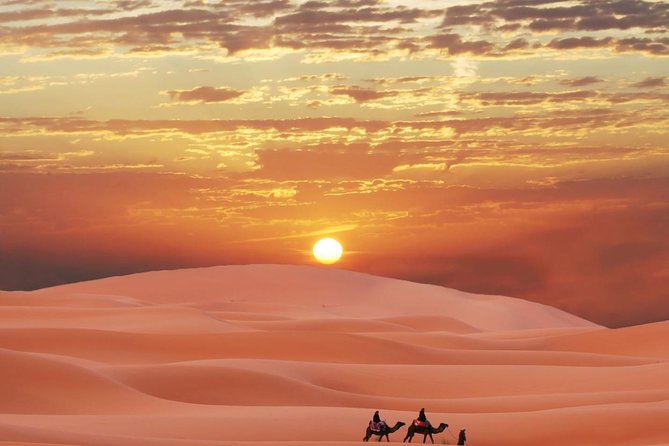
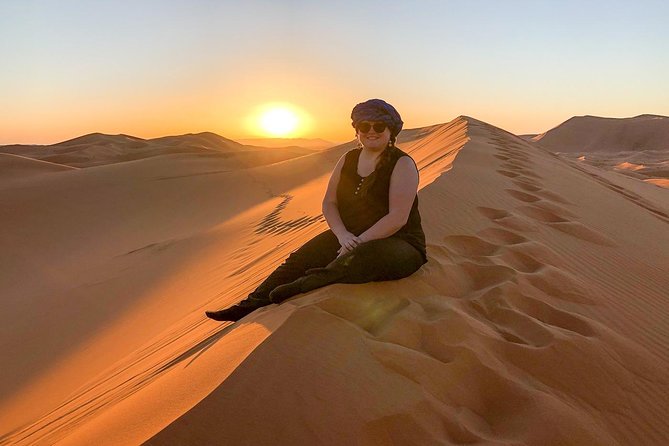
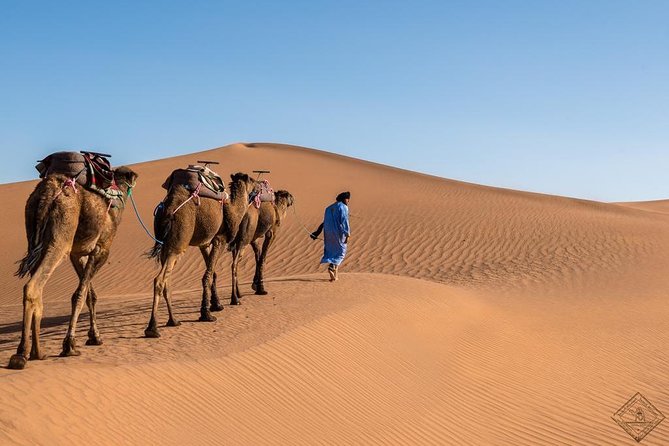
Then comes the part you’ll remember: the camel ride. It’s about an hour, timed for sunset. It’s not an all-day camel trek, so if you expect to cover huge distances on horseback, adjust your expectations. But one hour at the right angle of sun is enough to make the dunes feel unreal.
For stargazing, the moon matters. On darker moon nights, the stars can look dramatically better. If you’re a night-sky fan, bring a phone camera and consider setting up before you feel sleepy.
And yes, it can be cold out there. Sunrise and evening desert air are often chilly even when Marrakech feels warm.
The 7:30 pm Return To Marrakech: Long Road, No Real Shortcut
Day 3 is the long haul back. You return from Merzouga to Marrakech with an arrival around 7:30 pm. That means you’ll spend a big chunk of the day in transit, with less time for stops than you had on Day 1 and Day 2.
This is the moment where your planning choices from earlier pay off. If you got through Day 2 with enough rest and you pack motion-sickness support (if you need it), the return feels more manageable. If you didn’t, this can feel like a very long day.
It also explains a common frustration: people love the desert night, but the overall travel time can dominate the schedule. If you need a trip that feels relaxed, choose a different style. If you’re okay with “worth it, but drive-heavy,” this route fits.
Price And Value: Why $133.76 Can Make Sense
Let’s talk value plainly. At $133.76 per person, you’re not just paying for a bed and a camel ride—you’re paying for the whole organized logistics package: round-trip vehicle service, 2 nights of accommodation, 2 breakfasts, 2 dinners, and a camel ride into the dunes. For many travelers, that’s what makes the trip cost-effective: you’re not spending days comparing camps, arranging camel transfers, or building your own route across multiple regions.
Also, you’re getting classic “big Morocco” stops without needing to coordinate guide appointments yourself. Ait Ben Haddou, Ouarzazate sights, the Dades Gorge area, Todra, and Merzouga are all included in one run.
That said, value depends on what you booked regarding camp level. The trip is described as a luxury tour, and people often recommend upgrading camp options if offered. If your goal is comfort at the desert camp level, read carefully when booking so you know what’s included in your specific category.
Group Dynamics, Comfort, And The Little Frictions
This is a group trip capped at 20 travelers, and that’s a real advantage. Smaller groups tend to mean smoother timing and easier questions for your guide. In practice, it also reduces the stress of feeling like you’re lost in a huge bus.
Still, there are friction points to watch for:
- Meals can be confusing. The basic plan includes 2 breakfasts and 2 dinners, and lunch is not included. Make sure the meal expectations in your booking match the schedule you’re given so you don’t end up hungry on the road.
- Language can be inconsistent. The tour may be advertised in one language, but the working language on the ground can shift. If language access matters, confirm before you go so you can ask questions clearly.
- Bathrooms and cleanliness can be basic at some stops. The hotels and roadside situations are part of the real-world experience. If you’re very sensitive to hygiene or you need a higher standard of facilities, this can be stressful.
- Road conditions and driving style matter. If you’re prone to car sickness, it’s smart to prepare. The driving can involve long stretches and bumpy segments.
One comfort detail is built in: the vehicle is listed as air-conditioned. But mechanical things happen on the road, so don’t assume that the AC will be perfect every moment.
Who Should Book This Sahara Luxury Tour (And Who Should Skip It)
You should book if you want a structured 3-day taste of southern Morocco with the big-name highlights handled. It’s ideal for:
- first-timers who want Ait Ben Haddou and the Sahara without car rental chaos
- solo travelers who are fine joining a shared van
- photographers who want daylight stops for classic kasbahs and gorge walls
- people who can handle long driving days in exchange for a desert night
You might skip it if:
- you need a slow-paced trip with lots of free time
- you get motion sick easily and would rather travel by train/plane where possible
- you have strict cleanliness expectations for roadside stops
- you want maximum time in the desert itself rather than a camel ride plus a single night
This is a “do the route, then enjoy the desert moment” kind of tour.
Should You Book The Marrakech To Sahara Luxury Camp Trip?
If your dream is to sleep near Erg Chebbi, ride camels at sunset, and see the classic Morocco corridor between Marrakech and the desert, this trip is a strong value. The organization removes a lot of decision-making, and the desert night is the payoff you’re truly paying for.
My call: book it if you can tolerate a long itinerary. Book a different style if your priority is comfort every hour, or if you don’t want a lot of hours on the road.
FAQ
How many travelers are on this tour?
The tour has a maximum of 20 travelers.
Is pickup from Marrakech included?
Yes, pickup from your hotel in Marrakech is offered.
What does the tour include for meals?
Breakfast is included for 2 days and dinner is included for 2 nights. Lunch and soft drinks are not included.
Where do you sleep on this 3-day trip?
You stay 2 nights: one night at a traditional kasbah hotel in the Dades area (Kasbah de Tessidrine) and one night in nomadic-style tents in the desert near Merzouga.
How long is the camel ride?
You have a camel ride of about 1 hour to watch the sunset.
What is the approximate schedule for returning to Marrakech?
You typically arrive back in Marrakech around 7:30 pm on Day 3.
What’s the cancellation rule if plans change?
You can cancel for a full refund if you cancel at least 24 hours before the experience’s start time. This experience also requires good weather; if it’s canceled due to poor weather, you’ll be offered a different date or a full refund.