REVIEW · MARRAKECH
2 Days Trek to Atlas Mountains berber villages
Book on Viator →Operated by Atlas Imlil Trek · Bookable on Viator
Two days in the Atlas feels like a week. This trek puts you on the move through High Atlas gorges and into Berber villages, with tea and village food before you even start climbing. You’ll go up and down Imlil-area hills, meet the people who live here, and finish back in Marrakech.
I especially like the human pace of this tour. You hike with a local team that keeps things comfortable, with guides such as Hussein (and other team members like Hamid, Mustapha, and Brahim showing up across similar climbs) earning repeated praise for safety and steady guidance.
One thing to think about first: this is real mountain walking. Expect long days on foot, high points up around 2020m–2400m, and the tour depends on good weather, so plan for cooler air and possible changes if skies don’t cooperate.
In This Review
- Quick take: what makes this 2-day Atlas trek work
- Marrakech to the High Atlas: pickup, gorges, and that first tea
- Day 1 trail: Ait Lahcien, Tizi n’Tacht (2020m), and the road to Tizian
- Lunches, dinner, and breakfast: why the food part matters here
- Day 2 trail: Azzaden valley, Tizzi Mzik, and lunch at 2400m
- The guides: safety, pace, and local stories that actually help
- Price and value: what $104.53 includes (and what it doesn’t)
- What to pack for Imlil-area trekking (practical, not fancy)
- Weather and timing: the Atlas is honest with you
- Should you book this 2-day Atlas trek?
- FAQ
- Where does the tour start and end?
- How long is the trek?
- What does the tour cost?
- Is a guide included?
- What meals are included?
- How big is the group?
- What should I bring if I want this to feel easy?
- What happens if the weather is bad?
- Is free cancellation available?
- Is it suitable for most people?
Quick take: what makes this 2-day Atlas trek work
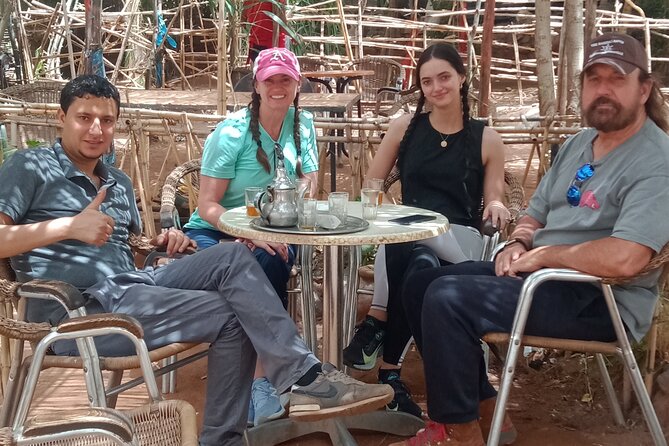
- Tea welcome and map briefing before your first steps, so you know the plan early
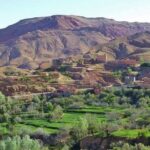
- Berber village routes via Ait Lahcien, red village trails, and Tizian for overnight life
- High passes and high lunch views at points around 2400m on Day 2
- Small group size (max 15), which makes pacing easier and communication simpler
- Meals included (breakfast, dinner, 2 lunches), with lunch prepared in the countryside
Marrakech to the High Atlas: pickup, gorges, and that first tea
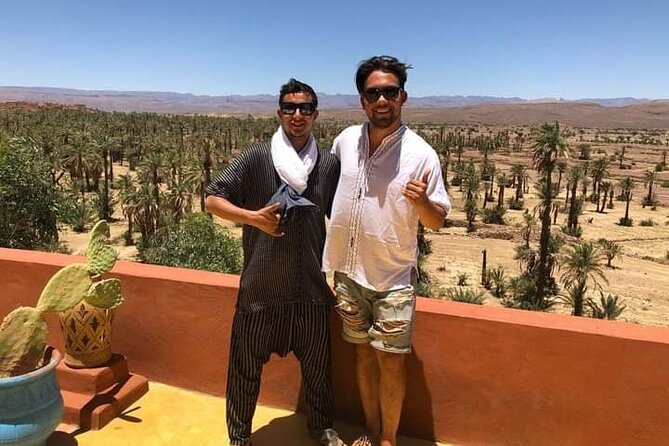
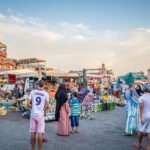
The day starts in Marrakech, with the experience meeting at Jemaa El-Fna. If you’re staying in town (or arriving by airport), a driver will meet you and get you moving toward the Atlas. In other words, you don’t spend your morning playing transport roulette.
Your drive takes you through Moulay Ibrahim gorges, a spot used for the Mission Impossible film. Even if you don’t care about movie trivia, the point is practical: this is where you start to feel how steep and dramatic the High Atlas can get.
When you arrive near the trekking area, you meet your team with a cup of tea. You also get a look at the map with your guide, which helps a lot once the trail splits and the hills start stacking up. It’s a small moment, but it sets expectations so the walking feels like a plan, not a surprise.
You can also read our reviews of more hiking tours in Marrakech

Day 1 trail: Ait Lahcien, Tizi n’Tacht (2020m), and the road to Tizian
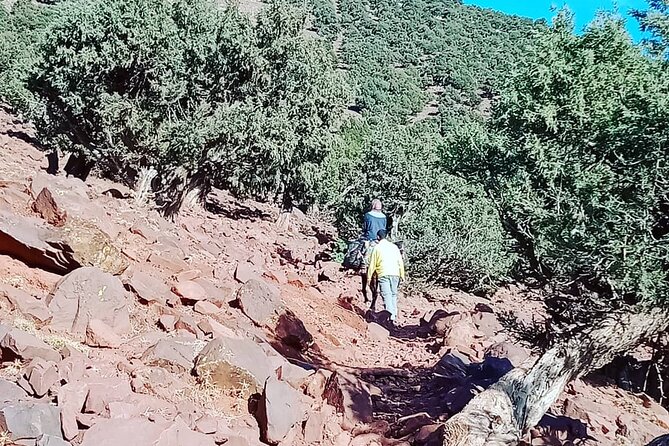
Day 1 is built around a classic Atlas pattern: village paths, a climb to a pass, then a longer stretch through scenery and settlements.
You begin walking through Ait Lahcien village, climbing up toward Tizi n’Tacht at 2020m. The climb is the part that changes you from city walker to mountain walker. Your legs get a say; your breathing follows. The guide’s job is to keep the effort steady, and the repeated praise for comfortable pacing comes from exactly this kind of day.
Before you go too far, you stop for lunch in nature. Your lunch is prepared by the cook, and there’s time for a short nap afterward if you feel like it. That pause matters because the afternoon includes another walk of about two hours via Tahliouin red village, plus a river crossing.
Then you cross the Azzaden river and continue to the Tizian village area for the overnight. This is where the trek starts to feel like more than a hike. You’re sleeping near the villages, not back in a car park with a view.
What to watch for: Day 1 is listed as about 6 hours of walking time, even though the driving and breaks are part of the overall day. If you’re new to hiking, keep your first hour slow. You can always add energy later, but you can’t undo an early sprint.
Lunches, dinner, and breakfast: why the food part matters here
This trek includes dinner, breakfast, and two lunches. That isn’t just a bonus; it changes the entire rhythm of the day. You’re not hunting for snacks while your legs are getting tired, and you’re not making meal decisions that can drag the group.
Lunch is specifically mentioned as being prepared by the cook in the countryside. That usually means you eat where you are, not after you hike back down and relocate. It also means you’ll likely get simpler, filling food that works well for hiking energy.
One practical note: drinks are not included. If you tend to get thirsty quickly, you’ll want to plan for water needs yourself. Also, tips aren’t included, so think about that before the end of the trek rather than scrambling with cash at the last minute.
Day 2 trail: Azzaden valley, Tizzi Mzik, and lunch at 2400m
Day 2 starts from the Azzaden valley and takes you toward Imlil, with walking via Tizzi Mzik. This day has a similar structure to Day 1, but the altitude feel can be different because you start again from a valley and then work your way up.
There’s lunch at the top, around 2400m, before the walk down toward the Imlil valley. That lunch-stop height is the kind of detail you’ll appreciate once you arrive: you get the pause, you refuel, and you take in the mountain air long enough to remember what you’re doing this for.
Then you head downhill toward Imlil. The Imlil valley is described as the starting point for the highest peak in North Africa. Even if you’re not summiting on this trip, reaching the area that serves as the base makes your understanding of the region click into place.
At the end, you’ll transfer back to Marrakech. There’s also an option to spend an extra night if you want to explore further in the Imlil area.
Potential drawback to consider: Day 2 includes hiking down after lunch at height. Downhills can be harder than they look because knees get the workload. If your legs are sensitive, shorter step length and trekking poles (if you have them) can make a real difference.
The guides: safety, pace, and local stories that actually help
The strongest praise in the available feedback centers on the guides. Names that come up include Hussein (often spelled Houssaine in different writeups), Hamid, Mustapha, Brahim, and Mustapha again in similar roles. The common thread is how they manage the trail at a comfortable pace and keep everyone feeling safe.
What I like about this kind of guiding is practical. When a guide knows the route and the rhythm of the group, you’re less likely to feel rushed. On mountains, rushing is how people get sloppy or overextend themselves.
English and French show up in the feedback too, which matters if your Arabic is limited. The key is communication: you want to understand where you’re going, what the next stretch looks like, and when stops happen.
Group size is capped at 15 travelers, which keeps the experience from becoming a long line of people. Small groups are easier for guides to manage on narrow trails and for you to ask questions without shouting.
A few more Marrakech tours and experiences worth a look
Price and value: what $104.53 includes (and what it doesn’t)
At $104.53 per person for an approx. 2-day trek, the value comes from three things you don’t have to organize yourself:
- Transport from Marrakech to the trail area and back, plus a driver meeting you
- Meals included: dinner, breakfast, and two lunches
- Guiding and local coordination, with a team meant to keep the trek safe and paced
What’s not included is also clear: tips, personal travel insurance, and drinks and shopping. That means you can’t assume this price covers everything you might want to buy in a village shop or for beverages on the way.
Is it good value? For a short, structured mountain trek that includes multiple meals and local support, it often makes sense—especially if you’d otherwise be paying for a guide, transport, and your own meals separately. If you’re traveling light and you hate logistics, that included structure is the point.
What to pack for Imlil-area trekking (practical, not fancy)
You’re walking up and down mountain terrain, with altitude parts around 2020m–2400m. Even if the trail isn’t technical, comfort matters.
Bring:
- Sturdy shoes with grip (trail footing can be uneven)
- A light layer plus a warmer layer (mountain air can feel colder)
- A small daypack for water and basics
- Sun protection (hat and sunscreen)
- A headlamp or small flashlight, just in case timing shifts
If you plan to request photos along the way, that’s easy to do on a slow, friendly day. If you don’t, you can still move at your own rhythm and enjoy the villages without feeling like you’re performing for a camera.
Weather and timing: the Atlas is honest with you
The experience requires good weather. That’s not just a legal line; it matches how mountain hiking works. Clouds, wind, or rain can make trails slick and reduce the comfort of long climbs.
If the tour has to switch dates due to weather, the policy says you’ll be offered another date or a full refund. Either way, you’ll want a flexible schedule in Marrakech rather than packing this trek as your one hard deadline.
Should you book this 2-day Atlas trek?
Book it if you want:
- A short trek that still includes overnight village life
- A guided experience with comfort-focused pacing and safety-first handling
- Included meals, so you’re not spending energy managing food
Skip it or think twice if:
- You’re expecting an easy stroll. Two days with long walking time and high points will test your legs.
- You hate weather-dependent plans. The trek needs good conditions to run smoothly.
If you’re the kind of traveler who likes real village routes, tea stops that turn into conversation, and guides who keep things steady, this is a strong pick for an Atlas taste without committing to a multi-day summit push.
FAQ
Where does the tour start and end?
It starts at Jemaa El-Fna in Marrakech and ends back at the same meeting point.
How long is the trek?
The duration is listed as about 2 days.
What does the tour cost?
The price is $104.53 per person.
Is a guide included?
Yes. The trek is guided by a local tourism team, and you’ll hike with a guide throughout both days.
What meals are included?
The tour includes breakfast, dinner, and two lunches. Drinks are not included.
How big is the group?
This tour has a maximum of 15 travelers.
What should I bring if I want this to feel easy?
Wear proper shoes for uneven terrain and bring layers for mountain weather. Also plan for water and drinks since drinks are not included.
What happens if the weather is bad?
The experience requires good weather. If it’s canceled due to poor weather, you’ll be offered a different date or a full refund.
Is free cancellation available?
Yes. You can cancel up to 24 hours in advance for a full refund.
Is it suitable for most people?
The tour notes that most travelers can participate, meaning it’s designed for a broad range of fitness levels, though it is still mountain walking.