REVIEW · MARRAKECH
2 days on the Toubkal Express
Book on Viator →Operated by TOUBKAL TREK AZDOUR · Bookable on Viator
Two days, and Toubkal reaches your soul. The Toubkal Express is a classic High Atlas trek out of Imlil, with a small group, mule-supported trekking setup, and a real altitude goal: you climb toward the Neltner shelter (3,207m) and push up to Toubkal (4,167m).
I like two things a lot. First, it’s organized around a max 12 travelers group, which keeps it friendly and makes it easier to move at a workable pace. Second, the trip has a strong team vibe: people highlighted guides like Omar and Moha, plus cooks whose food was praised as excellent and abundant.
One drawback to consider: this is a serious walking schedule. You’re looking at about 5 hours on day 1 and about 8 hours on day 2, plus altitude at 3,207m and 4,167m—so if you’re not comfortable with steep, sustained hiking, you’ll feel it.
In This Review
- Key highlights of the Toubkal Express
- Imlil is the launch pad: what the start really feels like
- Day 1 in the Valley of Imlil: the build-up day (5 hours of forward motion)
- Day 2 to Toubkal (4,167m): the summit day and the long descent back
- Why the guides and cooks can make or break this trek
- Fitness reality check: moderate doesn’t mean easy
- What to bring (and what to avoid) for a 2-day Toubkal push
- Price and value: what $235.45 gets you in real terms
- Weather and altitude: what can change your experience
- Should you book the Toubkal Express?
- FAQ
- Where does the Toubkal Express start?
- What time does the trek begin?
- How long is the experience?
- How high do you climb?
- Do you offer pickup?
- How big is the group?
- What fitness level do I need?
- Are service animals allowed?
- Do I get a mobile ticket?
- FAQ
- Can I cancel and get a full refund?
Key highlights of the Toubkal Express
- Small-group feel (max 12): easier rhythm, less chaos, more personal attention
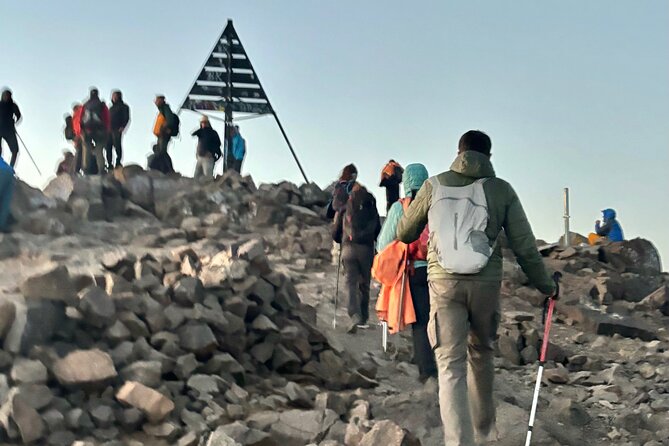
- Real altitude goals: Neltner shelter (3,207m) and Toubkal summit (4,167m)
- Strong guide-and-cook team: praised for care, pacing, and practical support
- Imlil valley start: a calmer beginning before the steep part takes over
- Efficient two-day structure: long hiking days, but clear purpose each day
Imlil is the launch pad: what the start really feels like
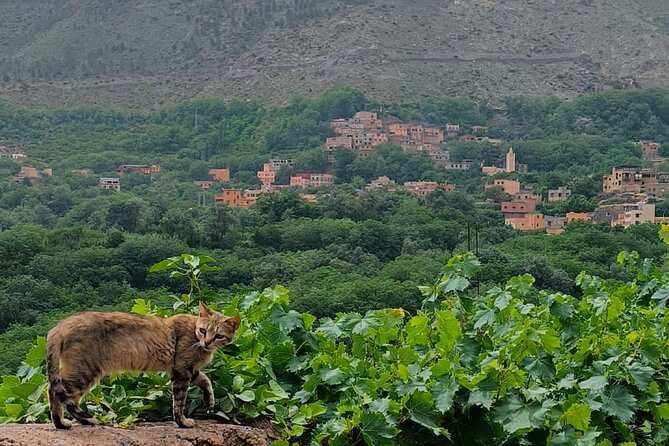
This trek doesn’t start in a city bustle. It starts in Imlil, the well-known gateway to the High Atlas, with the walking route beginning right away once you arrive. If you’re using pickup, that helps you focus on one job: getting to the valley so your legs can take over.
I like that the early portion is simple and unforced. There’s a short arrival moment, then you settle into the start of the trail through the Valley of Imlil. From there, day 1 is about building rhythm—not sprinting, not guessing, just moving with your guide team and letting the mountains set the pace.
One practical note: the tour is listed as near public transportation, so if you don’t use pickup, you should still be able to get to Imlil. Either way, you’ll want a little buffer. High Atlas mornings can run on local time, and you’ll be happier if you arrive early rather than hustling.
A few more Marrakech tours and experiences worth a look
Day 1 in the Valley of Imlil: the build-up day (5 hours of forward motion)
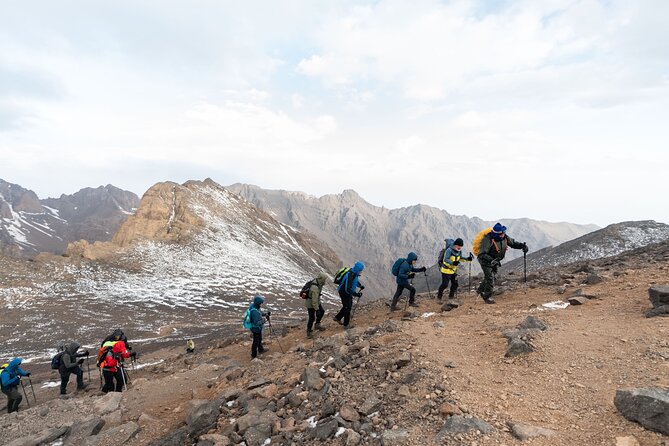
Day 1 begins with that “we’re really here” feeling. You arrive in Imlil, then you’re off along the route that’s often described as the quiet, peaceful side of the trek. Even when the day’s goal is still far away, this valley approach matters because it gives your body time to warm up.
You’ll spend around 5 hours on day 1. That’s long enough to feel like a trek, but it’s not the summit grind. It’s the day to settle your gear, find your breathing pattern, and learn how your group is moving. If you’ve never hiked at altitude before, this is the day that helps you get over the initial “Is this normal?” feeling.
The overview also points you toward the climb to the Neltner shelter at 3,207m. That’s important, because it means day 1 isn’t just a scenic walk. You’re gaining height and training your legs for what’s coming on day 2. And yes, mules are part of the trek setup—exactly the kind of touch that helps keep things manageable when you’re moving through a mountain environment.
A small, real-life benefit of the mule-supported setup: it usually reduces the load you’re trying to balance all day. I can’t promise what each person will carry, but having mules in the plan generally means less gear-whimsy and more focus on walking.
Day 2 to Toubkal (4,167m): the summit day and the long descent back
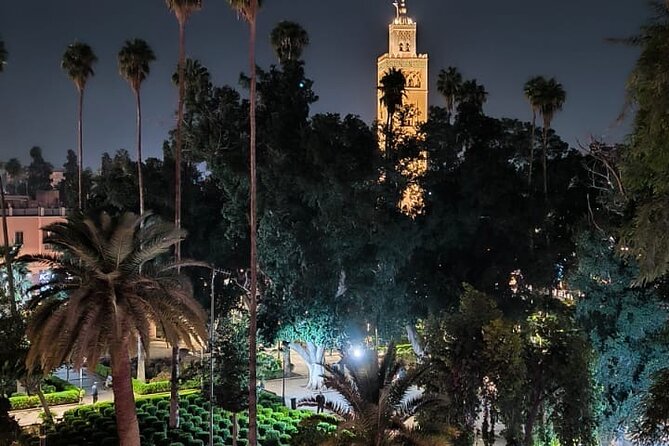
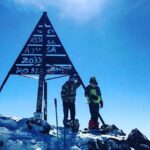
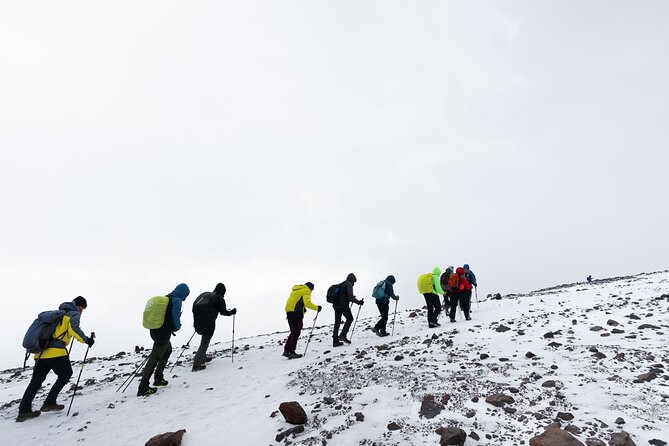
Day 2 is where the trek turns serious. You’re climbing to the top of Toubkal at 4,167m, then you hike back down to Imlil. The total time is listed as about 8 hours, so plan for a full day where comfort comes from pacing, not heroics.
This is also where the best moments can happen, assuming conditions allow. One review highlighted sunrise and cloud-watching—those quiet “touching the sky” vibes that make the effort feel worth it. Even if your timing isn’t identical, you can still expect dramatic views and a sense of exposure as you gain height.
What I’d watch for: the transition from “I can do this” to “my lungs are negotiating.” At these elevations, your body may feel slower than your mind. That’s why the guide matters. People praised guides like Omar and Moha for staying patient and keeping the group safe, which is exactly what you want when your energy starts playing tricks.
Then comes the descent. Descents can be just as tiring on the knees as the climb is on the lungs. The upside? You’re going back to Imlil, so you’re not stuck searching for a way out. The route is built to bring you home to the meeting point after the summit push.
Why the guides and cooks can make or break this trek
It’s easy to talk about mountain views. But what people actually celebrate on this hike is the people on the ground.
Multiple reviews call out Mustapha/Moustafa for smooth organization and “hassle-free” handling from start to finish. That matters because trekking success isn’t just about fitness. It’s about timing, clear instructions, and knowing what to do when a group slows down or weather shifts.
Reviews also highlight guides such as Omar and Moha as patient and careful, with a noticeable focus on safe, steady rhythm. One review described a guide who spoke Spanish well and communicated clearly—helpful if you want explanations rather than just commands.
And then there’s the food. Several reviews specifically praise the cooks and describe meals as very good and abundant. That might sound like a small detail, but it’s huge on a two-day trek. A good meal keeps energy stable, and good organization around meals keeps the day from turning into a guessing game.
Finally, this is a small-group experience. With a max of 12 travelers, you get less waiting around and more human interaction. You’ll still follow the mountain’s rules, but you won’t feel swallowed by a giant crowd.
Fitness reality check: moderate doesn’t mean easy
The tour listing asks for moderate physical fitness. That’s a fair way to describe it. You’re not walking on flat terrain. You’re hiking toward 3,207m and then up to 4,167m, with two long hiking blocks (about 5 hours and 8 hours).
So here’s the honest framing: if you can comfortably hike for several hours on uneven ground at home, you’re in the right zone. If you tend to gas out quickly on hills, you might still be able to do it—but you’ll need to manage expectations and pace hard from the start.
I also suggest you think about how you handle altitude. The data doesn’t mention acclimatization rules or medical support, so don’t assume anything. What you can control is your behavior: hydrate, move steadily, and listen to your guide.
If you’re going with friends, choose the group’s “slowest pace” leader mindset. The summit is a team outcome. You’ll do best when nobody tries to win a race.

What to bring (and what to avoid) for a 2-day Toubkal push
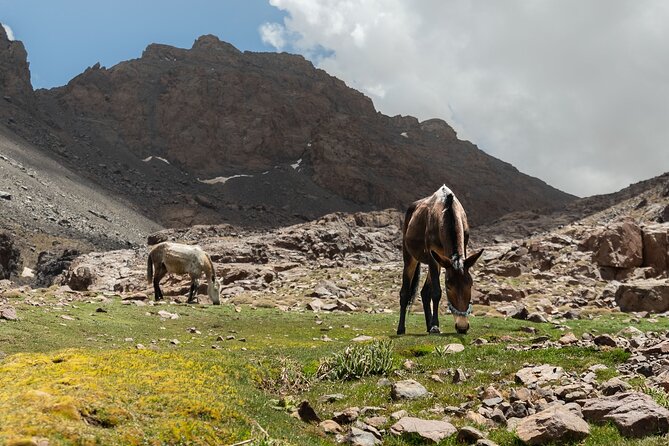
The provided info doesn’t list gear, so I’ll keep this general and practical. Your goal is to be comfortable on steep slopes at altitude, then warm up after exposed sections.
Bring:
- Layering: mornings and higher points can feel colder even when Marrakech is warm
- Sturdy hiking shoes with grip for rocky footing
- A small daypack for water, layers, and snacks
- Sun protection: hat/cap and sunglasses
- Water plan: hydration matters more the higher you go
Avoid:
- Overpacked bags. Two long days can turn “extra stuff” into dead weight.
- New boots right before the trip. Your feet will remember.
And one more tip: keep your mind on the next ten minutes, not the next two hours. At 4,167m, the mountain will win any argument about impatience.
Price and value: what $235.45 gets you in real terms
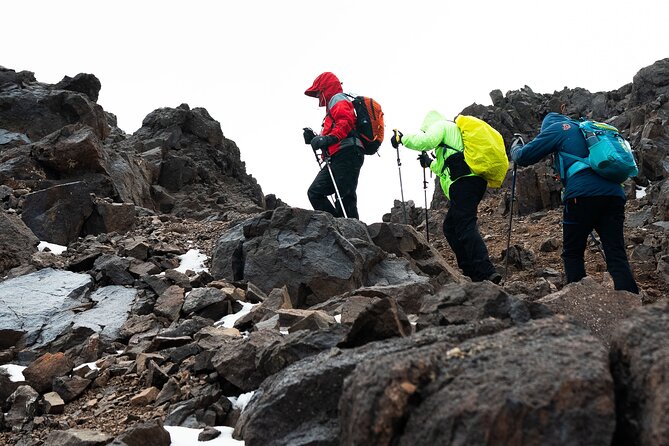
At $235.45 per person for about 2 days, this trek isn’t cheap—yet it’s also not trying to be luxury. The value shows up in the basics you can’t easily DIY safely: guiding, a structured two-day plan, and a team setup that includes guides and cooks.
You’re paying for:
- A defined climb to Toubkal 4,167m, plus time spent at higher elevations like Neltner shelter 3,207m
- Small-group management (max 12), which is a real quality-of-life factor on trails
- Support staff (guides and cooks) that keeps the day moving and meals handled
If you’ve ever tried to coordinate a summit trek on your own, you know how fast logistics eat your vacation. Here, the trip is built to reduce that stress. That’s what people mean when they call the organization smooth and hassle-free.
One value warning: don’t treat the price like it includes everything you might want personally. The data confirms a mobile ticket and pickup offered, but it doesn’t list inclusions like gear rentals or drinks. So read what’s included carefully when you book.
Weather and altitude: what can change your experience
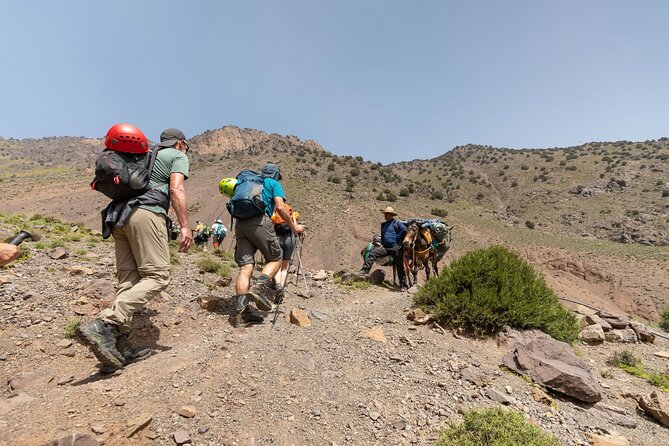
The trek reaches serious altitude (3,207m and 4,167m). That means conditions can change your comfort fast. Cloud cover, wind, and temperature drop can turn a “nice day” into a chilly slog even if the forecast looked fine earlier.
This is also why having a guide team matters. Reviews repeatedly mention guides who keep people safe and set a pace that works for the group. In mountain trekking, safety often looks boring: steady steps, correct timing, and not forcing the wrong tempo.
If you’re the type who hates uncertainty, keep this in mind. Your view might be clouds one morning and crisp and clear the next. But either way, the trek’s structure is the same: you start in Imlil, climb toward the higher points, and return to Imlil at the end.
Should you book the Toubkal Express?
I think you should book if you want a focused, guided High Atlas experience with a real summit target, and you appreciate organization. The standout for me is the human side: people praised guides like Omar and Moha, plus Mustapha/Moustafa, and the cooking team. Add the small group size, and it feels like a trek designed for people rather than a factory line.
You might skip it if you’re looking for an easy stroll or you’re nervous about long hiking days at altitude. Day 1 and day 2 add up to substantial walking time, and the climb to 4,167m is not “background scenery.”
If you’re moderately fit, okay with a serious hike, and you want the satisfaction of reaching the top of Toubkal, this is a strong option.
FAQ
Where does the Toubkal Express start?
It starts in Imlil, Morocco, and the activity ends back at the same meeting point.
What time does the trek begin?
The start time is 9:30 am.
How long is the experience?
It lasts about 2 days.
How high do you climb?
The plan includes climbing to the Neltner shelter (3,207m), and on day 2 you go up to the top of Toubkal (4,167m).
Do you offer pickup?
Yes, pickup is offered.
How big is the group?
There is a maximum of 12 travelers.
What fitness level do I need?
You should have a moderate physical fitness level.
Are service animals allowed?
Yes, service animals are allowed.
Do I get a mobile ticket?
Yes, the tour includes a mobile ticket.
FAQ
Can I cancel and get a full refund?
You can cancel up to 3 days in advance for a full refund. If you cancel less than 3 full days before the start time, the amount paid isn’t refunded. If the minimum traveler requirement isn’t met, you’ll be offered another date/experience or a full refund.