REVIEW · MARRAKECH
2 Days Mt Toubkal Trek
Book on Viator →Operated by Adrar Trips From Marrakech · Bookable on Viator
Toubkal is the quick Atlas challenge. This 2-day trek takes you from Marrakech to Imlil, then up toward Mount Toubkal (4167m) with a night at the Neltner Hut area—hard work, big payoff, and you don’t need mountaineering skills to do it. I like the way the itinerary is built around real mountain time (about 5 hours walking on day one, about 8 hours on day two), not a vague promise. I also like that you get an English guide plus inclusive meals, so you spend energy on walking instead of logistics. The one thing to consider: this is still a difficult hike, and you may need extra cold-weather gear (like crampons/ice ax) at additional cost in winter.
The meeting point is right in central Marrakech (Hotel Restaurant Café de France area) with a start time of 8:30am, which helps you avoid a messy day of collecting people. Reviews also highlight guides like Mo, Mustapha, Samir, Idriss/Driss, and Omar as calm, patient, and safety-minded—often adjusting pace with frequent breaks and enough food to keep you going.
If you’re expecting a casual stroll with perfect weather and no altitude pressure, you might feel it. But if you want a focused, organized mountain experience that still leaves room to enjoy Marrakech, this trek makes a strong case.
In This Review
- Key Things I’d Notice Before You Book
- Why Toubkal From Marrakech in 2 Days Makes Sense
- The Walking Plan: Imlil to Neltner Hut, Then Summit and Down
- Camping Near Neltner Hut: What Included Gear Can’t Fix
- Guides, Pace, and Safety: The Human Advantage
- Food on the Trail: Included Meals That Actually Matter
- Marrakech to the Mountains: Logistics That Reduce Stress
- Price and Value: Is $248.55 Worth It?
- When to Go and How to Pack for Toubkal Conditions
- Who This Trek Fits Best (And Who Might Want a Different Option)
- Should You Book This 2-Day Toubkal Trek?
- FAQ
- How long is the trek?
- What time does the trek start in Marrakech?
- Where is the meeting point?
- Do I return to Marrakech at the end?
- Is accommodation included?
- What meals are included?
- Do I need mountaineering experience to summit Toubkal?
- Are crampons, an ice ax, or a sleeping bag included?
- How many people are in the group?
- What happens if the weather is poor or I cancel?
Key Things I’d Notice Before You Book
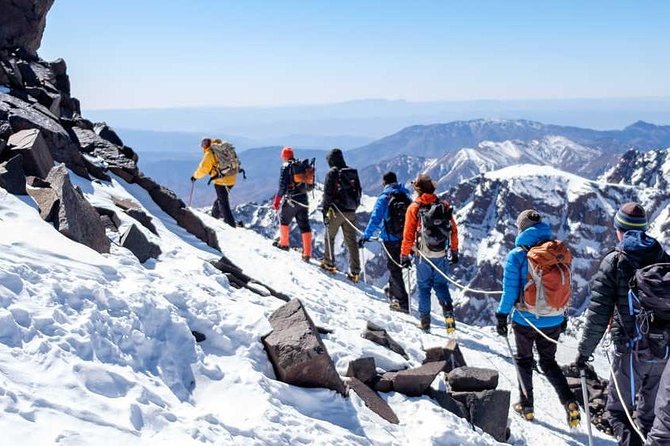
- Two-day, summit-focused pacing with about 5 hours on day one and roughly 8 hours on day two
- Camping near Neltner Hut as the overnight base, with meals included along the way
- English guide + small group size (maximum 8 travelers) for a more personal experience
- Guide-style matters on Toubkal, and reviews repeatedly praise patient pacing and safety
- Cold-weather gear may be extra (crampons/ice ax, sleeping bag, walking sticks aren’t included)
Why Toubkal From Marrakech in 2 Days Makes Sense
If you only have a short window in Morocco, this trek is attractive because it’s built for your time. You’re starting and ending back in Marrakech, so you’re not adding a whole extra multi-day travel plan just to reach the Atlas Mountains. The drive to the trailhead is part of the package, and once you’re out there, the hike is straightforward: walk up, sleep on the mountain area near Neltner Hut, then summit and come back down.
What makes this work well for most visitors is that it’s not pretending to be easy. Day one is a solid walking push (about five hours). Day two is longer (about eight hours) because it has the summit return wrapped into one day. That structure turns the trek into a clear goal: get you to 4167m and back with enough organization that you’re not constantly asking where to go next.
You can also read our reviews of more hiking tours in Marrakech

The Walking Plan: Imlil to Neltner Hut, Then Summit and Down
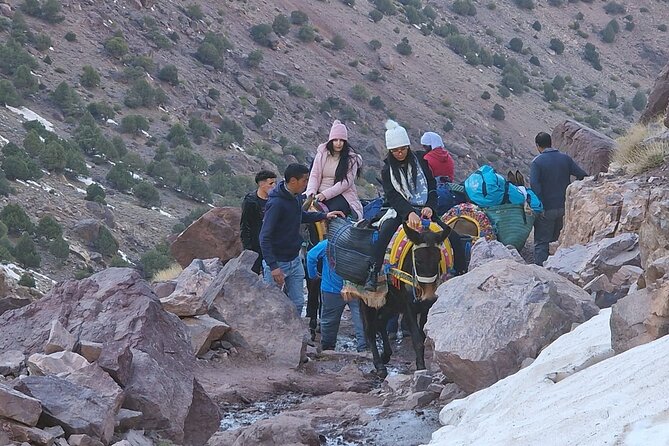
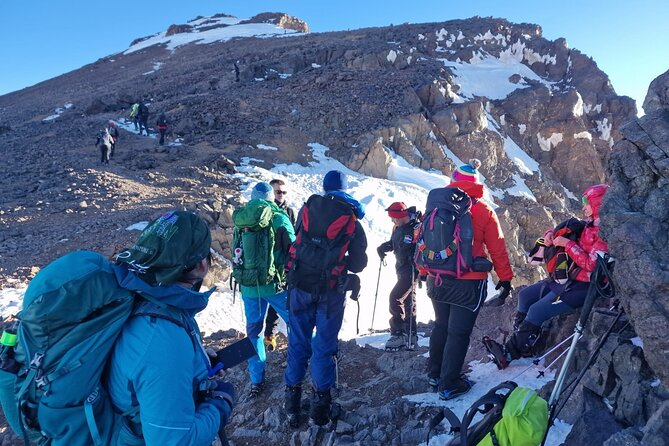
Day 1 is about earning altitude without rushing yourself off the trail. You’ll travel from Marrakech to Imlil, meet your guide and team, and begin trekking toward the Neltner Hut area. Expect about five hours of walking, and then you’ll stay the night camping near the hut. This part of the trek matters because it sets your rhythm for day two—if you treat day one like a race, day two will punish you.
Your day one meal plan is built to keep you fueled. You’ll have lunches included, plus dinner on the mountain night and a breakfast the following morning. Food coverage is more than a nice perk here. On high-altitude hikes, you often feel the effects of missed calories before you feel anything else, so included meals help you keep pace without stopping to hunt for snacks.
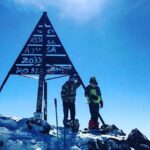
Day 2 starts early on purpose. The trek description specifically points out that you’ll want an early start to summit and still get down in good time. That means you should plan to be mentally ready for a long uphill day and an equally serious descent after reaching the top. The total walking time listed is about eight hours, so it’s not just “summit and stroll back.” It’s the classic big day: climb high, enjoy the view, then move efficiently back toward the base.
One extra detail from guides’ experiences in the reviews: timing for sunrise can happen depending on your season and your guide’s strategy. Some groups mentioned heading out very early (for example, starting around 5:30 from the base camp) to try to be first at the summit. Even if your exact timing differs, the takeaway is simple: day two will feel longer than you expect unless you treat the early start seriously.
Camping Near Neltner Hut: What Included Gear Can’t Fix
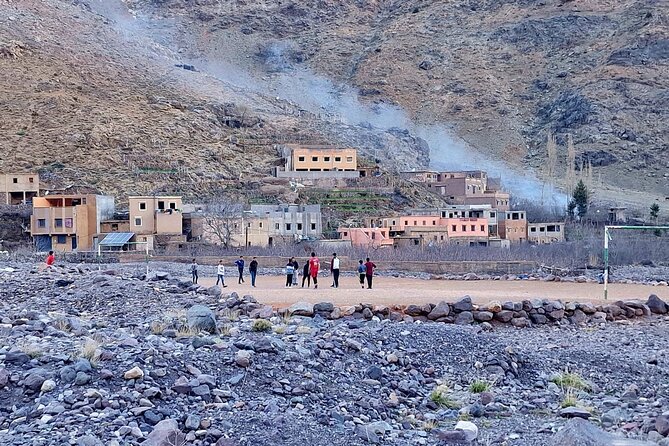
You’ll spend one night camping on the mountain near Neltner Hut. The trek includes accommodation, but it does not include rental gear like sleeping bags or walking sticks. That’s a key point for your comfort and safety.
Camping here isn’t about luxury. It’s about being close to the hiking route so day two starts in the right time window. In practice, that means cold nights can be part of your reality, especially in winter when you may also need extra equipment. The listing notes that crampons and ice axes can be arranged at an extra fee if needed. So if you’re traveling in colder months, don’t assume you’ll automatically have the right traction and support.
Also note that some hikers may rely on walking sticks, but those aren’t included either. If you don’t already have your own, you’ll want to plan ahead for whether you can rent or bring them. The good news is that the trek is set up as a guided experience, so you’re not making gear decisions alone once you arrive—but you should still arrive with realistic expectations about what’s provided.
Guides, Pace, and Safety: The Human Advantage
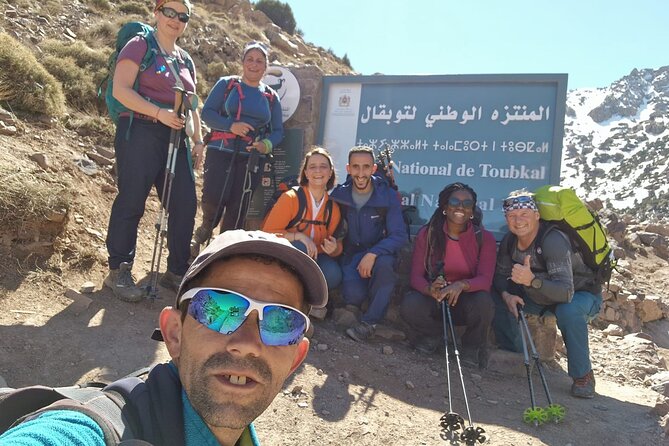
On a trek like Toubkal, the guide isn’t just a name on a ticket. It’s how you feel on the trail.
A theme in the reviews is how guides manage pace and breaks. Mo is mentioned for letting people take the mountain at their own speed, with plenty of pauses and tasty food to keep energy up. Samir is praised for being informative and for going above and beyond to keep people comfortable from arrival in Imlil through the end of the trek. Mustapha and Driss/Idriss are also repeatedly described as patient, friendly, and focused on the group.
Safety shows up too. Multiple comments describe feeling safe with experienced guides, and one review highlights altitude sickness as a concern a guide considered—helping maintain an adequate pace to support the group. While you shouldn’t treat this as medical advice, it’s still a sign you’re not being thrown onto the trail with zero care.
The small group size (maximum 8 travelers) supports this. With fewer people, a good guide can adjust pace, regroup easily, and handle “my legs are fine, but my lungs are mad” moments without the whole line getting stretched out.
Food on the Trail: Included Meals That Actually Matter
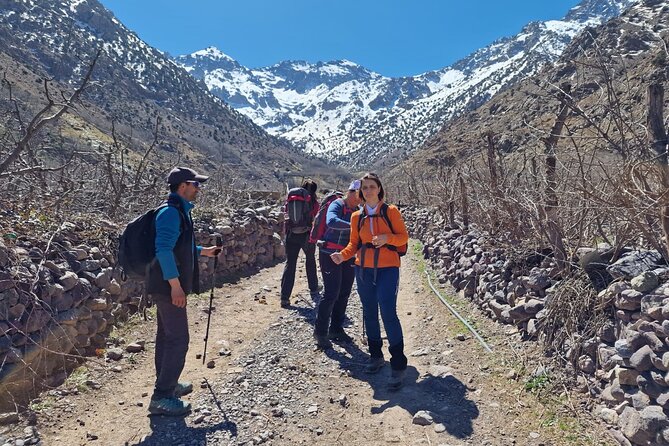
This trek includes a clear meal plan: 2 lunches, 1 dinner, and 1 breakfast. It also notes that food along the way is included, and you should expect traditional Moroccan cuisine. In other words, you’re not just buying snacks whenever you’re hungry—you’re building a day around regular meals.
That matters on a two-day summit trek because hunger can turn into slow fatigue fast. If you’ve ever had a hike where you realized you were behind on food early, you know the feeling: your legs feel heavier, and decisions get harder. Here, the structure takes that pressure off.
I also like that guides are praised for keeping the food enjoyable, not just “functional.” Some reviews directly mention tasty food, and one notes details about refugees/food quality (the text is a little unclear, but the point about food being good is consistent). With Toubkal, you don’t just need calories—you need meals you can look forward to.
A few more Marrakech tours and experiences worth a look
Marrakech to the Mountains: Logistics That Reduce Stress
This is a “start and end in Marrakech” experience. You meet at the Hôtel Restaurant Café de France meeting point around 8:30am. The trek includes Marrakech transportation and return to Marrakech, which is a big deal if you’re using limited vacation time.
Also, because pickup is offered, you’re less likely to spend time hunting down the right taxi or figuring out where your group is. It’s not glamorous, but it’s the kind of detail that makes the whole trek easier to enjoy.
One note for planning your day: because the experience includes return back to the meeting point, you’ll want to treat day two as your “get back in time for the rest of Marrakech” day. The trek description implies that with the 2-day format, you can still explore Marrakech after. Just don’t schedule anything risky right after the trek return unless you like living on the edge.
Price and Value: Is $248.55 Worth It?
At $248.55 per person, the cost isn’t cheap for a simple hike. But it includes several things that usually cost extra if you book everything separately: Marrakech transportation and return, 1 night accommodation (camping), English guidance, and multiple meals (2 lunches, breakfast, dinner). It also includes an entrance item listed as Entrance – Toubkal Guide.
So the value question becomes: are you paying for organization, not just the view? On this trek, yes. You’re paying for an operating team that handles your mountain logistics, keeps you on route, and manages pacing for a small group. If you’ve ever tried to do a summit hike with a half-plan, you know it can quickly turn expensive and stressful—especially around day two timing.
The one financial catch: equipment for winter conditions isn’t included. That can add cost if you need crampons or an ice ax, and sleeping bags/walking sticks aren’t included either. The best way to protect value is to check your travel month and ask what gear you’ll need for the conditions you’re likely to face.
When to Go and How to Pack for Toubkal Conditions
The trek requires good weather. If conditions are poor, the experience may be canceled and you’ll be offered a different date or a full refund. That means you should pack with flexibility in mind, because mountains don’t care about your calendar.
Packing strategy should follow the rules implied by the listing:
- Rental equipment like crampons (winter) and ice ax (winter) aren’t included, and extra equipment can be arranged for an extra fee.
- Sleeping bags and walking sticks aren’t included.
- Non-alcoholic drinks aren’t included, so you’ll likely need to budget for hydration on the days you’re out hiking.
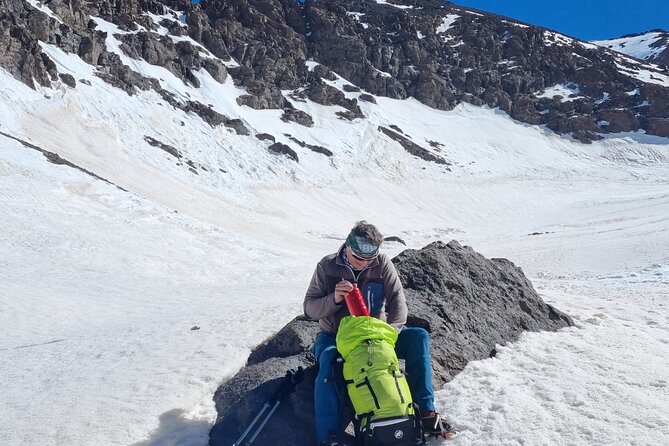
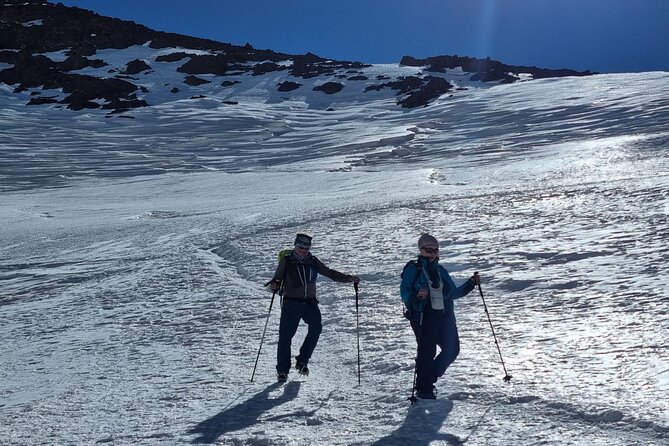
Most importantly, don’t treat it like a one-size-fits-all hike. Your biggest variables are the season and the conditions that season creates. Reviews mention cold and windy snowy days, and guides adapted to those needs. You should assume weather can change fast at altitude, and pack like you’re climbing, not picnicking.
Who This Trek Fits Best (And Who Might Want a Different Option)
This trek lists a moderate physical fitness requirement. That’s realistic: two long walking days totaling roughly 13 hours on foot (about 5 hours day one plus about 8 hours day two) plus a summit goal.
You’ll probably love it if:
- You want a goal-driven hike with a clear itinerary.
- You’re comfortable with early mornings and a long day two.
- You like having an English guide keeping things organized and paced.
- You enjoy mountain villages and culture talk as part of the hike—guides are described as knowledgeable and conversational in the reviews.
You might want to rethink it if:
- You hate cold camping situations and don’t want to plan for sleeping gear.
- You’re not ready for long uphill walking and a serious descent afterward.
- You’re relying on rental equipment that isn’t included (like crampons, ice axes, or sleeping bags) without checking options first.
Service animals are allowed, so if that applies to you, this listing supports it—always confirm specifics with the provider before you go.
Should You Book This 2-Day Toubkal Trek?
I’d book this trek if you want a compact, organized summit attempt from Marrakech, with included meals and a guide team that focuses on pace and safety. The small group size (up to 8 travelers) and the repeated praise for guides like Mo, Samir, Mustapha, and Idriss/Driss are exactly what you want for a challenging hike.
I’d hesitate if you don’t have the cold-weather hiking setup you might need for your travel month, since sleeping bags and winter traction gear aren’t included. Also, don’t underestimate day two. Early start plus a full working-day hike is the whole point here.
FAQ
How long is the trek?
The tour runs for 2 days (approx.), with walking time around 5 hours on day one and about 8 hours on day two.
What time does the trek start in Marrakech?
The start time is 8:30am.
Where is the meeting point?
The meeting point is at Hôtel Restaurant Café de France in Marrakech (Rue des Banques, 40000, Morocco).
Do I return to Marrakech at the end?
Yes. The experience ends back at the meeting point in Marrakech, and Marrakech transportation and return are included.
Is accommodation included?
Yes. You get 1 night of accommodation, camping near Neltner hut.
What meals are included?
Included meals are 2 lunches, 1 breakfast, and 1 dinner. Food along the way is also included.
Do I need mountaineering experience to summit Toubkal?
No. The hike is difficult, but it does not require mountaineering experience.
Are crampons, an ice ax, or a sleeping bag included?
No. Rental equipment such as crampons (winter), ice ax (winter), sleeping bags, and walking sticks are not included. Extra equipment can be arranged at an extra fee if needed.
How many people are in the group?
The maximum group size is 8 travelers.
What happens if the weather is poor or I cancel?
The experience requires good weather. If canceled due to poor weather, you’ll be offered a different date or a full refund. You can cancel for a full refund up to 24 hours in advance of the experience’s start time.