REVIEW · MARRAKECH
2 days Mount Toubkal Trek from Marrakech
Book on Viator →Operated by Marrakech Day Trips · Bookable on Viator
Toubkal has a way of fixing your perspective. This private guided trek takes you to North Africa’s highest peak without technical climbing, with hotel pickup and a mule team so you hike with less to worry about. I especially like the focus on your pace and the fact that the summit push is timed for sunrise.
One thing to consider: the admin communication before the trip can be inconsistent. Several people talk about slow replies or last-minute updates, so you’ll want to confirm details ahead of time and be ready with a phone number for the local team.
In This Review
- Key things to know before you go
- A Two-Day Shot at North Africa’s High Point
- Marrakech to Imlil: Where the Trek Energy Starts
- The Day 1 trek: steep, remote, and steady
- Toubkal Refuge Night: Berber Hospitality and Basic Comfort
- What I like about the refuge stop
- Sunrise Summit Day: Pace, Passes, and the Ifni Lake Views
- Views that make the effort worth it
- Guides, Safety, and the Small Details That Matter
- When crampons show up
- Price and Value: Is $157 Really Fair?
- What’s not included (and how it affects real budgeting)
- Logistics That Make the Hike Feel Less Stressful
- Mules and muleteers: the unsung hero
- Weather, Season, and the Gear Reality Check
- Fitness: moderate is the target, but don’t underestimate effort
- Who Should Book This Toubkal Trek?
- Should You Book This Tour?
- FAQ
- How long is the Mount Toubkal trek from Marrakech?
- What level of fitness do I need?
- Is technical climbing required for the summit?
- Do you get picked up from your hotel in Marrakech?
- What’s included in the price?
- What’s not included, and what should I plan to bring?
- Is there a vegetarian meal option?
Key things to know before you go
- Private pacing with one-on-one guidance, so you’re not stuck with a fast group
- Sunrise summit timing for big views over the Atlas and the road out toward the Sahara
- Mule support for packs reduces the burden on your legs during steep sections
- Refuge stay included (Les Mouflons – Toubkal Refuge), plus tea and coffee
- Winter safety gear might be needed (crampons/ice axes not included, depending on snow)
A Two-Day Shot at North Africa’s High Point
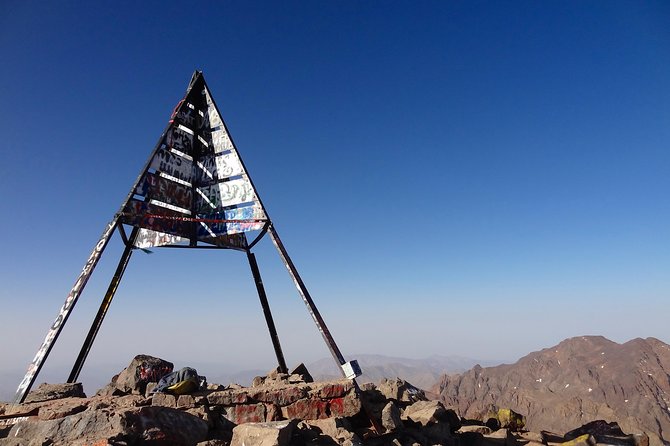
Mount Toubkal (4167m) is the big prize in the Moroccan Atlas Mountains, and the cool part is that you don’t need technical climbing. This is a trekking experience built for solid walkers, not rock-climbers. Expect some easy scrambling and, in colder months, possible snow slopes—so you still need respect for the mountain.
What you’re really buying here is confidence. The trek is private, so your guide can set a pace that works for you, explain what’s coming next, and stay close through the narrow, steep sections. If you like hikes where you can actually ask questions and move at your own rhythm, this format fits.
You can also read our reviews of more hiking tours in Marrakech
Marrakech to Imlil: Where the Trek Energy Starts
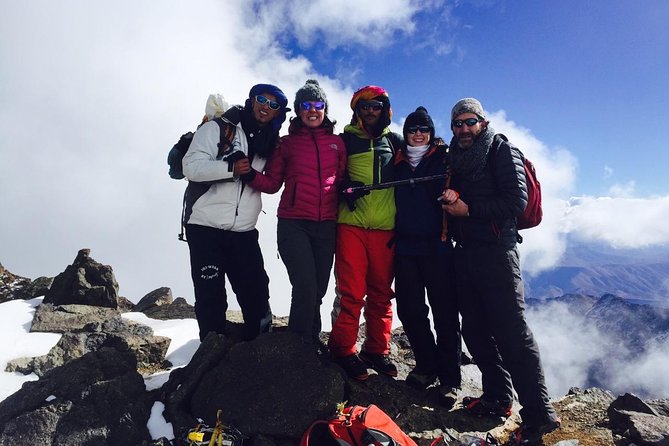
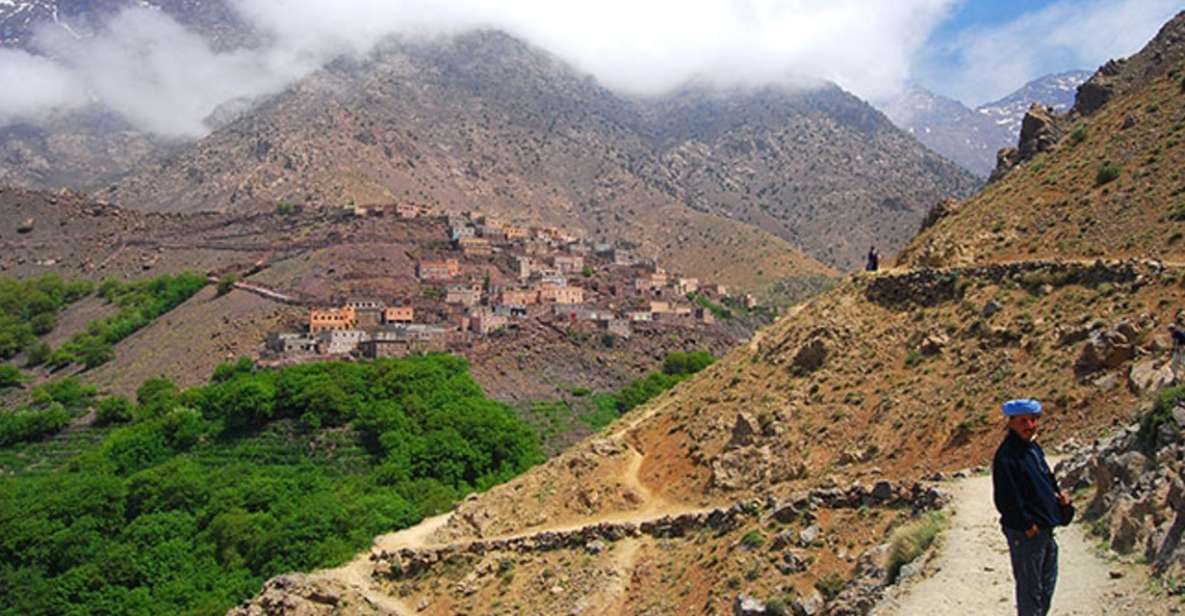
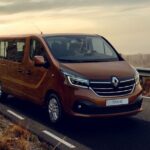
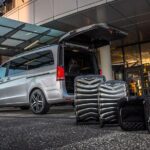
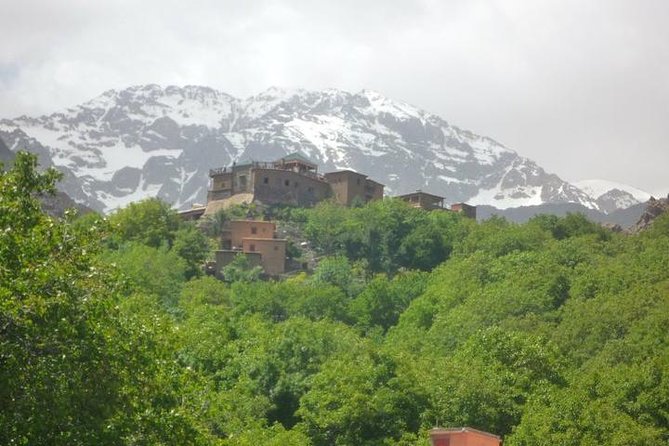
Day 1 begins with complimentary hotel pickup in Marrakech after an early breakfast. Then it’s about a 2-hour drive to Imlil, the mountain village that acts like the launchpad for Toubkal.
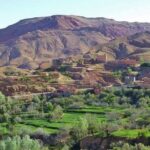
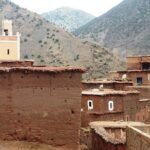
In Imlil, you meet your guide and the mule team. This is where the logistics matter: they handle the pack business so you’re not carrying everything up the valley. The start of the hike is a mix of mountain path and climb, and you’ll soon notice the tracks can be steep and narrow in places.
The Day 1 trek: steep, remote, and steady
You’ll hike roughly 5 to 6 hours from Imlil toward the Toubkal refuge below the summit area. The route climbs through remote mountains and over several passes, which is the kind of terrain that rewards steady effort more than speed. It’s not a long hike by total time, but it’s demanding because of the grade and the footpaths.
One of the practical upsides of private guiding: your guide can help you choose when to push and when to recover. That matters on Day 1 because you’ll still need energy for the early summit climb on Day 2.
Toubkal Refuge Night: Berber Hospitality and Basic Comfort
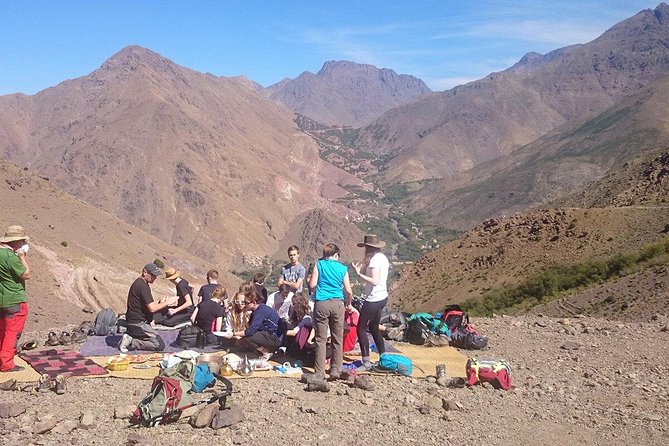
You finish Day 1 at the Les Mouflons – Toubkal Refuge, where you’ll spend the night. Meals are included (breakfast is listed for Day 2, and the itinerary includes dinner), and tea and coffee are part of the deal.
This is refuge life, not a hotel. Some travelers describe the sleeping setup as a shared dorm-style arrangement with many people in the same room. Comfort is simple, but the vibe is very “you’re here for the mountain” and less about luxury.
What I like about the refuge stop
I like that the schedule gives you a real night in the mountains rather than rushing up and back in one day. That extra time buys you acclimatization and a calmer Day 2 start.
Also, in the reviews tied to this kind of trip, the hosts often come through with warmth and real care—especially with gear adjustments. People mention hot showers at least some of the time, which is not a guarantee from the itinerary alone, but it’s a good sign to plan for “basic comfort with a chance of a morale boost.”
A few more Marrakech tours and experiences worth a look
Sunrise Summit Day: Pace, Passes, and the Ifni Lake Views
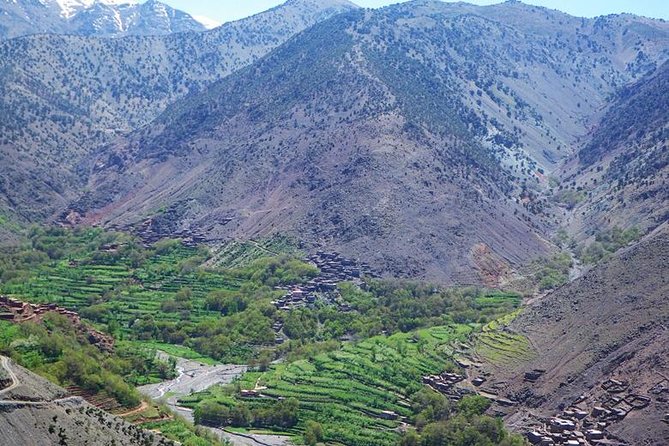
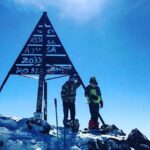
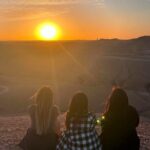
Day 2 starts early—again, breakfast is included—then you begin the summit climb from the refuge. The goal is simple: reach the top as the sun rises.
The route is designed to avoid technical climbing. That said, it’s still serious altitude hiking. The final approach is broad, and the guide pace helps you avoid getting reckless when the air feels thin. You may hit spots that feel like easy scrambling, and conditions change with the season.
Views that make the effort worth it
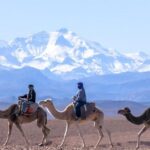
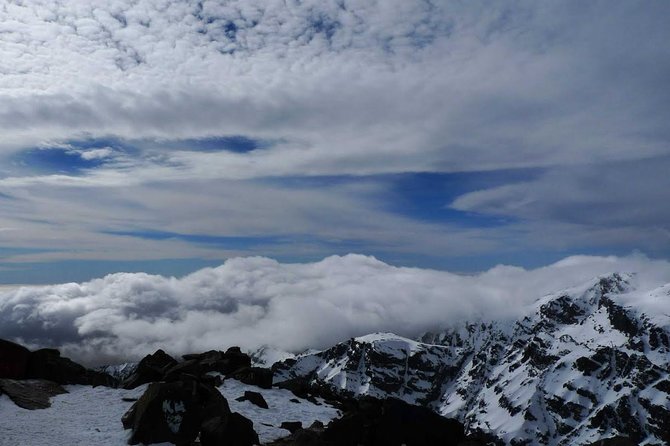
As you climb, you’ll see across the Atlas Mountains toward Marrakech to the north, and toward the direction of the Sahara to the south. On a clear morning, that “high point, wide world” feeling is exactly what people come for.
One of the specific view moments to watch for: the cliffs that drop down toward the opposite side of Ifni Lake. Multiple reviews emphasize how quickly the summit effort fades once you take in the scale of the mountains around you.
Guides, Safety, and the Small Details That Matter
This trek runs with both a local guide and a professional guide. That’s a strong clue that the company is building in local knowledge plus guiding skill—not just dropping you off and hoping for the best.
In reviews, named guides come up a lot. You might meet Omar, who helped people use crampons safely and shared culture context along the way. You could also get Mustafa (spelled a few ways in feedback), or Aziz, or Mohammed, or Mustapha, or Idris—each described as attentive, motivating, and focused on pacing.
When crampons show up
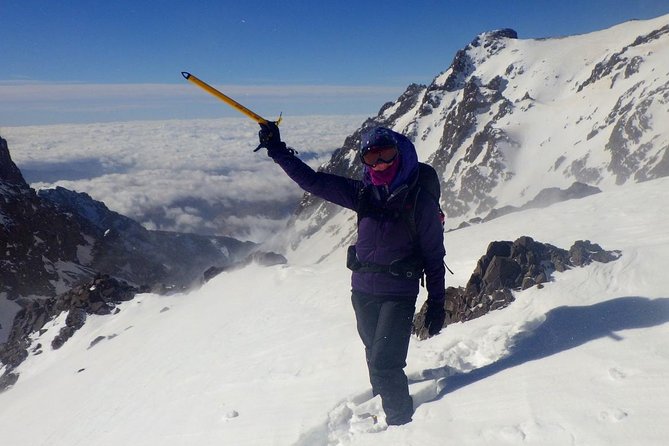
Between November and April, snow can make the second day more technical-feeling. The itinerary notes that you may need crampons and ice axes depending on snowfall. Here’s the key: crampons and ice axes are listed as not included, so you should plan to either bring them or confirm how the team can help if you need them on short notice.
What I’d do: ask before you go about gear support. Some reviews say the hosts lent gear or helped arrange rentals at reasonable prices, which can be a lifesaver if your planning isn’t perfect.
Price and Value: Is $157 Really Fair?
At $157.02 per person for a 2-day private guided trek, the value depends on what you’d otherwise do on your own.
If you try to DIY this, the hard parts are not just the hike. They’re transport from Marrakech to Imlil, arranging a guide, securing mule support for pack carry, booking refuge accommodation, and lining up meals. This tour bundles those pieces together, plus includes hotel pickup and drop-off, refuge accommodation, and tea and coffee.
Also, it’s private. That’s a big value lever because your time and pace aren’t shared with strangers moving at a different speed. With a mountain like Toubkal, the difference between a comfortable pace and an overforced day is huge.
What’s not included (and how it affects real budgeting)
- Bottled water (bring your own strategy)
- Crampons / ice axes if needed
- Sleeping bags
Two practical tips:
1) Plan to bring your own water or at least confirm how you’ll source it on the way up.
2) Sleeping bags are not included, so check what the refuge provides and decide based on your comfort level in cold mountain nights.
Logistics That Make the Hike Feel Less Stressful
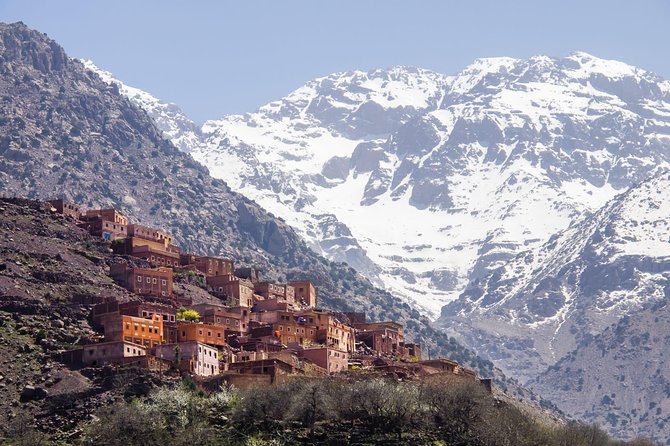
The tour is designed to run with minimal friction. You get an early pickup, a set starting time (8:30 am listed), and transport back to Marrakech at the end of Day 2 after the descent to Imlil.
Another plus: this is a private tour/activity, so you’re not waiting around for a big group. That can matter when the schedule is tight and you’re aiming for sunrise.
Mules and muleteers: the unsung hero
The itinerary includes a muleteer team and mules for pack carrying. Even if you’re a confident hiker, you’ll feel the difference over multiple steep segments. One review even suggests packing light and leaving extra weight in the valley, which is a good common-sense strategy for this kind of trek.
Weather, Season, and the Gear Reality Check
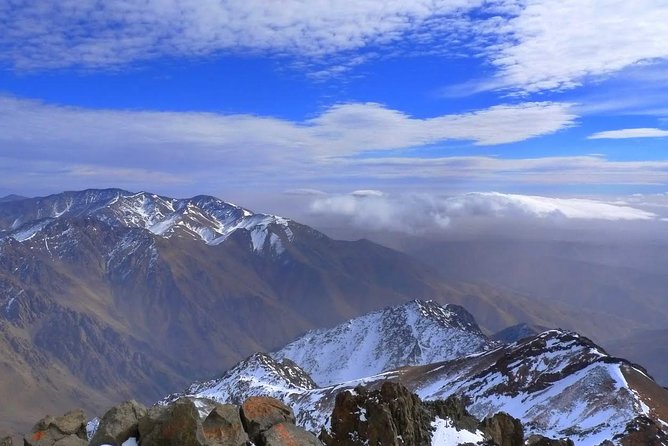
The itinerary says the trek operates in all weather conditions, which means you should treat clothing like part of the plan, not an afterthought.
Between November and April, expect the possibility of snow slopes and the chance you’ll need crampons and ice axes. You’ll want to dress appropriately for cold air and changing conditions, especially on summit morning when temperatures can feel punishing.
Fitness: moderate is the target, but don’t underestimate effort
This trek requires moderate physical fitness and is not recommended for children under 9. In practice, you’re doing steep mountain hiking across passes, plus an early morning summit climb.
If you’re comfortable with strenuous day hikes, can manage uneven steps, and can handle altitude fatigue, you’re in the right zone.
Who Should Book This Toubkal Trek?
I think this is a strong fit if you:
- Want a guided, private experience with one-on-one attention
- Prefer a plan that handles transport, accommodation, and pack logistics
- Like early mornings and big-reward views
It’s also a great choice if you’re worried about safety or gear in winter conditions—because guides in reviews mention helping with crampons and sharing cultural context, not just walking and silence.
If you hate any uncertainty and only want a perfect, frictionless admin flow, be aware that communication before the trip can be inconsistent. That doesn’t change the quality of the mountain experience, but it can affect your stress level before you leave.
Should You Book This Tour?
I’d book it if your priority is a well-supported climb to the highest peak in North Africa with a private guide, mule help, refuge lodging, and sunrise timing. The structure removes a lot of guesswork, and reviews strongly point to guide quality and genuine care—names like Omar, Mustafa, Idris, Aziz, and Mohammed show up for a reason.
I’d pause and ask extra questions first if you’re traveling in winter months, because gear needs can shift with snow. Also, plan for the admin communication hiccup: confirm details early, keep your contact options ready, and don’t wait until the last moment to clarify what you’ll need to bring.
If you’re ready for steep paths, early mornings, and altitude effort in exchange for massive summit views, this two-day Toubkal trek is one of the most memorable ways to experience the Atlas Mountains.
FAQ
How long is the Mount Toubkal trek from Marrakech?
It’s a 2-day trek, with about 5 to 6 hours hiking on Day 1 and an early summit climb on Day 2.
What level of fitness do I need?
The tour is recommended for people with moderate physical fitness. It isn’t described as technical climbing, but the hike includes steep, narrow sections and some scrambling.
Is technical climbing required for the summit?
No. The itinerary is designed for a trekking experience to the top with no climbing, though it may include easy scrambling and, in winter, snow slopes.
Do you get picked up from your hotel in Marrakech?
Yes. The tour includes hotel pickup and drop-off in Marrakech.
What’s included in the price?
Included are refuge accommodation, meals as per the itinerary, tea and coffee, a local and professional guide, hotel pickup/drop-off, and the muleteer team.
What’s not included, and what should I plan to bring?
Not included: bottled water, crampons (if necessary), ice axes (if necessary), and sleeping bags.
Is there a vegetarian meal option?
Yes. A vegetarian option is available if you advise at booking about your dietary needs.