REVIEW · MARRAKECH
2 Days Desert Tour From Marrakech To Zagora And Camel Trek
Book on Viator →Operated by Morocco Global Adventures · Bookable on Viator
Two days, and the desert feels close. This Marrakech to Zagora trip threads through the High Atlas over the Tizi n’Tichka pass, visits Ait Ben Haddou, and lands you in the dunes near Zagora for camel time and a Berber-style camp night. You also get Ouarzazate sightseeing along the way, so it’s not just sand and silence.
I love how the big sights come packaged without feeling rushed in the wrong places. Ait Ben Haddou gets a local guide, which matters here because you’ll actually understand what you’re looking at (not just take a few quick photos). And I also love the two camel moments: you ride at sunset and sunrise, with a camel trek in between that’s long enough to feel like a real desert experience.
One drawback to plan for: the days are long, and the early start is real. If you’re traveling in cooler months, expect cold mornings and consider packing thermals for the sunrise part—people specifically warn that winter can get chilly.
In This Review
- Key things you’ll notice on this Marrakech to Zagora desert tour
- How the trip starts in Marrakech (and why 7:30 am matters)
- Over the High Atlas: Tizi n’Tichka and Berber villages
- Ait Ben Haddou: the kasbah stop that earns its time
- Optional Kasbah Taourirt: a quick outside look
- Ouarzazate on the way south: cinema studios and familiar geography
- Zagora arrival: palm groves, Kasbah valleys, and the first camel ride
- Overnight in a Berber tent camp: what you should expect
- Sunrise camel ride: why the second camel trip is the best one
- Heading back north through Draa Valley and Agdez
- Lunch in the typical restaurant stop (and how to plan it)
- Price and value: what $106.02 buys you (and what it doesn’t)
- Group size and the “private group” feel
- The human touch: guides and drivers people remember by name
- What to pack for Zagora (so the cold and dust don’t ruin things)
- Who this tour is best for
- Should you book this 2-day Marrakech to Zagora camel trek?
- FAQ
- What time does the tour start in Marrakech?
- How long is the 2-day desert tour?
- Are breakfast, dinner, and accommodation included?
- Are camel rides included, and when do they happen?
- Is lunch included?
- Is there free cancellation?
- Final note: choosing the right fit
Key things you’ll notice on this Marrakech to Zagora desert tour
- Ait Ben Haddou with a local guide: you’ll get context, not just a stop.
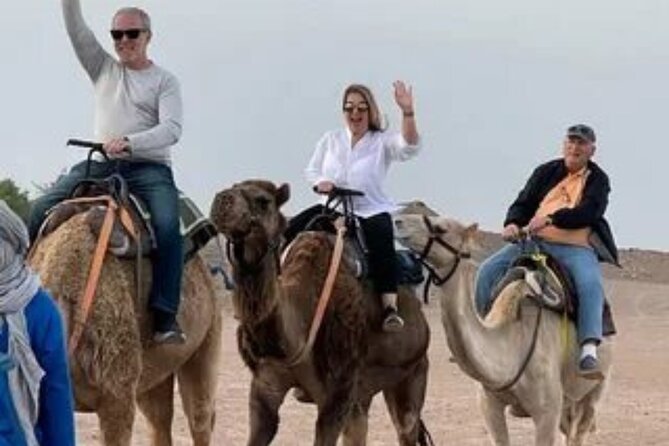
- Camel rides twice (sunset and sunrise): this is the main “wow” repeated.
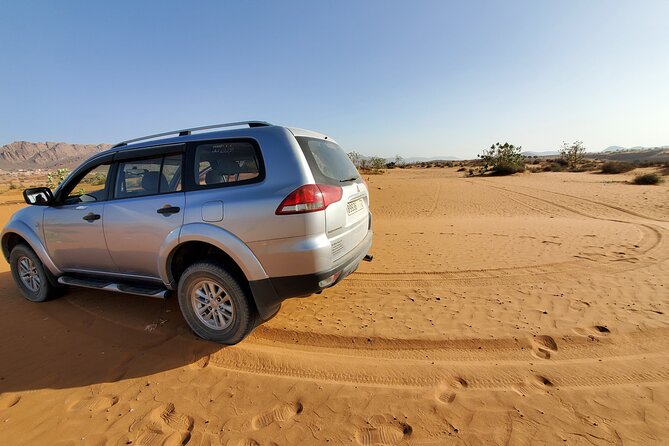
- Atlas passes in a comfort-focused vehicle: long driving, but air-conditioned and fuel included.
- Ouarzazate hits: you’ll pass by and visit key spots, including cinema studios.
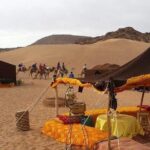
- Desert camp in Berber tents: you sleep in a traditional-style camp setting for one night.
- Guides and drivers often get praised by name: Mohamed Ouzanzoul, Chaima/Chaimae, Abdul, Hammid; and drivers like Mustapha or Hicham.
How the trip starts in Marrakech (and why 7:30 am matters)
You meet in central Marrakech at 7:30 am at Hôtel Restaurant Café de France (Rue des Banques, by Jemaa el-Fna). That early pickup sounds intense, but it’s the practical choice for a two-day desert tour. You’re aiming to cross the mountains, reach Ait Ben Haddou at the right time of day, and still get down to Zagora for camel riding.
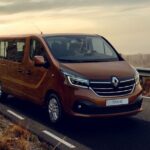
You’ll be in an air-conditioned vehicle, and fuel is included, which helps you stay comfortable while the hours tick by. This isn’t a “wander at your own pace” kind of trip. It’s a “see the highlights, safely and efficiently” style of travel.
You can also read our reviews of more hiking tours in Marrakech
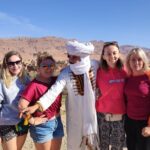
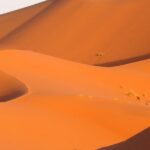
Over the High Atlas: Tizi n’Tichka and Berber villages
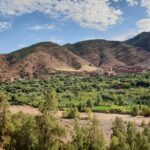
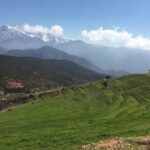
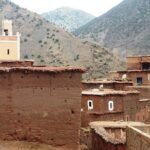
Day 1 is about getting you out of the city fast and into the mountain world. The route goes via the Tizi n’Tichka pass, crossing the High Atlas toward kasbah territory. Along the way, you’ll pass through Berber villages, which gives you a quick sense of how daily life changes as you go from Marrakech’s streets to Morocco’s rural interior.
This part matters because it turns the desert from a far-away postcard into something you’re actually driving toward. You’ll also notice that Morocco’s architecture changes with the elevation and geography. That sets you up for Ait Ben Haddou, which is where the trip really starts to feel cinematic.
Ait Ben Haddou: the kasbah stop that earns its time
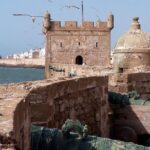
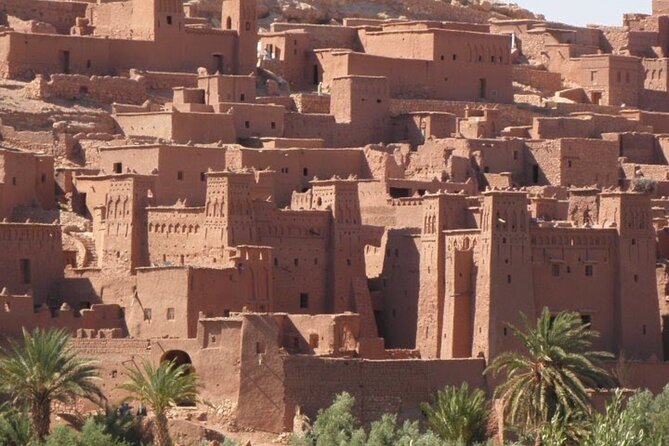
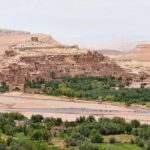
Ait Ben Haddou is a World Heritage Site, and you don’t just stop there—you get help from an Ait Ben Haddou local guide. That detail is important. Kasbahs can look similar at first glance, but a good guide helps you connect the dots: why it’s built the way it is, how it served communities, and what makes this specific place important.
Expect an outside visit with time to walk and take photos. You’ll also be in the right mood for it because you’ve already been climbing and crossing passes for hours. When you finally reach the kasbah, it feels like you’ve arrived at something real, not just a scheduled checkbox.
Optional Kasbah Taourirt: a quick outside look
On Day 1 there’s an optional add-on tied to Kasbah Taourirt. It’s described as a short visit or pictures from the outside. This is a “if you have energy, take the photo” kind of stop, not a long, deep dive.
I like options like this on a road trip. You’re not forced into it, and if you’re the type who loves architecture, it’s an easy bonus.
Ouarzazate on the way south: cinema studios and familiar geography
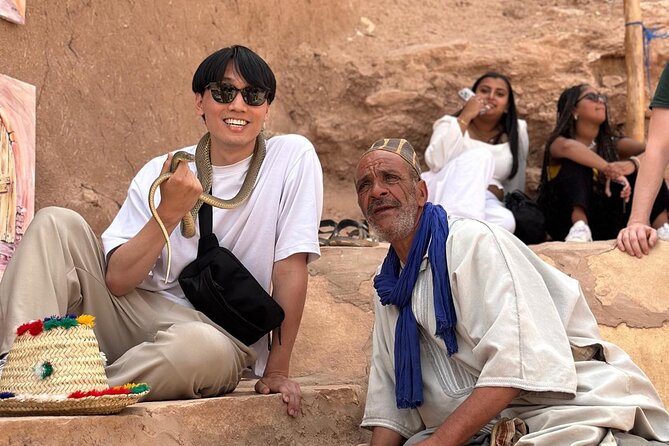
As you travel deeper into southern Morocco, you’ll pass through Ouarzazate and visit highlights along the route, including cinema studios. Even if you’re not a movie buff, Ouarzazate has a certain “film-set” feel—bright, sculpted shapes and strong light. Seeing studios here helps explain why so many productions choose this region.
You’re not spending the entire day in one city; you’re using Ouarzazate as a stopover with context. That’s a smart way to get more Morocco in less time, especially on a tight two-day schedule.
A few more Marrakech tours and experiences worth a look
Zagora arrival: palm groves, Kasbah valleys, and the first camel ride
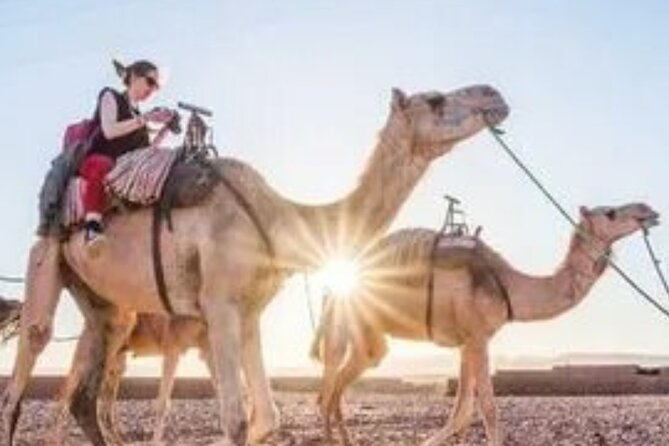
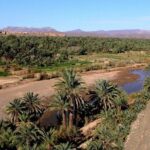
Then comes the south. After continuing toward Zagora, you’ll pass through the Thousand Kasbahs valley and the largest palm grove of Morocco. Those aren’t random namedropping stops. They signal that the terrain and vegetation are shifting, and that helps make the drive feel like a changing journey rather than one long transfer.
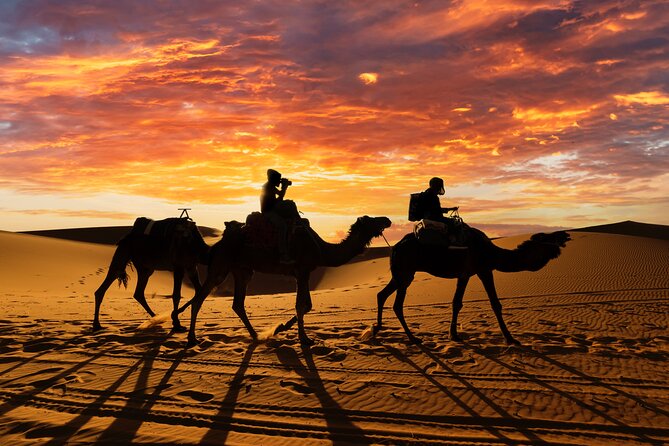
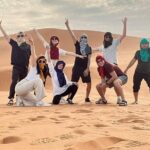
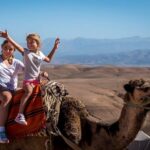
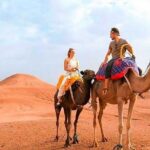
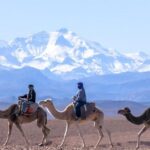
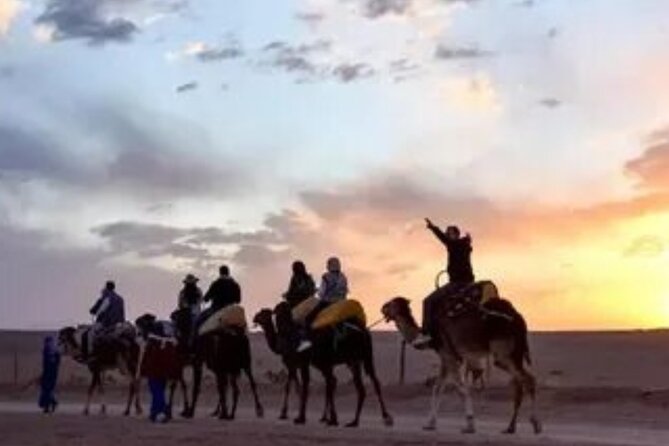
Once you’re near Zagora, you get about 1 hour of camel riding before reaching the final destination for the night. This is where the tour becomes memorable fast. Riding a camel isn’t just a photo moment; it’s your first real “desert tempo” change, because the pace is slower and your body adjusts to a different rhythm.
And since this is a comfort-focused tour overall (air-conditioned vehicle, meals included), you can enjoy the ride without feeling like you’re missing the basic support.
Overnight in a Berber tent camp: what you should expect
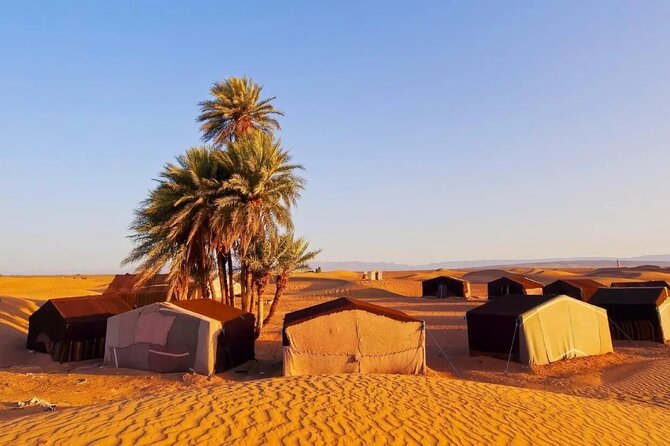
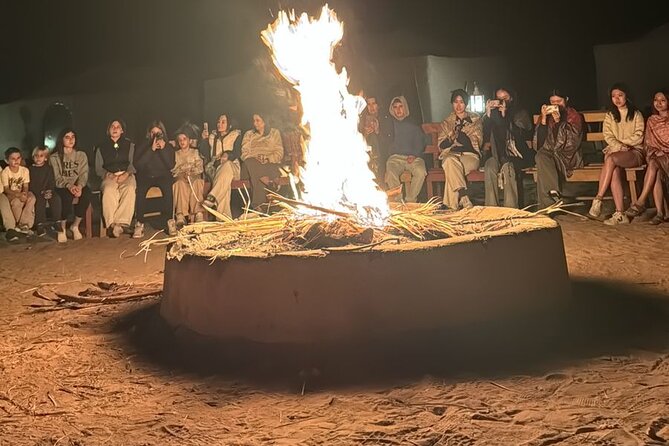
Your night is spent in a desert camp under Berber tents, included in the price with dinner and one night accommodation. People emphasize how comfortable the tented camp feels, which is exactly what you want to hear for a first desert stay.
What’s worth knowing: the camp is part of why this tour works for most people. If you tried to do a Marrakech-to-desert trip on your own, you’d spend time figuring out where to sleep, how to get there, and how to time the camel rides. Here, those pieces are handled.
You’ll have dinner at the camp, and then you’re free to enjoy the evening in a setting that feels worlds away from the medina.
Sunrise camel ride: why the second camel trip is the best one
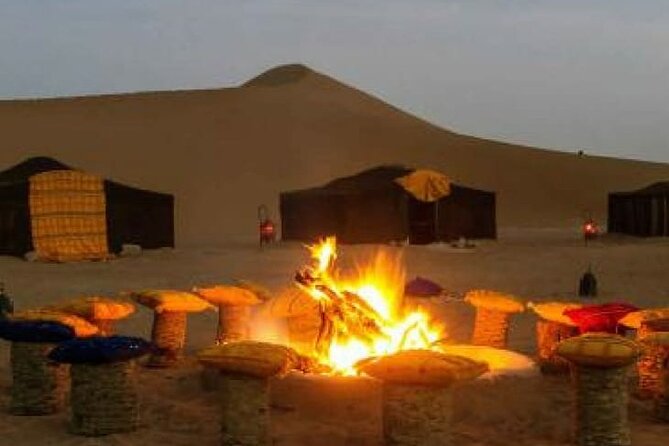
Day 2 starts early with sunrise behind the mountains and the smaller dunes near Zagora. That’s one of the big reasons to pick a tour like this instead of just day-tripping. Sunrise gives you cooler air, softer light, and the feeling that the desert is waking up slowly.
After the sunrise, you’ll have a traditional breakfast, served after reaching your hotel area. Then you return to Zagora by camel (yes, it’s another camel moment), shower, and get ready for the drive back.
This is also where you’ll want to be smart about what you wear. Cold mornings happen, especially in winter. If you run warm easily, you might still want a layer for the wind.
Heading back north through Draa Valley and Agdez
After breakfast and the morning camel experience, the return route follows a similar logic: scenic valleys, kasbah country, and stops that keep the drive interesting.
You’ll cross the Draa Valley again through the village of Agdez, and then head over the Anti-Atlas to reach Ouarzazate. Seeing the region from the other direction is underrated. Day 1 is mostly about arriving; Day 2 feels like watching the scenery shift while you’re moving toward home.
You’ll also pass by the Tizi n’Tichka pass again before dropping you back in Marrakech. This means you don’t miss the key mountain crossing—the tour gives you both directions.
Lunch in the typical restaurant stop (and how to plan it)
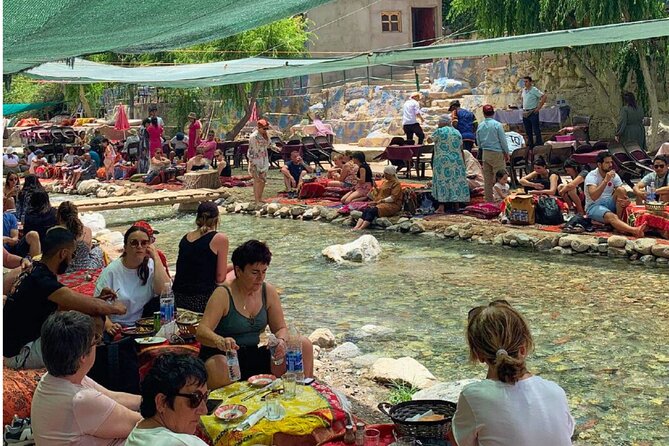
You’ll stop for lunch after Ouarzazate and then continue toward Marrakech. Lunch is not included, and the tour notes it’s typically around 13–15 EUR per meal. That gives you room to choose what fits your appetite while still keeping the schedule steady.
This is also one of the only places where costs can quietly rise if you don’t plan for it. I’d go in ready to pay for a meal and keep drinks separate too.
Price and value: what $106.02 buys you (and what it doesn’t)
At about $106.02 per person, this is built like a “high-value highlights package.” Here’s what’s included that usually costs extra if you plan it yourself:
- Breakfast and dinner
- 1 night accommodation in a tented camp setting
- Camel rides for sunset and sunrise (1 camel each)
- Air-conditioned vehicle with fuel included
- English, Spanish, French, Arabic, Portuguese guide support (in-person and audio)
- Ait Ben Haddou local guide
What’s not included:
- Lunch (typically 13–15 EUR per meal)
- Drinks (starting from 1 EUR and up)
- Tips (left to you)
- Personal expenses
My take on value: this price makes sense if you care about the desert experience components—Ait Ben Haddou context plus two camel rides plus a proper overnight. If you just want a quick look at sand, a cheaper day trip might suit better. But if you want the full “ride, camp, sunrise” rhythm in two days, this is the kind of package that keeps your costs predictable while giving you real experiences.
Group size and the “private group” feel
The tour is described as a private group tour from Marrakech to Zagora. At the same time, it notes a maximum of 100 travelers. In practical terms, that means you’re unlikely to feel like you’re in a giant coach circus, but you should still expect a scheduled, guided flow.
If you’re the type who likes photos and also likes explanations, a guide-led setup is a win. If you prefer total freedom, you might find the fixed timings a little controlling—but that’s the trade for getting Ait Ben Haddou and the desert done in just two days.
The human touch: guides and drivers people remember by name
A lot of the best feedback centers on the people running the trip. Names that come up again and again include Mohamed Ouzanzoul, Chaima/Chaimae, Abdul, and Hammid for guiding. Drivers include Mustapha and Hicham.
What that tells you as a future rider is simple: you’re not just buying transport. You’re buying a guided day across remote areas, and that means communication and pacing matter. If you end up with a guide who takes requests seriously and keeps things fun, the long drive stops feeling like a chore and starts feeling like part of the story.
What to pack for Zagora (so the cold and dust don’t ruin things)
The tour data doesn’t list a packing list, but it does give you clues about conditions: sunrise riding, winter cold warnings, and desert nights. Pack like you’ll be uncomfortable if you underdress.
Bring:
- Warm layers for the sunrise hours
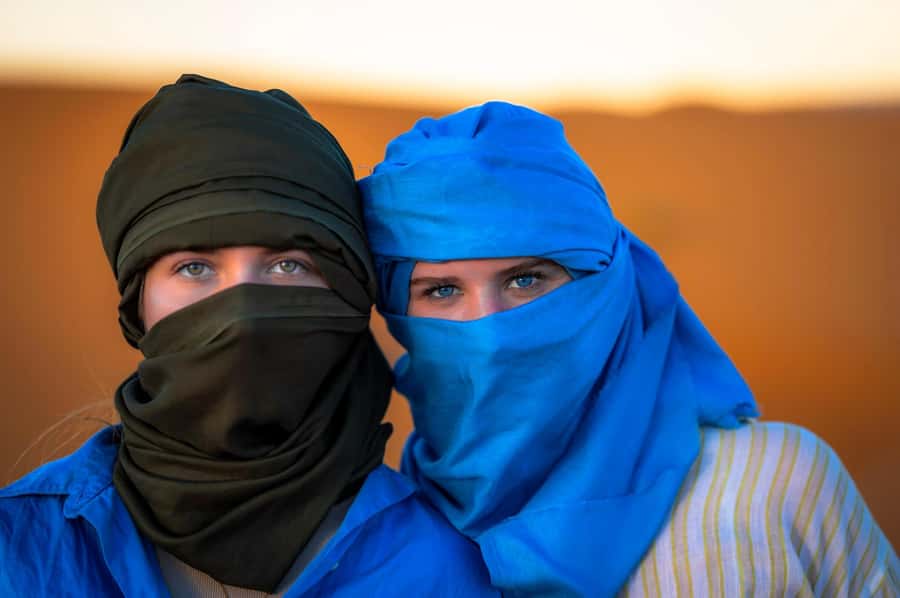
- Something protective for sun and dust (hat or scarf)
- Comfortable shoes for kasbah walking
- Basic motion comfort if you’re sensitive to long road days
Also, since drinks aren’t included and lunch is extra, plan a few small cash or card payments for meals and water.
Who this tour is best for
This is a great fit if you:
- Want a first desert overnight without complex logistics
- Like the combo of kasbah culture + cinema-era Ouarzazate + camel rides
- Enjoy a guided route where someone else handles the timing
It’s less ideal if you:
- Want lots of free time to explore on your own
- Dislike early mornings and long car days
- Are hoping for a slower, more independent style of travel
Should you book this 2-day Marrakech to Zagora camel trek?
If your goal is a true desert highlight in a short window, I’d book it. The value is strong because the essentials are covered: Ait Ben Haddou with a guide, two camel rides (sunset and sunrise), dinner, breakfast, and one night in a Berber tent camp—plus the air-conditioned driving support.
Book it especially if you want sunrise magic and not just a single camel photo. Just go in knowing the days are packed, you’ll need warm layers for early hours, and lunch and drinks are on you. That’s the trade, and it’s a fair one for what you get.
FAQ
What time does the tour start in Marrakech?
The pickup starts at 7:30 am at Hôtel Restaurant Café de France near Jemaa el-Fna.
How long is the 2-day desert tour?
It runs for about 2 days (approximately), with Day 1 and Day 2 making up the full experience.
Are breakfast, dinner, and accommodation included?
Yes. Breakfast and dinner are included, along with 1 night accommodation in the desert camp for the overnight.
Are camel rides included, and when do they happen?
Yes. Camel rides are included for both sunset and sunrise, with 1 camel each.
Is lunch included?
Lunch is not included. The tour notes lunch is typically around 13 to 15 EUR per meal, and drinks are also not included.
Is there free cancellation?
Yes. You can cancel up to 24 hours in advance for a full refund.
Final note: choosing the right fit
If you want the full Zagora experience—Ait Ben Haddou with guidance, Ouarzazate stops, camel rides twice, and a camp night—this is a solid match. If you’re sensitive to early starts or cold mornings, pack warm layers and you’ll be happier from sunrise to the ride back.