REVIEW · MARRAKECH
2 Day Mount Toubkal Trek 4167m
Book on Viator →Operated by Morocco Tours Services · Bookable on Viator
Toubkal is a summit you can chase quickly. This 2-day trek in the High Atlas takes you from Marrakech to the Imlil area, then pushes early for a ridge climb to 4,167m. I love how the trip handles the mountain logistics for you, from mule support for luggage to a guided pace that doesn’t waste your energy. I also love the human touch: guides like Mustafa and Hamid are described as professional, close, and attentive. One consideration: it’s a medium-level effort with a very early start, so you’ll want solid hiking legs before you arrive.
What makes this route special is the way it’s stitched together. You walk through Berber villages at around 2,000–2,350m, stop at a heavily visited marabout tied to pilgrimages, and settle into a refuge night in the 3,200m range. Then, you’re up around 4 a.m. to climb into thinner air for the kind of sunrise-and-ridge views people talk about for years. The payoff is big, but you should expect a real hike over two days—not a casual stroll.
If you want a famous Atlas summit without burning a whole week, this is one of the most practical ways to do it. The included meals, transfers, and local mountain guides mean less organizing and more time focusing on your steps and the views. Still, pack for mountain weather changes and keep your expectations aligned with a short timeline and a summit goal.
In This Review
- Key Highlights You’ll Actually Feel on This Trek
- Why This 2-Day Mount Toubkal Climb Makes Sense
- Marrakech to Imlil: The Start That Sets Your Energy Up
- Day 1: Village Trails, Sidi Chamharouch, and Night in the Refuge Zone
- Armed (Aremd) to the Marabout Stop
- Arriving at the Neltner Refuge Area (~3,207m)
- Day 2: 4 a.m. Ascent to the Toubkal Pass and Summit Views
- The Ridge to 4,167m
- Descending, Tea, and Back to Imlil
- Guides and Pacing: The Real Difference Between a Tough Day and a Good One
- Food and Refuges: You’ll Want This Part to Feel Good
- Price and Value: What $243.91 Really Buys You
- What to Pack (So the Cold and Dust Don’t Pick on You)
- Who Should Book This Toubkal Trek (and Who Should Rethink It)
- Should You Book This 2 Day Mount Toubkal Trek?
- FAQ
- What is the duration of the Toubkal trek?
- Do they pick you up in Marrakech?
- Is this a private tour?
- What fitness level do I need?
- How high do you climb?
- What happens on Day 1?
- What time does the summit climb start on Day 2?
- What’s included in the price?
- What is not included?
- What is the cancellation policy?
Key Highlights You’ll Actually Feel on This Trek
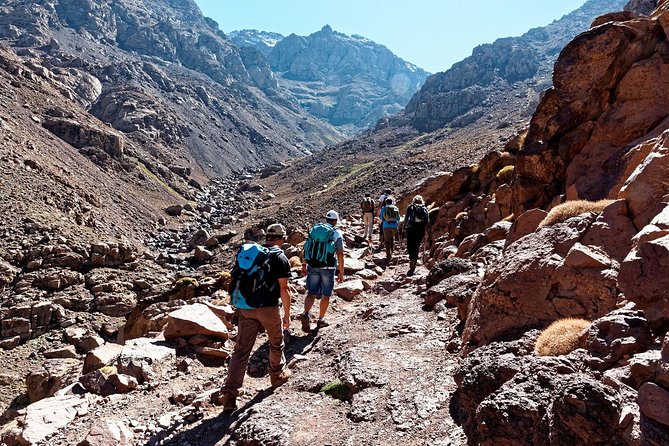
- Mule-supported luggage: your pack gets handled by the support team, so you hike lighter.
- A refuge night at ~3,207m: you sleep high enough to feel the altitude, but it’s built into the plan.
- 4 a.m. summit push: early start gives you the best shot at clear light and a memorable sunrise from the pass.
- Sidi Chamharouch tea and rest moments: pilgrimage stops turn the hike into more than just walking uphill.
- Professional guides who manage rhythm: you don’t just get pushed; you get paced.
Why This 2-Day Mount Toubkal Climb Makes Sense
A lot of Toubkal trips are longer. This one is built for short holidays, and you can feel that in the structure: you’re not spending extra days zigzagging between camps. Instead, the schedule concentrates effort into two hiking days with a single main overnight in the refuge zone.
That’s great value for your time. You get the full “Toubkal story” arc—villages, marabout stop, refuge dinner and breakfast, then the summit push—without turning your calendar into a whole project. The medium difficulty label also matters here: it’s not billed as a beginner stroll, but it’s framed as doable if you’re used to hiking and can handle long hours on uneven paths.
The other thing I like is how the route leans on local knowledge. You’re not wandering. You’re guided by local mountain guides, and you’re traveling with a support team that includes muleteers and a cook. That changes the vibe: you’re free to pay attention to footing, breath, and weather instead of logistics.
You can also read our reviews of more hiking tours in Marrakech

Marrakech to Imlil: The Start That Sets Your Energy Up
Most mountain days are won or lost before you hit the first trail. Here, the early part is handled cleanly. You arrive at Marrakech airport, meet your local guide, and transfer toward Imlil in an A/C vehicle with an English-speaking guide driver.
In Imlil, your belongings get managed in a very practical way. Your backpacks with your things are delivered to be loaded onto mules looked after by the support staff. That means you’re not carrying everything for hours on Day 1. Even if you’re an efficient packer, that small detail can save your knees and help you keep a steady rhythm.
You also get a gentle “transition day” feel. You’re walking village trails at roughly 1,850m up to the 2,350m marabout area. It’s not just scenery. Those stops help you build your hiking pattern for the days ahead: step pacing, water rhythm, and using breaks in a smart way.
Day 1: Village Trails, Sidi Chamharouch, and Night in the Refuge Zone
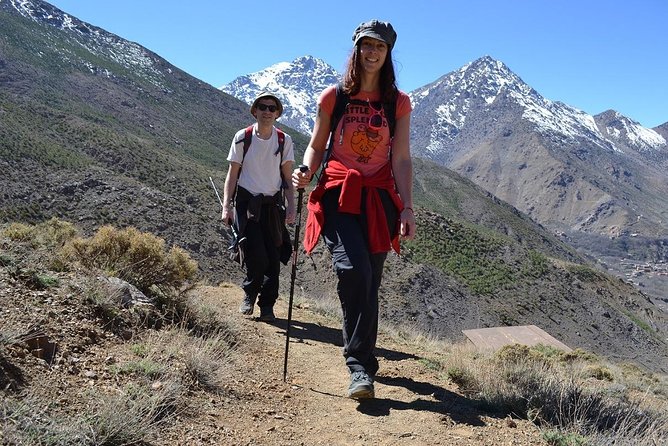
Day 1 is a mix of cultural stops and real altitude hiking. The walk runs for about 4 to 5 hours, moving from Aremd (around 1,850m) toward Sidi Chamharouch (around 2,350m).
Armed (Aremd) to the Marabout Stop
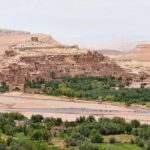
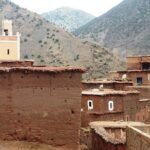
You’ll hike through mule trails passing through village areas, and you stop at Marabout Sidi Chamharouch, a saint widely frequented by pilgrims. The description includes the way this site is revered, and there’s even a colorful nickname tied to folklore. For me, this kind of stop is valuable because it keeps the trek grounded in the place you’re actually moving through, not just the mountain you’re climbing.
Then lunch happens the right way: a meal prepared by the chef. After that, you continue toward the refuge area through a scenic stretch of High Atlas terrain, with traditional tea in Imi n’ Tifrite along the way.
Arriving at the Neltner Refuge Area (~3,207m)
By the time you reach the Neltner refuge of the Alpino Frances Club at about 3,207m, you’ve earned the rest. This is also where the trip earns its strong reputation. People talk about the team and the refuges with respect for cleanliness and comfort, and you’ll be sleeping in a private room for the night.
One “watch the math” note: you’re going up to a refuge above 3,000m after a full first day, so you’ll feel it in the morning. That’s normal. The schedule doesn’t pretend altitude is nothing—it just builds a short, achievable sequence.
A few more Marrakech tours and experiences worth a look
Day 2: 4 a.m. Ascent to the Toubkal Pass and Summit Views
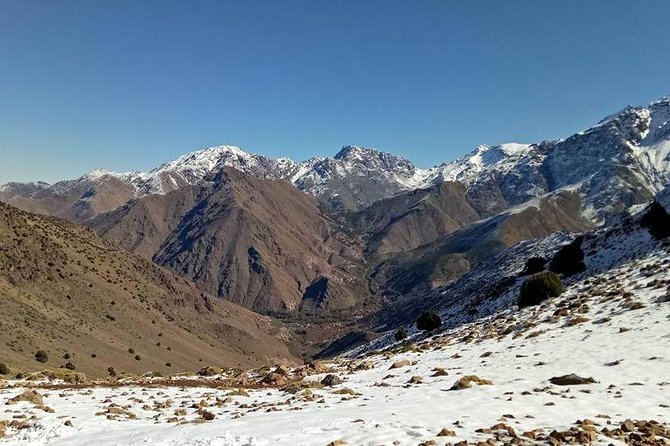
Day 2 starts very early—about 4 a.m.—because the route to Toubkal (4,167m) is short on time but high on effort. You climb first toward the hole of Akhbi n’Tizi at around 3,700m, then continue through a wide channel to the Toubkal pass at about 3,950m.
This is where you can score your best moments. With luck, you’ll see a spectacular sunrise from the pass. Even if sunrise light doesn’t come out perfectly, the pass area is your psychological checkpoint: you’ve reached the hinge point between a hard climb and the final ridge effort.
The Ridge to 4,167m
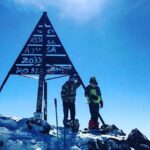
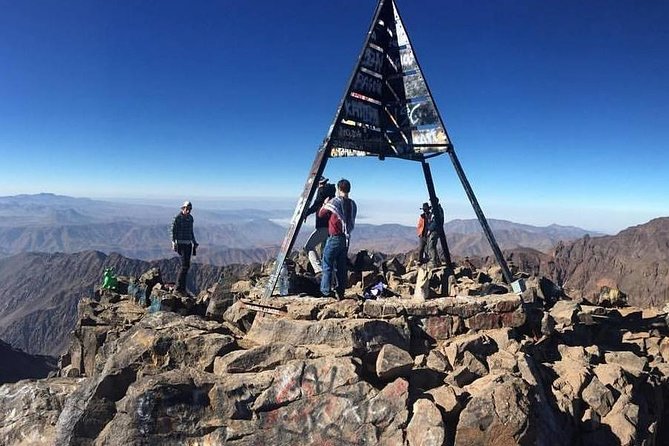
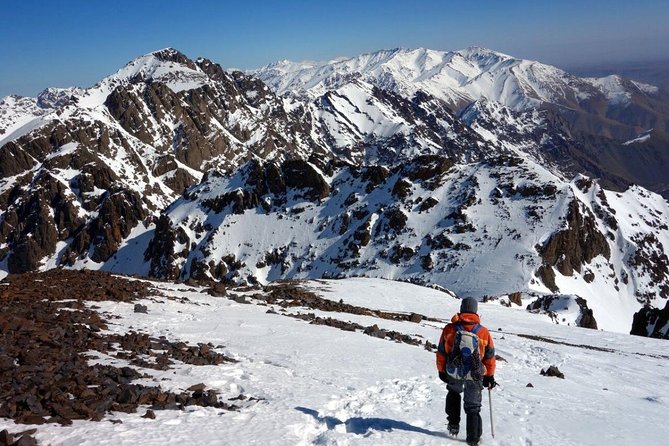
From the pass, you follow the Toubkal ridge to the summit at 4,167m. The schedule allows about 3.5 hours for the climb to the top, then you stop to rest and take in the views.
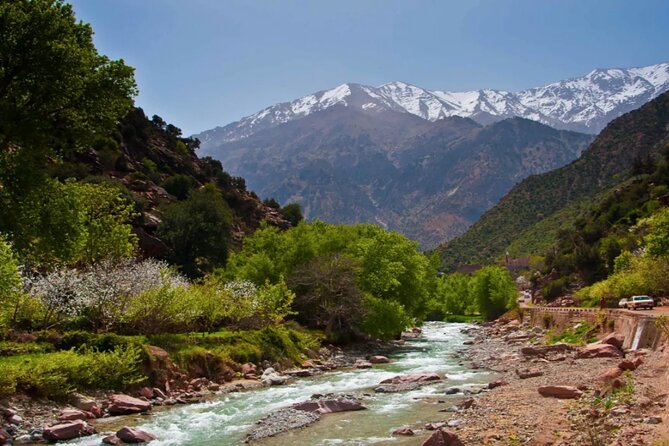
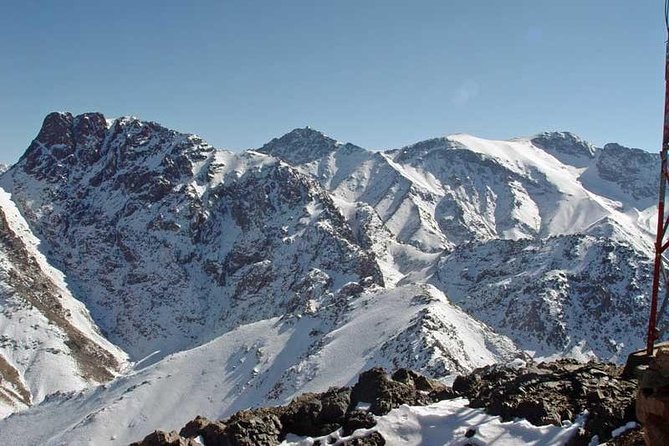
From the summit stop and picnic time, you get panoramic sightlines over the Atlas mountain system, green valleys, and Berber villages. The route also highlights views toward Djbel Siroura at around 3,500m, sometimes described like the desert gate. Whether you interpret that name literally or just as a poetic way of describing the terrain, it’s the kind of horizon view you remember long after you’re back home.
Descending, Tea, and Back to Imlil
After the summit, you descend to the refuge—less than two hours is stated for getting back to the refuge area. You rest, then continue down to Marabout Sidi Chamharouch (about 2,350m) for tea and regenerating food. After that, you transfer back toward Marrakech.
This descent structure matters. It means you’re not just “done” when you reach the top—you’re also planned for the recovery phase. That reduces the chaos that can happen on tight summit days.
Guides and Pacing: The Real Difference Between a Tough Day and a Good One
On paper, many treks list hours and elevations. What makes this one feel strong is how the pace is handled. Several accounts emphasize that the guide keeps a good rhythm on the ascent. That’s huge for a short trek because if you go too fast early, you’ll pay later—especially at altitude.
The best guidance isn’t just “watch your step.” It’s also about timing breaks, managing effort, and keeping the group moving with clear instructions. You’ll also see a consistent theme around safety. People describe guides as professional and experienced with the necessary safety measures, creating a sense of confidence on the mountain.
And yes, names come up for a reason. Mustafa and Hamid are highlighted as serious, professional, and attentive, with a friendly style that still takes the job seriously. That combination—care plus competence—is what turns a climb into an experience you’d repeat.
Food and Refuges: You’ll Want This Part to Feel Good
A trek can be “famous” and still be miserable if the food and sleep are rough. Here, the inclusions are clear: dinner, breakfast, and two lunches are included, plus tea at key moments. You also get accommodation at the refuge for the night.
On the ground, that matters because energy is the limiting factor on summit day. A refuel plan that’s baked into the schedule keeps you from improvising with snacks while also trying to climb. You’re given structure, and structure is a gift at altitude.
People specifically praise the meals as well as the refuge setup, describing it as clean and comfortable. You’re also in a private room, which helps you reset after a long day. That privacy is not a luxury detail—it helps you recover sleep so you can start early the next morning.
Price and Value: What $243.91 Really Buys You
At $243.91 per person for an approximately 2-day outing, the price is not just “a guide to walk you uphill.” You’re also paying for the full package: A/C vehicle transfers, lodging at the refuge, local mountain guides, and most meals (dinner, breakfast, and two lunches).
That’s the value logic. If you tried to DIY this, you’d likely spend time and money rebuilding the same support system: transport to Imlil, mule support logistics, refuge arrangements, guides, and meal planning. Here, those moving parts are handled for you, so you can focus on the trek itself.
A quick fairness note: tips and travel insurance are not included, so you’ll still want to budget for those. But the core mountain services are accounted for, which is exactly what you want in a short summit trip.
What to Pack (So the Cold and Dust Don’t Pick on You)
The provided details don’t list a packing list, so I’ll stick to what you can safely infer from the itinerary: you’re walking from village elevations up to the 4,167m summit, starting at 4 a.m. and sleeping above 3,200m. That usually means big temperature swings, wind exposure on ridges, and early cold before the sun warms things up.
Plan for:
- Layers you can add or remove quickly during the climb
- Warm headwear for the early start
- Comfortable hiking shoes with solid grip
- A small daypack for personal items since your main bag goes by mule
- Water and snacks only if you personally like to carry extras, since meals and tea are planned
Also, remember this is a private tour with only your group participating. That can make pacing feel personal, but it also means you should tell your guide early if you have concerns about cold, breathing, or stamina.
Who Should Book This Toubkal Trek (and Who Should Rethink It)
This trek is best for people with moderate physical fitness who are comfortable with uphill hiking over multiple hours. It’s “medium” in difficulty for a reason: you’re not stuck for weeks, but you are pushing altitude and time on Day 2.
You’ll likely enjoy it most if:
- You want one of the most famous High Atlas summits on a short schedule
- You like guided hikes where logistics are handled
- You want a mix of culture (village trails and the marabout tea moments) plus the summit payoff
You might rethink it if:
- You’re not ready for a very early 4 a.m. start
- You struggle with altitude and long climbs, even if the route sounds short on paper
Should You Book This 2 Day Mount Toubkal Trek?
I’d book it if your priority is a famous summit with strong support. The biggest strengths are the organization and the human element: mule-backed luggage handling, refuge lodging in the 3,200m range, meals that keep your energy stable, and guides who manage pace while taking safety seriously. Plus, the presence of guides like Mustafa and Hamid in the feedback signals that this isn’t just a generic “send you on a trail” situation.
If you want maximum comfort or you’re sensitive to early mornings and altitude effort, you might choose a longer or less aggressive plan instead. But for most hikers with moderate fitness, this is one of the most time-efficient ways to earn that 4,167m summit view.
FAQ
What is the duration of the Toubkal trek?
The trek runs for 2 days (approximately).
Do they pick you up in Marrakech?
Yes. The experience includes pickup offered and you’re transferred between Marrakech and the Imlil area in an A/C vehicle.
Is this a private tour?
Yes. It’s listed as a private tour/activity, and only your group participates.
What fitness level do I need?
The tour recommends moderate physical fitness.
How high do you climb?
You reach the summit of Mount Toubkal at 4,167 meters.
What happens on Day 1?
You start with transfer from Marrakech to Imlil, then hike through village trails from Aremd (about 1,850m) up to Sidi Chamharouch (about 2,350m) for lunch, continue to the refuge area at about 3,207m, and sleep in a private room.
What time does the summit climb start on Day 2?
You begin the ascent very early, at around 4 a.m.
What’s included in the price?
Included are dinner, breakfast, lunch (2), accommodations, A/C transfers with an English-speaking guide driver, local mountain guides, and comfortable transfers.
What is not included?
Not included are personal expenses, travel insurance, and tips.
What is the cancellation policy?
It offers free cancellation up to 24 hours in advance for a full refund. If you cancel less than 24 hours before the start time, the payment is not refunded.