REVIEW · MARRAKECH
2-Day Jebel Toubkal Trek From Marrakech
Book on Viator →Operated by Magical Toubkal Trek · Bookable on Viator
That first step toward Toubkal changes your mood fast. This 2-day guided hike takes you from Marrakech to Imlil, through the Mizane Valley to the Shrine of Chamarouch, then up to the summit with a guide handling the hard parts. You’ll sleep in the refuge and come back down the same way, with meals already arranged so you can focus on walking and views—no scrambling for lodging or routes.
What I like most is the guided navigation. The experience is designed so you can focus on the trail and scenery instead of map math while you climb. I also like the small-group feel, with a maximum of 15 travelers, plus the way the itinerary mixes effort with real cultural stops like Aremd and Chamarouch. One thing to consider: you need a strong fitness level. This isn’t a casual stroll, and you’ll be dealing with high altitude as you go.
In This Review
- Key Highlights to Know Before You Go
- Marrakech to Imlil: The Smart Way to Start Your Toubkal Climb
- Mizane Valley, Aremd, and the Chamarouch Shrine: Culture With Real Terrain
- Reaching the Toubkal Refuge: What the Overnight Really Solves
- Summit Day to Toubkal: Pace, Views, and a Guided Strategy
- The Meals and Comfort Factor: A Trek Plan That Respects Your Energy
- Price and Value: Is $231.13 Per Person Worth It?
- The Guide Experience: The Difference Good People Make
- What This Trek Is Best For (and Not Best For)
- Quick Booking Checklist Before You Commit
- Should You Book This 2-Day Jebel Toubkal Trek?
- FAQ
- Where does the trek begin?
- What time does the tour start?
- How long is the walking on each day?
- What is included in the price besides the guide?
- Do you visit any cultural sites during the trek?
- Is pickup available?
- What elevation will you reach?
- How big is the group?
Key Highlights to Know Before You Go
- Summit support with a local hiking guide so you climb with confidence
- Mizane Valley + Aremd + Shrine of Chamarouch for culture between steep sections
- Refuge overnight with dinner, breakfast, and planned meals
- A simple route choice: go up and come back on the same path
- Small group size (up to 15) which usually means less waiting and more attention
Marrakech to Imlil: The Smart Way to Start Your Toubkal Climb
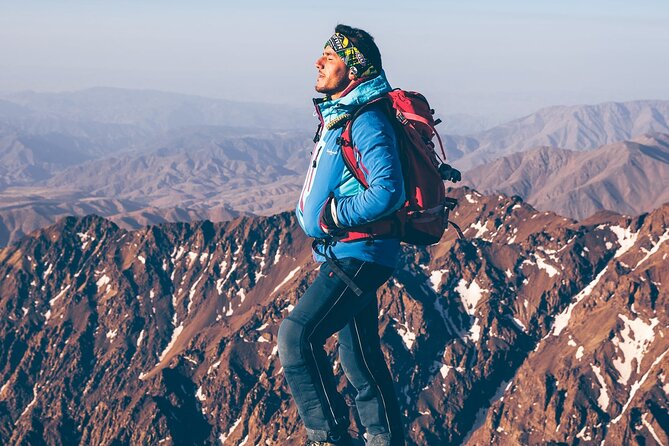
Starting from Marrakech at 9:00 am is a big deal for a trek this size. Instead of figuring out transportation to the Atlas on your own, you go with a guide and driver directly to the trail area at Imlil. That matters because a 2-day plan doesn’t leave room for mistakes. One delayed transfer can ruin your summit timing.
Imlil is the launch point at about 1,450 meters, at the base of Toubkal. It’s also the place where your hike shifts from “travel” into “movement.” You’ll spend your first day working up from the valley, passing through local areas and building altitude gradually.
The driving time is short enough that you’re not spending the whole day in a vehicle, but long enough that you can actually get to where the trail makes sense. Day 1 includes roughly 2 hours driving and 4–5 hours walking, and you’ll be around 3200 m during the day’s elevation range.
Practical thought for you: if you’re the kind of traveler who hates standing around planning, this format will feel comfortable. The guide leads, the transport is set, and you’re free to spend your brainpower on pacing and staying calm at altitude.
You can also read our reviews of more hiking tours in Marrakech

Mizane Valley, Aremd, and the Chamarouch Shrine: Culture With Real Terrain
The heart of your first day isn’t just climbing. It’s the route through the Mizane Valley, where the trail moves past places you wouldn’t see if you only chased the summit.
You’ll pass by the village of Aremd, then continue toward the Shrine of Chamarouch. The shrine stop is more than a photo break. It’s a moment where the trek becomes about people, not just mountains. You’re moving through small, lived-in areas of the Atlas, and the guide’s context helps you understand what you’re walking past.
Then the trail gets steeper near Chamarouch, which is exactly where the day starts to feel like Day 1 of a real climb. This matters for you because it sets up the rest of the trek. You don’t jump immediately into a brutal angle; you build into it.
One more value point: because you’re with a local guide, you’re not trying to figure out what you’re seeing. The experience is set up so you can enjoy the views and the moments between effort, instead of constantly checking where you are.
Reaching the Toubkal Refuge: What the Overnight Really Solves
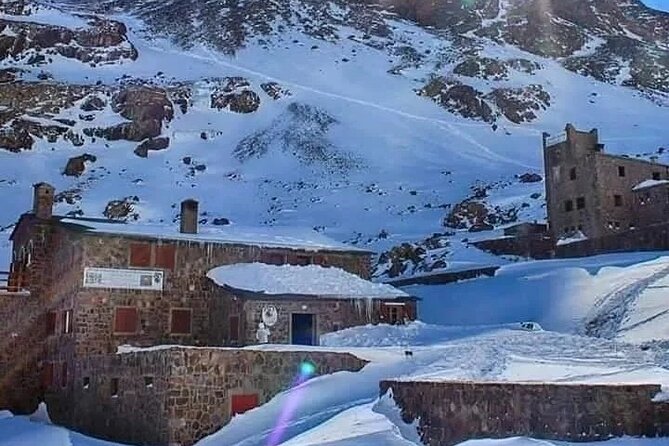
Your first day ends at the Toubkal Refuge, where you overnight. This is one of those logistics problems travelers usually run into: the refuge area is part of the mountain rhythm, and arranging lodging yourself can be messy on a tight timeline. Here, your refuge night is already included, along with dinner and coffee and/or tea.
Why I think this is a smart design for a 2-day trek:
- It reduces decision fatigue. You don’t have to negotiate for beds or guess meal timing.
- It gives you a “home base” feel before the summit push.
- It keeps your day 2 focused. You’ll know you’re starting from the right place, at the right time, without a last-minute scramble.
Day 1 is listed at about 4–5 hours walking, plus 2 hours driving, and an elevation around 3200 m. That’s a workable day for many strong hikers because it’s enough time to earn the summit tomorrow, without exhausting you completely.
What to keep in mind: refuge nights can be simple by design. The listing doesn’t promise hotel comfort, and that’s not the point. The point is to get you positioned for sunrise-style effort and to let you refuel with meals that are already planned.
Summit Day to Toubkal: Pace, Views, and a Guided Strategy
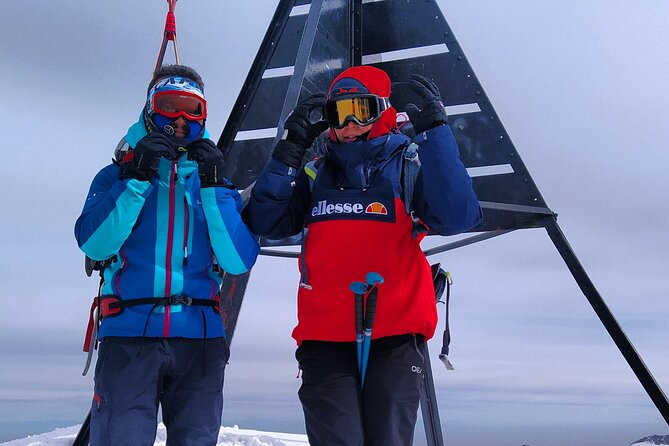
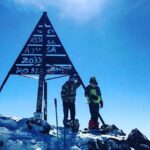
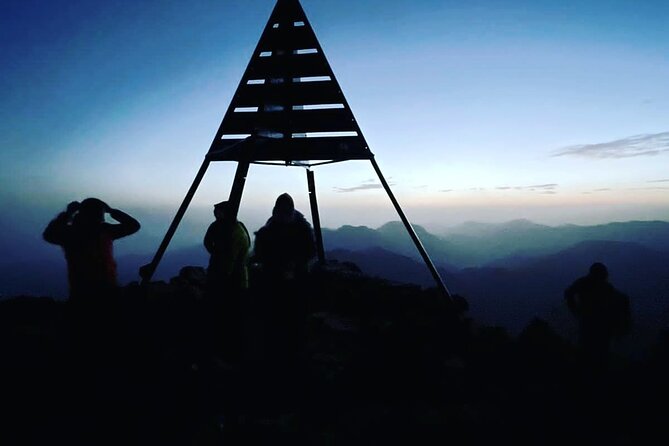
Day 2 is where the trek earns its reputation. You’ll set out to reach the summit point of Jebel Toubkal, then descend back through the same route toward Imlil, and finally transfer back to Marrakech.
This is a key detail: you climb and descend on the same path. That simplifies navigation and helps you manage energy. It also means you can focus less on route decisions and more on steady breathing and rhythm.
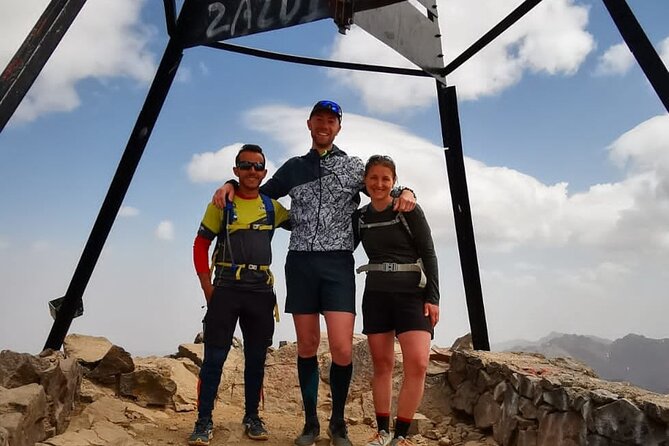
The day is described as 4–5 hours walking plus 2 hours driving, with a high elevation around 4167 m. Those numbers help you understand what you’re signing up for: you’re going high fast enough that fitness matters, but the climb is structured so you’re not doing it alone.
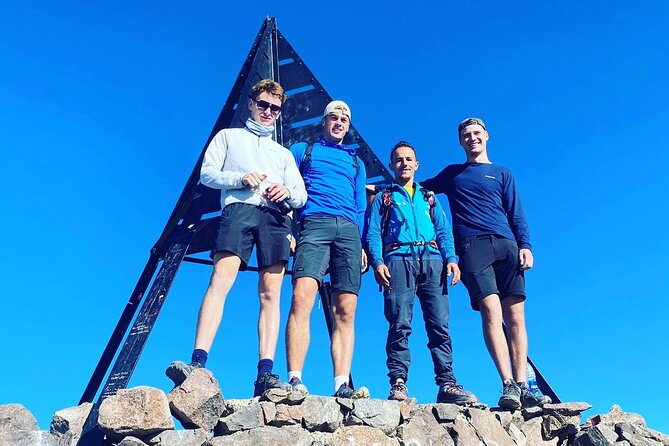
The highlight you should take seriously is: reach the summit safely with a hiking guide. In practice, that translates into real-world pacing support—knowing when to slow down, where the steep sections are, and how to keep you moving without burning out. That’s also why the experience emphasizes views over map-reading. You’ll be hiking with a guide who can handle navigation while you focus on what matters most: your effort and the mountain in front of you.
And yes, you’ll get the pay-off. From above, the Atlas feels enormous, and the trek becomes bigger than the checklist. Even on a tight 2-day schedule, the summit gives you that “now I get it” moment.
The Meals and Comfort Factor: A Trek Plan That Respects Your Energy
A lot of trekking plans fail on one basic thing: food timing. This one is built around pre-arranged support—lunch (2), breakfast (2), and dinner, plus coffee and/or tea.
For you, that means fewer logistics headaches and less decision-making mid-climb. You don’t have to wonder where you’ll eat, what you’ll find, or how late you’ll be. Instead, you can plan your own energy around the walking time the schedule gives you.
A practical tip: treat meals like part of the trek. Eat what’s provided, drink water when you can, and don’t skip meals just because you’re not hungry. Cold mountain air and high altitude can mess with your appetite and how quickly you get thirsty.
Also, the itinerary duration is compact: about 2 days (approx.) with a day 1 and day 2 rhythm. That’s ideal if you want a real summit experience without turning your whole vacation into an extended mountaineering project.
A few more Marrakech tours and experiences worth a look
Price and Value: Is $231.13 Per Person Worth It?
At $231.13 per person, this trek is not a budget-only option. But for what you get, it can be good value—especially if you’d otherwise struggle to line up transport and lodging.
Here’s what’s included based on the provided details:
- Local guide
- Transport (from Marrakech to the start area and back)
- Nights in refuge
- Meals (breakfast, lunch, dinner)
- Shrine of Chamarouch visit and time through Mizane Valley
- Pickup offered plus a mobile ticket
So you’re paying for a coordinated plan, not just a hiking track. In Morocco’s Atlas, logistics can be the part that takes the time. This tour removes that friction so you can invest your time in the actual climb.
Who will feel the best value? You’ll likely feel the value if:
- You want a guided summit attempt without organizing refuge stays.
- You prefer not spending hours figuring out how to get to Imlil and back.
- You like the idea of a small group and a guide-led pace.
The Guide Experience: The Difference Good People Make
The reviews hint at one clear theme: the guides matter. Some groups have reported meeting guides such as Ibrahim, even when the name shown in a blog they researched was different (for example, a blog might have referenced Mohammad). The key point for you is not the letter-perfect name—it’s the role.
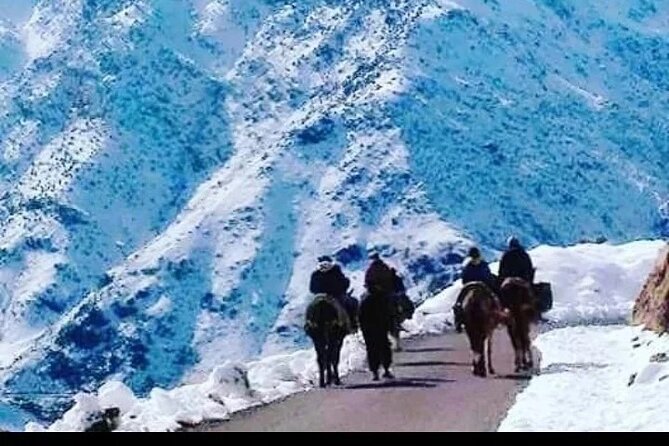
A strong guide helps you feel steady on steep sections and keeps things humane on summit day. You’re dealing with altitude, weather changes, and moments where your body negotiates with your plans. Having a guide you trust is what turns a demanding hike into a successful one.
What This Trek Is Best For (and Not Best For)
This experience fits well if you:
- Are a strong hiker and comfortable with high elevation work
- Want a 2-day summit without stretching your vacation
- Like structured days with a plan, but still want real mountain time
- Appreciate cultural stops like Aremd and Chamarouch instead of only chasing a top
It may not be ideal if you:
- Want a leisurely walk with minimal altitude challenge
- Have limited hiking fitness and can’t handle a multi-day climb
- Expect full-on hotel comfort at night (refuge nights are more functional than luxurious)
Group size helps too: a maximum of 15 travelers usually means you’re not packed in like a bus tour. You’ll likely get more attention when you need it.
Quick Booking Checklist Before You Commit
Before you book, I’d line up these basics:
- Your fitness: you should feel ready for roughly 4–5 hours walking per day at altitude.
- Your flexibility: the trek is set for a 2-day rhythm starting at 9:00 am.
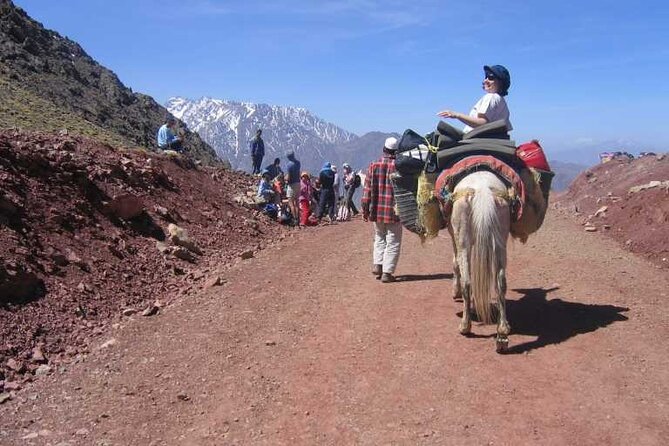
- Your packing: wear proper hiking shoes and bring layers, since mountain weather can shift fast.
- Your expectations: this is about the climb and the refuge experience, not a spa-style retreat.
If that fits your style, you’ll probably love how direct the plan is. It’s an Atlas peak adventure with the logistics already handled.
Should You Book This 2-Day Jebel Toubkal Trek?
I’d say book it if you want the summit experience without turning your trip into a project. This plan has the key ingredients that matter: a local guide, transport from Marrakech, refuge lodging, and meals that keep the days on track. The added value of stops like Mizane Valley, Aremd, and Shrine of Chamarouch also makes the trek feel fuller than just “walk uphill, take a photo, walk down.”
Skip it if you’re not ready for altitude or if you need a gentler hike. The schedule is compact, and the mountain doesn’t slow down just because you planned a short trip.
If you’re in the middle—strong enough to hike but new to Atlas treks—this is a good way to do it safely, with structure and support.
FAQ
Where does the trek begin?
The trekking starts in Imlil, after meeting your guide in Marrakech and traveling to the trail area.
What time does the tour start?
The start time is 9:00 am.
How long is the walking on each day?
Day 1 includes about 4–5 hours walking, and Day 2 includes about 4–5 hours walking as you reach the summit and then descend.
What is included in the price besides the guide?
The tour includes local guide, transport, refuge overnight, and meals (breakfast, lunch twice, and dinner), plus coffee and/or tea.
Do you visit any cultural sites during the trek?
Yes. You’ll pass through the Mizane Valley, visit the village of Aremd, and go to the Shrine of Chamarouch.
Is pickup available?
Yes, pickup is offered, and the experience includes a mobile ticket.
What elevation will you reach?
You’ll be around 3200 m during Day 1 and around 4167 m on Day 2 as you reach the summit point of Toubkal.
How big is the group?
The tour has a maximum group size of 15 travelers.