REVIEW · MARRAKECH
Toubkal & Berber Villages Trek
Book on Viator →Operated by Maachou Mohamed · Bookable on Viator
Toubkal and the Berber villages are not a drive-and-look deal. This 5-day hike in Morocco’s High Atlas takes you from Marrakech to mountain huts and gites, with a real shot at the summit of Mt. Toubkal. I love that you’re supported all the way by a local team—guides, cooks, and mule transport for luggage—so you can focus on the trail and the people.
I also like the food rhythm built into the trip: afternoon tea, breakfast, lunch, and dinners (including a 3-course meal). Your camp experience feels practical, not fancy-for-the-sake-of-it. One thing to consider: this is a moderate-fitness trek with high-altitude walking, so if you’re looking for an easy stroll, you may find the climbs and altitude tough.
In This Review
- Key things to know before you set off
- Why Mt. Toubkal and Berber villages feel like the real Atlas
- Marrakech pickup and your day starts at 8:30am
- The trekking rhythm: valleys, villages, then the Toubkal push
- A balanced reality check on the summit day
- Sleeping in gites and mountain huts: simple, not flashy
- Eating on the mountain: afternoon tea, included meals, and water planning
- Drinks and mineral water
- Meet the people: Maachou Mohamed and guide Hamid
- Price and value: is $325.21 worth it?
- Who should book this trek (and who should skip it)
- What to pack and how to prepare (without overthinking it)
- Should you book the Toubkal & Berber Villages Trek?
- FAQ
- How long is the Toubkal & Berber Villages Trek?
- Where does the trek start and end?
- Is hotel pickup included?
- What’s included in the meals?
- Is this a private tour?
- What are the child age requirements?
- Is mineral water included?
- What’s the cancellation policy?
Key things to know before you set off
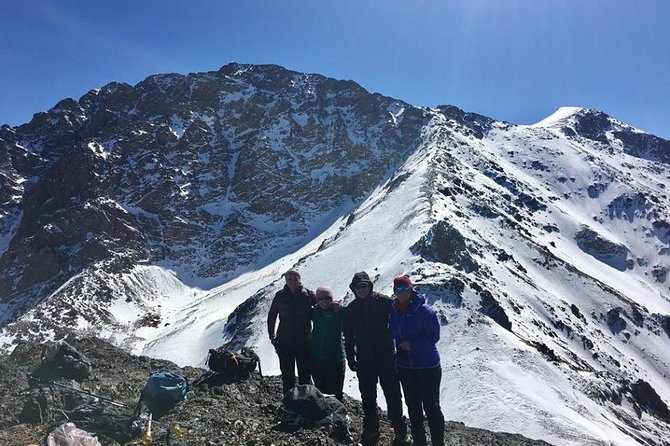
- Mt. Toubkal summit attempt: you’re aiming for the highest peak in Morocco and North Africa.
- Berber villages on the way up: the trek includes multiple village stops, not just one photo stop.
- A full support team: guides and cooks are included, plus muleteers and mules for luggage.
- You sleep in gites and mountain huts: expect basic mountain lodging and simple comfort.
- Meals are mostly handled: breakfast, lunch, dinner, and afternoon tea are included.
- Private tour: only your group participates, with hotel pickup/drop-off in Marrakech.
Why Mt. Toubkal and Berber villages feel like the real Atlas
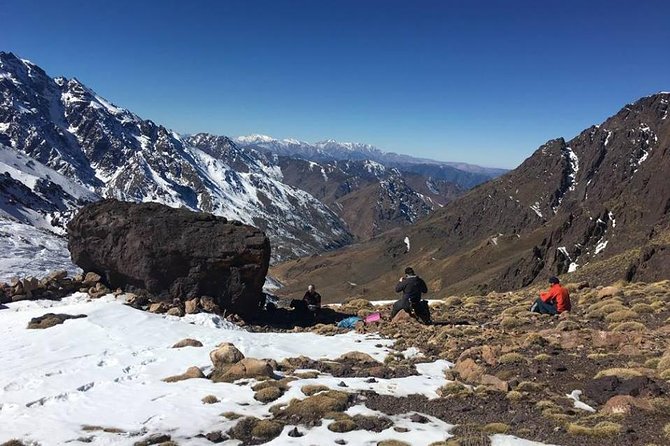
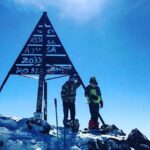
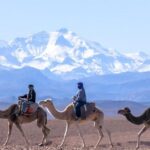
There’s a reason this route stays popular: Mt. Toubkal is a serious goal, but the trip doesn’t treat the surrounding area like scenery. You move through valleys, then through Berber villages, then up into thinner air where the terrain changes fast. That shift is part of the magic—one day you’re walking past village life and fields, and later you’re climbing toward barren rock.
I also appreciate that you’re not doing it alone. A local team supports you with guides and cooks, and mules handle luggage. It’s the difference between “walking and guessing” and “walking and learning the flow.” Plus, the included meals make it easier to keep your energy steady, which matters once the trekking hours start stacking up.
The Berber village time is also more than a quick stop. The trek is built around passing through different villages as you work toward the mountaintop, so you’re not rushing through everything for a summit-only story. You get to experience village life at walking pace.
You can also read our reviews of more hiking tours in Marrakech

Marrakech pickup and your day starts at 8:30am
This trip starts in Marrakesh, with pickup offered and hotel drop-off at the end. The start time listed is 8:30am, and the meeting point is simply the Marrakech area (the tour notes Marrakech, Morocco as the start and end).
A private format helps too. Since it’s only your group, you’re not competing for space, pace, or guide attention with strangers. That can make a big difference on a mountain trek where timing matters and people move at different speeds.
Two other practical notes from the tour details:
- You’ll use a mobile ticket.
- The experience is set up as a private tour/activity, so you can expect your team to run your group’s schedule rather than blending with a larger crowd.
If you’re planning your Morocco days around this trek, treat it like a main event. Your body will thank you later.
The trekking rhythm: valleys, villages, then the Toubkal push
Even without a minute-by-minute itinerary, the trip’s structure is clear. Over about 5 days, you trek in the High Atlas and pass through different Berber villages on the way to higher ground. The walking progresses from valley routes into steeper, colder mountain terrain, and the goal is to reach the summit of Mt. Toubkal.
Here’s what that typically feels like, and why it’s worth it:
- Valley walking phase: you’ll be moving through areas with more human presence and local agriculture. It’s the part of the trek that lets you adjust to rhythm and altitude gradually.
- Village-to-high-country phase: you keep moving from village life toward harsher terrain. The change in scenery and sound can be immediate—less farmland, more rock and wind.
- Summit phase: this is where the trek becomes a real climb. You’ll want to take pacing seriously, because mountain altitude can tire you out faster than the effort you feel in your legs.
The support matters here. With luggage handled by mules and a team guiding you, the mental load drops. You’re still doing the work, but you’re not doing logistics.
A balanced reality check on the summit day
Summit days are where people feel altitude most. The tour is designed for travelers with moderate physical fitness, and children must be 15 or older and accompanied by an adult. If you’re on the fence about your readiness, don’t underestimate the mountain air. The trek may be “moderate” on paper, but it’s still High Atlas terrain.
Sleeping in gites and mountain huts: simple, not flashy
The trip includes 4 nights accommodation across gites and mountain huts. That tells you a lot about the style of the experience: you’re paying for a guided mountain journey with lodging that fits the terrain, not for hotel comfort.
In practice, mountain lodging like this usually means:
- Fewer comforts than a city hotel
- Bedding and warmth managed through the basics available on-site
- A stronger reliance on the team’s organization for meals and pacing
The upside is you get the full “time in the mountains” effect. Nights in huts and gites make the trek feel like a real journey, not just daytime hiking and night transport back to town.
Also, these nights are part of why the tour works for many people. You don’t have to piece together lodging in a remote region. The operator includes the accommodation as per the itinerary.
Eating on the mountain: afternoon tea, included meals, and water planning
One of the most tangible value points here is food. The tour includes:
- Breakfast
- Lunch
- Dinner (including a 3-course dinner)
- Afternoon tea
- Coffee and/or tea
That’s important for mountain treks because you don’t want to negotiate meals while you’re already managing altitude, fatigue, and cold. When meals are included, you can focus on staying warm and moving steadily.
Drinks and mineral water
Not everything is included. The tour notes:
- Drinks are not included
- Mineral water is not included
So build your water plan. At this elevation, hydration matters. You’ll want to travel with a mindset that you’ll have to purchase or carry water during the trek rather than assuming it’s always provided.
Meet the people: Maachou Mohamed and guide Hamid
Good mountain trekking lives or dies by the team, and the best feedback you provided highlights exactly that.
Maachou Mohamed is listed as the experience provider, and one of the strongest review themes is communication and helpfulness before the tour. That matters more than people think. When you know what to expect—what to pack, how to prepare, what the day will look like—you’ll feel calmer from the start.
Your guide is named Hamid, and the praise in the review calls him extremely attentive to needs. That kind of hands-on guidance is a big deal on a long climb, especially if your group includes someone who needs extra reassurance or pacing.
Also, the tour includes cooks and muleteers. That’s not just a nice-to-have. It’s how the trip keeps moving smoothly: food appears, luggage gets carried, and the guide can focus on route and timing.
Price and value: is $325.21 worth it?
At $325.21 per person for about 5 days, you’re not just paying for trail access. You’re paying for:
- Hotel pickup and drop-off in Marrakech
- 4 nights accommodation in mountain-style lodging
- A local guide team (including a driver/guide and local guide)
- Meals across multiple days (breakfast, lunch, dinner, afternoon tea, coffee/tea)
- Luggage support using mules
- A private group setup (only your group participates)
If you tried to do this trek without support, the big costs would likely show up fast: transportation, lodging logistics, and arranging guides plus staffing. Even then, you’d still be assembling the meal plan and figuring out luggage transport yourself.
So the value is strongest if you want an organized, people-supported trek where you show up and hike, rather than project-managing the mountain. If you’re the type who enjoys independent travel and already has mountain experience, you might question the premium—but for most people, this structure saves time, stress, and planning headaches.
Who should book this trek (and who should skip it)
This experience is a good fit if you:
- Want to walk in the High Atlas and include Berber villages
- Care about climbing a real goal—the summit of Mt. Toubkal
- Prefer guided support with meals and luggage help
- Are comfortable with moderate physical fitness expectations
It may not be the right match if you:
- Want a low-effort day trip (this is a multi-day trek)
- Have limited experience with altitude and longer mountain walking
- Are traveling with kids who don’t meet the 15-years-old minimum rule
One more practical point: it’s private, so the experience is tailored to your group—but it’s also not aimed at mixing with a crowd to soften the cost or the pace. It’s you and your team.
What to pack and how to prepare (without overthinking it)
The tour details don’t list a packing checklist, but the essentials for any High Atlas trek apply. Plan for:
- Hiking shoes you trust on uneven rock
- Layers for cold mountain nights (you’ll be sleeping in gites/huts)
- A day bag for what you need while trekking
- Water planning since mineral water isn’t included
Also, because drinks aren’t included, decide in advance how you’ll handle hydration and any personal snacks. The included meals help, but you’ll still want control over your own comfort.
Finally, if you’re bringing your own expectations about fitness, calibrate them. Moderate fitness doesn’t mean easy. The summit goal is the whole point.
Should you book the Toubkal & Berber Villages Trek?
Book it if you want a guided, well-fed, organized climb where the goal isn’t just reaching the top—it’s also walking through Berber villages and spending nights in mountain gites and huts with a team behind you. The strongest signal from the feedback is how responsive and attentive the people are, including operator Maachou Mohamed and guide Hamid.
Skip it if you’re after comfort-only travel or you know you can’t handle multi-day mountain trekking at altitude. This is for hikers, not spectators.
If you match the fitness level and you’re ready for an authentic mountain rhythm—start at 8:30am in Marrakech, climb toward Toubkal, eat well along the way, then sleep in the mountains—this trek is a solid way to experience Morocco beyond the city streets.
FAQ
How long is the Toubkal & Berber Villages Trek?
The trek runs for 5 days (approx.) and includes 4 nights accommodation.
Where does the trek start and end?
It starts in Marrakesh, Morocco and ends back in Marrakesh, Morocco.
Is hotel pickup included?
Yes. The tour includes hotel pickup and hotel drop-off in Marrakech, and it starts at 8:30am.
What’s included in the meals?
The tour includes breakfast, lunch, dinner (including a 3-course dinner), afternoon tea, and coffee and/or tea.
Is this a private tour?
Yes. It’s listed as a private tour/activity, and only your group will participate.
What are the child age requirements?
Children must be accompanied by an adult, and kids must be 15 years old.
Is mineral water included?
No. Mineral water is not included. Drinks are also not included.
What’s the cancellation policy?
You can cancel for a full refund up to 24 hours before the experience’s start time.