REVIEW · MARRAKECH
Toubkal Ascent Winter Climb 3 Day
Book on Viator →Operated by Trekking in Morocco · Bookable on Viator
Winter snow changes everything on Toubkal. This 3-day climb is built for that reality, giving you the extra time you need when ice and wind slow your pace. I love that it starts with a smooth Marrakech pickup and gets you to Imlil (1760m) fast, then lets you ease into the mountain with a Day 1 walk through Aremd village and the Shamharouch shrine. I also love the way the summit day is structured: breakfast, crampons, then a steady push to 4167m with big views over the desert and the whole Atlas Mountain chain. One thing to consider: it’s winter, so you should expect slower travel than a typical warm-season Toubkal schedule, plus you’ll need the right cold-weather gear.
The real value here is the support. You’re led by qualified guides and mule handlers from the local community, and the team covers transportation, meals, and the logistics that can otherwise turn a mountain day stressful. In the group, people often talk about safety and guidance, like when guide Hassan adjusted plans after strong wind on a first summit attempt. Just know this trek can feel demanding for anyone who shows up under-prepared for cold, ice, and early mornings.
In This Review
- Key things to know before you go
- Winter Toubkal Takes Extra Time for a Reason
- Getting From Marrakech to Imlil (1760m) on Day 1
- Day 1 to the Toubkal Refuge: Village Steps and a Night at Altitude
- Day 2 Summit Push to 4167m With Crampons
- Day 3: Second Summit Option or a Return to Imlil
- Guides, Mule Handlers, and Meals: What’s Included and Why It Matters
- Gear Checklist for Snow and Ice (and What You Can Rent)
- Pace, Fitness, and the Reality of Winter Walking
- Price and Value: Is $282.73 a Smart Deal?
- Should You Book This Winter Toubkal Ascent?
- FAQ
- What time does the trek start?
- Where do you get picked up?
- How far do you drive from Marrakech to the trailhead?
- What altitude does this trek reach?
- How long is the trek?
- What’s included in the price?
- Are drinks included?
- Are crampons and ice axes included?
- What should I bring for winter conditions?
- How many people are in the group?
- What is the cancellation policy?
Key things to know before you go
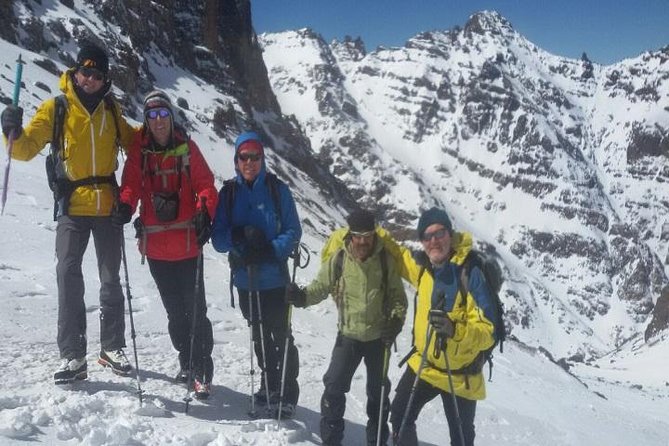
- 3 days instead of the usual 2 because winter snow and ice can slow you down
- Pickup from Marrakech and a transfer to Imlil (about 64km)
- Day 1 includes Aremd village and the Shamharouch shrine on the way to the refuge
- Summit day reaches 4167m after breakfast and putting on crampons
- A staffed team of guides, mule handlers, and a cook handles meals and carrying so you can focus on walking
Winter Toubkal Takes Extra Time for a Reason
Toubkal is Africa’s highest peak, and in winter the mountain acts like it has its own rules. Snow can mean slower steps, and ice changes how you move. That’s exactly why this itinerary stretches to about 3 days. Instead of rushing from base to summit, you get a calmer rhythm: get to Imlil, walk to the refuge, sleep, then climb with crampons the next day.
You also get a more realistic sense of the payoff. The second day isn’t just a workout; it’s a view-focused summit climb—people talk about seeing the desert and the Atlas chain from above the clouds and winter haze. That kind of panorama feels earned, not rushed.
The trade-off is simple: winter travel takes time. If you’re expecting a quick in-and-out hike, you’ll feel the mountain’s pace shift. If you’re okay with that and bring the right gear, this is a very satisfying way to experience Toubkal.
A few more Marrakech tours and experiences worth a look
Getting From Marrakech to Imlil (1760m) on Day 1
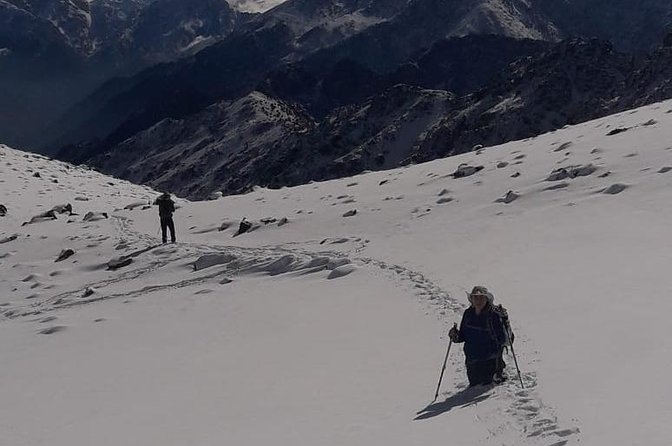
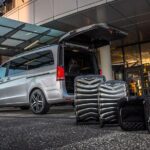
Your day starts with a pickup from where you’re staying in Marrakech. The drive is about 64km to Imlil at 1760m, where you meet the team and begin the trek. Starting at this altitude matters. It helps you settle into the mountain environment before you start gaining height.
This transfer is more than convenience. In a winter climb, you want your day to begin organized: the right people, the right timing, and the right gear check before the first long walk. Many hikers find that the first day sets the tone for the whole trip—if you start tense or cold, everything after gets harder.
You’ll also start learning the route right away. The first day’s trek isn’t just “walking to a bed.” It passes Aremd village and stops by the Shamharouch shrine, then continues onward to the Toubkal Refuge for the night. Those moments break up the journey and add meaning beyond the summit.
A practical note: the start time is 8:30am, so plan your morning in Marrakech around an early launch. Pack your cold-weather items so you’re not scrambling once you’re in the car.
Day 1 to the Toubkal Refuge: Village Steps and a Night at Altitude
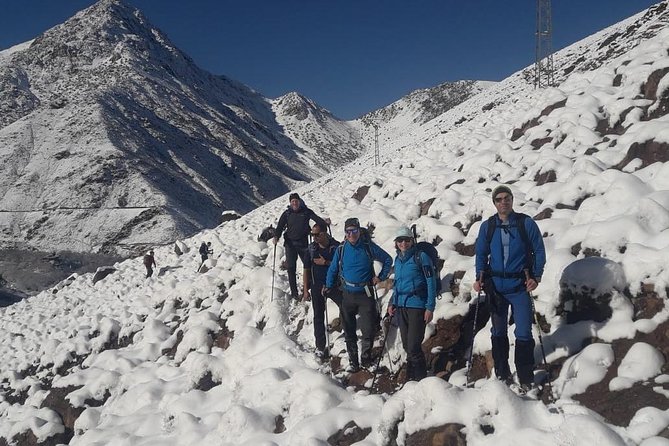
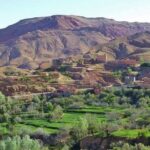
Day 1 covers about 5 hours walking to the refuge, with the first stretch connecting you to local villages and traditions along the way. Passing through Aremd village gives you that real Atlas feel—this is not just a wilderness hike. You’re moving through places where people live and work, even when winter weather makes everything quieter.
The Shamharouch shrine stop is brief, but it’s the kind of detail you remember. It reminds you this mountain is part of a living region, not just a line on a hiking map.
What you’re really doing on Day 1 is climbing in a controlled way. You’re not going for the summit today. You’re earning the right to climb hard tomorrow by walking steadily, managing your heat, and arriving at the refuge before you’re too tired.
Night two may be the big day on your legs, but Day 1 is where you learn how your body handles cold altitude. If you show up with layers and good boots, you’ll feel better on this first push. If you underpack, you’ll feel it right away in wind and shade.
Day 2 Summit Push to 4167m With Crampons
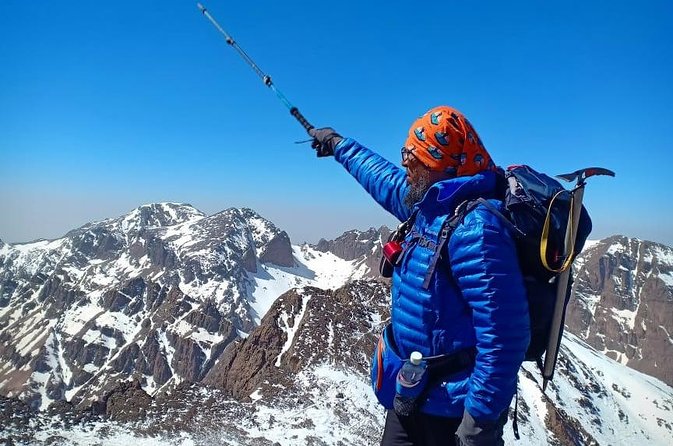
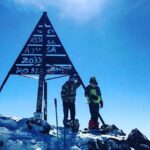
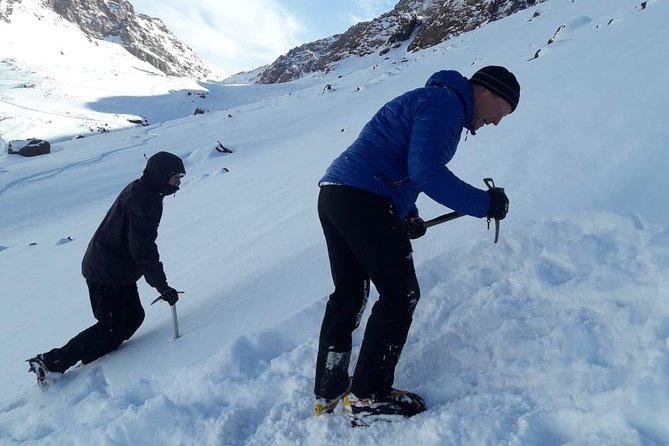
Day 2 is the heart of the trip. Breakfast comes first, then you put on your crampons. That step is crucial in winter. It turns the walk from “hiking on slippery ground” into a controlled technical climb over ice and snow.
From the refuge, you climb roughly +1000m to reach the summit at 4167m. The walking time is about 6 to 7 hours for the day’s climb and return to the refuge. That timeframe is a useful expectation, because winter summit days don’t just depend on distance. They depend on footing, wind, and how long crampons slow you down.
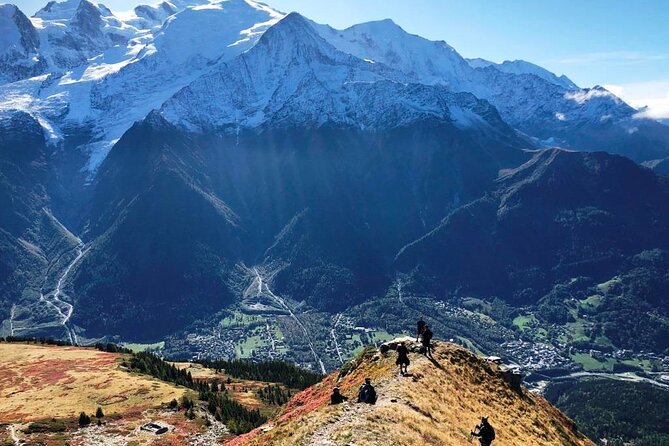
The reward is built into the day’s route. From the summit, you get views over the desert and the full Atlas Mountain chain. Even if you’ve seen mountain photos before, this is one of those moments where the scale lands differently. You can also feel the mountain’s exposure—winter wind and temperature can make even short pauses feel long. That’s why your guide’s judgment matters.
Safety and plan changes are part of mountain reality. In feedback from earlier groups, people praised guides like Hassan for adjusting when strong wind stopped a first summit attempt. The key takeaway for you: a good winter guide is thinking ahead, not just following a rigid script.
Day 3: Second Summit Option or a Return to Imlil
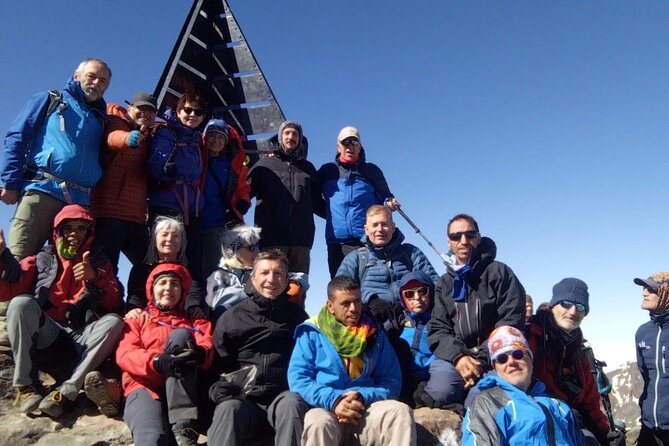
Day 3 gives you a choice. There’s an option to climb another high summit if you feel strong and conditions allow. If you’d rather keep it simple, you can skip the extra altitude push and walk down to Imlil for about 4 hours, then head back to Marrakech.
That structure is smart. Winter weather can change fast. Giving you a “yes, if conditions are good” option keeps the trip flexible without forcing everyone into the same risk level.
The descent day is often underrated. A careful downhill walk keeps you from feeling wrecked on the drive back. Also, returning to Imlil earlier gives you time to mentally reset after your summit day. You’ll likely be tired, but it should be the good kind of tired—the kind that comes from earning the views.
If you’re the type who loves pushing limits, you might enjoy the extra summit chance. If you’re more focused on a smooth, confident finish, the direct return to Imlil is the calmer play.
A few more Marrakech tours and experiences worth a look

Guides, Mule Handlers, and Meals: What’s Included and Why It Matters
This trip includes the big logistical headaches:
- Transport from and back to Marrakech
- A qualified mountain guide
- Mules and porters
- Your meals via a cook who prepares everything
Meals are included in a clear way: Breakfast (2), Dinner (2), and Lunch (3). That means you’re not trying to improvise food in remote areas while you’re cold. In winter, that matters. Energy and warmth come from what you eat, not from what you hope to find.
You’ll also have more mental room to focus. When mule handlers carry gear, you can keep your pack lighter and walk more efficiently, especially on summit day when crampons already add extra effort.
In past trips, people have highlighted the way the team works as a unit. For example, Mohammed has been described as the person organizing the trek smoothly, and cook Mohamed has received praise for fresh, well-handled meals. Even if your guide and cook are different, the structure is the same: you’re not alone on this mountain.
The only “food and drink” caveat: drinks are not included and tips are not included. Bring cash if you want it, and plan for water and hot drinks according to what you personally need.
Gear Checklist for Snow and Ice (and What You Can Rent)
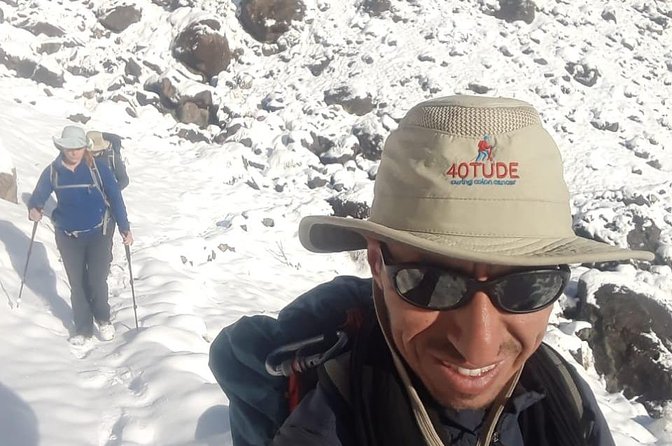
Winter on Toubkal requires proper winter layering and traction gear. The essentials you should plan around are:
Bring:
- Sleeping bag
- Walking boots
- Jackets and warm clothing
- Hats and gloves
- Down jacket
- Head torch
- First aid kit
- Sunglasses and sun cream
Also included in the tour notes: crampons and ice axes. The good news is you can rent them. The better news is you can still rent what you don’t own instead of trying to source it last minute elsewhere.
One practical tip: pack your cold gear where you can access it quickly in the car and at Imlil. Winter days can change from warm sun to biting wind in a matter of hours. You want layers ready to go fast.
If you’re unsure about your kit, ask early. You’ll have a better experience if your gear is sorted before the first long walk, not after you’re already shivering at altitude.
Pace, Fitness, and the Reality of Winter Walking
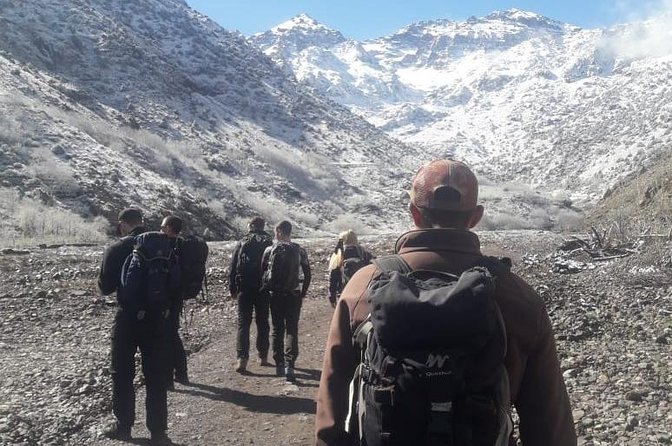
The trip is aimed at people with moderate physical fitness. That doesn’t mean it’s easy. It means you should be capable of sustained walking for several hours, including a bigger altitude day on Day 2.
The winter factor changes what moderate means. You’re not just walking uphill; you’re managing crampons, cold hands, and wind exposure. The guide’s job is to keep the group moving safely while watching conditions and pacing for everyone’s ability.
Group size is capped at 15 travelers, which usually helps. Smaller groups can move more smoothly and take fewer chaotic detours when someone needs a gear adjustment or a slower step.
If you get cold easily, treat your layering like part of your fitness plan. If your boots aren’t warm enough or don’t fit well, crampon use becomes harder because your comfort drops. Your best strategy is to show up with gear that already works for you at home, not “almost works” gear.
Price and Value: Is $282.73 a Smart Deal?
At $282.73 per person, you’re paying for far more than walking. You’re paying for:
- Marrakech transportation and return
- Qualified guide supervision
- Mule and porter support
- Meals across the trek (breakfast, lunch, dinner)
- Cook service
- A winter-appropriate structure (3 days, winter summit timing)
If you tried to DIY this, you’d still need guides, transport, and food, and you’d likely spend time chasing equipment like crampons and ice axes. Here, those costs are mostly folded in. The big costs not included are drinks, equipment rental (if you need it), and tips. But overall, the price is reasonable for a guided winter mountain program with meals and carrying support.
The best value comes when you show up prepared for winter. If you need lots of rentals, you’ll pay extra for that gear. Still, the option to rent is there, which keeps the trip realistic for visitors who travel light.
Should You Book This Winter Toubkal Ascent?
I’d book this if you want a winter summit experience with extra time built in. The 3-day format is the difference between rushing and actually enjoying the climb process. You’ll appreciate the small-route details like Aremd village and the Shamharouch shrine, and you’ll like that the summit day is planned with breakfast and crampons, not guesswork.
Skip it only if you’re expecting an easy summer-style hike. Winter conditions mean cold gear, careful footing, and slower progress. If you’re not ready for that, you’ll likely feel miserable halfway through Day 2.
One more good decision rule: if you like having a plan but still want flexibility, this itinerary offers it. Day 3 can be as simple or as ambitious as conditions and your energy allow.
If you’re aiming for North Africa’s highest peak in winter and you want real support—guides, mules, meals, and a day-by-day structure—this is a strong pick.
FAQ
What time does the trek start?
The start time is 8:30am.
Where do you get picked up?
You’re picked up from where you stay in Marrakech, and then transported to Imlil.
How far do you drive from Marrakech to the trailhead?
The drive is about 64km to Imlil (1760m).
What altitude does this trek reach?
The summit is 4167m. Imlil is at 1760m, and the ascent on Day 2 is about +1000m from the refuge.
How long is the trek?
It’s about 3 days.
What’s included in the price?
Transport from and back to Marrakech, a qualified mountain guide, mule and porter support, and meals (breakfast, lunch, dinner) are included.
Are drinks included?
No, drinks are not included.
Are crampons and ice axes included?
Crampons and ice axes are part of what you should have for the trek, and they can be rented if you don’t bring them.
What should I bring for winter conditions?
Plan to bring a sleeping bag, walking boots, warm jackets and clothing, hats, sun cream, sunglasses, gloves, a down jacket, a head torch, and a first aid kit.
How many people are in the group?
The tour has a maximum of 15 travelers.
What is the cancellation policy?
You can cancel for free up to 24 hours before the experience’s start time for a full refund. If you cancel less than 24 hours before, you won’t get a refund.