REVIEW · FEZ
Merzouga – Magic Sahara Tour : 3 Days /2 Nights
Book on Viator →Operated by Medina Tours · Bookable on Viator
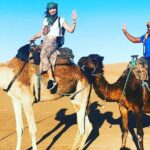
Camel trek mornings beat any postcard. This one-way route links Merzouga dunes with a real Berber camp night, so the Sahara feels like a journey, not a detour. I also love that it’s true one-way transport from Fez to Marrakech, which saves you from arranging separate rides.
One thing to weigh: you’ll spend a lot of the day in the car, with some meals and drinks left to your own decisions.
In This Review
- Key things you’ll notice on this Merzouga Magic Sahara Tour
- How this tour connects Fez to Marrakech without the stress
- Merzouga desert night: what the camel trek and camp really give you
- Todra Gorge: the quick stop that can turn into your favorite photo hour
- Valley of the Roses and the road through Warzazate
- High Atlas Mountains: why the crossing is part of the payoff
- UNESCO Kasbah of Ait Benhaddou: the final big highlight before Marrakech
- Price and value: is about $448.72 per person fair?
- Included meals, packing, and the small stuff that changes comfort
- Getting along with your guide and driver: Mohammed, Ahmed, and Aladin
- Who should book this Sahara-to-Marrakech route (and who might skip it)
- Should you book the Merzouga Magic Sahara Tour?
- FAQ
- How long is the Merzouga Magic Sahara Tour?
- Where does this tour take you?
- What does the tour cost?
- What’s included in the price?
- What’s not included?
- Is there a camel trek and desert camp overnight?
- Do you pay admission to Todra Gorge?
- How far in advance can you cancel for a full refund?
Key things you’ll notice on this Merzouga Magic Sahara Tour
- Camel trek + overnight in a traditional Berber camp for an authentic Sahara feel
- One-way Fez to Marrakech driving through the High Atlas, so you see a lot in 3 days
- Todra Gorge stop with ticket-free entry for an easy add-in to your schedule
- Warzazate sighting time, including Kasbah Taourirt, linked to the Glaoui dynasty
- Packed scenery changes, from rose valleys to Atlas mountains to desert light
- Guides and drivers like Mohammed, Ahmed, and Aladin often make the ride smoother with good English and smart stop choices
How this tour connects Fez to Marrakech without the stress
This is a long-haul, big-scenery format tour: you start around Fez and finish in Marrakech, with the Sahara as the centerpiece. What I like about the structure is simple: you get transportation handled end-to-end by Medina Tours, plus accommodation and some meals. That matters, because the Fez-to-Marrakech distance usually turns into either complicated logistics or extra costs if you book every piece separately.
You’re also doing this as a route, not a loop. That means you don’t have to backtrack. Instead, you steadily move south and then up through dramatic terrain, with major stops built in. Expect a mix of guided sightseeing moments (Kasbah Taourirt, Todra Gorge, Ait Benhaddou) and “lookout and photo” time where the scenery does the talking.
And yes, you’ll be in a vehicle for many hours across the 3 days. If you’re the kind of traveler who gets cranky after repeated road time, this may feel like work. If you’re okay trading comfort for variety, it’s a solid deal.
A few more Fez tours and experiences worth a look
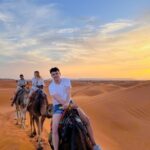
Merzouga desert night: what the camel trek and camp really give you
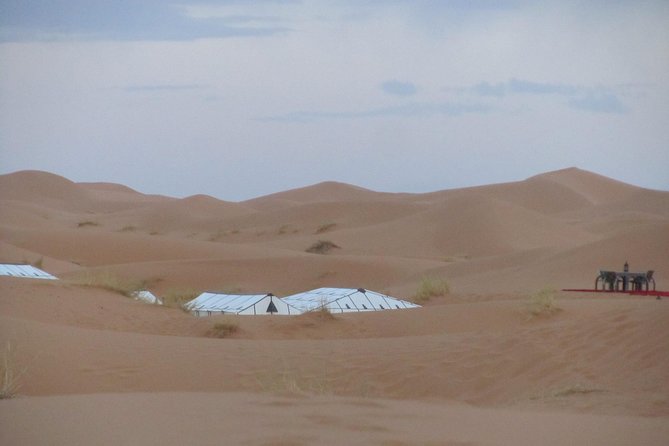
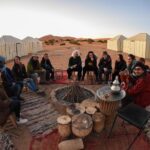
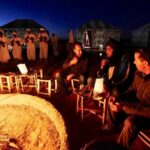
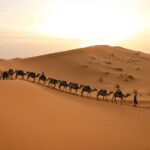
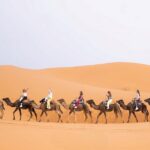
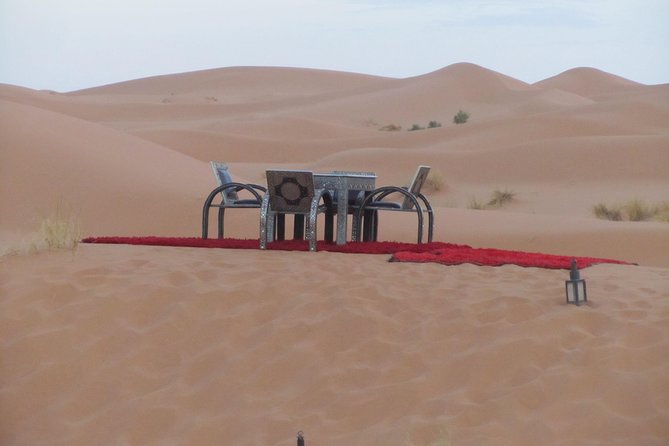
The Sahara part is the reason most people choose this tour: a camel trek across dunes and an overnight at a traditional Berber camp. The value here isn’t just the novelty. It’s the pacing. You’re not only passing through desert darkness for an hour; you’re staying long enough to experience the desert shift—from daylight brightness to the quieter night sky vibe.
Timing includes an early start for sunrise over the dunes. That’s one of the strongest “worth it” moments of the entire route. Sunrise in the desert changes fast: the shadows stretch, the sand texture pops, and the whole area looks different from the views the day before. If you’re sensitive to early wake-ups, plan for it mentally now.
Practical note: the tour guidance says you should take only essentials into the desert and keep the rest of your luggage with your driver if you prefer. That’s smart. It reduces hassle with sand and moving around at camp. Also, packing light helps you feel less like you’re dragging baggage through an experience that works best with simple movement.
Todra Gorge: the quick stop that can turn into your favorite photo hour
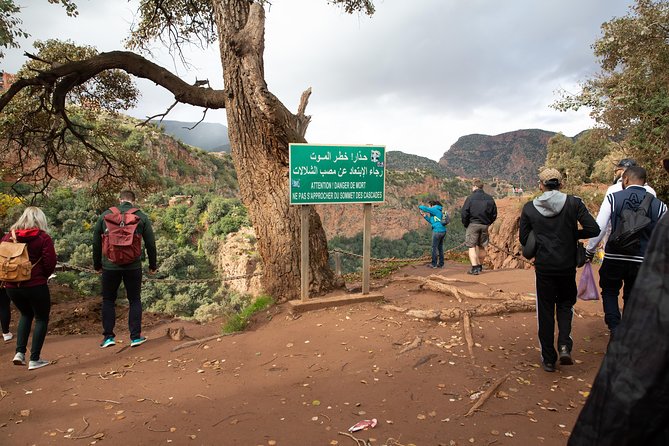
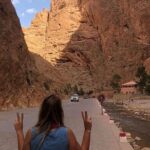
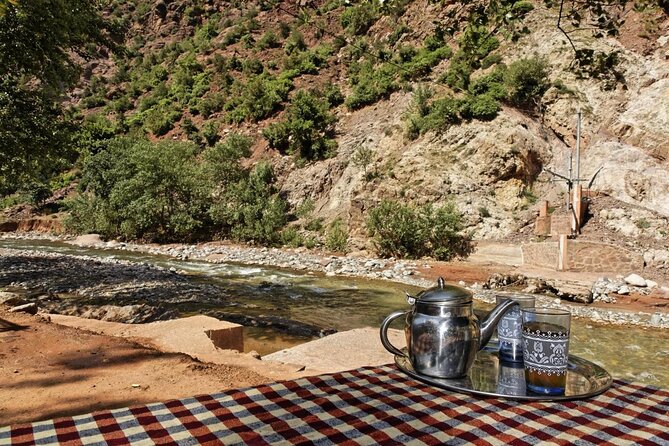
After the desert portion, the route heads toward the area around Tinehir and Todra Gorge. Todra Gorge is famous because the rocks rise steeply and close in, creating a dramatic canyon feeling even when you’re just walking a bit along the main viewpoints.
One helpful detail: Todra Gorge admission is ticket-free in the tour plan. That means you’re not wasting time hunting for ticket rules or budgeting for small entry fees. You can focus on the actual experience—early timing, good light, and clear views down into the gorge.
The gorge itself pairs well with the “change of scenery” goal of this tour. You go from wide, open dunes to tight, vertical stone formations. That contrast is what makes a short gorge stop feel meaningful rather than rushed.
If you’re traveling in warm months, bring water and wear shoes with solid grip. Steps can be uneven around the gorge edges, and your attention will be on views, not your feet.
Valley of the Roses and the road through Warzazate
Between the bigger “headline” sights, you’ll drive through valleys that change the colors and mood of the trip. The Valley of the Roses route (including areas like El Kelaa M’gouna) is part of what makes the journey less monotonous. Even when it’s not peak bloom season, the valley drive gives you a break from sand and sheer canyon walls.
Then you reach Warzazate, where the tour includes a major cultural stop: Kasbah Taourirt. This kasbah was once tied to the Glaoui dynasty, and UNESCO-linked restoration work helps make it easier to appreciate what’s left. Even if you don’t go deep on architecture history, it’s still a strong place to pause, walk a bit, and get oriented to how power and design shaped local life.
Warzazate also functions as a practical waypoint. It’s where the road plan shifts into “mountain and UNESCO” mode for the final leg toward Marrakech. So even if you’re not a museum-casbah person, Kasbah Taourirt is a useful, visually satisfying stop.
High Atlas Mountains: why the crossing is part of the payoff
The route includes time in the High Atlas Mountains on the way toward Marrakech. In tours like this, mountain segments are easy to treat as “just driving.” But here, the mountains are part of the story because they sit between desert and city life.
You’ll notice this when the light changes again—less sand-colored softness, more crisp rock and long views. The road climbs and drops, and you get repeated chances for stopped-photo moments even if you don’t have a formal viewpoint listed.
This is also where a driver’s style matters. If you’re stuck in slow traffic for long stretches, the mountain portion drags. If the driving plan stays steady, the views make time feel shorter. The guides connected to Medina Tours—like Aladin, Ahmed, and Mohammed—show up in the tour’s reputation for being professional and attentive, which helps when you’re trying to enjoy the drive instead of suffering through it.
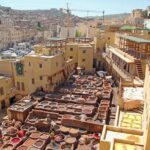


UNESCO Kasbah of Ait Benhaddou: the final big highlight before Marrakech
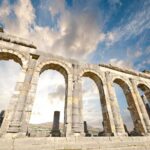
By the final day, the tour heads toward Kasbah of Ait Benhaddou, a UNESCO-listed site. This is the kind of place that rewards even short walking time: the kasbah’s layered walls, earthen tones, and cliff-adjacent setting make it visually powerful without requiring you to read a book.
Why it works as a finishing highlight: after desert night, canyon mornings, and Atlas crossings, Ait Benhaddou feels like a “settle in” moment. It’s historic, photogenic, and easy to enjoy on foot. You don’t need long attention spans to appreciate it; you just need a half hour to look up, step around, and take in the scale.
Once you see it, Marrakech starts to make sense. You’re going from remote terrain and desert rhythms toward a city with energy. That contrast is one reason one-way tours work better than round-trips for people who want to feel the shift.
Price and value: is about $448.72 per person fair?
At $448.72 per person, you’re paying for a lot more than “sightseeing.” The tour includes 2 nights accommodation, local taxes, breakfast, dinner, and a driver. It also provides pickup, and you’re getting a one-way transport path from Fez to Marrakech via major stops.
The value comes from combining four expensive things in Morocco that add up quickly on their own:
- hotel nights (you get two)
- a driver/vehicle for long-distance routing
- some meals (breakfast + dinner)
- the desert portion (camel trek + camp night)
Where you have less coverage is in everyday comfort items: drinks and lunch are not included. That’s normal for tours in this category, but it matters for budgeting. Bring cash or a card strategy and don’t assume lunch will be covered.
Overall, if your priority is to see Sahara dunes plus Todra Gorge plus Ait Benhaddou without assembling a patchwork of buses and private guides, this price looks reasonable for the amount of ground you cover.
Included meals, packing, and the small stuff that changes comfort
The tour includes breakfast and dinner, but lunch and drinks aren’t included. That means you should plan for midday meals as part of your own travel rhythm. In practice, you’ll stop anyway, but you’re responsible for payment.
Your packing advice is also very practical: for the desert night, take a small backpack with essentials and keep the rest with your driver if you want. I strongly prefer this style for Sahara nights because it reduces what you carry across sand and keeps you from rummaging through a full suitcase when you just need a few items.
What to bring for the desert night (based on the tour’s “essentials only” approach): light layers for early and late temperatures, something for sun protection, and any personal toiletries you consider non-negotiable. The tour doesn’t list specific camp amenities, so treat the camp as a simple base and pack like you’re outdoors most of the time.
Also, remember that camel trek days usually mean dust. If you’re particular about skincare or electronics, keep them protected in your small day kit.
Getting along with your guide and driver: Mohammed, Ahmed, and Aladin
One of the best signals from the tour’s reputation is how the guides and drivers show up in the day-to-day experience. You might be with a guide such as Mohammed or Ahmed who coordinates pickups and timings, and you could also have Aladin as a driver-guide type who speaks strong English and finds good stop options. The consistent theme is professionalism: punctual meetings, helpful guidance, and an ability to adjust stops when timing makes sense.
Why this matters: on routes like this, your biggest risk isn’t missing one view—it’s wasting time. A good driver helps you avoid that. It can also shape your comfort level during long road segments. If someone is attentive, the trip feels easier even when the schedule is tight.
Group size is capped at 99 travelers, which suggests you won’t be in an ultra-private bubble. Still, the tour can feel friendly if your guide keeps you moving efficiently and helps you handle small questions.
Who should book this Sahara-to-Marrakech route (and who might skip it)
I think this tour fits best if you want a “big highlights” Morocco experience with minimal planning. It’s great for:
- First-time Morocco travelers who want Sahara plus Atlas plus UNESCO in one shot
- People who don’t want to manage separate transport bookings from Fez to Marrakech
- Travelers comfortable with early starts and long driving days for better light and fewer rushed stops
You might want a different option if:
- You hate long car days and need a slower pace
- You rely on included lunches and drinks to cover your daily budget
- You want a deeper, multi-day guide-led history focus at fewer sites (this route is built to move)
Should you book the Merzouga Magic Sahara Tour?
If your goal is to get the Sahara experience without stitching together logistics, I’d say yes. The strongest reason is structural: you’re getting camel trekking + a desert camp night plus the major route sights on the way to Marrakech, with accommodation and key meals included.
My practical advice for deciding: read your own energy level honestly. If early mornings and long drives are your thing, you’ll be thrilled by the contrasts—dunes at dawn, canyon stone textures, Atlas mountain light, and the bold shape of Ait Benhaddou. If not, you might prefer a shorter, less driving-heavy Sahara trip.
FAQ
How long is the Merzouga Magic Sahara Tour?
It’s listed as a 3-day tour with 2 nights (about 2 days in the description detail).
Where does this tour take you?
It’s a one-way route starting from Fez and finishing in Marrakech, traveling via the Sahara.
What does the tour cost?
The price is $448.72 per person.
What’s included in the price?
Included are 2 nights accommodation, local taxes, breakfast, dinner, and a driver.
What’s not included?
Drinks and lunch are not included.
Is there a camel trek and desert camp overnight?
Yes. The tour includes a camel trek through the dunes and an overnight in a traditional Berber camp in the desert.
Do you pay admission to Todra Gorge?
The plan lists admission ticket free for Todra Gorge.
How far in advance can you cancel for a full refund?
You can cancel up to 6 days in advance for a full refund.