REVIEW · MARRAKECH
The secret of the camel trekking desert
Book on Viator →Operated by Vision Berbere · Bookable on Viator
Five days of silence, then Marrakech energy.
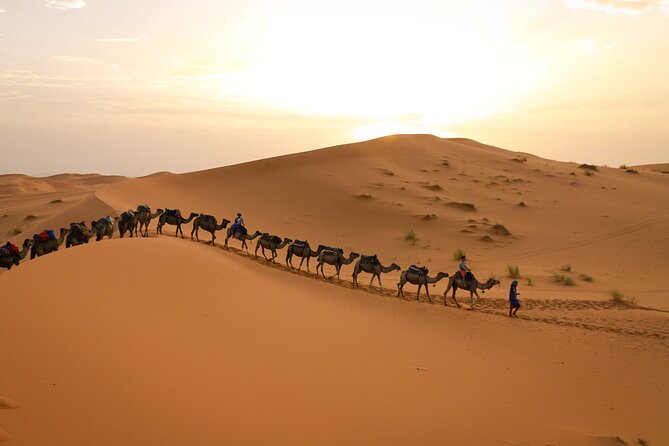
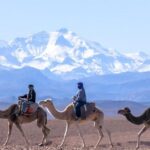
This Sahara trek is built around solitude and big-night star-gazing, with days that move across classic erg terrain and evenings that end around the fire. You also get a full on-ramp into Marrakech at the end, so you don’t just disappear into sand.
My favorite parts are the tight, human-scale setup and the way the route keeps changing. You’ll travel with a maximum of 15 people, and the guiding team (including Mustapha, plus camel drivers and cooks) runs the days with a steady, safety-minded calm. My one real consideration is the desert walking pace: you’re on foot most days for stretches from about 1.5 to 4.5 hours, and the experience asks for moderate fitness even though the trip is labeled easy.
In This Review
- Key takeaways before you go
- Entering Ouarzazate: where your desert week begins
- Day 2 to Day 3: from M’hamid to Ras N’Khal, then Erg Aït Ounir
- Day 4 to Day 5: Erg Ezzahar and Sidi Naji dunes
- Day 6: dunes to Ouled Driss, then your final bivouac night
- Day 7 to Day 8: Ouled Driss to Ouarzazate, then Marrakech
- Price and value: what $1,018.99 buys you
- Pace, fitness, and the reality of walking in sand
- The team matters: Mustapha, camel drivers, and camp cooking
- Marrakech after the Sahara: how to make the contrast work
- Should you book the Secret of the Camel Trekking Desert?
- FAQ
- How long is the camel trekking experience?
- Where does the trip start and where do you fly from?
- Is pickup included?
- What meals are included?
- How physically demanding is it?
- How large is the group?
- Is insurance included?
- Can I get a full refund if I cancel?
Key takeaways before you go
- Small group size (up to 15) means less chaos and more time to hear the desert.
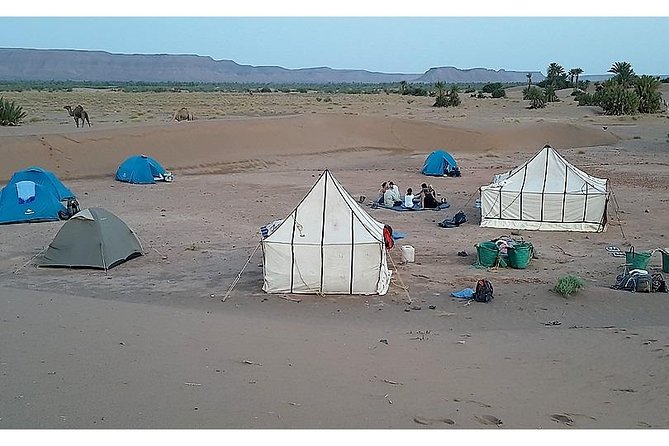
- Bivouac nights turn the Sahara into a real overnight experience, not just daytime scenery.
- A multi-erg route passes through Ras N’Khal, Erg Aït Ounir, Erg Ezzahar, and Sidi Naji dunes.
- Mustapha’s team approach includes camel drivers and cooks, with logistics handled so you can focus on walking and resting.
- Meals are mostly covered (breakfast, lunch, and dinner), which helps your budgeting and day planning.
- Marrakech is the finale: souks, narrow streets, and that lively Red City feel after the desert quiet.
Entering Ouarzazate: where your desert week begins
Ouarzazate is the launchpad for this trek. On day 1, you arrive, get reception, and transfer to your accommodation, then you sleep in a bed-and-breakfast setup. That matters more than it sounds. After travel, you want one night that’s normal—shower, quiet, and a real breakfast—before you start trading pavement for sand.
Ouarzazate also works as a mental reset. You’re not immediately thrown into remote logistics. Instead, you ease into the rhythm of the trip, with the desert trip officially rolling out the next day.
You can also read our reviews of more hiking tours in Marrakech

Day 2 to Day 3: from M’hamid to Ras N’Khal, then Erg Aït Ounir
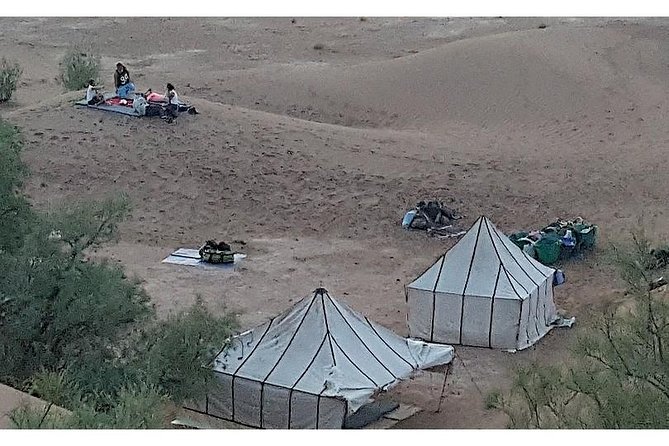
Day 2 shifts you toward the heart of the Sahara. You move from Ouarzazate toward M’hamid and onward to Ras N’Khal, with about 1 hour 30 minutes of walking, then you sleep in a bivouac. This is your first taste of the desert overnight life: the schedule changes, the light changes, and suddenly your day isn’t measured in stops and restaurants—it’s measured in distance, warmth, and the sky.
Day 3 continues the movement, taking you from Ras N’Khal to Erg Aït Ounir with about 4 hours 30 minutes of walking. This is where you feel the trade-off of desert trekking. You’ll walk enough to earn the moment, but it’s still not an extreme, all-day slog every single day. Because the trip is described as “easy” and includes moderate fitness guidance, the expectation is that you’ll keep moving comfortably, with the group and team pacing you.
One detail I like here: the trip doesn’t jump around randomly. It’s structured so each day builds on the last, and the bivouac keeps giving you that overnight “we’re actually out here” feeling.
Day 4 to Day 5: Erg Ezzahar and Sidi Naji dunes
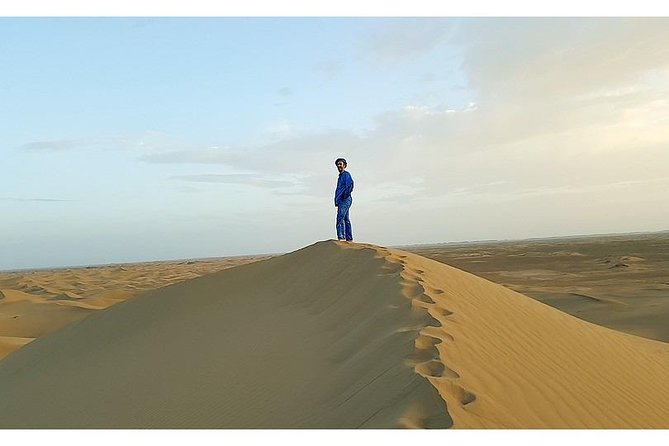
Day 4 takes you from Erg Aït Ounir to Erg Ezzahar, again with about 4 hours 30 minutes of walking, and another night in the bivouac. Erg Ezzahar is the kind of place where the Sahara stops being a concept and becomes a texture: wind shapes, big empty distance, and the sense that you’re walking through space that belongs to no one else.
Then day 5 moves you from Erg Ezzahar to the Sidi Naji dunes (with about 4 hours 30 minutes of walking) and another bivouac night. This is the stretch where your timing matters most. You’ll want to stay alert to sun position and water management, since the itinerary keeps you active while the desert heat is a core part of the experience.
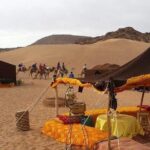
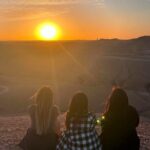
The best part of these days isn’t just “seeing dunes.” It’s what your nights do to your brain. Several parts of the trip promise relaxation around the fire, and the reviews back up that the evening setup and camp vibe are strong. When the sky clears, it’s the kind of starry night that makes you forget your phone ever existed.
Day 6: dunes to Ouled Driss, then your final bivouac night
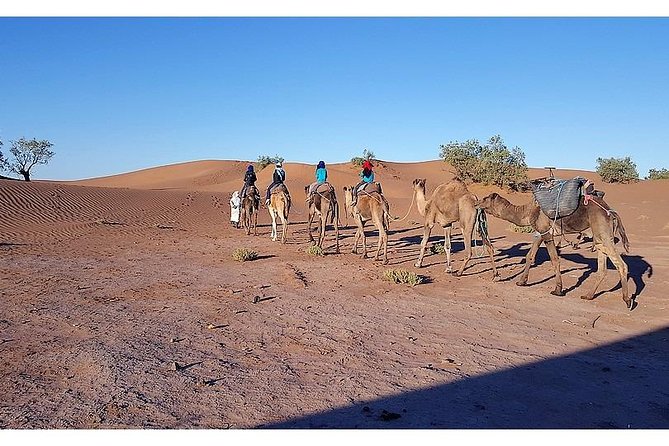
Day 6 covers a route from the Sidi Naji dunes and Ras N’Khal area toward Ouled Driss, with about 4 hours walking and then a bivouac again. This is your “final push” day before the trip switches gears back toward towns.
In my view, this is one of the clever parts of the route. You don’t exit the desert immediately after your last big dune stretch. Instead, you end with one more night outside, so the transition to civilization feels like a real contrast, not just a next hotel.
Also, this part of the trip leans on teamwork: camel drivers and cooks are part of the setup, and the vibe from the feedback suggests the team keeps everything running smoothly—so you’re not stuck managing logistics while you’re tired.
Day 7 to Day 8: Ouled Driss to Ouarzazate, then Marrakech
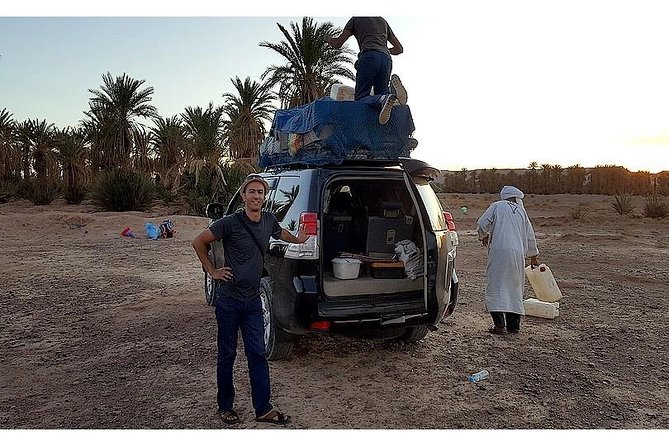
Day 7 is your pivot day. You travel from Ouled Driss through Ouarzazate and on to Marrakech, then you sleep in a hotel or riad with breakfast included. The drive time listed for this day is long enough that you’ll likely feel the contrast: morning and afternoon desert pace, then a full day moving back toward traffic, buildings, and people.
Day 8 brings you back to Ouarzazate for the airport. Transfer timing is handled based on your departure time, and you’re asked to meet about 2 hours before takeoff at the hotel reception. The listed transfer time is about 20 minutes for the airport leg—simple, clear, and designed to avoid last-minute stress.
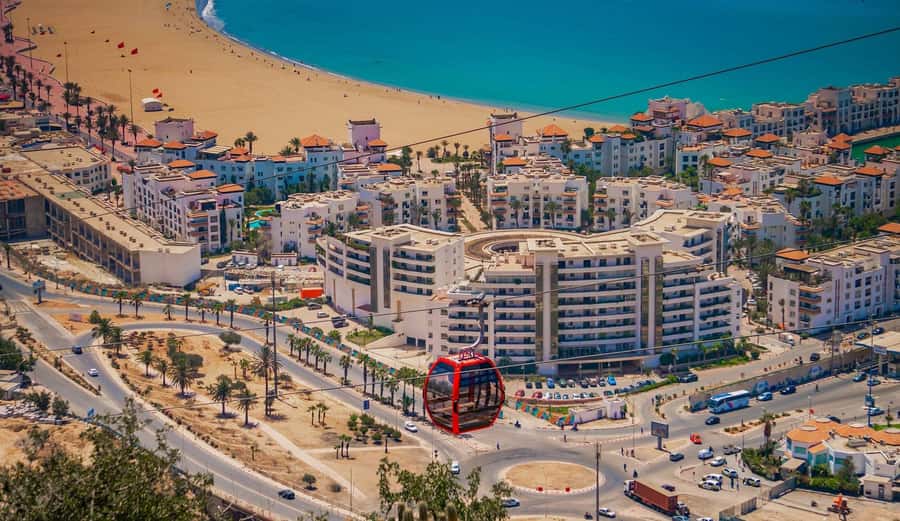
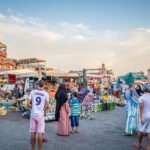
Marrakech at the end is a smart bonus. You get narrow streets of the souks, a lively feel, and the classic Red City energy after a week of quiet. It’s the kind of finish that keeps the trip from feeling like a one-note adventure.
Price and value: what $1,018.99 buys you
At $1,018.99 per person for an 8-day trek, you’re paying for more than a few nights in the desert. This price is tied to a package that handles: guiding, daily movement, bivouac setup, and meals across multiple days.
Here’s what’s clearly included:
- Breakfast (6)
- Lunch (6)
- Dinner (5)
- Pickup is offered
- Your trip runs with a small maximum group size of 15 people
What’s not included:
- Repatriation insurance
So is it good value? For me, the deciding factor isn’t just the total cost—it’s how much logistics you’re not doing yourself. If you’ve ever tried to arrange desert trekking on your own, you know how quickly planning turns into phone calls, unclear schedules, and “who is responsible for what?” headaches. This kind of organized package is where the money goes: into coordination and consistent day-to-day support.
If you want a solo-style adventure but still prefer a structured team, the price makes sense. If you’re trying to keep things budget-only, it’s a splurge. There’s no pretending this is “cheap.” You pay for the route, the support system, and the fact that your days are taken care of.
Pace, fitness, and the reality of walking in sand
This trip is labeled easy, but “easy” doesn’t mean “sit and watch.” The walking times across the days run roughly:
- Day 2: about 1h 30m
- Days 3–5: about 4h 30m
- Day 6: about 4h
- Day 1 and Day 7 include travel time rather than long desert walks
That means you’ll want comfortable walking shoes and a body that can handle repeated daily exertion. The tour description calls for moderate physical fitness, which matches the schedule. If you’re recovering from an injury or dealing with low stamina, you’ll likely feel the difference quickly.
Practical advice: pace yourself early, drink water steadily, and don’t compare your speed to anyone else. The desert is not a race. The experience is designed so the group moves together and the team keeps the day functional.
The team matters: Mustapha, camel drivers, and camp cooking
One of the strongest themes in the feedback is the professionalism of the guiding setup. Mustapha shows up again and again as an attentive guide who knows how to run the trip with safety and calm. Alongside him, the work of camel drivers and cooks is repeatedly credited, which tells me the experience isn’t just “someone leads you around.” It’s a staffed operation.
Why that matters: in the desert, you don’t want surprises. You want predictable meal timing, reliable camp setup, and a team that can respond when conditions shift. The consistent praise for organization, meals, and the overall atmosphere suggests the team is doing its job well—so you can relax and enjoy the stars instead of fretting over logistics.
If your trip date includes extra programming (one review mentions a yoga teacher and yoga for different levels), you’ll want to confirm details at booking. The key point for you is that the team already has experience running more than just basic trekking.
Marrakech after the Sahara: how to make the contrast work
After days of erg terrain and silence, Marrakech can feel intense. That’s not a problem—it’s a feature. Marrakech is part of what gives the trip a clean arc: you “disappear” into the desert, then return to the bustle with stories already built in your head.
The itinerary explicitly promises the red city experience with souks and narrow streets, plus lively energy. When you’re choosing what to do there, I recommend you give yourself at least a few hours without a plan. Walk, get your bearings fast, and let the noise re-enter your body gradually. You’ll appreciate the contrast more that way.
Should you book the Secret of the Camel Trekking Desert?
Book it if you want:
- A structured, guided Sahara trek with bivouac nights (not just a day excursion)
- A route through recognizable erg areas like Ras N’Khal, Erg Aït Ounir, Erg Ezzahar, and Sidi Naji
- A small-group experience up to 15 people
- Desert solitude plus a real ending in Marrakech
Skip it (or ask more questions first) if:
- You can’t commit to repeated walking for 4+ hours on multiple days
- You’re looking for a very low-effort trip, since the schedule is active even when the overall difficulty is described as easy
- You need repatriation insurance included automatically (it’s not included)
This is the kind of trip that tends to become memorable fast: dunes by day, camp life by night, and then Marrakech when you’re ready for people again.
FAQ
How long is the camel trekking experience?
It runs about 8 days.
Where does the trip start and where do you fly from?
You arrive and sleep in Ouarzazate at the start, then later reach Marrakech. On the final day you return to Ouarzazate for the airport transfer.
Is pickup included?
Yes. Pickup is offered, and the trip includes airport-to-accommodation transfers on the start and end sides.
What meals are included?
The package includes breakfast (6), lunch (6), and dinner (5).
How physically demanding is it?
It’s described as easy, but it still requires moderate physical fitness because you walk daily (with walking times ranging from about 1.5 to 4.5 hours).
How large is the group?
The group is limited to a maximum of 15 travelers.
Is insurance included?
Repatriation insurance is not included, so you’ll want your own coverage.
Can I get a full refund if I cancel?
You can cancel up to 3 days in advance for a full refund. If it’s canceled due to poor weather or the minimum number of travelers isn’t met, you’ll be offered a different date or a full refund.