REVIEW · MARRAKECH
“Summit of Mont Toubkal (4167m) in PC Economy
Book on Viator →Operated by Adrar Aventure SARL · Bookable on Viator
A 4,167m summit makes planning feel real. This Mount Toubkal trek is interesting because you go from the lively Imlil valley up through classic High Atlas passes to big summit views over the Marrakech plains and beyond. I love that the climb is not technical outside winter months and is doable for anyone with solid fitness and the right guidance, and it’s built around acclimatization on the way up (4,167 m summit and non-technical climb).
What I also like is the strong human side of the trip: pre-trek support from Lahcen and on-the-ground leadership by guides like Abdul, Rachid, Mbark, and Ibrahim, plus meals that keep you moving day after day. One thing to consider: a personal sleeping bag isn’t included, and if you travel in winter or bad weather hits, conditions can get serious fast (Lahcen and sleeping bag needed).
In This Review
- Key highlights I’d bet on
- Why Toubkal from Imlil still works in 2026
- The “why” behind the route
- Price and what you actually get for $674.68
- The practical way to judge value
- Day-by-day: walking days 1–4 in the High Atlas
- Day 1: Imlil to Tacheddirt via Tizi n’Tamatert
- Day 2: Tacheddirt up to Tizi Likemt (and down to Azib Likemt)
- Day 3: Through contrasting terrain to Amsouzert (gite night)
- Day 4: Lake Ifni, the only lake in the massif
- Day 5: the toughest hiking day, with scree and the Tizi n’Ouanoums pass
- Day 6: summit before dawn and the views over Marrakech
- A key reality check about weather
- Guides, team, and why the human part matters
- What to pack for a 6-day Toubkal trek (without overbuying)
- Must plan for
- Gear risk you can avoid
- Who should book this trek
- Should you book the Summit of Mont Toubkal experience?
- FAQ
- FAQ
- How long is the Mount Toubkal trek?
- What time does the tour start?
- Where does the trek begin?
- What’s the highest point on this itinerary?
- What does the tour include for sleeping and camping?
- Do I need to bring a sleeping bag?
- Are meals included?
- Is pickup and transport included?
- What happens if weather is poor?
Key highlights I’d bet on
- Summit push at sunrise for the best shot at clear views
- High Atlas acclimatization built into the route via multiple passes
- Guides who manage timing and safety (named examples: Mbark, Rachid, Abdul)
- Proper food and team care that helps on a long, demanding schedule
- Classic camp-to-village mix: tents, gites, and a mountain refuge option
- Pickup and transfers handled with an air-conditioned vehicle
Why Toubkal from Imlil still works in 2026
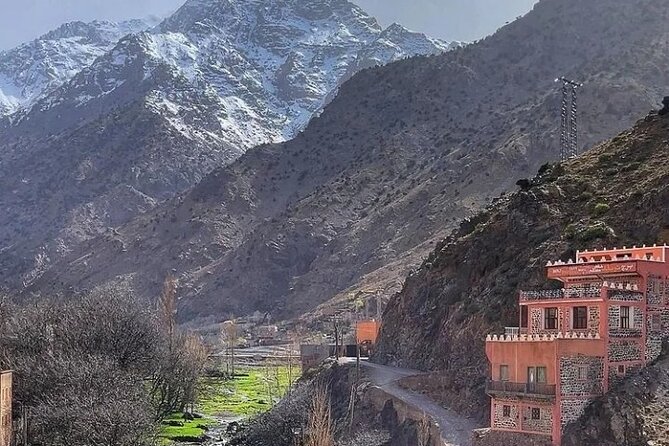
If you’re chasing Morocco’s big mountain moment, Mount Toubkal is the headline in the High Atlas. At 4,167m, it’s the highest peak in North Africa and the second highest in all of Africa. The reason this trek stays popular is simple: the route has a “real mountain” feel without needing technical climbing in normal (non-winter) conditions. You’ll earn every meter with hiking, not rope work.
You start in the Imlil area, the main jumping-off point for hikers, where the valley has constant movement. That matters more than you’d think. On Day 1 you’re not just heading into the wilderness immediately—you get a warm ramp-up: market town energy, packing, mule support, and a first long walk that tells you what kind of legs you have today.
You can also read our reviews of more tours and experiences in Marrakech.
The “why” behind the route
The itinerary is designed around altitude and fatigue management. Instead of one brutal straight climb, you ladder up with passes and overnight stops in villages or camps. Even if you’re fit, Toubkal isn’t about toughness alone. It’s about pacing, breathing, and not burning out before summit day.
Price and what you actually get for $674.68
At $674.68 per person for roughly 6 days, this trek isn’t cheap, but it’s not just you and a map either. The value is in the package: transportation, guides, food, camping gear, and risk coverage.
Here’s what stands out as “paid for, not optional”:
- Camp tents and sleeping equipment are included, which reduces the headache of hauling gear.
- Breakfast, lunch, and dinner are included (6 breakfasts, 6 lunches, 5 dinners). That’s huge on a mountain where cooking time and ingredient hauling can’t be improvised.
- Insurance and 24/7 assistance are included. On a remote hike, that’s not marketing fluff.
- All fees and taxes are included.
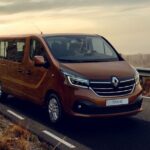
- Air-conditioned vehicle support and pickup offered help you avoid the “how do we get there” chaos.
What isn’t included is equally important: a personal sleeping bag. That’s the one item you should plan for early.
The practical way to judge value
For me, the biggest value signal is that they handle the whole rhythm of the trip. You don’t have to organize meals, sleep setups, or transfers on your own while you’re climbing passes at altitude. You pay once, then you spend your energy on walking and recovering.
Day-by-day: walking days 1–4 in the High Atlas
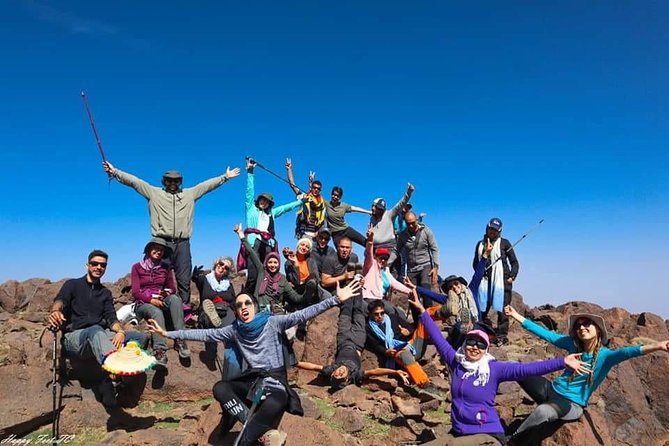
This is the part of the trek where you build momentum, adapt to the altitude, and learn what your body needs. If you’re the type who likes understanding the terrain before you hit it, you’ll appreciate the way each day changes the view and the effort level.
Day 1: Imlil to Tacheddirt via Tizi n’Tamatert
You leave Marrakech after breakfast, driving to Imlil via Asni. Then it’s muleteer support and a valley walk toward Tacheddirt, roughly 8 km beyond Imlil. The route starts gentle and then gradually climbs toward the Tizi n’Tamatert pass (2,279m).
The trail then descends toward the village of Ouaneskra before continuing to Tacheddirt (around 3,000m), where you generally camp by the river. Day 1 is your “get your stride” day. It’s not the steepest day, but it’s long enough to wake up your hiking muscles.
What to watch for:
- You’ll feel altitude early, even at these lower elevations.
- The valley gives way to more dramatic relief, and your breathing cadence shifts.
Day 2: Tacheddirt up to Tizi Likemt (and down to Azib Likemt)
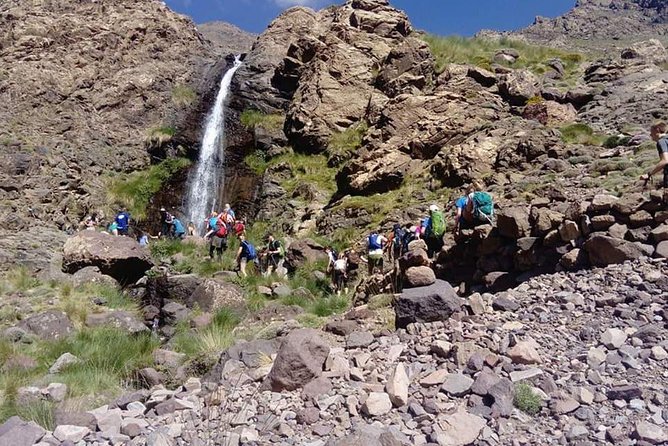
Day 2 starts with a long, slow ascent to the Tizi Likemt pass (3,555m). This is where you notice loose scree. It’s the kind of footing that punishes sloppy steps, so you’ll want careful pacing.
At the top you get one of the first clear looks at the Toubkal massif, then it’s a long descent to Azib Likemt, where you camp for the night.
If Day 1 feels like a warm-up, Day 2 teaches you how Toubkal days work: uphill effort, then downhill technique, then sleep and recovery.
Day 3: Through contrasting terrain to Amsouzert (gite night)
This day is described as long but relatively easy, and that’s exactly how it should feel in a 6-day plan. You pass through different terrain blocks and get more views: from Tizi n’Ououraine (3,120m) you can spot the Toubkal massif, including the summit area and the east face, plus the Ifni Dome (3,876m).
You end up at Amsouzert, one of the striking villages in the region, where you spend the night in a simple gite-style setup, dormitory style.
Why this stop matters:
- It breaks up the rhythm of pure camping.
- It helps you get a bit more “village texture” in your trip, not only tents and rock.
Day 4: Lake Ifni, the only lake in the massif
Day 4 shifts your focus west of Amsouzert as you explore smaller villages on the way toward Lake Ifni, the only lake in the Toubkal massif. The lake is a memorable sight surrounded by rocky mountains and heavy rubble fields, and it’s exceptionally deep.
You’re expected to arrive around lunchtime, then you get an afternoon to relax by the shore. That afternoon isn’t just downtime; it’s altitude recovery with scenery.
You camp in the area that night.
Day 5: the toughest hiking day, with scree and the Tizi n’Ouanoums pass
If the first half of the trek builds your legs, Day 5 tests your patience and your form. It’s the tough day where you want to listen to your guide, not your ego.
You move along a steep path that leads to a long, seemingly endless scree slope. Eventually you reach Tizi n’Ouanoums pass (3,664m), described as a narrow ledge between two rocky wells. It’s the kind of spot that looks dramatic, but more importantly, it’s where footing and timing matter.
From there you start a long zigzag descent to Nelter Hut, a mountain refuge where you sleep, or alternatively you might camp outside depending on the conditions.
This is also where a good team makes a noticeable difference. In past climbs, the leadership style showed up as calm judgment under tricky conditions, and that’s the main thing you want from your guide on the hardest day.
Day 6: summit before dawn and the views over Marrakech
Summit day is the whole point, and the plan starts early: you leave before dawn on a well-worn route. If conditions are right, the summit push typically takes about 2–3 hours.
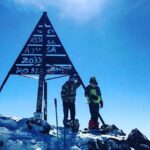
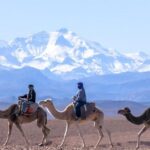
You reach Mount Toubkal (4,167m) and, when visibility is good, you’re rewarded with views across the Atlas range and the plains of Marrakech beyond. Then you head down—relatively quickly compared to the climb—toward the villages of Sidi Chamharouch and Aremd.
After that, you follow the Mizane River along a well-drilled path to the Imlil route. If you’re staying in Marrakech, you’re taken there by car at the end of the day.
A key reality check about weather
This experience requires good weather. If it’s canceled due to poor conditions, you’ll be offered a different date or a full refund. That’s the right policy for a mountain goal.
And if you travel in winter or face unexpected snow, it can go from “hiking” to “gear check” quickly. In difficult visibility and snow, the leadership and timing have proven to make a measurable difference in who reaches the top.
Guides, team, and why the human part matters
A Toubkal trek can look like a checklist—passes, altitude, summit. But the difference between a tough trip and a manageable one is usually the people.
The strongest repeated theme from the trip feedback is that the team runs a tight ship and supports you with clear decisions. Names that come up include Lahcen (helpful before the trek and responsive to questions and extra equipment requests), plus guides such as Abdul, Rachid, Mbark, and Ibrahim.
I’m especially glad the team shows up in more than one way:
- Pre-trek communication: you don’t just get a start time and hope for the best.
- On-trail leadership: timing and judgment matter when visibility turns rough.
- Group care: guides staying patient and adapting to different ability levels makes a huge difference, especially if you’re a first-timer.
Also, the food support is not treated as an afterthought. A great chef and crew help you keep your energy up when you’re walking all day and sleeping in cold mountain air.
What to pack for a 6-day Toubkal trek (without overbuying)
This tour includes camp tents and sleeping equipment, but you still need to show up ready to hike.
Must plan for
- Personal sleeping bag (not included)
- Moderate physical fitness is expected. The itinerary includes steep segments and scree.
- Clothing that works across early-morning temps and cold evenings.
Gear risk you can avoid
Don’t wait until the last day to sort your sleeping setup. The one thing not covered is the sleeping bag, and that can be the difference between “fine” and “I am cold and grumpy.”
If you’re going during colder seasons or there’s any snow risk, your guide may emphasize additional traction and visibility gear. In winter-condition climbs, crampons, decent shoes, and headlamps have been required when conditions changed.
Who should book this trek
This Mount Toubkal itinerary is best for you if:
- You have moderate hiking fitness and you can handle steep, rocky trail work.
- You want a guided experience where meals, camping gear, and transport are handled.
- You like the idea of a classic route that mixes valleys, villages, and a “one lake in the massif” moment.
It may not be ideal if:
- You want a low-effort vacation with minimal walking days.
- You’re not comfortable with scree and long descents on mountain trails.
Should you book the Summit of Mont Toubkal experience?
I’d book it if you want the real Toubkal experience without trying to manage the logistics yourself. The package value is strong because it includes the stuff that usually trips people up: sleeping setup (minus the bag), meals, insurance, assistance, and transfers. The guide support also looks like the kind you can feel on summit day, not just read about in marketing.
I’d think twice if you’re missing the basics for comfort and safety—especially if you haven’t planned for your sleeping bag or you’re expecting an easy stroll. This is a serious hike, and the mountains can change the plan when weather turns.
FAQ
FAQ
How long is the Mount Toubkal trek?
It’s scheduled for 6 days (approx.).
What time does the tour start?
The start time is 8:00 am.
Where does the trek begin?
You leave Marrakech after breakfast and drive to Imlil via Asni, where the hiking route begins.
What’s the highest point on this itinerary?
The summit target is Mount Toubkal at 4,167m.
What does the tour include for sleeping and camping?
Camp tents and sleeping equipment are included.
Do I need to bring a sleeping bag?
Yes. A personal sleeping bag is not included.
Are meals included?
Yes. Breakfast is included for 6 days, lunch for 6 days, and dinner for 5 days.
Is pickup and transport included?
Pickup is offered, and the itinerary includes air-conditioned vehicle transport.
What happens if weather is poor?
This experience requires good weather. If it’s canceled due to poor weather, you’ll be offered a different date or a full refund.