REVIEW · MARRAKECH
Sahara desert tour to Merzouga – 3 Days from Marrakech
Book on Viator →Operated by Toubkal Guide · Bookable on Viator
Camel time is the best kind of rest.
This 3-day Morocco route links the Tizi n’Tichka Pass road trip with kasbah ruins, gorges, and then the Sahara at Erg Chebbi, where you sleep in a Berber tent after a camel ride.
I especially like two things: the maximum 17 travelers cap keeps the day more personal than a huge bus tour, and the trip includes the desert core—one camel trek each plus dinner and breakfast around the camp.
One consideration: this is a driving-heavy itinerary. Day 1 and Day 3 are long stretches back and forth to Marrakech, so if you get antsy in a vehicle, plan for that.
In This Review
- Key highlights worth getting excited about
- Why this Marrakech to Merzouga route works in 3 days
- High Atlas day: Tizi n’Tichka Pass is your first wow moment
- Valley of the Roses, kasbah viewpoints, and Ait Ben Haddou’s scale
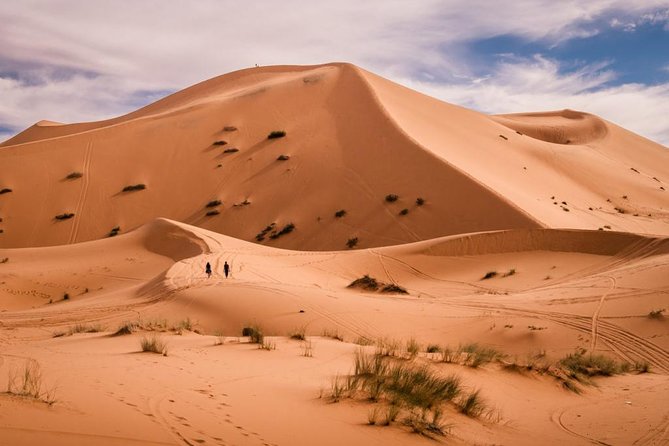
- Todra Gorge to Erg Chebbi: from stone walls to wind lines
- Camel trek and desert camp: the part you came for
- Sunrise on Day 3 and the long return to Marrakech
- Price and what your $406.51 really covers
- The people factor: why the guide and driving style matters
- Comfort on the road: long drives, but with built-in breathing room
- Who should book this and who might want a different style
- Should you book the Sahara Desert Tour to Merzouga from Marrakech?
- FAQ
- Where does the tour start, and what time?
- How long is the Marrakech to Merzouga tour?
- What is the price per person?
- What is the maximum group size?
- What meals are included, and are lunches included?
- Is the camel trek included?
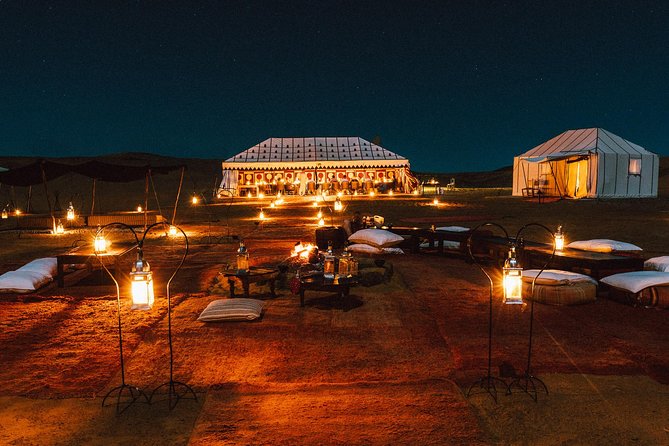
- Where do you sleep during the desert night?
- What major sights are included besides the dunes?
- Is cancellation free, and how close can I cancel?
Key highlights worth getting excited about
- High Atlas scenery via Tizi n’Tichka Pass: a classic mountain crossing on the way to the desert
- Kasbah Ait Ben Haddou and “valley of a thousand kasbahs” viewpoints for big photo energy
- Todra Gorge stop before the dunes, so you’re not only chasing sand
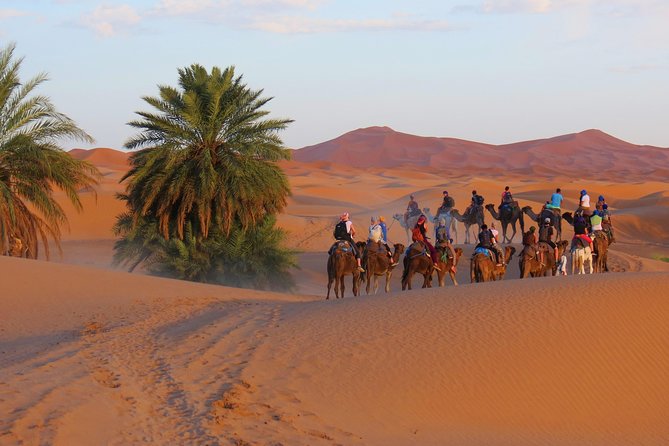
- Erg Chebbi camels at around 4 pm, then sunset and dinner in Berber tent camp
- Sunrise on Day 3, plus breakfast at the campsite before the camel return
Why this Marrakech to Merzouga route works in 3 days
A lot of Sahara trips feel like two things mashed together: a long car ride, then a short desert visit. This one tries to balance both. You spend the first day moving from Marrakech up and over the Atlas mountains, then you work your way down through valleys and kasbah country. Day 2 switches from gorges to dunes, and the “real” desert time lands in the afternoon and evening—when the light is best.
The value is also in the structure. You’re not just paying to “get to Merzouga.” You’re paying for the full package of transport, a professional driver/guide, two nights of accommodation including dinner and breakfast, plus the camel trek and desert camp sleep. That means you can show up, meet your guide, and focus on the sights instead of turning the trip into a logistics project.
A few more Marrakech tours and experiences worth a look
High Atlas day: Tizi n’Tichka Pass is your first wow moment
Day 1 begins with hotel pickup in Marrakech (meeting point is Jemaa el-Fna), and you start at 8:00 am. From there, the highlight is the Tizi n’Tichka Pass, one of those roads that feels like Morocco in motion: dramatic mountain turns, Berber villages along the route, and a steady shift from city energy into high-country quiet.
What I like about this start is that it gives you context. The Atlas isn’t just scenery; it’s a living transition zone. You’ll see villages clustered in the hills, and you’ll get a sense of how people live in a place where the terrain dictates the rhythm of daily life.
Two practical tips for this part:
- Bring layers. Mountain weather can change fast. You’ll want something warm for the early hours and easier-to-remove clothing for the midday sun.
- Sit where you can see out comfortably. If you get motion discomfort, ask your guide about the best seating option when you’re picked up.
Valley of the Roses, kasbah viewpoints, and Ait Ben Haddou’s scale
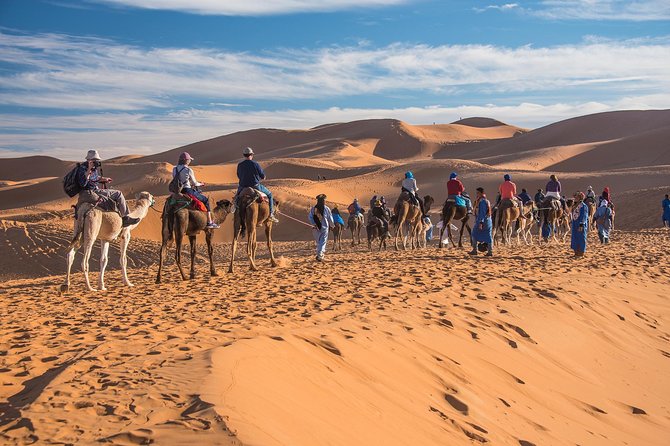
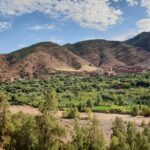
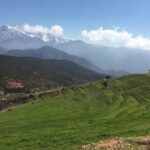
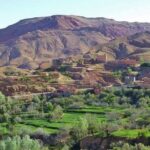
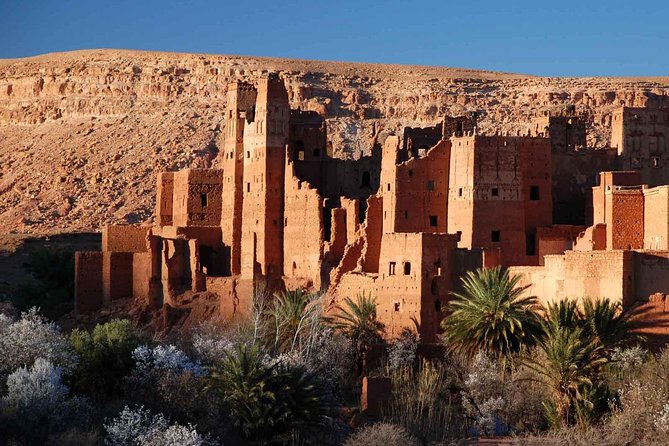
After the pass, the day doesn’t go straight to “dunes” mode. You’ll get the in-between Moroccan hits: the Valley of the Roses, the Dades valley, and the valley of a thousand kasbahs viewpoints, plus Kasbah Ait Ben Haddou on the way to your overnight stop in Dades.
Here’s why these stops matter. Without them, the Sahara can feel like a sudden jump. These kasbah and valley moments help you understand why people built on these ridges and river-adjacent spots—control, visibility, and survival in a tough environment.
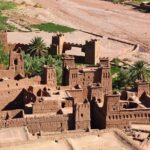
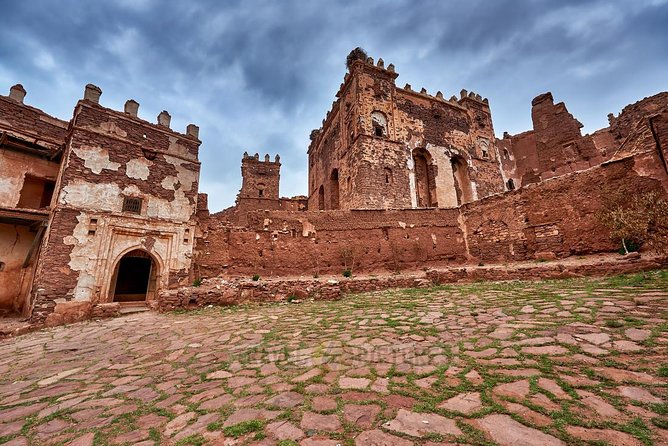
Kasbah Ait Ben Haddou is the big name here, and you’ll get a chance to visit while you’re still fresh from the drive. Even if you’ve seen photos before, it’s the scale that hits. It’s one of those places where you can stand back and see why it appears in so many films and travel stories, but you’ll also notice the human reality: it’s an actual historic site, not a theme park.
In Dades, your overnight is set up for rest after a long travel day, so you’re ready for Day 2’s shift from rock formations to sand.
Todra Gorge to Erg Chebbi: from stone walls to wind lines
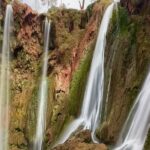
Day 2 starts after breakfast, then you head to Todra Gorge. The stop is described as short, so think of it as a quick hit: enough time to look up at the rock walls, feel how narrow the passage is, and take photos while the light hits the stone.
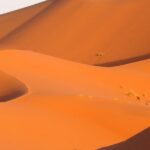
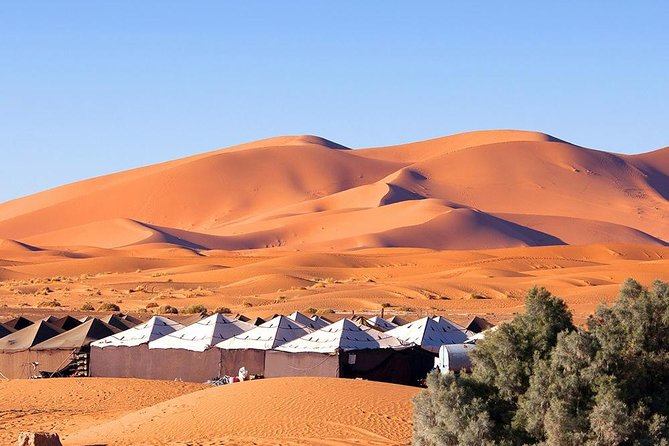
Then comes the bigger change: driving on to the dunes of Erg Chebbi. You arrive at around 4:00 pm, which is a smart timing choice. It gives you a buffer before the most photogenic part of the day—late afternoon and sunset.
Camel trek and desert camp: the part you came for
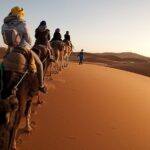
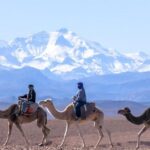
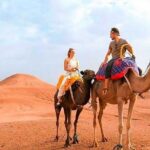
Once you arrive, you get a short break, then you ride camels into the dunes for the night in Berber tents. The trip notes that it’s one camel each, so you’re not sharing one animal between a crowd.
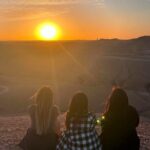
After the camel ride, you’ll see sunset from the dunes, and then you enjoy a fantastic dinner at camp (dinner and breakfast are included as half-board). This is also when a good guide earns their keep: the best moments aren’t only the views. It’s how you’re timed, how people are grouped, and how the evening is handled so you’re not stressed when the light drops.
Practical advice for the camp night:
- Plan for cooler air at night. Desert nights can feel much colder than daytime.
- Bring something for your neck and head. A scarf or light wrap helps with sun later and wind at night.
Sunrise on Day 3 and the long return to Marrakech
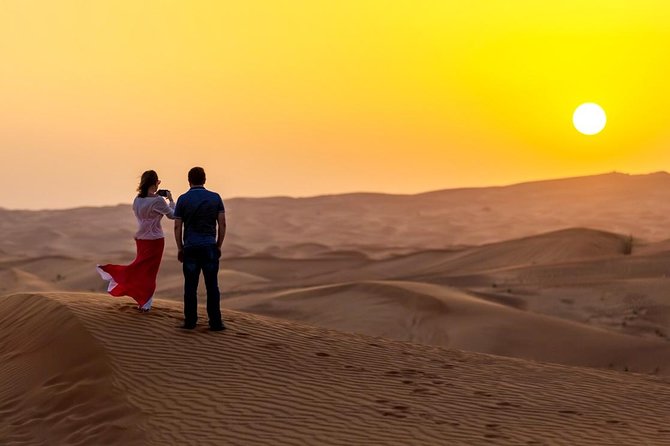
Day 3 begins with the desert rhythm: you’ll view the sunrise, then have breakfast at the campsite. After that, you ride the camels back to the Auberge (as listed in the tour flow), and then you start the long drive back toward Marrakech via the Tizi n’Tichka Pass again.
Sunrise here is valuable for two reasons. First, it’s a different kind of desert magic than sunset. The light is softer, the shadows lengthen, and the dunes look sculpted rather than dramatic. Second, it’s good planning: you’re not rushing the camel return in darkness.
Then you’re back on the road. Day 3 is the reality check of this route: you’re trading extra desert time for seeing more of Morocco’s varied terrain in a short window. If you’re hoping for an ultra-relaxed desert stay, a longer itinerary may fit better. If you want the “full sweep” from Marrakech to dunes in a tight schedule, this one is built that way.
Price and what your $406.51 really covers
The price listed is $406.51 per person. On paper, it’s not a throwaway add-on. The reason it can still feel like good value is that several “Sahara extras” usually cost money separately: transportation over long distances, a guide/driver, two meals days (dinner + breakfast), desert camp lodging, and the camel trek.
What’s included (as stated):
- Hotel pickup and drop-off
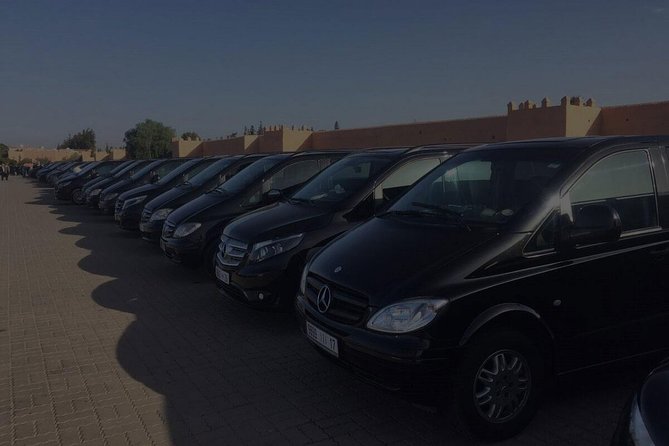
- Air-conditioned vehicle transport
- Professional driver/guide
- Dinner and breakfast (half-board)
- Camel trek (one camel each)
- Overnight in desert camp
What’s not included:
- Lunches and drinks
- Entrance fees (optional)
- Gratuities
So how do you budget? You should plan to pay for at least lunches and drinks yourself. Entrance fees depend on what you choose to enter at stops. If you want to minimize add-ons, stick to viewpoints and short visits where you can.
Also, this is a group tour with a maximum of 17 travelers, so your cost is spread across the van, driver time, and camp night logistics—one reason it stays closer to a mid-range value.
The people factor: why the guide and driving style matters
In desert travel, the “product” isn’t only dunes and kasbahs. It’s how you move through the day. Many guides for this route are praised for safe, stable driving and for building small moments into the road time—quick photo breaks and stops where you can stretch and grab mint tea.
You’ll see recurring guide/driver names connected with the best experiences, including Ibrahim, Nouri, Jamal, Omar, Mohammed, Radwan, Hisham, Hossine, Abdul Gal, and Mostapha. The common thread in those names is comfort and competence: clear communication, sensible timing, and the confidence that comes from knowing the route well.
If you want your trip to feel smooth, do this:
- Tell your guide your pace preference early. Some people want frequent breaks for photos; others want fewer stops.
- Ask about comfort stops. Long drives are normal here, so you’ll be happiest if you agree on break frequency at the start.
Comfort on the road: long drives, but with built-in breathing room
This itinerary is not a short hop. Expect you’ll spend a lot of your day in transit. That can be tiring, especially on the way from Marrakech and again on the return.
The good news is that the tour format includes scheduled stops and breaks. One reason people get through these days without feeling wrecked is that there’s usually time to stop, reset, and take photos rather than feeling trapped for hours.
Still, be smart with preparation:
- Wear comfortable clothing you can layer for mountain mornings and desert evenings.
- Bring sunscreen and a hat for the Atlas and the dunes.
- Pack a small bag for the camel ride essentials (water if allowed, scarf, sunglasses).
- Consider motion sickness remedies if you’re sensitive on winding mountain roads.
Who should book this and who might want a different style
This tour is a good match if:
- You want a first-time Sahara experience without planning camps and transport yourself
- You like a “see a lot” pace: Atlas passes, gorges, kasbahs, then dunes
- You want the comfort of included dinner + breakfast and an organized desert camp night
- You appreciate small-group energy, thanks to the 17 traveler cap
It might be less ideal if:
- You hate long driving days and want more time in one place
- You’re expecting a full-on luxury tent setup beyond what’s described (the camp is stated as Berber tents, and meals are described simply and tasty rather than as a fine-dining experience)
Should you book the Sahara Desert Tour to Merzouga from Marrakech?
If your dream is to stand on Erg Chebbi dunes and then watch sunrise from the desert, while still seeing major Morocco sights on the way, this is a strong choice. The biggest win is how the essentials are included: transport, camel trek, and a desert camp night with dinner and breakfast. You’re also not stuck with a huge group, which helps the day feel less mechanical.
My advice: book it if you can handle the road time as part of the experience. Skip it (or consider a longer stay) if you mainly want to slow down and stay put.
Either way, you’ll want to pack for temperature swings and plan for the drive as a full activity, not background time.
FAQ
Where does the tour start, and what time?
The tour meets at Jemaa el-Fna, Marrakech 40000, Morocco, and the start time is 8:00 am.
How long is the Marrakech to Merzouga tour?
The duration is about 3 days.
What is the price per person?
The price is $406.51 per person.
What is the maximum group size?
The tour has a maximum of 17 travelers.
What meals are included, and are lunches included?
The tour includes dinner and breakfast (half-board). Lunches and drinks are not included.
Is the camel trek included?
Yes. The tour includes a camel trek with one camel each.
Where do you sleep during the desert night?
You’ll spend the night in a Berber tent at the desert camp.
What major sights are included besides the dunes?
You’ll cross the High Atlas via Tizi n’Tichka Pass, visit Kasbah Ait Ben Haddou, stop at Todra Gorge, and see areas like the Valley of the Roses and Dades valley on the way.
Is cancellation free, and how close can I cancel?
Cancellation is free, and you can cancel up to 24 hours in advance for a full refund.