REVIEW · MHAMID
5-day trek – In the Draa Valley
Book on Viator →Operated by L'oiseau du désert · Bookable on Viator
Five days, one long silence in Morocco. This Draa Valley trek from M’Hamid is built to show you the desert from the inside—following routes tied to animals that live near the Sahara and finding the greener, planted edge of the region. It’s the kind of trip that trades schedules for rhythm: walking, eating well, and learning how nomads live with what the desert gives.
I love the steady challenge: most days land around 13–17 km on foot. I also love the human side—guides such as Bakkar and Mohammed bring the nomadic lifestyle into conversation through practical moments, cooking, and relaxed fireside time.
Here’s the only real catch: don’t expect full-on comfort gear. The price doesn’t include a sleeping bag, and the desert nights are part of the deal.
In This Review
- Key Things I’d Pay Attention To
- First Step: Arriving in M’Hamid for Your 5-Day Desert Walk
- The Draa Valley Story: Why This Route Feels Different
- What 13–17 km Days Really Mean (And How to Prep)
- A Nomad-Life Introduction You Can Actually Use
- Ergs, Tracks, and That Sahara Feeling
- Nights Under Stars and Meals That Don’t Feel Like an Afterthought
- Gear and Comfort: The One Item You Must Bring
- Price and Value: Is $581.62 Fair for What You Get?
- Who This Trek Suits Best (And Who Might Want Something Else)
- Should You Book L’oiseau du désert’s Draa Valley Trek?
- FAQ
- FAQ
- Where does the trek start and end?
- What time does the trek begin?
- Is pickup offered?
- What’s included in the price?
- Do I need to bring a sleeping bag?
- Can I get a refund if I cancel?
Key Things I’d Pay Attention To
- Private trek from M’Hamid: Only your group goes, so the pace and focus can feel personal.
- Daily walking around 13–17 km: You’ll feel it in a good way if you’re used to hiking.
- Nomad-led cultural life, not just scenery: Learn daily routines and traditions through people, not lectures.
- Green desert side of the Draa Valley: Fertile-and-arid variety keeps the trek from becoming one-note.
- Real disconnection energy: Plan for long stretches without reliable phone/laptop power.
First Step: Arriving in M’Hamid for Your 5-Day Desert Walk
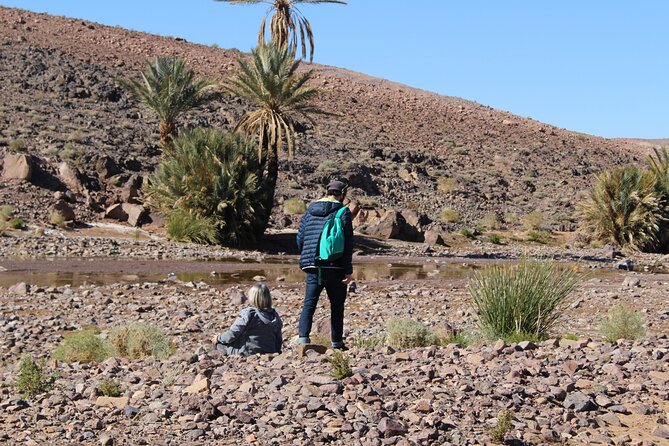
Your trek starts in M’Hamid, Morocco, with the activity beginning at 8:00 am and ending back at the same meeting point. That start time matters. In the desert, early starts help you avoid the day becoming too slow and hot, and it also gives you more energy for the walking pace.
You’ll be close to public transportation, and pickup is offered. Still, private transportation is not included in the tour price, so think of the trek as the experience itself, with you responsible for getting to M’Hamid (or arranging what pickup can cover).
You’ll receive a mobile ticket, which is handy if you’re bouncing between cities. It’s one less thing to manage while you’re traveling through Morocco.
One more practical point: this is listed for people with moderate physical fitness. That doesn’t mean you need to be a marathoner. It does mean you should be comfortable walking long stretches and carrying yourself through the day without expecting frequent stops.
You can also read our reviews of more hiking tours in MHamid

The Draa Valley Story: Why This Route Feels Different
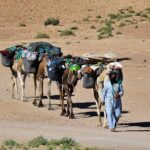
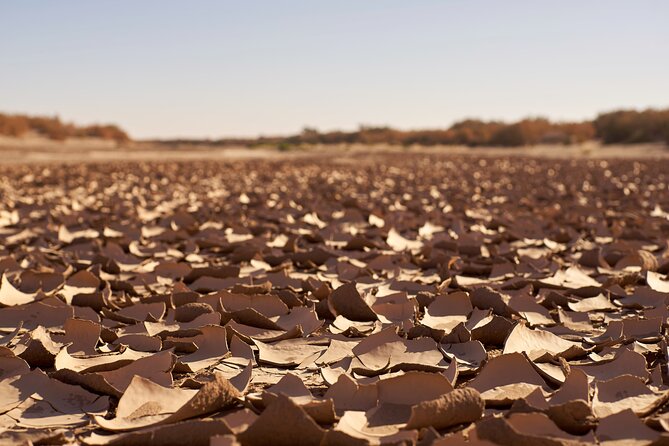
The Draa Valley isn’t just sand dunes and dramatic photos. The trip is designed to show you a desert region that alternates between fertile and arid areas, with plants that have adapted to life there. That “green face of the desert” is a big part of why the scenery doesn’t blur together.
You also follow routes tied to animals that live near the Sahara’s edge. That gives the trek a subtle extra layer. Instead of treating the desert like an empty stage, you see it as a lived-in ecosystem—where movement patterns, tracks, and survival matter.
Even if you’ve seen Sahara images before, you’ll likely notice a shift in your brain while walking. The desert can be hypnotic, but this route also keeps you alert through variety: texture changes, plant presence changes, and the valley’s rhythm keeps time in a more human way than a coastline or a city street.
What 13–17 km Days Really Mean (And How to Prep)
One of the strongest, most consistent details from people who’ve done this trek: every day they walked between 13 and 17 km. That’s not a casual stroll. Over five days, that adds up into a real hiking effort.
Here’s how to think about it:
- If your usual hikes are around 5–8 km, you’ll want to ramp up beforehand.
- If you can hike 10–15 km on uneven ground without feeling wrecked, you’re closer to being ready.
- If you hate going uphill, you might still do fine, but you’ll want to keep your pace steady.
Also remember: the challenge isn’t only distance. It’s the desert pace—heat, wind, sand texture, and sometimes slower footing. So your success will come from smart energy use. Don’t sprint at the start of each day. You’re building a multi-day rhythm.
What I like about this setup is that it tends to feel “honest.” You earn your quiet moments because your body is doing the work, not a vehicle.
A Nomad-Life Introduction You Can Actually Use
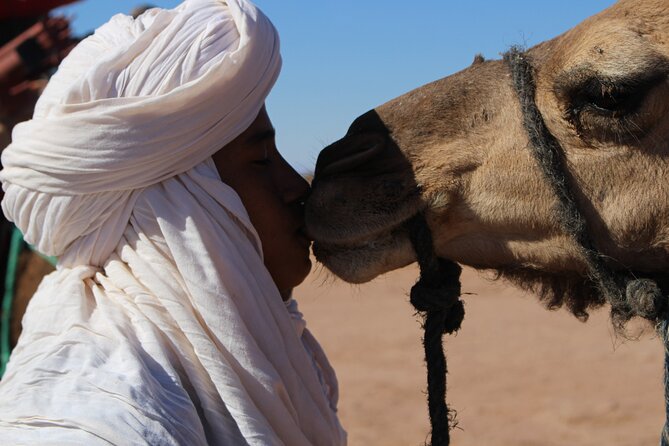
This trek is framed as an introduction to nomadic life. The value here isn’t fantasy. It’s the day-to-day side: sharing routines, cooking practices, and desert knowledge that doesn’t come from a slideshow.
Names matter because they hint at the kind of experience people get. Guides like Bakkar and Mohammed come up in accounts from English-speaking guests, and that lines up with the broader vibe: learn from people who know the land, not people reciting facts.
In practical terms, expect a lot of time spent in conversation during walking breaks, meal prep, and evening downtime. Reviews also highlight kindness and generosity from the nomad team. That shows up as a more relaxed feel—less “tour performance,” more “people living their way of life and letting you sit near it.”
A nice bonus: people often mention humor, singing, and dancing during the evenings. That’s not guaranteed in every culture or every night, but it’s a strong signal that the group atmosphere can be warm and social, even when the setting is quiet.
Ergs, Tracks, and That Sahara Feeling
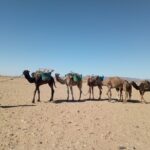
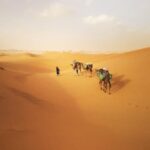
The description points to impressive ergs—big dune fields shaped by wind over time. You’re also walking paths connected to animals that inhabit the area near the Sahara’s edge. Put those together and you get a trek that feels like you’re moving through real terrain, not a paved route designed for tourists.
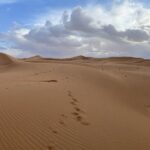
You’ll likely notice how the desert “reads” differently when you’re on foot. From a car, dunes can look uniform. On foot, you track micro-changes—slope, firmness, and the way wind has carved ridges. Those small differences become your landmarks.
And because this trek isn’t trying to cram in a “see everything” checklist, you can actually slow down. That’s where the quiet gets real. People describe it as total disconnection—no smartphone, no laptop, and no power outlet feel. Even if your experience won’t be identical night-to-night, you should plan around the idea that charging will not be part of your daily routine.
So bring offline essentials before you go: maps you can view offline, a few saved phrases, and a playlist or books stored locally.

Nights Under Stars and Meals That Don’t Feel Like an Afterthought
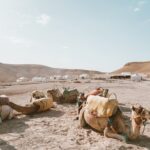
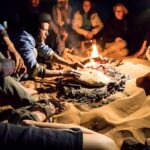
This trek builds big memories around evenings. People repeatedly mention fantastic nights under the stars, plus fireside time that feels more like gathering than camping.
Food is another standout. Accounts point to succulent meals and a culinary element that goes beyond calories. One detail that comes through clearly: bread baking. That’s the kind of tradition that makes a campsite meal feel like part of the culture, not just fuel.
You’re also included with eating and sleeping equipment. What’s not included is the sleeping bag, so plan for that gap. If you own a quality sleeping bag for cool conditions (and you know how it fits your comfort needs), you’ll feel much better at night.
A helpful mindset: treat these nights as part of the trek, not a rest-stop service. Your comfort depends mostly on what you bring, and the desert evenings reward people who lean into simplicity.
Gear and Comfort: The One Item You Must Bring
The tour includes eating and sleeping equipment, but the big missing piece is the sleeping bag. That’s not a small detail. In desert settings, your bag is what decides whether you wake up feeling human or feeling like sand got into your bones.
Beyond the sleeping bag, think practically about what helps you walk well for 5 days:
- sturdy footwear with good grip for sand/uneven ground
- a hat or sun protection you actually like wearing
- layers for changing desert temperatures through the day
- a small daypack so you can keep essentials where you need them
Also remember: this is a private tour/activity. Only your group will participate. That means you won’t have the usual “mix-and-match” crowd chaos. If you like a calmer experience, that privacy is a real value.
Price and Value: Is $581.62 Fair for What You Get?
At $581.62 per person for about 5 days, the value depends on how you measure “included comfort” versus “what you must supply.”
What’s included:
- eating and sleeping equipment
- all fees and taxes
What’s not included:
- sleeping bag
- private transportation
Pickup is offered, but private transportation is not included. So you’re mostly paying for the trek experience itself—guiding, coordination, and the core camp/meal setup.
Here’s why this can feel like good value if you’re the right traveler:
- You get a private group experience tied to nomad guides and local knowledge.
- You’re not just viewing the desert; you’re living on a walking rhythm for multiple days.
- Your lodging basics (equipment) are handled, so you’re not building a whole camping system from scratch.
Where it may not feel like a bargain:
- If you don’t already own a good sleeping bag and you need to rent/buy one, your total trip cost goes up.
- If you’re relying on a fully managed door-to-door transfer and that’s not covered, you’ll need to budget for getting to M’Hamid.
In short: it’s priced like a guided, equipment-supported trekking experience. It’s not priced like a backpacking-only budget deal.
Who This Trek Suits Best (And Who Might Want Something Else)
This trek fits best if you want:
- real walking days around 13–17 km
- a moderate fitness challenge without technical gear
- cultural learning through people (nomad guides such as Bakkar and Mohammed)
- starry nights, fireside evenings, and a genuine disconnection from screens
It might not be ideal if you need:
- predictable comfort and included sleeping gear
- lots of downtime with minimal walking
- easy electricity access for devices
The private-group format is also a good match for couples, friends, and small groups who want to move at a shared pace without blending into strangers’ schedules.
Should You Book L’oiseau du désert’s Draa Valley Trek?
If you’re excited by the idea of a desert trek that trades luxury for shared humanity, I’d say yes. The combination that keeps popping up—kind, professional nomad teams; steady walking; warm evenings; and food that feels like culture—points to a trip that respects your time and your effort.
Book it if you:
- can handle 5 days of walking around 13–17 km
- bring a sleeping bag (or plan to get one before you go)
- want your Morocco trip to feel quieter and more real than a checklist tour
Skip it (or choose a different style) if you:
- hate long walking days
- need “plug-in comfort” every night
- don’t want a true digital break
FAQ
FAQ
Where does the trek start and end?
The experience starts in M’Hamid, Morocco, and it ends back at the same meeting point.
What time does the trek begin?
The start time is 8:00 am.
Is pickup offered?
Yes, pickup is offered. However, private transportation is not included.
What’s included in the price?
Eating and sleeping equipment are included, along with all fees and taxes.
Do I need to bring a sleeping bag?
Yes. A sleeping bag is not included.
Can I get a refund if I cancel?
Yes. You can cancel up to 6 days in advance for a full refund. Canceling 2–6 days before gives a 50% refund, and canceling less than 2 days before has no refund.