REVIEW · CASABLANCA
Casablanca: 9-Day Private tour of Fez, Agafay Desert, and More..
Book on Viator →Operated by Premium Transfers and Tours Travel · Bookable on Viator
First impressions matter, and this one is built around private comfort and smooth logistics. You start with a warm airport meet in Casablanca, then roll by air-conditioned vehicle through the highlights that most first-timers write down: Marrakech, the High Atlas, Agafay, Rabat, and Fez. The big draw is that you’re not bouncing between random guidebooks and ticket lines all day.
What I really like is how the tour balances set-piece sights with real local moments. You get included meals (dinner, breakfast, and three lunches), plus walking guidance in both Marrakech and Fez—so you’re learning names, meaning, and how to move through the medina without getting lost. One consideration: the days start early and the drives are long, so if you hate being on the road, you’ll feel it.
In This Review
- Key things that make this tour work
- A 9-day Morocco hit list that still feels organized
- Marrakech by air and by foot: balloon sunrise, palace mosaics, medina scenes
- The Medina foodie tour, Majorelle Garden, and two museums
- High Atlas to Imlil and Ouirgane, then Agafay desert camp at sunset
- Casablanca in four hours: Hassan II Mosque plus film nods
- Rabat UNESCO stops and Meknes highlights before Fez takes over
- Fez medina: the blue gates, the oldest learning site, and artisan stops
- A quick tip: walking in Fez
- Volubilis Roman ruins, then your last night in Casablanca
- The real value in a $3,355-per-person private route
- Who should book this (and who might feel cramped by the pace)
- Should you book this Casablanca-to-Fez route?
- FAQ
- Where does the tour start, and what time?
- Is airport pickup included?
- What meals are included?
- Is the hot air balloon ride included?
- Are sightseeing tickets included?
- What kind of transportation do I get?
- Is this a private tour?
- What’s the cancellation window?
- What’s included for overnight in Agafay?
Key things that make this tour work
- Hot air balloon in Marrakech, with a traditional Moroccan breakfast after landing
- Private, A/C transportation and multilingual driver/guide support all the way
- Agafay desert night with camel riding and options like quad rides
- Guided medina time in Marrakech and Fez, including iconic stops and craft-focused views
- UNESCO-style Rabat stops plus Roman Volubilis before you finish back in Casablanca
A 9-day Morocco hit list that still feels organized
This route is a smart choice if you want the best-known parts of Morocco without turning your trip into a daily planning project. The private setup matters: you’re not guessing bus schedules or trying to stitch together taxis across cities. You’ll have a driver and guidance, plus water, wet wipes, and small snacks during travel.
The pace is busy, but it’s busy in a managed way. Day 1 has a transfer to Marrakech and time to check in and reset. Days 2 and 3 focus on Marrakech sights and food. Days 4 and 5 shift you into mountains and desert, then into Casablanca. Days 6 and 7 concentrate on Rabat and Fez, and day 8 finishes with Volubilis and a last night in Casablanca.
If you’re traveling with a group that wants both big sights and local details, this format is a good fit. If you prefer slow travel with lots of free time, you might find the schedule tight.
You can also read our reviews of more private tours in Casablanca
Marrakech by air and by foot: balloon sunrise, palace mosaics, medina scenes
Marrakech kicks off before the sun is fully up. You’re collected early and taken to the balloon field to fly with a certified, licensed team. After landing, you’ll enjoy a 100% traditional Moroccan breakfast, then head back to your hotel.
That balloon morning is the kind of add-on that can change how the rest of the trip feels. It’s not just a photo moment; it also gives you a calmer start before the medina intensity kicks in later.
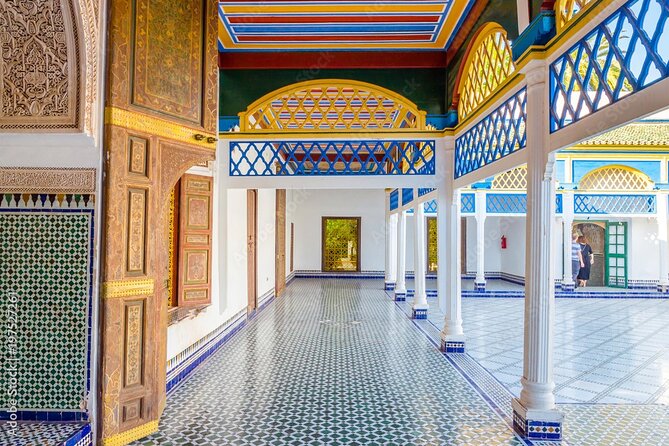
In the afternoon, you pivot into iconic landmarks with a guide. Bahia Palace is one of the best places to understand Marrakech’s love affair with color and geometry—inner rooms, elaborate mosaic work, and those carefully framed details that make you slow down. Then you move through Mellah, the Jewish quarter built in the 16th century, with an option to visit the synagogue (Salat Al Azama). You’ll also pause at Koutoubia Mosque, known for its tall minaret and as a Marrakech landmark.
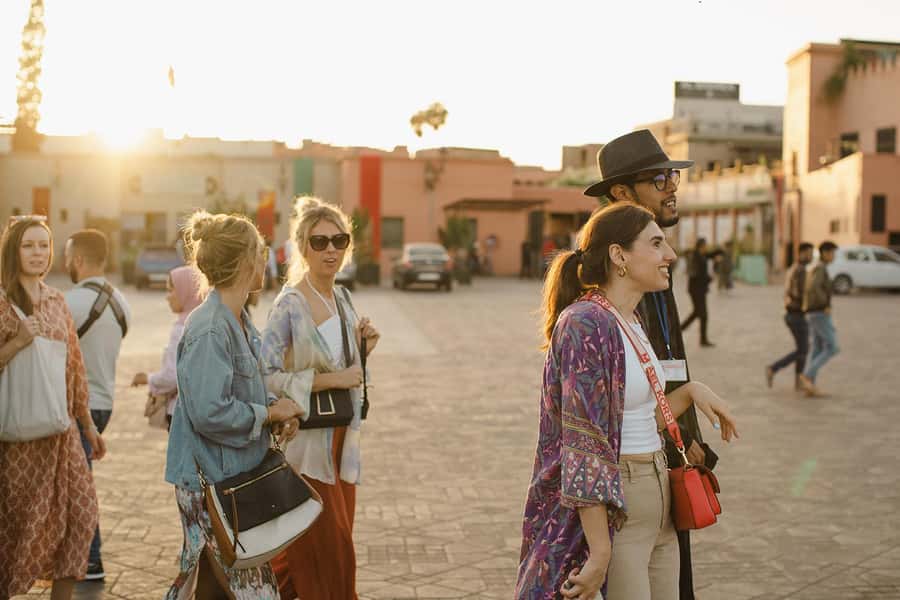
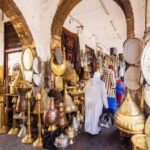
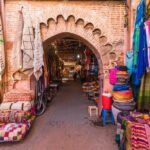
Next comes Jemaa el-Fnaa, the famous square packed with orange juice sellers, snake charmers, water sellers, and henna artists. Finally, the tour enters the medina, where you stroll through markets and small alleys with your guide. This is where the guided part helps the most: you get context and you learn how to move.
A practical note: Jemaa el-Fnaa can feel intense. If you’re sensitive to crowds or constant offers, you’ll still be fine, but take it as a place to watch and then regroup.
The Medina foodie tour, Majorelle Garden, and two museums
Day 3 is a treat if you like food and design. The day starts with a guided foodie walk inside the medina. You meet at one of the old gates and head to a Berber breakfast spot. The food portion is very hands-on: you dip wholemeal bread with argan oil, honey, and amlou using your three fingers. It’s described as a Berber-style spread that tastes like a nut-based sweet you’d recognize, but it still feels unmistakably Moroccan.
From there you sample items from an Arab family stall, including pancakes and puffy bread with olive oil, plus mint tea. You’ll also see a medieval community oven hidden behind a wall—wood smoke in the air, bread baking in a space that feels like it’s been doing the same work for generations.
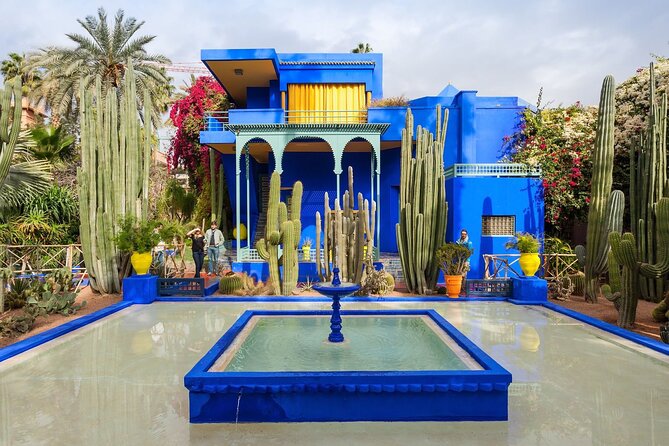
Later, the tour shifts to Jardin Majorelle, the famous garden designed by Jacques Majorelle. You’ll walk paths, see fountains and cactus areas, and listen for the birds that live in the garden’s 12 acres (about 4.9 hectares). The guide time here is short but focused, so it works even if you only want the highlights.
Two museum stops follow. The Musee Berbere Jardin Majorelle houses 600+ objects related to the Imazighen (Berbers), and the Musee Yves Saint Laurent Marrakech brings fashion design into the mix. If you’re not a museum person, you still might enjoy these because they connect to how people in Marrakech think about identity, art, and place.
High Atlas to Imlil and Ouirgane, then Agafay desert camp at sunset
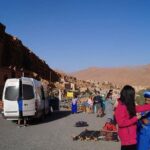
Day 4 starts with a drive into the High Atlas Mountains. You’ll stop for photos with scenery that’s the main event here. Then you reach Imlil, where there’s a stop at a Berber family house for tea and a look at daily life.
At Imlil, you get to choose how you want to experience the village: ride a mule (a local guide helps with that) or take a guided walking visit around the village for photos. The ability to choose is genuinely useful. It means you can match the day to your fitness level and how you feel about animal rides.
Then the tour continues to Ouirgane for panoramic views and lunch. After that comes Auberge Chez Momo II, where you eat local food made with local ingredients. This kind of lunch stop is where the private format pays off. You’re less likely to end up in the wrong place just because it’s the first restaurant you see.
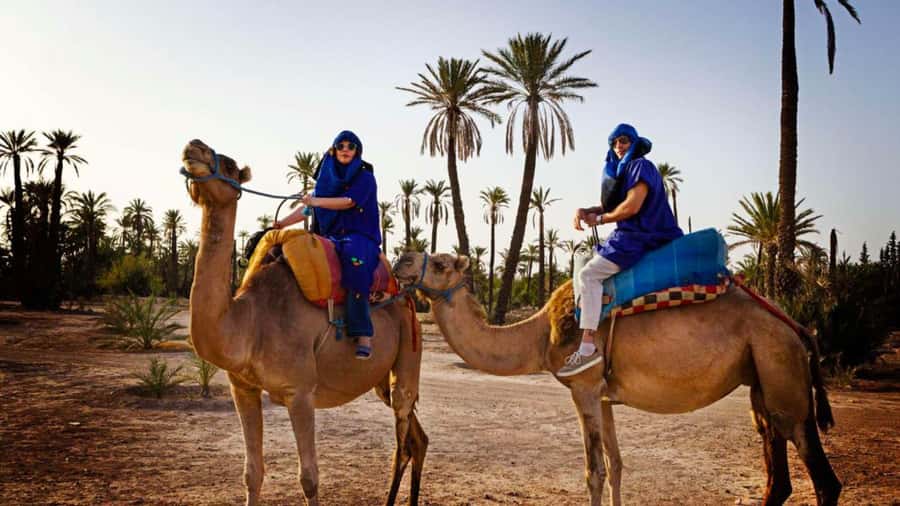
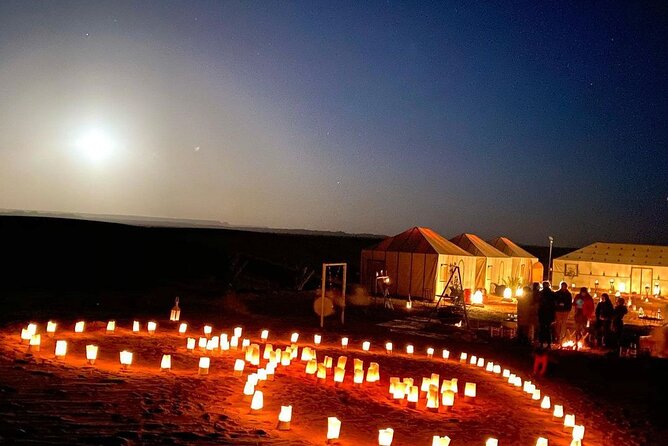
The afternoon and early evening shift into Agafay Desert, a different kind of desert day than people imagine. You’ll have options like camel riding and quad experiences, then settle into the evening. Before sunset—if weather allows—you might catch that special look of a blue sky and a memorable sunset moment. You’ll sleep in a comfortable private luxury tent in a calm camp atmosphere.
One of the best compliments tied to this part: people loved how quiet the camp felt, with a setup that can be limited to about eight tents. That matters. Fewer tents usually means less noise and a better sense of space at night.
Casablanca in four hours: Hassan II Mosque plus film nods
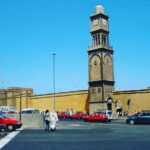
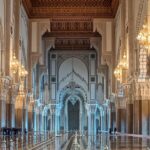
On Day 5 you leave Agafay and head north to Casablanca, arriving around mid-afternoon. Your Casablanca city tour is built around key landmarks, starting with the oceanfront Hassan II Mosque. It’s described as one of the largest in Morocco and Africa, and it’s also known for its height worldwide. Even if you’ve seen photos, seeing it in person tends to put the scale into perspective.
Your stop list also includes Rick’s Café—not as a history lecture, but as a recognizable film connection. There’s also Mohammed V Square, with the pigeons and the sense of daily Casablanca life around the monument. Then you’ll visit Quartier Habous, the old quarter developed during French colonial-era planning, where the architecture and layout feel different from the medina style you’ll have already seen.
Casablanca can be a “wait, that’s it?” city if you rush it without context. This itinerary gives it shape through landmarks, and it keeps you moving at a pace that fits a larger 9-day plan.
Rabat UNESCO stops and Meknes highlights before Fez takes over
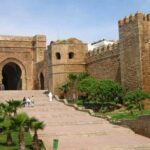
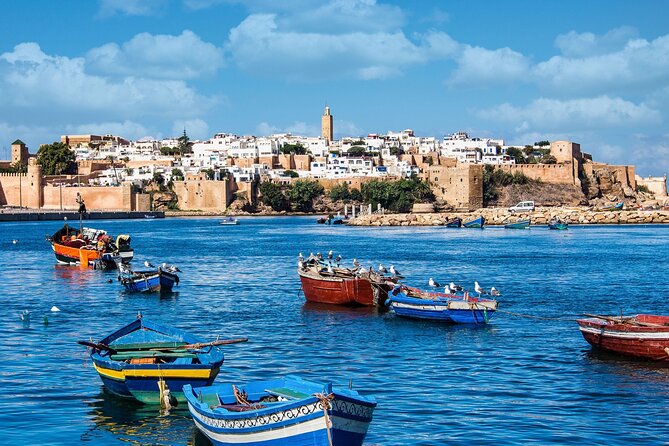
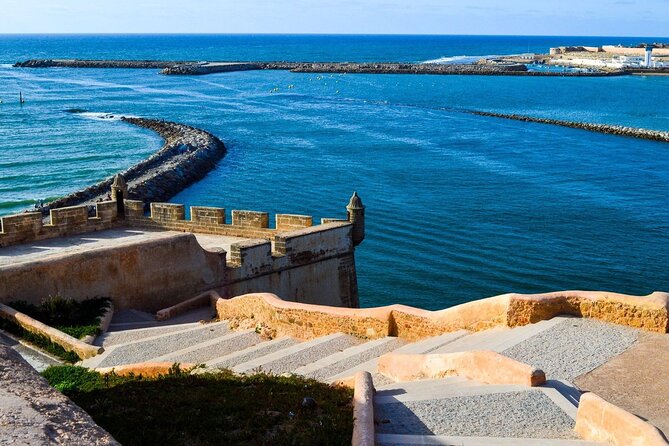
Rabat is a welcome change of rhythm. Day 6 starts with the Kasbah des Oudaias, a UNESCO Heritage site at the mouth of the Abu Regrag River area. It’s partly scenic, partly historical, and it’s meant to help you understand the setting of Rabat rather than only ticking boxes.
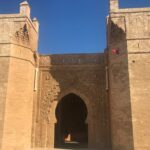
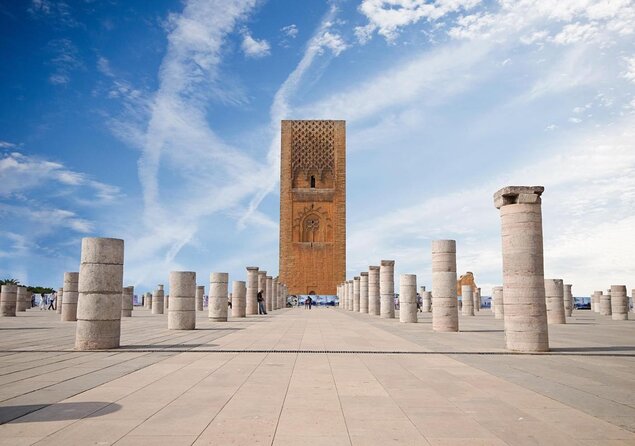
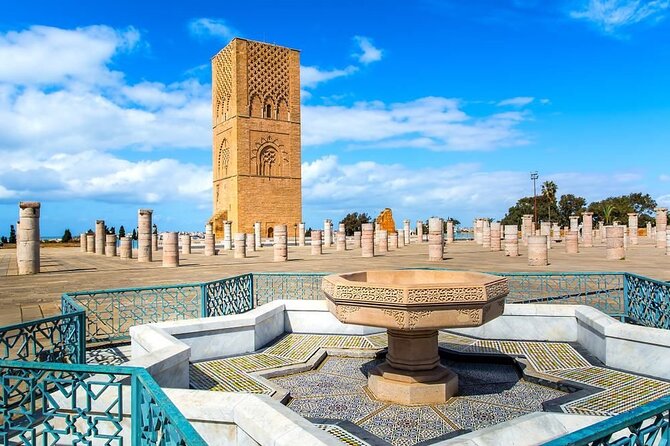
Then come the highlights: the Mausoleum of Mohammed V, the Hassan Tower, and Chellah. Chellah is another UNESCO-listed stop, mixing Roman ruins with a medieval Muslim necropolis—so you see layered time in the same place. It’s the sort of stop that rewards patience, even if your schedule is tight.
After Rabat, you’ll drive to Meknes and stop at major attractions like Bab Mansour and the Moulay Ismail mausoleum. Then you continue to Fez, where you spend the night in the cultural capital.
If you’re wondering what connects these cities: it’s the way Morocco’s past keeps showing up in design—gates, mausoleums, and how people built cities to control movement.
Fez medina: the blue gates, the oldest learning site, and artisan stops
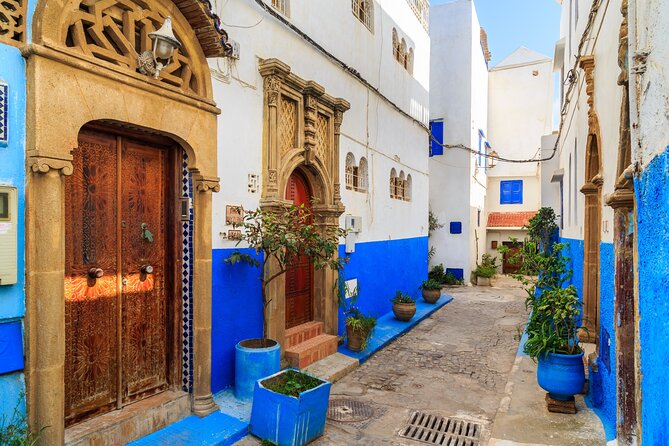
Fez is where your guide time becomes essential. Day 7 starts at Bab Boujloud, one of the city’s best-known gates covered in blue and green ceramics. From there you’ll visit Kairaouine Mosque, also known for its university role and noted as the oldest continuously operating educational institution in the world.
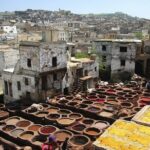
Next, you’ll stop at Fontaine Nejjarine, plus the Nejjarine Museum of Arts and Crafts, where you’ll see traditional tools related to artisanship like carpets, plus musical instruments. Then the tour heads to Chouara Tannery. If you’re curious about leatherwork, this is one of the most famous spots in Fez—but it can also be the most challenging to watch depending on your comfort level. Go slowly and listen to your guide’s explanations about how the process works.
You’ll also visit Art D’Argile, focused on pottery and mosaic designs. Finally, the day ends with Fes el-Bali medina time and an optional hamam and spa arranged by the team. That optional soak is a great way to recover after a day of walking and stairs.
A quick tip: walking in Fez
Wear shoes you can trust. The medina is full of uneven surfaces and lots of short turns. Also, pace yourself—Fez can feel like information overload in the best way.
Volubilis Roman ruins, then your last night in Casablanca
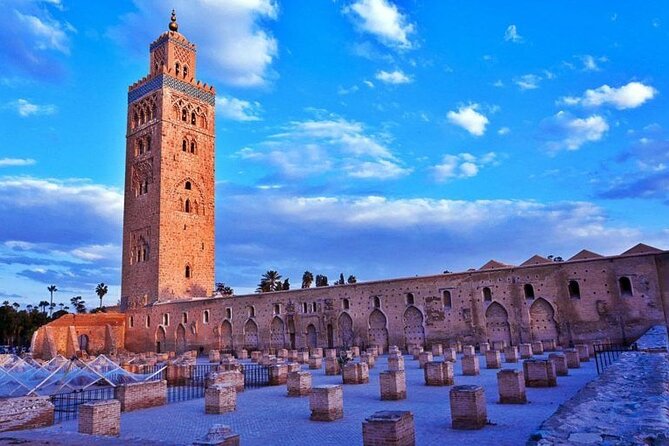
Day 8 adds a different flavor: Volubilis, a Roman site. You’ll have the chance to visit with a local guide, which helps a lot here because it’s easy to look at scattered stones and miss what you’re actually seeing. The stop is short but purposeful, giving you a clear sense of how the ancient world influenced architecture in Morocco.
After Volubilis, you return toward Casablanca for your last night. If your flight timing is in the evening, the tour can take you to the airport.
This last-day flow is practical. You’re not cramming an extra city, and you’re not ending in the middle of sightseeing chaos.
The real value in a $3,355-per-person private route
At $3,355.04 per person, this is not a budget tour. But it is priced like a private, guide-led 9-day circuit with multiple cities and multiple included experiences.
Here’s what you’re paying for, in plain terms:
- Private A/C transportation with an experienced multilingual driver/guide at your disposal
- Included meals: dinner, breakfast, and three lunches
- Included activities that can cost extra on your own, like the hot air balloon and multiple guided entries (the itinerary marks many admissions as included, like Bahia Palace, Majorelle Garden and its related museum stops, and Hassan II Mosque)
You’re also getting “day-structure value.” The guide handles the flow: when to go, what to see next, and how long each stop should feel. For first-time Morocco visits, that can be worth more than squeezing in cheaper transport.
What you should plan for outside the package:
- Tips (not included)
- Personal expenses (shopping, extra snacks, drinks, and anything you choose to add)
A consideration on cost: if you travel solo, private tours can feel expensive compared to public transport. But this route’s combination of medina walking, mountain driving, and desert overnight is exactly where private logistics save energy and stress.
Who should book this (and who might feel cramped by the pace)
This tour makes sense if:
- You want a first-timer Morocco route with major cities and signature sights
- You like having food and culture guidance rather than wandering blindly
- You want a mix of big icons and smaller stops, like craft-related stops in Fez and palace details in Marrakech
- You’re okay with early starts and long travel days
It may feel less ideal if:
- You hate being on the road most days
- You want lots of unplanned time in each city
- You’re not interested in medina walking and prefer only modern malls and beaches
Should you book this Casablanca-to-Fez route?
My take: book it if you want a guided, private “greatest hits” Morocco plan that still includes enough local texture to feel real. The hot air balloon, Agafay desert night, and two medinas with guided walking are the kind of trip pillars that are hard to reproduce well on your own.
If you’re on the fence because of price, focus on what you’d have to DIY: driver, multi-city timing, entry fees for the right sites, plus getting to the right places at the right hours. This itinerary solves those problems for you, using a private vehicle and local guide support where it counts.
And one last thing: pay attention to how you handle long days. If you pack snacks, keep hydrated, and plan for a few slower evenings, you’ll enjoy the momentum instead of being tired by it.
FAQ
Where does the tour start, and what time?
It starts in Casablanca, with pickup at Casablanca Mohammed V International Airport. The listed start time is 8:00 am.
Is airport pickup included?
Yes. On Day 1, your driver will meet you at the exit of the terminal and escort you to your luxury van to begin the journey.
What meals are included?
The tour includes breakfast, dinner, and three lunches.
Is the hot air balloon ride included?
Yes. The Marrakech hot air balloon experience is listed as admission ticket included, with breakfast after landing.
Are sightseeing tickets included?
Some entries are marked as included in the itinerary (for example, the mosque and palace/museum stops listed with admission ticket included). Other parts of the route are listed as free in the plan. If you want to know what costs extra for you personally, confirm based on your exact travel dates.
What kind of transportation do I get?
You travel in a private A/C car or van with an experienced multilingual driver/guide. Wi-Fi is included in the vehicle.
Is this a private tour?
Yes. It’s described as a private tour/activity, meaning only your group participates.
What’s the cancellation window?
Cancellation is free up to 24 hours before the experience start time for a full refund. Within 24 hours, the amount paid is not refunded.
What’s included for overnight in Agafay?
You’ll spend the night in a comfortable private luxury tent in an Agafay camp. The plan notes calm and nice atmosphere.