REVIEW · MARRAKESH
Private Tour: Half-Day Sightseeing Tour of Marrakech
Book on GetYourGuide →Operated by Argania Travel · Bookable on GetYourGuide
Four hours, and Marrakech clicks into place. This private half-day gives you a smart first pass through the city’s big sights, with Koutoubia Mosque and Jemaa el-Fnaa anchoring the experience so you quickly understand where everything sits in the medina’s flow.
I love how the tour blends exterior landmarks with the kind of interior detail you only notice when someone points it out. Bahia Palace is a highlight for its extensive gardens and the specific public sections like the Central Courtyard with marble paving and intricate zellij tiles.
One possible drawback: this is a walking-heavy 4-hour loop, and it’s not suitable for mobility impairments. Add the mask-and-gloves rule during the activity, and you’ll want to plan for a comfortable pace with good shoes.
In This Review
- Key takeaways before you go
- A Four-Hour Plan That Starts in the City’s Icon Zone
- Koutoubia Mosque: Getting Oriented by Morocco’s Biggest Mosque
- Bahia Palace Gardens: Where Marrakech Shows Its Soft Power
- Jemaa el-Fnaa Square: Understanding the City’s Main Stage
- Saadian Tombs: Cedar, Stucco, and Marble Mausoleums
- The Hidden Bonus: Small Stops That Add Real Local Color
- Private Means Pacing You Can Actually Use
- Price and Value: What $95 Buys in Marrakech
- What You’ll Miss If You Do It Alone
- Timing, Shoes, and How to Stay Comfortable
- Which Type of Visitor Should Book This?
- Should You Book This Half-Day Marrakech Tour?
- FAQ
- How long is the Marrakech sightseeing tour?
- What’s included in the price?
- Is food or drinks included?
- What major sights are covered?
- Is this tour private or shared?
- What languages are available for the live guide?
- Where do you get picked up?
- What should I bring?
- Are there any rules during the activity?
- Is the tour suitable for people with mobility impairments?
Key takeaways before you go
- Koutoubia Mosque orientation: you get your bearings fast with Morocco’s largest mosque.
- Bahia Palace public rooms: you’ll see the Council Chamber and Central Courtyard details that most casual passes miss.
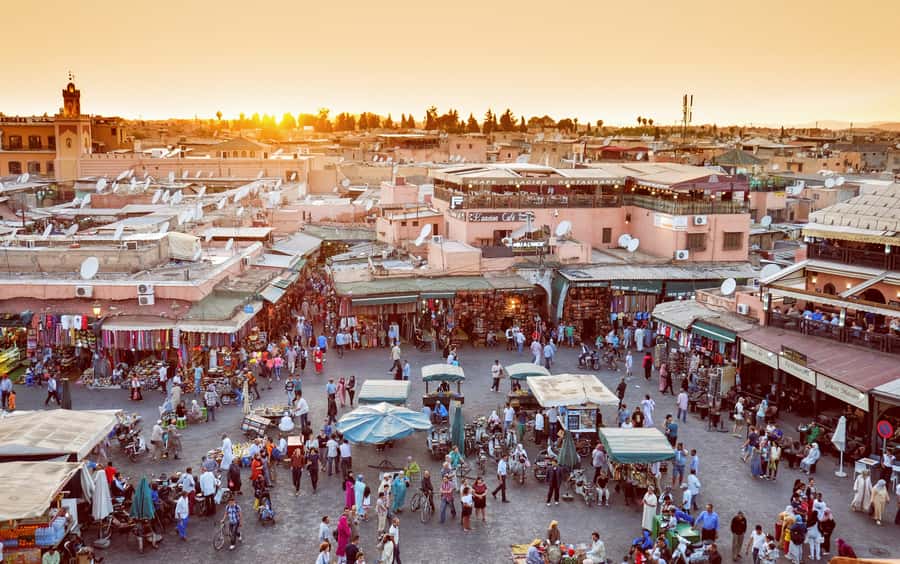
- Jemaa el-Fnaa context: the guide helps you read one of Africa’s best-known squares beyond the spectacle.
- Saadian Tombs craftsmanship: focus on the cedar wood, stucco, and marble mausoleums rather than just the photos.
- Hotel pick-up and private pacing: easier first-day planning, especially if the medina feels chaotic.
A Four-Hour Plan That Starts in the City’s Icon Zone
Marrakech can feel like information overload on day one. This tour keeps the scope tight, so you spend time looking instead of just moving.
Expect a focused loop that moves from the city’s major monuments to its central public square, then finishes with one of the most visually elegant sites in the old imperial era. The payoff is simple: by the end, you’ll know the medina’s main beats and where you can go next on your own.
You can also read our reviews of more private tours in Marrakesh



Koutoubia Mosque: Getting Oriented by Morocco’s Biggest Mosque
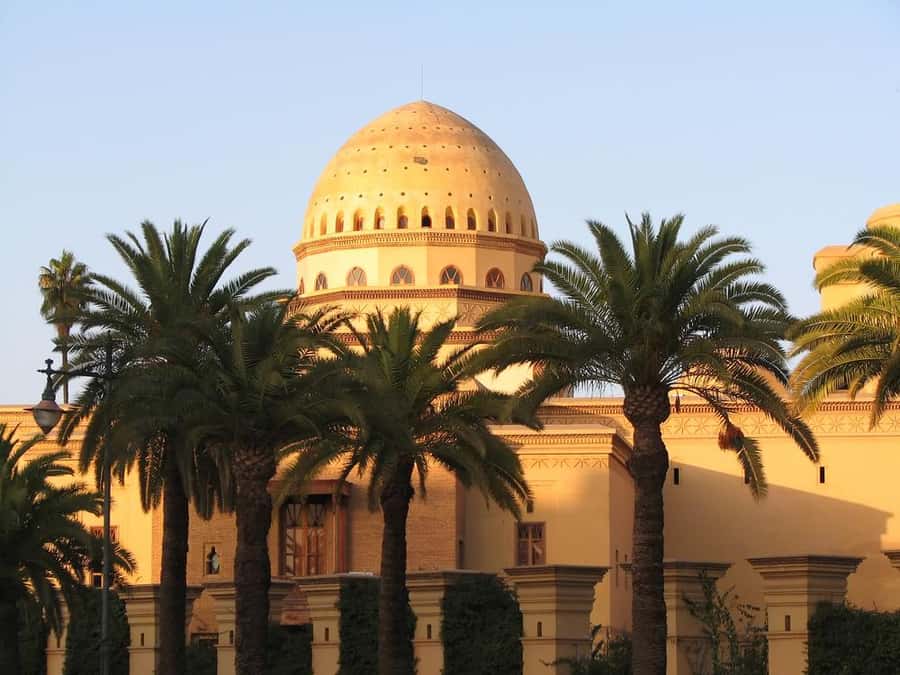
The tour begins with The Koutoubia Mosque, which is known as the largest mosque in Morocco. Even if you’re not going inside (that’s often the case on many short sightseeing routes), the surrounding area is the point: it’s a major visual landmark that helps you map the city.
What I like about starting here is the way it sets scale. From the mosque area, you get a real sense of why Marrakech matters historically and why this part of town became a hub for religious and civic life.
Also, if you’re the type who likes to understand a city before shopping, this first stop is a win. You’re not chasing souvenirs yet; you’re building a mental diagram.
Bahia Palace Gardens: Where Marrakech Shows Its Soft Power
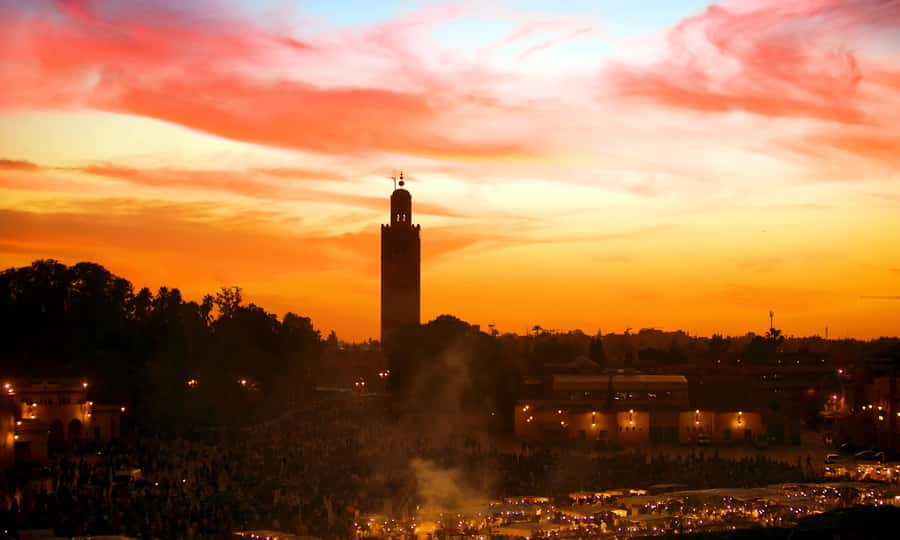
Next comes Bahia Palace, famous for its extensive gardens and for how the place reflects power behind the scenes. Built in the late 19th century by the Grand Vizier of Marrakesh, it’s one of those sites where architecture and politics are hard to separate.
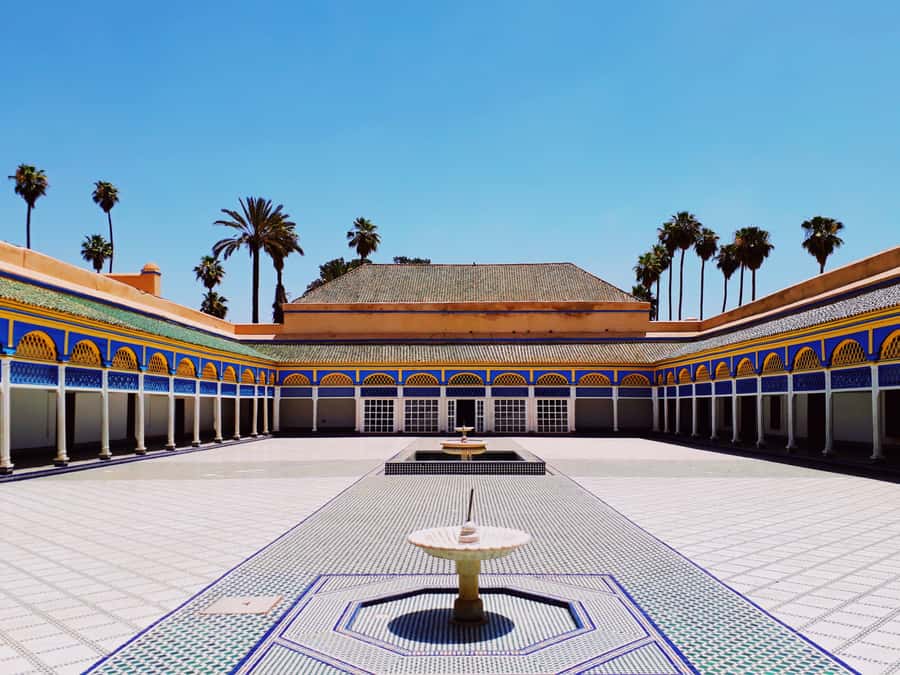
Here’s what makes this stop especially worth your time: you’re not just passing courtyards. The public areas include the Sultan’s favorite concubine apartments, the Council Chamber with tiled walls and an illuminated cedar wood ceiling, and the Central Courtyard.
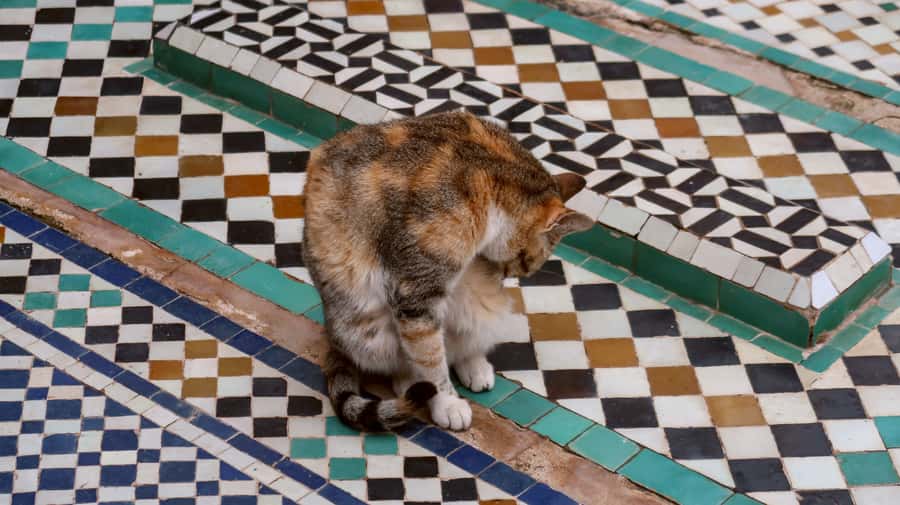
That Central Courtyard detail matters. You’ll see marble paving, intricate zellij tiles, and ornate fountains. It’s the kind of craftsmanship that’s almost impossible to notice fully when you’re walking alone and rushing to the next photo.
Jemaa el-Fnaa Square: Understanding the City’s Main Stage
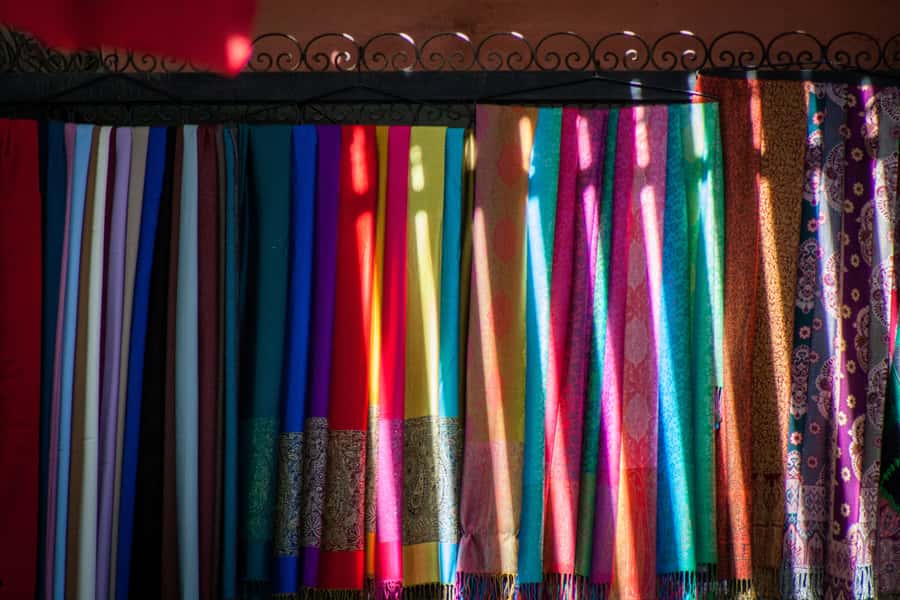
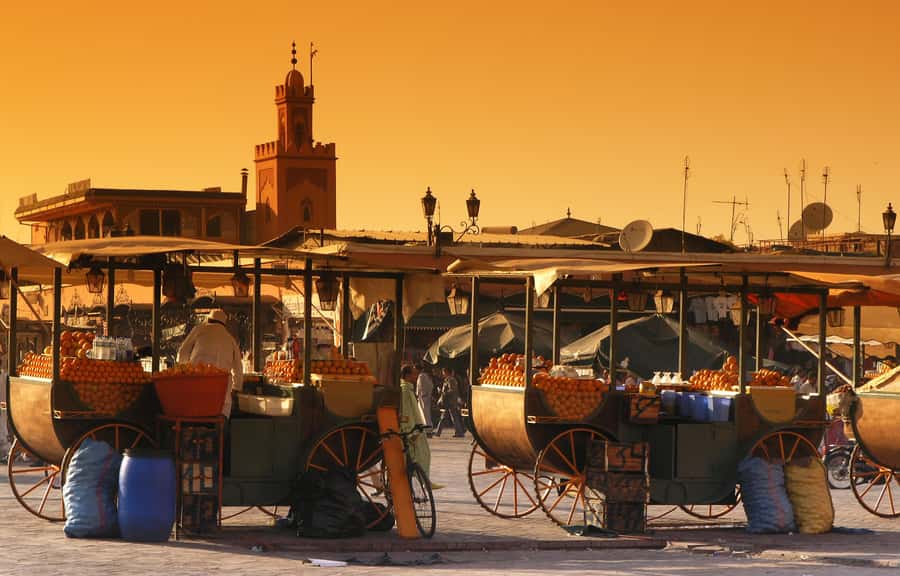
Then the tour brings you to Jemaa el-Fnaa, described as one of Africa’s best-known squares and the center of city activity and trade. This place can look like pure chaos at first. The difference is whether you have context.
I love that your guide doesn’t treat the square as just a photo stop. You get help understanding it as a metaphorical urban icon, a bridge between the past and the present. That framing changes how you see everything around you: the rhythm of the crowd, the street-level commerce, and the way the square functions like Marrakech’s public living room.
If you’re visiting soon after arriving in town, this is a practical choice. You’ll leave knowing what’s happening here, what’s worth a closer look, and what you can comfortably skip.
Saadian Tombs: Cedar, Stucco, and Marble Mausoleums
After the energy of Jemaa el-Fnaa, the route slows down at the Saadian Tombs. These date back to the time of Sultan Ahmad al-Mansu, and the design is the point: pure architectural lines plus delicate decoration in cedar wood and stucco in marble mausoleums.
The tombs include about 60 members of the Saadi Dynasty. That number helps you appreciate it as a complex, not a single monument. You’re looking at a whole statement of lineage and legitimacy, made visible through materials and detail.
This is also where a good guide makes the experience feel less like a stopover and more like comprehension. You notice patterns and materials more quickly when someone explains what you’re seeing and where to focus your attention.
A few more Marrakesh tours and experiences worth a look





The Hidden Bonus: Small Stops That Add Real Local Color
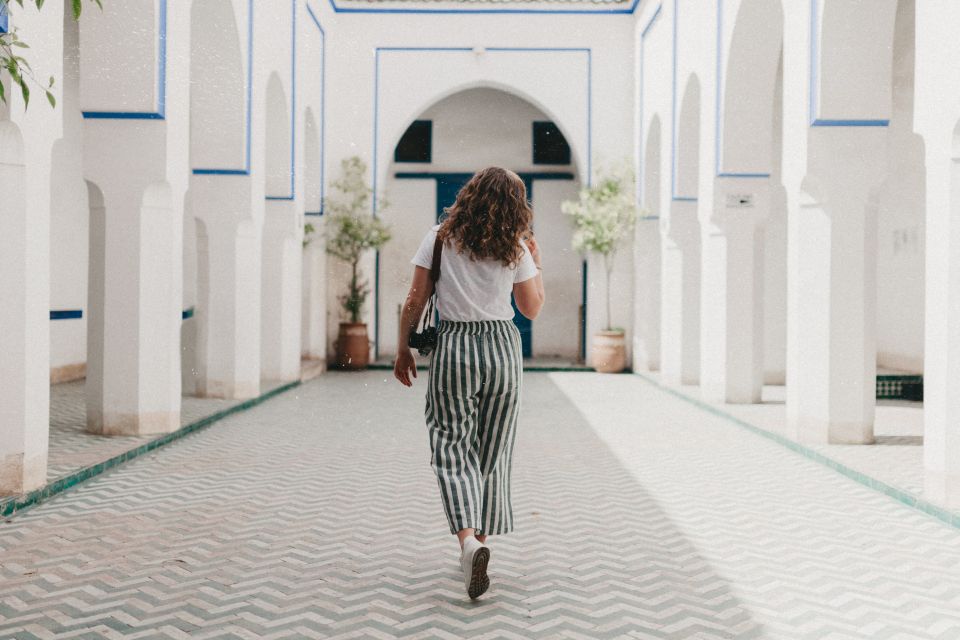
Depending on your guide and exact route, you might also pass through smaller stops that connect the monuments to everyday life. For example, one German-language version of the tour included time around the Souks and even a Qur’an school visit, plus a carpet shop and a herbs shop.
Don’t treat those side stops like distractions. They can help you shift from seeing Marrakech only as monuments to seeing Marrakech as a living marketplace where crafts and traditions still matter.
If you’re not into shopping at all, you can still benefit. Even a quick look helps you understand why certain goods are sold where they are, and how trade and craft culture tie back into the city’s big public spaces.
Private Means Pacing You Can Actually Use
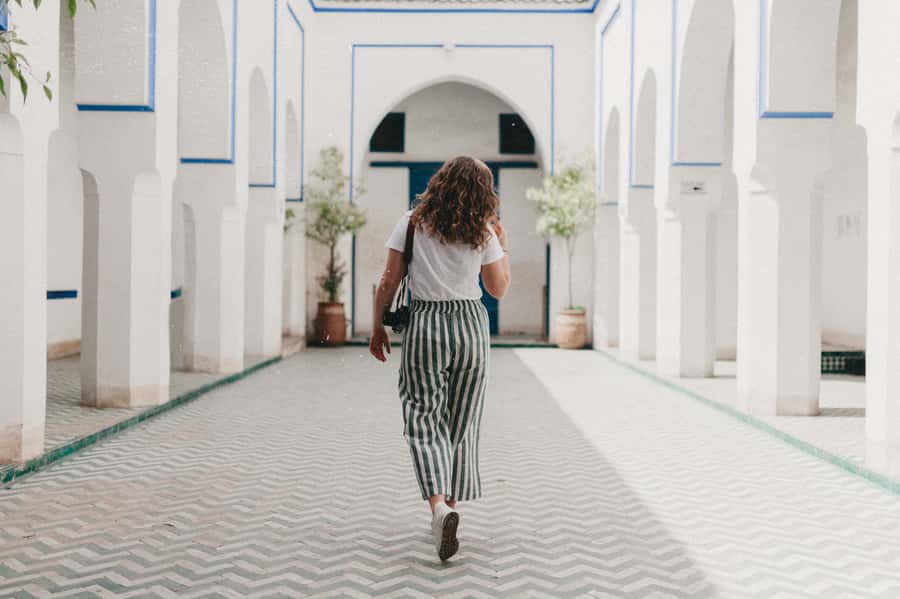
This is a private tour, and that changes the whole math of Marrakech. With a private group, you can ask questions on the fly and adjust pace when the medina turns into a maze of lanes.
It’s also a good choice for families. In a German-speaking experience with the guide Tiab, the tour was described as engaging and easy to follow even for kids. That matters because Marrakech streets can overwhelm younger travelers if the route moves too fast or skips context.
Private also helps if you want to keep your day flexible. You get a focused half-day with hotel drop-off at the end, then you’re free to roam with a clearer plan.
Price and Value: What $95 Buys in Marrakech
At $95 per person for a 4-hour private tour, you’re paying for a few things that add real value in Marrakech: hotel pickup and drop-off, a driver/guide, and the ability to see several major sites without spending hours organizing transit.
Is it a bargain? Not if you compare it to DIY walking only. But value isn’t just cost; it’s time and friction. In a city where getting your bearings can take longer than expected, paying for a guided route can quickly save your energy for the parts you actually want to enjoy.
One more value note: this booking requires a minimum of 2 people, so the best deal tends to be when you travel as a pair or small group. If you’re solo, check whether the minimum requirement affects your options.
What You’ll Miss If You Do It Alone
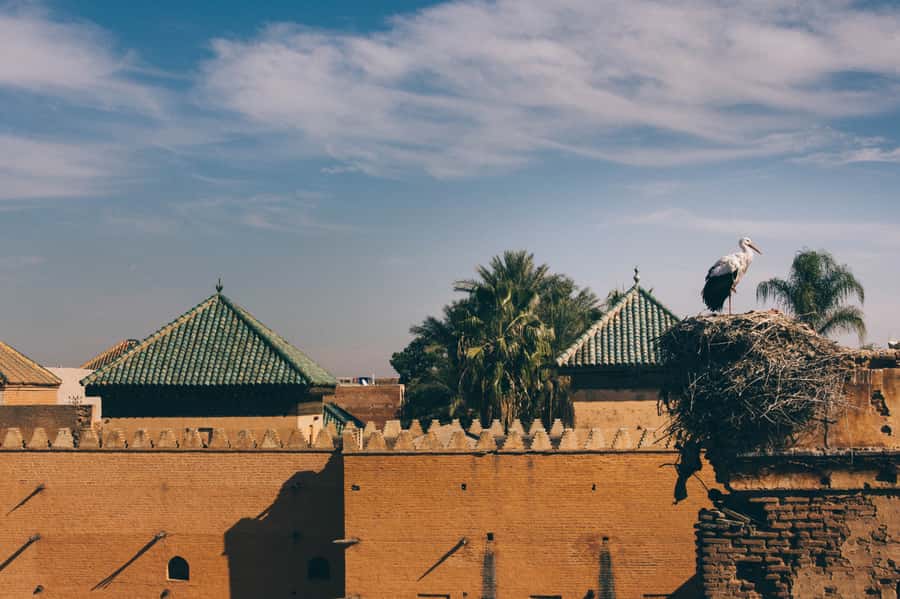
You could absolutely DIY this route. But you’ll likely miss the “why” behind what you see.
For example, Bahia Palace’s specific public sections matter. Knowing about the Council Chamber and its cedar wood ceiling changes your visit from sightseeing into understanding the place’s design logic. The Saadian Tombs are similar: you get more from them when someone directs your attention to cedar, stucco, and the way the mausoleums are arranged.
The square, too. Jemaa el-Fnaa is famous, but it’s also easy to misread without context. A guide can help you understand what you’re seeing in practical terms, so you don’t just get photos, you get comprehension.
Timing, Shoes, and How to Stay Comfortable
This tour runs about 4 hours, and pickup is from your hotel or riad. You’ll be asked to wait in the lobby about 15 minutes before the scheduled pickup time.
What to bring is straightforward: comfortable shoes. Marrakech sidewalks and medina lanes can be uneven, and a half-day doesn’t leave much room for sore feet.
Also remember: smoking isn’t allowed during the activity. And current health precautions include disinfected vehicles and a mask-and-gloves approach during the tour. Face masks are provided and the use is obligatory during the activity, so plan to keep it on and stay relaxed about it.
Which Type of Visitor Should Book This?
This tour is a strong fit if:
- It’s your first time in Marrakech and you want an easy entry route.
- You want a mix of monuments plus city context rather than only one museum-type stop.
- You prefer private pacing, especially with kids or a mixed-energy group.
- You’d like to leave with a better sense of where to head next on your own.
It’s not a fit if you need wheelchair-friendly access, since it’s listed as not suitable for people with mobility impairments.
Should You Book This Half-Day Marrakech Tour?
Yes, if you want a practical first-day plan that hits the city’s major landmarks without turning your schedule into a stress test. For most people, this tour’s real value is how it connects the big sights—Koutoubia Mosque, Bahia Palace, Jemaa el-Fnaa, and the Saadian Tombs—into a coherent story you can keep using after the tour ends.
Book it with confidence if you’re the type who likes structure but still wants time to roam afterward. If you hate walking, or if you need accessibility support, you’ll likely be happier with a different format.
If you want to get oriented fast, then take your own detours later, this is the kind of half-day that makes the rest of your Marrakech feel easier.
FAQ
How long is the Marrakech sightseeing tour?
The tour lasts 4 hours.
What’s included in the price?
It includes hotel pick-up and drop-off, a private tour, and a driver/guide.
Is food or drinks included?
No. Food and drinks are not included.
What major sights are covered?
The tour highlights include The Koutoubia Mosque, the Bahia Palace gardens, Jemaa el-Fnaa square, the Saadian Tombs, and more.
Is this tour private or shared?
It’s a private tour with a private group.
What languages are available for the live guide?
Spanish, English, French, and German.
Where do you get picked up?
Your hotel or riad in Marrakech. You should wait in the hotel lobby 15 minutes before pickup.
What should I bring?
Comfortable shoes.
Are there any rules during the activity?
Smoking is not allowed.
Is the tour suitable for people with mobility impairments?
No, it’s listed as not suitable for people with mobility impairments.