REVIEW · MARRAKECH
Private Sahara Discovery Tour from Marrakech to Fez in 4WD
Book on Viator →Operated by Camel Safaries - Day Tours · Bookable on Viator
A private 4WD route across Morocco beats the usual quick stops. You get the big scenery swings, from High Atlas passes and kasbahs to Erg Chebbi dunes, with a local guide guiding the story behind what you see. I especially like how the tour is built around slow, meaningful moments, not just check-the-box photos. I also like the family-friendly pace for a route this dramatic.
One thing to think about: you’ll spend meaningful time in the car, including a longer Day 4 drive into Fez. If you dislike road time, this may feel like a lot, even though it’s private and you can ask for practical stops.
In This Review
- Key things I’d bet you’ll care about
- Why This Marrakech to Fez Route Works
- Private 4WD, Real Stops, and Why the Guide Matters
- Day 1: Tizi n’Tichka to Aït Benhaddou, Ouarzazate, and Skoura
- Aït Benhaddou kasbah (your first big wow)
- Taourirt Kasbah and Atlas Studios area
- Kasbah Amridil and the Skoura feel
- Day 2: Todra Gorges Walk, Then Camel Trek and Luxury Bivouac
- Todra Gorges and a walk beside the river
- Erg Chebbi dunes, mint tea, and a camel trek
- Day 3: Sunrise Sand, Rissani Market, and Off-Road Dune Time
- Sunrise walk and breakfast with mint tea
- Camel return, fresh shower, then Rissani market
- Off-roading around Erg Chebbi plus Khamlia tea and Gnawa music
- Day 4: Ziz Valley, Cedar Forests with Barbary Apes, and Arrival in Fez
- Leaving the desert via Ziz Valley and gorge stops
- Cedar forests and Barbary apes
- Drop-off in Fez
- Food, Desert Nights, and What to Pack
- The bivouac overnight: why a small bag matters
- Price and Value: Is $1,500 Per Person Fair?
- Who Should Book This Tour (and Who Might Skip It)
- Should You Book It?
- FAQ
- How long is the private Sahara discovery tour?
- What’s the price per person?
- Where does the tour start and where does it end?
- Is pickup included?
- Is this tour private?
- What meals are included?
- Are lunch and drinks included?
- Is there a vegetarian meal option?
- Does the itinerary include a camel ride?
- What should I pack for the bivouac night?
- Is there a recommended booking window?
- Meta Description
Key things I’d bet you’ll care about
- Private 4WD + private guide: your group is the only group in the vehicle and your guide can tailor stops.
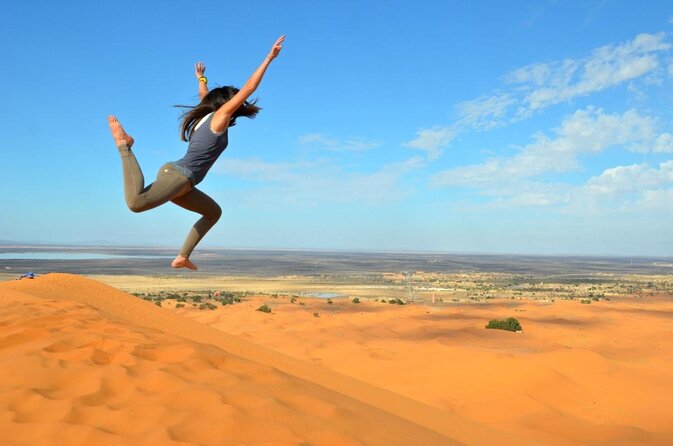
- Erg Chebbi night under the stars: you sleep in a traditional nomadic-style encampment after a camel trek.
- Kasbahs with context: Aït Benhaddou and Taourirt Kasbah aren’t just scenery; your guide puts them in local history and daily-life perspective.
- Day-to-day “scene changes”: High Atlas to rose and Skoura areas, then Todra gorges, then dunes, then cedar forest and Fez.
- Meals are partly handled: dinners (3) and breakfasts (3) are included, with a vegetarian option if you tell the operator up front.
Why This Marrakech to Fez Route Works
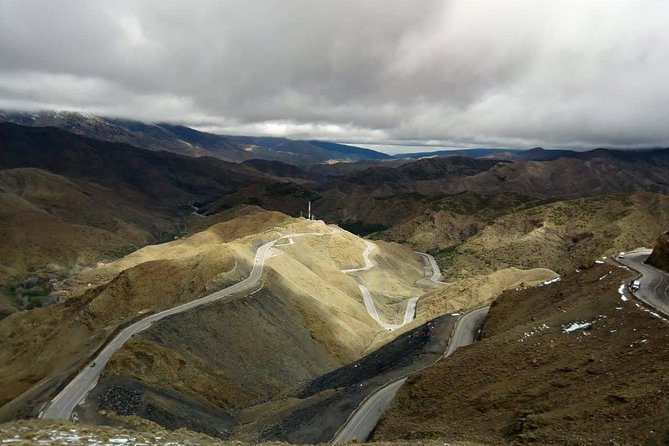
This is a smart choice if you want Morocco’s range without the chaos of constant packing and moving. You start in Marrakech, wind up over mountain passes, then gradually descend toward the desert—so the trip feels like one long, logical journey.
I like that it’s not just “desert, desert, desert.” You see kasbah Morocco (Aït Benhaddou, Taourirt, and Skoura area stops), then gorges, then dunes, and finally the Middle Atlas lead-in to Fez. It’s the kind of route that helps the country click.
The other advantage: you’re not bouncing through the same two viewpoints for every group. The private format and local guide tend to make stops feel more like local travel than a scripted circuit.
You can also read our reviews of more private tours in Marrakech

Private 4WD, Real Stops, and Why the Guide Matters
A 4-day private tour sounds good on paper. In real life, it’s about control and comfort.
With a private group:
- You can ask for practical photo stops without everyone piling out at once.
- Your pace can shift slightly around weather and timing, especially for sunrise and sunset moments in the desert.
- Your guide can explain what you’re seeing in plain language, which matters a lot at kasbah sites and in small village stops.
The guide experience is a big part of why this tour gets such strong feedback. Names that have come up with high praise include Khalid, Mohammed and Mohammed, Joussef, and Rafa. That pattern tells me you’re likely in good hands with someone who knows where to park, what to point out, and how to make the day feel personal rather than transactional.
If you’re traveling with kids, this private format is also a big plus. You won’t be stuck waiting on a large group, and you can manage bathroom breaks and snack timing more easily.
Day 1: Tizi n’Tichka to Aït Benhaddou, Ouarzazate, and Skoura
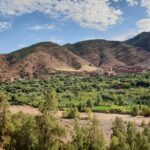
Day 1 is where the trip gives you instant Morocco drama. You drive through the High Atlas, crossing Tizi n’Tichka, and you pass through local villages along the way. That mountain pass is the kind of route where the views keep changing, and it sets the mood for everything that follows.
Aït Benhaddou kasbah (your first big wow)
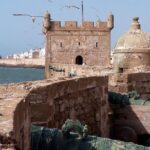
Aït Benhaddou is one of Morocco’s best-known kasbahs for a reason. Here, it’s presented as an “exotic” place you visit after reaching the Ouarzazate area. You’ll get a chance to see the kasbah as more than a film backdrop. Even if you’ve seen photos before, being there in person makes the thick earth walls and layered layout feel real.
Tip for your timing: aim to walk at a steady pace. Kasbahs can be small and winding; if you sprint through, you miss the way the buildings relate to the terrain.
Taourirt Kasbah and Atlas Studios area
After lunch time at the kasbah area, the tour includes a stop near Taourirt Kasbah, with a glance at the Atlas Studios area. Taourirt is tied to the Glaoui Dynasty residence, which helps you understand why this region was historically powerful.
This part is useful if you want a break from pure nature. It adds a culture-and-economy layer: why people invested here, and how the region became a gateway between worlds.
Kasbah Amridil and the Skoura feel
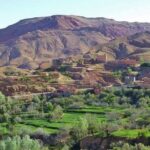
Then you continue toward the Rose Valley region through Skoura Oasis, with a stop at Kasbah Amerhidil in the Skoura River area. This isn’t the “famous postcard” style of Aït Benhaddou; it’s more about atmosphere. You get a different texture of southern Morocco—oasis life, palm shade, and softer scenery before the desert takes over.
If you’re hoping for a day that slows down, this is the one. The stop sequence feels designed to break up long drives with small “arrive and breathe” moments.
Day 2: Todra Gorges Walk, Then Camel Trek and Luxury Bivouac
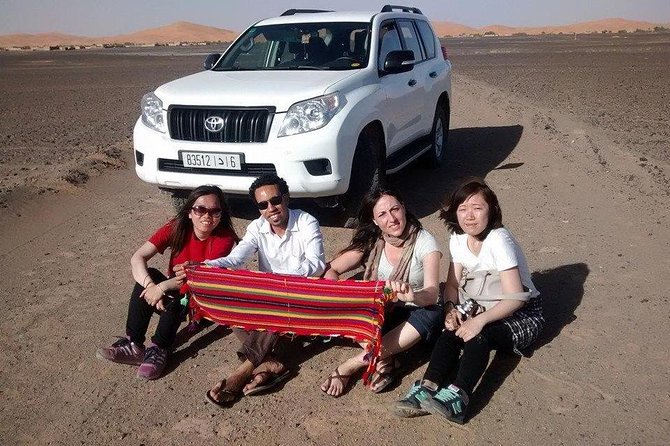
Day 2 is the pivot day: from mountains and gorges into true desert sand.
Todra Gorges and a walk beside the river
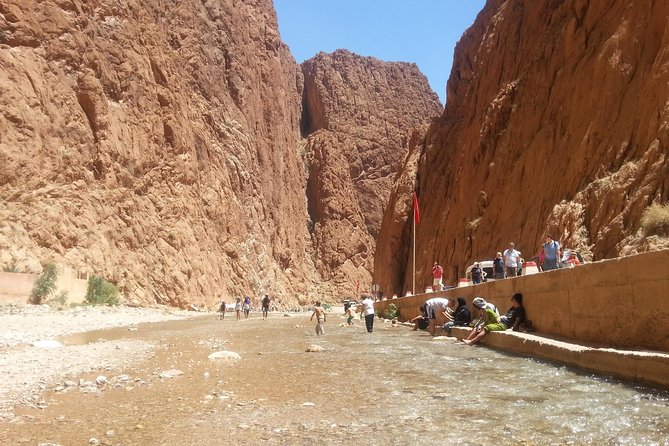
You start with breakfast, then drive toward Dadès Gorges and Todra Gorges. The tour includes a walk and time to explore along the Todra river on your own.
Todra is dramatic in a different way than the kasbahs. Instead of thick walls and earth architecture, you get tall rock forms and narrow space. It’s the kind of stop that feels cooler and more grounded, especially if the day has already started warm.
Practical note: wear shoes you can trust. Even if the walk is short, gorge paths can be uneven.
Erg Chebbi dunes, mint tea, and a camel trek
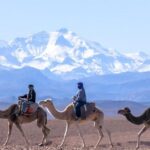
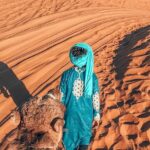
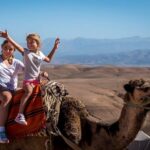
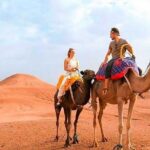
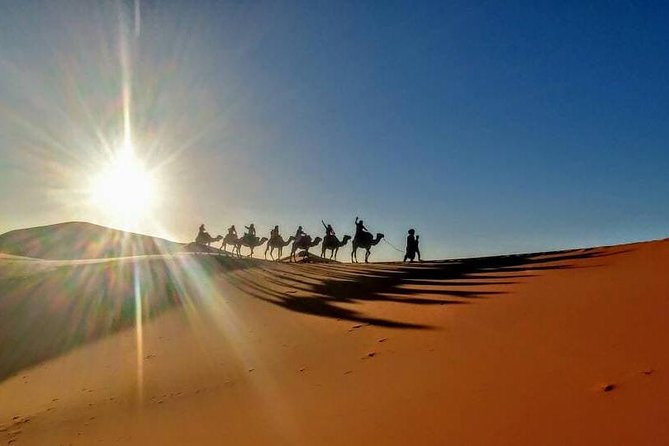
After a mint tea break, you head to Merzouga and then into Erg Chebbi dunes via the Anti Atlas and Tafilalet Oasis. The tour includes a camel trek and an overnight experience in the middle of the dunes.
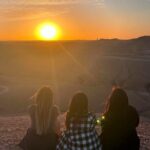
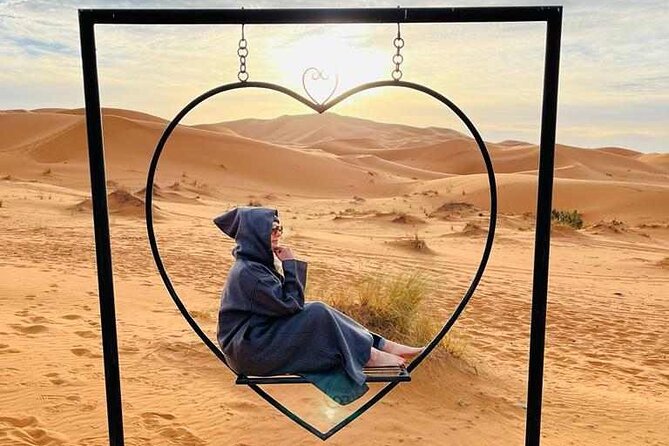
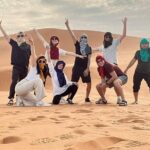
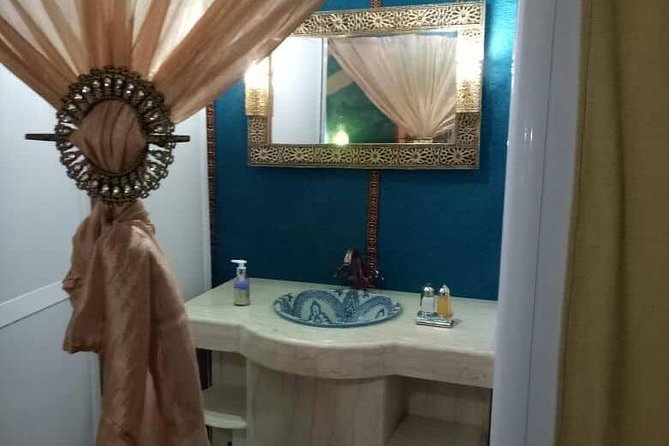
The program also plans for sunset on the dunes, plus a local dinner and a drum party in a luxury bivouac camp. Then you sleep under the stars in a traditional nomadic-style encampment.
That combination is exactly why this route works. You don’t just see dunes from a vehicle. You experience the shift to slower desert time. The camel trek is a reminder that in the Sahara, motion is part of the environment, not just transport.
If you’re sensitive to cold: even in deserts, evenings can feel chilly. Bring a layer you’ll actually wear.
Day 3: Sunrise Sand, Rissani Market, and Off-Road Dune Time
Day 3 starts early, because sunrise in the highest dunes is the point.
Sunrise walk and breakfast with mint tea
You get an early morning walk up for sunrise, then a local breakfast with mint tea. This is a highlight for many people because sunrise turns sand into a changing color map. It’s also calmer than later in the day.
One key advantage here: you’re not doing sunrise from a crowded spot with no breathing room. The tour is designed around a desert rhythm—walk, eat, then move.
Camel return, fresh shower, then Rissani market
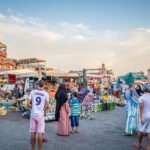
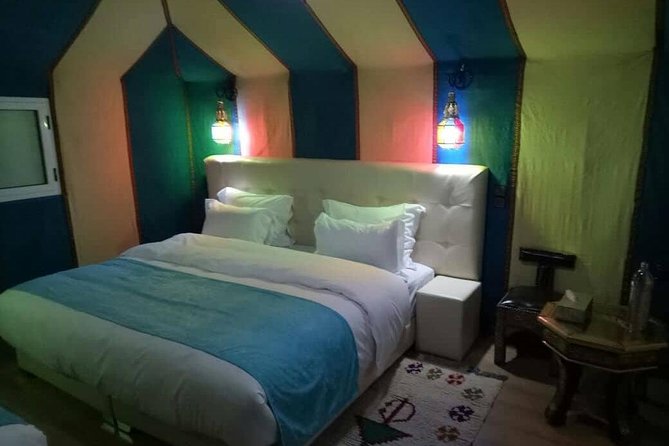
After camel trek time back to the village hotel, you’ll have a fresh shower and rest. Then you drive to Rissani for the weekly local market, where nomads and locals sell animals and local items.
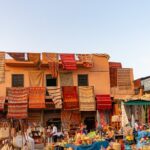
Even if you’re not shopping, markets like this are good for understanding daily life. You’ll get a sense of what people trade, how people move, and what’s important locally.
Lunch is on your own schedule here (lunch and beverages aren’t included), so plan to grab something simple.
Off-roading around Erg Chebbi plus Khamlia tea and Gnawa music
After lunch, the tour uses the 4WD again to explore around Erg Chebbi dunes, including off-roading for a panoramic view. You’ll also stop at Khamlia village for tea with locals, plus the chance to enjoy spiritual Gnawa music.
This is another place where the private format pays off. Gnawa music and desert village interaction aren’t just “watch and leave.” Your guide can help you understand what you’re seeing in context, and that changes the whole feel.
Overnight is at the Kasbah Hotel in the Sahara desert area.
Day 4: Ziz Valley, Cedar Forests with Barbary Apes, and Arrival in Fez
Day 4 is the long, satisfying ride north. It’s also the day you’ll feel the most “end of trip” energy.
Leaving the desert via Ziz Valley and gorge stops
After breakfast, you depart north toward Fez. The drive goes through Ziz Valley oasis and gorge areas, then to Midelt for lunch.
This portion matters because it shows the transition: from sand to greener pockets, from desert patterns to the logic of mountains and forests.
Cedar forests and Barbary apes
On the way you stop in azrou for the cedar forests, where Barbary apes live in their natural environment. You also get time in Ifran later for coffee and a walk.
Even if your focus is the Sahara, these stops keep the day from feeling like pure transit. They also help you reset after two nights in desert conditions.
Drop-off in Fez
You arrive in Fez in the late afternoon and the tour ends with drop-off in the city.
If you’re planning the rest of your trip in Fez, give yourself time to settle. Fez is busy and layered; you’ll want a little decompression after days of driving and sand nights.
Food, Desert Nights, and What to Pack
Food is partly handled for you. The tour includes dinners (3) and breakfasts (3). Lunch and beverages are not included, so you’ll want cash or card ready for meals on the road.
A vegetarian meal option is available if you request it during booking. That’s a big deal on desert-adjacent routes, where it’s easy for diet needs to get lost.
The bivouac overnight: why a small bag matters
For the bivouac overnight, you’re advised to bring a small bag or backpack with your personal items, since the camel carries your essentials. Your main luggage travels with you, but it’s stored and secured at the hotel bordering the desert.
This is practical guidance, not a luxury detail. If you pack heavy, you’ll feel it when you switch to camel and when you move in dune camp settings.
Price and Value: Is $1,500 Per Person Fair?
At $1,500 per person, this is not a budget deal. But it also isn’t a “sit in a bus and hope for the best” trip. You’re paying for a private 4WD route over rough terrain, plus guided time and multi-day transport between Marrakech and Fez.
Here’s what you’re getting that supports the price:
- Private transportation for the full route.
- Private guiding for a more personalized experience.
- Multiple major sights stitched together across regions (kasbahs, gorges, dunes, and Fez approach).
- Dinners and breakfasts included across the trip.
What you’ll still pay for:
- Lunch and beverages are not included.
- If you choose to add extras on your own, those costs are separate.
My take: the value is strongest if you care about comfort, timing (sunrise/sunset), and not sharing the ride with strangers. If you’re okay with group travel and tighter schedules, a cheaper option exists. If you want the Sahara experience on your own terms, this price starts to look more reasonable.
Who Should Book This Tour (and Who Might Skip It)
This tour fits you well if you want:
- A private route with a local guide through the southern and central Morocco highlights.
- A family-friendly style of pacing across a route that can be physically demanding in other formats.
- Desert time that goes past a single photo stop, including camel travel and an overnight camp experience.
You might think twice if:
- You dislike long drives. Day 4 alone is a long push toward Fez.
- You expect a fully walkable “city tour” each day. A big part of the experience is riding and arriving.
Should You Book It?
I’d book this if you want a real Morocco journey from Marrakech to Fez where the desert isn’t a one-hour detour. The combination of High Atlas pass views, kasbah stops like Aït Benhaddou and Taourirt, gorge time at Todra, and a proper Erg Chebbi camel camp night gives you variety without feeling scattered.
Do it especially if you’re traveling with family or you prefer a guide who can adapt the day. Just plan for road time, request the vegetarian option if needed, and pack light for the bivouac with the small bag you’ll actually use.
FAQ
How long is the private Sahara discovery tour?
It runs about 4 days (3 nights).
What’s the price per person?
The price is $1,500.00 per person.
Where does the tour start and where does it end?
It starts at Hôtel Restaurant Café de France on Rue des Banques in Marrakech. It ends in Fez (drop-off in a different location from the start).
Is pickup included?
Pickup is offered.
Is this tour private?
Yes. It’s a private tour/activity, so only your group participates.
What meals are included?
Dinner is included for 3 nights, and breakfast is included for 3 mornings.
Are lunch and drinks included?
No. Lunch and beverages are not included.
Is there a vegetarian meal option?
Yes. A vegetarian option is available if you advise the operator at the time of booking.
Does the itinerary include a camel ride?
Yes. You trade the 4WD for a camel ride before continuing onward.
What should I pack for the bivouac night?
The guidance is to bring a small bag/backpack with belongings for the bivouac overnight, since your camel carries those items. Larger luggage can be stored securely at the hotel.
Is there a recommended booking window?
On average, it’s booked 18 days in advance.