REVIEW · CASABLANCA
12D 11N Private Morocco Tour From Casablanca By Imperial Cities
Book on Viator →Operated by DesertTrips · Bookable on Viator
Morocco turns on fast when you’re not juggling logistics. This private Casablanca-to-Marrakech itinerary strings together the classics: Casablanca’s Hassan II Mosque, blue Chefchaouen, UNESCO Fes, and desert nights near Erg Chebbi. I especially like the built-in pace of local-guided time in key cities, plus the comfort of private driving between regions.
Two other big wins for me are the flexibility for your group (it can be adjusted to preferences) and the way the route mixes cities with real time in mountain and desert settings. The one thing to weigh is that this is a lot of road time, especially as you head toward the Sahara on Day 7, so you’ll want decent energy (and patience) for long driving days.
In This Review
- Key highlights I’d plan around
- Entering the Morocco sweep: why this route works
- Price and value: what about $1,382.65 includes
- Day 1 Casablanca: arrival flow and Hassan II Mosque
- Day 2 Rabat and Asilah: imperial ruins and Portuguese-era walls
- Day 3 Tangier: medina walking plus coastal side trips
- Day 4 Tetouan and Chefchaouen: blue streets with a local rhythm
- Day 5 Volubilis, Moulay Idriss, Meknes, and onward to Fes
- Day 6 Fes el-Bali: the medina you actually need guidance to enjoy
- Day 7 toward Erg Chebbi: cedar forests, ksars, and big road energy
- Day 8 Merzouga desert excursion: more than dunes and photos
- Day 9 Rissani to Todra and Dades: souks, fossils, and canyon walls
- Day 10 Rose Town, Skoura palms, Ouarzazate, and Ait Benhaddou
- Day 11 Marrakech medina and Majorelle Gardens at full speed
- Day 12 the way out: airport transfer and closure
- Should you book this private Morocco tour from Casablanca?
- FAQ
- What kind of tour is this, private or group?
- Where does the tour start, and where does it end?
- What’s included in the price?
- Are flights included?
- Are entrance fees included?
- Is Hassan II Mosque open to non-Muslims?
Key highlights I’d plan around
- Private door-to-door transport so you’re not timing buses between cities
- Local guides used in Casablanca-era stops and in the UNESCO medinas (Rabat, Tangier, Fes, Marrakech)
- Chefchaouen + Tetouan with enough time to walk beyond the most obvious lanes
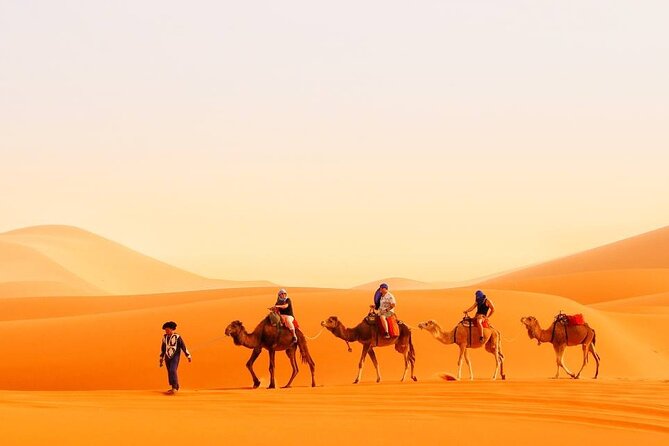
- Erg Chebbi and Merzouga with sunrise options plus desert visits beyond just a camel ride
- UNESCO stops stacked: Volubilis, Ait Benhaddou, and key medina moments in Fes and Marrakech
- Good operator track record in feedback, with drivers named like Omar, Said, Moha, Tariq, and custom planning described
Entering the Morocco sweep: why this route works
This is the kind of trip you choose when you want Morocco to feel coherent. The route runs in a logical arc: north coast (Casablanca/Tangier) → Rif mountains (Chefchaouen) → imperial heartland (Rabat/Fes/Meknes) → deep desert edge (Merzouga/Erg Chebbi) → Atlas film locations and palaces (Ait Benhaddou/Ouarzazate) → Marrakech.
I like that you don’t just “see” places—you get time for the medina rhythm (Fes and Marrakech), the coastal vibe (Tangier and Atlantic Asilah), and the big-sky feel of the dunes. It’s also private, so you can move at your group’s speed, stop for photos, and ask the driver or guide to adjust pacing.
You can also read our reviews of more private tours in Casablanca
Price and value: what about $1,382.65 includes
At about $1,382.65 per person for ~12 days and 11 nights, the headline cost only makes sense when you look at what’s covered. Included are private transportation, airport/port pickup and drop-off, accommodation for 11 nights, and breakfast every day plus three dinners.
You also get local guides in Rabat, Tangier, Fes, and the Marrakech medina areas, and there’s bottled water during touring. Entrance fees are not included, and lunches/dinners/drinks are on your own—so if you prefer to eat only at higher-end spots, budget more.
For me, the value is strongest if you hate the planning stage. The itinerary handles the big travel segments and gives guided time where it really pays off: Fes medina navigation, UNESCO-context explanations, and Marrakech palace/park visits.
Day 1 Casablanca: arrival flow and Hassan II Mosque
Your first day is built around your arrival timing. If you land early, you can get a short Casablanca orientation before hotel check-in. If you arrive late, it’s direct transfer so you can reset.
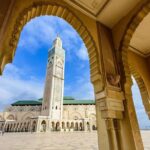
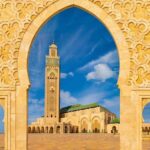
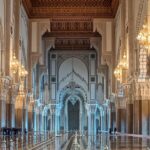
The highlight is Hassan II Mosque, sitting on an Atlantic outcrop. It was inaugurated in 1993, has a famously tall minaret, and it’s one of the rare mosques in Morocco where non-Muslims are permitted to enter. A guided visit helps because the architecture and craftsmanship are easier to understand when someone points out details.
Practical note: the mosque tour is guided, but the admission ticket is listed as not included.
Day 2 Rabat and Asilah: imperial ruins and Portuguese-era walls
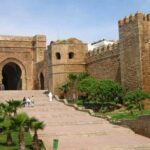
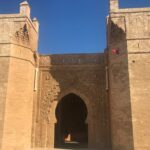
Rabat is a good counterweight to Casablanca. You start with Chellah Necropolis, where Roman and Islamic ruins sit in the same complex, then you head into Rabat’s older core through the Kasbah des Oudaias. The Andalusian Gardens provide a calmer pause, which matters because Day 2 is also a transition day.
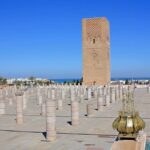
You finish with the Hassan Tower and the Mausoleum of Mohamed V—both tied to Rabat’s long imperial story. The payoff here is atmosphere: fewer tour crowds than you might expect, and a sense of Morocco that feels layered rather than just ornamental.
Then you drive to Asilah. The medina is fortified and still shows traces of Portuguese domination from the 15th century, including the Raisuni Palace area. Overnight in a hotel or traditional riad keeps the “sleep where it happens” feel.
Day 3 Tangier: medina walking plus coastal side trips
Tangier is Morocco’s hinge between Europe and Africa, and it shows. You’ll explore the Medina area and the Tangier Kasbah using a self-guided style route—small enough to make walking manageable, but packed enough to keep you busy.
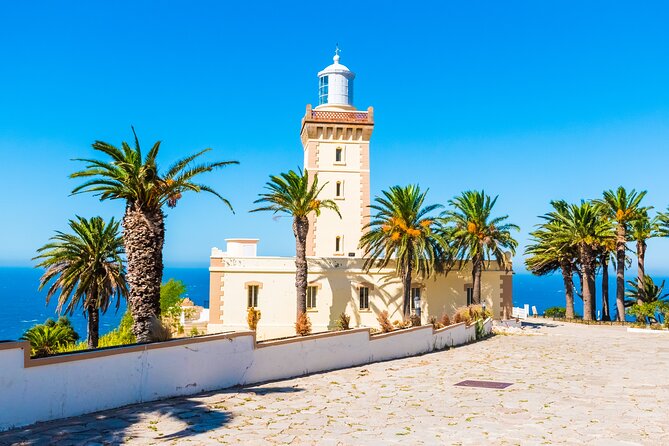
If you want a break from the medina, there’s also optional time for Cap Spartel and the Cave of Hercules (about an hour if you do it fully). The Atlantic skyline framing is part of why this works.
Food-wise, the tour notes a spot around Zoco Chico for a café and people-watching. That’s a good reminder: don’t rush Tangier into a photo contest. Take breaks and let the streets set the pace.
Day 4 Tetouan and Chefchaouen: blue streets with a local rhythm
Tetouan sits at the foot of the Rif Mountains and has a UNESCO-listed medina that feels surprisingly time-stamped. It’s on the way to Chefchaouen, so the route gives you a second medina experience without doubling fatigue.
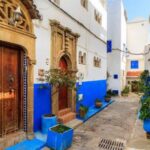
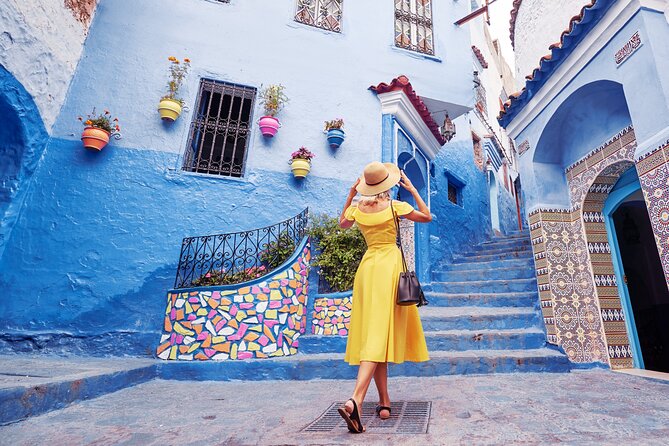
Chefchaouen is the star. After check-in, you get time to explore at your own pace. Outa el Hammam is the main square, and the best tip is to walk the smaller alleys away from the most tourist-forward lanes. You’ll experience daily life in the way you don’t always get in major cities.
Dinner is on your own, so plan for a flexible evening meal. This day is built for wandering.
Day 5 Volubilis, Moulay Idriss, Meknes, and onward to Fes
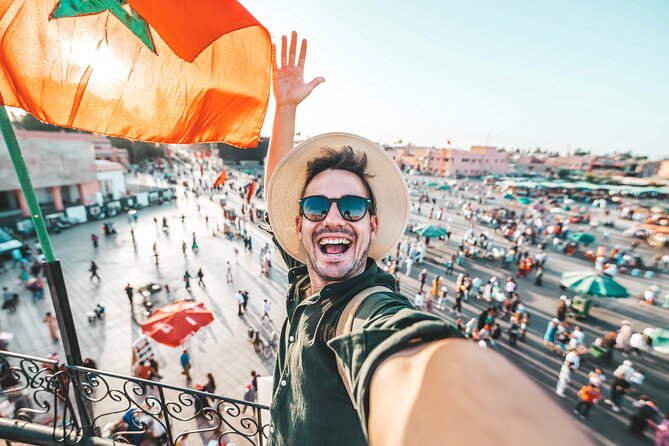
Day 5 is a triple-history day: Roman Morocco, early Islamic power, then imperial gates.
First is Volubilis, a UNESCO site with some of Morocco’s best-preserved Roman ruins. The cool part isn’t only the big structures—it’s the merchant homes, visible heating systems, temples, and mosaics. If you want guides, they’re usually available on the spot.
Then you stop in Moulay Idriss, founded in 789 CE, with a unique round minaret. The name matters here because it links to the Idrisid dynasty story and gives the next days more meaning.
Meknes follows: a less aggressive-feeling medina and strong imperial landmarks like Bab al-Mansour and the Royal Stables. You’ll also see materials reused from Volubilis in some palace construction, so keep an eye out for Roman columns tucked into unexpected places. That little thread makes the whole trip feel more connected.
Night ends in Fes, with your riad inside the medina.
Day 6 Fes el-Bali: the medina you actually need guidance to enjoy
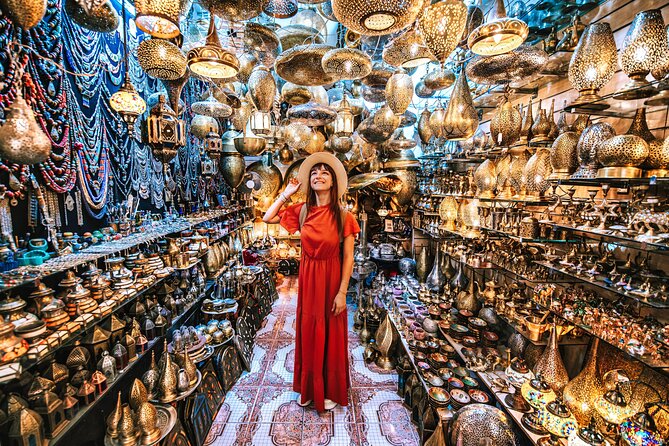
Fes is where this itinerary earns its effort. Fes el-Bali is described as the most complete medina experience, and that’s exactly the issue: if you show up unassisted, you’ll spend more time rerouting than sightseeing.
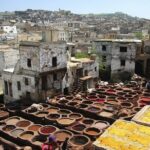
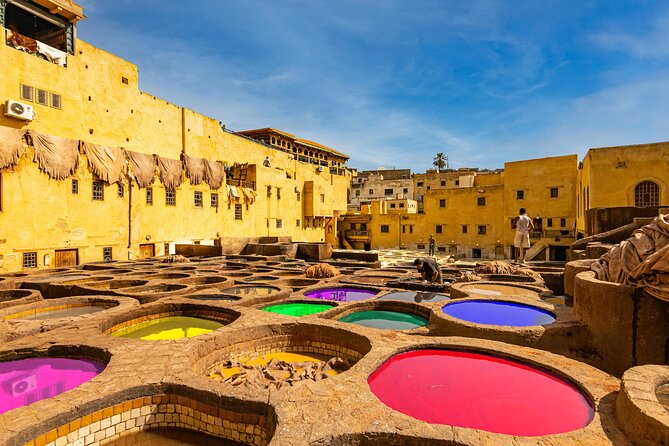
With a guide, you walk along Talâa Kebira, then hit the Chouara Tannery area. The rooftop view of leatherworkers at work is one of the most memorable moments in the plan. You also reach the Al-Qarawiyyin University area (one of the oldest universities in the world), then the Al Attarine Madrasa for Moroccan artisan details.
This is also where the private tour format helps. Your guide can pace you, point out the right streets, and keep you from getting trapped in endless loops. If you love architecture, crafts, and old-city logic, Fes day is the centerpiece.
Day 7 toward Erg Chebbi: cedar forests, ksars, and big road energy
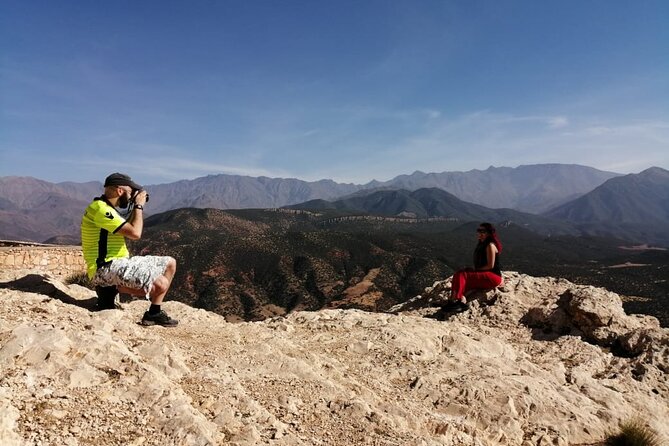
This is the day that changes the trip from city-hopping to “moving through Morocco’s geography.” You start early and cross the Middle Atlas via Azrou and cedar forests. If you detour to Cèdre Gouraud Forest, you can see Barbary macaque monkeys lounging in the trees.
Then you stop for lunch in Midelt, known as Morocco’s Apple City. Midelt sits on a cold, high desert plateau, and that contrast is real—you’ll feel the weather shift as you move south.
After that, the itinerary follows the Ziz Valley. Along the way, you see fortified houses called ksars that merchants used to protect trade goods moving through the Saharan route network.
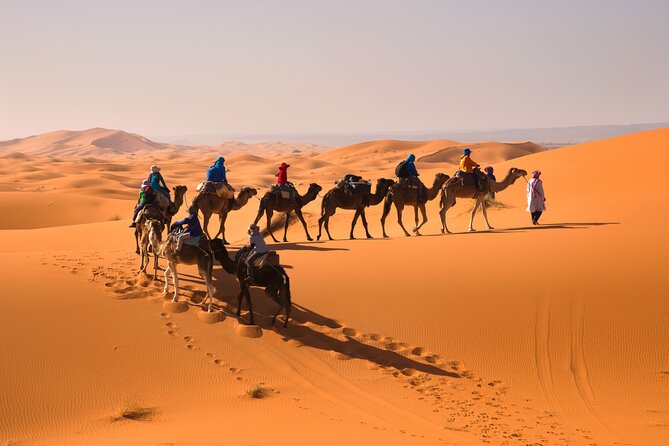
Finally, near Merzouga/Erg Chebbi, the tour positions you for dunes and sunset. If you do the camel ride, you arrive near camp before sunset, then you can climb for that orange light moment over sand. Dinner and a traditional camp night come next.
Day 8 Merzouga desert excursion: more than dunes and photos
Day 8 starts with the option of a sunrise. You then explore Merzouga’s area with a mix of nature, traditional life, and cultural stops.
The plan includes the Merzouga lake area for birds, then a tea visit with nomads and their animals to see how they live. After that, the route goes by the road once used for the Paris Dakar rally, which gives you a fun modern history contrast to the older caravan routes.
You also visit Mifis mines, then head to Khamlia village, where black Berber communities originally from Mali, Niger, and surrounding regions keep music and dance traditions. That’s one of the most “human” parts of desert travel here—less scenery-only, more culture-forward.
This day is long, but it’s structured: you’re not stuck in one spot, and you get multiple types of desert meaning.
Day 9 Rissani to Todra and Dades: souks, fossils, and canyon walls
Leaving the desert world, you head to Rissani. Breakfast comes first, then the route moves toward Rissani’s market and caravan-route legacy. If timing matches, the souk days include Tuesdays, Thursdays, and Sundays—handy for planning your own shopping moments (when you do get free time).
Then you stop in Erfoud for fossil connections. There’s a note about fossil mining and artisan factories, plus an opportunity to visit an artisan collective where you can learn how fossil-rich rock becomes crafted objects.
Next is Todra Gorge with locals via a local information and experience center. Todra is famous for dramatic cliffs rising about 300m on each side and a narrow canyon passage—perfect for that “how is this real?” feeling.
You finish in Dades Valley, with references to rock formations called monkies fingers and mud kasbahs. Dinner and rest follow, so you can recover for the next day’s UNESCO-heavy drive.
Day 10 Rose Town, Skoura palms, Ouarzazate, and Ait Benhaddou
This day is built around a soundtrack of pink, green, and stone.
You travel to El Kalaa Mgouna, sometimes described as Rose Town. The route notes over 400 tonnes of rose petals are picked every spring to make rosewater and for perfume processing, with a rose festival held each May. Even if you’re not there for May, it’s a strong context stop.
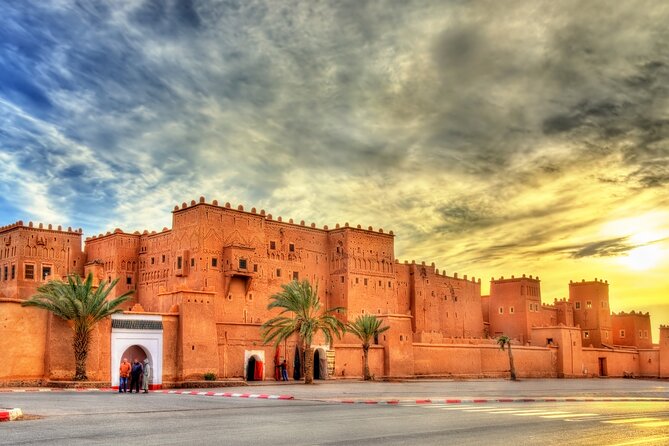
From Rose Town to Skoura, you’ll see kasbahs among greenery in the Dades Valley. Skoura itself is described as surrounded by palm groves with many of southern Morocco’s kasbahs.
Then you head to Ouarzazate, nicknamed Hollywood of Africa, with big cinema studios in Morocco. The tour continues to Ait Benhaddou, a UNESCO World Heritage site and one of the most filmed kasbah locations. You’ll have free time there and lunch in the village.
This is one of those stops where a guide helps you recognize why the town looks the way it does—how the kasbah works as a fortified village rather than just a postcard set.
Day 11 Marrakech medina and Majorelle Gardens at full speed
Marrakech is where the tour delivers the “big city Morocco” moment: UNESCO medina lanes, palace interiors, then Jemaa el-Fna energy after dark.
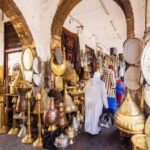
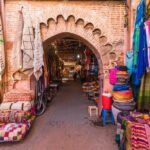
The day starts with a local private guide working the old city around Bahia Palace. You’ll get the maze-like alley feel and souks, plus storytelling that ties together the medina, Souk, and Mellah neighborhoods. That kind of guide context matters because Marrakech can feel like a blur if you don’t know where to aim.
After that, you add the Majorelle Gardens area plus palace highlights like Bahia and El Badii Palaces and the Saadian Tombs (the plan includes these as part of the afternoon flow). Majorelle Gardens were built by French painter Jacques Majorelle and later inhabited by Yves Saint Laurent, which explains why the place feels both artistic and carefully protected.
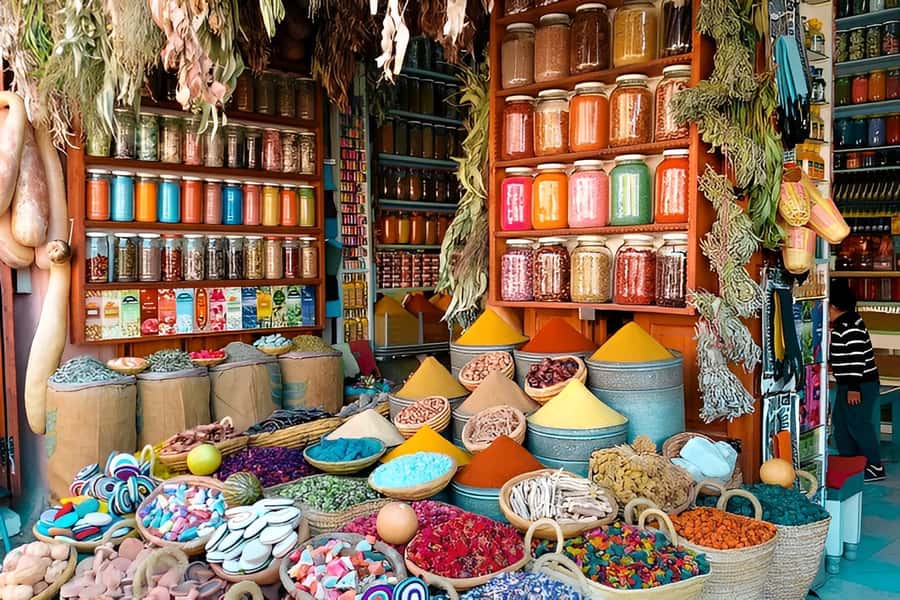
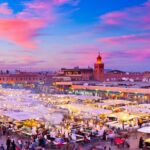
As evening progresses, you’ll reach Jemaa el-Fna, described as alive with musicians, storytellers, acrobats, dancers, and even snake charmers. The tour notes you can eat from stalls or take a calmer meal in cafés above the square to watch the show below.
Entrance fees are listed as not included, so decide in advance if you’re buying tickets at the major sights.
Day 12 the way out: airport transfer and closure
Your tour ends with a driver transfer from your accommodation to Marrakesh airport, with Casablanca airport also mentioned as an option depending on your plan. It’s a clean finish: no last-minute extra sightseeing pressure.
If you’ve been saving shopping or postcards, use your final morning wisely. Once the drive starts, Morocco turns into “on-the-road mode” again.
Should you book this private Morocco tour from Casablanca?
I’d book this itinerary if you want a structured, private Morocco sweep that hits the imperial cities, blue Chefchaouen, and a real Sahara experience near Erg Chebbi. It’s a good fit for couples, friends, and solo travelers who want comfort, guides where they matter, and fewer days wasted on navigation and coordination.
I wouldn’t book it if you hate long driving days. Day 7 in particular is a big switch from city stops to mountain-and-desert transit, and the route doesn’t try to pretend that driving isn’t part of the deal.
One more reason I like it: the operator’s service shows up clearly in feedback. People call out specific drivers by name—Omar, Said, Moha, Tariq, and Hssain—and mention smooth organization and care. That’s the kind of track record that can turn a complex route into something you actually enjoy.
If you’re willing to accept road time in exchange for seeing Morocco’s range, this is a strong choice.
FAQ
What kind of tour is this, private or group?
It’s a private tour, meaning only your group participates.
Where does the tour start, and where does it end?
The tour starts in Casablanca and ends with a transfer to Marrakesh airport or Casablanca airport.
What’s included in the price?
Included are private transportation, airport/hotel/port pickup and drop-off, local guides in Rabat, Tangier, Fes, and Marrakech Medina, bottled water during touring, 11 nights of accommodation (hotel or traditional riad), breakfast (11), and dinner (3). Fuel for the vehicle/driver/guide is also included.
Are flights included?
No. Flight tickets are not included.
Are entrance fees included?
No. Entrance fees are not included (for example, Hassan II Mosque and other major stops show admissions as not included).
Is Hassan II Mosque open to non-Muslims?
Yes. It’s noted that non-Muslims are permitted to enter Hassan II Mosque.