REVIEW · MARRAKECH
Overnight Desert Tour from Marrakech to Zagora
Book on Viator →Operated by Authentic Sahara Tours · Bookable on Viator
Two days, one desert sunrise. This Marrakech to Zagora overnight tour strings together big scenery drives with two desert moments, and it starts with hotel pickup so you are not wasting time figuring out meeting points. You rise over Morocco’s High Atlas on the famous Tizi n’Tichka road, then the day softens into kasbah towns, palm oases, and a night where the sky actually looks like the photos.
My favorite part is the combination of the camel trek at sunset and waking early for sunrise over the dunes. One thing to consider: this is a long haul from Marrakech, so you should be ready for hours of minibus or 4×4 driving before you get to the desert.
4 Key Things I’d Tell You Before You Go
- Tizi n’Tichka pass: one of Morocco’s most scenic mountain crossings, with windy roads and sweeping views.
- Ait-Ben-Haddou stop: a UNESCO-listed kasbah setting that looks cinematic even without a movie set crew.
- Draa Valley palm oases: a break from the road rush, with villages and gardens you can see up close.
- Zagora bivouac night: dinner under the stars, plus the chance to sleep in a desert-style camp.
In This Review
- Road to Zagora: Tizi n’Tichka and Ait-Ben-Haddou on day one
- Draa Valley palms and off-road oasis life in the middle of the drive
- Camel time in Zagora: sunset, dinner, and that night-sky feeling
- Day two in the dunes: sunrise breakfast and a morning camel ride
- Ouarzazate stops: Taourirt Kasbah and the film-studio option
- Transport, group size, and why it affects your comfort
- Price of $406.51: does it feel worth it?
- Who should book this Zagora overnight and who might skip it
- Should you book Authentic Sahara Tours for Marrakech to Zagora?
- FAQ
- What time does the Marrakech to Zagora tour start?
- How long is the overnight desert tour?
- Is hotel pickup included?
- Are camel rides included?
- What meals are included?
- Where do you sleep during the night?
- How big is the group?
- What languages are the drivers available in?
Road to Zagora: Tizi n’Tichka and Ait-Ben-Haddou on day one
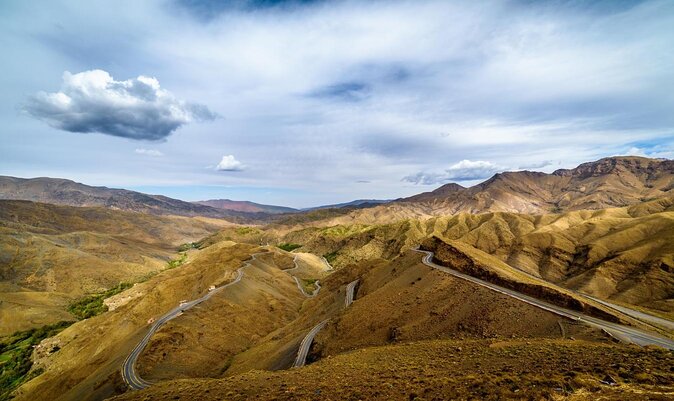
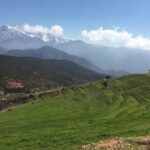
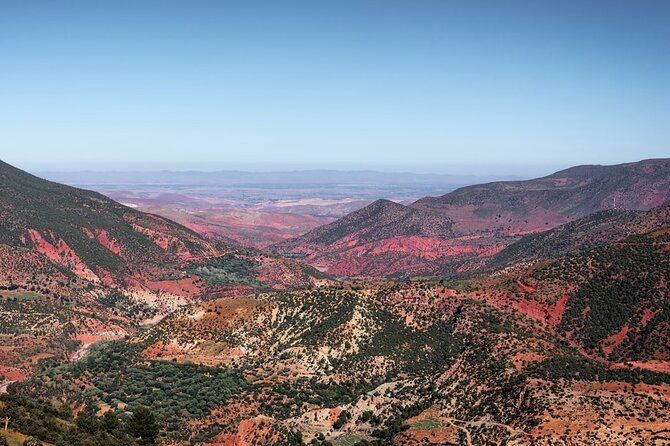
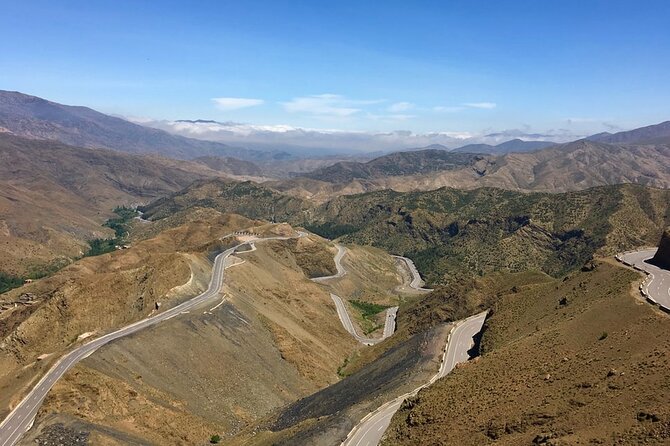
Your day begins at 8:00 am in Marrakech, with pickup from your riad/hotel or the nearest parking lot. Then it’s straight into the High Atlas climb. You cross the Tizi N’Tichka pass at about 2,260 m, and yes, the roads are windy—expect real mountain driving rather than a smooth highway glide.
What I like about this first stretch is that it sets expectations fast. Morocco’s desert isn’t just sand; it’s also roads, passes, and shifting terrain. If you enjoy watching the world change from cooler mountain air to warmer valley air, this part hits the mark.
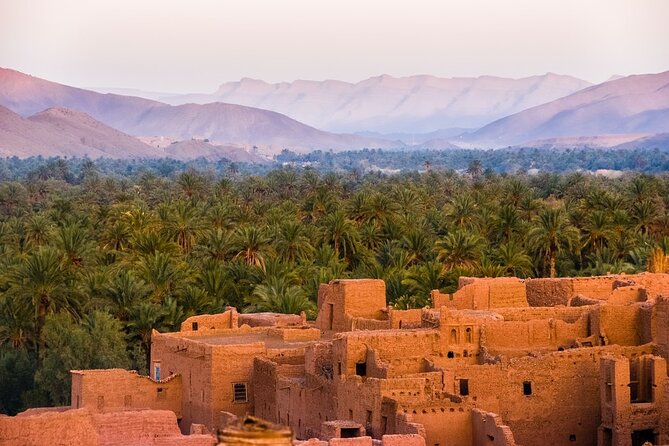
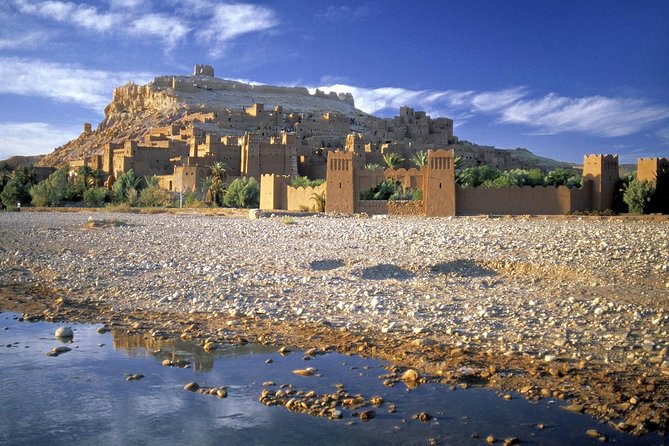
Next comes Ait Ben Haddou, the famous fortified Berber village/kasbah area. This place is known for how the kasbahs glow orange in the morning light, and it’s also a UNESCO World Heritage site. Even if you have seen pictures before, the scale and the texture of the earth-toned buildings land differently in person.
Practically, this stop is built for wandering and photos. You get about two hours, which is enough time to walk around and get your bearings without feeling rushed. The admission ticket is listed as free, which helps keep costs predictable.
Draa Valley palms and off-road oasis life in the middle of the drive
After Ait Ben Haddou, the route continues down toward the Draa Valley via Agdz. The tour includes a break for lunch along the way, but lunch is not included in the price—so you’ll want a bit of cash or card ready depending on what’s available.
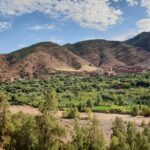
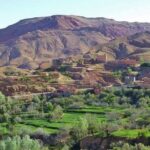
Draa Valley is where the scenery starts to feel more lived-in. You pass villages and gardens and see palm groves that give the journey a different mood than the mountain pass. The tour description also mentions going off-road along an ancient caravan route between the mountains and the river, which is the kind of detail that usually means fewer flat, boring stretches and more “look out the window” time.
One key consideration: this is still a travel day. Even when the valley looks peaceful, you’ll likely be focused on getting from stop to stop. If you are prone to motion sickness, this is where you should mentally prepare. The day is long, and the road changes continuously.
You can also read our reviews of more tours and experiences in Marrakech.
Camel time in Zagora: sunset, dinner, and that night-sky feeling
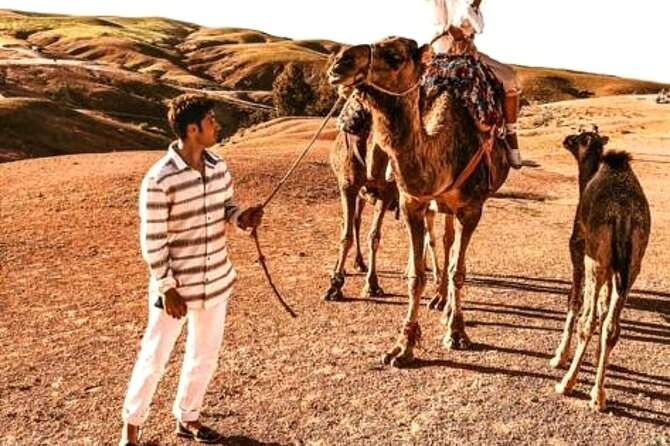
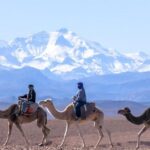
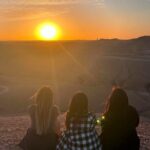
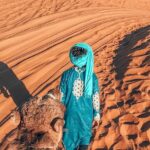
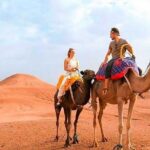
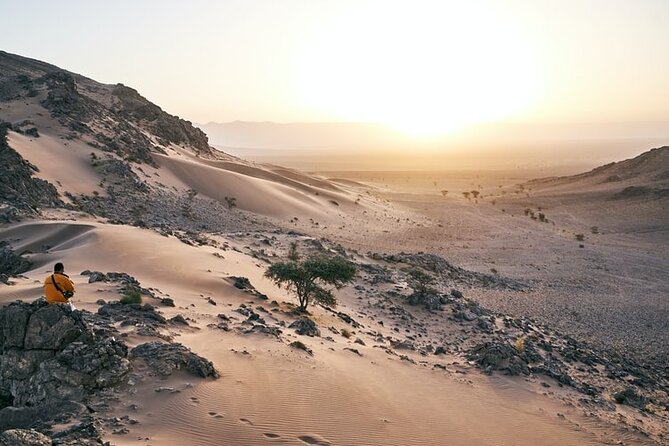
Once you arrive in Zagora, the tour shifts gears from driving to slowly moving. You get dropped off by camels for your camel ride into the desert camp area. The goal here is sunset, and the timing is built so you arrive for that classic desert light when the sky cools and the dunes take on softer color.
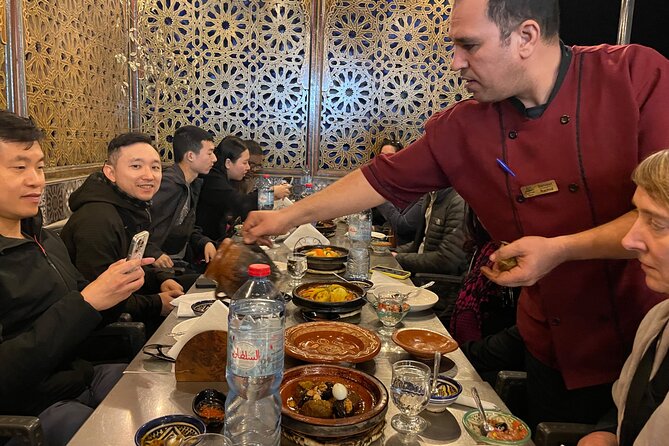
Then it’s into the camp experience. Dinner is included, and the setting is designed to feel like you are away from the city. There’s also entertainment with locals playing traditional folk songs during the evening meal. That matters because it turns dinner into more than just food—it becomes a cultural moment you can watch and listen to.
This is also where the “value” of the overnight becomes clear. For one night, you’re not just paying for a bed. You’re paying for transport from Marrakech, the desert camel segment, dinner, and the overall setup of the overnight bivouac.
Two details to note:
- Drinks are not included.
- There’s a possibility to upgrade to a deluxe camp with an ensuite bathroom/shower in your tent. If you hate basic facilities, that upgrade can be worth it for comfort, not because it changes the magic of the night.
And one more thing: the desert camp atmosphere depends on weather and night conditions. If skies are clear, you’ll get that strong star visibility people travel for. If clouds roll in, the night can feel calmer and less dramatic—but you’ll still have the experience of being out there.
Day two in the dunes: sunrise breakfast and a morning camel ride
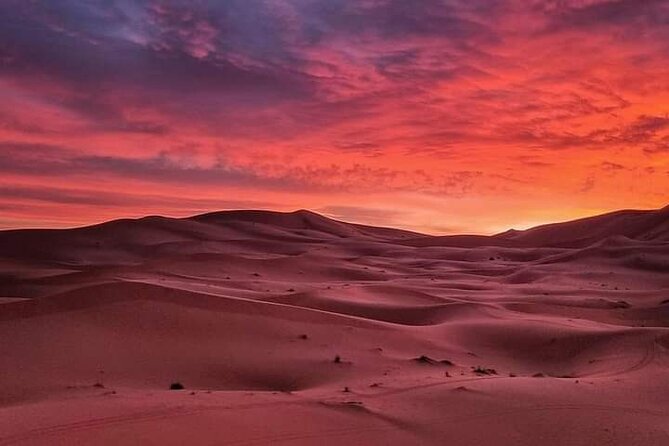
The second morning starts early because the timing matters. You wake up to sunlight rising over the small dunes of the Zagora desert, followed by a typical breakfast in the bivouac.
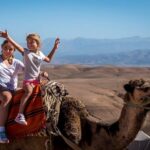
Right away, you get the second camel moment: a morning camel ride before heading back toward your driver. This is the part that makes an overnight tour feel different from a day trip. You don’t just see the desert once; you see it in two lighting conditions and two rhythms—night quiet and morning waking.
Breakfast is included, which helps keep the early start from feeling chaotic. Also, because you are leaving the dunes after the morning camel ride, the rest of day two is more about returning and connecting the route segments back toward Marrakech.
Ouarzazate stops: Taourirt Kasbah and the film-studio option
After the desert segment, you head toward Ouarzazate through the Draa Valley. The route notes include about 164 km of paved road, then you cross the Anti-Atlas, with mention of heart-shaped dunes and a scenic path.
If you have ever wondered why so many movies get filmed in this region, this road portion is one reason. The terrain is dramatic and changes fast, and it makes sense that film crews like a location where reality looks like it was designed.
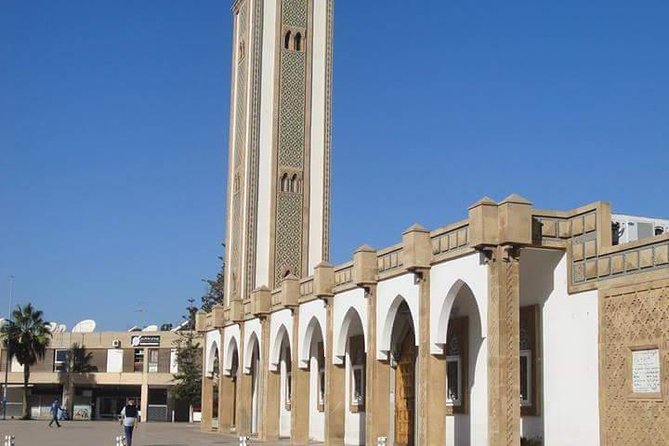
Ouarzazate is where the tour adds a cultural and cinematic angle. You stop for lunch (not included) and then you have the option of a film studio tour, along with visits that may include Taourirt Kasbah and the Musée du Cinema. The Taourirt Kasbah is listed as a visit possibility, and because it’s mentioned as beautifully restored, it’s often a satisfying pause after the desert.
The useful part for your planning: the tour gives this as an optional set of activities. That means you can decide how much museum time you want versus just relaxing and absorbing the city vibe after two travel-heavy days.
Transport, group size, and why it affects your comfort
This is a small-group tour with a maximum of 8 travelers. That’s a big deal because desert tours can turn into noisy, stop-and-go chaos when groups are larger. A smaller group usually means fewer delays, better attention from the driver, and more manageable timing.
Transport is via private 4×4 Land Cruiser or minivan. Which one you get can vary, and it affects comfort: a minivan can feel bouncy on rough stretches, while a 4×4 can feel sturdier on off-road sections. Either way, you’re signing up for a ride that prioritizes route coverage and scenic stops over smooth rides the whole time.
Also, the driver speaks English/French/Spanish. That helps a lot in Morocco where you may want basic explanations about what you’re seeing. And because the tour includes free time to explore places like Ait Ben Haddou and other kasbah areas, you are not trapped in a rush-only schedule.
Price of $406.51: does it feel worth it?
At $406.51 per person for an approximately two-day overnight, the first question is simple: what are you really buying?
Here’s what’s included that usually adds up on separate tickets and logistics:
- Hotel pickup and drop-off
- Transport in a small group (private 4×4 or minivan)
- Dinner and breakfast
- Camel trek plus the overnight in a nomad desert bivouac
- Taxes, fuel surcharges, and service fees included
- Camel ride segments tied to sunset and sunrise
What’s not included:
- Lunch
- Drinks
So the price works best if you want one organized package rather than piecing things together. If you tried to self-drive and then organize a camp overnight plus camel time, you’d spend plenty on transport, coordination, and uncertain logistics.
Is it cheaper than DIY? Not necessarily. But it’s often better value than doing it halfway, like booking a driver one way and then scrambling for a camp. This tour is the full chain: drive, stops, camel rides, meal plans, and sleep setup.
A final value note based on the consistent praise: the camp staff and guides are often the difference between a good tour and a memorable one. In this case, the experience is built around that human element as much as it is around the scenery.
Who should book this Zagora overnight and who might skip it
You should book if you want:
- One overnight that combines mountain roads, kasbah sightseeing, and two desert moments
- A manageable group size (max 8)
- Meals included (breakfast and dinner)
- A tour that does not require you to constantly negotiate logistics
You might skip this one if:
- You strongly dislike long drives and want minimal sitting time
- You want a purely desert-focused schedule with less “road sightseeing” (this tour mixes desert with multiple stops)
- You hate the idea of basic camp conditions without upgrading (the deluxe option with ensuite/shower is there, but it’s an upgrade)
One small reality check: Zagora is different from the most famous dune areas farther east. The experience is still real Sahara time, but the “feel” can vary by region. If you have a very specific dunes fantasy in your head, it helps to set expectations based on where Zagora sits on the map.
Should you book Authentic Sahara Tours for Marrakech to Zagora?
If you want an organized, small-group overnight that gives you both sunrise and sunset desert time, I think this is a solid choice. The day-one mix of Tizi N’Tichka and Ait Ben Haddou is a strong start, and the day-two sunrise routine makes the overnight feel complete rather than like a quick overnight stop.
My main recommendation: go into it ready for the drive. If you treat the trip like a journey (not just transportation), the route itself becomes part of the value. And if comfort matters, look seriously at the deluxe camp upgrade so your night is as pleasant as possible.
If you want one package that handles pickup, transport, camel rides, and two meals with clear structure, this is the kind of tour that makes sense for first-timers in southern Morocco.
FAQ
What time does the Marrakech to Zagora tour start?
The tour starts at 8:00 am in Marrakech.
How long is the overnight desert tour?
It runs for about 2 days.
Is hotel pickup included?
Yes. Pickup is included from your riad/hotel or from the closest parking lot.
Are camel rides included?
Yes. There is a camel ride into the desert camp for the sunset, plus a morning camel ride after sunrise and breakfast.
What meals are included?
Dinner and breakfast are included. Lunch and drinks are not included.
Where do you sleep during the night?
You spend the night in a nomad desert bivouac. There is also a possibility to upgrade to a deluxe camp with an ensuite bathroom/shower in the tent.
How big is the group?
The tour has a maximum of 8 travelers.
What languages are the drivers available in?
The driver speaks English, French, and Spanish.