REVIEW · MARRAKESH
Ourika Valley with Atlas Mountains Day Trip from Marrakech
Book on GetYourGuide →Operated by Ando Travel Ltd · Bookable on GetYourGuide
Mountain air beats Marrakech heat fast. This Ourika Valley day trip takes you into the High Atlas foothills about 1 hour 30 minutes from Marrakech, with stops that feel real rather than staged: the weekly Berber market at Tnin Ourika and the village of Setti Fatma. I especially love the chance to see argan oil extraction from Berber women and the lunch moments near the stream, where the day stops being a bus ride and turns into mountain time.
One thing to plan for: the walk to the waterfalls is not just a stroll. It can be a steep, sometimes slippery climb, and you’ll want solid shoes, not sandals and optimism.
In This Review
- Key points before you go
- Why Ourika Valley Is a smart Marrakech escape
- Getting there in a shared minibus: what the timing feels like
- Tnin Ourika market: see Berber life in an open-air setting
- Argan oil and the Berber house stop: culture, tea, and shopping pressure
- Setti Fatma and the waterfall trail: what “light trek” really means
- Lunch by the stream: how to get value and still feel local
- Price and logistics: does $23 really make sense?
- Who this day trip suits best
- Should you book Ourika Valley with Atlas Mountains Day Trip?
- FAQ
- How long is the Ourika Valley day trip?
- How much does it cost per person?
- What’s included in the tour price?
- Is lunch included?
- Is there a local guide included?
- What language options do you get on this trip?
- Where do you get picked up in Marrakech?
- Do I need a passport or ID card?
- What should I wear or bring for the hike?
- Is the tour wheelchair accessible?
- Is the cancellation policy flexible?
Key points before you go
- Tnin Ourika weekly market: open-air Berber market, often livelier on Mondays
- Argan oil visit: watch how local women extract oil, then decide how you want to handle the showroom side of things
- Mint tea at a Berber house: short, human moment with locals before heading uphill
- Setti Fatma waterfall hike: light trek, but the return climb can feel like a workout
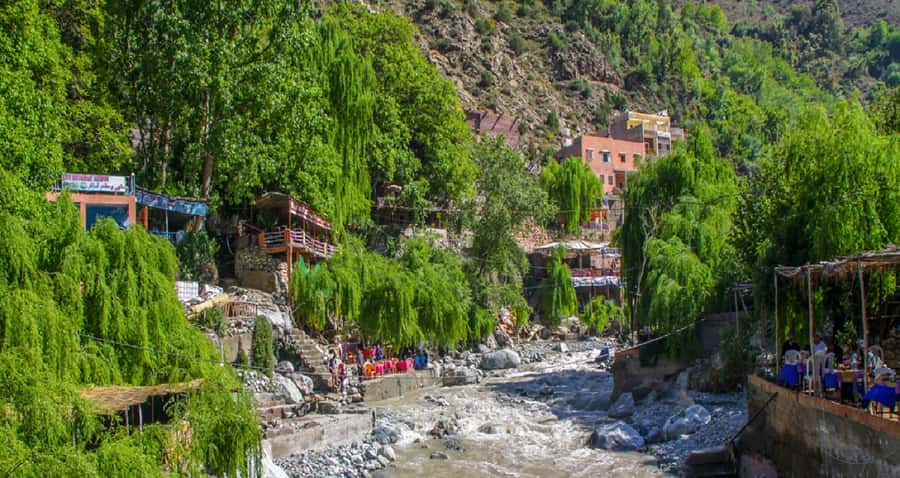
- Lunch by the stream: you eat at your pace in café shade near the water
- Small shared group: pickup and travel in a minibus with an English/French-speaking driver
Why Ourika Valley Is a smart Marrakech escape
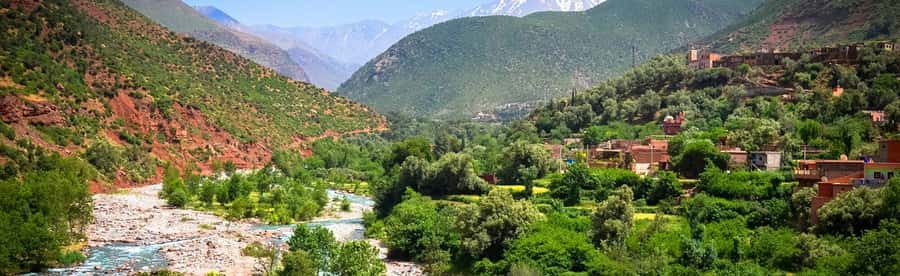
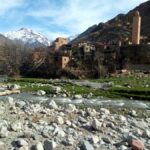
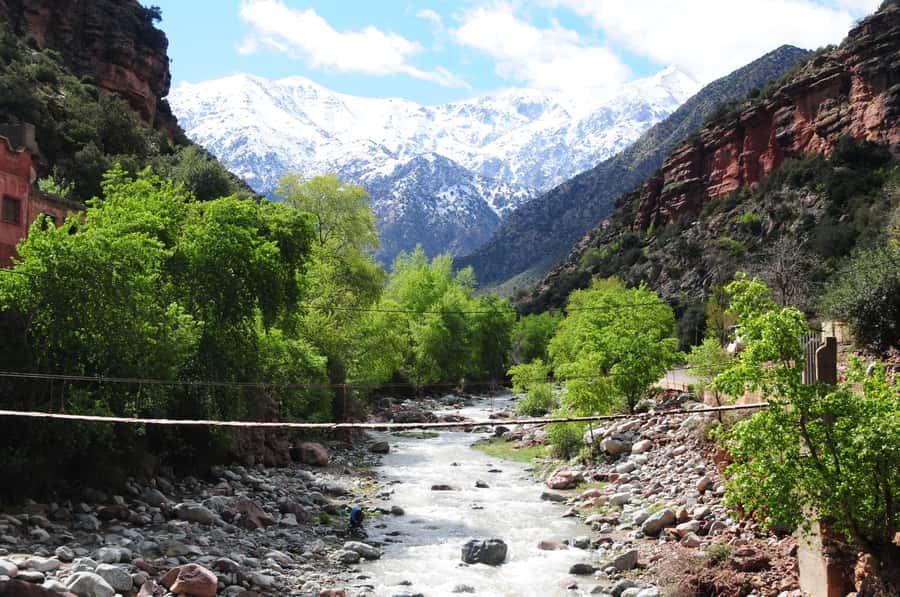
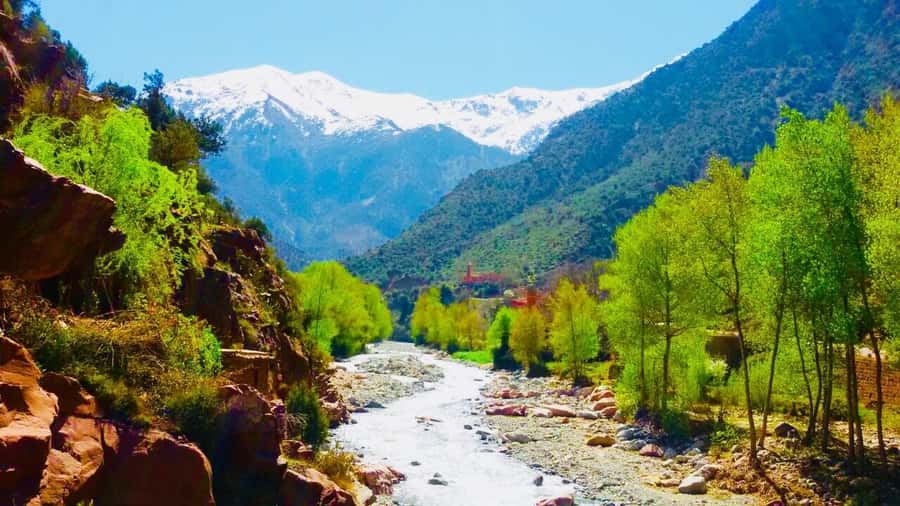
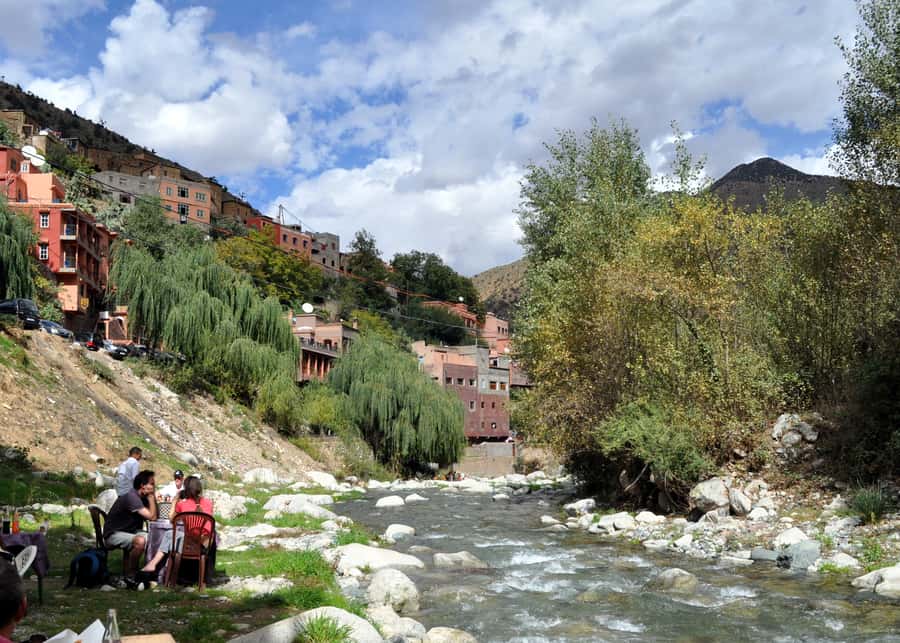
Marrakech is loud. Ourika Valley gives you the opposite: cooler air, water sounds, and a view of the High Atlas that makes the city feel far away. The valley sits at the foothills of the High Atlas Mountains, and that is exactly why it works as a day trip. You get real nature without committing to an overnight trek.
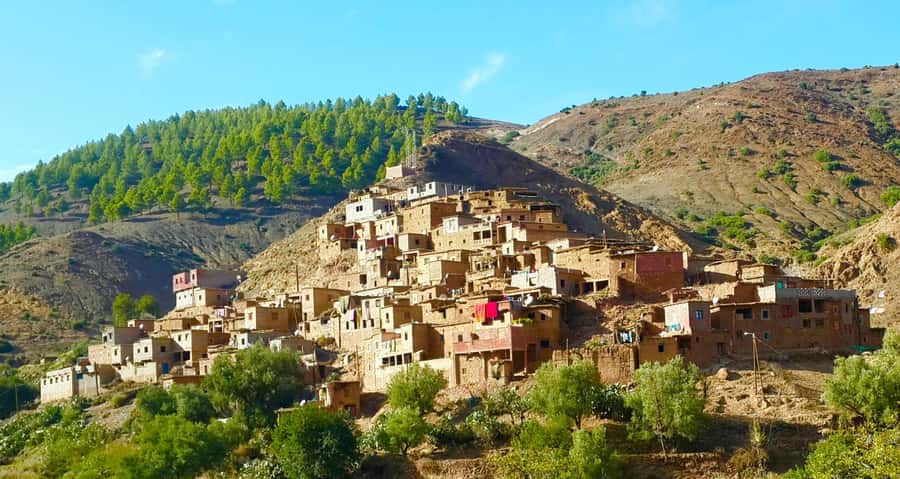
I like that it’s not only scenery. This trip mixes mountains with culture. You’ll spend time at a Berber market in Tnin Ourika, then continue to Setti Fatma, where the trail follows the valley and ends at waterfalls above the village. Even if you only do the “light trek,” it still feels like you went somewhere with purpose, not just took a scenic drive.
There’s also a practical comfort factor. Ourika is a common summer escape for locals because it’s cooler and green enough to make shade matter. If you’ve been sweating through the medina, this is the kind of reset that feels worth the effort.
A few more Marrakesh tours and experiences worth a look
Getting there in a shared minibus: what the timing feels like
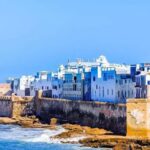
This is a shared day trip with pickup from your riad or hotel, or the nearest accessible point to your place (often around Jemaa el-Fnaa Square). The total duration is listed as 390 minutes, so plan on a full half-day outside Marrakech rather than a quick excursion.
You’ll ride in an air-conditioned minibus. In theory, that’s a big deal in Morocco, and I recommend counting on AC but not assuming it will feel like a perfect hotel. One review mentioned AC not working as expected on the drive, with warm conditions and windows down instead. That can happen with shared vehicles and practical limitations, so pack light layers you can tolerate either way.
Expect a few stops along the way for breaks and views. Guides/drivers on this route tend to use those moments to point out what you’re seeing, and several people praised drivers for being friendly and helpful throughout the day. If you get a driver like Mohammed, Mohamed, Maxim, or Abdelaali, you’re likely in good hands; names like these came up often for clear communication and a smoother ride.
Tnin Ourika market: see Berber life in an open-air setting
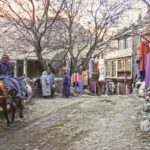
Tnin Ourika is where the day starts to feel different. After about 30 minutes via the Haouz Plains area, you reach the market center, and you get time to explore the open-air Berber weekly market.
A detail that matters for your experience: the market runs every day, but Mondays are much busier and livelier. If you can choose your day, that’s useful information. Busier can mean more energy, more stalls, and more motion. It can also mean more crowding, less quiet time to browse. Either way, it’s not a curated tourist stop. It’s a working market.
What you’re likely to notice is how much is sold and traded that doesn’t look like souvenir production. You might see everyday goods, local foods, and the kind of colorful commerce you can’t replicate in a craft shop. Take it slow. This is where you’ll feel the “outside the medina” Morocco that most first-timers miss.
Argan oil and the Berber house stop: culture, tea, and shopping pressure
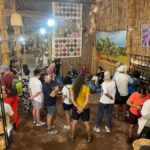
One of the strongest moments on this outing is the visit connected to argan oil. You’ll learn how local Berber women extract argan oil. This isn’t just a quick photo op. It’s hands-on, and it helps explain why argan oil matters beyond the glossy label. You also get a clearer sense of local work and how a traditional product ties into modern demand.
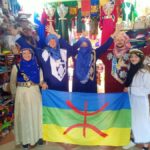
After that, you stop at a Berber house, where you can share a cup of mint tea with locals before heading up to Setti Fatma. This tea moment is often short, but it’s usually the human part of the day—conversation, hospitality, and a few minutes where you feel like a visitor in someone’s world, not a passenger in a tour schedule.
Now for the honest part. Some stops like this can include pressure around donations or buying items. One experience described constant attempts to sell and even following to offer goods when a price question came up. Another mentioned a donation request that felt like you had to give money. You can still enjoy these moments, but go in with your boundaries ready.
My advice: go for the tea and the explanation. If something feels pushy, it’s okay to politely step back. You’re not failing the experience—you’re choosing comfort.
Setti Fatma and the waterfall trail: what “light trek” really means
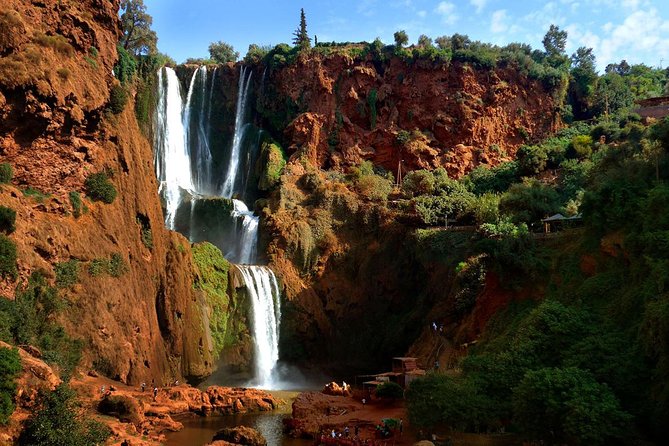
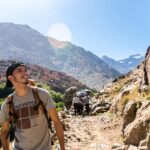
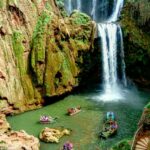
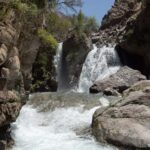
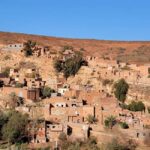
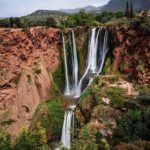
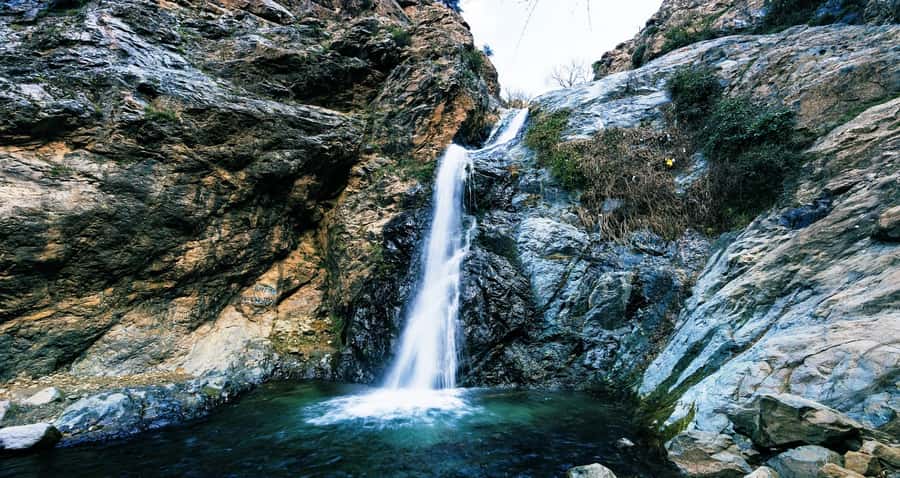
Setti Fatma is where the mountain pay-off arrives. Once you reach the village, the program includes a guided light trek into the waterfalls above the village. Local guides are available for hire, and this is a good option if you want extra help on the steep parts.
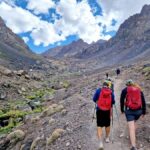
Here’s the key detail for planning: the hike can be more demanding than the words suggest. Reviews repeatedly mention steep climbing, rocky sections, and slippery footing. Even on a day that feels straightforward, you’ll likely use your legs more than you expected.
So wear the right shoes. Several people specifically warned about bringing proper hiking trainers and avoiding sandals. And yes, it can be harder than you think coming back down, but the return to Setti Fatma is where fatigue shows up for many people. One person even praised the guide for helping a steep climb back down, which tells you this route can get technical.
What about crowding? Expect it. Setti Fatma and the waterfall area can be very busy in peak season. One August visit described lots of people on the Friday route, with limited time to simply pause by the water before moving on. If quiet matters to you, go slowly, choose your photo spots, and accept that you might only get a short window of stillness at the falls.
Bring water. That’s not listed as a must-do in the official info, but it comes up in practical advice because you’re walking uphill in Morocco’s sun.

Lunch by the stream: how to get value and still feel local
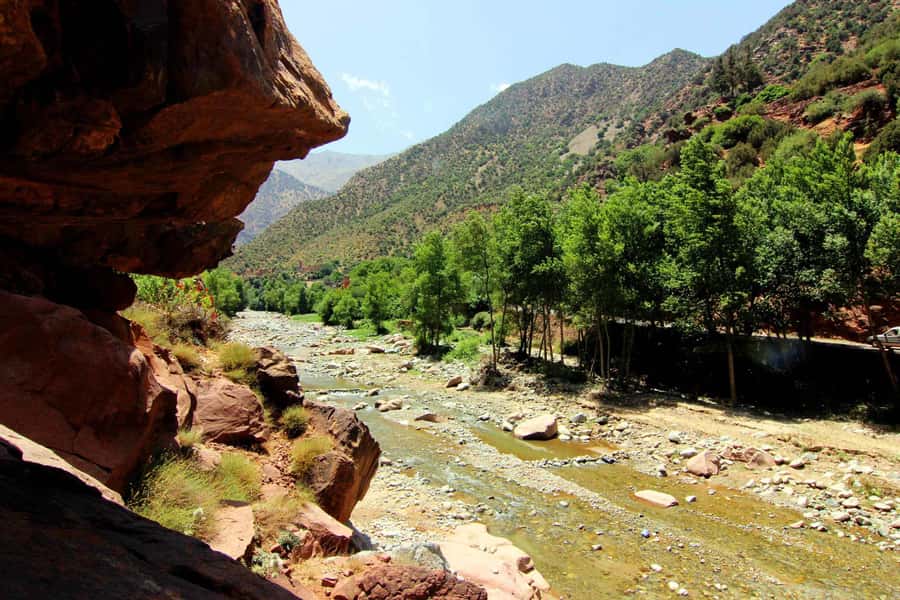
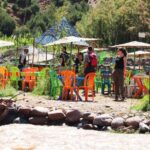
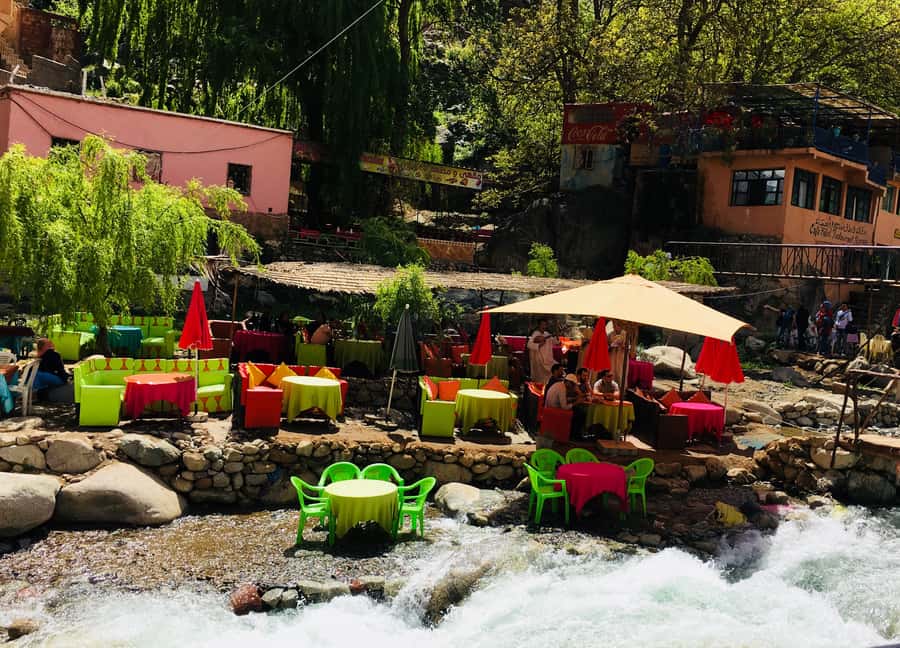
Lunch is not included, which actually gives you more control. After the hike, you return to Setti Fatma and can eat at your leisure in local cafés by the stream.
This is one of the nicest parts of the day because you’re not rushing. The stream setting changes how lunch feels. One highlight described a unique experience of dining sitting at a table right by the water. Another mentioned trying a Berber tagine for lunch, which sounds like the kind of meal that matches the day’s theme.
Now, watch your budget. One experience described a specific restaurant with a set menu that was expensive compared to other options. If you want to keep costs down, you can choose smaller items at cheaper spots—one person opted for pastries and even dipped their feet in the river. That’s a very practical “half-meal” strategy after a hike: eat enough, rest your legs, and keep the relaxed mountain vibe.
My suggestion: look around first, then order. You’re in a valley with multiple café options, and you’ll likely find something that fits your hunger level and your wallet.
Price and logistics: does $23 really make sense?
At $23 per person, this trip is priced like a solid budget option, mainly because your big expenses are handled for you. You’re getting hotel/riad pickup, transportation in a minibus, and an English/French-speaking driver.
The parts that add cost on your own are fairly clear: lunch and any local guide you might hire for the steep sections. If you’re the type who wants maximum support on the trail, add a small budget for that. If you’re comfortable walking and can navigate without extra help, you can keep it simple.
Also, the value isn’t only about the price. It’s about what you cover in a single day: market, argan oil learning, tea with locals, and a waterfall hike. For many people, that mix is what makes the cost feel fair. You’re not just buying a viewpoint. You’re paying for transportation and access to a route most people would struggle to organize on their own.
The one caution is to factor in your effort level. If you’re expecting an easy stroll and getting surprised by the steep hike, you’ll feel the “cost” in fatigue. Treat it as a light hike with real uphill moments, and you’ll get the value you paid for.
Who this day trip suits best
This tour fits best if you want a nature break and don’t mind moving through a real local rhythm. You’ll likely enjoy it if:
- you like mountain scenery and want to see the High Atlas foothills quickly
- you enjoy cultural stops like the Tnin Ourika market and the Berber house tea moment
- you’re okay doing a hike that’s described as light but can be steep and slippery
- you’d rather manage your own lunch instead of taking a fixed set menu
It may not fit if you need a wheelchair-friendly route. The activity is not suitable for wheelchair users per the provided info. It also might be a tough match if you dislike crowds, because the waterfall area can get busy.
If you’re traveling with kids, older relatives, or anyone with mobility limits, you should think carefully. This isn’t built around slow, flat walking.
Should you book Ourika Valley with Atlas Mountains Day Trip?
I’d book it if you want an honest day outside Marrakech that mixes real culture with a mountain payoff. The strongest reasons to choose it are the argan oil learning and the waterfall hike area around Setti Fatma, plus the chance to eat near the stream at your own pace.
I’d skip or modify expectations if you’re not comfortable with steep, rocky walking. Bring the right shoes, expect a workout, and keep an eye on how you handle sales or donation requests at the Berber house stop.
If you’re looking for a budget-friendly day that still feels like Morocco—not a checklist—this one is a good bet.
FAQ
How long is the Ourika Valley day trip?
The duration is 390 minutes, which is about 6.5 hours.
How much does it cost per person?
The price is $23 per person.
What’s included in the tour price?
Pickup at your hotel or riad in Marrakech, transportation by air-conditioned minibus, and an English/French-speaking driver are included.
Is lunch included?
No, lunch is not included.
Is there a local guide included?
A local guide is not included, but local guides are available for hire for the waterfall hike.
What language options do you get on this trip?
The driver speaks English or French.
Where do you get picked up in Marrakech?
Pickup is included at your hotel or the nearest accessible point, often near Jemaa el-Fnaa Square.
Do I need a passport or ID card?
Yes. The tour info says you should bring your passport or ID card.
What should I wear or bring for the hike?
Wear comfortable shoes. The trail to the waterfalls can involve steep and uneven footing, so sturdy footwear matters.
Is the tour wheelchair accessible?
No, it is not suitable for wheelchair users.
Is the cancellation policy flexible?
Yes. Free cancellation is offered up to 24 hours in advance for a full refund.