REVIEW · AGADIR
Agadir: Beginner Surf Lesson – Equipment Included
Book on GetYourGuide →Operated by othman boussarhane · Bookable on GetYourGuide
Surf your first wave without the guesswork. This Agadir lesson is built for newbies, with small-group coaching and a calm, structured route from beach basics to knee-high rides.
Two hours goes fast because you practice on land first, then in the sea with equipment provided. The only real consideration: wave and weather conditions can shift what you can catch, so progress depends on the day.
In This Review
- Key Takeaways Before You Go
- Where You Start on Agadir Beach (and the One Thing You Must Confirm)
- The Beach Phase: Safety Rules, Equipment Fit, and Warm-Up
- Learning Takeoff Timing Starts With Jump Mechanics
- In the Water With Constant Coaching: Why Whitewater Works So Well
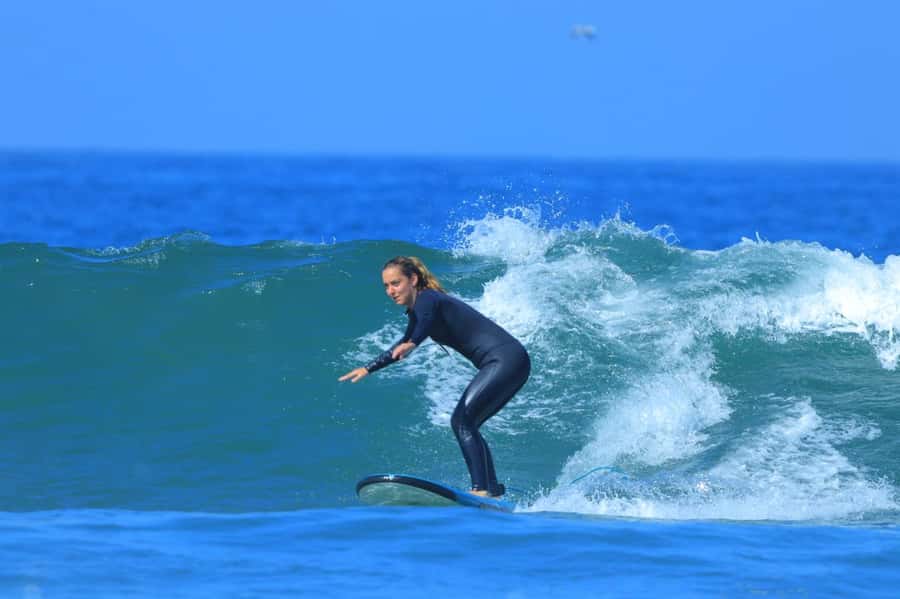
- Catch Your First Waves, Then Try First Right and Left Curves
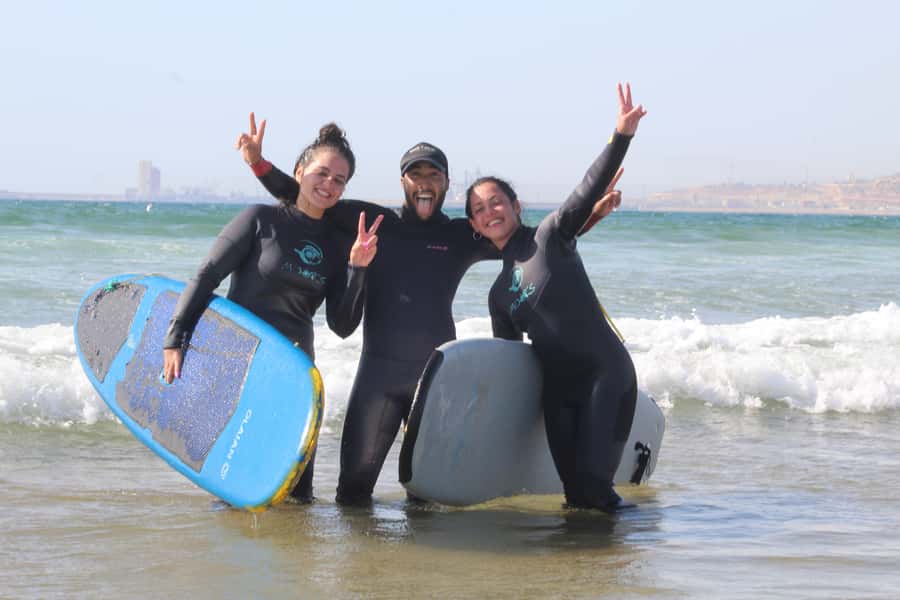
- Small Group, Real Feedback: Coaches Like Othman and Abdel
- Equipment Included for $35: What the Price Buys You
- Weather and Wave Reality in Agadir (and How to Set Expectations)
- Who Should Book This Beginner Lesson in Agadir
- Should You Book It? My Practical Verdict
- FAQ
- How long is the beginner surf lesson in Agadir?
- Where do we meet for the lesson?
- Is surf equipment included?
- Do I need prior surfing experience?
- How big is the group?
- What languages are the instructors?
- What happens first during the lesson?
- Do beginners practice on land before going into the water?
- What kind of waves will beginners surf?
- Are professional action photos available?
- What info do I need to share before the lesson?
Key Takeaways Before You Go
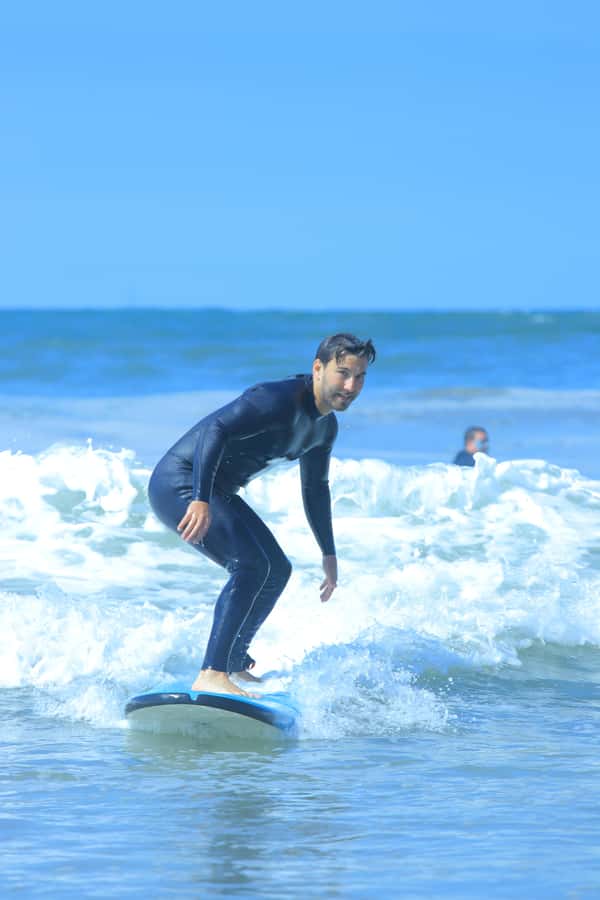
- Small group means real attention: limited to 10 people, so the instructor can watch you closely.
- You start in whitewater (whitewash): safer, broken-wave foam that’s ideal for first attempts.
- Knee-to-waist depth for beginners: you learn in water that’s challenging but not overwhelming.
- Constant coaching in the sea: the instructor stays with you and gives directions while you’re practicing.
- Clear “learn by doing” structure: land drills first, then waves, then first right/left curves.
- Optional action photos: a photographer is available for professional shots for an extra fee.
Where You Start on Agadir Beach (and the One Thing You Must Confirm)
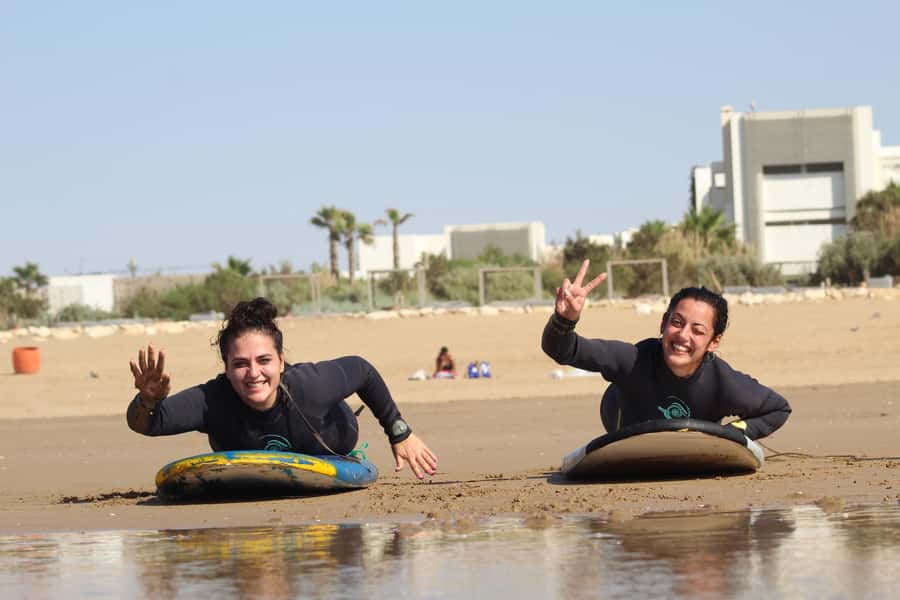
Meet your coach at Agadir Beach in front of Les Dunes d’Or Hotel. This matters more than it sounds, because your lesson begins on the sand, not with a long transfer.
Before you arrive, you’ll want to confirm your appointment, and you’ll need to provide your full name and height. That’s how they match you with the right surfboard and wetsuit. It’s a small admin step, but it directly affects comfort and balance once you’re paddling and popping up.
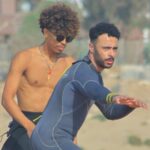
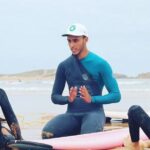
Also, the instruction is offered in English and French, so you won’t be stuck with “surf pantomime.” Reviews mention that coaches like Othman (Othman Boussarhane) explain things clearly, with a patient approach that’s a big deal when you’re trying something brand-new.
A few more Agadir tours and experiences worth a look
The Beach Phase: Safety Rules, Equipment Fit, and Warm-Up
Your first lesson time is spent doing the boring-but-important stuff—just not in a boring way.
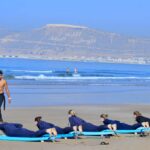
The session kicks off right on the beach with a brief presentation of the surf spot, a review of safety rules, and an equipment introduction. Then comes a warm-up, plus familiarization with the board: where it sits, how to handle it, and how to set yourself up before you ever get in the water.
You’ll also do basics on shore like:
- positioning yourself with the board
- practicing basic maneuvers in a controlled way
- learning how to jump for takeoff
This is one of the best parts of the format. If you’ve never surfed, your body has to learn new movement patterns. On land, you can repeat those patterns without fighting waves, so you build muscle memory before the sea starts throwing foam at you.
Learning Takeoff Timing Starts With Jump Mechanics
After the warm-up and board basics, the lesson shifts into repeatable technique. The goal here is simple: get you standing up safely and consistently enough to enjoy the ride, not just survive the wipeout.
On land, you’ll practice:
- getting into the correct position on the board
- the right jump for takeoff
- combining body position with the paddle (the motion that sets you up to meet the wave correctly)
- foot placement while standing
The key point for you: foot placement isn’t a random detail. If your feet are off by even a bit, your balance goes. If your balance goes, the board goes, and suddenly you’re back in “try again” mode.
You’ll do these steps first while everything is still. Then—when the coach moves you into the water—you’ll already have a checklist in your head.
In the Water With Constant Coaching: Why Whitewater Works So Well
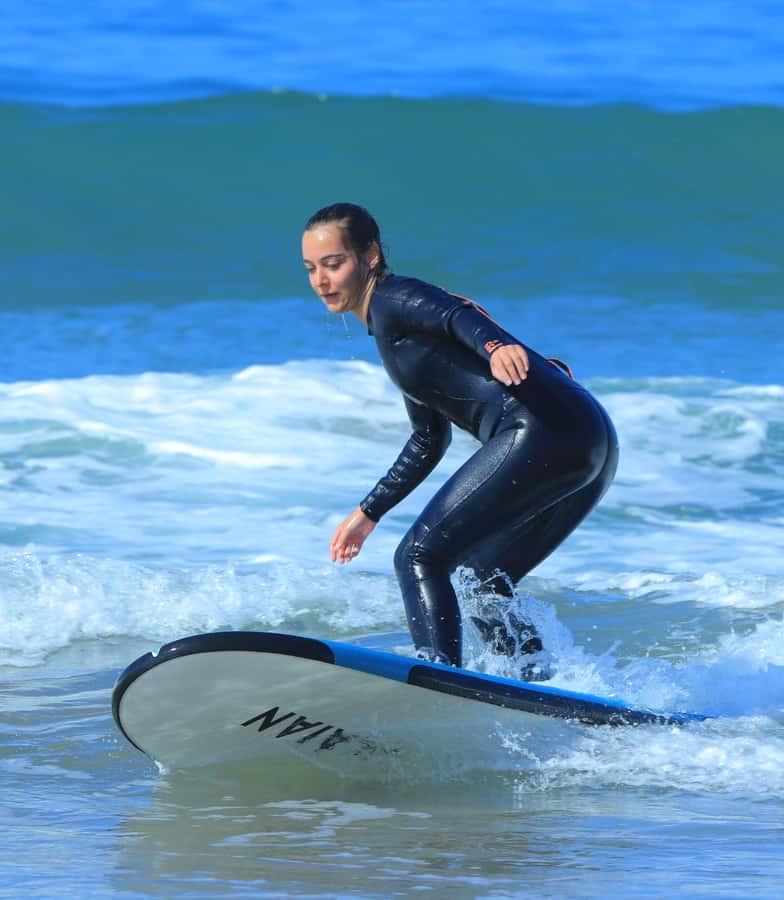
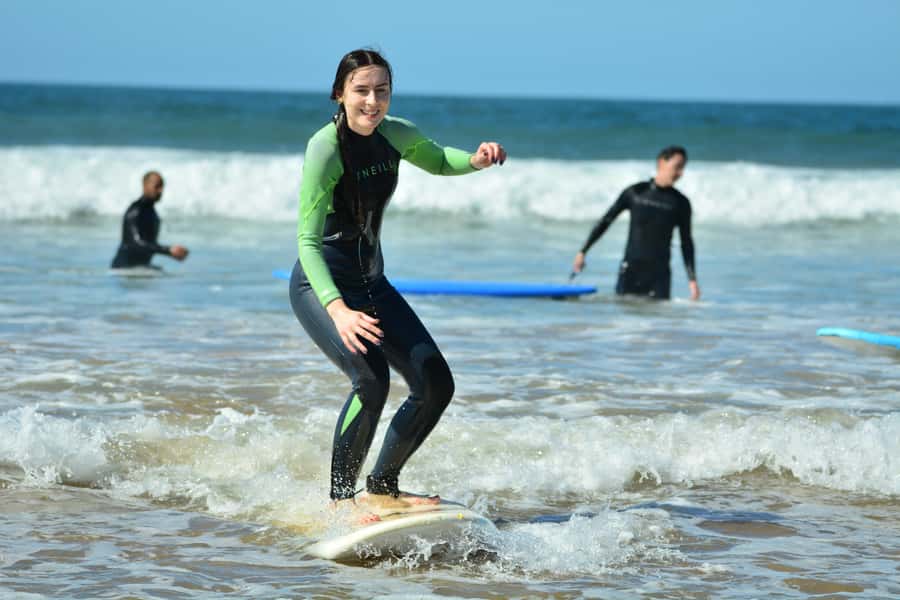
Once you’re in the sea, beginners aren’t sent out into chaos. You’ll be accompanied constantly by the instructor, with guidance as you paddle, turn, and attempt takeoffs.
You practice in:
- knee-to-waist-deep waves
- staying close to shore
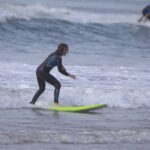
- surfing the whitewash (broken wave foam moving toward land)
This is the smart beginner choice. Whitewater is thick, predictable, and forgiving compared with unbroken surf. You’re learning how a board behaves when there’s push from the wave, without the added complexity of timing yourself on a longer, cleaner shoulder.
You’ll also get enough time to try repeatedly. That repetition is why people come away feeling like they can actually surf after the 2 hours, not just watch someone else do it.
And yes, it helps that the group is small. Reviews often describe how patient the team is and how they stay close enough to spot what you’re doing wrong and fix it quickly.
Catch Your First Waves, Then Try First Right and Left Curves
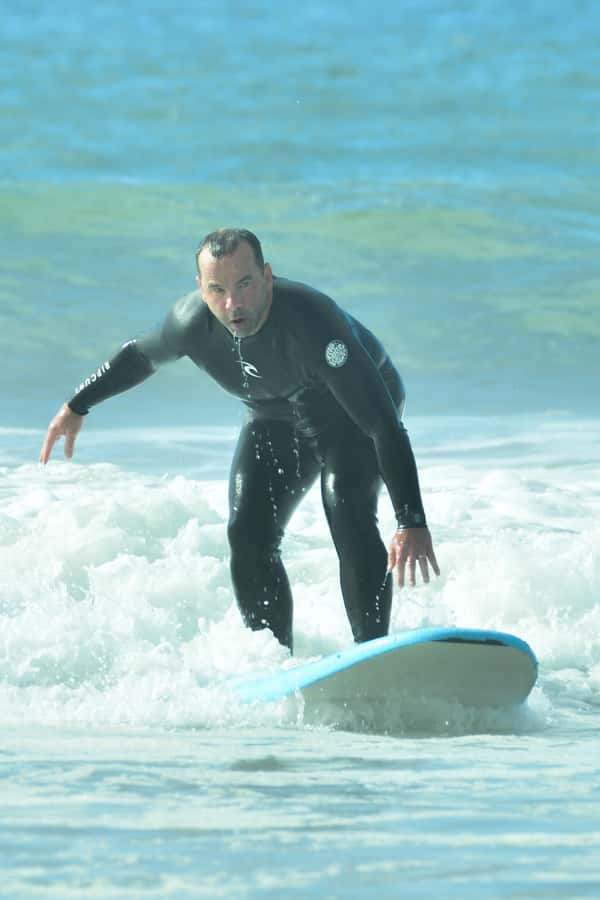
The lesson ends with a push from basic control to real surfing.
After good practice, you should be able to:
- catch waves
- understand the right timing for takeoff
- begin your first right and left curves
Timing is the difference between standing for a second and turning it into a ride. In your first session, you’re basically learning the moment when you’re no longer just paddling—you’re meeting the wave at the right speed and angle so the board can do its job.
Those first right and left attempts are a morale boost, and for a lot of beginners, that’s the moment the sport clicks.
If you only remember one thing from the whole lesson, make it this: the coach isn’t trying to rush you. They’re trying to get you to ride in a way that feels repeatable.






Small Group, Real Feedback: Coaches Like Othman and Abdel
This is a small-group lesson limited to 10 participants. In practice, it can feel even smaller—some sessions are described as groups of 3–4, which means more turns and more direct feedback.
The instructor (Othman Boussarhane) is named again and again in reviews, and you’ll also hear about help from teammates such as Abdel/Abdel alongside Othman. The consistent theme: they stay attentive, patient, and encouraging, and they keep helping you adjust even when your first attempts are messy.
I like this coaching style for beginners because it reduces the mental load. Surfing is physical, but it’s also confusing when everything happens at once. When the coach is close, you don’t have to guess what to fix. You’re given direction, you try it, then you learn what worked.
Also, the session is structured so the instructor isn’t only talking at you. You get land drills first, then guided rides in the water, with the coach close enough that you don’t feel lost.
Equipment Included for $35: What the Price Buys You
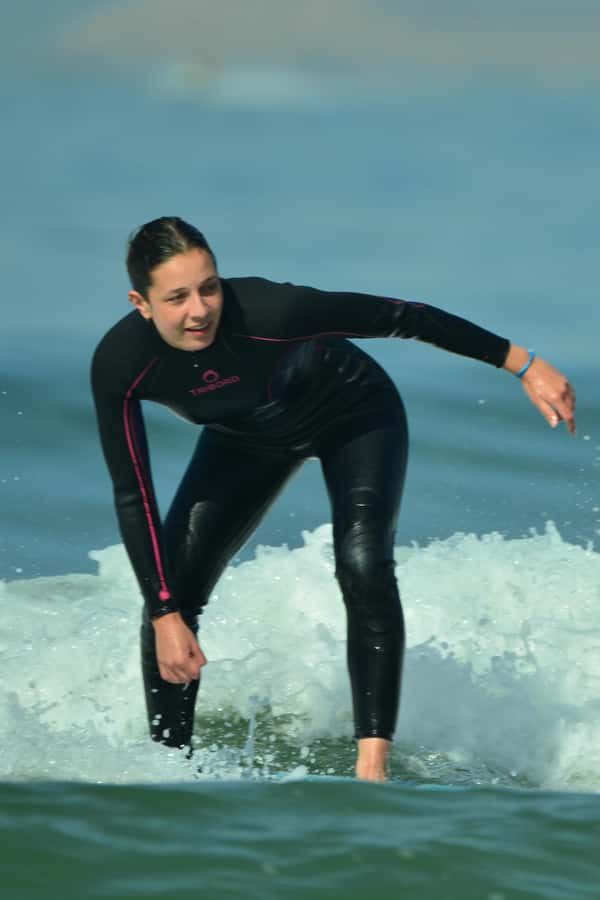
At $35 per person for 2 hours, the value is in what’s included: surf equipment (surfboards and wetsuits) and a surf coach.
That matters because your first surf day is already full of costs: gear, lesson time, and the risk that you show up underprepared. Here, you don’t have to rent a board, chase a wetsuit, or figure out what size you need. They handle it based on your name and height.
The other value lever is time. A 2-hour beginner session is long enough to:
- learn basics on land
- get multiple tries in the water
- end with actual riding, not just standing still
Photos are the only optional extra. The activity offers optional professional action photos. In one review, the photographer’s digital images were priced at €10 per person. If you’re the kind of person who wants proof you tried (and succeeded in small ways), this is a nice add-on.
One more practical note: if weather or wave conditions aren’t ideal, the team communicates and may shift the date. You don’t want to force a lesson on bad conditions, especially for beginners, and the team’s approach seems to respect that.
Weather and Wave Reality in Agadir (and How to Set Expectations)
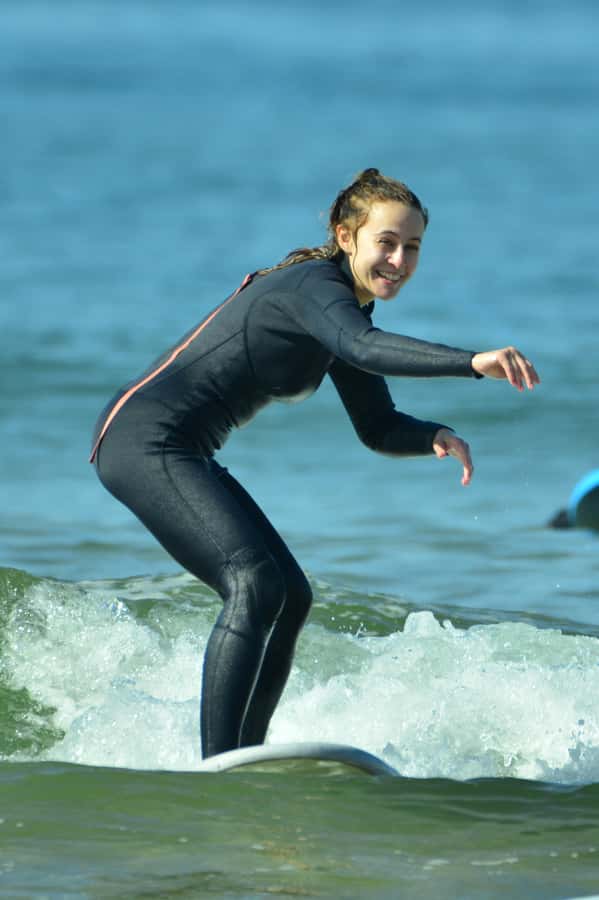
Agadir’s surf conditions can be a mixed bag depending on the day. That’s normal—ocean weather doesn’t ask for your itinerary.
The good part is that this lesson is designed for beginners in whitewater and knee-to-waist waves. So you’re not gambling on big, technical surf to have fun and learn.
Still, expect the lesson to be day-dependent. Some reviews mention wind and wave quality affecting how many rides people got. The best mindset is to think of this as a skills session, not a guaranteed best-day performance.
If you’re offered a different time because the sea isn’t suited for beginners, I’d take the hint. Better conditions usually mean more standing, more waves, and less frustration.
Who Should Book This Beginner Lesson in Agadir
Book this if:
- you’re a complete beginner and want guided progress in one session
- you want equipment included (board and wetsuit)
- you like the idea of small-group attention rather than one instructor for a crowd
- you want to learn the basics that let you try real takeoffs and first turns
It’s also a great pick for couples, friends, or families because the structure keeps the session moving while still giving personal help. Reviews even point out how safe and supported participants felt, which is exactly what you want your first surf experience to feel like.
If you’re an experienced surfer looking for advanced training, this won’t match that goal. It’s built for your first wave, not your next level trick.
Should You Book It? My Practical Verdict
If your goal is: I want to try surfing in a safe, guided way and leave with skills—not just memories—then yes, I’d book this.
Here’s the simple logic:
- 2 hours is enough to learn, practice, and actually ride
- whitewater + knee-to-waist depth keeps it beginner-friendly
- small group up to 10 helps you get corrected while you try
- board and wetsuit included makes it less stressful and better value
- optional action photos give you something fun to take home
The only reason to hesitate is if you’re extremely sensitive to changing conditions. If the waves aren’t ideal, your experience will still be guided, but the number of rides may vary.
If you can be flexible and you’re excited to learn from a patient coach, this is an excellent way to start surfing in Agadir.
FAQ
How long is the beginner surf lesson in Agadir?
It lasts 2 hours.
Where do we meet for the lesson?
Meet at Agadir Beach in front of Les Dunes d’Or Hotel.
Is surf equipment included?
Yes. The lesson includes surfboards and wetsuits.
Do I need prior surfing experience?
No. It’s designed for beginners with no experience.
How big is the group?
It’s a small group with a limit of 10 participants.
What languages are the instructors?
The instructor speaks English and French.
What happens first during the lesson?
You begin on the beach with a brief presentation of the surf spot, safety rules, equipment introduction, and a warm-up.
Do beginners practice on land before going into the water?
Yes. You practice board positioning, correct stance, and takeoff movements on the beach before getting in the sea.
What kind of waves will beginners surf?
Beginners surf whitewater (whitewash) in knee-to-waist-deep waves near shore.
Are professional action photos available?
Yes, optional professional action photos are available for an extra fee.
What info do I need to share before the lesson?
You should confirm the appointment and provide your full name and height so the team can give you the right equipment.