REVIEW · MARRAKECH
Marrakech: Ourika Valley Waterfalls and Berber Villages Day Trip
Book on Viator →Operated by Sahara Sights Tours · Bookable on Viator
Ourika Valley is one of those day trips that changes pace fast. One minute you’re on the way to the Atlas Mountains, the next you’re hearing water in the gorge at Setti Fatma. It’s a packed full day, but the flow is what makes it work.
I like the way this trip mixes nature with real village life: mud-brick streets at stop-offs, a Berber-family tea moment, then time by the river. I also like that you get choices at the waterfalls—go for the optional walk to the top, or stay calmer and enjoy the river setting.
One thing to think about: the waterfall area is a real climb and can be hot and uneven underfoot. Wear shoes you trust, and if you’re heat-sensitive or have balance concerns, plan your pace carefully.
In This Review
- Key highlights at a glance
- Why this Ourika and Setti Fatma day trip works from Marrakech
- Atlas Mountains View (Stop 1): A quick hit of altitude and scale
- Aghbalou Berber village (Stop 2): mud-brick streets and real daily life
- Ourika Valley time: river views, markets, and the pacing you need
- Argan oil at a women’s cooperative: what to look for
- Setti Fatma and the 7 Cascades: choose your hike, then cool off
- Lunch by the river: tasty pause, but keep control of your expectations
- Price and logistics: what $21 buys you, and what it doesn’t
- Footwear, heat, and where you should slow down
- Who should book this day trip—and who should skip it
- Should you book this Marrakech to Ourika and Setti Fatma trip?
- FAQ
- What is the duration of the tour?
- What does the tour cost?
- Is hotel pickup and drop-off included?
- Where does the tour start?
- Is the Ourika Valley admission included?
- Is lunch included?
- Do I have to hike to see the waterfalls?
- Does the tour offer a local guide?
- Is argan oil part of the experience?
- Are there different activities on Mondays?
Key highlights at a glance
- Atlas Mountains viewpoints and quick photo stops with easy timing built in
- Berber village experience at Aghbalou and tea with a Berber family
- Ourika Valley along the river with time for shops, fruit trees, and river cafés
- Argan oil insight at a women’s cooperative
- Setti Fatma 7 Cascades with an optional guided hike to the top
- Small-group feel with a maximum of 30 travelers and hotel pickup/drop-off
Why this Ourika and Setti Fatma day trip works from Marrakech
If you only have a short stay in Marrakech, this is a smart use of time. You’re not just buying a “waterfalls ticket.” You’re getting a full arc: mountains at a distance, Berber communities you can actually walk through, then a river valley that slows your brain down.
The itinerary is built for variety. You start with scenic stops and village introductions, then you spend meaningful time in Ourika Valley itself—so it doesn’t feel like you’re sprinting from one photo to another. Finally, Setti Fatma gives you a natural payoff with the cascades area, plus a clear option if you want to hike or just hang near the water.
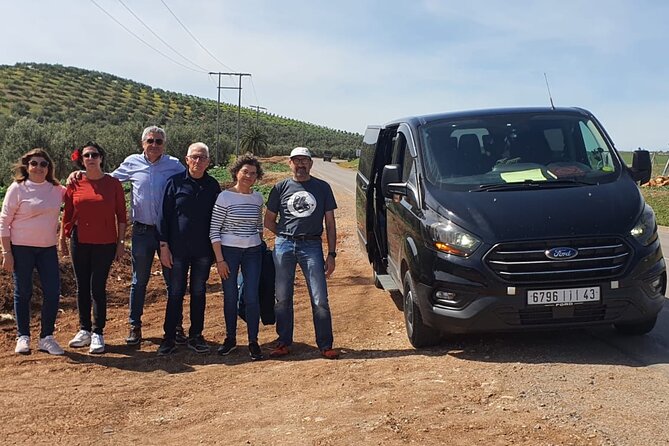
Another practical plus: hotel pickup and drop-off. In Marrakech, that alone can save you time and hassle. You also travel in an air-conditioned vehicle, which matters because this trip is long enough that comfort helps.
The value here is in the balance. For a low price, you get transport, valley entry, and guided elements depending on your selection—so you’re not building the day from scratch on public transit.
A few more Marrakech tours and experiences worth a look
Atlas Mountains View (Stop 1): A quick hit of altitude and scale
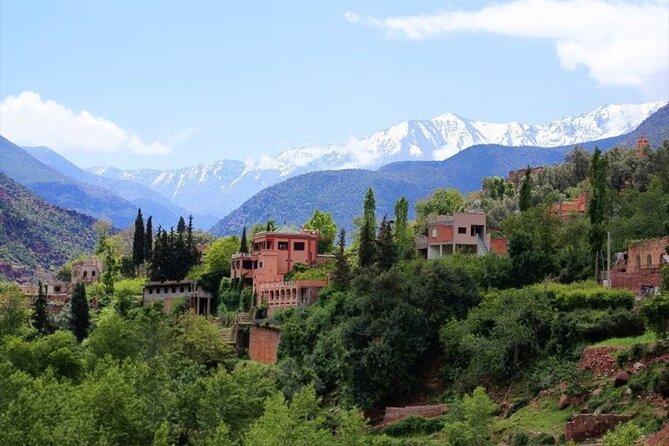
The tour starts with a stop that’s all about big mountain views. Expect towering peaks and deep valleys, with colors shifting as the light changes—exactly the kind of scenery that makes you understand why people settled in mountain foothills and along rivers.
This stop is short, about 30 minutes, and the admission is free. That’s good for two reasons. First, it keeps the schedule flexible before the day gets more active. Second, it gives you time to grab photos without committing to a long uphill detour early on.
What you should watch for is temperature. Even though you’re not going far from Marrakech, you’ll feel the altitude and the change in air as you head toward the Atlas region. Bring a light layer if you run cold, and if you’re going in warmer months, plan for sun once you’re lower and near the waterfall zone later.
I also like this stop because it sets expectations. When you later see Ourika’s greenery and the river valley feel, the morning view helps everything click into place.
Aghbalou Berber village (Stop 2): mud-brick streets and real daily life
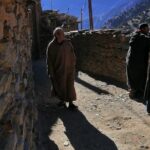
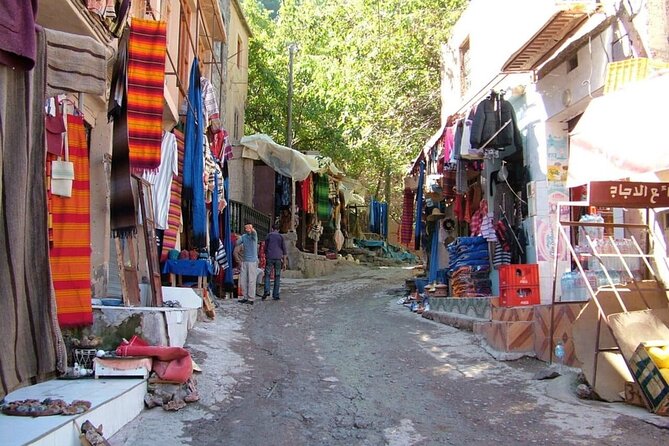
Next comes a traditional Berber village stop at Aghbalou. This is a quick introduction—about 30 minutes—but it’s the right kind of short. You get narrow streets, mud-brick houses, and chances to look at local artisans and talk with people who live off the rhythm of the region.
The best part of a stop like this is respectful curiosity. You’re not there for a performance. You’re there to walk carefully, observe how people actually use their streets, and ask questions if you’re invited to. If you like souvenirs, be prepared: village stops often come with chances to buy handmade items. If you’re not into shopping, treat that as optional and focus on the people and the setting.
A practical tip: keep your expectations modest. This is not a “museum village.” It’s home. So keep your voice down, move slowly, and don’t try to rush conversations. It makes the experience better for you and more comfortable for everyone around you.
Ourika Valley time: river views, markets, and the pacing you need
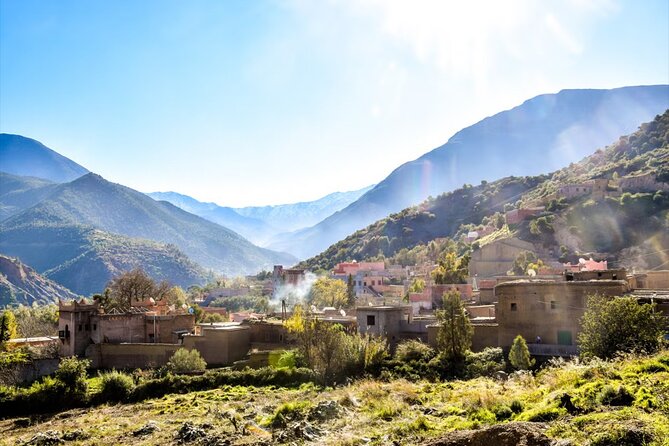
Now you reach the Ourika Valley proper. The timing is what makes this section feel like a real break. You’ll spend about an hour with the valley introduction before the longer stretch of time—around five hours total in the Ourika area—where you can slow down and choose how active you want to be.
Here’s what you can expect in plain terms:
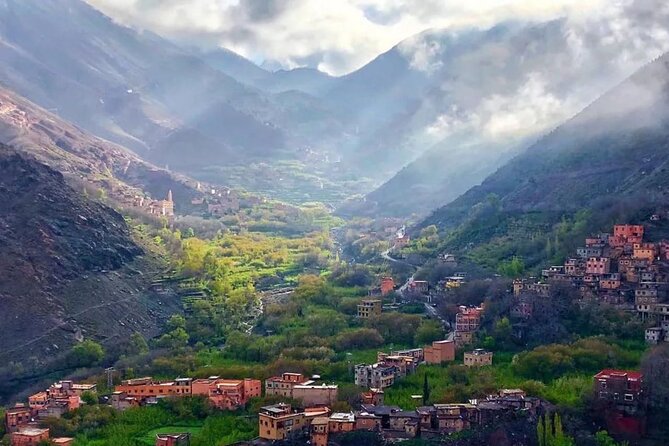
- Green riverbanks and a clear river running through the valley
- Fruit-laden trees and small hamlets along the way
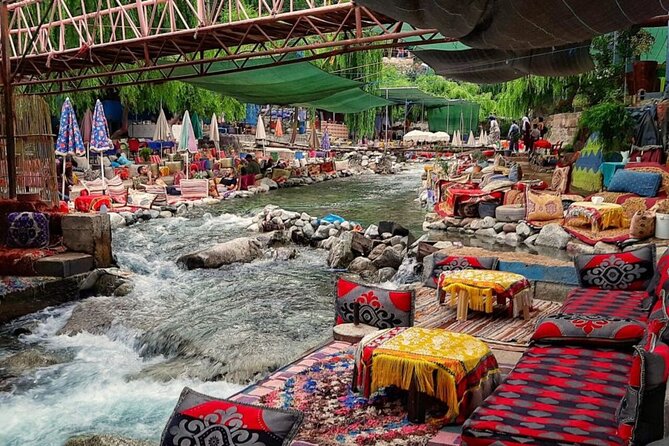
- Riverside cafés and dining spots where the day feels more like “wandering” than “touring”
One detail that can change your day: if your tour falls on a Monday, you’ll have time to visit a marketplace that shows up only on that day. In practice, that means more energy on the roadside market scene and more variety in what you’ll see people buying and selling.
Also, the valley is known for argan oil stops—so you’re not just looking at scenery; you’re learning how this area earns money and protects tradition at the same time.
If you want the most value from this chunk of the day, don’t only aim at the “best picture.” Walk a bit up and down the river area. You’ll spot small shops and viewpoints that feel more local than the main strip.
Argan oil at a women’s cooperative: what to look for
One of the more meaningful parts of this tour is the women’s argan oil cooperative. You’ll learn about Morocco’s famous argan oil and see traditional methods used to produce it.
Why this matters: argan oil isn’t just a product you buy in Marrakech. In the valley, it’s tied to land use, work, and community structure. A cooperative is usually built to keep the value of production in local hands instead of letting it disappear into far-off supply chains.
When you visit, pay attention to how they describe the process—especially how raw argan materials turn into the oil people recognize. If you ask questions, you’ll often learn things that don’t show up on labels later.
It’s also a good moment to buy with intention. If you want to bring something home, you’ll have a clearer story behind what you’re holding. If you don’t buy, that’s fine too. The learning and the hands-on understanding is the point.
Setti Fatma and the 7 Cascades: choose your hike, then cool off
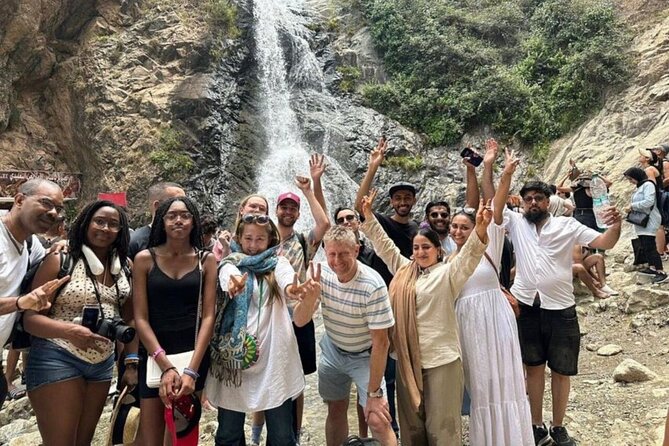
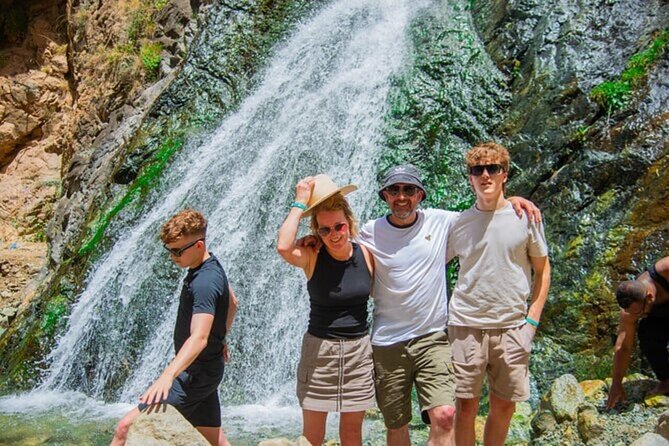
Setti Fatma is where the day turns from “tour” to “nature moment.” The cascades area is the headline, and you’ll have time to experience it in two modes.
You can opt for an optional guided walking tour to the top of the seven waterfalls. This is the more active choice. You’ll trek along trails where the ground can be uneven and exposed to sun. Some routes can feel steep, and you should plan for real elevation and stairs-like footing near the falls. If you’re prone to dizziness or you struggle with heat, pace yourself early and don’t push to keep up.
Or you can take the slower option: relax by the river, enjoy the water sounds, and just enjoy the scenery without committing to the top walk. That’s honestly a strong choice if you want the reward without the stress.
Either way, there’s a refresh factor. The area gives you a chance to get close to the water and cool down after hours in a vehicle and along valley paths.
Practical must-do: bring good footwear. Trainers or hiking shoes are the difference between enjoying the walk and spending your day thinking about your ankles.
Lunch by the river: tasty pause, but keep control of your expectations
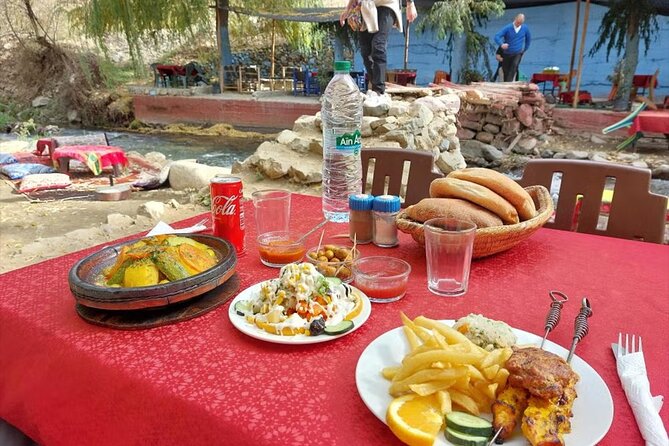
After your morning activities, you’ll have lunch at a riverside restaurant. Lunch is an option in the broader tour package—so you should decide in advance if you want that included.
What’s nice is the setting. Eating near the river turns lunch into a break, not just a transaction. You get Moroccan food flavors like tagines and couscous, and you can listen to water while you eat.
What to watch: because lunch is handled through the tour, you’re trusting the selected restaurant rather than choosing based on your own scouting. If you’re picky about food standards or you have dietary needs, it’s smart to check what’s offered when you book and decide if you’d rather bring a snack and eat independently.
If you don’t select the lunch option, you still have opportunities to find cafés along the river during the Ourika Valley time—so you won’t be stuck without food. Just plan so you’re not hungry when the hiking part starts.
Price and logistics: what $21 buys you, and what it doesn’t
At about $21 per person for a full day, this tour is priced for value. You get hotel pickup and drop-off, air-conditioned transport, Ourika Valley entry, and driver support in English or French. Depending on your selection, you can also get a local guide and lunch.
That’s the key: the base price covers the backbone of the trip—getting you out of Marrakech and into the valley. The add-ons (like lunch and guided walking elements) are where you can shape the day to match your comfort level.
Group size is capped at 30 travelers. In practice, that tends to keep the experience from feeling like a huge bus of people, though it still won’t feel private. If you hate crowds at viewpoints, choose your waterfall pace carefully. The river area can be busy because it’s a destination in its own right.
Also note what’s not included: personal expenses. That’s the usual catch-all, but in this case it matters because village stops and artisan areas can invite shopping. If you prefer to spend nothing, just budget your time and don’t feel pressured.
Overall: if you want a structured day with transport and planned stops, it’s strong value. If you want total freedom with zero group influence, this might feel scheduled even at 6–8 hours.
Footwear, heat, and where you should slow down
This day trip is comfortable until you hit the waterfall walk. That’s when you’ll notice the difference between a casual stroll and a real outdoor hike.
Here’s how I’d plan for it:
- Wear grippy shoes. The trails near waterfalls can be uneven.
- Bring water and expect sun exposure, especially on exposed paths.
- Use the optional guided hike only if you feel steady on foot. If balance is an issue, the river-side time is a valid choice.
- If you get overwhelmed by crowds, start the day with the mindset that Ourika and the Setti Fatma area can attract plenty of people.
One more reality check: the drive out of Marrakech is a long road, and you may see roadside mess along certain stretches. It doesn’t erase the beauty of the mountains and river valley, but it helps to go with realistic expectations.
The guides can make a difference here. In past departures, guides like Hussein have been reported as considerate with pace and safety, including offering a walking pole when conditions were tricky. That kind of support is exactly what helps you enjoy the hike instead of fighting it.
Who should book this day trip—and who should skip it
This is a good match if you:
- want a full-day nature and culture blend without planning transport
- like Berber village encounters and argan oil stories
- want the option to hike to the top of the falls or enjoy the river without pushing yourself
- prefer hotel pickup over figuring out buses and taxis
I’d be more cautious if you:
- can’t handle steep, uneven footing
- are very sensitive to heat exposure
- dislike any schedule at all (this is still a guided group day)
- want total control over lunch choices and activities
If you’re traveling with older kids who can walk steadily, the river time can be great. If you’re traveling with mobility limits, the waterfall area can be the hard part—so focus on the slower Setti Fatma option rather than the top hike.
Should you book this Marrakech to Ourika and Setti Fatma trip?
Book it if you want an organized day that actually hits the highlights: Atlas mountain views, Berber village culture, Ourika Valley river time, argan oil at a women’s cooperative, and the Setti Fatma cascades with a hiking choice. At around $21, it’s a strong value way to get out of Marrakech for the day.
Skip it or adjust your expectations if you know you won’t enjoy uneven ground, sun-heavy walking, or if you’d rather choose lunch on your own. If that’s you, the schedule may feel less flexible than you want.
My bottom line: bring solid shoes, pick the waterfall option that matches your comfort, and treat the village and cooperative stops as learning moments—not shopping stops.
FAQ
What is the duration of the tour?
The tour runs about 6 to 8 hours.
What does the tour cost?
It’s $21.00 per person.
Is hotel pickup and drop-off included?
Yes. The tour includes hotel pickup and drop-off.
Where does the tour start?
It starts at Café de France, 72 Rue des Banques, Marrakech, starting at 9:00 am, and it ends back at the meeting point.
Is the Ourika Valley admission included?
Yes. Entry/Admission for Ourika Valley is included.
Is lunch included?
Lunch is included only if you select the lunch option.
Do I have to hike to see the waterfalls?
No. There’s an optional guided walking tour to the top of the seven waterfalls, but you can also stay and relax by the river.
Does the tour offer a local guide?
A local guide is included if the option is selected.
Is argan oil part of the experience?
Yes. You’ll visit a women’s argan oil cooperative and learn about how argan oil is made using traditional methods.
Are there different activities on Mondays?
Yes. If the tour is on a Monday, you can visit the marketplace that’s available only on that day in the Ourika Valley area.