REVIEW · MARRAKESH
Ouirgan Berber villages & Salt mine Day trip from Marrakech
Book on GetYourGuide →Operated by Trekking Morocco · Bookable on GetYourGuide
A trip into the Ouirgane valley changes the pace fast. You get Berber villages and a salt mine in one day, with a local guide and a real lunch with a family. It’s a great way to see how people actually live, not just pose for pictures.
I especially like the blend of people-and-place: you learn village customs up close, then you walk past juniper and olive trees toward views over the Ouirgane dam. The small group size (max 14) also makes it easier to ask questions and move at a human tempo. One thing to consider: it’s still a day trip with walking, and the salt-mining area can be hot and dusty depending on the season.
In This Review
- Key things to know before you go
- Ouirgane valley and Berber villages: why this day feels more real
- Getting out of Marrakech: private transport, markets, and a women’s cooperative
- Your guide and the village walk: questions, customs, and house stories
- Marigha salt mine: the work behind the white deposits
- Lunch with a family: tajine, couscous, and dietary care
- After lunch trek: juniper, olive trees, and Ouirgane dam views
- Timing and group size: what a 1-day plan asks of you
- Price and value: is $45 worth it?
- Practical tips that make the day easier
- Who this Ouirgan day trip suits best
- Should you book it?
- FAQ
- Where does the tour start in Marrakech?
- How long is the day trip?
- What’s included in the price?
- What language is the live guide?
- How big is the group?
- What do you eat for lunch, and is it vegetarian or vegan?
- Where do you visit during the day besides the villages?
- Can I cancel for a refund?
Key things to know before you go
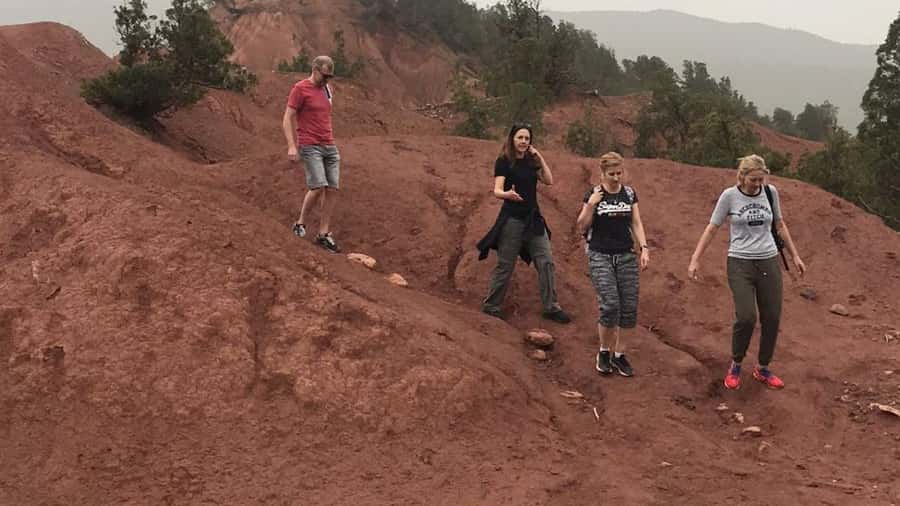
- Small group (up to 14) means you get more time with your guide
- Women’s cooperative stop helps support local business early in the day
- Salt mine in Marigha shows how salt work supports livelihoods here
- Lunch in a local family house with tajine, couscous, salad, and fruit
- Post-lunch trek through juniper and olive trees with dam views
- Pickup and drop-off included so you start relaxed from Marrakech
Ouirgane valley and Berber villages: why this day feels more real
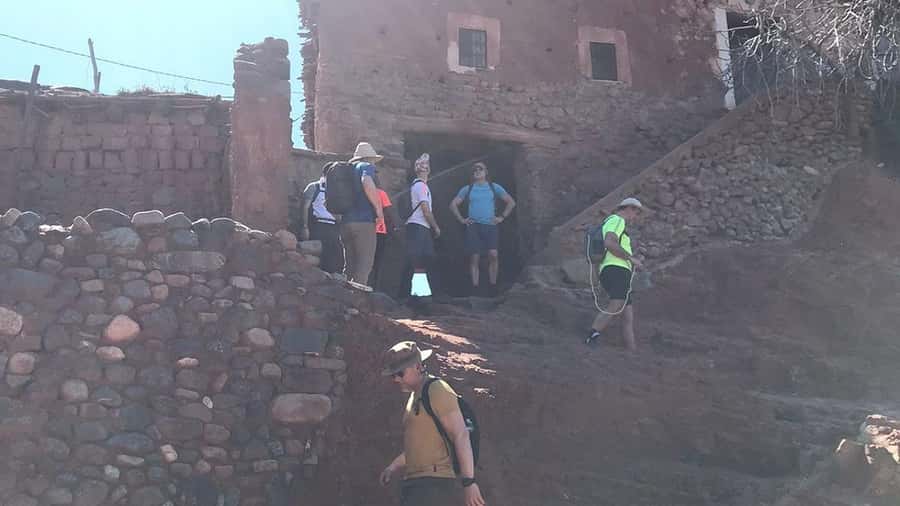
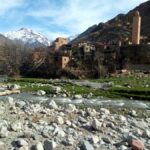
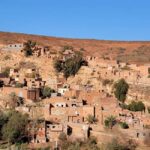
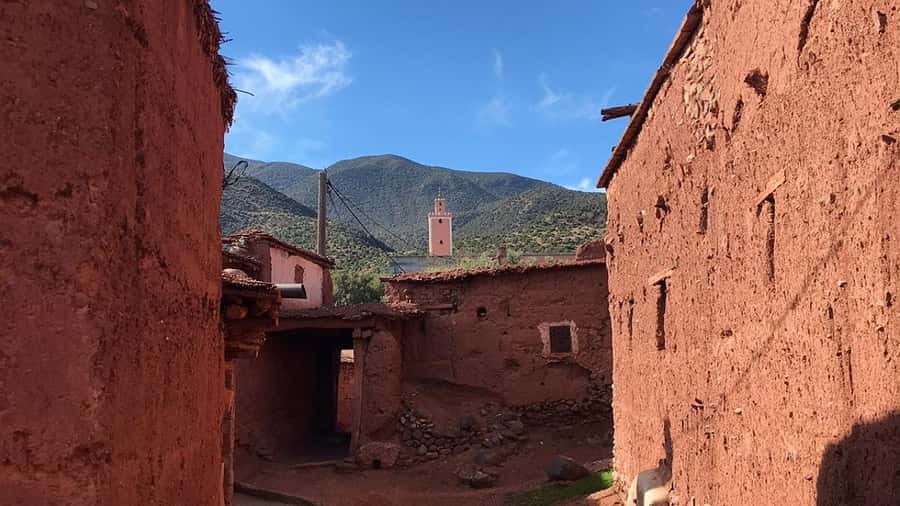
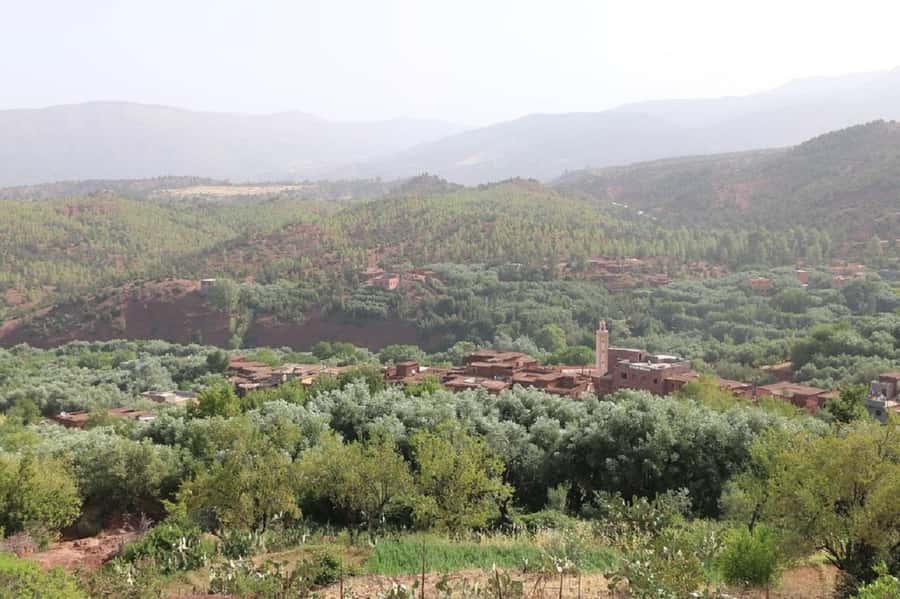
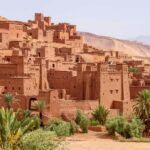
This is the kind of day trip that pulls you out of Marrakech’s noise and drops you into a valley routine. Ouirgane’s Berber villages are built using local materials, and that gives you a tangible sense of how people make homes with what’s around them. You’re not just looking from a bus window.
What I like most is that the guide’s focus stays on everyday life. You’ll hear how traditions and customs shape the way homes work and how neighborhoods function. Even when you’re just walking between houses, it feels like you’re moving through the place, not around it.
A bonus is the way the story can touch on change and resilience. You may see signs of the 2023 earthquake’s impact in the valley, and it helps to understand why rebuilding matters to the families living there.
A few more Marrakesh tours and experiences worth a look


Getting out of Marrakech: private transport, markets, and a women’s cooperative
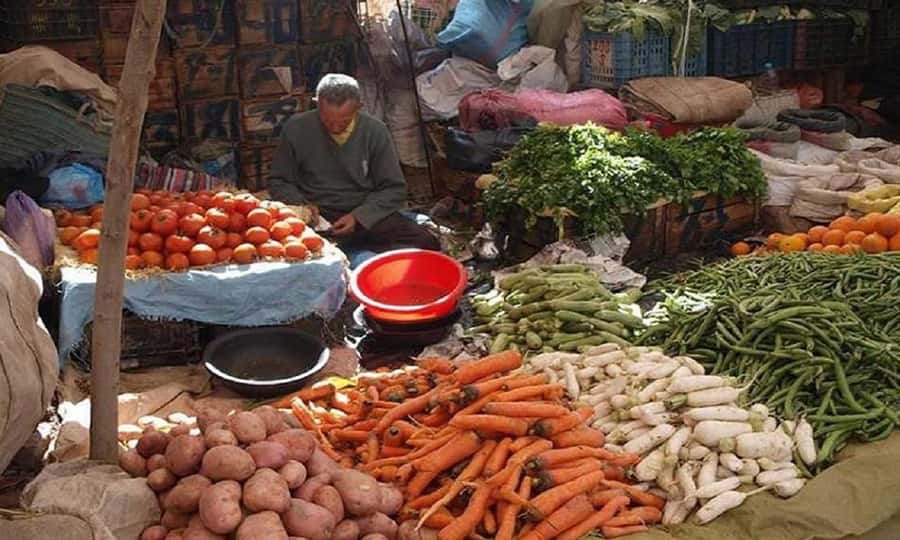
The day starts with pickup near Café de France in the Medina, close to the main square of Djamaa El Fna. From there, you drive out of the city with comfortable private transport, and the route typically passes by Tahnaout or Asni market. It’s a smooth start, and it means you don’t waste your morning hunting for a departure point.
Early on, you stop at a women’s cooperative. The goal is simple: support local women and local income while you’re already out here. If you’re the type who likes buying directly from the source, this stop often feels like a meaningful checkpoint rather than a random detour.
Expect about 1.5 hours on the road before you reach the Ouirgane area. The scenic drive is part of the fun, but the real payoff comes once you meet your local guide and the day turns into a guided walk.
Your guide and the village walk: questions, customs, and house stories
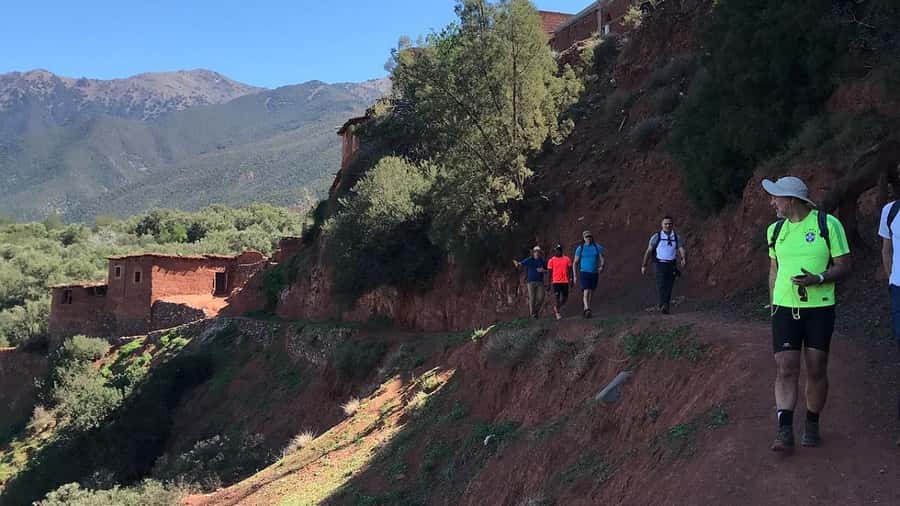
Once you arrive, you meet your local guide and start the guided portion around Berber villages. This is where the day becomes interactive. You’ll learn about people and the area in a way that goes beyond general facts, and you’ll get context that makes the architecture and daily habits click.
Some guides bring the story even closer by showing where they live and how daily life works at home. For example, you might visit the house your guide is connected to, then continue with tea and conversation. On certain days, the guide may also connect you with friends for an impromptu tea moment with walnuts—small, human, and memorable.
A practical tip: wear shoes you’re happy to walk in for a while. The village walking can include uneven ground and steps, and the day is more comfortable when you’re stable.
Marigha salt mine: the work behind the white deposits
After the village time, the tour includes a visit to the salt mine in Marigha. This is one of those stops where the photos can miss the point, because you’re seeing a working livelihood rather than a staged attraction. You’ll learn how salt is sourced in the area and how people earn their living from refining it.
I like that the guide explains the connection between the geology and the economy. You’re not just staring at salt crusts—you’re understanding why the local community depends on this. If you’re the kind of traveler who likes learning how a place sustains itself, this is the heart of the day.
Do expect sensory reality here. Depending on the season and weather, the area can feel dusty or windy, and you’ll want to keep an eye on sun and hydration. If you burn easily, you’ll feel it sooner than you think.
Lunch with a family: tajine, couscous, and dietary care
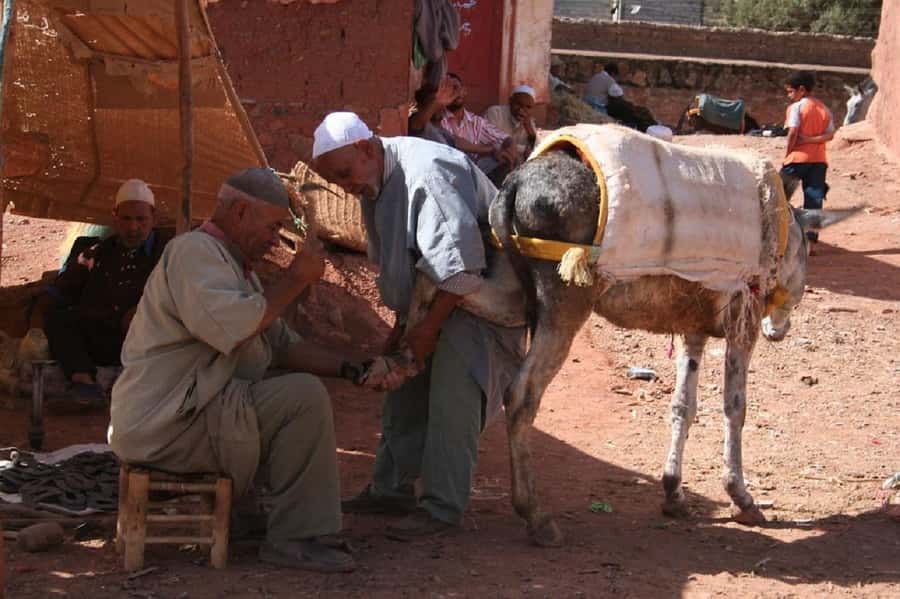
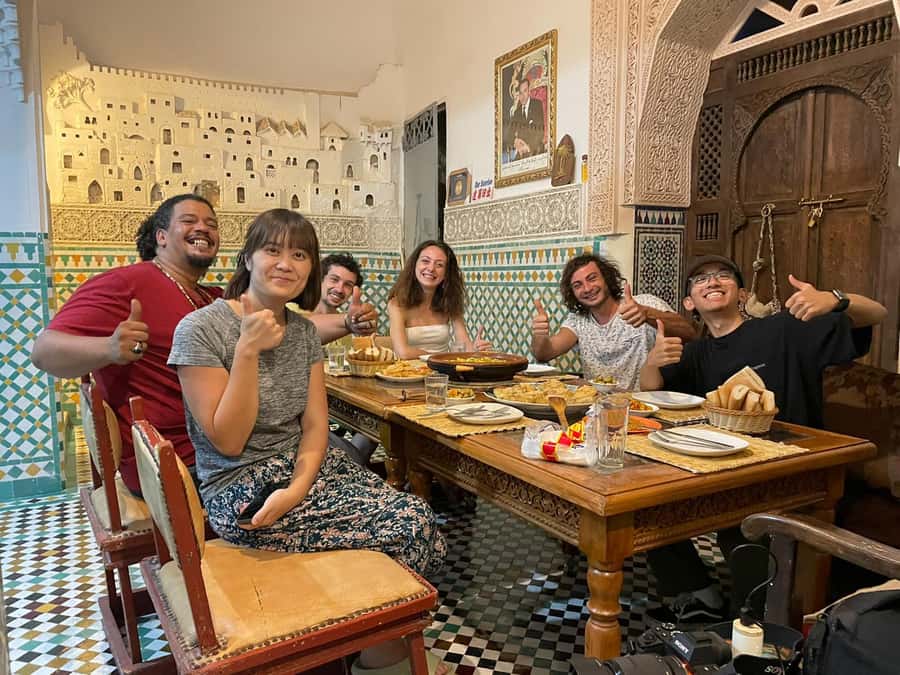
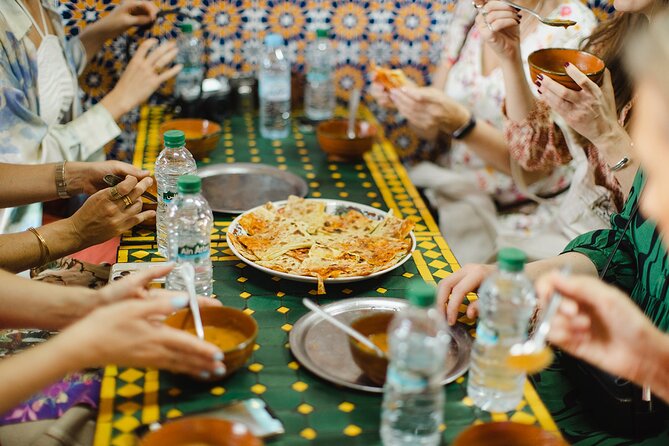
Lunch happens in a local house prepared by local women. The meal is typically tajine and couscous, served alongside salad and fruits. Drinks usually include tea, and this is the part of the day where you slow down and actually rest.
What matters for you: the lunch is planned with dietary needs in mind. Vegan and vegetarian options are served, so you’re not stuck hoping for the best. That flexibility makes the day trip work well for more than just omnivores.
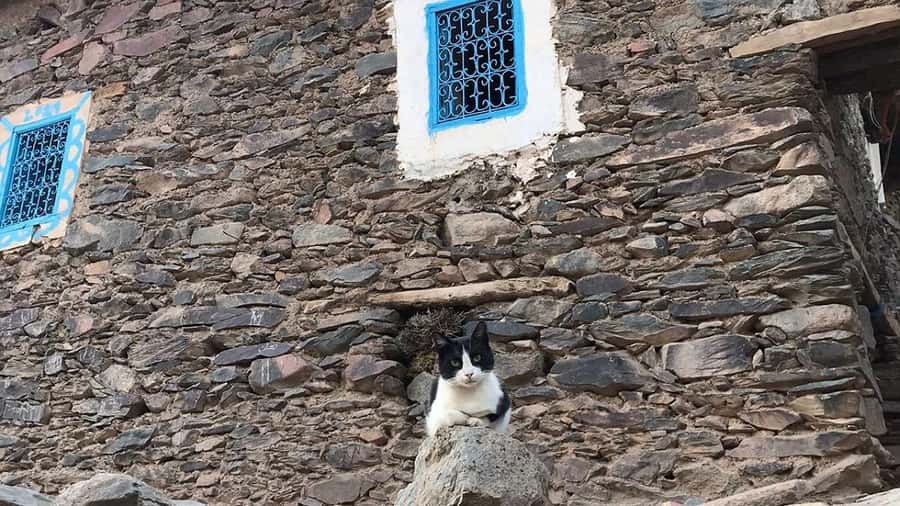
One practical detail: cats. Yes, cats can be part of the atmosphere around lunch. If you’ve got food in front of you, be ready for some very focused attention. It’s not a deal-breaker—just a small moment of comedy that comes with being outdoors and eating where locals eat.




After lunch trek: juniper, olive trees, and Ouirgane dam views
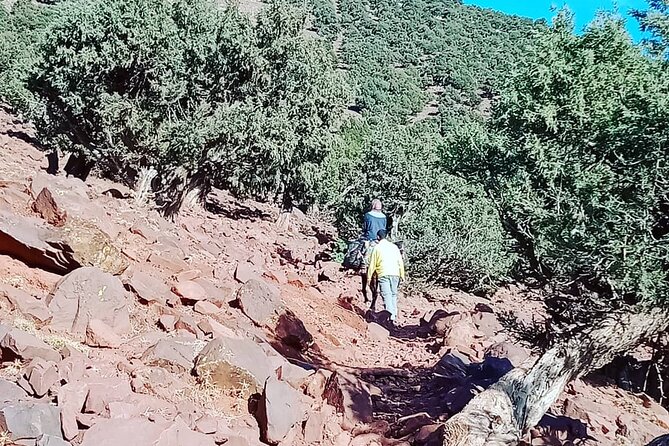
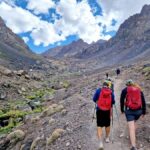
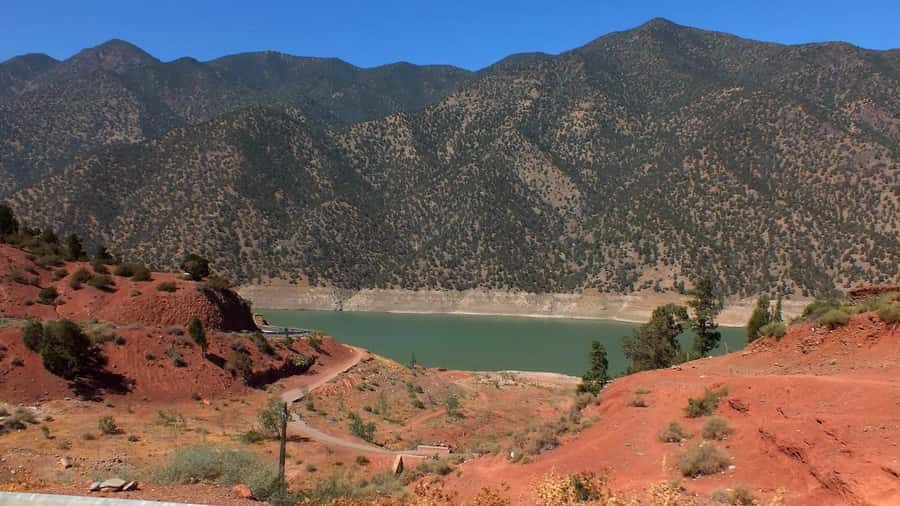
Post-lunch you head out for a trek through juniper and olive trees. The pacing can vary by group and guide, but the goal is clear: walk through the valley and end with standout views over the Ouirgane dam.
This is where the day shifts from “learning stops” to “moving through scenery.” You’ll get a sense of the valley’s scale, and the contrast between village life and the open walking paths feels satisfying. If you like photos, this is where you’ll take more than one.
One thing to keep in mind: the total walking can add up in a short day. Some days are around 10 km of varied walking, so plan for sore legs. If you’re traveling with kids or anyone who needs support, you may be able to arrange a mule for younger travelers, which makes the trek more doable.
Timing and group size: what a 1-day plan asks of you
This trip runs as a full day, with a 1-day duration that starts from Marrakech and ends back in the Medina. The schedule generally includes travel, village walking, salt mine time, lunch, and a final trek before heading back.
Small group matters here. With up to 14 people, the pace is easier to manage and the guide can answer questions without rushing. In practice, that makes the village time feel less like a checklist and more like a real guided conversation.
Still, treat this as an active day. Even if the walking isn’t extreme for everyone, you’re moving for several hours across different terrains. Plan your day so you’re not expecting a late-night plan back in Marrakech.
Price and value: is $45 worth it?
At about $45 per person, the value comes from what’s bundled. You’re paying for private pickup and drop-off, a local guide, lunch in a family house, and tea. For a day trip that includes both villages and a salt mine, that package is usually a fair deal compared to piecing everything together yourself.
The best value element is the human part: the guide’s explanations, the village access, and lunch with locals. Transport is important too, because it saves time and keeps the day flowing without confusion. If you want a “guided day with real stops,” this pricing makes sense.
If you’re mainly hunting for high-end comfort or a totally effortless day, you might feel the pace and walking aren’t the best fit. But if you’re okay trading a little physical effort for authentic access, it’s a strong choice.
Practical tips that make the day easier
Bring a water bottle and some sun protection. Even when the valley feels cooler than Marrakech, salt and outdoor walking can still wear you down.
Wear closed-toe shoes with grip. You’ll step on uneven ground between houses and across paths, and stable footing makes the village time more enjoyable.
If you’re sensitive to heat, aim to take your time during the salt mine stop and drink tea when offered. Tea is more than a tradition here; it’s your built-in hydration rhythm.
Also, keep cash or a small budget for small purchases. The women’s cooperative stop is there to support local women, and it can be a good moment to buy small items directly.
Finally, be ready for the cats. If you pack snacks, keep them out of reach or you’ll learn the local “wildlife” has excellent timing.
Who this Ouirgan day trip suits best
This is ideal if you want a day that’s part cultural education and part low-key hiking. You’ll like it if you enjoy learning from local guides, eating with a family, and seeing how work shapes daily life—especially with the salt mine stop.
It’s also a good match for couples, solo travelers, and small groups who prefer a guided format with pickup included. If you travel with kids, it can work well because there’s flexibility around the trek (like using a mule for younger travelers, when needed).
If you’re short on time in Marrakech but want something beyond a city tour, this valley day is a solid use of a day.
Should you book it?
If you want a one-day reset from Marrakech with a real connection to village life, I’d book it. The mix of Berber village storytelling, a working salt mine in Marigha, and lunch with a local family hits the sweet spot of culture plus function.
I’d think twice only if you dislike walking or want a completely relaxed, zero-steps day. Otherwise, for about $45 with pickup, guide, lunch, and dam views, it’s a strong value and a memorable way to see what’s happening beyond the city walls.
FAQ
Where does the tour start in Marrakech?
The meeting point is near Café de France in the main square of Djamaa El Fna in the Medina.
How long is the day trip?
The tour duration is 1 day, including travel and several guided stops in the Ouirgane area.
What’s included in the price?
It includes pickup and drop-off with private transport, a local guide, lunch in a local house, and drinks (tea).
What language is the live guide?
The live tour guide is available in English and French.
How big is the group?
The group is limited to 14 participants, keeping it a small-group experience.
What do you eat for lunch, and is it vegetarian or vegan?
Lunch is served in a local family house and typically includes tajine, couscous, salad, and fruits. Vegan and vegetarian options are served.
Where do you visit during the day besides the villages?
You’ll visit the Salt Mine in Marigha and also see the Ouirgane dam area after lunch.
Can I cancel for a refund?
Yes. There is free cancellation up to 24 hours in advance for a full refund.