REVIEW · MARRAKECH
Morocco shared desert tour 3 days
Book on Viator →Operated by Morocco Guide Smile · Bookable on Viator
The Sahara is big, but the route is the real story. This 3-day shared desert trip strings together Morocco’s most dramatic road scenes, from the High Atlas to the Erg Chebbi dunes, plus UNESCO-listed kasbah time. If you want the classic desert highlights without a big-price private guide, this style of trip fits well.
I especially like how the day-to-day pace gives you variety: gorge walking in Dades and Todra, then the camel ride and night in a desert camp. I also like the included meals and transport setup, so you’re not constantly figuring out logistics mid-journey. In Morocco, that matters.
One possible drawback: some sights have limited time, and a couple of entries are not included (like Atlas Film Studio), so you’ll want a small budget for add-ons and snacks.
In This Review
- Key things to know before you go
- Why This Marrakech Shared Desert Tour Is Such Good Value
- Day 1: High Atlas Pass, Ait Ben Haddou, and the Kasbah Circuit
- Day 1 Night: Why Dades Gorges Sets Up Your Desert Night
- Day 2: Todra Gorge Walk, Erfoud Fossils, and the Erg Chebbi Camel Ride
- Day 2 Camp: What the Included Dinner Means for Your Budget
- Day 3: Rissani Souks and the Draa Valley Palm Drive Back
- Price, Group Size, and the Real Logistics You’ll Care About
- Atlas Film Studio and Other Optional Costs
- What to Pack for the High Atlas to Erg Chebbi Stretch
- Who This Tour Fits Best
- Guides and the Human Side of the Experience
- Should You Book This 3-Day Shared Desert Tour?
- FAQ
- What does the tour cost and how long is it?
- Is pickup and drop-off included?
- What meals are included?
- Does the price include the camel ride and desert camp night?
- Are entrance fees included for every stop?
- How large is the group?
Key things to know before you go
- Small group feel (up to 17 people) with air-conditioned transport and hotel pickup/drop-off in Marrakech
- High Atlas day includes the Tichka Pass crossing at 2260 m and Berber village photo stops
- Ait Ben Haddou + film sites gives you UNESCO kasbah time and a quick stop at Atlas Film Studio (entry not included)
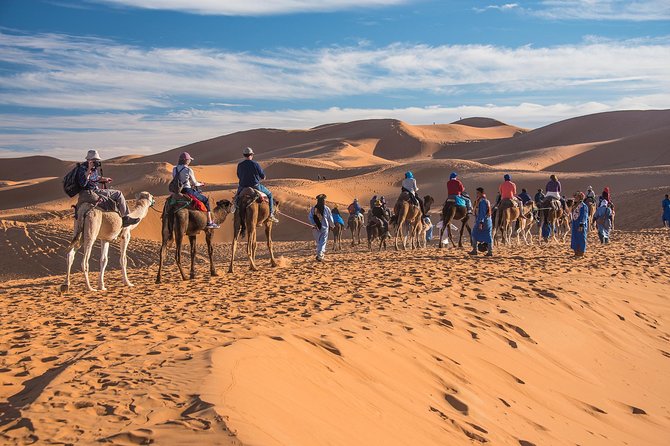
- Desert camp night at Erg Chebbi includes a camel ride for sunset over the dunes and dinner under the stars
- Road trip variety: Rose Valley, Dades Gorges (including monkey toes rocks), Todra Gorges, Erfoud fossils, Rissani market, and Draa Valley
Why This Marrakech Shared Desert Tour Is Such Good Value
At $99 per person for a roughly 3-day loop, you’re paying for more than “just the desert.” You’re getting long-distance transport, hotel pickup/drop-off, and a structured path through multiple regions that can be hard to combine on your own without multiple transfers.
This tour is designed for real-world travel: air-conditioned vehicle, a driver, and shared timing that lines up with daylight for the gorges and the best light for dune photos. The group size is capped at 17, so it’s not the massive bus vibe. You’ll still be in a shared format, but it doesn’t feel like a cattle-call tour when everything stays organized.
Also, it runs on a straightforward ticket system with a mobile ticket, which is handy when you’re bouncing between places in Marrakech.
If you’re traveling with a friend, solo, or as a couple who wants to keep costs down, this is exactly the kind of “great hits” route that makes sense. If you’re hoping for long, slow hang-time in every place, you may find some stops brief.
A few more Marrakech tours and experiences worth a look
Day 1: High Atlas Pass, Ait Ben Haddou, and the Kasbah Circuit
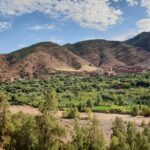
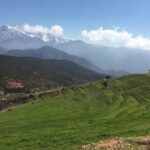
Your first day starts with a big jump in scenery. You head up into the High Atlas Mountains and cross the Tichka Pass road at 2260 m. This is the section where the winding road and mountain views start to feel cinematic, and you’ll get chances for photos of Berber villages along the way.
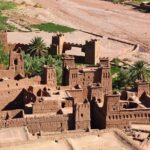
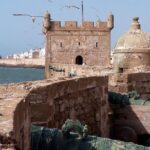
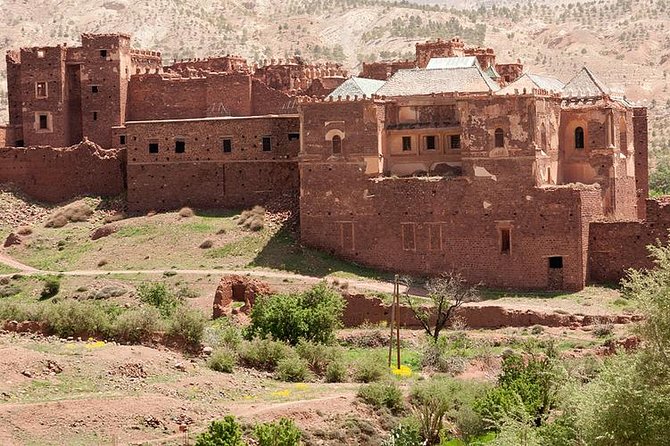
Then you reach the day’s headline stop: the Ksar of Ait-Ben-Haddou, the UNESCO-listed fortified village. This place matters because kasbah towns like this were built to last—thick walls, strategic layout, and a shape that fits the land. The time you get here is enough to walk around, spot the textures of the earthen architecture, and understand why it became a film favorite.
You’ll also make a short “film Morocco” stop at Atlas Film Studio (about 40 minutes). It’s often described as the Hollywood of Africa, and even with limited time, it adds a fun contrast to the older kasbah world. Admission isn’t included here, so if you’re curious, plan for that.
Next is Taourirt Kasbah in Ouarzazate. It’s a fast visit (around 15 minutes), but it’s a worthwhile stop to break up the drive and see another fortified style. You’ll also learn about the historical pasha El Glaoui connection during the visit.
Before you head toward the Dades area, you pass through Vallee Des Roses (Rose Valley). It’s not just pretty scenery. The valley is known for its annual rose festival, including a ceremony to choose a miss rose and activities tied to rose products. Even if you’re not traveling during festival week, it’s a reminder that Morocco’s culture isn’t stuck behind museum glass.
Finally, you reach Dades Gorges for the night. You’ll visit the canyon area (about an hour) and see features called monkey toes rocks. This is one of those stops where the geography looks like it’s been sculpted on purpose.
Day 1 Night: Why Dades Gorges Sets Up Your Desert Night
I like Dades Gorges because it gives you a warm-up for the desert. The terrain changes, but the feel is similar: dramatic rock forms, deep cuts in the earth, and that “the road is part of the sightseeing” vibe.
You should also note that the day is long. By the time you settle in, you’ll be ready for a proper reset. Since dinner is included (two dinners total across the tour, with one on Day 1), you don’t have to scramble for food options after a busy drive.
One practical note: because you’ll be moving from altitude areas into warmer zones, pack a layer you can adjust during the day. Mountain air can be cooler in the morning and then swing quickly.
Day 2: Todra Gorge Walk, Erfoud Fossils, and the Erg Chebbi Camel Ride
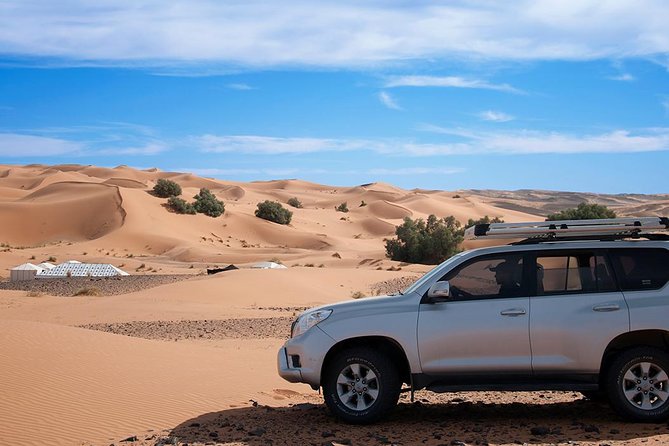
Day 2 is where the tour shifts from rock country to dune country.
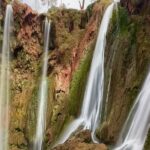
First stop: Gargantas del Todra (Todra Gorges). You’ll get about an hour here to explore the gorge system and walk among the famous towering rock walls. The data says you’ll see 300 m flat rocks—either way, the main point is the scale. Todra is famous because it feels narrow and high at the same time, and that creates great walking photos.
Then you stop at Fossiles d’Erfoud. This is a shorter visit (around 30 minutes) but it’s a smart one if you’re curious about how locals build products from what the region has. You’ll see fossils and how objects are made from them. Even if you don’t buy anything, it’s a useful “how it works” moment that goes beyond sightseeing.
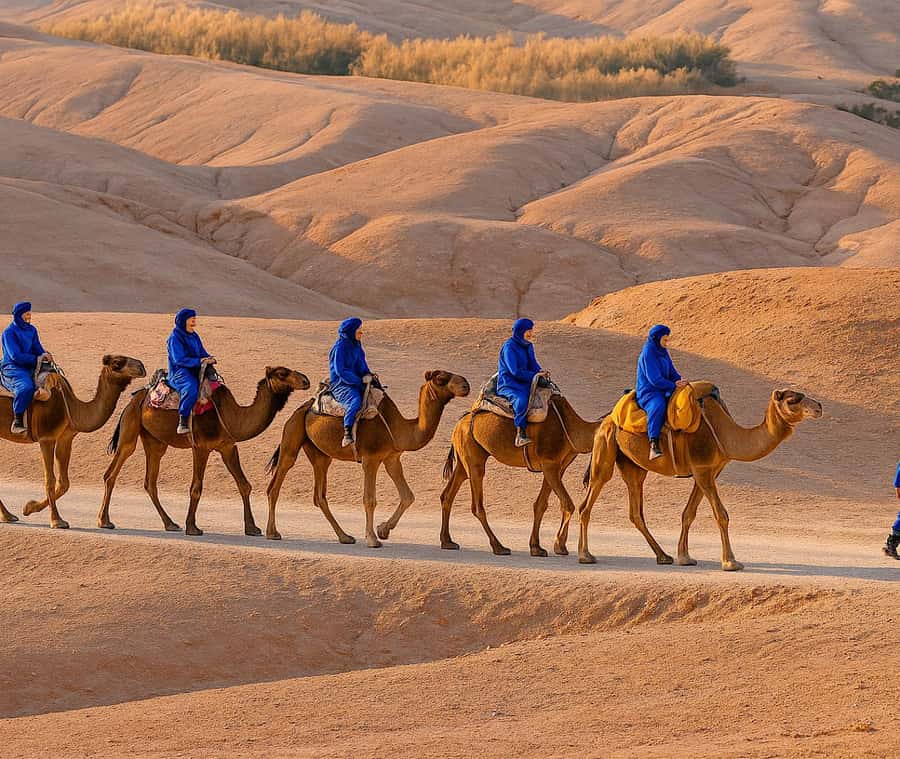
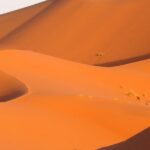
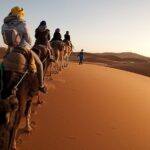
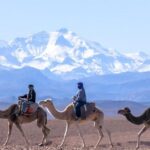
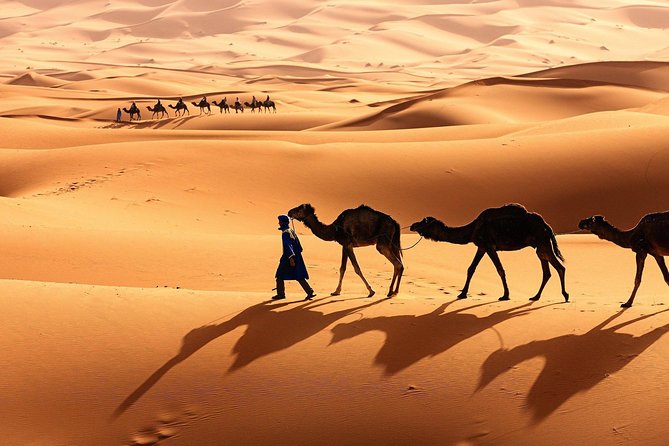
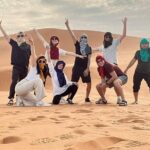
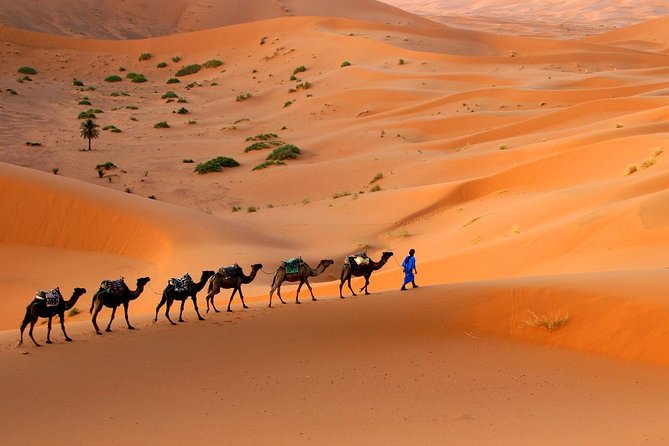
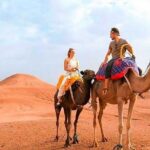
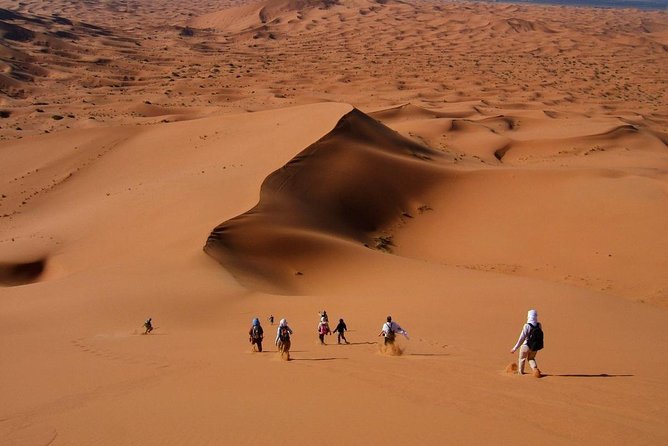
After that, you move to Merzouga Desert and the Erg Chebbi dunes. This is the core desert experience: you go by camel caravan to enjoy the sunset over the golden dunes, then spend the night in a desert camp with nomadic-style tents.
The camel ride timing is the big reason I think this works. Sunset light makes the dunes look soft and dimensional, not flat. Also, the camp night turns “a quick stop” into an actual story: dinner and the night sky feel like the payoff of the driving days.
One consideration: camel rides can be bumpy, and desert evenings can cool down faster than you expect. Bring something light but warm enough for later, and be ready for dust.
Day 2 Camp: What the Included Dinner Means for Your Budget
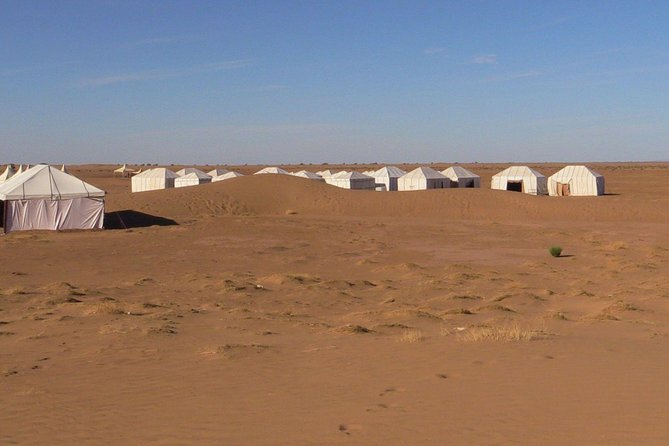
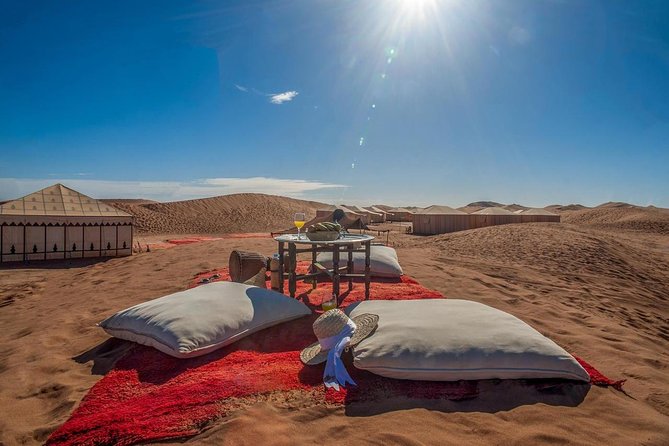
The desert camp night is included, along with dinner. That’s a big deal for value because you avoid one of the most annoying travel problems: paying extra late in the day when options are limited.
Also, the tour description mentions authentic Moroccan dinner under the stars. Even if your meal is simple, eating outdoors in the desert changes the whole feel of dinner. And since breakfast is also included the next day, you can keep your morning low-stress.
If you’re the type who likes to photograph everything (dunes, tents, lantern light, silhouettes), the camp night is where you’ll likely spend the most time on your camera, especially once the dunes glow in the dark.
Day 3: Rissani Souks and the Draa Valley Palm Drive Back
On Day 3, you don’t rush straight to Marrakech. You get a final cultural and scenery hit.
First: Rissani Market (souks). It’s described as the largest and biggest market in southern Morocco, and you have about an hour. This is the kind of stop that’s practical even if you’re not shopping: it helps you understand daily life, how the region trades, and what people bring in and out of the market rhythm.
Next you head through Draa Valley, driving along a palm valley route near the Anti-Atlas Mountains. This is a calmer closing day compared to dune time. You’ll be on the road, passing palms and desert-adjacent scenery, with enough time to look out the window and reset after the desert night.
The tour includes transport back to Marrakech with hotel pickup/drop-off, so you’re not left guessing how to connect your final leg.
Price, Group Size, and the Real Logistics You’ll Care About
Let’s talk about what the price really covers in a way that helps you decide.
For $99, you’re not just buying one highlight. You’re paying for:
- Air-conditioned transport with a driver
- Hotel pickup and drop-off
- Dinner twice and breakfast twice
- Key guided stops like Ait Ben Haddou and the gorge visits
- Desert night at Erg Chebbi plus camel ride and included dinner there
What you’re not paying for: lunches and all drinks, plus anything not listed as included. Atlas Film Studio is one clear example where you should expect to pay separately.
The tour caps at 17 travelers, which usually helps keep the experience manageable. It can still feel shared, but your schedule is more controllable than bigger departures.
You’ll also want to know that this is a shared desert tour, so the exact timing might shift slightly depending on weather and road conditions. That’s normal in Morocco, especially around desert areas.
Atlas Film Studio and Other Optional Costs
The only add-on in the data that’s explicitly flagged is Atlas Film Studio admission not included. That stop lasts about 40 minutes, so you may use it as a photo break, a quick visit, or you may choose to pay if you’re a film-nerd.
Also, since lunches and drinks aren’t included, build a plan:
- Eat a simple lunch during transfer stops if offered
- Carry water between stops when you can
- Don’t wait until late if you’re prone to getting snacky
A budget tour can still be comfortable. It just asks you to manage food and small entries.
What to Pack for the High Atlas to Erg Chebbi Stretch
Even without overthinking it, a few items make the trip smoother:
- A light jacket for desert evenings and higher altitudes
- Comfortable shoes for gorge walks in Dades and Todra
- Sunscreen and sunglasses (you’ll be out in open sun)
- A small day bag for water and snacks
- A layer you can stash quickly in the vehicle
If you’re planning photos, bring a lens or phone settings that handle strong light and shadows. Gorge days can be contrast-heavy, and dunes at sunset are all about timing.
Who This Tour Fits Best
This shared 3-day desert tour is a strong match if you:
- Want the desert plus gorges and kasbahs in one loop
- Are budget-minded but still want comfort like air-conditioned transport
- Like a structured schedule where someone else handles driving and timing
- Prefer small-group energy over large bus crowds
It might not be ideal if you:
- Want long, slow stays at every site
- Get irritated by short stops and quick transitions
- Hate any added costs for optional admissions and drinks
Guides and the Human Side of the Experience
One of the reasons these tours work is the guide’s tone. In past experiences with Morocco Guide Smile, Youssef Merry has stood out for being professional, polite, and fluent in English. There’s also mention of a kind welcome via WhatsApp, which helps you feel oriented before you ever step into the vehicle.
That matters on a desert trip. When you’re tired, language barriers and unclear timing become stress. A calm, communicative guide helps you enjoy the route instead of managing it.
Even if the exact guide changes, that’s the standard worth looking for: clear communication, respectful handling of schedules, and practical answers.
Should You Book This 3-Day Shared Desert Tour?
If you want a smart, budget-friendly way to see Marrakech’s edge of the Sahara without doing multi-day transfers on your own, I think you’ll be happy with this style of tour. It hits the big zones—High Atlas, Ait Ben Haddou, Dades and Todra gorges, Erg Chebbi dunes, and a cultural market stop—and it includes enough meals to keep costs predictable.
Book it if you like variety and you’re okay with some stops being time-limited. Consider another option if you’re chasing deep, unhurried immersion or you’re counting every last cent and don’t want any optional entry fees.
If weather turns rough, desert plans can change, but you’ll typically get offered a different date or a full refund. For a trip like this, that flexibility is worth having.
FAQ
What does the tour cost and how long is it?
It costs $99.00 per person and runs for about 3 days.
Is pickup and drop-off included?
Yes. The tour includes hotel pick-up and drop-off in Marrakech, plus transport by an air-conditioned vehicle and driver.
What meals are included?
The tour includes 2 dinners and 2 breakfasts. Lunches and all drinks are not included.
Does the price include the camel ride and desert camp night?
Yes. You’ll enjoy a camel ride to watch sunset over Erg Chebbi dunes and spend the night at a desert camp.
Are entrance fees included for every stop?
Not all. For example, Atlas Film Studio admission is not included, and some other places may specify included or free entry times on the schedule.
How large is the group?
The tour has a maximum size of 17 travelers.