REVIEW · MARRAKECH
Morocco 9 Days Tour From Marrakech
Book on Viator →Operated by Tilila Travel · Bookable on Viator
Atlas peaks and desert quiet, all in nine days.
This Morocco circuit is interesting because you get major scenery shifts in a single loop, from High Atlas passes to Sahara dunes, then into Fes and the coast. I also like that it runs as a small group tour (max 8), so the day doesn’t feel like cattle-herding.
My other big love: you’re not just looking at Morocco through a bus window—you do the classics in a practical way, like a guided stop at UNESCO-listed Ait Ben Haddou and a proper desert night in Merzouga. One consideration: meals are only partly covered, so you’ll want to budget for lunches and most dinners while you’re on the road.
In This Review
- Key Takeaways Before You Go
- How This Marrakech-to-Sahara Loop Delivers Morocco in One Shot
- Starting in Marrakech: Airport Transfer to Your Riad or Hotel
- Tizi n Tichka and Ait Ben Haddou: The High Atlas Grand Entrance
- Dades Gorges and the Rose Valley Road to Todra
- Merzouga Sahara: Camel Ride, Bivouac Night, and Sunrise Time
- Midelt, Cedar Forest Monkeys, and the Road to Fes
- Fes El Bali with a Local Guide: Souks, Medersas, and Dye Pits
- Chefchaouen from the Rif Mountains: Blue Medina Day
- Rabat and Casablanca: Hassan II Across Morocco’s Coast
- Back to Marrakech: Final Free Time and Airport Transfer
- Price and Logistics: Is $1,916.40 Good Value?
- The Human Side: Drivers, Guides, and Getting Support
- Who This Tour Fits Best
- Should You Book This Marrakech to Sahara Circuit?
- FAQ
- How long is the Morocco 9 Days Tour from Marrakech?
- What is the group size for this tour?
- Is airport pickup included?
- What meals are included?
- Is the camel ride included in the Sahara portion?
- Do you get local guides during the trip?
- Is there free cancellation?
Key Takeaways Before You Go
- Small group size (max 8): more chances to ask questions and keep the pace sane.
- UNESCO stop with guidance: Ait Ben Haddou is handled with a local guide, not a drive-by photo stop.
- Camel ride at sunset in Merzouga: included as a scheduled experience, plus a night at the camp.
- Two cities with local guides: Marrakech and Fes both include local-guided time.
- Long-distance comfort is the real feature: accommodations and transport are handled for you, so you spend less time planning.
How This Marrakech-to-Sahara Loop Delivers Morocco in One Shot
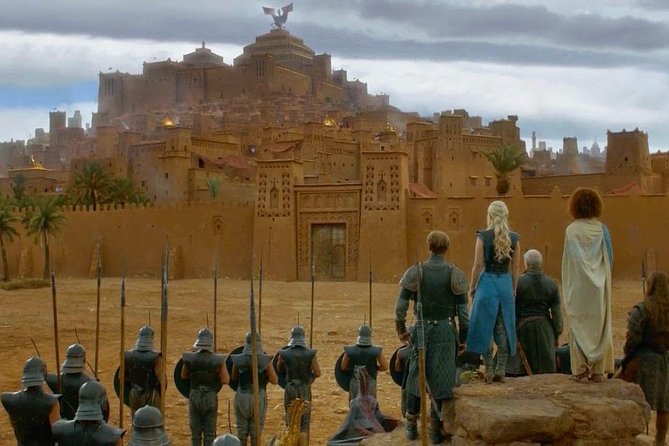
If you’re short on time but still want the real Morocco highlights, this kind of guided circuit makes sense. Instead of choosing between mountains, desert, and cities, you get a sequence that naturally moves west and back toward the Atlantic—Marrakech first, then Atlas, then dunes, then Fes, then the Rif and coast.
The big value isn’t only the places. It’s the fact that accommodation + transport are taken care of, so your biggest task becomes showing up on time. That matters when you’re crossing multiple regions in a single trip.
You can also read our reviews of more tours and experiences in Marrakech.
Starting in Marrakech: Airport Transfer to Your Riad or Hotel
The tour begins with an airport transfer that drops you at your riad or hotel in Marrakech. It’s a small thing, but it’s the difference between starting your vacation relaxed and starting it with paperwork, taxis, and phone calls.
From there, you’re set up for the next morning departure. If you like an itinerary that’s structured but not complicated, this start style fits well.
Tizi n Tichka and Ait Ben Haddou: The High Atlas Grand Entrance
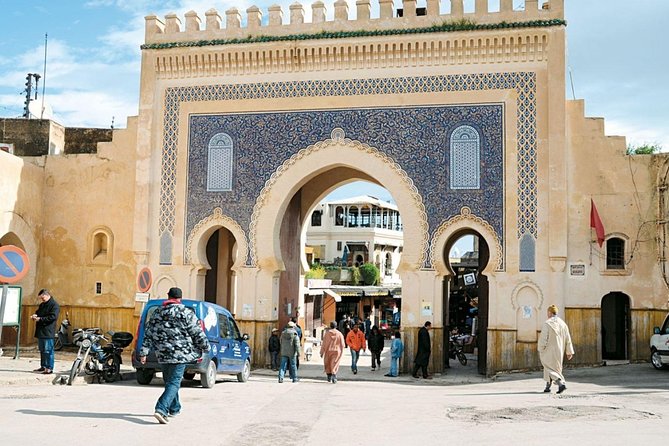
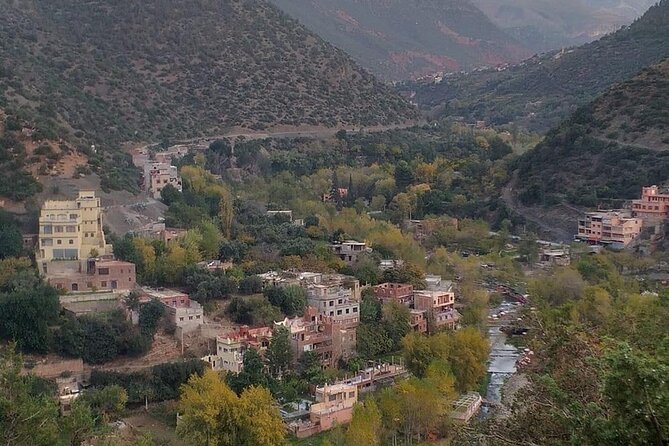
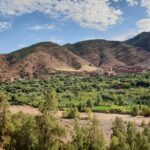
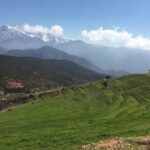
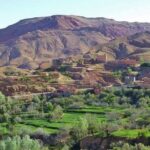
After Marrakech, you drive through the Tizi n Tichka pass in the High Atlas Mountains. You get stops for photos and a break, plus time to enjoy the changing colors and Berber villages along the way.
Then comes the centerpiece: Ait Ben Haddou, the UNESCO World Heritage site. You’ll be guided by a local guide, which is the smart way to visit a place like this. You’re not just walking around stone sets; you’re getting the story behind why this ksar matters.
One practical note: this day includes a couple of long drives and a few timed pauses. If you get car-sick, bring what you normally use and keep your focus on the views and stops.
Dades Gorges and the Rose Valley Road to Todra
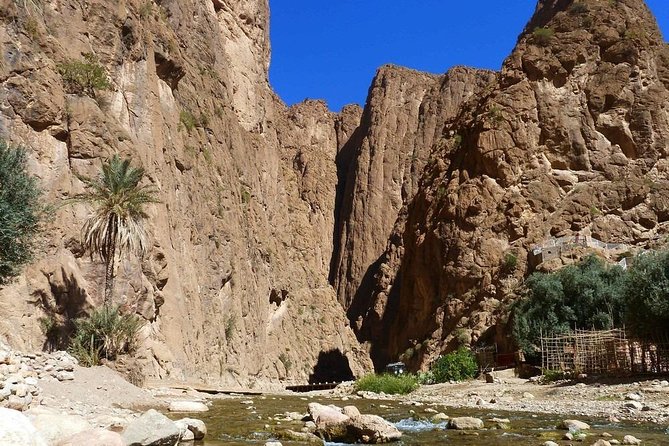
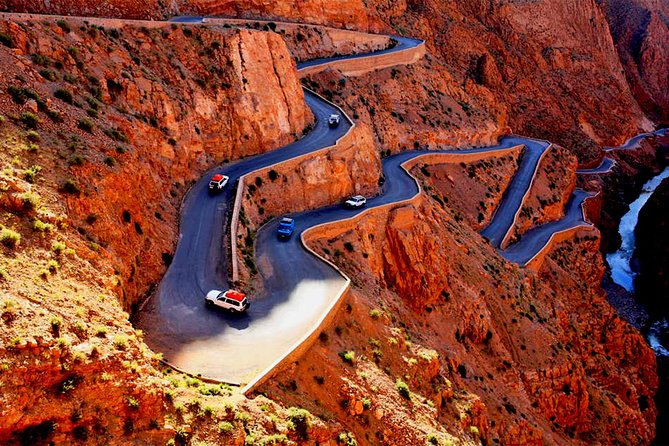
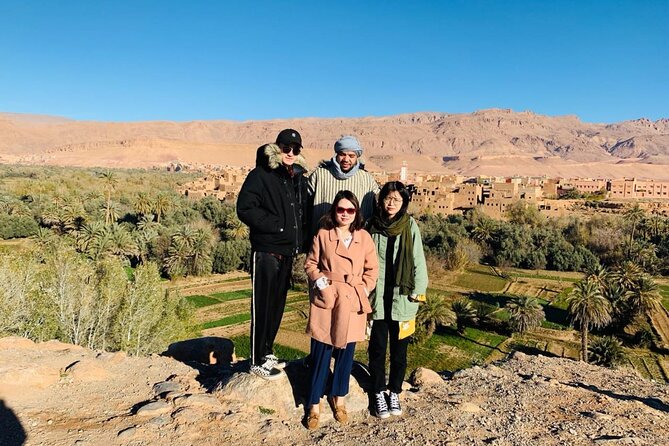
Next you head toward Dades Valley and the gorges, with routing that includes a stop-through feel: rose valley and Skoura palm grove before you reach Dades gorges. This is where Morocco starts looking less like famous postcard sights and more like lived-in regions—valleys, palms, and smaller communities on the way to bigger landmarks.
That first night in the mountains is in a typical Moroccan hotel, placed right in the heart of the Dades gorges area. Dinner, breakfast, and overnight are included there, so you aren’t juggling meals after a long driving day.
The following segment brings you to Tinghir, known for palm groves and a Jewish quarter. Then you reach Todrha (Todgha) gorges, where you’ll have free time for a canyon trek along the area’s dramatic canyons (about 300 meters high). If you like walking and stretching after days in a vehicle, this stop gives you that.
Merzouga Sahara: Camel Ride, Bivouac Night, and Sunrise Time
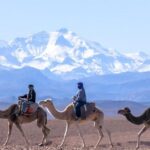
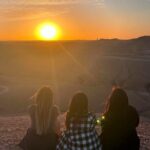
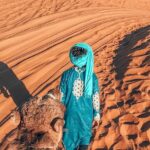
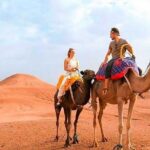
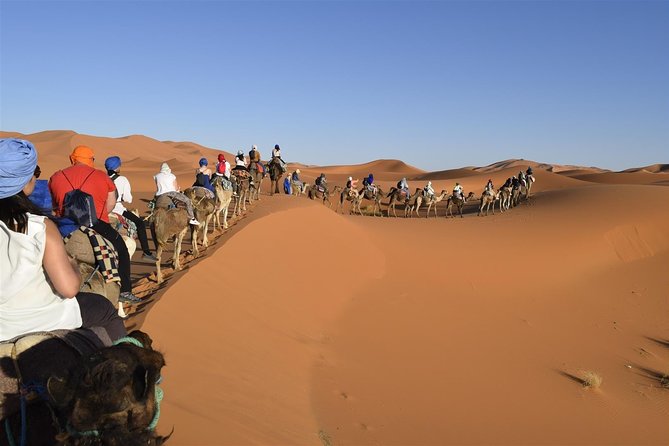
This is the part most people book for, and it’s built into the schedule with clear timing. You travel to Erg Chebbi dunes in Merzouga, then take a camel ride for about 1h30 at sunset. When the tour hits this moment, it’s not an optional add-on; it’s part of the desert rhythm.
After the camel ride, you spend the night in the desert camp area (a bivouac) under nomadic tents or outside under shooting stars. Dinner and overnight are included, which is helpful because once you’re in the dunes, food logistics can get messy fast.
The next morning includes an early start to enjoy sunrise in the dunes and time for photos. Even if sunrise photos aren’t your main goal, that quiet morning window is a real reset after busy city time.
Midelt, Cedar Forest Monkeys, and the Road to Fes
From the desert, the trip shifts back toward civilization. You return by camel to the hostel area, including time to shower before you continue to Fes.
On the way, you pass through the Ziz valley and regions like Errachidia and Midelt, then stop at the cedar forest for the famous wild monkeys. This is a neat breather between major landmarks, and it breaks up the “drive, arrive, repeat” pattern.
Eventually you reach Fes in the evening. The flow here matters: you don’t just arrive and disappear. You’ve earned that sense of arrival.
Fes El Bali with a Local Guide: Souks, Medersas, and Dye Pits
Fes is where the tour becomes more than sightseeing—it becomes orientation. You’re in the spiritual and cultural heart of Morocco, and you’ll explore the old city area called Fes el Bali.
The guided portion is a big deal here. You’ll walk the twisting streets and alleyways, see the old-school rhythm of donkeys carrying goods, and move through specialty sections that make sense of the souk. You also get to experience historic sites like khans and medersas, plus dye-pits.
Fes can overwhelm you if you’re navigating alone, especially with the sheer number of small lanes. Having a local guide for this part is what helps you get your bearings fast and understand what you’re seeing.
Chefchaouen from the Rif Mountains: Blue Medina Day
After Fes, you drive through the Rif Mountains to reach Chefchaouen. This stop is built for views and for wandering—getting to the town early enough to enjoy the scenery and then spending time in the Medina.
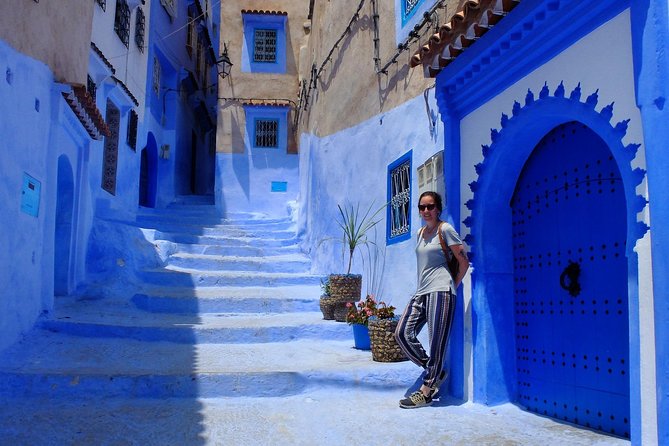
Chefchaouen is known for its Spanish-style feel in the Medina, and you’ll get time to stroll the streets and soak in the look that people travel for. If you like towns where you can walk without a strict schedule every five minutes, Chefchaouen is a good fit.
If you prefer only major monuments, you might find Chefchaouen more about atmosphere than structures. But if you like charming city texture, it works.
Rabat and Casablanca: Hassan II Across Morocco’s Coast
From Chefchaouen, you head to the capital area: Rabat. Here you’ll visit the Tour of Hassan II. Then you continue on to Casablanca.
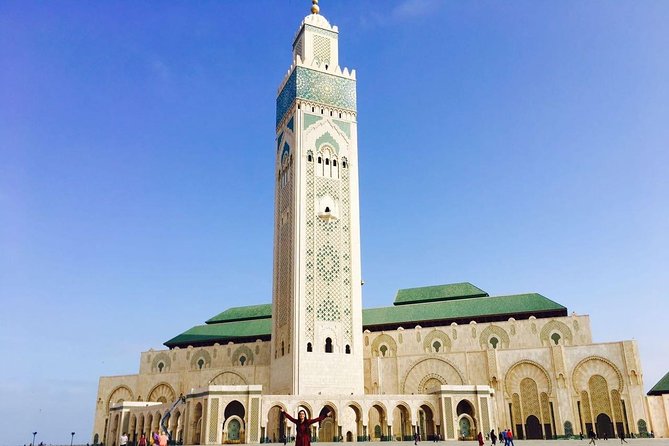
In Casablanca, you can visit the Mosque Hassan II. This pairing makes sense because it gives you both a political-capital feel and a grand coast-side landmark experience, without adding extra cities that would stretch the schedule.
The drives are not short, but you’re compensated with big names. If you’re the type who wants Morocco’s highlights without extra research homework, these coastal stops are efficient.
Back to Marrakech: Final Free Time and Airport Transfer
You return to Marrakech after the coast segment and get free time to explore the city on your own. This is useful because Marrakech is the place where you might want to revisit a spot you liked earlier or buy items you noticed during the trip.
On the final day, you also get free time, then a transfer to the airport. The timing is short—about 20 minutes—so the tour keeps the finish clean.
Price and Logistics: Is $1,916.40 Good Value?
At $1,916.40 per person, this isn’t a budget backpacking deal. The value is in what it bundles: accommodation for the trip, transport between regions, a Sahara camel ride, and guided time in Marrakech and Fes (plus the UNESCO visit at Ait Ben Haddou).
Meals are where you’ll feel the difference most. You get 9 breakfasts included, plus 2 dinners included. But lunch isn’t included, and the listing notes dinner X 6 isn’t included. So the real cost at the end of the trip depends on how you handle food each day.
If you hate hunting for hotels and hate negotiating rides between far-flung places, this price can feel fair because it buys you fewer decisions. If you’re happy planning independently and you’re a light spender on meals, you might find a cheaper DIY route.
The Human Side: Drivers, Guides, and Getting Support
One thing that comes through in the experience is the focus on service. People have been happy with punctual, professional drivers like Yassin and Mostapha, and you may also interact with tour support from Mohamed.
For on-the-ground context, guides named Emel, Ali, and Hassan show up as part of the broader local team. That matters most on the days where you’re walking complex places like Fes el Bali or learning what makes Ait Ben Haddou significant.
Who This Tour Fits Best
This tour fits you if you want a structured Morocco circuit with minimal planning and you’re okay with travel days. It’s especially strong for first-timers who want the classic sequence: Atlas pass, UNESCO ksar, dunes, Fes old city, Chefchaouen, and then Rabat/Casablanca.
You might think twice if you:
- want every meal included (only breakfast is full coverage)
- dislike long driving days between major stops
- prefer smaller experiences without fixed group schedules
Should You Book This Marrakech to Sahara Circuit?
I’d book it if you want the full Morocco hit in about 9 days and you don’t want to coordinate hotels, rides, and guides on your own. The combination of small group size (max 8), included transport, the Sahara camel ride and camp night, and guided time in the biggest city stops makes it a practical choice.
I’d hesitate if you’re very budget-driven on food or if you need more flexibility than a scheduled loop provides. In that case, you could still visit these places, but you’d probably do it in a more self-paced way.
If your goal is one well-run trip that takes you from Marrakech to the desert and back, this one is built for that.
FAQ
How long is the Morocco 9 Days Tour from Marrakech?
It runs for approximately 9 days.
What is the group size for this tour?
The maximum group size is 8 travelers.
Is airport pickup included?
Yes. The tour includes a transfer from the Marrakech airport to your hotel or riad.
What meals are included?
Breakfast is included for 9 days. Dinner is included for 2 dinners. Lunch and drinks are not included, and dinner X 6 is listed as not included.
Is the camel ride included in the Sahara portion?
Yes. You get a camel ride in the Sahara for about 1h30 at sunset.
Do you get local guides during the trip?
Yes. Local guides are included for Marrakech and Fes.
Is there free cancellation?
Yes. You can cancel up to 24 hours in advance for a full refund.