REVIEW · MARRAKESH
Merzouga desert 3 days 02 nights & bivouac & camel ride
Book on GetYourGuide →Operated by Alliance rana voyageurs marrakech · Bookable on GetYourGuide
Nothing beats desert light at daybreak.
This 3-day run from Marrakech to Merzouga mixes big-name sights with the real Southern Sahara feel: the UNESCO-listed Kasbah Ait Ben Haddou and the camel trek into Erg Chebbi for a color-shifting sunset and sunrise. I also like that you’re not just dropped at the dunes—you’re guided across the High Atlas, past palms and canyons, and into a Berber-style camp. One thing to plan for: the drives are long, and the dune time can feel short depending on how your day is timed.
I’d treat this tour as a good value sampler. At $124 per person, you get transport with a driver-guide, a camel ride (or 4×4 option), sandboarding, and meals for two dinners plus two breakfasts—but lunches and drinks are on you, and entrance fees for some Ouarzazate stops are not included. In one recent booking, the camp included solid comfort like shower/sink and even air-conditioning, but don’t assume that level every time.
In This Review
- Quick highlights you’ll feel from day one
- From Marrakech to the High Atlas: the drive that sets the mood
- Ait Ben Haddou and Ouarzazate: UNESCO time, plus movie-set bonus
- Dades Valley style: Boumalne Dadès as your mountain reset
- Todra Gorge, Tinghir oasis, and the canyon moment
- Getting to Merzouga: where the dunes start calling
- Camel trek and bivouac: sunset, sunrise, and camp comfort
- Food, water, and the extras that can change your budget
- Price and logistics: $124 looks good, but read the fine print
- Who this tour suits best (and who should choose another)
- Should you book this Merzouga 3-day camel bivouac tour?
- FAQ
- How long is the Merzouga desert 3-day tour?
- What time does the tour depart?
- What is the starting location for this tour?
- What’s included in the $124 per person price?
- What is not included?
- Do I ride a camel to Erg Chebbi?
- Where do we sleep during the tour?
- Is the tour offered every day?
- What is the cancellation policy?
Quick highlights you’ll feel from day one
- Tizi n Tichka pass crossing the High Atlas on the way south, around 2,260 m high
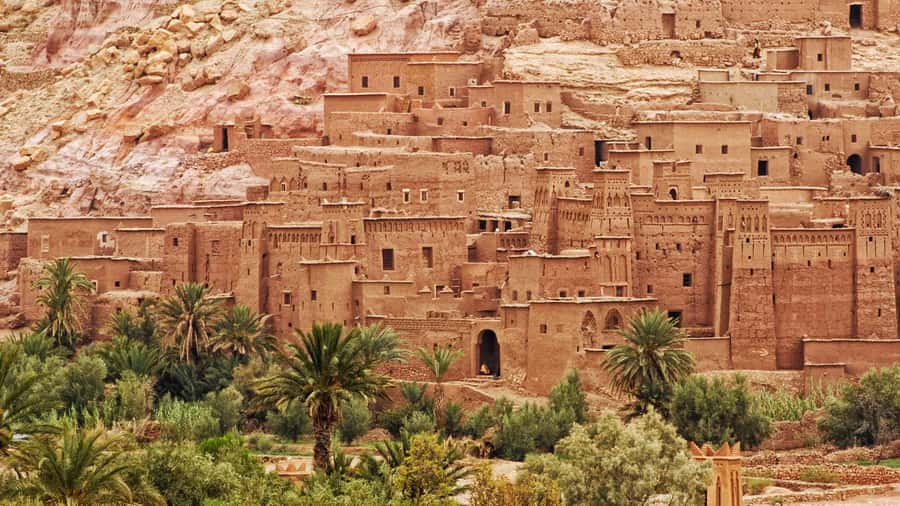
- Ait Ben Haddou UNESCO stop with time to actually see the ksar, not just the sign
- Todra Gorge + Tinghir oasis for that canyon-and-palms contrast that Morocco does so well
- Erg Chebbi camel trek for dunes, sunset, and sunrise at the right rhythm of the day
- Standard desert camp bivouac for a night under nomadic-tent style set-ups
- Sandboard included once in the dunes, so you don’t have to hunt for an add-on
From Marrakech to the High Atlas: the drive that sets the mood
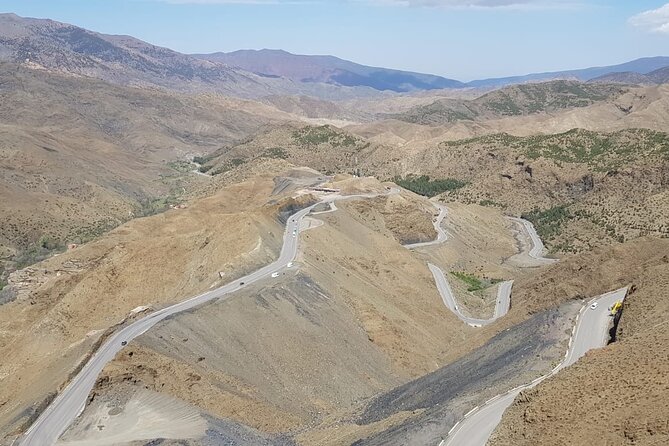
The day starts early—departure is listed at 07:00 am—and that’s a blessing, not a hassle. Once you leave Marrakech behind, the road climbs toward the Tizi n Tichka pass (about 2,260 m). This is where the scenery shifts quickly, and it explains why the trip feels like a journey, not a transfer.
Your first long push also includes the classic Southern Morocco loop: you pass through mountain roads, then head toward Ouarzazate. On a tour like this, timing matters because the Atlas crossing takes time even when the roads look simple on the map. If you’re sensitive to long drives, pack water and snacks for yourself since lunches along the route aren’t included.
One practical note: the transport is a bus/coach style setup with a driver-guide, and the ride isn’t sold as luxury. In a good booking experience, there were regular breaks that helped the day feel manageable—still, expect a full day of road time.
A few more Marrakesh tours and experiences worth a look
Ait Ben Haddou and Ouarzazate: UNESCO time, plus movie-set bonus
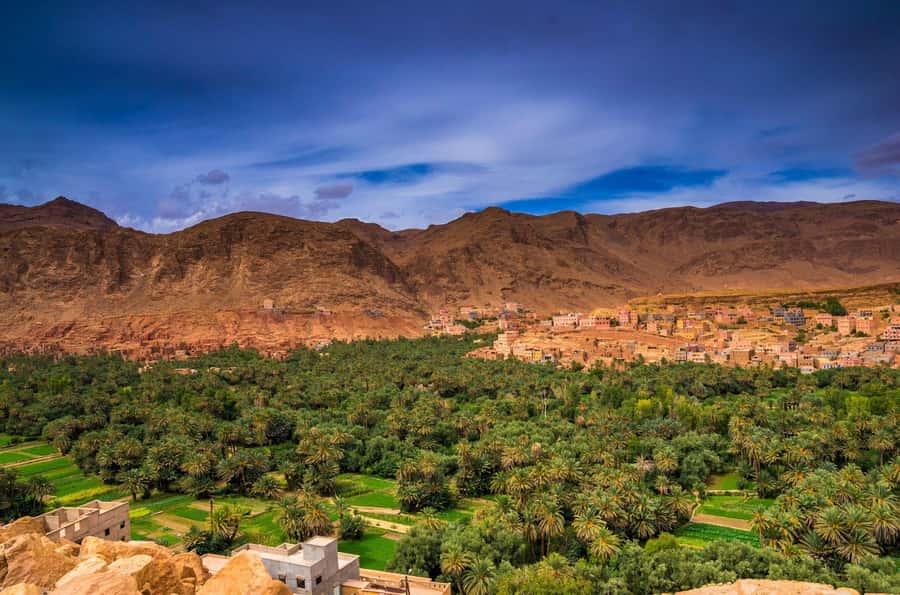
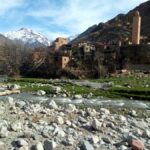
The tour’s big “wow” stop before the desert is Kasbah Ait Ben Haddou, a UNESCO world heritage site. This ksar (fortified village) is one of those places where a few minutes of walking changes your whole understanding. From the exterior walls to the alley-like layout, you start to see how people lived and defended in harsh conditions.
I like this stop on this tour because it’s not just a billboard photo. The schedule gives you a real visit, which is crucial: if you only stop for 10 minutes, you miss the texture of the place—the narrow turns and the scale of the buildings.
After Ait Ben Haddou, you continue to Ouarzazate, with sightseeing that typically includes Kasbah Taourirt and the film studio area. Entrance fees for those specific stops are listed as not included, so if you care about going inside, bring a little extra budget. Even without entrances, the Ouarzazate stretch helps explain why filmmakers return here—big skies, dramatic terrain, and that Morocco-at-cinema feeling.
Dades Valley style: Boumalne Dadès as your mountain reset
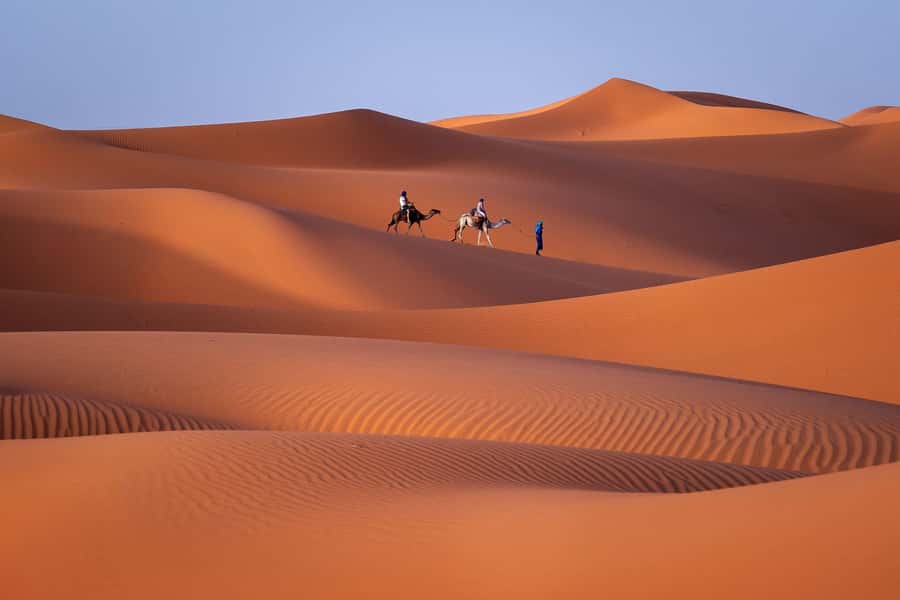
Your first overnight is in Boumalne Dadès after dinner. In one of the better recent experiences, the first night was in a hotel-auberge setup in the mountains with regular comforts. That matters because day two and the desert are more physical and less predictable.
This is also where the tour starts balancing “sightseeing” with “recovery.” You’re coming off the Atlas drive, so having a night in the Dades area helps you reset before the canyon and oasis route later.
If you’re the kind of traveler who wants to wake up refreshed, treat that first night as part of the strategy. Don’t use the evening to overschedule; aim to sleep well because day three is a long return day.
Todra Gorge, Tinghir oasis, and the canyon moment
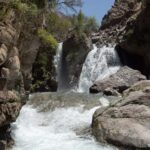
On the second day, you head toward the Tinghir area and the Todra Gorge. Todra is famous for a reason: the canyon walls make you feel small in a good way, and the gorge changes how sound carries. It’s a strong mid-trip break from dunes, so it prevents the desert days from feeling repetitive.
The schedule includes time for the Tinghir oasis area and then pressing into Todra Gorge. You’ll also have lunch at the gorge area (lunches aren’t listed as included in the package, but the schedule says lunch on site—just be aware that what’s actually included can vary by operator). The safest move is to assume you’ll cover your own lunch and drinks unless you confirm.
Then you continue toward Arfoud/Erfoud and into the Merzouga region through palm groves like Tinjedad and Touroug. This is one of those stretches that makes the arrival at Erg Chebbi feel earned. You stop seeing only “road and rock” and start noticing how oases break up the dry world.
Getting to Merzouga: where the dunes start calling
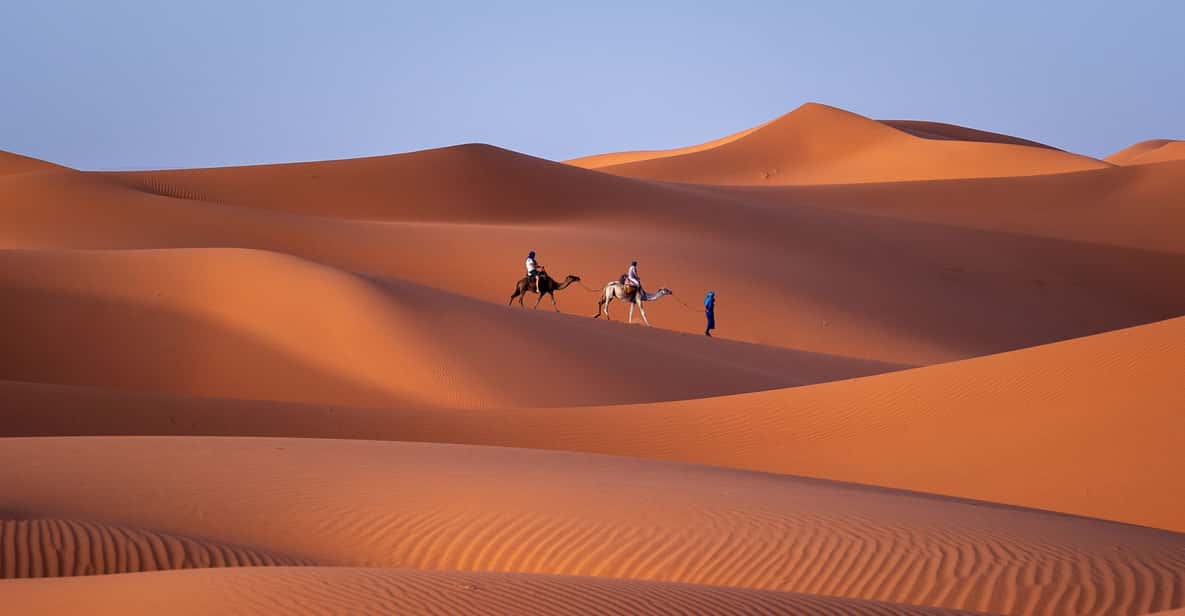
By the time you’re near Merzouga and Erg Chebbi, the vibe changes. Instead of canyon walls, you’re staring at an endless curve of sand tones that look almost different every hour. Erg Chebbi is also the part of the trip where timing becomes everything, because sunset and sunrise are the main show.
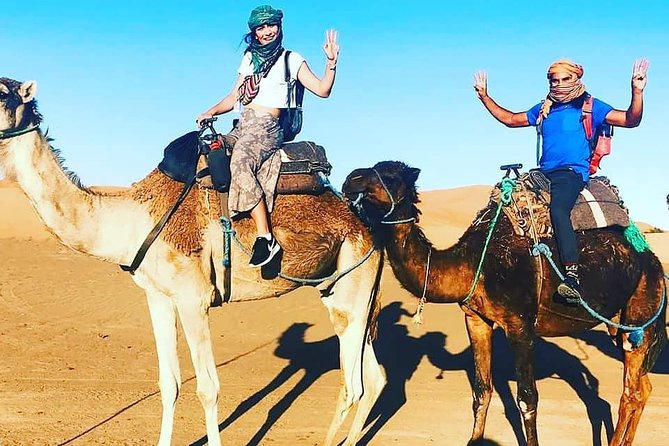
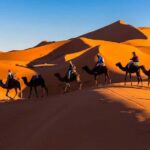
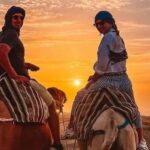
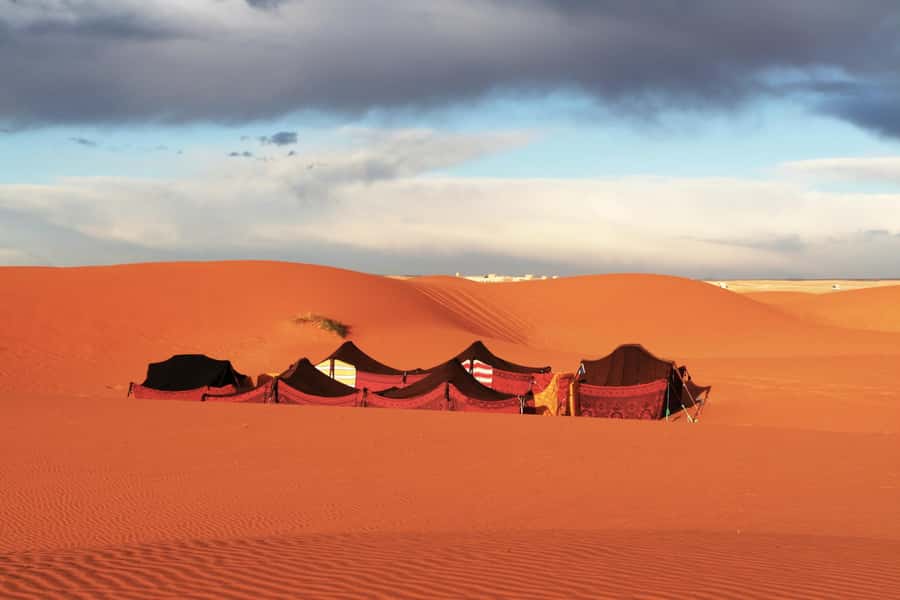
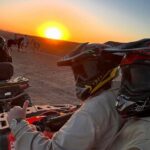
The tour includes the camel portion near the dunes. You’ll ride through the Erg Chebbi dunes to reach the camp area, then watch the dunes for color shift at sunset, and—if you’re lucky with timing—catch the start of sunrise the next day. That early-morning light is the reason many people book desert tours in the first place.
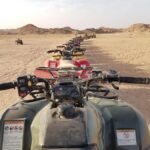
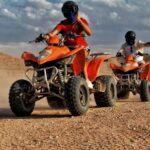
The reality check: the camel ride is included, but the exact structure can vary. In one booking experience, camel use was included once for the transfer to the camp, while extra rides inside the dunes (or quad/jeep options) were charged. I’d plan on the included camel as the main ride, and keep some cash ready for any optional add-ons you decide to do once you’re there.

Camel trek and bivouac: sunset, sunrise, and camp comfort
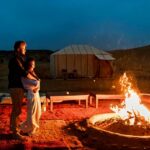
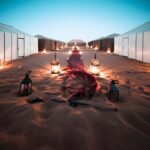
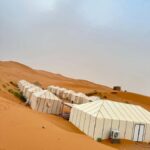
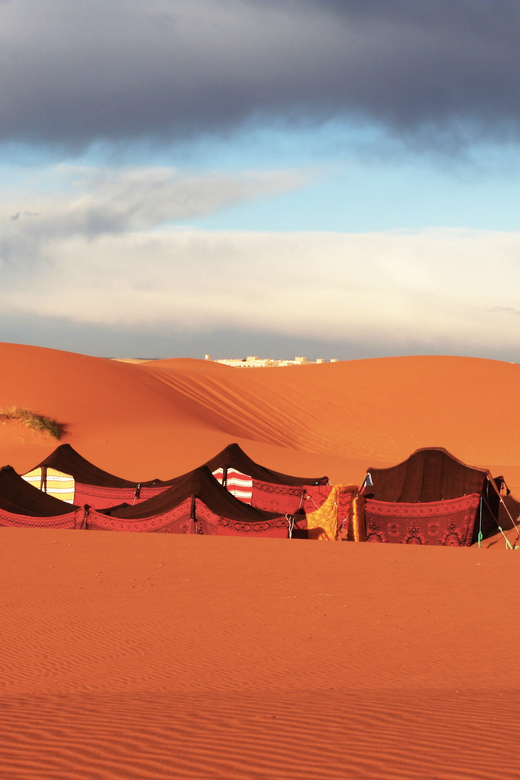
Night in the desert is where the tour earns its name. You’ll sleep at a Berber-style desert camp described as a standard camp. The camp is set among the dunes so you’re not just driving up for a quick look—you’re living the atmosphere for the evening.
What I like most here is the emotional rhythm. The day slows. You walk on sand where it’s silent under the dark, then you watch light melt across the dunes at sunset, and wake to a different color game at sunrise.
Camp conditions can vary. In a strong recent experience, the second night’s tent had practical comforts like shower/sink and even air-conditioning. That isn’t guaranteed by the core tour listing, but it’s a good sign that some operators offer upgrades. If you’re traveling in hot season, air-conditioning would be a major plus—so if that’s important to you, confirm.
One more logistics point from a less smooth booking: luggage handling can be strict. In that experience, the operator’s rule limited what could be taken to the desert area, and some personal items weren’t taken for them. If you want to keep things easy, pack light, and ask the operator how luggage is moved so you’re not stuck carrying extra items in sand.
Food, water, and the extras that can change your budget
The package includes dinner (2) and breakfast (2), so you’re not paying for all meals in the desert and mountain parts. But lunches and drinks aren’t included, and the road includes stops where you’ll likely be asked to buy water, tea, snacks, or extra experiences.
I’d treat cash as part of your packing list. In one booking experience, everything in the desert area felt expensive, and the best strategy was to have your own money (and even consider bringing a small tea setup if you’re picky about drinks). That’s not romantic, but it keeps you from feeling rushed.
Also watch for optional charges around activities. Sandboarding is listed as included, and that’s a big value point—getting to try it without paying extra. Still, one booking reported a mismatch around sandboard inclusion, so the smart move is simple: confirm that your departure date includes sandboarding in your exact package.
Price and logistics: $124 looks good, but read the fine print
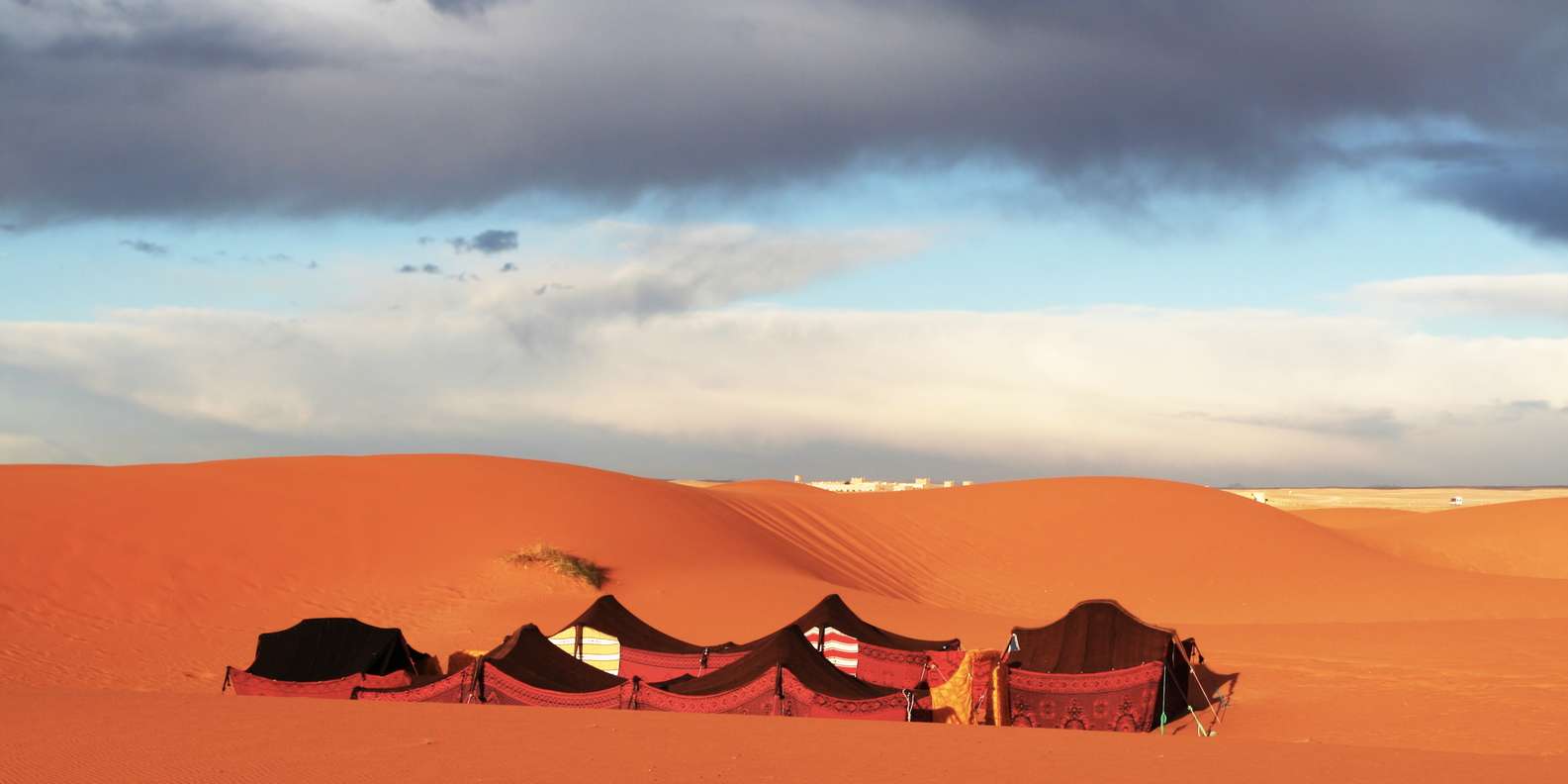
At $124 per person for 3 days and 2 nights, this tour has a clear value structure. You get:
- transport with a driver-guide
- camel ride (or 4×4 option)
- sandboarding
- 1 night in a desert camp
- 2 dinners + 2 breakfasts
That means you’re not separately booking the camel transfer, the camp night, and the desert sandboarding. When you compare to booking each part alone, this price often makes sense.
Where the value can wobble is the extras and timing. The drives are long, and the desert time can feel brief if the day runs behind schedule. One booking felt there wasn’t enough time for sightseeing, and that the desert moments were mostly evening and early morning. Another booking felt the full mix of sights was worth the effort, even with the long road.
So I’d treat this tour as a “see a lot in a short window” style option. If you want slow desert immersion—more dunes, more time on foot, more camp bonding—this may feel tight.
Who this tour suits best (and who should choose another)
This tour fits you if you want an efficient, guided route with a strong desert finale. It’s especially good if you’re excited about:
- UNESCO Ait Ben Haddou
- a canyon day at Todra Gorge
- the Erg Chebbi sunset and sunrise atmosphere
- doing camel trekking as part of your Merzouga experience
It might not fit you if you’re booking mainly for flexible timing or deep, unhurried stops. If long days in a coach make you grumpy, or if you need lots of time at each site, you’ll probably feel the schedule pressure.
One more thing: language. The driver-guide languages are listed as Arabic, French, English, German, and Spanish. But I’d still ask at booking time for English confirmation if you need it. In one less smooth experience, the guide setup didn’t match the expected language, and it affected the flow of the day.
Should you book this Merzouga 3-day camel bivouac tour?
Yes, if you want a solid first Merzouga trip and you’re okay with lots of driving for a big payoff. The itinerary hits key Morocco highlights—Atlas pass, UNESCO ksar, gorge and oasis time, then Erg Chebbi dunes with camel trekking and sandboarding.
I’d book with a few smart checks:
- Confirm sandboarding is included for your departure
- Ask how luggage is handled during the desert transfer
- If you need English, confirm the driver-guide language before you go
- Budget for lunch and drinks along the road, plus optional dune activities
If those boxes are satisfied, this tour is a practical way to get to the dunes, sleep in the desert camp, and come back with photos and memories that feel like Morocco south—not just another bus trip.
FAQ
How long is the Merzouga desert 3-day tour?
The tour runs for 3 days.
What time does the tour depart?
Departure time is listed as 07h00 am.
What is the starting location for this tour?
There are two starting location options: Sani Hamza and DAWAR KIRAT NAKRA.
What’s included in the $124 per person price?
It includes transportation with a driver-guide, camel ride (or 4×4 jeep), 1 night in a standard desert camp, sandboard in the desert, 2 dinners, and 2 breakfasts.
What is not included?
Lunches and drinks are not included. Entrance fees for Kasbah Taourirt and film studio are also not included, and a local guide is not included.
Do I ride a camel to Erg Chebbi?
Yes. You’ll do a camel ride through the dunes of Erg Chebbi as part of the Merzouga experience (with a 4×4 jeep option mentioned as an alternative).
Where do we sleep during the tour?
You’ll have 1 night in a standard Sahara desert camp. The schedule also includes an overnight in the Boumalne Dadès area after dinner on day one.
Is the tour offered every day?
Availability is listed as every day.
What is the cancellation policy?
Free cancellation is offered up to 24 hours in advance for a full refund.