REVIEW · MARRAKECH
Marrakesh Shopping Tour
Book on Viator →Operated by AnnoQri Travel Services · Bookable on Viator
A shopping tour in Marrakesh can go either way. This one is built for good guidance and real medina shopping, not random wandering. You get a local-led route that links the big names like Jemaa el-Fnaa with calmer shopping pockets, so you can actually buy with confidence.
I like two things a lot. First, you learn the practical art of haggling in the markets, with advice on what matters for quality and price. Second, the tour is structured by market sectors, so you can steer toward leather, textiles, ceramics, jewelry, spices, and more without getting lost in the chaos.
One thing to consider: this is a lot of walking in narrow streets, and it’s the medina—heat and crowds are part of the deal. Wear comfortable shoes, bring a water bottle, and don’t plan to browse like you’re in a mall.
In This Review
- Key things that make this Marrakesh shopping tour worth it
- Entering Marrakesh the right way: Jemaa el-Fnaa as your orientation point
- How the medina stays organized (even when it feels chaotic)
- What you’re likely to shop for in the medina
- Haggling tips you can actually use, not just theory
- My value take on the haggling focus
- Mellah Market: spices and dried goods with a clear specialty
- Souk Semmarine and the art of comparing prices
- Ensemble Artisanal: a more organized cooperative stop
- The tour’s pacing: 4 hours, big steps, and smart timing
- Who this Marrakesh shopping tour is best for
- Should you book this Marrakesh Shopping Tour?
- FAQ
- FAQ
- How long is the Marrakesh shopping tour?
- Is the tour private?
- Do you get pickup?
- Where does the tour meet?
- What markets and areas does the tour include?
- What can I shop for on this tour?
- Is there haggling during the tour?
- Are tickets included for all stops?
- What happens if the weather is bad?
Key things that make this Marrakesh shopping tour worth it
- Private, group-only pacing through the medina, so you’re not stuck with a huge crowd
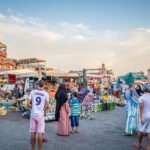
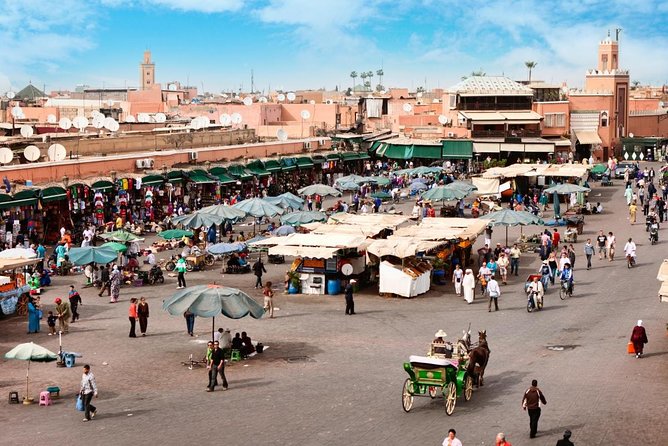
- Jemaa el-Fnaa at the start and end, including time for the night-market vibe
- Haggling help from local English-speaking guides, including quality and price pointers
- Market sections by trade, so you can pick what you want to see (jewelers, weavers, potters, and more)
- Mellah Market focus on spices and dried foods, including saffron and rose petals
- Ensemble Artisanal stop for a more organized, government-run cooperative shopping feel
Entering Marrakesh the right way: Jemaa el-Fnaa as your orientation point
Most people need a place to start where the streets feel less random. This tour begins at Jemaa el-Fnaa, right in the middle of the medina, where you can get your bearings fast and understand what kind of shopping world you’re stepping into.
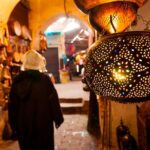
You’ll move through narrow lanes filled with stalls and local shoppers, which is exactly what you want on a first Marrakesh shopping day. The guide also sets expectations early—how to approach sellers, how to shop without feeling pushed, and how to bargain without turning it into a stressful battle.
A good practical note: the meeting time is your choice, so you can match it to when you prefer to shop—cooler morning vibes or later afternoon energy before night markets.
You can also read our reviews of more shopping tours in Marrakech
How the medina stays organized (even when it feels chaotic)
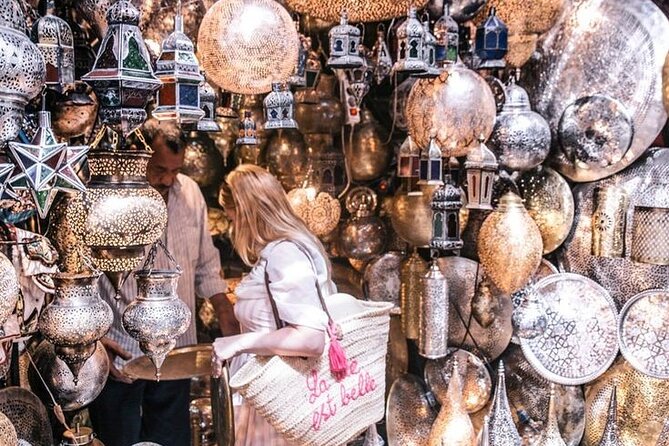
The medina can feel like one long maze. The magic here is that your guide doesn’t treat it like one giant confusion cloud.
In the main market sections, you’ll learn that the souk is organized by sector—jewelers, blacksmiths, potters, weavers, carpenters, and other trades. Your guide asks what you’re interested in, so the route makes sense for your shopping priorities instead of just following a preset loop.
This is where the tour becomes more than shopping. It’s how you learn the logic of the place. Once you understand that the streets cluster by craft, you’ll shop better on your own after the tour too.
What you’re likely to shop for in the medina
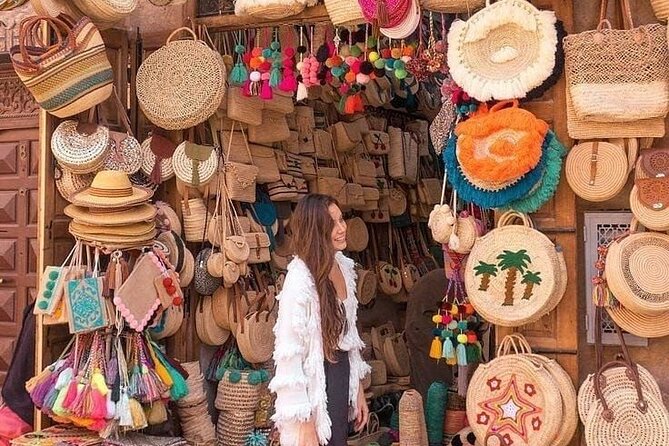
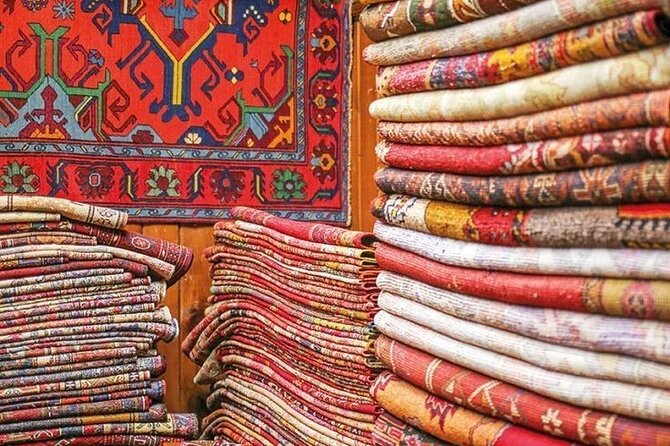
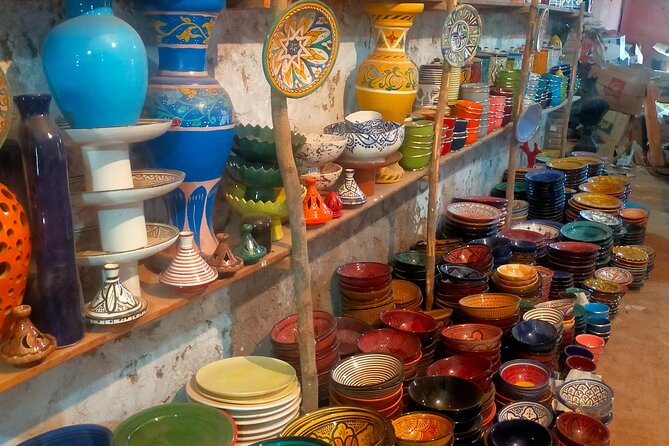
Expect to browse goods like leather items, textiles, ceramics, jewelry, slippers, souvenirs, and spices. Even if you don’t buy everything, you’ll get a feel for what’s common, what’s better quality, and where different prices tend to appear.
One small drawback: because it’s private and focused, the tour moves with purpose. If you’re the kind of shopper who wants to linger for 30 minutes in one shop, plan to save that for after the tour while the medina is still fresh in your mind.
Haggling tips you can actually use, not just theory
Haggling is where many visitors get stuck. Too shy and you overpay. Too aggressive and you lose the friendly flow.
The best part is the guide’s hands-on help. You’ll get coaching on how to think about product quality and pricing before you commit—so you’re not guessing in the dark. You’ll learn how to approach sellers, how to ask questions, and how to bargain in a way that keeps things respectful.
Guides you might encounter in this kind of tour have been described as friendly and very helpful, with names like Saïd and Abdellah showing up in past experiences. There’s also a pattern of guides being praised for clear explanations and practical advice, which matters because medina shopping is not intuitive at first.
My value take on the haggling focus
At $52.27 per person for roughly 4 hours, you’re not just paying for walking access. You’re paying for someone to translate the market logic—what to look for, what questions to ask, and how to negotiate without getting stuck.
If you want a few good buys (leather goods, spices, souvenirs) and you want fair prices, this guide-led approach is usually a smart shortcut. If you only want window-shopping and photos, you could do the markets on your own and still have a good time—but you’ll lose the bargaining safety net.


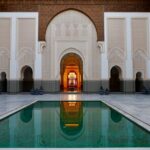


Mellah Market: spices and dried goods with a clear specialty
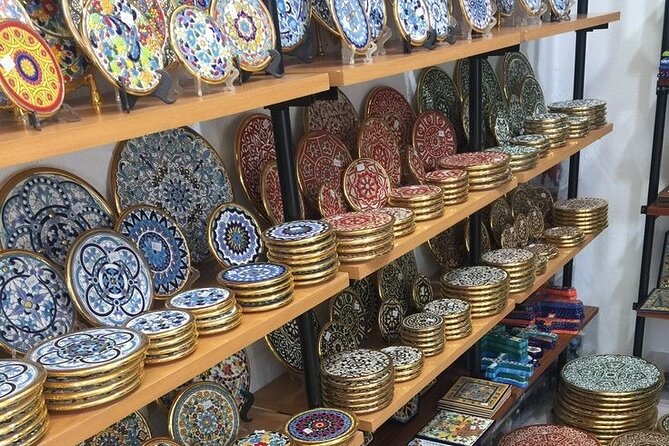
Not every market in Marrakesh is about everything. Mellah Market is known for spices and dried foods, and that specialty makes it easier to shop with focus.
You’ll find ingredients like saffron, dried rose petals, and candied fruits, plus dried fruits and nuts. This stop is a great fit if you like edible souvenirs or you want spices you can actually use at home without guessing quality.
The time here is shorter, so come with a rough idea of what you want. If you’re buying spice blends, think about how you’ll use them—tagines, couscous, grilling rubs—or you’ll end up with jars you don’t know how to handle later.
A practical consideration: if you’re sensitive to strong smells, the spice section is fragrant and intense in the best way. Just keep your shopping pace steady.
Souk Semmarine and the art of comparing prices
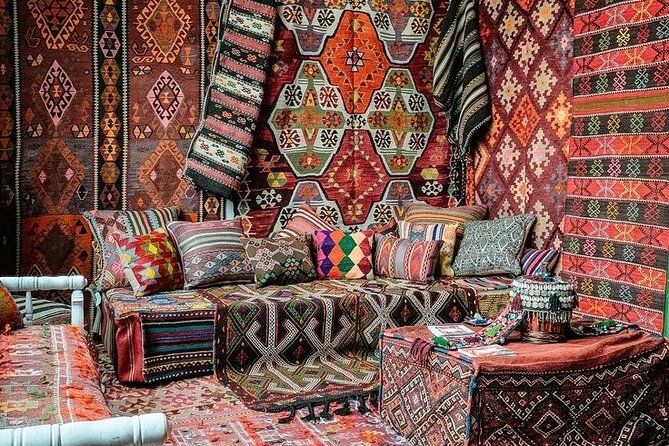
After Mellah, you’ll head to Souk Semmarine, one of the larger markets in Marrakech. This area is where the range expands—spices and food alongside clothing and souvenirs.
This is also where price comparison becomes more important. You might notice that one street sells certain items more aggressively, while another area prices differently depending on the crowd and the seller’s style.
A useful way to shop here is to treat it like a mini research trip during the tour. Take mental notes on what a seller is asking, then compare with what the guide suggests you check elsewhere. That approach makes your later purchases (even outside the tour) more confident.
Ensemble Artisanal: a more organized cooperative stop
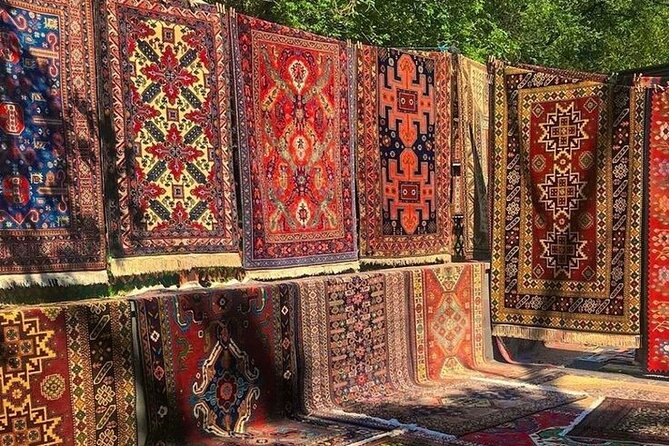
If you want a shopping moment that feels a bit more structured, Ensemble Artisanal helps. It’s described as a government-run cooperative, selling handicrafts made by local artisans.
This stop is where you’ll see higher-end options in categories like pottery, carpets, jewelry, and woodwork. It’s still a market situation, but the cooperative setup can feel more straightforward than hunting through the widest medina lanes.
This is a good place to slow down slightly and look for craftsmanship. If you care about materials and finishing—how pottery is glazed, how carpets are made, how jewelry is constructed—this stop gives you a clearer shopping environment to compare quality.
The tour’s pacing: 4 hours, big steps, and smart timing
This experience is about 4 hours, and it’s built for efficiency. You’ll hit major points without trying to cover the entire city, which is exactly what you want when you’re on limited time.
The walking matters. You’ll be moving through narrow streets and market crowds, so comfortable shoes are not optional. You’ll also want to dress for the weather, because the medina can feel warm even when the outside city is more tolerable.
Pickup is offered, and that can be a real help if you’re staying outside the medina. One past experience specifically mentioned a comfortable car with amenities and on-time service during high temperatures, which fits the practical reality of moving between shopping zones.
Finally, this tour requires good weather. If conditions are poor, you may be offered a different date or a full refund—so keep an eye on plans if you’re traveling during rainy or extreme conditions.
Who this Marrakesh shopping tour is best for
This is a strong match if:
- You want local help bargaining and quality checking, especially for leather, textiles, jewelry, and spices
- You want your first medina shopping day to feel guided and logical
- You like comparing options across different market styles, from Mellah to Souk Semmarine to a cooperative stop
- You prefer a private tour so the route matches your pace and interests
It might be less ideal if:
- You hate bargaining completely and want a no-negotiation shopping experience
- You want to spend long stretches in one shop with no movement
- You don’t do well with walking in tight streets and crowds
Should you book this Marrakesh Shopping Tour?
I’d book it if shopping in the medina is a priority and you want to avoid the common mistakes: getting disoriented, overpaying, and buying without understanding quality. The guide-led structure—starting and ending at Jemaa el-Fnaa, adding Mellah for spices, then hitting Souk Semmarine and Ensemble Artisanal—gives you variety without chaos.
If your goal is just to wander and take photos, you could skip a guided format and DIY the medina. But if you want a handful of meaningful buys and you’d like to learn how bargaining works in a respectful, practical way, this tour is good value for your time.
FAQ
FAQ
How long is the Marrakesh shopping tour?
It’s about 4 hours.
Is the tour private?
Yes. It’s private, and only your group participates.
Do you get pickup?
Pickup is offered.
Where does the tour meet?
You meet at Jemaa el-Fnaa in the center of the medina, at a time of your choice.
What markets and areas does the tour include?
You’ll visit Jemaa el-Fnaa, Marrakesh medina shopping areas, Mellah Market, Souk Semmarine, and Ensemble Artisanal.
What can I shop for on this tour?
You can browse leather goods, textiles, ceramics, jewelry, slippers, souvenirs, and spices. Mellah Market is known for spices and dried foods like saffron, dried rose petals, candied fruits, dried fruits, and nuts.
Is there haggling during the tour?
Yes. The tour includes tips and guidance on bargaining, and vendors expect you to bargain.
Are tickets included for all stops?
Some stops include admission tickets, while Mellah Market, Souk Semmarine, Ensemble Artisanal, and additional medina time are listed as admission free.
What happens if the weather is bad?
This experience requires good weather. If it’s canceled due to poor weather, you’ll be offered a different date or a full refund.