REVIEW · MARRAKECH
Marrakesh desert tour 3 days
Book on Viator →Operated by tour in Morocco · Bookable on Viator
A Sahara night is the highlight you’ll remember. This 3-day Morocco desert tour from Marrakech strings together Ait Benhaddou, Todra Gorge, and an Erg Chebbi dune sunset with a Berber camp stay. It’s one of those routes where the logistics help you focus on the view.
I like two things right away: you get round-trip pickup from your hotel area in Marrakech with a start time of 8:00am, and you’re moved between sights in an air-conditioned vehicle with a professional driver. The itinerary also includes the essentials for the desert moment: camel time, mint tea, a night in a camp, plus breakfast and dinner.
One drawback to plan for: this is a full-on road trip with long stretches, and lunches and drinks are not listed as included (even though lunch stops happen during the day). If you’re sensitive to travel time, you’ll want to pack snacks and keep your expectations flexible.
In This Review
- Key Things to Know Before You Go
- From Marrakech to Merzouga: the Route That Sets Expectations
- Day 1 in Morocco: Ait Benhaddou, Taourirt Kasbah, and Tinghir Nights
- Ksar of Ait-Ben-Haddou (2 hours) and the lunch break
- Taourirt Kasbah in Ouarzazate (about 30 minutes)
- Overnight in Tinghir
- Todra Gorge Walks and the Fossil/Date Market Stop
- Todra Gorge: a walk with photo time
- Fossiles d’Erfoud and the date market (about 1 hour)
- Erg Chebbi Desert Night: Camel Ride, Sunset Timing, and Camp Comfort
- Camel ride to the Erg Chebbi dunes
- Sunset and the feeling of the dunes
- Luxury desert camp night and evening atmosphere
- Day 3 Sunrise Return: Dune Colors, Camel or 4WD, and the Road Back
- Sunrise on the dunes
- Return to Merzouga: camel or 4WD
- Lunch in El Kelaa M’gouna and a pass through the Atlas Mountains
- Price and Value: What You’re Paying For at Around $104
- Comfort, Food, and Timing: How to Make This Tour Feel Easy
- What to pack
- Food expectations
- Group pace and guide style
- Who This Tour Suits Best (and Who Might Want a Different Option)
- Should You Book This Marrakech to Merzouga Desert Tour?
- FAQ
- How long is the Marrakech desert tour?
- What time does the tour start in Marrakech?
- Is pickup from my Marrakech hotel included?
- What desert activities are included?
- What sights are included during the trip?
- Are meals included?
- Is there a vegetarian option?
- What is the cancellation policy?
Key Things to Know Before You Go
- Small group size (max 15 travelers) means you’re more likely to get a personal feel in the sights and on the drive.
- Hotel pickup and AC transport keep the first days comfortable while you cross between valleys and desert roads.
- Ait Benhaddou + Taourirt Kasbah gives you both a UNESCO-listed ksar visit and a look at the former Pacha El Glaoui world.
- Erg Chebbi sunset with a camel ride plus a camp night is the core experience, not just a quick stop.
- Breakfast and dinner included helps the budget, even if lunch is on you.
- Vegetarian option available if you tell the operator when booking.
From Marrakech to Merzouga: the Route That Sets Expectations
A desert tour like this works best when you treat it as a journey, not just a checklist. The day structure is built around getting you out of Marrakech, then gradually shifting scenery—from fortified towns to mountain gorges, to fossil markets, and finally into the dunes of Erg Chebbi.
The biggest practical advantage is the handoff between stops. You’re not trying to figure out timing between separate drivers or squeezing in transfers. With pickup offered and the vehicle staying air-conditioned, you spend less time worrying and more time watching the changes outside the window.
Group size matters too. With a maximum of 15 travelers, this format usually feels smoother than huge buses. It’s still a group tour, so you’ll ride together, but the smaller number tends to make stops and photo breaks easier to manage.
Finally, be ready for the rhythm: early starts on one end of the trip and long driving days on the other. Desert magic comes from the timing—especially sunrise—so the schedule is doing you a favor, even if it means you don’t sleep in.
A few more Marrakech tours and experiences worth a look
Day 1 in Morocco: Ait Benhaddou, Taourirt Kasbah, and Tinghir Nights
Day 1 is about history, then the road into mountain country. You start with a major stop: the Ksar of Ait-Ben-Haddou.
Ksar of Ait-Ben-Haddou (2 hours) and the lunch break
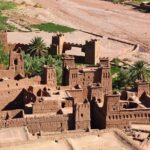
This fortified ksar is the kind of place where you can see why filmmakers return again and again. You get about two hours on site, plus lunch time while you’re there. For me, that’s the right amount: long enough to walk the lanes, spot the texture of the mudbrick walls, and get photos from different angles, but not so long that you feel stuck waiting for the next transfer.
Two quick tips for getting the most out of a ksar visit:
- Wear shoes you can walk in for uneven ground.
- Plan to cool down after lunch—then you’ll be ready for the next stop.
Taourirt Kasbah in Ouarzazate (about 30 minutes)
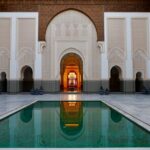
After Ait Benhaddou, the route continues toward Ouarzazate for Taourirt Kasbah. You’ll have a shorter visit here, around 30 minutes. The focus is more on seeing a different style of fortified palace and learning a bit of the backstory—especially the connection to the former governor Pacha El Glaoui.
This is one of those stops that works even if you’re not a hardcore architecture fan. The layout is visually striking, and it helps you connect the dots between Morocco’s regional power centers.
Overnight in Tinghir
By the end of the day, you’re set up for the next morning in Tinghir. That overnight is important. It breaks up the long drive and positions you close to the gorge scenery that comes on Day 2. If you want a smoother desert morning later, sleeping here is a smart move.
Todra Gorge Walks and the Fossil/Date Market Stop
Day 2 is where your trip shifts from fortified and urban scenes into rock formations and desert-edge culture.
Todra Gorge: a walk with photo time
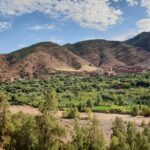
You get about an hour at Todra Gorge. That’s plenty time to do a short walk, stretch your legs, and capture the tall rock walls from a few viewpoints. The palm grove element in the Todra Valley matters too: it gives the gorge scene that contrast of lush greenery against dramatic stone.
The best approach here is simple: go at a steady pace. Don’t sprint for the most dramatic angle in the first 10 minutes. You’ll find better lighting and less congestion as you move through the walkway.
Fossiles d’Erfoud and the date market (about 1 hour)
Next comes Erfoud—two quick stops that add variety:
- a fossil visit
- time around the Erfoud Date Markets
This pairing works because it shows more than one side of the region. Fossils give you a sense of deep time, while the date market shows what people buy and sell locally. It’s a nice break before you reach Merzouga and start thinking dunes.
This is also where you’ll benefit from buying small essentials if you need them later—snacks, water, or a few travel-friendly items. Lunch isn’t guaranteed in your overall day plan, so treat market stops as your chance to top up.
Erg Chebbi Desert Night: Camel Ride, Sunset Timing, and Camp Comfort
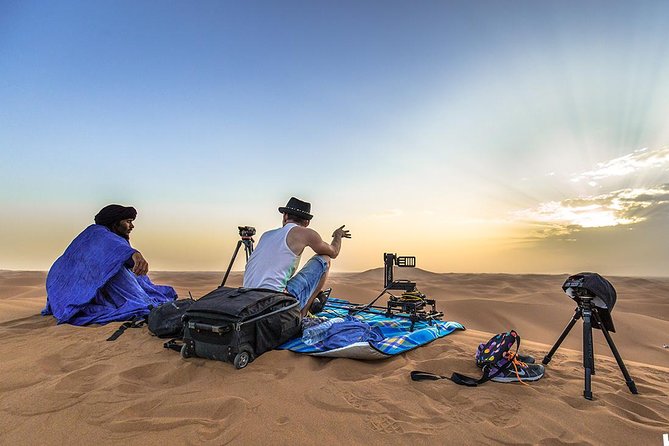
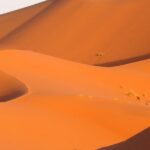
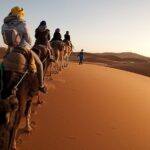
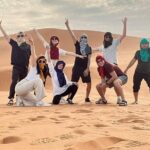
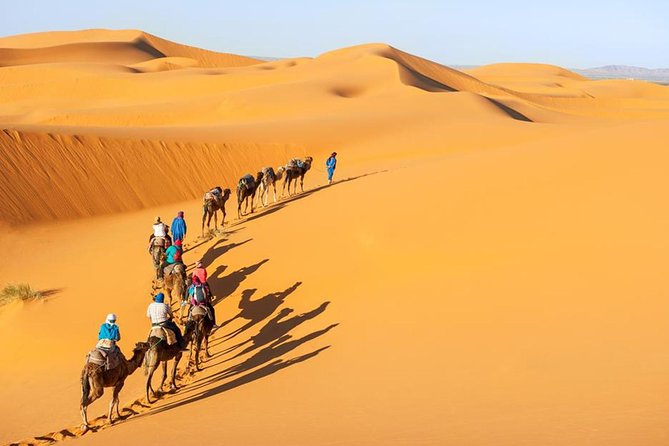
This is the heart of the tour. After arrival in Merzouga, you’ll have mint tea and then head out for a camel ride tour to the dunes of Erg Chebbi. The aim is sunset, followed by a night in a luxury desert camp.
Camel ride to the Erg Chebbi dunes
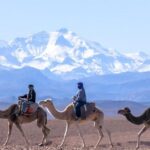
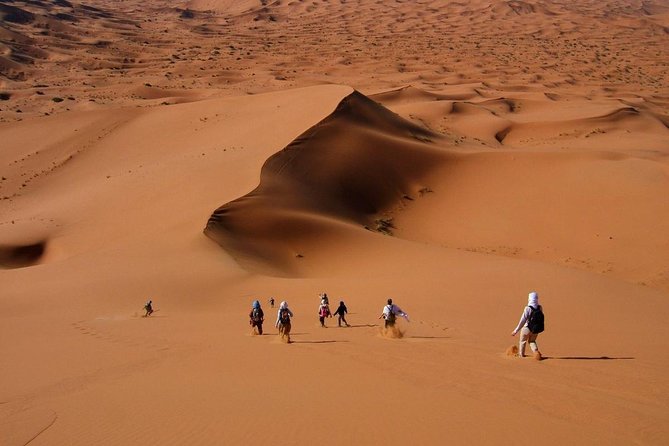
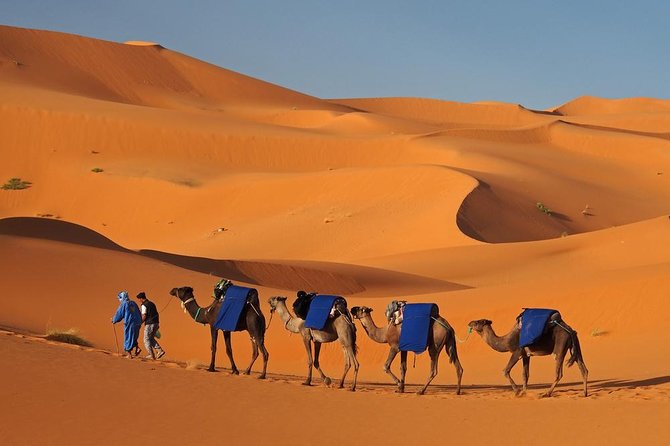
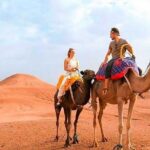
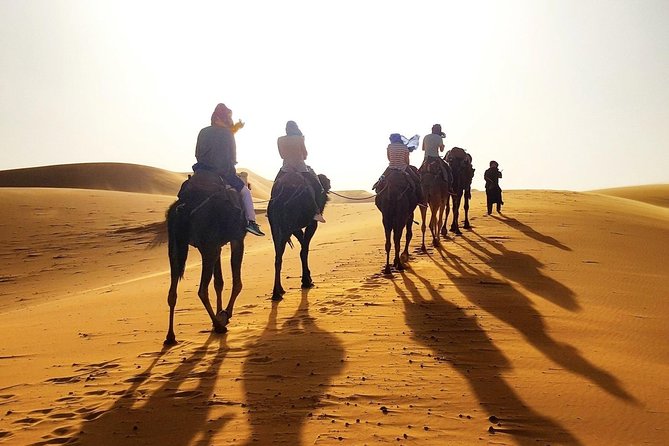
Camel riding is included, and it’s a core reason people book this route. Expect it to be slower and more rhythmic than you might imagine. The point isn’t speed—it’s getting you into the dune setting with time to look around.
A small but helpful mindset: hold onto your phone securely, and keep your camera ready for sunset light rather than trying to capture everything in the first minutes. The dunes change rapidly in the golden hour.
Sunset and the feeling of the dunes
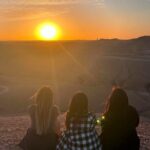
The tour’s structure gives you the timing you need: you ride out, then you watch the sunset. This is where the experience can feel almost cinematic, but you get there through practical steps—camel ride logistics and a planned stop for the light.
If you’re considering extra dune activities, know that sand play options sometimes show up in this region. One review specifically called out quad biking and sand boarding as part of what made the desert evening fun. If those options are offered, ask your guide about what’s included versus what’s extra before you commit.
Luxury desert camp night and evening atmosphere
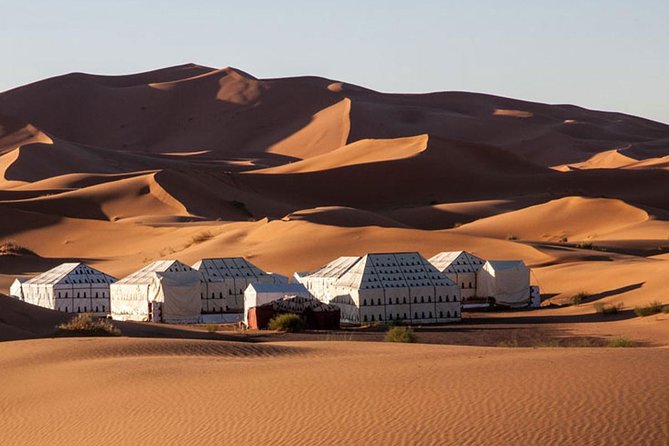
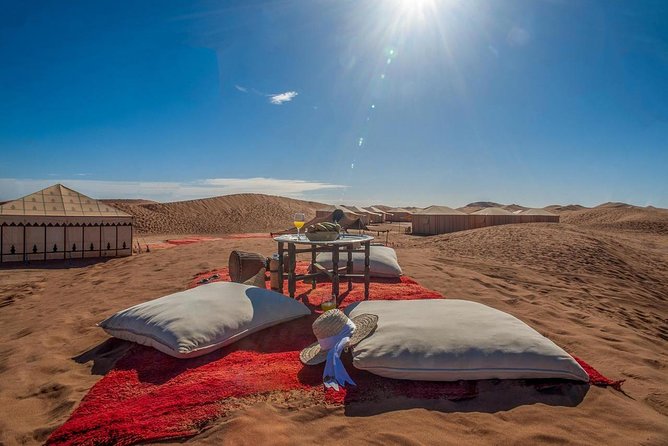
You spend the night in a Berber camp, and the camp setup is described as luxury tents. That matters because you’re not just sleeping under the stars—you’re doing it with proper camp comfort for this style of trip.
Dinner is included, which is a real time-saver after a day of travel and dune riding. And at least one guide experience described evening music in the camp, which can turn the night from routine into a memory.
One practical note: desert evenings can feel cooler than you expect. Bring layers you can wear comfortably at night, even if the day heat is strong.
Day 3 Sunrise Return: Dune Colors, Camel or 4WD, and the Road Back
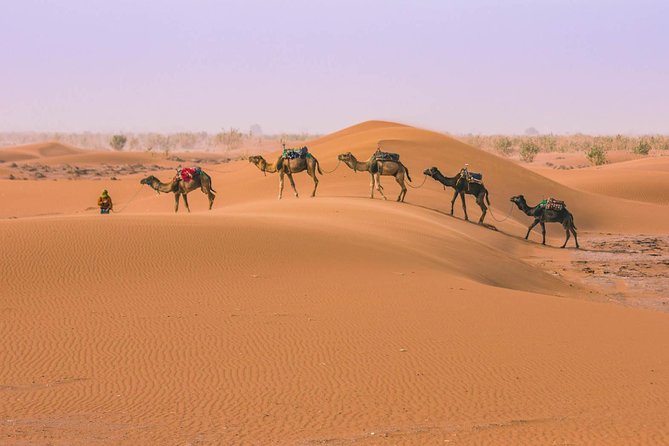
Day 3 starts early for a reason. You’ll wake up to enjoy sunrise and watch the color changes across the dunes. This is the one moment where timing is everything, and the early start usually feels worth it once you see the first light.
Sunrise on the dunes
If you’re the type who hates waking up before your body is ready, this is still the day you’ll appreciate getting up. Sunrise light makes Erg Chebbi feel different from sunset. Shadows stretch, and the textures of the sand pop.
Return to Merzouga: camel or 4WD
After sunrise, you’ll ride camels or 4WD back to meet your driver in Merzouga village. The exact choice can depend on how things are running, but either way, the goal is to get you back before the rest of the road plan begins.
This return step is also why I tell people to pack for comfort. Even a short ride back can feel long if you’re underdressed or carrying bulky bags.
Lunch in El Kelaa M’gouna and a pass through the Atlas Mountains
After returning from the dunes, you head toward El Kelaa M’gouna for lunch (about one hour). Then the route passes the Atlas Mountains. That Atlas segment gives you a final scenery shift and helps break up the long drive.
The key thing here is to stay patient. Day 3 is when the trip starts transitioning from desert wonder back into road reality. If you keep your pacing calm, you won’t feel rushed by the driving.
Price and Value: What You’re Paying For at Around $104
At about $104.53 per person for a 3-day loop from Marrakech, the value comes from what’s included rather than the ticket alone.
Here’s what you’re getting in the core package:
- Air-conditioned vehicle and professional driver
- Camel ride plus one night in a desert camp
- Breakfast (2) and dinner (2) included
What you’re not getting:
- Travel insurance
- Tips and personal expenses
- Lunches and drinks
So the real budgeting question is simple: are you okay covering lunch on your own? If yes, the package feels strong because it includes the expensive-feeling parts—the long transfers, desert logistics, and the camp night—while also feeding you for breakfast and dinner.
On the “value vs. surprises” side, one caution from a real-world experience: if you’re booking for a small group or a family and hoping for a strictly private setup, you should confirm the total cost clearly. In one case shared with this kind of desert tour booking, an extra private-transport cost popped up on site. That’s rare in normal group formats, but it’s a good reminder to ask whether your vehicle and driver are already in the base price for your specific group size.
Comfort, Food, and Timing: How to Make This Tour Feel Easy
A desert tour lives or dies on comfort details, even if the headline is the dunes.
What to pack
For me, the essentials are:
- A light jacket for desert nights (temperatures can shift after sunset)
- A hat and sunscreen for daytime sun
- Comfortable walking shoes for Todra Gorge and ksar streets
- Power bank for lots of photos at sunrise/sunset
Food expectations
Breakfast and dinner being included is a big help. For lunch, don’t assume it’s always covered unless you’re told otherwise. One review also flagged that restaurant choices along the way were only okay. That doesn’t ruin the trip, but it does mean you might want to bring small snacks to avoid getting stuck hungry during driving-heavy stretches.
Group pace and guide style
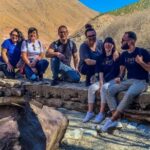
This tour caps at 15 people, so you’ll likely move as a group without the chaos of huge crowds. One guide name that shows up in a positive way is Iddir, praised for being kind and making the experience enjoyable. That kind of guide energy matters in Morocco deserts because the day is long and the mood depends on smooth explanations and patience.
Who This Tour Suits Best (and Who Might Want a Different Option)
This tour is a good match if you want:
- a structured route from Marrakech to Merzouga without handling transfers yourself
- a classic desert experience (camel ride, sunset, camp night)
- history stops that are more than just a quick drive-by
It’s especially suitable for couples and small families who want one night in the dunes and don’t want to spend extra time planning. A review also suggested that if you can, a longer camp stay can make the desert feel even more relaxed. If you’re torn between a short and longer desert time, know that this 3-day format gives you the highlight, but it compresses the camp atmosphere into one night.
If you’re someone who hates early mornings, you should think twice about sunrise. The tour includes that early wake-up as a selling point, so skipping it would go against what makes the dunes special.
Should You Book This Marrakech to Merzouga Desert Tour?
Book it if you want a straightforward, value-focused route with the main ingredients: strong sights on the way (Ait Benhaddou, Taourirt Kasbah, Todra Gorge), a real Erg Chebbi sunset, and an overnight in luxury-style desert tents with breakfast and dinner handled.
Consider another option if:
- you’re very sensitive to long days of driving
- you strongly prefer more included meals beyond breakfast and dinner
- you’re aiming for a fully private setup and want zero on-site add-ons (in that case, confirm the pricing clearly before you go)
For most people, though, this is a practical way to get from Marrakech to the Sahara without turning your trip into a logistics project. The dunes night is the payoff, and the rest of the route does a good job setting the stage.
FAQ
How long is the Marrakech desert tour?
The tour runs for about 3 days.
What time does the tour start in Marrakech?
The start time is 8:00am.
Is pickup from my Marrakech hotel included?
Yes, pickup is offered, and the tour includes hassle-free round-trip transport from your hotel in Marrakech.
What desert activities are included?
Camel ride is included, and you’ll ride to the Erg Chebbi sand dunes for sunset, then spend the night in a Berber desert camp.
What sights are included during the trip?
You’ll visit Ksar of Ait-Ben-Haddou, Taourirt Kasbah, Todra Gorge, Fossiles d’Erfoud, and the Erfoud Date Markets on the way to and from the dunes.
Are meals included?
Breakfast is included twice and dinner is included twice. Lunches and drinks are not included.
Is there a vegetarian option?
Yes, a vegetarian option is available if you advise at the time of booking.
What is the cancellation policy?
You can cancel up to 24 hours in advance for a full refund. If you cancel less than 24 hours before the start time, the amount paid is not refunded.