REVIEW · MARRAKECH
Marrakech to Merzouga 3 days Desert Tour
Book on Viator →Operated by Authentic Sahara Tours · Bookable on Viator
Three days, one giant Sahara payoff. This Marrakech to Merzouga route strings together High Atlas passes, the UNESCO Ait Benhaddou kasbah town, and a real Erg Chebbi night in a private luxury camp with ensuite comfort.
I like how much is handled for you: transportation, key guided stops, and most meals, so you can focus on the big moments. The one thing to keep in mind is the driving—this is a fast, full itinerary with early starts and lots of time in the vehicle, even though the stops break it up.
In This Review
- Key points to know before you go
- Price and what you’re really getting for $565.61
- Day 1: Tizi-n-Tichka pass, Ait Benhaddou climb, and Dades Gorges sunset
- High Atlas Mountains first thing
- Ait Benhaddou: UNESCO kasbah town on foot
- Ouarzazate as a choose-your-own add-on
- Skoura palm groves and the rose valley timing trick
- Boumalne Dades and the “monkey feet” rocks
- Day 2: Todra Gorge canyons, then Erg Chebbi camel ride to your ensuite tent
- Todra Gorge: a canyon walk with real height
- Lunch break in the Tinejdad / Touroug area
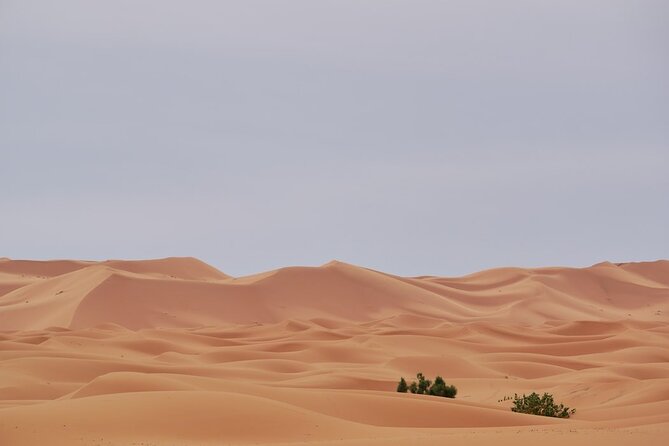
- Erg Chebbi dunes: off-road transfer and camel ride to camp
- The private camp setup: comfort under the stars
- Day 3: sunrise dunes, return by camel or 4×4, and the Draa Valley date-palm drive home
- Early wake-up for sunrise
- The Alnif stop and the long road rhythm
- Draa Valley: an oasis route with 44 date-palm varieties
- Tizi-n-Tinfifte pass, Ouarzazate lunch, then Marrakech drop-off
- Camp comfort vs. real desert reality
- Guides, small groups, and why the team can make or break it
- Practical tips so your trip feels smooth, not rushed
- Should you book this Marrakech to Merzouga 3-day tour?
- FAQ
- Where does the tour start in Marrakech?
- How long is the Marrakech to Merzouga desert tour?
- What kind of accommodation do you get in the desert?
- Are meals included?
- Do you ride camels at Erg Chebbi?
- Is Ait Benhaddou guided?
- What optional stops are offered on the way?
- What happens if the tour can’t run due to weather or group size?
Key points to know before you go
- High Atlas overnights without hotel wrangling: you get a real on-the-road structure, not “figure it out” logistics
- A guided Ait Benhaddou walk: you’ll cross the river area and climb through the old lanes with a local guide
- Todra Gorge trek at canyon level: plan for uneven ground and a short, scenic walk
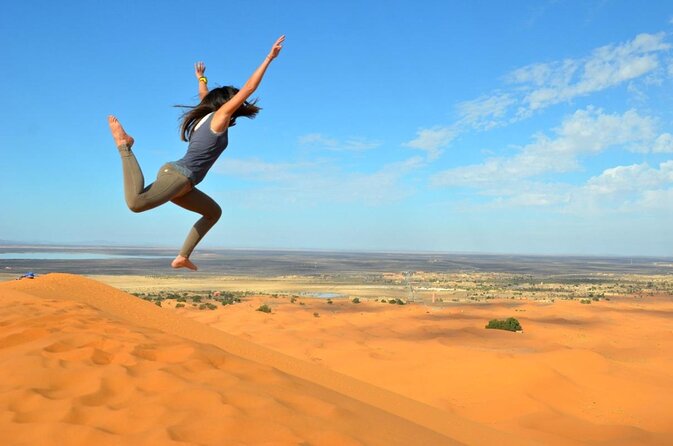
- Erg Chebbi camel time: camels move luggage and you ride toward camp at sunset
- Private camp comfort: your tent includes ensuite bathroom and showers
- Small group cap: up to 10 travelers, with a private-tour option for your group
Price and what you’re really getting for $565.61
$565.61 per person sounds like a chunk, but it’s not just “transport + vibes.” You’re paying for the pieces that normally cost extra when you DIY: a long-distance air-conditioned vehicle, a proper desert-camp night setup, and guided moments at key sites.
Here’s what helps this feel like value. You get a private tent in the desert camp with ensuite bathroom and showers, plus a private room with ensuite bathroom and A/C before you hit the sand. You also get meals covered for two breakfasts and two dinners—so you’re not constantly negotiating food stops on a tight schedule.
What’s not included matters for your budget: drinks and lunch meals are on you, and admission tickets are not covered. If you like to sip soda or bottled water throughout the day, add that into your math early so you don’t get surprised later.
A few more Marrakech tours and experiences worth a look
Day 1: Tizi-n-Tichka pass, Ait Benhaddou climb, and Dades Gorges sunset
Day 1 is the “get your bearings” day, and it’s also the day you rack up the biggest visual jumps—from Atlas mountains to fortified kasbah towns to the start of the canyon country.
High Atlas Mountains first thing
Pickup starts at 08:00 in Marrakech (near Menara Airport), and you head southeast across the Tizi-n-Tichka pass. The day begins with the kind of scenic slowdowns you want on a road trip: planned stops for coffee and restrooms and time to take photos.
This matters because that pass can feel like just “driving” if the schedule is strict. Here, you get breathing room, plus the views come in layers as you climb.
Ait Benhaddou: UNESCO kasbah town on foot
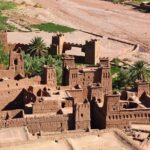
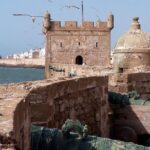
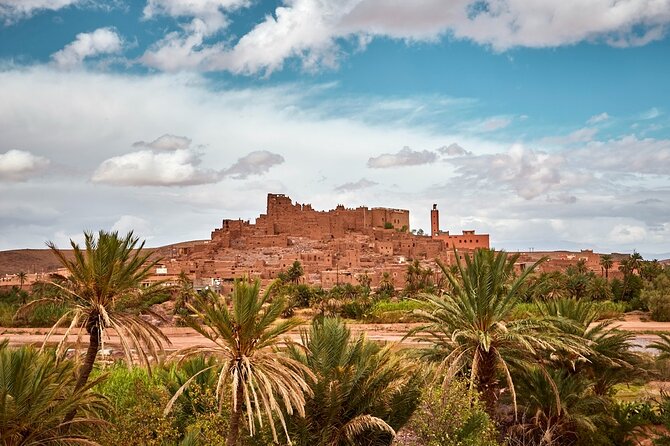
Next comes Ait Benhaddou, the fortified village people still use as a film set. You don’t just pull up for a quick look. You’ll join a local guide for a walk that includes crossing the river area and then climbing through alleyways up toward viewpoints over the Ounila river valley.
Two things make this stop work well:
- You get the structure of a guided walk, not random wandering.
- You see how the kasbah layout was built for defense and community life, which makes the place feel less like a photo-op.
If you’re the type who gets tired quickly on stone steps, wear supportive shoes. The route includes a climb through old lanes.
Ouarzazate as a choose-your-own add-on
After lunch, the itinerary gives you optional time in Ouarzazate—either Atlas Studios and/or Taourirt Kasbah. This is a smart setup for different travel styles. If you’re into film history, you can lean into the studios. If not, you can keep moving without feeling like you “missed” something required.
Skoura palm groves and the rose valley timing trick
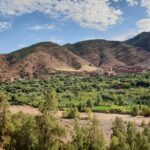
As you continue, you’ll pass through Skoura with its palm groves, with Kasbah Amredile potentially added if time allows. Then there’s the Rose Valley along the M’Goun river. You’ll hear why this matters: rose of Damascena was brought to Morocco centuries ago, and blooms typically run from April to mid-May.
Translation for your planning: if you travel in that window, you may catch the area at its most aromatic and colorful. Outside those months, you’ll still get the river-and-valley scenery, just not the rose season moment.
Boumalne Dades and the “monkey feet” rocks
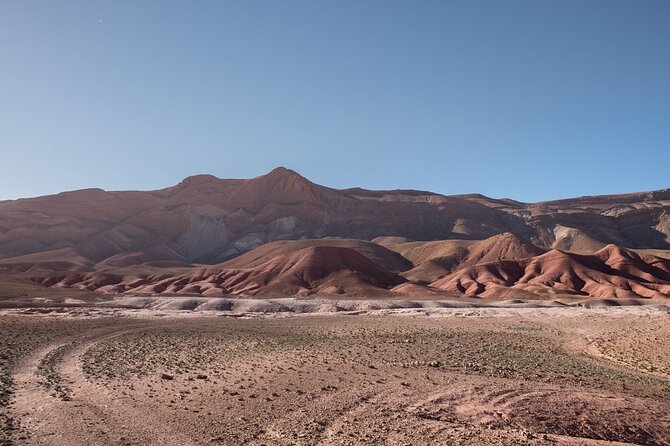
By evening you reach Boumalne Dades and detour into the Dades Gorges. You’ll get the rock formations people call monkey feet, plus kasbah scenery along the Dades river. Sunset is built into the timing here, which helps the canyon walls and rock shapes feel dramatic instead of flat.
Dinner and overnight are in Boumalne Dades, in a private room with ensuite bathroom and A/C—important after a long drive day.
Day 2: Todra Gorge canyons, then Erg Chebbi camel ride to your ensuite tent
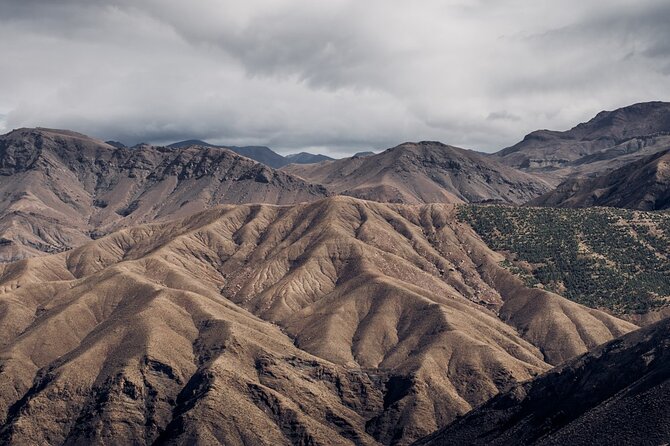
Day 2 shifts from mountain valley life to desert edge energy. The highlight isn’t only the dunes—it’s the transition, step by step, toward Erg Chebbi.
Todra Gorge: a canyon walk with real height
After a traditional breakfast, you head via the “road of 1000 kasbahs” through Dades valley and colorful Berber villages, then reach Tineghir, known for date palms and then those sharp, dramatic gorges.
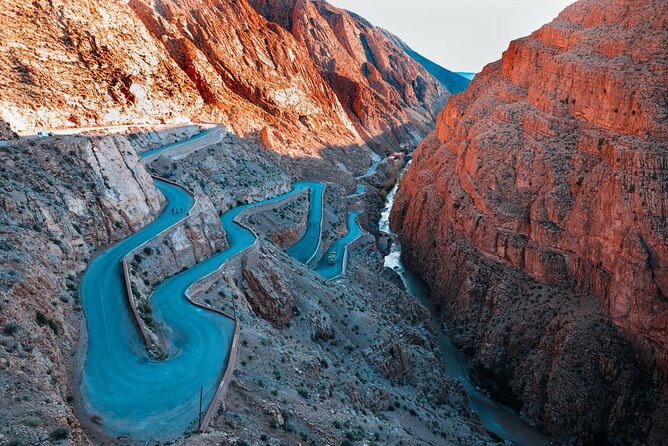
You’ll go to Todra Gorge next and take a trek along canyons about 300 meters high. This is where moderate fitness becomes real: even though it’s not described as a marathon, you’ll be walking in a canyon setting where the ground can be uneven and the walls feel close.
If you want the best photos, go slowly and leave space for pauses. The view changes as you move deeper into the gorge.
Lunch break in the Tinejdad / Touroug area
After Todra, the schedule routes you through to Erg Chebbi, with a stop for lunch in Tinjdad or Touroug depending on hunger level. That flexibility helps, because desert-day timing is always a balancing act between comfort and not arriving too late for the dunes.
Erg Chebbi dunes: off-road transfer and camel ride to camp
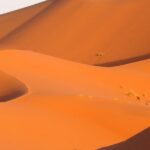
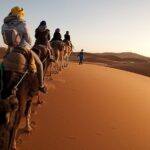
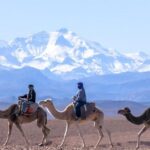
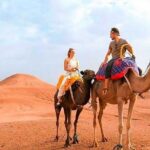
Once you reach the Erg Chebbi dunes, there’s a short off-road drive to the dune edge where camels wait. The luggage gets loaded onto the camels, and you ride over sand dunes toward camp.
If you’ve never done camel travel, this is a good first taste: you’re not riding for hours without a break, but you still get that classic Sahara feeling of moving across changing sand textures. You’ll watch sunset on your way to camp, then arrive to tea and a warm welcome.
The private camp setup: comfort under the stars
Your camp night is described as private luxury tents with ensuite bathrooms and showers, which is a big deal if you’re the kind of traveler who doesn’t want to compromise on comfort.
Dinner is served after you settle in, and the camp experience includes a fire-lit, festive vibe with musical performances by staff and camelers under the starry night. It’s not just sleep-and-leave; it’s meant to feel like you’re living inside the desert for one evening.
One thing I’d pay attention to is cleanliness and organization. In the feedback, people praised camp cleanliness and smooth handling. That tends to be a sign the camp team is doing their job day after day.
Day 3: sunrise dunes, return by camel or 4×4, and the Draa Valley date-palm drive home
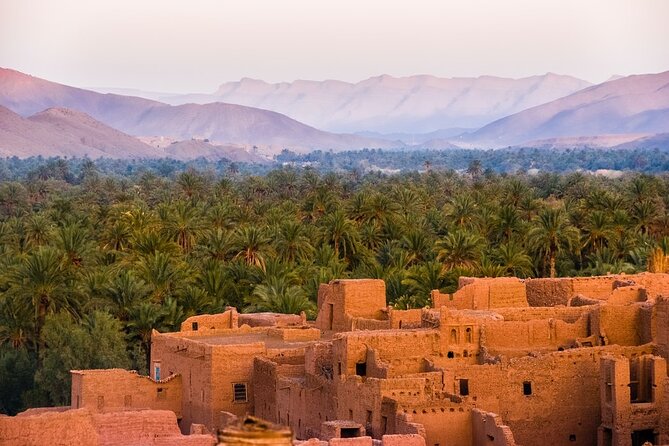
Day 3 is all about timing, because sunrise in Erg Chebbi is the moment you came for. After that, it becomes a “bring the experience home” drive through Morocco’s deeper valley routes.
Early wake-up for sunrise
You’ll wake early to enjoy sunrise over the highest dunes of Erg Chebbi. Then it’s breakfast in the camp, pack up, and head back either by camel or by 4×4.
This return choice is useful. If your body is tired, the 4×4 is a straightforward way to reduce effort on the sand. If you want the full desert ritual feel, the camel option keeps the day connected to the dunes.
The Alnif stop and the long road rhythm
There’s a quick stop in Alnif after about two hours of driving for bathrooms and leg-stretching. It’s a practical break that keeps the day safer and less stressful than trying to “hold it” through the return haul.
Draa Valley: an oasis route with 44 date-palm varieties
Back on the asphalt roads, you continue via Draa Valley, passing through Tazarine and Nkob. Draa Valley is described as a vast oasis with thousands of date palms and 44 varieties. It’s also tied to the ancient caravan road that moved goods from Mali and Niger across the Sahara.
Even if you’re not a history nerd, this adds meaning to the drive. You’re not just going from Point A to Point B—you’re traveling along routes that shaped how people moved through the desert-edge world for centuries.
Tizi-n-Tinfifte pass, Ouarzazate lunch, then Marrakech drop-off
Near the end, you cross the Tizi-n-Tinfifte pass to Ouarzazate for lunch, then continue over the Atlas Mountains back toward Marrakech. The day ends with drop-off at your accommodation.
Camp comfort vs. real desert reality
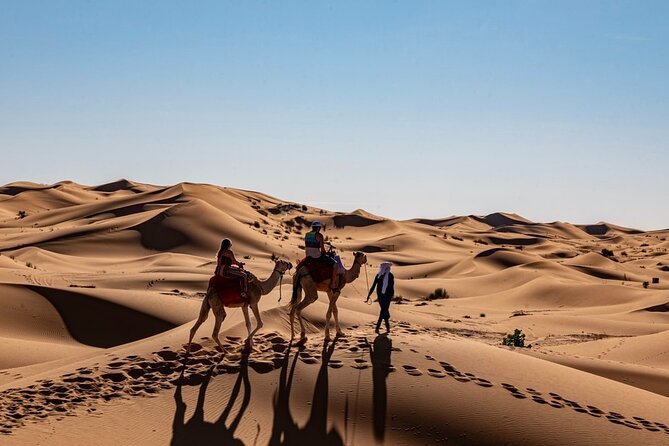
This tour threads a nice needle: you get authentic desert atmosphere without going full “roughing it.” The camp tents are private and include ensuite bathrooms and showers, which helps you enjoy the night without worrying about comfort basics.
That said, remember where you are: you’re in a desert environment and your main activities are outdoors—walking in canyons, climbing through kasbah lanes, then watching sunrise and sunset. It’s not a spa trip.
If you’re deciding based on comfort, this itinerary is a strong match. If you’re deciding based on staying only in the desert and doing minimal driving, you might want a longer desert add-on trip elsewhere. This one is built for variety and big sights in a short time.
Guides, small groups, and why the team can make or break it
The group size max is 10 travelers, which is a sweet spot for this kind of trip. Big enough to have a lively feel, small enough that stops don’t turn into chaos.
The guide also matters because you’ll be walking through Ait Benhaddou and Todra Gorge. In the feedback, English-fluent guides like Hamza got called out, and drivers such as Mohafafa were praised for being excellent behind the wheel and for making good stops. You might also see names like Jamal, Hakim, Omar, Aboubakar, and Youness associated with strong service and caring attitudes.
None of that is a guarantee you’ll get a specific person, but it does tell you what the operator is aiming for: drivers who can handle the roads and guides who can explain what you’re seeing without turning it into a lecture.
Practical tips so your trip feels smooth, not rushed
This route runs on tight timing. That doesn’t mean it’s hectic, but it does mean you’ll want to show up ready.
- Wear shoes you trust on uneven stone in Ait Benhaddou and in the Todra canyon walk.
- Bring a light layer for early mornings. Sunrise time tends to feel colder than you expect.
- Plan your lunch and drinks budget separately since they’re not included.
- If you travel in the April to mid-May window, you’ll be in the prime season for the Rose Valley along the M’Goun river.
One more practical note: the itinerary includes optional stops (like Atlas Studios/Taourirt Kasbah). Go with the choices that fit your interests so you don’t end up spending energy on things you’d rather skip.
Should you book this Marrakech to Merzouga 3-day tour?
I’d book it if you want a classic Marrakech-to-Erg Chebbi experience without doing logistics math. It’s ideal if you like variety—Atlas passes, kasbah towns, canyon walking, and a real desert night with ensuite camp comfort.
Skip it or adjust your expectations if you hate long driving days. This is a fast sampler of Morocco’s southern routes, and it keeps its promises by packing in a lot.
If you’re on the fence, here’s my quick decision rule: book when you want the big highlights in three days and you’re comfortable with early starts. Look for a longer desert-focused trip when you want more dune time and less asphalt.
FAQ
Where does the tour start in Marrakech?
Pickup is offered from near Menara Airport in Marrakech at 08:00, and the experience finishes with drop-off at your accommodation in Marrakech.
How long is the Marrakech to Merzouga desert tour?
The tour is listed as approximately 3 days.
What kind of accommodation do you get in the desert?
You sleep in a private luxury tent with an ensuite bathroom and showers.
Are meals included?
Yes. Breakfast is included twice and dinner is included twice. Drinks and lunch meals are not included.
Do you ride camels at Erg Chebbi?
Yes. After reaching the dunes, luggage is loaded and you’ll do a camel ride over the sand dunes, including time for sunset before reaching the camp.
Is Ait Benhaddou guided?
Yes. You get a guided walk in Ait Benhaddou village.
What optional stops are offered on the way?
In Ouarzazate, you may have optional visits to Atlas Studios and Taourirt Kasbah. There may also be an optional stop at Kasbah Amredile if time permits.
What happens if the tour can’t run due to weather or group size?
The experience requires good weather. If it’s canceled due to poor weather, you’ll be offered a different date or a full refund. There is also a minimum number requirement for shared tours; if it’s not met, the tour may be canceled with an offer of a different experience/date or a full refund.
If you want, tell me your travel month and whether you’re choosing private or shared, and I’ll help you map what to prioritize (sunrise, rose-valley timing, and how to plan your lunch budget).