REVIEW · MARRAKECH
Marrakech: Three Valleys, Atlas Mountains and Waterfalls Tour
Book on Viator →Operated by Imlil Trips · Bookable on Viator
Aït Atlas days feel like they move fast. This one strings together three High Atlas valleys plus Berber village time, a camel ride, and a waterfall stop in about 7 hours.
What I like most is the people part: you get to see daily Berber life up close and share traditional food in a local home. I also like that the day stays practical, with hotel pickup, air-conditioned transport, and a real guide—mine, Mohammed, was excellent at explaining what we were seeing as we drove and walked.
One thing to consider: you’re on a packed schedule. If you hate short stops and prefer long, slow wandering, this might feel a bit brisk—still worth it, but go in with the right expectations.
In This Review
- Key Highlights Worth Your Time
- Three Valleys From Marrakech: The Pace and Transport Setup
- Berber Culture Starts With a Home Visit (and Real Food)
- Imlil and the High Atlas Villages: Time to Walk, Not Just Look
- Mountain Views and the Highest-Peak Photo Moment
- Asni: Weekly Berber Market and a Quick Ski-Resort Photo Stop
- Lalla Takerkoust Dam and the Camel Ride Through the Stone Desert
- Hidden Waterfall Stop: One More Reason This Day Feels Special
- Value Check: Is $69.50 a Good Deal?
- Who This Tour Fits Best (and Who Might Want Another Option)
- Practical Tips to Get the Most From the Day
- Should You Book the Marrakech Three Valleys and Waterfalls Tour?
- FAQ
- How long is the Marrakech Three Valleys and Waterfalls Tour?
- How much does it cost?
- Is hotel pickup included?
- What’s included in the price?
- Is lunch included?
- Do I need to pay for tickets at stops?
- Is the camel ride mandatory?
- Where does the tour start and end?
- What’s the cancellation policy?
- What group size should I expect?
Key Highlights Worth Your Time
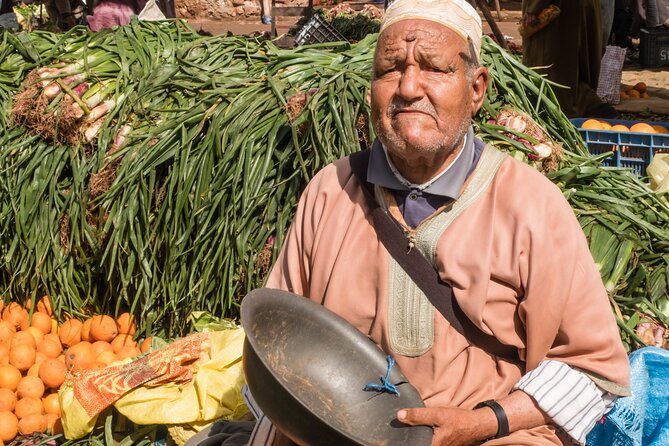
- Small-group feel: capped at a small group size, with an overall maximum that keeps things from turning into a bus full of chaos
- Berber home visit and tagine lunch: you get the food and the story behind it, not just a photo stop
- Imlil village walking time: time in Berber villages with a guide rather than only viewpoint photos
- Camel ride at Lalla Takerkoust: optional, with the dam area and a stone-desert setting
- Photo-rich mountain moments: including views tied to the highest peak in Morocco and North Africa
- You get back to Marrakech on the same day: arrival back around 5pm, dropped near your starting area
Three Valleys From Marrakech: The Pace and Transport Setup
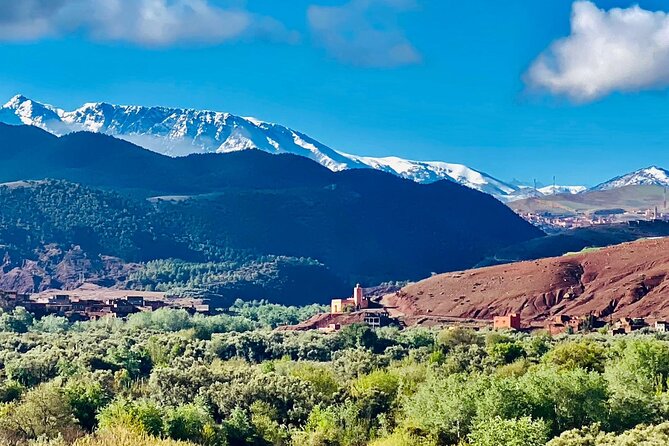
This is an Atlas day trip designed for first-timers and time-crunched travelers. You start in the Marrakech medina zone near Jemaa el-Fnaa, and the tour includes hotel pickup as part of the package, so you’re not left trying to coordinate rides once you’re in the city.
The transport is air-conditioned, and you’ll have bottled water along the way, plus coffee and/or tea. There’s also breakfast included, which matters because once you’re out in the mountains, it can be harder to find a quick snack that fits a timed schedule.
The total time is roughly 7 hours, and the day is built around a sequence of valleys and villages—so the “driving time” is part of the experience, not dead time. You’ll likely spend most of your walking time in the Imlil area, then rotate through shorter scenic and cultural stops.
Group size is one of the strongest quality signals here. The tour is described as small (with a max of 8), and the overall maximum allowed for the activity is 16. Either way, it’s far more manageable than larger excursions, which keeps questions to your guide realistic and makes the camel moment less stressful.
You can also read our reviews of more tours and experiences in Marrakech.

Berber Culture Starts With a Home Visit (and Real Food)
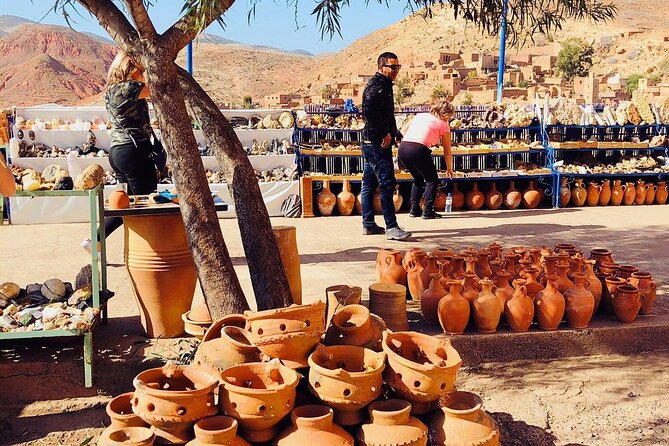
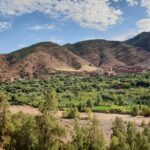
If you only do one thing on this trip, do the cultural meal part with your full attention. One of the best elements is the Berber culture experience in a local home, where you get to eat traditional food in a real village setting rather than in a staged restaurant.
The tour includes a meal centered on tagine, served in a host valley in a village. You also get a traditional lunch component tied to the local home visit. This is where your guide’s storytelling becomes useful—you’re not just tasting food, you’re learning why that food, in that form, fits into daily life.
A practical way to approach this: treat it like a guest situation. Ask short questions. Pay attention to what’s offered. If you have dietary needs, handle them early when you book or message the provider—your options aren’t guaranteed in a village setting.
Also, don’t underestimate how much food warms you up. Even when the day starts comfortable in Marrakech, the Atlas area can feel cooler once you’re up and walking.
Imlil and the High Atlas Villages: Time to Walk, Not Just Look
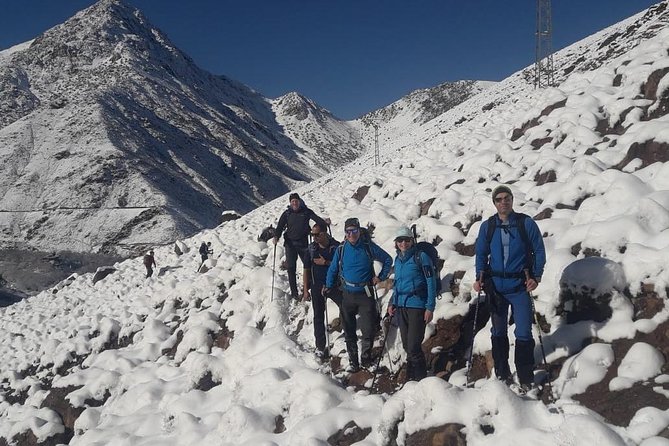
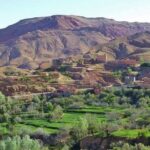
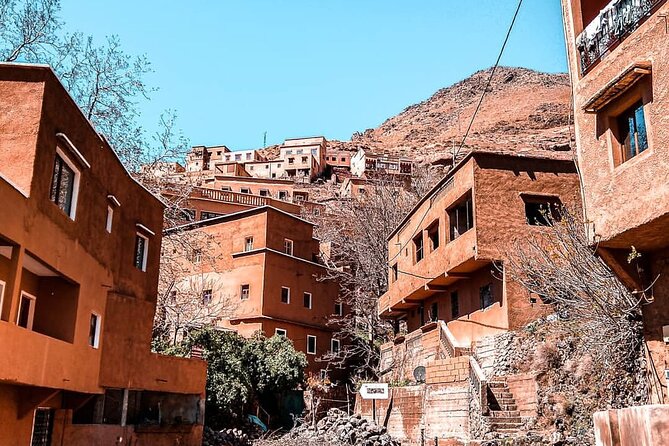
The day gives you real walking time in the High Atlas. You’ll spend time exploring Imlil village and then walk through Berber villages with your guide. This is one of the key “value” parts of the trip because it turns the Atlas trip from scenic driving into cultural observation with context.
In terms of timing, you’ll have about 1 hour tied to the High Atlas experience, with an additional block of time at Imlil later. This creates a rhythm: walk, learn, then come back around for more photos and viewpoints.
Here’s what to look for while you walk:
- How daily life shows up through simple details—where people gather, how paths connect homes, and how work and home life overlap
- How the guide explains relationships between village life and the mountain setting
- How quickly the views change as the terrain rises
If you’re hoping for big “wow” moments only from far-off viewpoints, you might feel the walking is more about people than scenery. But if you want to understand the Atlas beyond the skyline, this section is the heart of the trip.
Admission details are handled as part of the tour at this stage, so you’re not juggling extra ticket costs while you’re already in motion.
Mountain Views and the Highest-Peak Photo Moment
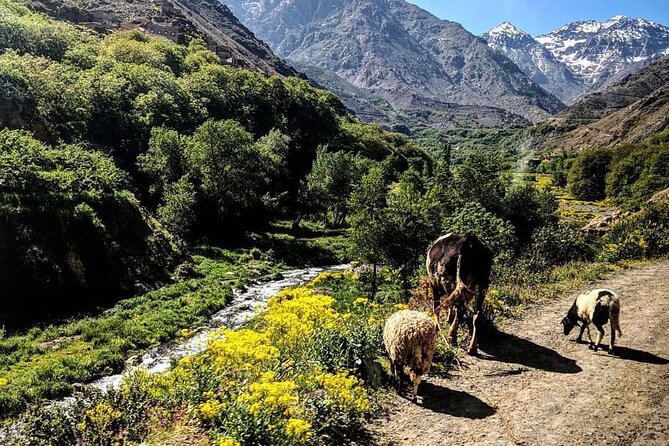
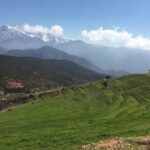
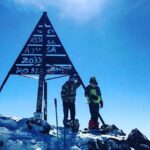
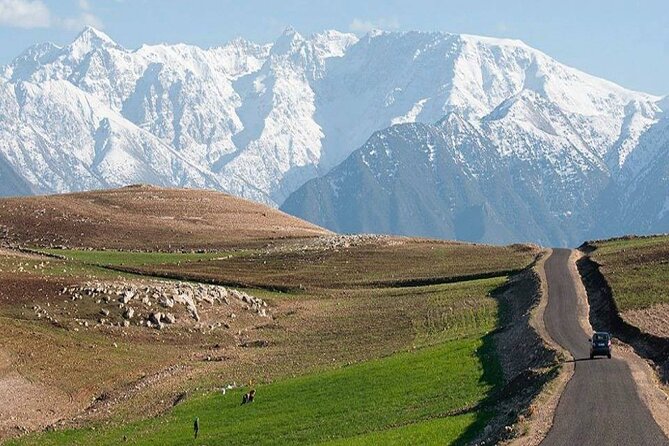
You’ll get time to stop for pictures tied to the highest peak in Morocco and North Africa. The tour doesn’t frame it as a hike to a summit—it’s more about giving you enough time to step aside, take the photos, and soak in the Atlas scale.
That’s important: the tour manages energy. You’ll have around 2 hours at Imlil during the broader segment that includes photo stops. That window is often where you can slow down a bit, look around, and decide what angles you want before the schedule pulls you onward.
Also, remember that Moroccan mountain photos depend heavily on light and cloud cover. If the sky is clear, you’ll get crisp views. If clouds roll in, you’ll still get great “texture” shots—just expect the mountain lines to soften.
Asni: Weekly Berber Market and a Quick Ski-Resort Photo Stop
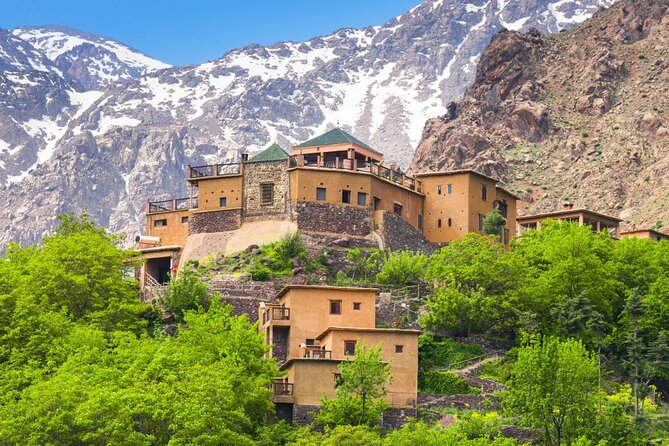
Asni is one of those stops that gives variety without stealing the whole day. You’ll visit the weekly Berber market and then get a chance to take pictures of the valley and the ski resort area.
Market time here is short—about 15 minutes—so I treat it like a walk-through sampler, not a full shopping spree. If you want to buy anything, I’d do it fast and keep your money organization simple. Small stalls can be crowded, and time moves on quickly in a tight itinerary.
The photo stop aspect is useful too. Even if you’re not thinking about skiing, seeing the ski resort area from the valley gives you context for how this region can feel seasonal and changeable across the year.
If markets make you anxious (noise, crowds, bargaining), the short time window helps. You get the flavor without getting stuck there for hours.

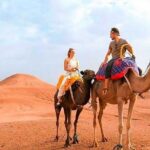
Lalla Takerkoust Dam and the Camel Ride Through the Stone Desert
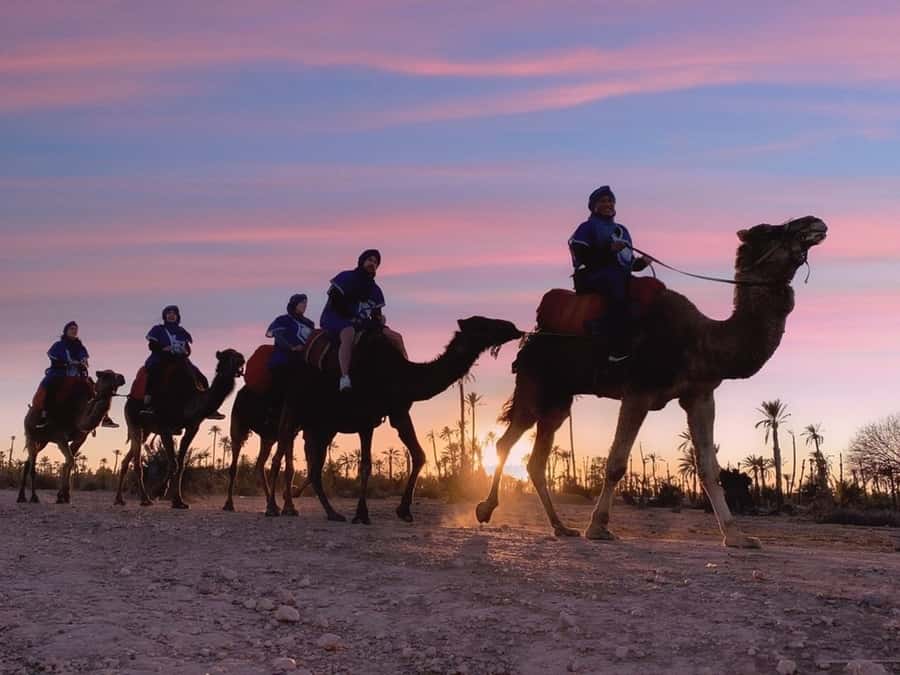
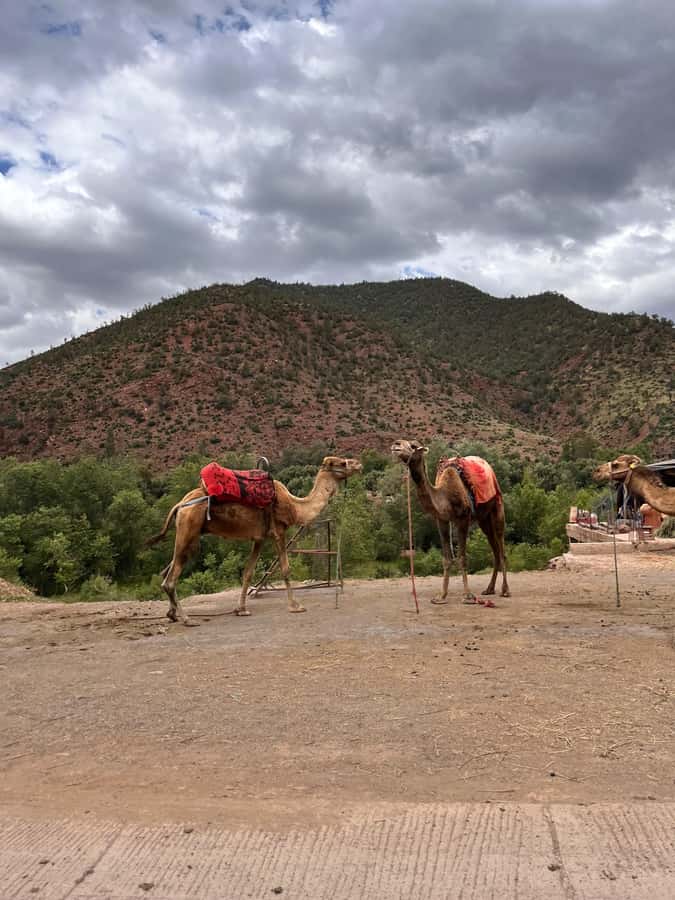
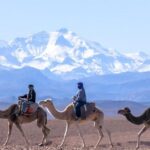
The camel ride is the kind of experience that can define the trip in a good way. The tour includes a stop at Lalla Takerkoust Dam, and then you’ll have time for a camel ride described as happening in a stone-desert setting. The camel ride is labeled optional, so you can choose based on comfort level and what you want from the day.
This is also one of the stops where timing matters. You’ll have about 45 minutes total in this segment. That’s enough for a short ride and a few photos without turning it into a half-day detour.
A couple practical notes:
- If you plan to ride, wear shoes that won’t slip easily. You’ll likely be on uneven ground.
- If you prefer to watch rather than ride, plan to stay close to the group so you’re not separated during pickup windows.
The dam area adds something different from the village portions: it gives you water and a sense of infrastructure in contrast to the village rhythm and stone paths. Together with the camel ride setting, it makes the day feel like a mix of “culture + nature + adventure.”
Hidden Waterfall Stop: One More Reason This Day Feels Special
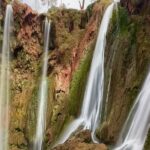
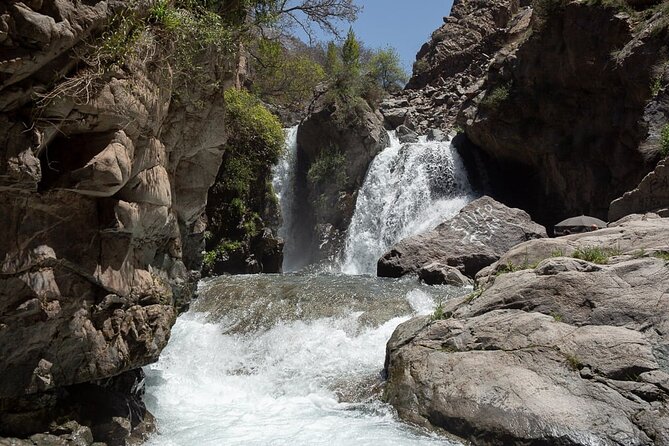
The trip is also built around a hidden waterfall stop, described as part of the day’s highlights. The itinerary doesn’t give a specific label for where it lands, but the waterfall moment is part of why this excursion feels more than a basic “valleys and villages” loop.
Waterfalls are one of those things that can be hit-or-miss on short tours—either you get a great view with time to breathe, or it’s just a quick glimpse. Here, because it’s positioned as a highlight, I’d expect it to be more than a token photo stop.
If you’re the type who likes “one nature moment” beyond villages and markets, this is the section you’ll remember when you look back on the day.
Value Check: Is $69.50 a Good Deal?
At $69.50 per person, this is priced to be accessible, especially compared with the cost of piecing together a similar day using taxis, guided walks, and separate activities.
Here’s why the value feels real:
- Hotel pickup and transport are included
- Breakfast is included, plus coffee/tea and bottled water
- A guide is included for the day’s walking and cultural explanation
- A camel ride is included as an option
- Fees and taxes are included (so you’re not hit with surprise add-ons during the day)
The only major “extra” called out is local lunch, listed at EUR 6. If you eat in a village setting, that price is often fair for the experience, but it’s still an extra cost you should plan for.
For me, the best value signal is the mix: Berber home visit + tagine lunch + walking in Berber villages + camel ride + waterfall. Many trips offer one or two of those. This stacks multiple moments without making you do all the logistics yourself.
The small-group structure is also part of the value. It’s easier to ask questions, and you’re less likely to get rushed through the important parts.
Who This Tour Fits Best (and Who Might Want Another Option)
This trip is a solid match if:
- You’re new to Marrakech and want an Atlas day that feels guided and structured
- You care about Berber culture and want a real home meal, not just a viewpoint
- You’re curious about camel rides and want the option
- You prefer a small group size and don’t want a long bus journey experience
It might not be ideal if:
- You want a slow, unhurried mountain day with lots of free time
- You dislike walking segments (there is walking through villages)
- You want complete control over timing and stops
The good news is that the tour says most travelers can participate, and the camel ride being optional helps people tailor the day to their comfort.
If you’re balancing a tight Marrakech itinerary, this tour works well as a one-day “Atlas introduction.”
Practical Tips to Get the Most From the Day
These are the small things that make the day smoother:
- Go into the schedule expecting a mix of short stops and guided walking, not one long hike
- Bring a light layer for the mountains and time outdoors
- Keep cash ready for the EUR 6 local lunch, since it’s not included
- Charge your phone for photo time, especially for the peak photo moment
- Wear shoes you’re comfortable walking in around village paths and market areas
Also, if you want a calmer experience with the camel ride, choose less rushed timing by staying near your guide during transitions. The schedule is tight, so your best move is to stay organized.
Should You Book the Marrakech Three Valleys and Waterfalls Tour?
Book it if you want a memorable Atlas day that mixes culture, food, and a real adventure without making you plan every step. For $69.50, you’re getting transport, guide time, breakfast, water, and a day packed with Berber village experiences, plus a camel ride option and a waterfall stop.
Skip it only if you need long free time, dislike a structured itinerary, or know you won’t enjoy walking through village areas.
One more reason I’d lean yes: the guide experience. You’ll hear names like Mohammed tied to top satisfaction, and that matters on a day like this. When the guide explains what you’re seeing in the Atlas and how Berber life fits into it, the whole trip feels less like sightseeing and more like understanding.
FAQ
How long is the Marrakech Three Valleys and Waterfalls Tour?
The tour runs for about 7 hours.
How much does it cost?
It’s $69.50 per person.
Is hotel pickup included?
Yes, hotel pick-up is included.
What’s included in the price?
The tour includes an air-conditioned vehicle, coffee and/or tea, bottled water, breakfast, a tour guide, all fees and taxes, and camel ride (optional).
Is lunch included?
No. Local lunch is EUR 6.
Do I need to pay for tickets at stops?
Admission is listed as included for some parts and free for others, but the tour also notes that the local lunch is not included.
Is the camel ride mandatory?
No. The camel ride is optional.
Where does the tour start and end?
It starts near the Jemaa el-fnna area at the listed meeting point, and it ends back at the meeting point.
What’s the cancellation policy?
You can cancel for a full refund up to 24 hours in advance. Canceling later than that isn’t refundable.
What group size should I expect?
The small group is described with a maximum of 8, and the overall activity maximum is 16.