REVIEW · MARRAKECH
Atlas Mountains & 3 Valleys Waterfalls and Camel Ride Marrakech
Book on Viator →Operated by Service Marrakech Tickets · Bookable on Viator
Atlas mountains in one long day. This trip is interesting because you’re not just driving past places—you stop where Moroccan life actually happens, from an argan co-op run by Berber women to Berber family hospitality in the Imlil area. I especially like the camel ride and the way the day mixes big scenery with hands-on culture.
Two more things I like: the waterfalls hike comes with options (walk, mule, or other help depending on your pace), and you get real breaks to reset—mint tea, cake, and photo time—without the day turning into a sprint.
One drawback to consider: you’re in a minibus for a good chunk of the day, and the best part (the waterfall walk) depends on good weather, so plan around that and wear shoes you trust.
In This Review
- Quick Take: what makes this Atlas day special
- Leaving Marrakech for the High Atlas without stress
- Argan oil near Moulay Brahim: a stop you’ll remember
- Tahnaout and Asni breaks: photo moments and practical pauses
- Camel ride into the Imlil Valley: when the day slows down
- The Imlil waterfall hike: walking time, mule support, and pacing
- Moroccan tea, cake, and panoramic terrace pauses
- Ait Souka and Berber family lunch: the culture part that lasts
- Souvenir browsing and the last stretch back to Marrakech
- Price, group size, and who should choose this trip
- Should you book this Atlas Mountains & 3 Valleys Waterfalls and Camel Ride trip?
- FAQ
- What time does the tour start?
- How long is the tour?
- Is pickup from Marrakech included?
- What’s included in the price?
- Is lunch included?
- How long is the hike to the waterfalls?
- Can I avoid walking the full hike?
- What group size should I expect?
- What happens if the weather is poor?
Quick Take: what makes this Atlas day special
- Argan oil, made the traditional way at a Berber cooperative near Moulay Brahim
- Camel ride before you head deeper into the Imlil area
- Waterfall access with a pace choice, including mule support
- Real Berber meal time with tagine and couscous (meal may be extra)
- Small group feel with a maximum of 15 travelers
- Plenty of short stops for tea, photos, restrooms, and viewpoints
Leaving Marrakech for the High Atlas without stress
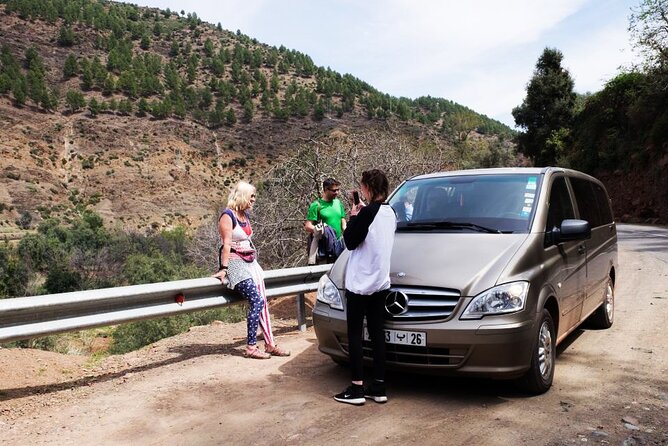
You start in Marrakech at 9:00 am, then head south toward the High Atlas on an air-conditioned minibus with a guide. The whole point of doing this guided is simple: you get context for what you’re seeing—villages, valleys, and everyday Moroccan routines—without having to figure out roads, timings, or where to stop for the best viewpoints.
The ride is scenic and broken up with stops, so it doesn’t feel like one endless drive. In a day trip like this, comfort matters. Air-conditioning helps, and the guide keeps the timing moving so you don’t lose half the day waiting around.
Also, the group size is capped at 15, which is a big deal for Morocco day trips. Smaller groups tend to get more human conversations, less chaos around photo stops, and better odds of asking questions without feeling rushed.
You can also read our reviews of more tours and experiences in Marrakech.

Argan oil near Moulay Brahim: a stop you’ll remember
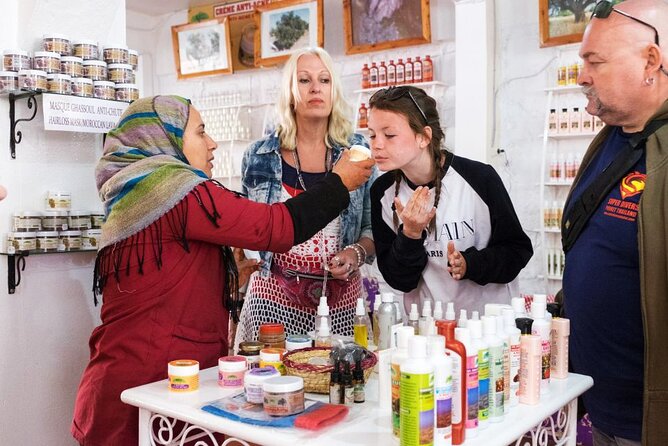
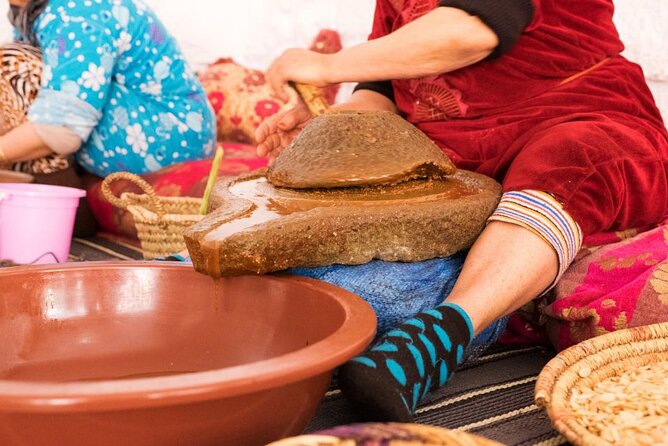
One of the best moments is the visit to an argan-making cooperative in the area of Moulay Brahim. This isn’t just a shop stop. You’re watching the process carried out by Berber women, and the experience feels grounded in work, skill, and routine—exactly the kind of stop that makes a day trip feel meaningful rather than staged.
I like this stop because it gives you something concrete: argan isn’t just a trendy label. You see the steps and the human effort behind it. It also changes how you view the rest of the day, because the Atlas Mountains region isn’t only about views—it’s about local economies and people adapting to mountainous life.
If you care about ethical souvenirs, this is also the kind of place where you can connect your purchase to a real process. Just keep it practical: watch for how the cooperative presents its work, and ask what’s made there versus what might be sold elsewhere.
Tahnaout and Asni breaks: photo moments and practical pauses
As you move through the High Atlas area, there’s time for quick reality-check stops and small village moments. Near Tahnaout, you can pause briefly for photos. This is the part of the day where you’ll want your phone ready, because the views can shift fast as the minibus climbs and changes direction.
Then you reach Asni, where the stop is short and useful: restroom break, cash withdrawal if you need it, and any last-minute basics. I appreciate stops like this because they make the rest of the hike and lunch plans smoother. One small tip: if you want souvenirs later, you’ll often have limited time on the return loop, so keep a little cash handy.
These breaks also set expectations. This day trip balances scenic stops with functional ones. If you only want dramatic walking time, you might feel tempted to skip the ride stops. But for most people, the mix is what makes the day work.
Camel ride into the Imlil Valley: when the day slows down
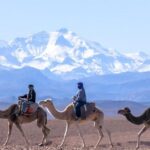
A camel ride comes before you head deeper into the Imlil Valley. This is one of those experiences that sounds touristy until you do it, then it becomes a memory marker: the moment the day feels more like travel and less like a schedule.
Even if you’ve never ridden a camel before, don’t overthink it. The value here is the setting. You’re transitioning from the road world of Marrakech day trips into a more local, slower rhythm where villages, orchards, and the shape of the mountains start to feel closer.
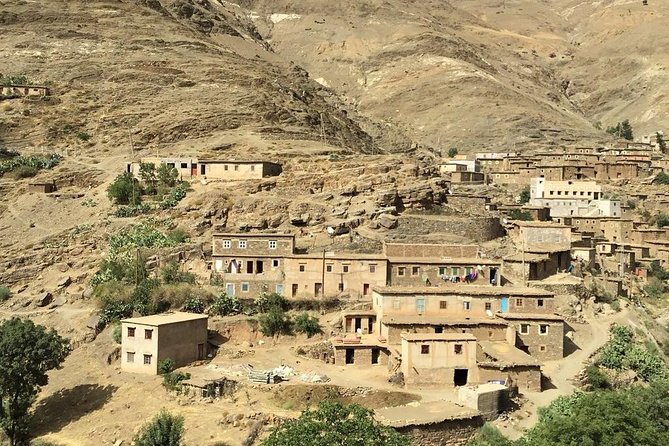
After the ride, the day keeps moving toward Imlil, with more chances to see traditional Berber villages and the craggy mountain backdrop you came for. The guide’s role is important again: you’ll be told where you’re going, what to expect, and how to choose between walking and other options depending on how your body feels.
The Imlil waterfall hike: walking time, mule support, and pacing
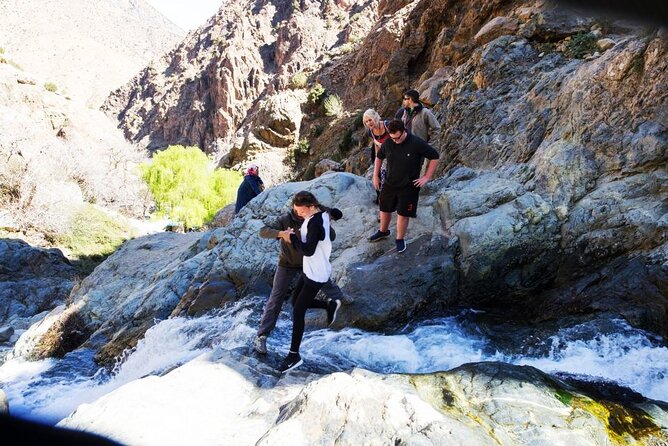
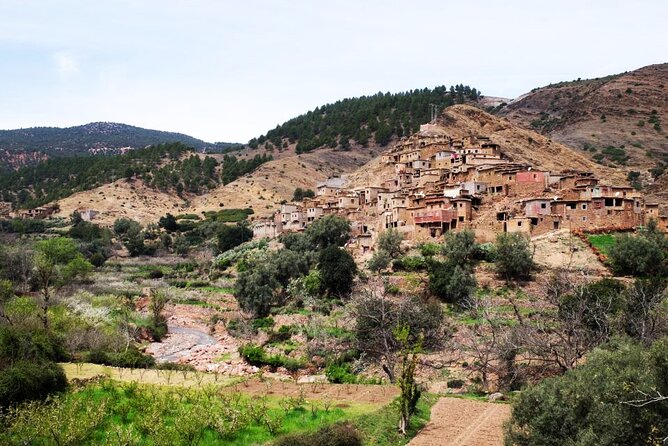
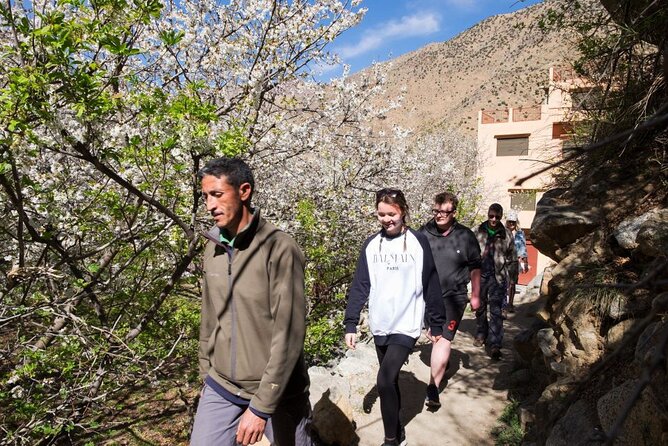
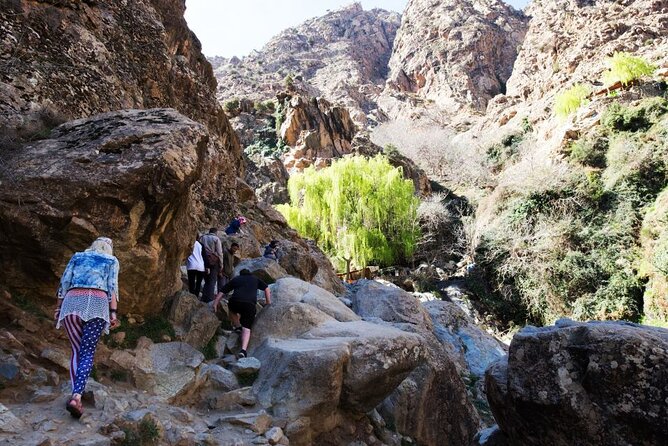
The highlight for active visitors is the guided hike from Imlil to the waterfalls. The walking portion is roughly 45 minutes to 1 hour, which is a sweet spot for a day trip: long enough to feel like you did something, short enough to not drain the whole day.
Here’s the key practical detail: there’s an option for a mule if you’d rather not do the entire walk on foot. That matters because the day is not only about fitness—it’s also about enjoying the views and the Berber setting without turning it into a suffering contest.
My advice for the hike:
- Wear shoes with good grip. Even when the path looks fine, mountain terrain can get slippery.
- Bring water. You have tea stops, but the hike time still benefits from hydration.
- Keep your expectations realistic. The waterfall viewpoint is the payoff, but you’ll spend most of your effort on the trail itself.
If the day feels like it’s moving faster than you expected, that’s normal for guided Atlas trips. The best way to enjoy it is to use the pacing options. If you choose mule support, you’re not “cheating.” You’re matching the experience to your comfort so you can enjoy the scenery and conversation instead of focusing on fatigue.
Moroccan tea, cake, and panoramic terrace pauses
One of the best ways to make sense of the Atlas day is to slow down at the tea stops. You’ll have Moroccan tea and cake on a panoramic terrace. This is exactly the kind of pause that turns a busy itinerary into an actual day with moments you can remember.
I like tea breaks for two reasons. First, they give you a reset so you can handle the next drive and hike without feeling worn out. Second, they give you a chance to talk with your guide about what you’re seeing—valleys, villages, and how the region works.
Also, don’t treat the terrace as dead time. This is where you should step back and look around. The Atlas Mountains are dramatic, and the bigger views often land best when you’re not staring at your route or counting down minutes.
Ait Souka and Berber family lunch: the culture part that lasts
Deeper in the day, you head toward the village of Ait Souka. This is where the trip shifts from scenery and stops into real cultural time. You get to enjoy a traditional Berber lunch—tagine (a slow-simmered stew) and couscous—plus a chance to visit a Berber family’s home and learn about their way of life.
Important for value: the lunch is optional and listed as 6 Euros for a meal that includes salad, tajine, fruits, and water. If you already planned to eat a sit-down meal anyway, this can feel like a bargain. If you’re already committed to your own food plans, you can choose not to add it—but I’d at least consider it because this is the part of the day that connects food to place and people.
Here’s what makes this section worth your time: it’s not only about eating. It’s about seeing how hospitality works in a mountain village setting. That tends to be what separates a fun day from a memorable day.
If you’re sensitive to pace, plan for the fact that village visits can involve a bit of waiting for people to clear space, bring food, or show you around. It’s normal. The guide helps keep it organized.
Souvenir browsing and the last stretch back to Marrakech
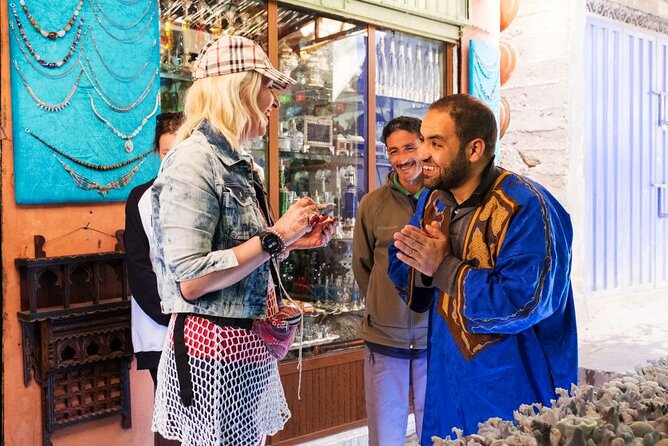
After lunch and village time, the day includes a short walk through a souk area for souvenirs. Think of this as a flexible add-on, not a required shopping sprint. If you enjoy crafts or small gifts, use it. If not, just keep it simple and enjoy the final look around before heading back.
Then you’re back on the road toward Marrakech. The day ends after enough time to get everyone safely returned. For many people, the return ride is when the day’s photos start to make sense—camel ride, tea terrace, waterfall path, village meal. It clicks as one story instead of separate stops.
If you want to shop, I suggest doing it earlier in the day rather than leaving everything to the last hour. You may feel tempted to wait for the return souk, but time can be tight on day trips.
Price, group size, and who should choose this trip
The price is $34.86 per person, and at this level you’re paying for a lot of guided value: transport from Marrakech, a guide, tea, camel ride, and access that would be harder to organize on your own. It also runs with a maximum group size of 15, which helps keep the day from feeling crowded.
Is it “cheap”? Compared to private drivers or multi-stop tours with private guides, yes, it can feel like good value. But it’s not the kind of tour where you can expect every item to be included. The traditional Berber meal is optional, and the day’s best walking part depends on conditions.
This trip suits you if:
- You want Atlas Mountains scenery plus culture, not just a scenic drive
- You like having a structured day without handling logistics
- You’re okay with a day that includes short walking and optional mule support
- You want a small-group feel rather than a huge bus tour
It might not suit you as well if:
- You hate riding in a vehicle for a big part of the day
- You want a full-day hiking experience with no breaks
- You’re extremely weather-dependent and don’t want any chance of schedule changes
Should you book this Atlas Mountains & 3 Valleys Waterfalls and Camel Ride trip?
I’d book it if you want a balanced day that mixes the Atlas Mountains with Berber life in a way you can actually follow. The camel ride, argon-making visit, and tea terrace give you memorable moments, while the Imlil waterfall hike is short enough to keep it enjoyable, with mule support if needed.
One more reason to lean yes: the overall rating is 4.9 with 100% recommendation in the available feedback, and the tour runs in small groups. For a day trip at this price, that combination is hard to beat.
My final advice: pack comfortable shoes, keep a light layer for mountain weather, and don’t plan something tight right after this tour ends. You’ll likely want a calm dinner back in Marrakech to process the photos and the stories.
FAQ
What time does the tour start?
The tour starts at 9:00 am.
How long is the tour?
It runs for about 8 hours.
Is pickup from Marrakech included?
Yes, pickup is offered.
What’s included in the price?
The tour includes a guide, mint tea, a camel ride, and all fees and taxes. Tea is also included.
Is lunch included?
A traditional Berber meal is optional for 6 Euros (salad, tajine, fruits, and water).
How long is the hike to the waterfalls?
The hike is about 45 minutes to 1 hour.
Can I avoid walking the full hike?
Yes. There is an option to use a mule if you’d rather not walk the entire route. The guide also offers choices for how you reach the next stop (on foot, by vehicle, or by mule).
What group size should I expect?
The tour has a maximum of 15 travelers.
What happens if the weather is poor?
This experience requires good weather. If it’s canceled due to poor weather, you’ll be offered a different date or a full refund.