REVIEW · OUARZAZATE
Marrakech: 3-day Merzouga Desert, Camel, Quad & Privat Tent
Book on GetYourGuide →Operated by Morocco Tour Experience SARL · Bookable on GetYourGuide
Sahara nights steal the show on this 3-day Marrakech to Merzouga route, and the drive is part of the magic, starting with the Tizi n’Tichka Pass views and the UNESCO Ait Ben Haddou kasbah. I like how the tour mixes big scenery with real stops, not just a quick drive-through.
My favorite part is the camel trek over the Erg Chebbi dunes at sunset, then waking up to a Sahara sunrise and sleeping in a Berber camp under the stars with drumming. One thing to plan for: you’ll spend a lot of time in the van, so it’s more active than a slow vacation.
In This Review
- Quick hits
- Day 1: Marrakech to Tinghir via Tizi n’Tichka and Ait Ben Haddou
- Day 2: Todgha Gorges, Merzouga, and the Erg Chebbi sunset camel trek
- Desert camp night: dinner, drumming, and sleeping in the stars
- Day 3: Sahara sunrise and the return to Marrakech
- Guides, group vibe, and the A/C van with Wi‑Fi
- Price and value: what $116 gets you (and what costs extra)
- What to pack for Merzouga: warm layers, small bags, and sand-proof thinking
- Who should book this Marrakech to Merzouga tour?
- Should you book? My practical verdict
- FAQ
- How many days is the Marrakech to Merzouga desert tour?
- What’s included in the tour price?
- What meals are included, and are vegetarian options available?
- Do you ride camels and do sandboarding?
- What are the main stops on the route?
- What should I bring for the desert?
- Is an ATV/quad included?
Quick hits
- Tizi n’Tichka Pass (2,260 m) and classic mountain road views along the way
- UNESCO Ait Ben Haddou and its famous kasbah setting
- Todgha Gorges with towering limestone cliffs (around 300 m high)
- Erg Chebbi sunset camel ride plus sandboarding
- One night in Tinghir and one night in a desert Berber camp
- Guide quality matters, and names like Mehdi, Hakim, HESHAM, Zaid, and Youssef show up for a reason
Day 1: Marrakech to Tinghir via Tizi n’Tichka and Ait Ben Haddou
Day 1 is your big “travel + sightseeing” day, and it works because the route has clear milestones. You leave Marrakech and head into the High Atlas, climbing up to the Tizi n’Tichka Pass (2,260 m). Expect winding roads and frequent chances to look out across Berber villages and mountain scenery.
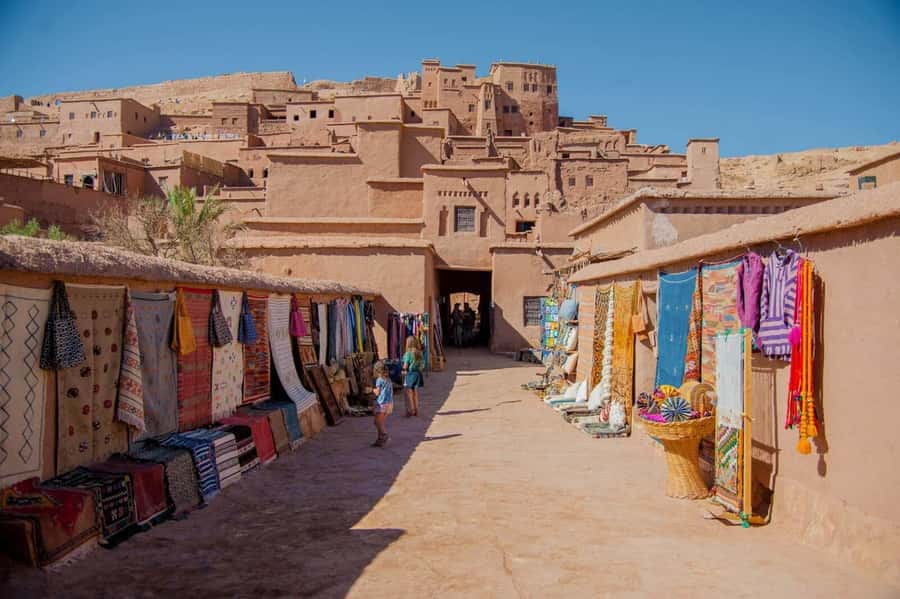
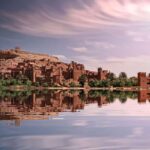
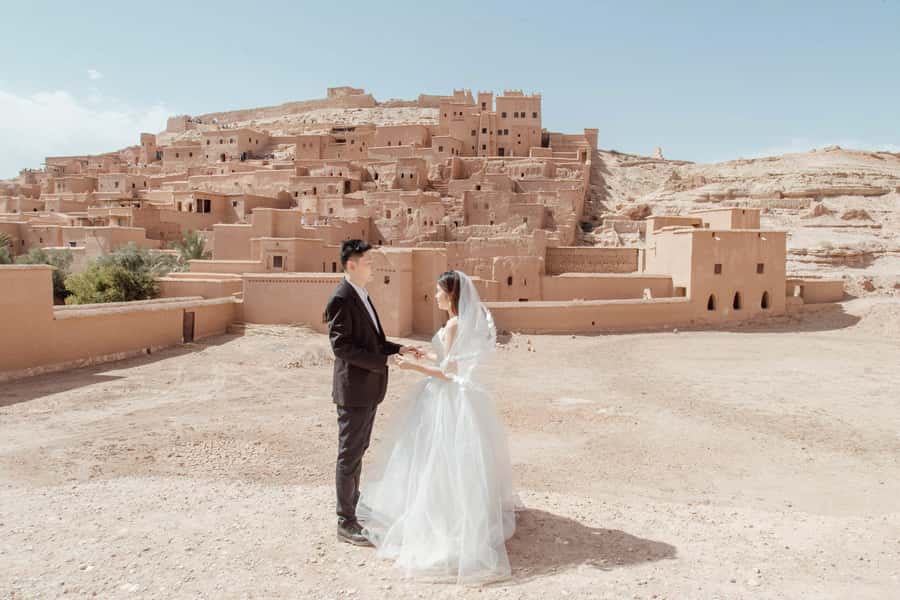
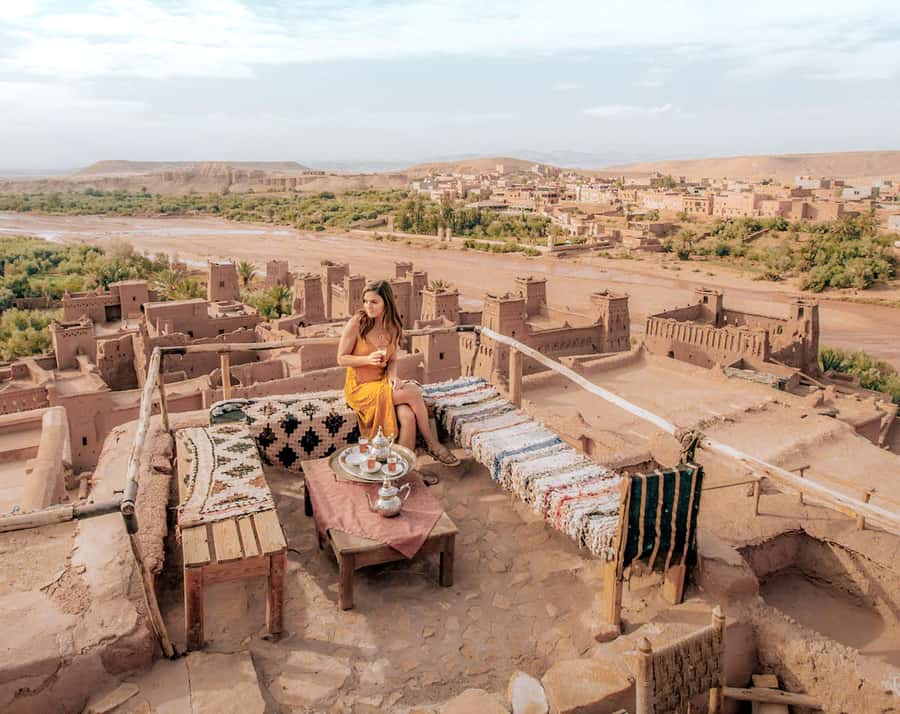
Then you get the stop that people remember: Kasbah Ait Ben Haddou, the UNESCO-listed kasbah. It’s one of those places where you can feel why it shows up in pop culture. The best way to enjoy it is to take your time walking the uneven lanes, noticing how the buildings fit the terrain, and imagining how people lived here before modern roads made things easier.
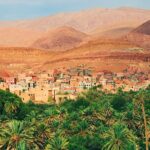
After lunch time (not included), the plan continues through the Dades Valley area, known for its oases and distinctive rock formations. You’ll finish the day in Tinghir with an overnight stay in a comfortable hotel room with traditional Moroccan hospitality. This matters because the next day gets more intense: you’ll want a proper place to reset your legs before the gorges and desert.
A few more Ouarzazate tours and experiences worth a look
Day 2: Todgha Gorges, Merzouga, and the Erg Chebbi sunset camel trek
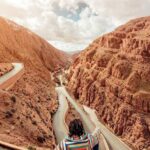
Day 2 starts with one of Morocco’s most dramatic canyon stops: Todgha Gorges. The cliffs are huge, with limestone walls that rise roughly 300 meters. You don’t need a lot of hiking knowledge to enjoy it—what you do need is time to look up and take in the scale. The gorge shape makes the light feel different as the day moves on.
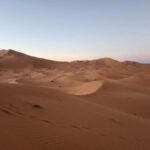
From Todgha, you head toward Merzouga, the gateway area for the Erg Chebbi dunes. This is where the day changes pace. Instead of city roads and viewpoints, you switch to sand, wind, and that slow realization that you’ve actually reached the edge of the Sahara.
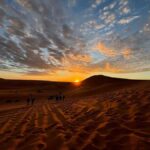
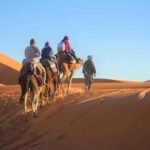
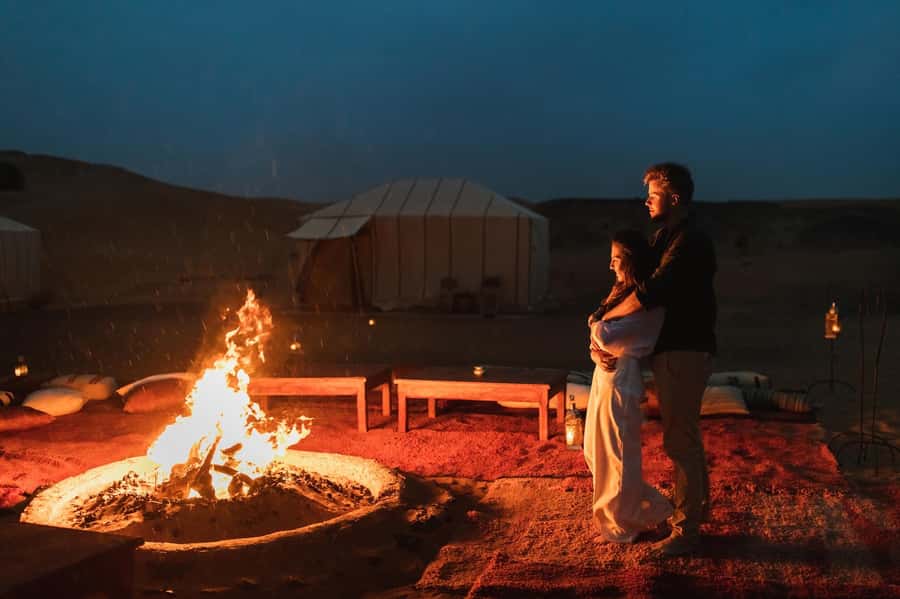
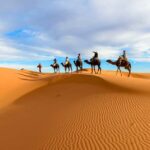
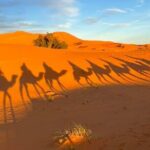
Then comes the core moment: your camel caravan for the sunset trek across the dunes. The ride is the traditional way to do it, and it’s not just scenic—this is when your senses shift. Sand feels different underfoot, and the light at sunset turns everything gold and quiet. You’ll arrive at a traditional Berber desert camp for dinner, with live drumming and music by the campfire, and then sleep under a sky full of stars.
If you’re traveling with kids, you’ll still likely find this day works well because the activities are simple: you look, you ride, you eat, you listen. It’s long, but it’s not complicated.
Desert camp night: dinner, drumming, and sleeping in the stars
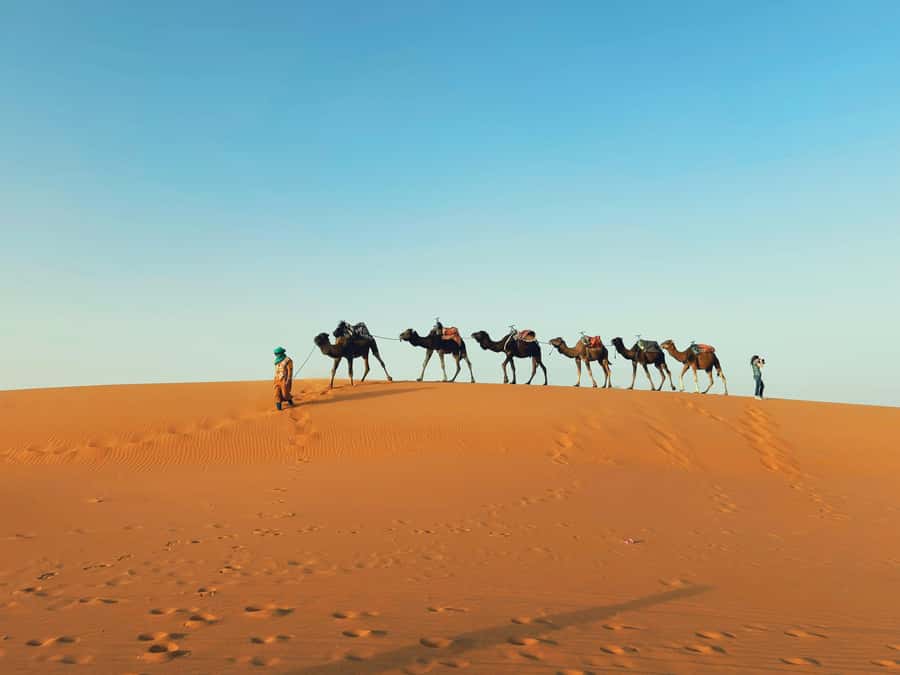
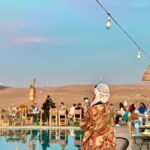
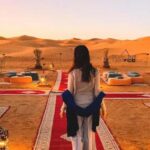
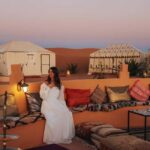
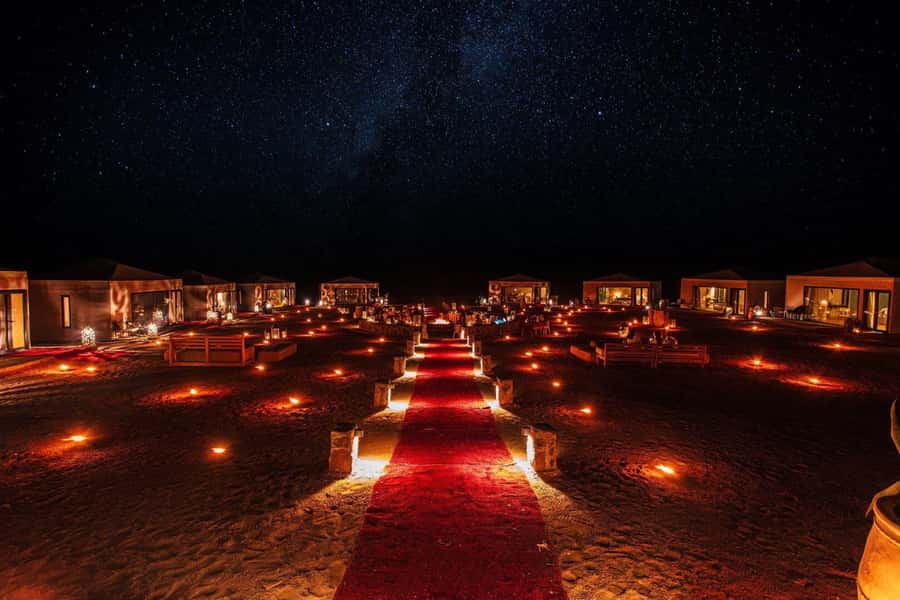
The desert camp is more than a place to lie down. You’re given dinner, plus Berber drumming and music, and that night atmosphere is a big part of why people book this trip. The camp experience also feels more human than “just a stop,” especially when your guide helps you understand what’s happening around the fire.
The tour includes luggage service, which is a small detail that makes the day better. You can carry a small bag for the camel ride and overnight needs, while the bigger luggage stays stored safely in the van. That means less scrambling and less sand baggage to worry about.
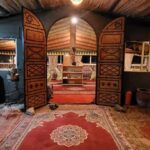
Sleeping arrangements depend on the option you choose for the desert camp, but the main idea is the same: you’re out in the Erg Chebbi area, far enough from city lights that the stars actually stand out. In winter, temperatures can drop to around 0°C, and the tour provides warm blankets, but it’s smart to bring warm sleeping clothes too. If you tend to get cold easily at night, pack like you mean it.
One more practical tip: bring wet wipes. After sand, they feel like magic.
Day 3: Sahara sunrise and the return to Marrakech
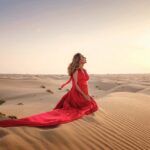
On Day 3 you wake early for Sahara sunrise. This is one of those moments that doesn’t need extra selling. The dunes shift color fast, the air feels cooler, and the quiet makes the whole experience feel more real than photos.
After sunrise, you return to Merzouga either by camel or 4×4 (based on the option). This swap matters: camel rides are slower and more traditional, while the 4×4 can feel like a relief after two days of travel.
Then you’re back on the road toward Marrakech, stopping for lunch along the way (lunch is not included). You arrive in the evening at your original pickup area or around Jemaa el-Fna. That timing is useful because you can end the trip with dinner plans in the city instead of needing to sleep somewhere else.
Guides, group vibe, and the A/C van with Wi‑Fi
A tour like this lives or dies on two things: communication and pacing. The driver-guide setup helps because you get one point of contact for navigation, explanations, and small problem-solving during the long drive.
Names that come up strongly include Mehdi, Hakim, HESHAM, Zaid, and Youssef. Across those guides, the common thread is attentiveness—being professional, helpful, and willing to explain local customs and traditions in a way that fits your group. It’s also worth noting that guide language coverage includes Arabic, English, French, Spanish, and Portuguese, so you’re less likely to feel lost.
Transport is a plus: you travel in an air-conditioned van with Wi‑Fi. Wi‑Fi isn’t a guarantee everywhere in Morocco, but having the option helps on long drives, especially if you’re managing kids or multiple languages within one group.
The group structure is usually international and mixed, and that can be a good thing if you like a bit of social energy. If you prefer quiet, bring headphones and plan for downtime. This trip isn’t built for silent luxury—it’s built for seeing a lot in three days.
Price and value: what $116 gets you (and what costs extra)
At $116 per person, the value is solid because the big expenses are already covered. You get hotel pickup and drop-off, air-conditioned transport, a driver-guide, and meals: two breakfasts and two dinners. You also get two accommodations: one night in a room with a private bathroom after the Tinghir area, plus one night at the desert camp.
You also get the “Sahara activities” pieces that can add up if you book separately:
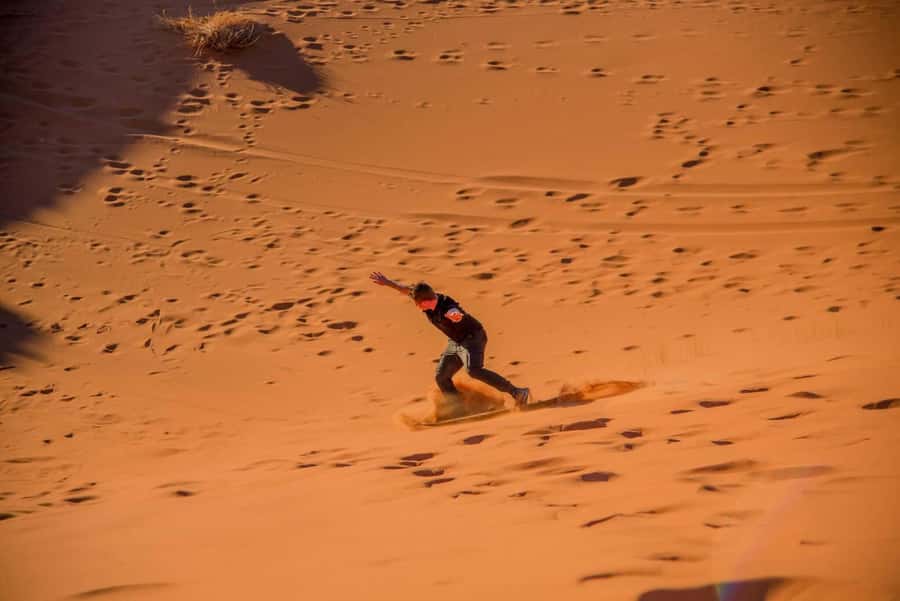
- Camel rides at sunrise and sunset
- Sandboarding
- Berber drumming and music
- Luggage service
What’s not included is the stuff that varies day to day: lunch is not included. Also, if you want a local guide specifically inside Ait Ben Haddou, that’s available and is listed as €2 per person.
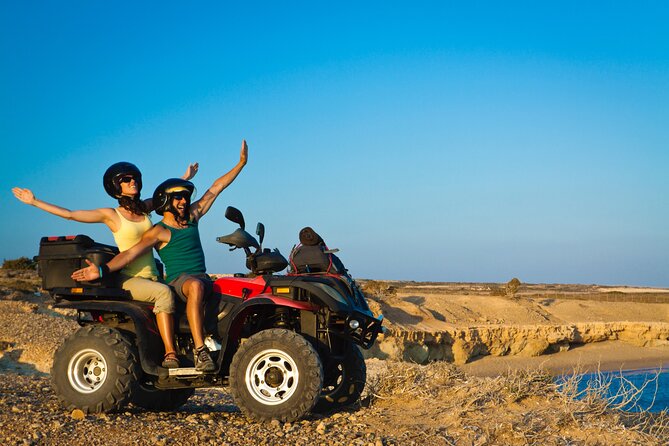
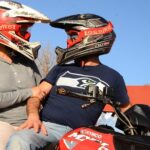
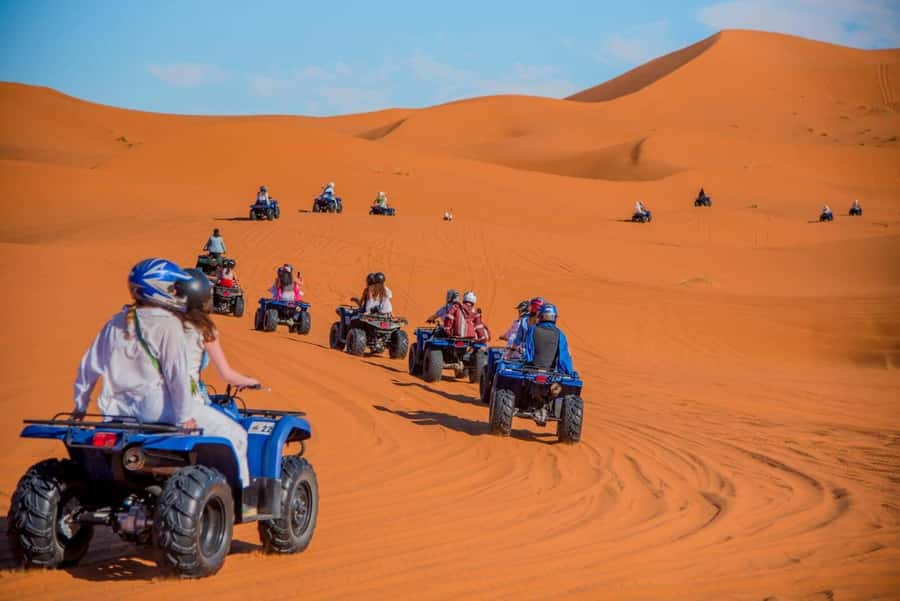
Finally, ATV/quad and buggy are available to rent from locals, but they’re not included in the tour price. If you care about that, budget extra and ask in advance what the rental looks like for timing and pickup.
Bottom line: for a three-day route that includes two nights, transportation, dinners, and camel + dune time, $116 is closer to a deal than a splurge—especially if you’d otherwise pay separately for desert camp transfers and guided drives.
What to pack for Merzouga: warm layers, small bags, and sand-proof thinking
Even if you’re visiting in warmer months, bring comfortable shoes. You’ll be walking uneven areas at kasbahs and along gorge paths, and you’ll want stable footing when sand enters the picture.
For clothing, the smart formula is layers:
- Warm clothing for the desert night
- Sunglasses and a sun hat
- Sunscreen
- Jeans or long shorts for the camel ride (this gets recommended specifically for comfort during the trek)
Plan on sand. So pack a small backpack or rucksack for the camel ride and the camp overnight needs, since your bigger luggage is handled by luggage service.
In winter: even with warm blankets provided, plan for colder air. Temperatures can drop to about 0°C, and that changes how you sleep. If you run cold at night, bring warm sleeping clothes rather than relying only on the blanket situation.
Cash is mentioned too, so keep some on hand for lunch stops and optional extras.
Who should book this Marrakech to Merzouga tour?
This is a good fit if you want a guided route that covers the classics: High Atlas pass driving, Ait Ben Haddou, Todgha Gorges, and the real-feeling Erg Chebbi dunes. It’s also a strong choice for families because the activities are straightforward and the guide supports the group through the long travel days.
It’s less ideal if you:
- Hate long van days and want minimal driving
- Struggle with cold nights and aren’t willing to pack warm layers
- Need a fully relaxed pace with lots of free time
One note from the provided information: it’s not suitable for people over 95 years.
Should you book? My practical verdict
If your priority is seeing Morocco’s biggest highlights in a single sweep—and you don’t mind an active three days—this tour is worth your time. The combination of camel sunset + sunrise, sandboarding, and a real Berber camp night under the stars is the kind of experience you can’t recreate easily on your own without planning chaos.
I’d book it if you like structure and you value a guide who explains what you’re seeing (guides like Mehdi, Hakim, Zaid, and Youssef are a strong sign). If you’re the type who gets cold at night or hates long road days, then adjust your expectations, pack accordingly, and consider another style of trip.
FAQ
How many days is the Marrakech to Merzouga desert tour?
It’s a 3-day tour from Marrakech to Merzouga, with one night in the Tinghir area and one night at a desert camp near Erg Chebbi, plus a return to Marrakech on day 3.
What’s included in the tour price?
The tour includes hotel/riad pickup and drop-off, air-conditioned transportation, a driver-guide, Wi‑Fi onboard, 1 night in an air-conditioned room with a private bathroom, 1 night at a desert camp, 2 breakfasts and 2 dinners, camel rides at sunrise and sunset, sandboarding, luggage service, and Berber drumming and music.
What meals are included, and are vegetarian options available?
You’ll have 2 breakfasts and 2 dinners included. Vegetarian and vegan food options are available.
Do you ride camels and do sandboarding?
Yes. Camel rides are included at sunrise and sunset, and sandboarding is included as well.
What are the main stops on the route?
You pass through the High Atlas via Tizi n’Tichka Pass, visit Kasbah Ait Ben Haddou, explore Todgha Gorges, and reach Merzouga for time in the Erg Chebbi dunes.
What should I bring for the desert?
Bring comfortable shoes, warm clothing, sunglasses, a sun hat, sunscreen, and cash. You’ll also want a small backpack for the camel ride and camp, plus wet wipes. In winter, temperatures can drop to around 0°C, and warm sleeping clothes are recommended.
Is an ATV/quad included?
ATV quad and buggy are not included. They can be rented from the locals if you want to add that experience.